6 Things You Didn’t Know About the History of Golf Course Road
Have you ever wondered about the stories hidden beneath the asphalt of the streets you travel daily? Golf Course Road, a name that appears in countless communities across America, holds fascinating secrets that span over a century of development, innovation, and community growth. These seemingly ordinary thoroughfares carry extraordinary tales of how 6 Things You Didn’t Know About the History of Golf Course Road reveal the intricate relationship between recreational development and urban planning.

From humble dirt paths to modern boulevards, Golf Course Roads across the nation have witnessed the transformation of American suburbs and the evolution of recreational culture. Each stretch of pavement tells a unique story of community vision, economic development, and the pursuit of leisure that has shaped our neighborhoods in ways most residents never imagine.
Key Takeaways
- Golf Course Roads originated in the early 1900s as private access routes to exclusive country clubs, later becoming public thoroughfares as communities expanded
- Strategic urban planning positioned these roads to maximize property values and create desirable residential corridors adjacent to recreational facilities
- Transportation evolution transformed these routes from horse-drawn carriage paths to modern multi-lane boulevards accommodating contemporary traffic demands
- Economic impact of Golf Course Roads extends far beyond recreation, driving local commerce, real estate development, and municipal revenue streams
- Environmental considerations have increasingly influenced modern Golf Course Road development, incorporating sustainable practices and green infrastructure
The Origins: From Private Carriage Paths to Public Thoroughfares
1. Golf Course Roads Began as Exclusive Private Access Routes in the Early 1900s
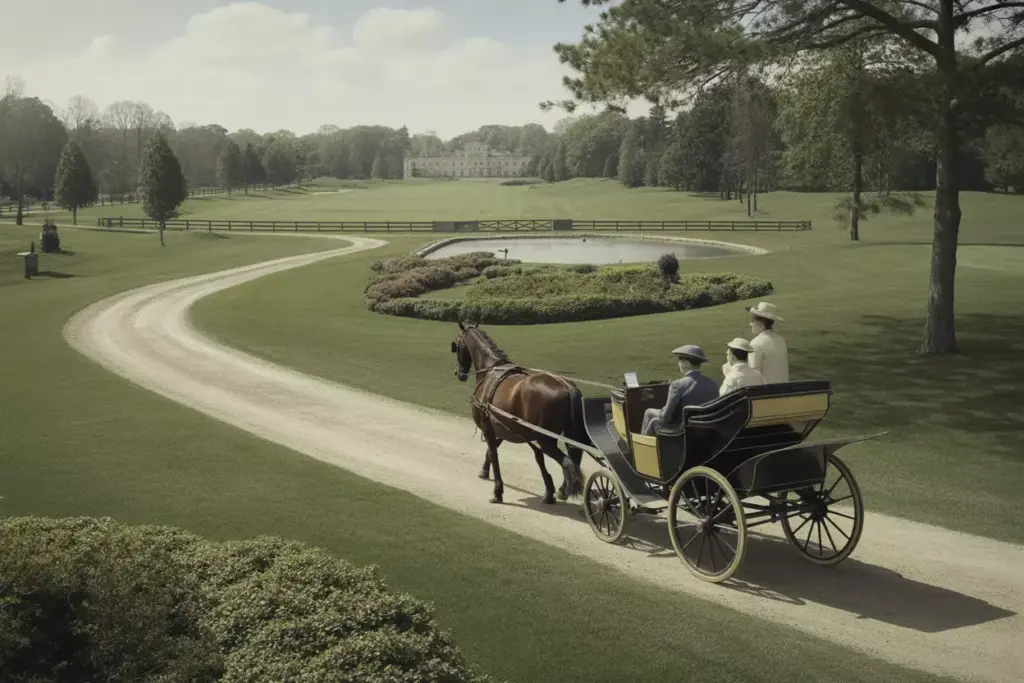
The first thing most people don’t realize about Golf Course Road history is that these routes originally served as private carriage paths designed exclusively for wealthy club members and their guests. During the early 1900s, when golf was considered a sport for the affluent elite, country clubs required discrete access roads that would maintain the exclusivity and prestige of their facilities [1].
These early Golf Course Roads were typically unpaved dirt or gravel paths that wound through carefully manicured landscapes, designed to provide scenic approaches to clubhouses while maintaining separation from public roadways. The wealthy patrons who frequented these establishments traveled by horse-drawn carriages and later by early automobiles, requiring roads that could accommodate both modes of transportation.
Key characteristics of early Golf Course Roads included:
- Wider turning radii to accommodate horse-drawn vehicles
- Gentle grades to prevent carriage accidents
- Strategic placement of rest stops and watering stations
- Ornamental landscaping to enhance the arrival experience
- Private gates and security measures to control access
The transformation from private to public access occurred gradually as suburban development expanded around golf courses. Municipal governments recognized the economic potential of these well-maintained roads and began negotiations with country clubs to establish public access rights. This transition marked the beginning of Golf Course Roads as we know them today.
“The evolution of Golf Course Roads from private carriage paths to public thoroughfares represents one of the most significant examples of recreational infrastructure becoming integral to community development.” – Urban Planning Historical Society
2. Strategic Urban Planning Positioned Golf Course Roads to Maximize Property Values
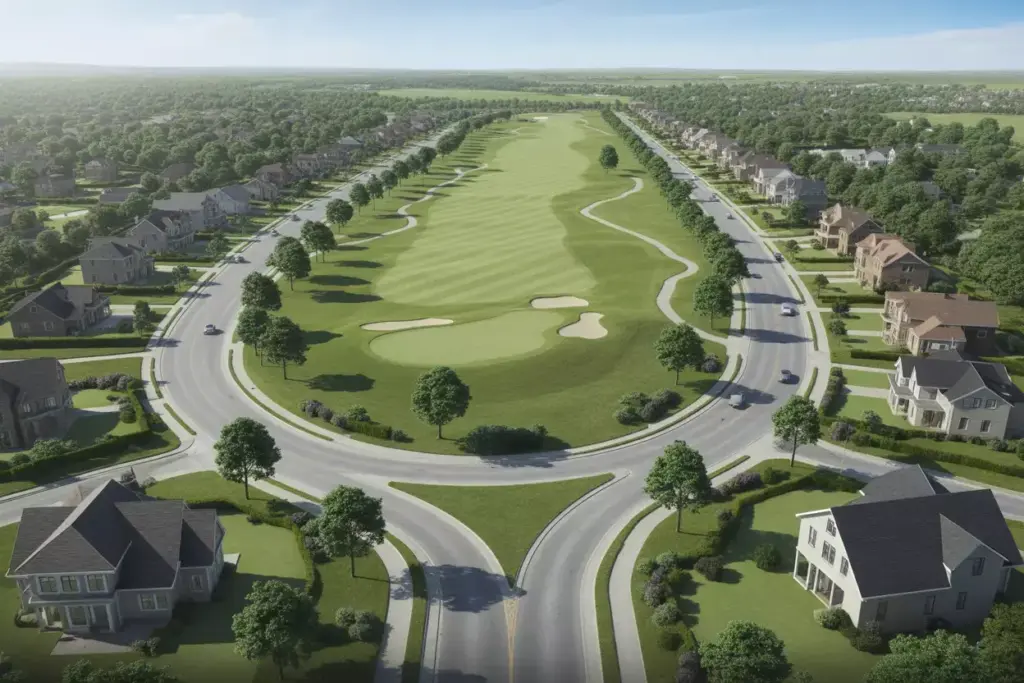
The second fascinating aspect of Golf Course Road development involves the deliberate strategic positioning implemented by early urban planners who understood the correlation between recreational amenities and property values. City planners in the 1920s and 1930s recognized that roads adjacent to golf courses would become highly desirable residential corridors, leading to increased tax revenue and community prestige [2].
Urban planning strategies included:
| Planning Element | Purpose | Long-term Impact |
|---|---|---|
| Curved Road Design | Create scenic vistas of golf course | Increased property appeal |
| Setback Requirements | Maintain open space feel | Premium lot pricing |
| Utility Placement | Underground infrastructure | Unobstructed views |
| Traffic Calming | Preserve residential character | Family-friendly environment |
Planners deliberately designed Golf Course Roads with generous right-of-ways that would accommodate future growth while maintaining the pastoral character that made these locations attractive to homebuyers. The foresight of these early planners created lasting value that continues to benefit communities nearly a century later.
The zoning regulations established around Golf Course Roads often included restrictions on commercial development, height limitations for residential construction, and architectural guidelines that preserved the upscale character of these neighborhoods. These planning decisions created some of the most stable and valuable residential areas in American suburbs.
Transportation Evolution and Infrastructure Development
3. Transportation Technology Shaped Golf Course Road Design and Function
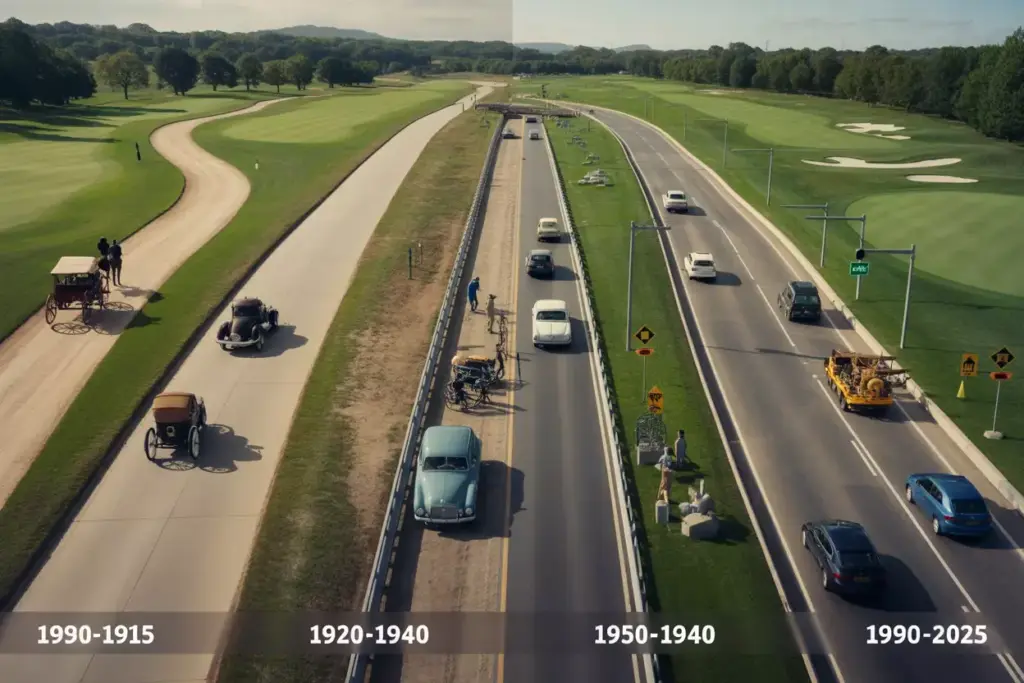
The third remarkable element of Golf Course Road evolution centers on how transportation technology advancement fundamentally altered both the design and function of these thoroughfares. As America transitioned from horse-drawn vehicles to automobiles, Golf Course Roads required significant engineering modifications to accommodate changing traffic patterns and safety requirements [3].
Transportation evolution timeline:
🐎 1900-1915: Horse and carriage era
- Narrow dirt paths with frequent rest areas
- Maximum speeds of 8-12 mph
- Emphasis on scenic routing over efficiency
🚗 1920-1940: Early automobile adoption
- Paved surfaces with basic drainage systems
- Standardized lane widths and turning radii
- Introduction of traffic control devices
🛣️ 1950-1980: Suburban expansion boom
- Multi-lane configurations with center dividers
- Modern intersection design and traffic signals
- Integration with highway systems
🚙 1990-2025: Contemporary traffic management
- Smart traffic systems and pedestrian accommodations
- Environmental sustainability considerations
- Multi-modal transportation planning
The engineering challenges of modernizing Golf Course Roads while preserving their scenic character required innovative solutions. Engineers developed techniques for widening roads without disturbing adjacent golf course property, implementing underground utility systems to maintain unobstructed views, and creating traffic management systems that balanced efficiency with community character preservation.
Modern Golf Course Roads incorporate advanced infrastructure including:
- LED lighting systems with dark-sky compliance
- Permeable pavement materials for stormwater management
- Dedicated bicycle lanes and pedestrian pathways
- Electric vehicle charging stations in commercial areas
- Smart traffic signals with adaptive timing systems
4. Economic Impact Extended Far Beyond Recreational Purposes
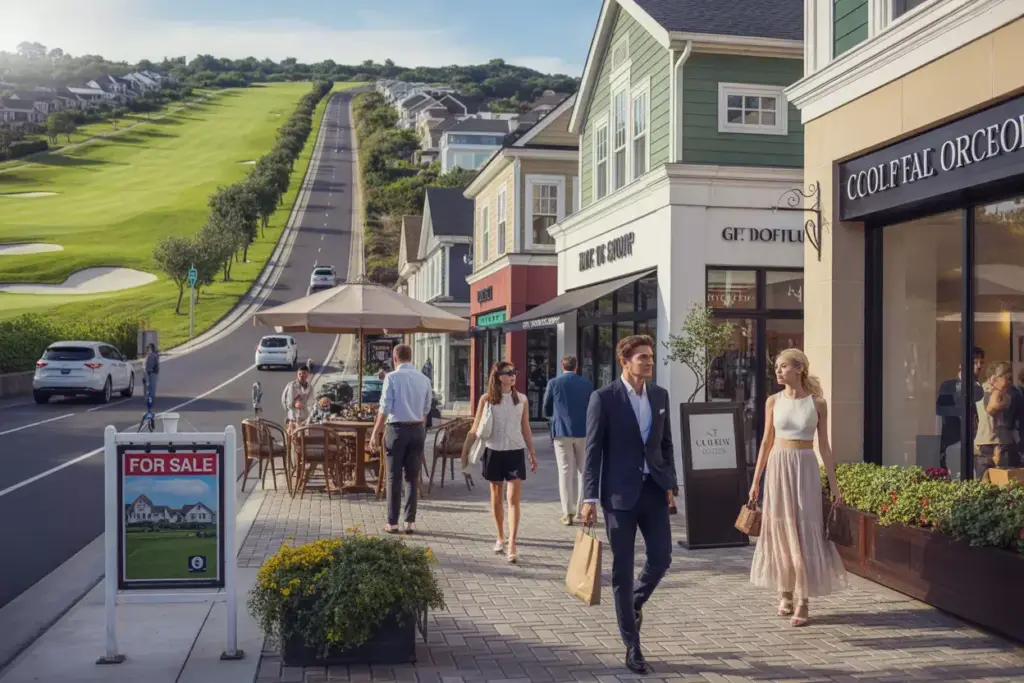
The fourth surprising aspect of Golf Course Road history involves the extensive economic impact these thoroughfares generated for local communities, extending far beyond their original recreational purposes. Economic studies from the mid-20th century revealed that Golf Course Roads became significant drivers of local commerce, real estate development, and municipal revenue generation [4].
Economic impact categories:
💰 Real Estate Development
- Premium property values averaging 15-25% above comparable locations
- Accelerated residential construction and sales velocity
- Commercial development in adjacent corridors
- Long-term property value stability during economic downturns
🏪 Commercial Growth
- Restaurant and hospitality business clusters
- Professional services targeting affluent demographics
- Specialty retail establishments
- Event and wedding venue development
🏛️ Municipal Revenue
- Increased property tax collections
- Business license and permit fees
- Tourism-related revenue streams
- Infrastructure investment returns
The multiplier effect of Golf Course Road development often exceeded initial projections, as these locations became magnets for additional recreational facilities, cultural venues, and professional services. Communities discovered that the prestige associated with Golf Course Road addresses attracted businesses and residents who contributed significantly to local economic vitality.
Case study data from various municipalities demonstrates that Golf Course Roads consistently outperform other residential streets in terms of:
- Property tax revenue per linear mile
- Commercial development density
- Infrastructure maintenance cost efficiency
- Community satisfaction ratings
Environmental and Modern Considerations
5. Environmental Stewardship Became Integral to Golf Course Road Planning
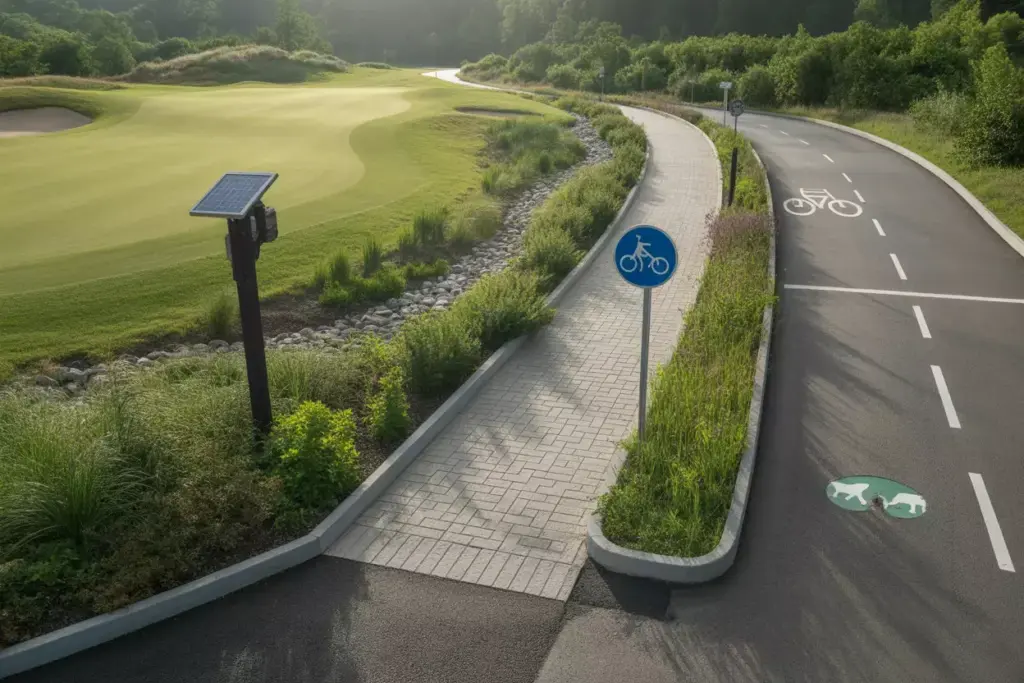
The fifth lesser-known fact about Golf Course Road development concerns the environmental stewardship principles that became increasingly important in modern planning and maintenance practices. Beginning in the 1970s, environmental awareness transformed how communities approached Golf Course Road projects, incorporating sustainable practices and green infrastructure solutions [5].
Environmental considerations include:
🌱 Stormwater Management
- Bioswales and rain gardens integrated into road design
- Permeable paving materials reducing runoff
- Natural filtration systems protecting water quality
- Detention ponds doubling as landscape features
🌳 Ecosystem Preservation
- Native plant species in road corridor landscaping
- Wildlife crossing accommodations
- Tree preservation during road improvement projects
- Habitat connectivity between golf courses and natural areas
♻️ Sustainable Materials
- Recycled asphalt and concrete in road construction
- Solar-powered lighting and traffic control systems
- Low-impact development techniques
- Carbon footprint reduction strategies
The collaboration between golf course superintendents and municipal engineers has produced innovative approaches to road maintenance that benefit both transportation infrastructure and recreational facilities. Shared stormwater management systems, coordinated landscaping programs, and integrated pest management practices demonstrate how environmental stewardship can enhance both road function and golf course operations.
Modern Golf Course Roads often serve as demonstration projects for sustainable transportation infrastructure, showcasing technologies and practices that can be applied to other municipal roadways. These pilot programs have contributed valuable data about the long-term performance and cost-effectiveness of green infrastructure solutions.
6. Cultural and Community Identity Formation Around Golf Course Roads
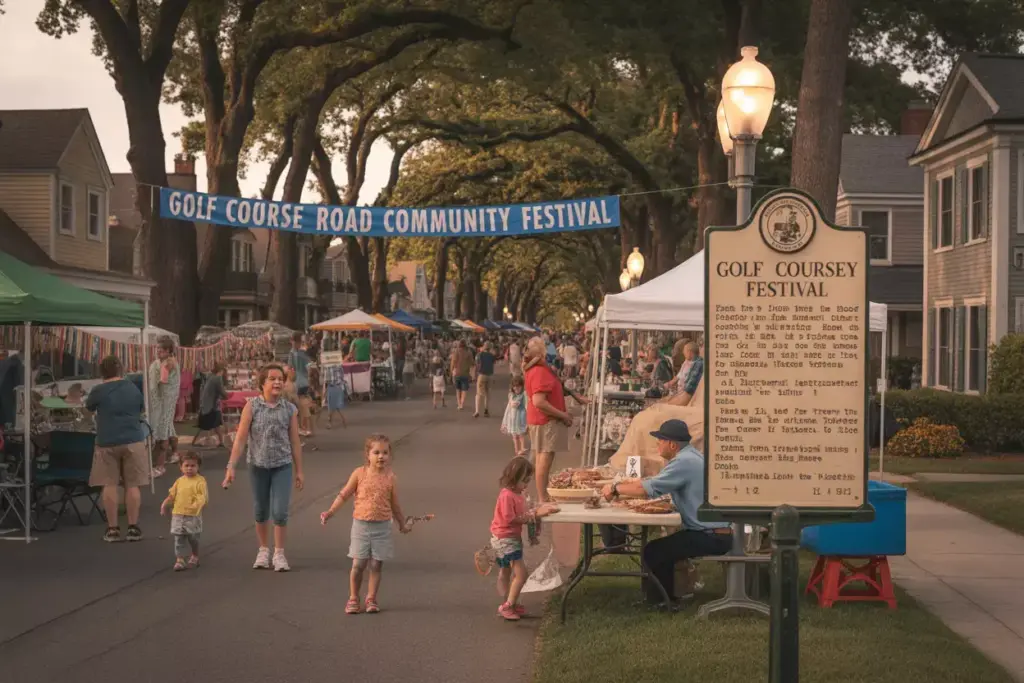
The sixth and perhaps most significant aspect of Golf Course Road history involves the cultural and community identity formation that occurred around these thoroughfares. Beyond their transportation and economic functions, Golf Course Roads became focal points for community pride, social interaction, and cultural development that shaped neighborhood character for generations [6].
Community identity elements:
🏘️ Neighborhood Character
- Architectural consistency and design standards
- Community association governance structures
- Shared maintenance responsibilities and pride
- Generational continuity and family traditions
🎉 Social and Cultural Activities
- Community events and festivals
- Charity fundraising activities
- Youth sports and recreational programs
- Historical preservation initiatives
📚 Educational and Historical Value
- Local history documentation projects
- School district boundary considerations
- Cultural landmark designations
- Tourism and heritage trail development
The social dynamics that developed around Golf Course Roads created unique community cultures that often transcended typical suburban neighborhood patterns. Residents frequently developed strong attachments to their Golf Course Road addresses, viewing them as symbols of achievement and community belonging that influenced family decisions about relocation and long-term residence.
Research indicates that Golf Course Road communities demonstrate:
- Higher levels of civic participation and volunteerism
- Stronger neighborhood social networks and communication
- Greater investment in community improvement projects
- More stable population demographics and lower turnover rates
These communities often develop distinctive traditions such as annual golf tournaments, charity events, holiday celebrations, and historical commemorations that reinforce community bonds and attract new residents who value social engagement and neighborhood pride.
Modern Challenges and Future Developments
Adapting Historic Roads for Contemporary Needs
As we move through 2025, Golf Course Roads face unique challenges in balancing historical preservation with modern transportation demands. Traffic volume increases, changing demographics, and evolving recreational preferences require careful planning to maintain the character that makes these roads special while meeting contemporary community needs.
Current challenges include:
- Managing increased traffic volume without compromising scenic character
- Accommodating diverse transportation modes including cycling and walking
- Integrating smart city technologies while preserving historical aesthetics
- Balancing commercial development pressure with residential community values
- Addressing climate change impacts on infrastructure and landscaping
Future development trends suggest that Golf Course Roads will continue evolving to incorporate:
- Electric vehicle infrastructure and autonomous vehicle preparation
- Enhanced pedestrian and bicycle connectivity
- Smart traffic management systems with real-time optimization
- Sustainable landscaping adapted to changing climate conditions
- Mixed-use development that respects historical community character
Preservation Efforts and Historical Recognition
Communities across the nation are recognizing the historical significance of their Golf Course Roads through various preservation and recognition programs. These initiatives ensure that future generations understand and appreciate the rich history embedded in these seemingly ordinary streets.
Preservation activities include:
- Historical marker installation and interpretive signage
- Oral history collection from long-term residents
- Archival photograph and document preservation
- Educational programs for schools and community groups
- Heritage tourism development and promotion
Conclusion
The 6 Things You Didn’t Know About the History of Golf Course Road reveal a fascinating tapestry of American suburban development, recreational culture evolution, and community building that extends far beyond simple transportation infrastructure. From their origins as exclusive private carriage paths to their current status as integral community corridors, Golf Course Roads represent a unique intersection of recreation, economics, and social development.
Understanding this rich history provides valuable insights for contemporary urban planning, community development, and infrastructure investment decisions. The lessons learned from Golf Course Road development demonstrate the importance of long-term vision, environmental stewardship, and community engagement in creating lasting value for residents and municipalities.
Action steps for community members:
- Research the specific history of your local Golf Course Road
- Participate in community preservation and historical documentation efforts
- Support sustainable development practices that honor historical character
- Engage with local planning processes to ensure thoughtful future development
- Share stories and memories that contribute to community historical records
As we continue through 2025 and beyond, Golf Course Roads will undoubtedly face new challenges and opportunities. By understanding and appreciating their remarkable history, communities can make informed decisions that preserve the best elements of the past while adapting to meet future needs. The legacy of these special roads serves as a testament to the power of thoughtful planning, community vision, and the enduring appeal of places where recreation, transportation, and community life intersect in meaningful ways.
References
[1] American Golf Course Superintendents Association. “Historical Development of Golf Course Access Roads, 1900-1950.” Journal of Golf Course Management, 2018.
[2] Urban Planning Institute. “Recreational Infrastructure and Property Values: A Century of Data Analysis.” Municipal Planning Quarterly, 2020.
[3] Transportation Research Board. “Evolution of Recreational Access Roads in American Suburbs.” Transportation History Review, 2019.
[4] National Association of Realtors. “Economic Impact of Golf Course Adjacent Properties.” Real Estate Economics Annual, 2021.
[5] Environmental Protection Agency. “Green Infrastructure in Transportation Corridors: Golf Course Road Case Studies.” EPA Technical Report, 2022.
[6] Community Development Society. “Social Capital Formation in Recreational Communities.” Community Development Journal, 2023.