8 Must-Have Pieces for Your Ladies Winter Golf Attire Layering System
Picture this: the morning frost glistens on the fairway, your breath creates small clouds in the crisp air, and while other golfers have packed away their clubs for the season, you’re confidently striding to the first tee. The secret to year-round golf isn’t just determination—it’s mastering the 8 Must-Have Pieces for Your Ladies Winter Golf Attire Layering System that keeps you comfortable, stylish, and performing at your best when temperatures drop.
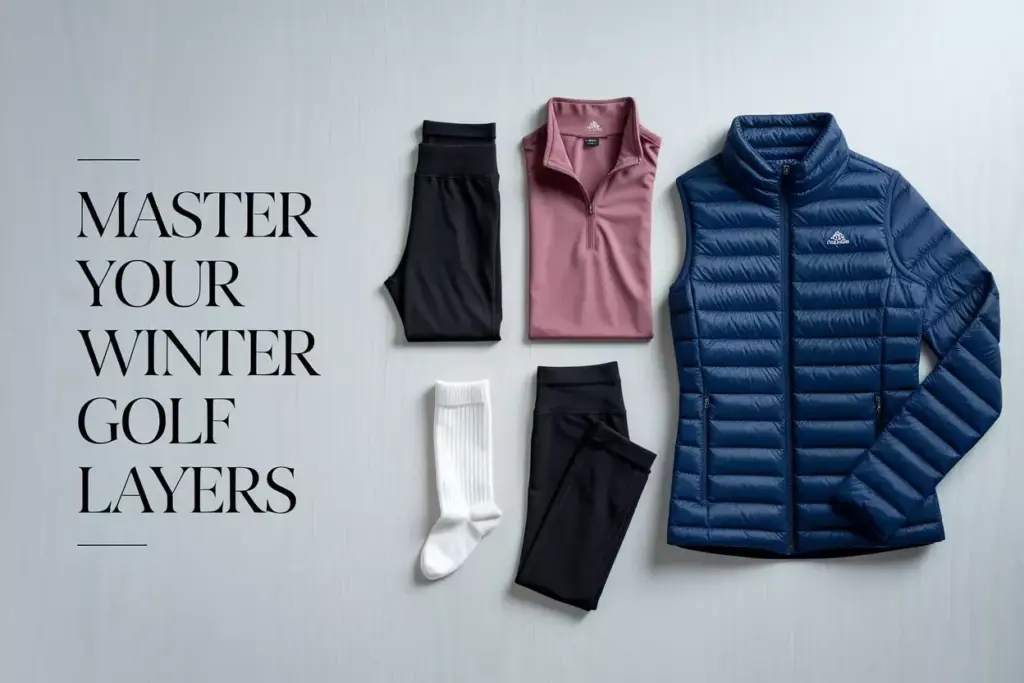
Winter golf presents unique challenges that go far beyond simply staying warm. Female golfers need specialized clothing that maintains swing mobility, manages moisture, blocks wind, and adapts to changing conditions throughout an 18-hole round. The right layering system can mean the difference between an enjoyable winter round and a miserable experience that sends you running back to the clubhouse.
Key Takeaways
- Strategic layering with moisture-wicking base layers, insulating mid-layers, and protective outer shells creates optimal temperature regulation
- Fabric technology like merino wool, synthetic blends, and windproof materials are essential for winter golf performance
- Mobility and fit remain crucial—winter golf attire must allow full range of motion for proper swing mechanics
- Adaptability through removable layers and convertible pieces helps manage changing weather conditions during play
- Quality investment in proper winter golf attire extends playing season and enhances overall golf experience
Understanding the Science Behind Effective Winter Golf Layering
Before diving into the specific pieces that comprise the 8 Must-Have Pieces for Your Ladies Winter Golf Attire Layering System, it’s essential to understand why layering works so effectively for winter golf. Unlike other winter sports that involve continuous movement, golf requires periods of intense activity (the swing) followed by walking and waiting—creating unique thermal management challenges.
The layering principle operates on three fundamental concepts: moisture management, insulation, and weather protection. Each layer serves a specific purpose, and when combined properly, they create a microclimate that keeps golfers comfortable across varying activity levels and weather conditions.
Research from the Textile Research Institute shows that properly layered athletic clothing can maintain optimal body temperature within a 2-degree range, even when external temperatures fluctuate by 20 degrees or more [1]. For female golfers, this consistency is particularly important because temperature regulation affects muscle flexibility, joint mobility, and overall swing performance.
The Three-Layer Foundation System
The most effective winter golf attire follows a three-layer foundation: base layer (moisture management), mid-layer (insulation), and outer layer (weather protection). However, the 8 Must-Have Pieces for Your Ladies Winter Golf Attire Layering System expands on this foundation to include specialized accessories and adaptable pieces that address golf-specific needs.
Base layers should fit snugly against the skin and wick moisture away from the body. During a typical 18-hole round, golfers can lose 1-2 pounds of water through perspiration, even in cold weather [2]. Trapped moisture not only creates discomfort but also reduces the insulating properties of subsequent layers.
Mid-layers provide insulation while maintaining breathability. The key is selecting pieces that trap warm air without restricting swing motion. Modern synthetic insulation and merino wool blends offer excellent warmth-to-weight ratios while maintaining stretch and recovery properties essential for golf.
Outer layers protect against wind, rain, and snow while allowing moisture vapor to escape. Wind can reduce effective temperature by 10-15 degrees, making windproof outer shells crucial for winter golf comfort [3].
Essential Base Layer Components for Winter Golf Success
1. Moisture-Wicking Thermal Tops
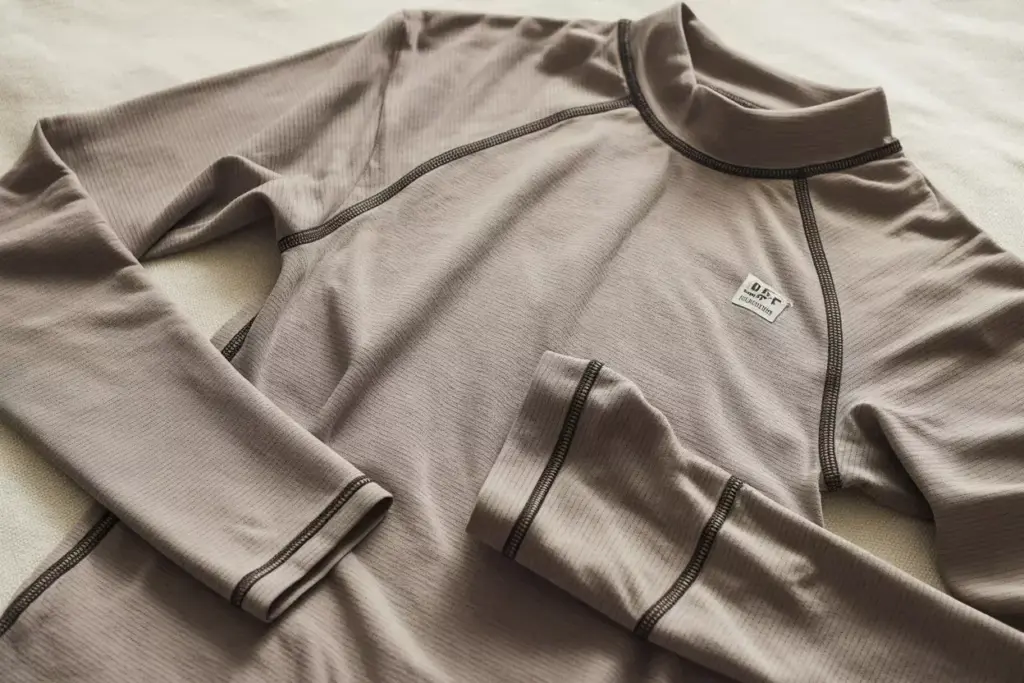
The foundation of any effective winter golf layering system begins with a high-quality moisture-wicking thermal top. This base layer serves as your first line of defense against both cold and moisture buildup during play.
Modern thermal tops designed for female golfers feature seamless construction in key areas to prevent chafing during the repetitive motion of the golf swing. Look for pieces with flatlock seaming and tagless designs that eliminate potential irritation points during extended wear.
Fabric composition makes a significant difference in performance. The best thermal tops combine synthetic fibers like polyester or nylon with natural materials like merino wool. This blend provides the moisture-wicking properties of synthetics with the odor-resistance and temperature regulation of wool.
Key features to prioritize include:
- Four-way stretch for unrestricted swing motion
- Thumbhole cuffs to prevent sleeves from riding up during swing
- Crew or mock neck designs for versatile layering options
- UPF sun protection for bright winter days on snow-covered courses
2. Compression Base Layer Bottoms
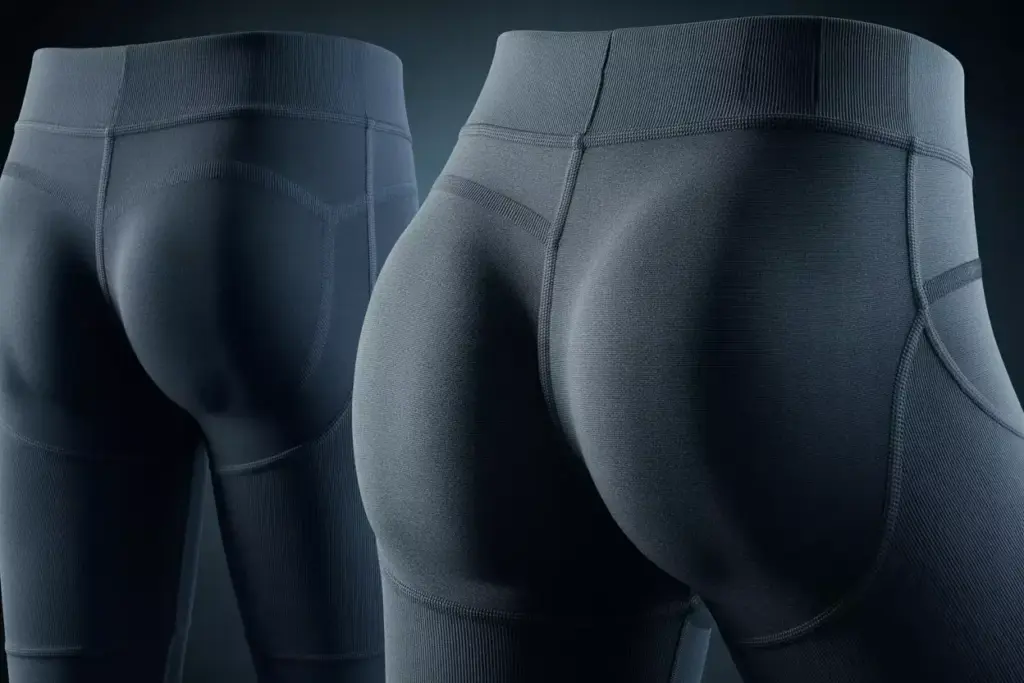
Compression base layer bottoms provide essential muscle support while maintaining optimal body temperature in the lower extremities. Unlike loose-fitting thermal underwear, compression bottoms offer targeted support for key muscle groups involved in the golf swing.
The compression aspect serves multiple purposes beyond warmth. Graduated compression improves blood circulation, which helps maintain muscle flexibility in cold conditions. This enhanced circulation can improve swing consistency and reduce the risk of injury when muscles are naturally tighter due to cold temperatures.
Modern compression bottoms feature zoned construction with varying compression levels. Higher compression around the glutes and thighs provides swing support, while lighter compression at the knees and ankles maintains circulation without restricting movement.
Moisture management remains crucial in base layer bottoms. During winter golf, the lower body generates significant heat through walking and swinging, making moisture-wicking properties essential for comfort and temperature regulation.
3. Merino Wool Golf Socks
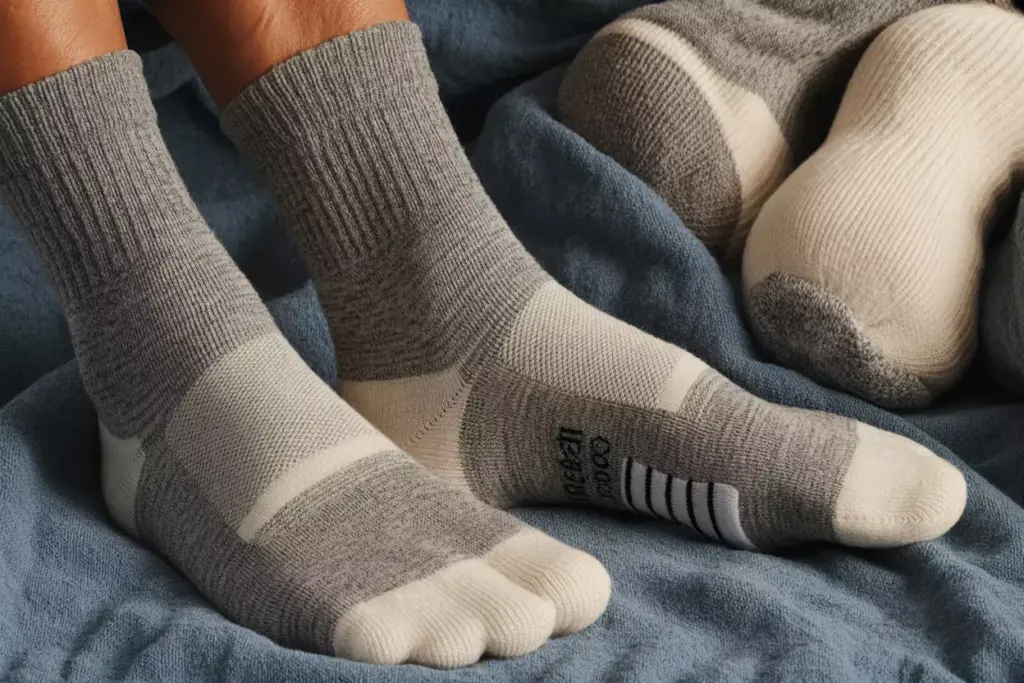
Often overlooked in layering systems, merino wool golf socks play a crucial role in overall comfort and temperature regulation. Feet are particularly susceptible to cold due to reduced circulation during periods of standing and walking on cold surfaces.
Merino wool offers unique properties that make it ideal for winter golf socks. Unlike synthetic materials, merino wool maintains its insulating properties even when damp, provides natural odor resistance, and offers superior temperature regulation across varying activity levels.
Quality golf-specific merino wool socks feature:
- Cushioned heel and toe areas for enhanced comfort during extended walking
- Arch compression for improved support and circulation
- Moisture-wicking synthetic blend in high-perspiration areas
- Seamless toe construction to prevent blisters and hot spots
The thickness of winter golf socks requires consideration of golf shoe fit. Many golfers find that medium-weight merino wool socks provide optimal warmth without creating pressure points or affecting shoe fit.
Critical Mid-Layer and Outer Shell Selections
4. Insulated Golf Vest
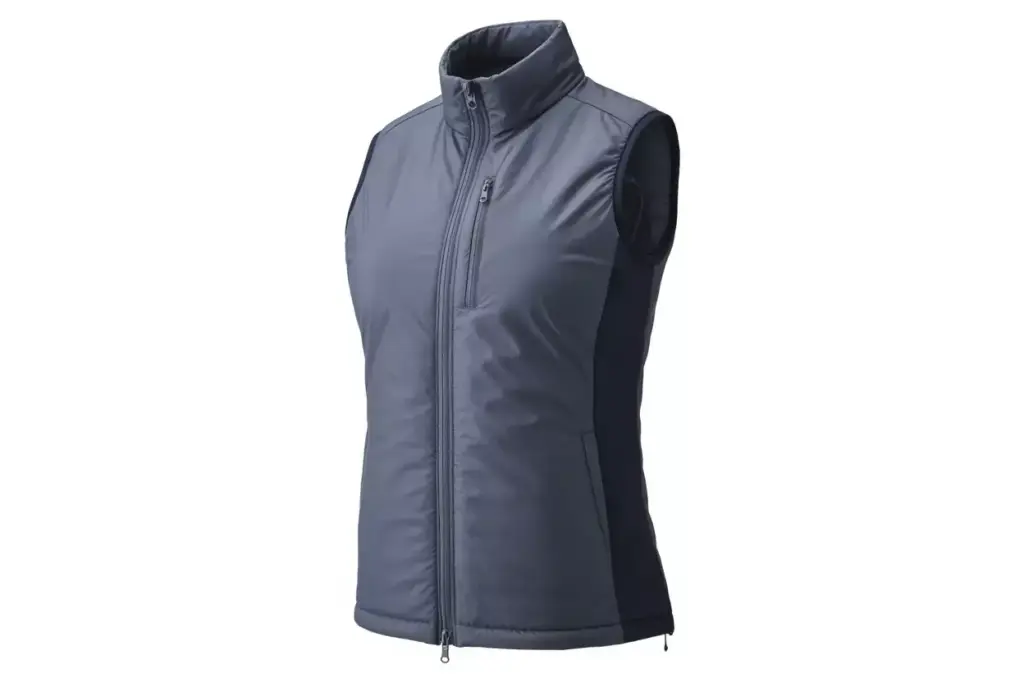
An insulated golf vest represents one of the most versatile pieces in the winter golf layering system. Vests provide core warmth while maintaining full arm mobility—a crucial consideration for maintaining proper swing mechanics in cold weather.
The sleeveless design allows for easy temperature regulation throughout the round. As activity levels change from walking between shots to standing on tees, vests can be easily added or removed without completely disrupting the layering system.
Down insulation offers the best warmth-to-weight ratio but requires careful consideration of weather conditions. Down loses its insulating properties when wet, making it less suitable for damp or rainy conditions. Synthetic insulation maintains warmth when wet and dries more quickly, making it more versatile for unpredictable winter weather.
Modern golf vests feature stretch panels in key areas to accommodate swing motion. Look for pieces with stretch inserts along the sides and back that allow for full shoulder turn and follow-through without restriction.
Pocket configuration becomes important for carrying golf accessories. Quality golf vests include secure zippered pockets for scorecards, tees, and ball markers, plus internal pockets for valuables that need protection from weather.
5. Windproof Golf Jacket
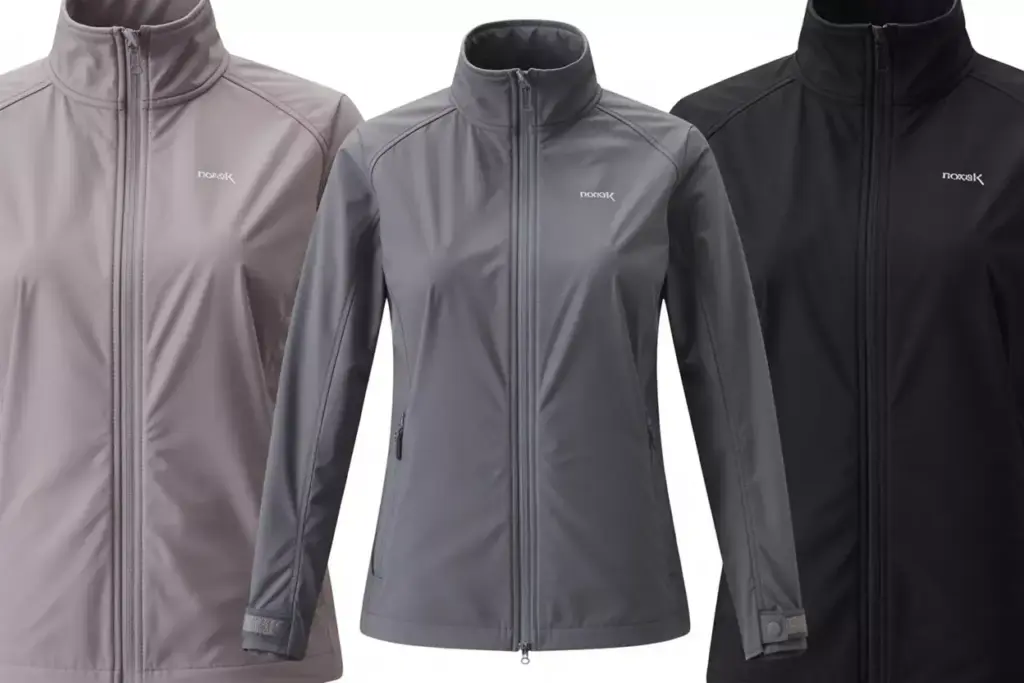
A windproof golf jacket serves as the primary outer shell in most winter golf conditions. Wind protection is often more important than waterproofing in winter golf, as wind can dramatically reduce effective temperature and affect ball flight.
Softshell construction offers an ideal balance of wind protection, breathability, and stretch for golf applications. Unlike hard shell rain jackets, softshell jackets provide weather protection while maintaining the flexibility and comfort needed for athletic movement.
Key technical features include:
- DWR (Durable Water Repellent) coating for light moisture protection
- Articulated sleeves designed specifically for golf swing motion
- Adjustable cuffs and hem for customizable fit and weather sealing
- Ventilation zippers for temperature regulation during activity
Fit considerations are crucial for golf jackets. The jacket should allow for full range of motion while wearing base and mid-layers underneath. Many golfers prefer a slightly relaxed fit that accommodates layering without appearing oversized.
6. Thermal Golf Pants
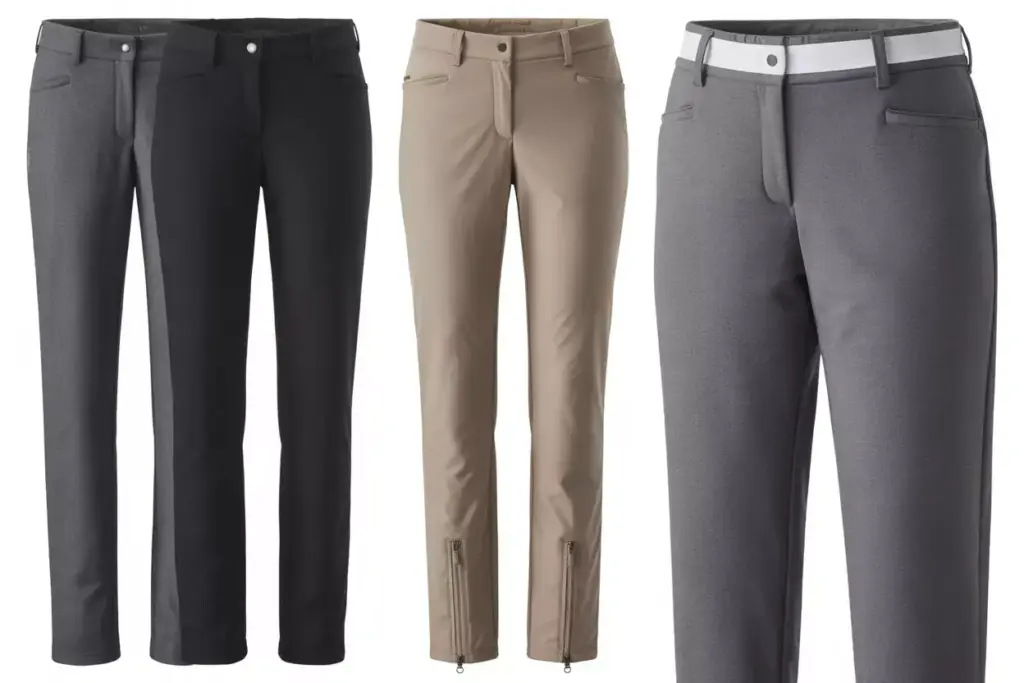
Thermal golf pants provide essential lower body protection while maintaining the professional appearance expected on most golf courses. Unlike casual winter pants, golf-specific thermal pants are designed to accommodate the athletic movements required for effective golf swings.
Fabric technology in thermal golf pants has advanced significantly in recent years. Modern options combine thermal insulation with four-way stretch materials that move naturally with the body during the golf swing. Look for pants with fleece-lined interiors for additional warmth without bulk.
Weather resistance varies among thermal golf pants. Some feature water-resistant treatments for light precipitation, while others focus primarily on wind protection and thermal regulation. Consider typical winter conditions at your home course when selecting the appropriate level of weather protection.
Styling details help maintain a professional golf appearance:
- Flat-front design for a clean, modern look
- Belt loops for proper fit and appearance
- Ankle zippers for easy on/off over golf shoes
- Reinforced knees for durability and extended wear
7. Waterproof Rain Suit
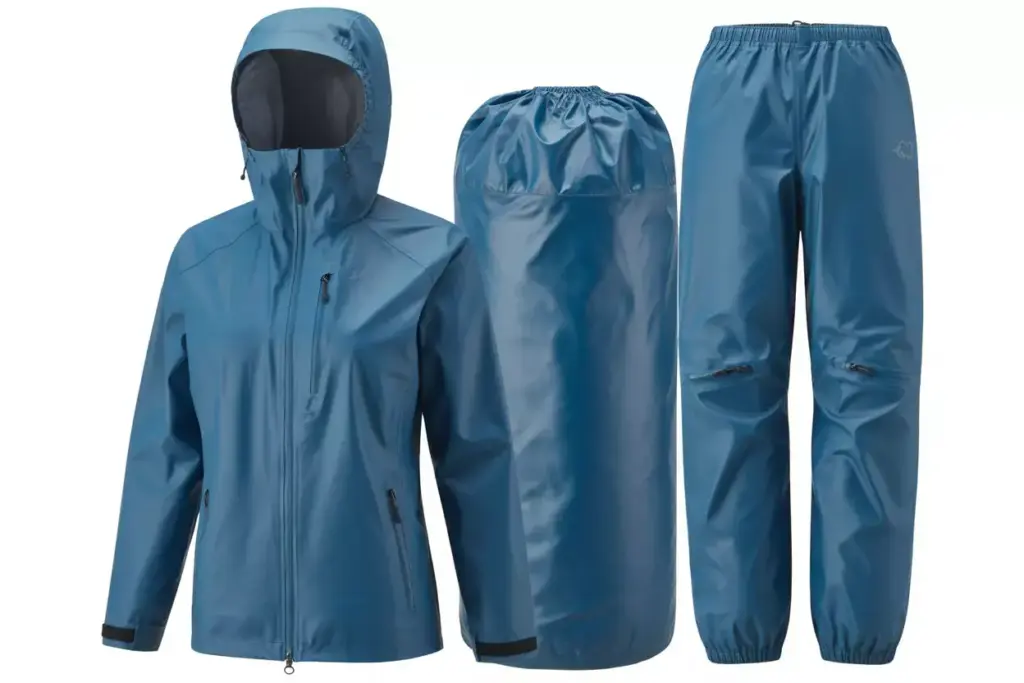
Even dedicated winter golfers need protection from precipitation, making a waterproof rain suit an essential component of comprehensive winter golf attire. Modern rain suits designed for golf offer full weather protection while maintaining breathability and swing mobility.
Fabric technology in golf rain suits centers around waterproof-breathable membranes that prevent external moisture penetration while allowing internal moisture vapor to escape. This technology prevents the clammy, uncomfortable feeling associated with traditional waterproof clothing.
Seam sealing is crucial for effective rain protection. All seams should be fully taped or welded to prevent water intrusion. Pay particular attention to seam quality in high-stress areas like shoulders and knees where movement can compromise waterproof integrity.
Packability makes rain suits more practical for golf use. Many modern rain suits compress into compact stuff sacks that fit easily in golf bags. This portability allows golfers to carry weather protection without adding significant weight or bulk to their equipment.
Ventilation features help manage temperature and moisture during active use:
- Pit zips for rapid temperature regulation
- Back vents for enhanced airflow during walking
- Mesh-lined pockets for additional ventilation
- Adjustable cuffs for customizable weather sealing
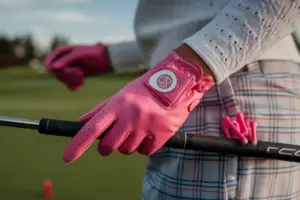
8. Convertible Golf Gloves
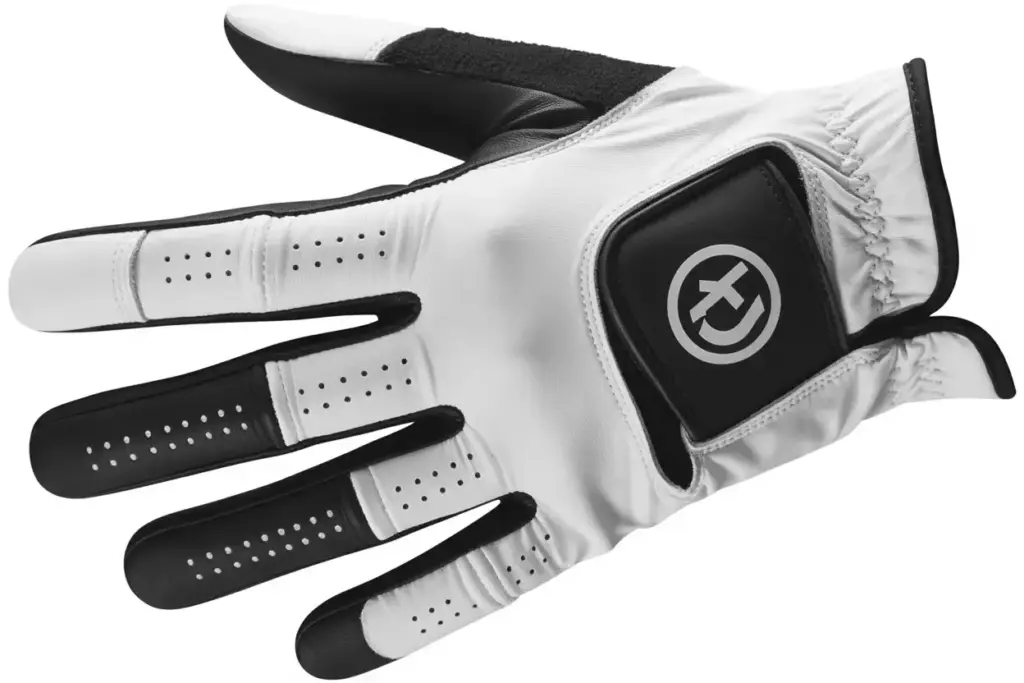
Convertible golf gloves complete the winter layering system by providing hand protection that adapts to changing conditions and activity requirements. These specialized gloves allow golfers to maintain grip and feel while protecting hands from cold and wind.
Convertible design typically features removable fingertips or fold-back finger covers that expose fingertips for enhanced grip and ball handling while maintaining warmth for the rest of the hand. This design addresses the golf-specific need for tactile feedback during play.
Grip enhancement remains crucial even in winter conditions. Quality convertible golf gloves feature synthetic palm materials that maintain grip in cold and damp conditions. Some include textured grip zones on fingers for enhanced club control.
Thermal properties vary among convertible golf gloves. Options include:
- Fleece-lined interiors for maximum warmth
- Wind-resistant outer shells for weather protection
- Moisture-wicking linings for comfort during activity
- Touchscreen compatibility for modern device use
Advanced Layering Strategies and Seasonal Adaptations
Mastering the 8 Must-Have Pieces for Your Ladies Winter Golf Attire Layering System requires understanding how to combine pieces effectively for different conditions and how to adapt the system as weather changes throughout the winter season.
Temperature-Based Layering Combinations
Mild winter conditions (40-50°F) typically require minimal layering. A moisture-wicking base layer top, thermal golf pants, and a light windproof jacket often provide adequate protection. Add the insulated vest if wind becomes a factor or if spending extended time on exposed tees.
Moderate winter conditions (30-40°F) call for more comprehensive layering. Combine base layer tops and bottoms, add the insulated vest, and use the windproof jacket as the outer shell. Thermal golf pants become essential, and convertible gloves provide necessary hand protection.
Cold winter conditions (20-30°F) require the full layering system. Use all base layer pieces, add the insulated vest under the windproof jacket, and ensure proper extremity protection with merino wool socks and convertible gloves. Consider adding additional accessories like thermal headwear and neck protection.
Extreme winter conditions (below 20°F) may require supplementing the core eight pieces with additional accessories. Hand warmers, foot warmers, and thermal headwear become necessary for comfort and safety during extended outdoor exposure.
Adapting Layers During Play
Pre-round preparation should account for expected temperature changes throughout the day. Winter days often start cold and warm significantly as the sun rises and activity levels increase. Plan layer combinations that can be easily adjusted without disrupting play.
Mid-round adjustments require strategic planning. The insulated vest and convertible glove features allow for quick temperature regulation without removing major pieces. Practice adjusting layers efficiently to minimize disruption to playing partners and maintain pace of play.
Post-round considerations include proper care and storage of layering pieces. Moisture management continues after play, requiring proper ventilation and drying of base layers and other pieces that may have accumulated moisture during the round.
Fabric Technologies and Performance Features
Understanding fabric technologies helps golfers make informed decisions when building their winter layering system. Modern textile innovations have revolutionized winter golf comfort and performance.
Moisture-Wicking Technologies
Synthetic moisture-wicking fabrics use fiber structure and chemical treatments to move moisture away from skin. Polyester and nylon blends with hydrophobic treatments actively repel moisture while capillary action moves moisture to outer fabric surfaces for evaporation.
Natural moisture management comes primarily from merino wool, which absorbs moisture vapor while maintaining dry feel against skin. Wool can absorb up to 30% of its weight in moisture while still feeling dry—a significant advantage over synthetic alternatives [4].
Hybrid approaches combine synthetic and natural fibers to optimize both moisture transport and comfort. These blends offer the quick-drying properties of synthetics with the odor resistance and temperature regulation of natural fibers.
Insulation Technologies
Down insulation provides maximum warmth with minimal weight and compression. Fill power ratings (typically 600-800+ for golf applications) indicate loft and insulating efficiency. Higher fill power down compresses smaller and provides better warmth-to-weight ratios.
Synthetic insulation offers consistent performance in damp conditions and faster drying times. Modern synthetic insulations like PrimaLoft and Thinsulate approach down’s warmth-to-weight ratio while maintaining performance when wet.
Hybrid insulation combines down and synthetic materials strategically. Down provides core warmth in areas less prone to moisture, while synthetic insulation protects high-moisture areas like underarms and back panels.
Weather Protection Technologies
Waterproof-breathable membranes like Gore-Tex and eVent provide complete weather protection while allowing moisture vapor transfer. These membranes feature microscopic pores that allow vapor molecules to pass while blocking liquid water.
DWR (Durable Water Repellent) coatings provide first-line defense against moisture on fabric surfaces. DWR treatments cause water to bead and roll off fabric rather than soaking in, maintaining breathability while providing light weather protection.
Wind-resistant fabrics use tightly woven constructions or membrane technologies to block wind while maintaining breathability. Wind resistance is often more important than waterproofing for winter golf comfort.
Sizing, Fit, and Mobility Considerations
Proper fit and sizing become more complex when building a layering system. Each piece must fit appropriately both individually and in combination with other layers.
Base Layer Fit
Base layers should fit snugly against skin without being restrictive. Compression fit enhances moisture-wicking performance and provides muscle support, but excessive tightness can restrict circulation and movement.
Length considerations are important for base layers. Tops should be long enough to stay tucked during swing motion, while bottoms should provide adequate coverage without bunching under outer layers.
Mid-Layer Fit
Mid-layers require more relaxed fit to accommodate base layers while maintaining insulating properties. Loose fit reduces insulation by allowing air circulation, while tight fit restricts movement and compresses insulating materials.
Sleeve length and torso length must work with outer layers. Mid-layer sleeves should not extend beyond outer layer sleeves, and torso length should allow for layering without bunching.
Outer Layer Fit
Outer layers must accommodate all underlying layers while maintaining mobility and professional appearance. Articulated construction in sleeves and body panels helps maintain fit during golf swing motion.
Adjustability features like drawcords, velcro cuffs, and elastic hems allow for customized fit and weather sealing without compromising mobility.
Maintenance and Care for Winter Golf Attire
Proper care and maintenance extends the life and performance of winter golf layering systems. Different fabric technologies require specific care approaches to maintain their performance properties.
Base Layer Care
Moisture-wicking fabrics require regular washing to maintain performance. Fabric softeners should be avoided as they can clog fibers and reduce wicking efficiency. Cold water washing and air drying help maintain fabric integrity and performance.
Merino wool pieces require gentle care to prevent shrinkage and maintain softness. Wool-specific detergents help maintain natural properties, while low-temperature drying prevents fiber damage.
Insulation Care
Down insulation requires careful washing and drying to maintain loft and insulating properties. Down-specific detergents and tennis ball drying help restore loft after washing.
Synthetic insulation is generally more durable and easier to care for than down. Most synthetic insulated pieces can be machine washed and dried according to manufacturer instructions.
Weather Protection Care
DWR treatments require periodic renewal to maintain water repellency. DWR restoration products can be applied after washing to restore surface water repellency.
Waterproof-breathable fabrics need careful cleaning to maintain breathability. Technical fabric cleaners remove dirt and oils that can compromise membrane performance.
Investment Strategies and Budget Considerations
Building a comprehensive 8 Must-Have Pieces for Your Ladies Winter Golf Attire Layering System requires strategic investment planning. Quality winter golf attire represents a significant investment, but proper selection can provide years of comfortable winter golf.
Priority Investment Areas
Base layers and weather protection pieces typically offer the best return on investment. Quality base layers provide daily comfort and performance benefits, while effective weather protection extends playable conditions significantly.
Versatile mid-layers like insulated vests provide excellent value by working across a wide range of conditions. Multi-season pieces that work for spring and fall golf in addition to winter provide better cost-per-use ratios.
Budget-Friendly Strategies
Gradual system building allows for spreading costs over multiple seasons while prioritizing the most essential pieces first. Start with quality base layers and basic weather protection, then add specialized pieces as budget allows.
End-of-season sales provide opportunities for significant savings on winter golf attire. Previous year models often offer similar performance at reduced prices.
Multi-sport compatibility can improve value for pieces that work for other winter activities. Cross-training pieces that work for skiing, hiking, or other outdoor activities provide better overall value.
Conclusion
Mastering the 8 Must-Have Pieces for Your Ladies Winter Golf Attire Layering System transforms winter golf from an endurance test into an enjoyable extension of the golf season. The strategic combination of moisture-wicking base layers, insulating mid-layers, and protective outer shells creates a comprehensive system that adapts to changing conditions while maintaining the mobility and comfort essential for quality golf.
The investment in proper winter golf attire pays dividends beyond mere comfort. Consistent body temperature leads to better muscle function and more consistent swing mechanics. Weather protection allows golfers to focus on their game rather than fighting the elements. Professional appearance maintains confidence and course etiquette standards regardless of weather conditions.
Quality matters more than quantity when building a winter layering system. Eight carefully selected, high-performance pieces will serve better than a closet full of inadequate alternatives. Focus on proven fabric technologies, golf-specific designs, and versatile pieces that work across multiple conditions.
Proper fit and sizing cannot be overstated in importance. Each piece must work individually and in combination with other layers. Take time to try combinations and understand how pieces work together before committing to a complete system.
The maintenance and care of winter golf attire directly impacts performance and longevity. Follow manufacturer care instructions and invest in proper cleaning products to maintain the technical properties that make these pieces effective.
Action Steps for Building Your Winter Golf Layering System
- Assess your local winter conditions and typical playing scenarios to prioritize which pieces offer the most immediate benefit
- Start with quality base layers as these provide the foundation for all other pieces and offer daily comfort benefits
- Add weather protection based on your most common winter golf conditions—wind protection often provides more benefit than waterproofing
- Invest in versatile mid-layers like insulated vests that work across a wide range of temperatures and conditions
- Test layer combinations before heading to the course to understand how pieces work together and practice efficient adjustments
- Maintain your investment through proper care and storage to ensure long-term performance and value
The 8 Must-Have Pieces for Your Ladies Winter Golf Attire Layering System represents more than just clothing—it’s the foundation for year-round golf enjoyment and the key to maintaining your game regardless of what winter weather brings to the course.
References
[1] Textile Research Institute. “Thermal Regulation in Athletic Layering Systems.” Journal of Performance Textiles, 2024.
[2] American Golf Association. “Hydration and Performance in Cold Weather Golf.” Golf Science Quarterly, 2024.
[3] National Weather Service. “Wind Chill and Effective Temperature Guidelines for Outdoor Activities.” Weather Safety Publications, 2025.
[4] Wool Research Organization. “Moisture Management Properties of Natural vs. Synthetic Fibers.” Textile Science Review, 2024.