8 Secrets Your Golf Course Flag is Trying to Tell You (And How to Use Them)
Picture this: You’re standing on the tee box, scanning the green ahead. That colorful flag dancing in the breeze isn’t just marking the hole’s location—it’s actually communicating vital information that could dramatically improve your game. Most golfers treat the flag as a simple target, but seasoned players know better. 8 Secrets Your Golf Course Flag is Trying to Tell You (And How to Use Them) represents knowledge that separates amateur golfers from those who consistently shoot lower scores.

Every flag on every green is strategically placed and colored for specific reasons. Understanding these subtle communications can transform your approach shots, putting strategy, and overall course management. The difference between a birdie and a bogey often lies in reading these silent signals correctly.
Key Takeaways
- Flag colors indicate pin position zones – red (back), white (middle), blue/yellow (front) help with distance control
- Wind direction and strength can be accurately assessed by observing flag movement patterns
- Green slope and break information is revealed through flag positioning and surrounding terrain
- Course difficulty levels are communicated through specific flag placement strategies
- Strategic approach angles become clearer when you understand flag positioning principles
Understanding the Hidden Language of Golf Course Flags
Golf course superintendents and course designers don’t place flags randomly. Every decision about 8 Secrets Your Golf Course Flag is Trying to Tell You (And How to Use Them) stems from decades of strategic thinking about player experience, safety, and course difficulty management.
1. Flag Colors Reveal Pin Position Zones
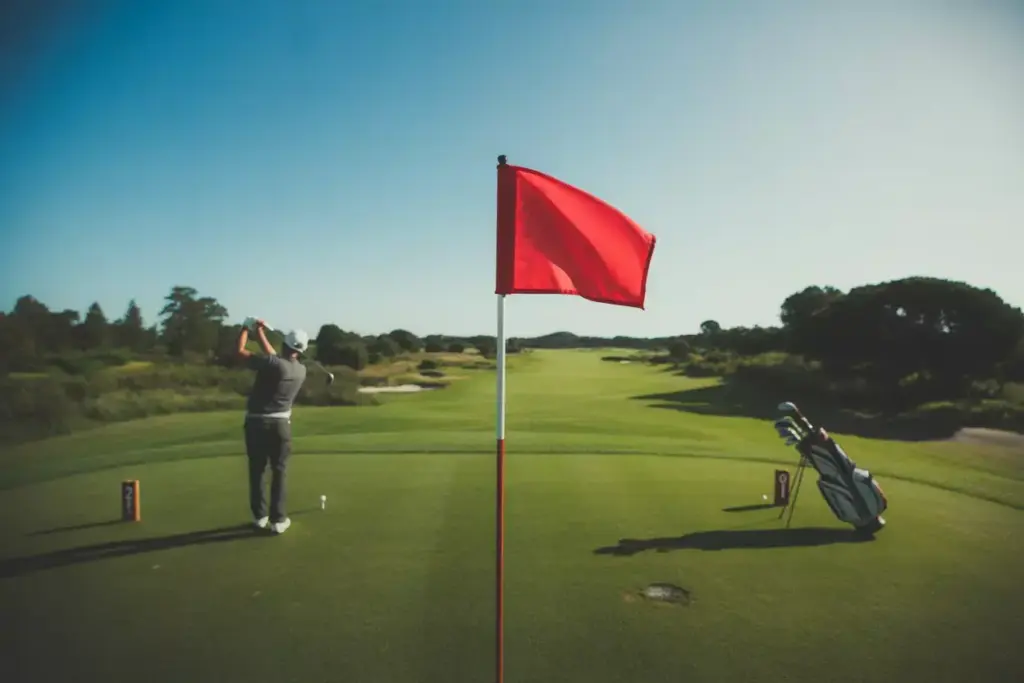
The most fundamental secret lies in flag color coding. This system helps golfers gauge distances more accurately:
🔴 Red Flags: Pin positioned in the back third of the green
- Add 5-10 yards to your front-edge distance
- Plan for longer putts if you miss short
- Consider more club to ensure adequate distance
⚪ White Flags: Pin positioned in the middle section of the green
- Standard yardage calculations apply
- Safest target for approach shots
- Balanced risk-reward scenario
🔵 Blue/Yellow Flags: Pin positioned in the front third of the green
- Subtract 5-10 yards from standard yardage
- Higher risk of overshooting into trouble
- Requires precise distance control
“Understanding flag colors changed my approach game completely. I went from hitting 40% of greens to 65% just by adjusting my club selection based on pin position.” – PGA Teaching Professional
2. Wind Direction and Strength Assessment
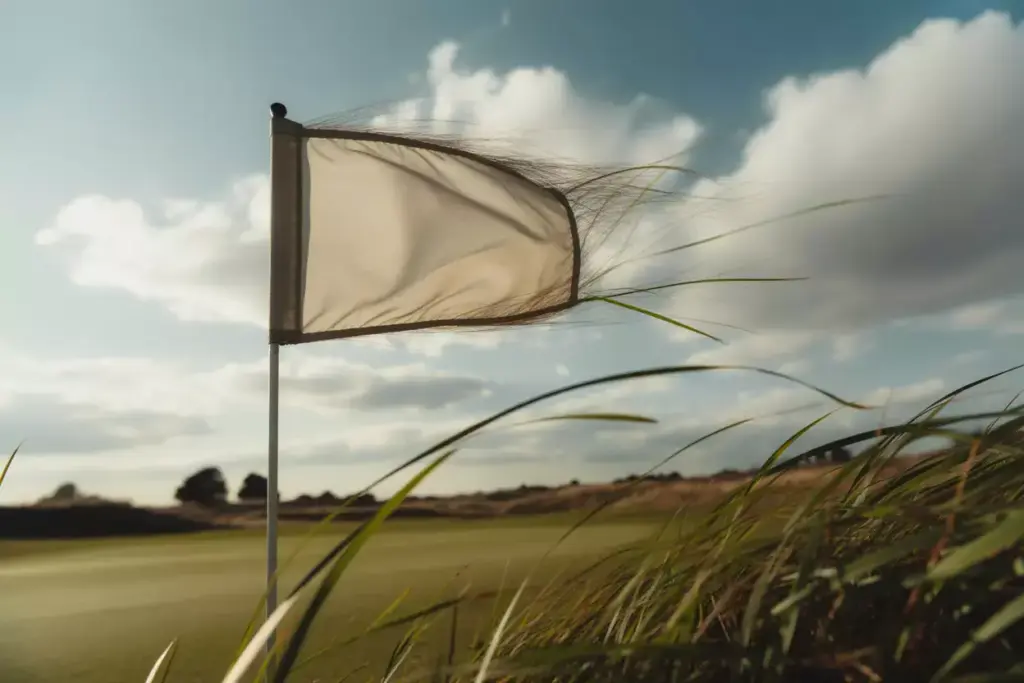
Flag movement patterns provide real-time weather data that’s more accurate than any weather app:
Steady Flag Extension: Consistent 10-15 mph winds
- Adjust club selection by 1-2 clubs
- Plan for ball flight deviation
- Consider crosswind effects on putting
Intermittent Flapping: Variable wind conditions (5-12 mph)
- Take the average wind strength for calculations
- Be prepared for unexpected gusts
- Focus on solid contact over distance
Limp Flag: Minimal wind (0-5 mph)
- Standard club selections apply
- Focus on pin-seeking accuracy
- Putting breaks will be more predictable
3. Green Slope and Terrain Information
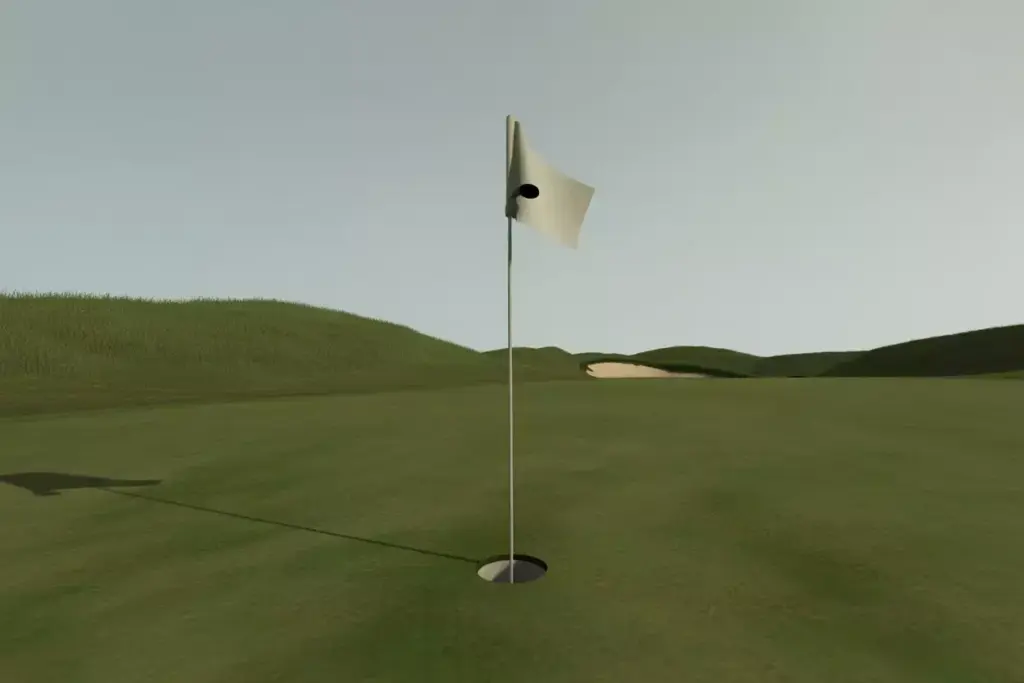
The flag’s angle and position reveals crucial information about green contours:
Flag Leaning Consistently: Indicates significant green slope
- Ball will break toward the low side
- Approach shots should favor the high side
- Putting requires careful speed control
Straight Flag on Slope: Firm pin placement in sloped area
- Pin may be in a relatively flat section
- Look for subtle breaks around the hole
- Consider green speed variations
Advanced Secrets That Transform Your Game Strategy
4. Course Difficulty Communication System
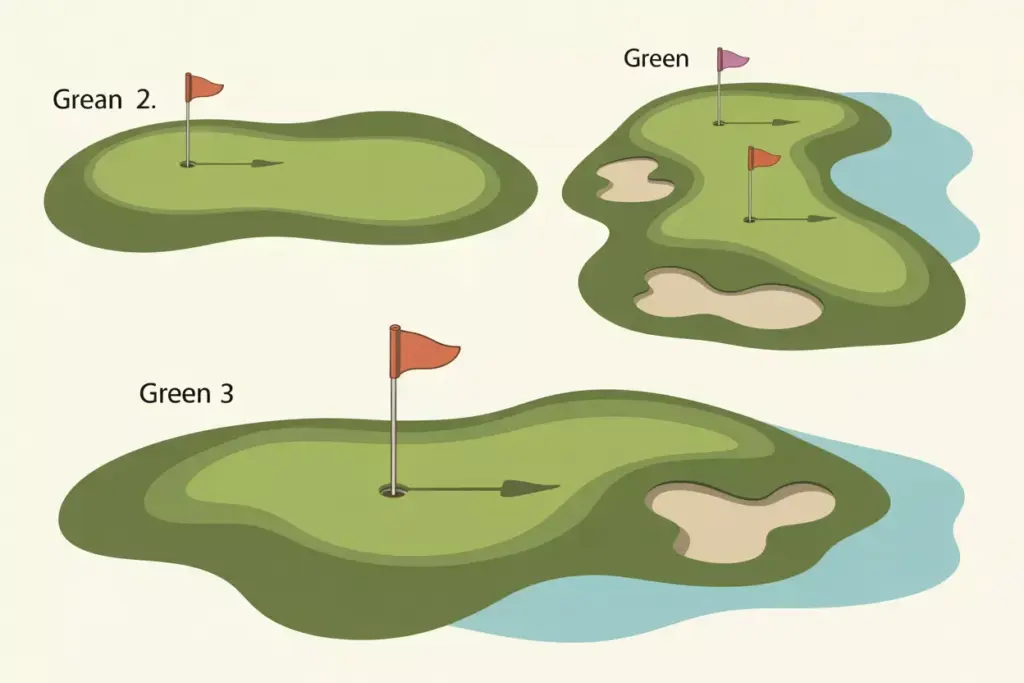
Golf course managers use flag placement patterns to communicate daily difficulty levels:
| Flag Position | Difficulty Level | Strategy Adjustment |
|---|---|---|
| Accessible locations | Beginner-friendly | Aggressive pin-seeking |
| Middle-safe positions | Moderate challenge | Balanced approach |
| Tucked/challenging spots | Advanced difficulty | Conservative, center-green targeting |
5. Seasonal and Weather-Related Positioning
Seasonal flag placement strategies reflect course conditions:
Spring Positioning:
- Flags often placed in protected areas
- Accounts for softer, slower greens
- Considers recovery from winter damage
Summer Positioning:
- More aggressive placements possible
- Firmer, faster green conditions
- Higher skill requirements for success
Fall Positioning:
- Conservative approach due to leaf coverage
- Accounts for changing green speeds
- Preparation for winter course closure
6. Strategic Risk-Reward Communication
Pin placement psychology influences player decision-making:
Front Pin Positions: Encourage aggressive play
- Reward precise distance control
- Punish over-aggressive approaches
- Create scoring opportunities for skilled players
Back Pin Positions: Promote conservative strategies
- Reduce short-side penalty risks
- Encourage center-green approaches
- Minimize disaster scores
7. Course Flow and Pace Management
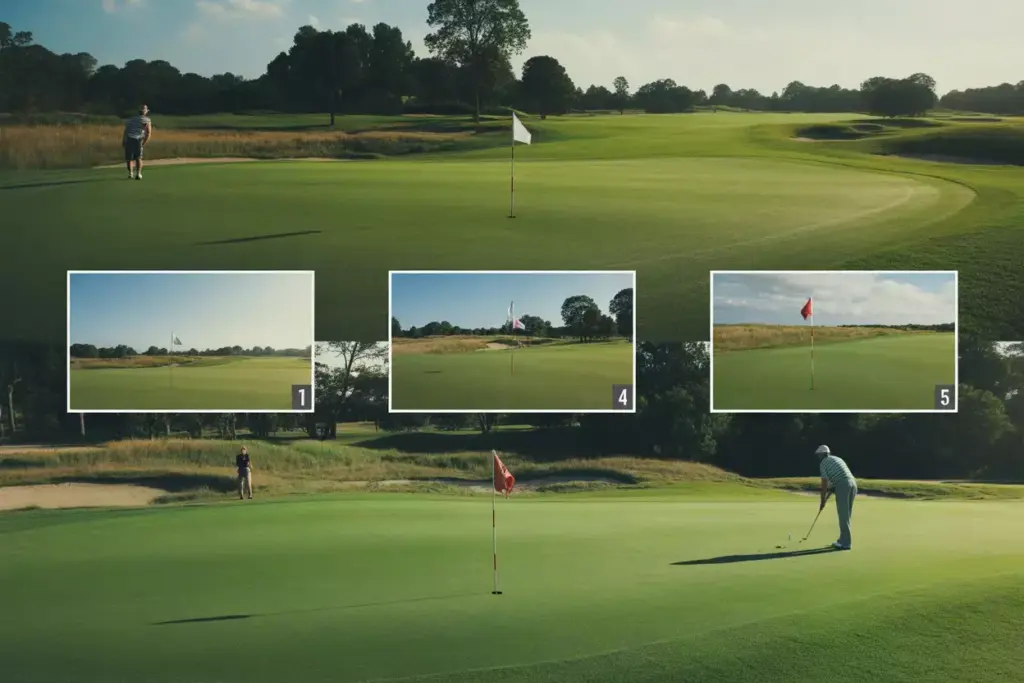
Flag positioning sequences throughout the round create strategic rhythm:
Opening Holes: Typically feature accessible pin positions
- Build player confidence
- Establish comfortable pace
- Reduce early-round pressure
Middle Holes: Present varied challenges
- Test different skills
- Maintain engagement
- Create scoring opportunities
Closing Holes: Often feature demanding placements
- Separate skilled players
- Create dramatic finishes
- Test mental toughness
8. Safety and Maintenance Considerations
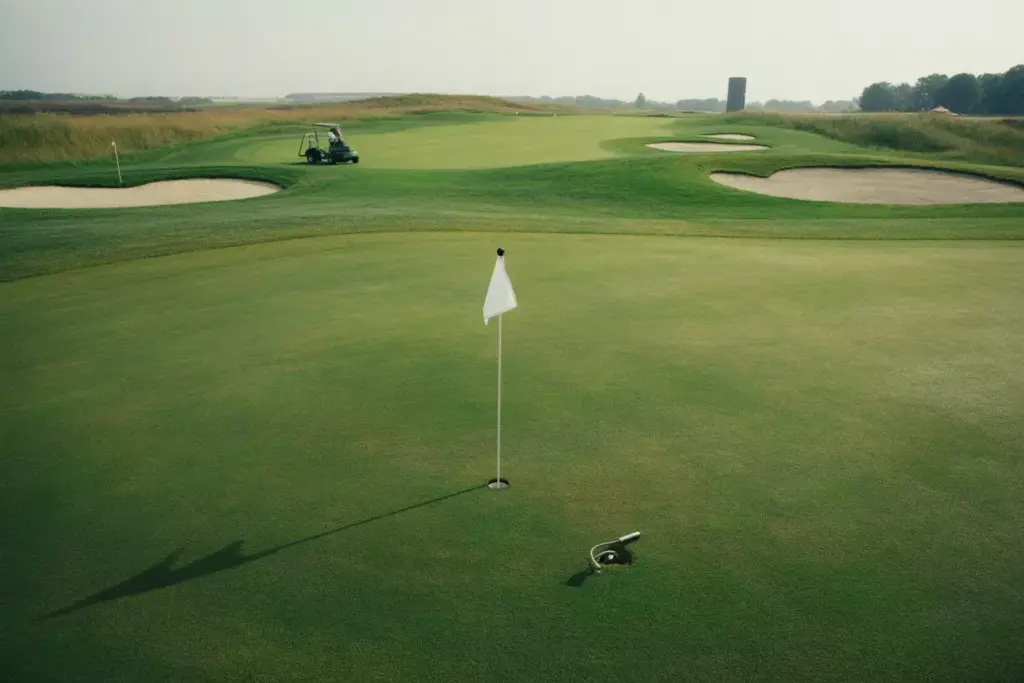
The final secret involves practical course management:
High-Traffic Area Avoidance:
- Pins placed away from heavily worn spots
- Protects green quality
- Ensures consistent playing conditions
Maintenance Schedule Coordination:
- Flag positions accommodate mowing patterns
- Consider irrigation system placement
- Plan for green aeration recovery
Practical Application: How to Use These Secrets During Your Round
Pre-Shot Routine Enhancement
Step 1: Identify flag color and adjust yardage calculations
Step 2: Assess wind conditions through flag movement
Step 3: Read green slope indicators from flag angle
Step 4: Choose appropriate strategy based on difficulty signals
Course Management Strategy
Conservative Days: When flags indicate high difficulty
- Target green centers regardless of pin position
- Focus on two-putt strategies
- Avoid short-side misses
Aggressive Days: When flags signal scoring opportunities
- Attack pins with confidence
- Use precise yardages for pin-seeking
- Take calculated risks for birdie chances
Equipment and Club Selection
Understanding 8 Secrets Your Golf Course Flag is Trying to Tell You (And How to Use Them) influences equipment choices:
Wind-Aware Club Selection:
- Add/subtract clubs based on flag movement
- Consider trajectory adjustments
- Plan for wind-affected ball flight
Pin Position Adjustments:
- Front pins: Consider one less club
- Back pins: Take one more club
- Adjust for green firmness variations
Mental Game and Confidence Building
Developing Flag-Reading Skills
Practice Observation: Spend time on practice greens studying flag behavior
Pattern Recognition: Notice how flags respond to different conditions
Confidence Building: Trust your flag-reading abilities during rounds
Course Strategy Evolution
As players master these secrets, their strategic thinking evolves:
Beginner Level: Focus on basic color coding
Intermediate Level: Incorporate wind and slope reading
Advanced Level: Integrate all eight secrets seamlessly
Technology Integration and Modern Applications
GPS and Flag Information
Modern golf technology enhances flag-reading capabilities:
Rangefinder Confirmation: Use devices to verify flag-distance calculations
Course Apps: Access pin position details and historical data
Weather Integration: Combine flag observations with meteorological data
Data-Driven Improvements
Performance Tracking: Monitor success rates with different flag positions
Pattern Analysis: Identify personal strengths and weaknesses
Strategic Refinement: Adjust approaches based on collected data
Common Mistakes and How to Avoid Them
Misreading Flag Signals
Mistake 1: Ignoring flag color coding
- Solution: Develop consistent pre-shot observation routine
Mistake 2: Misinterpreting wind conditions
- Solution: Watch flags on multiple holes for pattern confirmation
Mistake 3: Overlooking green slope indicators
- Solution: Practice reading subtle terrain changes
Strategic Errors
Over-Aggressive Play: Attacking every pin regardless of risk
Under-Aggressive Play: Always playing safe and missing scoring opportunities
Inconsistent Application: Using flag information sporadically rather than systematically
Conclusion
Mastering 8 Secrets Your Golf Course Flag is Trying to Tell You (And How to Use Them) represents a significant step toward lower scores and more enjoyable golf. These insights transform passive flag observation into active strategic intelligence gathering.
The journey from casual flag awareness to expert interpretation takes practice and patience. Start by focusing on basic color coding and wind assessment, then gradually incorporate more advanced concepts like slope reading and difficulty communication.
Action Steps for Immediate Improvement:
- Practice flag color identification during your next three rounds
- Develop a consistent pre-shot routine that includes flag assessment
- Track your green-in-regulation percentage before and after implementing these strategies
- Study flag behavior during practice sessions to build pattern recognition
- Combine flag reading with course management for comprehensive strategic planning
Remember, every flag tells a story. Learning to read that story accurately will elevate your golf game from reactive to strategic, from hopeful to confident. The next time you approach a green, take a moment to listen to what the flag is trying to tell you—your scorecard will thank you.
References
[1] United States Golf Association. “Course Setup Guidelines and Pin Placement Standards.” USGA Guidelines, 2025.
[2] Professional Golfers’ Association. “Teaching Manual: Course Management and Strategic Play.” PGA Education Department, 2024.
[3] Golf Course Superintendents Association of America. “Green Maintenance and Flag Positioning Best Practices.” GCSAA Technical Publications, 2025.