8 Simple “How to Golf” Beginner Steps to Hit Your First Great Shot
Picture this: You’re standing on the first tee, surrounded by experienced golfers, holding a club that feels more like a foreign object than a sports tool. Your palms are sweaty, your stance feels awkward, and you’re wondering if you’ll even make contact with the ball. Sound familiar? Every golf legend started exactly where you are right now – as a complete beginner taking their first swing. The good news? Mastering these 8 simple “how to golf” beginner steps to hit your first great shot doesn’t require years of practice or natural athletic ability.

Golf might seem intimidating at first, but breaking it down into fundamental steps makes it surprisingly approachable. I’ve seen countless beginners transform from nervous first-timers to confident players by focusing on these essential building blocks. Whether you’re picking up a club for the very first time or looking to correct early bad habits, these proven techniques will set you on the path to success.
Key Takeaways
- Master the fundamentals first – Proper grip, stance, and posture form the foundation of every great golf shot
- Focus on body rotation – The golf swing is primarily about turning your body around its center to create clubhead speed [1]
- Follow the Turn-Hinge-Swing sequence – Body turn to backswing, hand hinge upward, then arms swing through impact [1]
- Set realistic expectations – Your first goal should be finishing holes and breaking 120, not shooting par [1]
- Practice with purpose – Use training aids and focus on proper motion before worrying about distance
Understanding Golf Fundamentals: Your Foundation for Success
Before diving into the specific steps of these 8 simple “how to golf” beginner steps to hit your first great shot, it’s crucial to understand what makes golf unique among sports. Unlike tennis or baseball, where you react to a moving ball, golf gives you complete control over the setup and timing. This advantage becomes your greatest asset once you master the fundamentals.
The golf swing consists of three essential functions that every beginner must master: proper body turn around the center of the body to create circular motion for the clubhead [1]. Think of your spine as the axis of a wheel – everything rotates around this central point to generate power and accuracy.
The Turn-Hinge-Swing Formula
Golf professionals recommend learning through a specific sequence: body turn to backswing position, hand hinge upward, and arms swinging through impact [1]. This formula simplifies what might seem like a complex athletic motion into manageable components that build upon each other.
Many beginners make the mistake of trying to learn everything simultaneously. Instead, focus on one element at a time, then gradually combine them into a fluid motion. This systematic approach prevents overwhelm and builds muscle memory more effectively.
Step-by-Step Guide: Mastering Your First Great Golf Shot
1. Perfect Your Grip
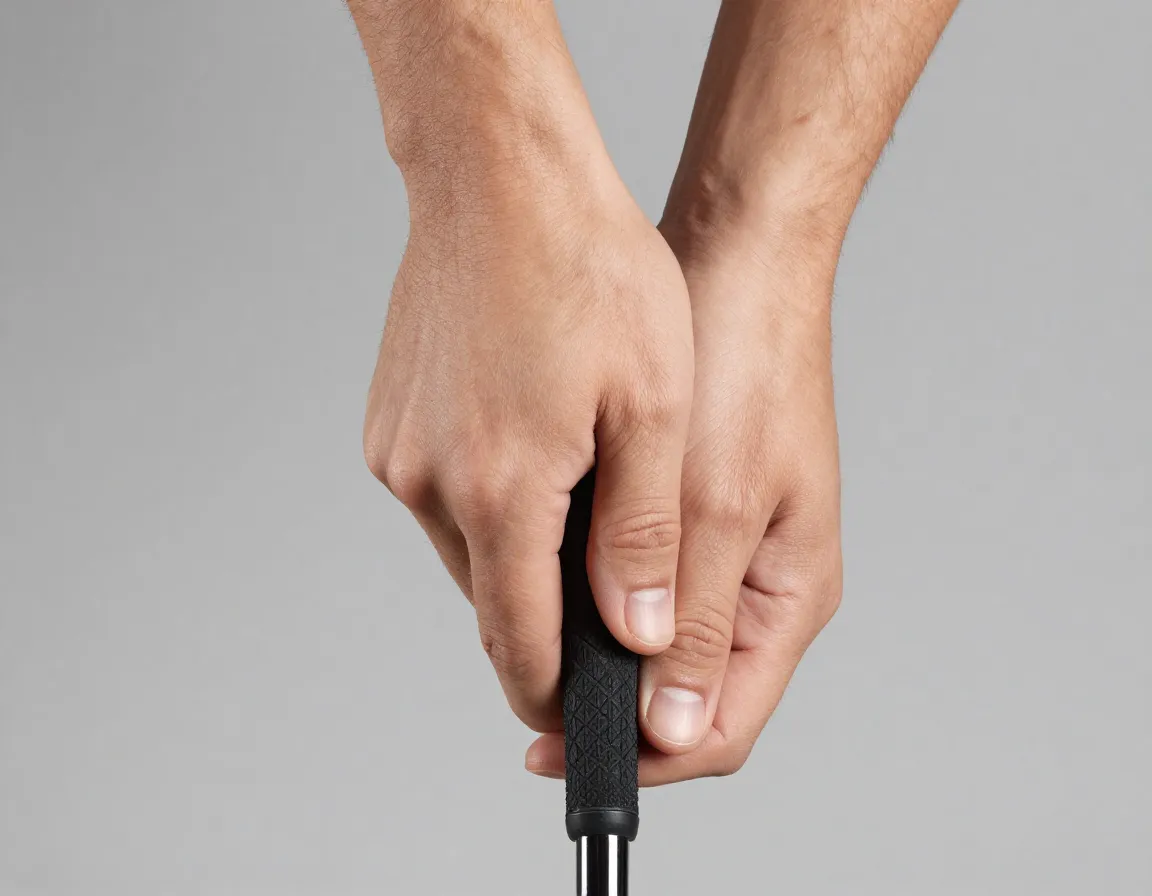
Your hands are your only connection to the golf club, making grip the most critical fundamental. Hold the club with your non-dominant hand at the top and dominant hand below, thumbs pointing down the shaft [2]. The pressure should be firm but not overly tight – imagine holding a small bird that you don’t want to hurt but also don’t want to let escape.
Common grip mistakes to avoid:
- Gripping too tightly (causes tension throughout your swing)
- Placing hands too far apart
- Positioning thumbs incorrectly on the shaft
- Using only your palms instead of your fingers
2. Establish Proper Stance and Posture

Stand with feet shoulder-width apart, ball centered between them, knees slightly bent, and weight evenly distributed [2]. Your posture should feel athletic and balanced – similar to a basketball player preparing to defend or a tennis player awaiting a serve.
Key posture checkpoints:
- Spine straight but tilted slightly forward
- Arms hanging naturally from your shoulders
- Knees flexed, not locked
- Weight balanced on the balls of your feet
3. Position the Ball Correctly

Ball position varies depending on the club you’re using, but for beginners learning with a 7-iron, place the ball slightly forward of center in your stance. This positioning allows for proper contact as your club reaches the bottom of its swing arc.
4. Master the Backswing Turn

The backswing initiates the entire sequence. Turn your shoulders away from the target while keeping your arms straight, maintaining wrist firmness, and shifting weight to your back foot [2]. Focus on rotating your upper body around your spine rather than lifting your arms independently.
“The backswing sets up everything that follows. Get this right, and the rest becomes much easier.” – Golf Professional
5. Execute the Downswing Transition

This is where many beginners struggle, but the key is patience. Shift your weight forward to your front foot, rotate your hips, unwind your shoulders, and allow the club to swing through the ball [2]. The motion should feel like you’re pulling a rope attached to your left hip (for right-handed golfers).
6. Focus on Impact Position

At impact, your weight should be shifting to your front foot, your hips should be opening toward the target, and your hands should be slightly ahead of the clubhead. Don’t try to “help” the ball into the air – trust the club’s design to do its job.
7. Complete Your Follow-Through

A balanced finish indicates a well-executed swing. Your chest should face the target, most of your weight should be on your front foot, and you should be able to hold this position comfortably. If you’re falling backward or sideways, adjust your swing tempo and balance.
8. Practice with Purpose
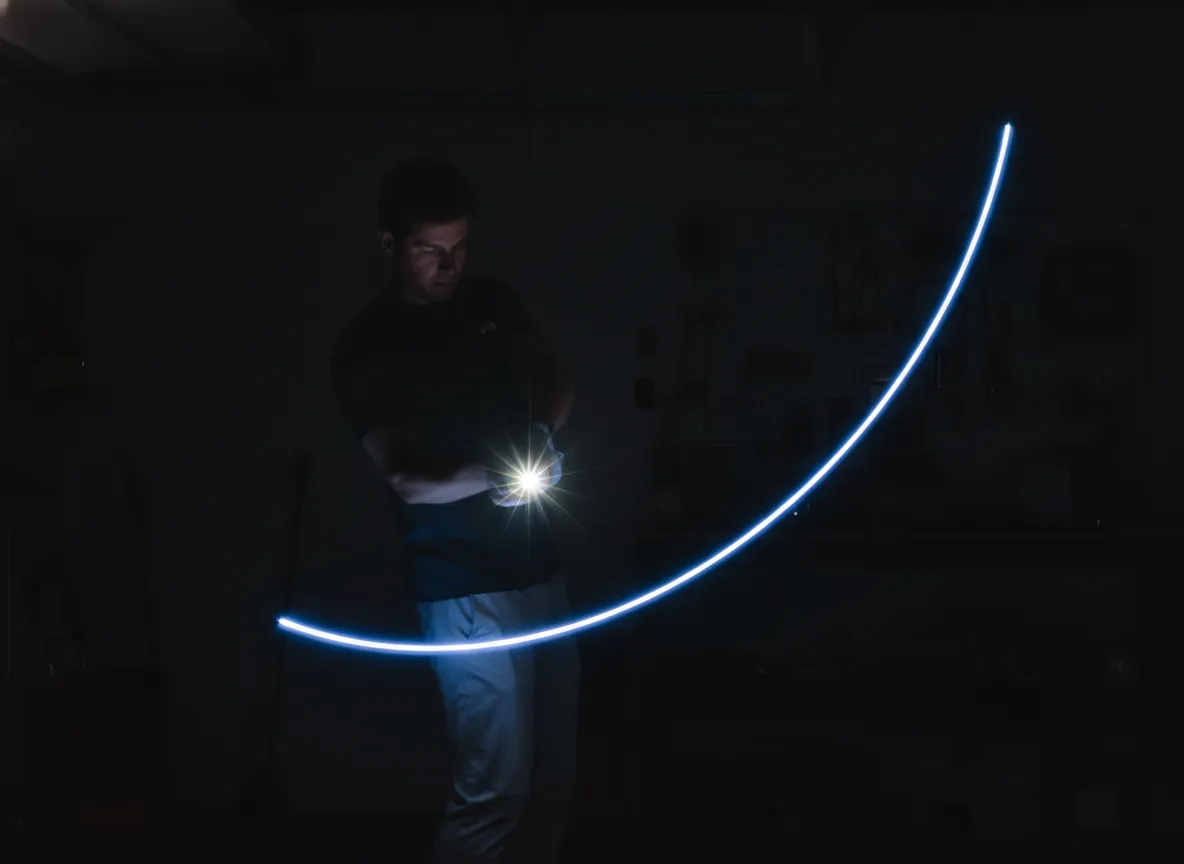
Training aids like flashlights are recommended for practicing proper motions before using real clubs [1]. This approach helps you understand the swing path and body rotation without the pressure of hitting a ball.
Setting Realistic Expectations for Your Golf Journey
When implementing these 8 simple “how to golf” beginner steps to hit your first great shot, remember that golf is a journey, not a destination. Your first rounds should focus on finishing holes, with scoring targets of breaking 120 initially [1]. This realistic approach prevents frustration and allows you to enjoy the learning process.
Progressive Goal Setting
| Milestone | Target Score | Focus Area |
|---|---|---|
| First 5 rounds | Finish all holes | Course management |
| Rounds 6-15 | Break 120 | Consistent contact |
| Rounds 16-30 | Break 110 | Short game basics |
| Rounds 31+ | Break 100 | Course strategy |
Professional golfers spend years perfecting their technique, so be patient with yourself. Celebrate small victories like solid contact, straight shots, or successfully getting out of a bunker. These moments build confidence and motivation to continue improving.
Common Beginner Mistakes to Avoid
- Trying to hit the ball too hard – Focus on smooth tempo over power
- Looking up too early – Keep your head down through impact
- Gripping too tightly – Maintain relaxed hands and arms
- Rushing the swing – Take your time and find your rhythm
- Ignoring course etiquette – Learn basic rules and courtesy [8]
Conclusion
Learning golf doesn’t have to be overwhelming when you follow these 8 simple “how to golf” beginner steps to hit your first great shot. By focusing on proper grip, stance, and the turn-hinge-swing sequence, you’re building a foundation that will serve you throughout your golf journey. Remember, every professional golfer started as a beginner, and with consistent practice and patience, you’ll see steady improvement.
Your next steps:
- Practice these fundamentals at a driving range before playing your first round
- Consider taking a lesson from a PGA professional to ensure proper technique
- Start with shorter courses or executive courses to build confidence
- Focus on having fun – golf is a game meant to be enjoyed
The most important thing is to get started. Book that first lesson, visit a driving range, or join a beginner-friendly group. Your first great shot is waiting for you, and with these proven steps, you’re well-equipped to find it. Welcome to the wonderful world of golf! 🏌️♂️
References
[1] Beginner Golf Fundamentals Essential Guide Starting Golf Right – https://www.golfsenseitraining.com/blog/beginner-golf-fundamentals-essential-guide-starting-golf-right
[2] The Ultimate Guide To Golf From Beginner To Pro – https://mymully.com/blogs/news/the-ultimate-guide-to-golf-from-beginner-to-pro
[3] Golf Tips For Beginners – https://www.golfmonthly.com/tips/golf-tips-for-beginners
[4] The 2026 Golf Fitness Guide 5 Smart Ways To Get In Golf Shape – https://www.pga.com/story/the-2026-golf-fitness-guide-5-smart-ways-to-get-in-golf-shape
[5] Watch – https://www.youtube.com/watch?v=t33CC-YLOYw
[6] Simple Guide Setting Golf Goals – https://golf.com/instruction/simple-guide-setting-golf-goals/
[7] 10 Best Instruction Tips Golfers Choice 2026 – https://www.golfpass.com/travel-advisor/best-of/10-best-instruction-tips-golfers-choice-2026
[8] Rules Hub – https://www.usga.org/content/usga/home-page/rules-hub.html
[9] Beginners Guide To Golf – https://deercreekflorida.com/blog/articles/beginners-guide-to-golf