9 Essential Disc Golf Beginner Tips for Your First Round
Starting your disc golf journey can feel overwhelming with all the equipment choices, course layouts, and throwing techniques to master. But here’s the truth: thousands of players discover this amazing sport every year and fall in love with it after just one round. Whether you’ve watched friends play or stumbled across a course in your local park, these 9 Essential Disc Golf Beginner Tips for Your First Round will set you up for success and help you avoid the most common mistakes that trip up new players.
I’ve seen too many beginners get frustrated because they tried to throw like the pros on day one, or they showed up with the wrong discs and spent more time hunting in the bushes than actually playing. The good news? With the right approach, your first round can be both enjoyable and confidence-building.
Key Takeaways
- Start with understable, lightweight discs (speed 7 and under) to maintain control and achieve straighter flights
- Focus on proper throwing mechanics from day one, using a walk-up approach and leading with your elbow
- Choose beginner-friendly courses with open fairways and shorter holes to build confidence
- Prioritize short game practice over distance throwing to lower your scores faster
- Learn basic course etiquette to ensure a positive experience for yourself and other players
Getting Started: Essential Equipment and Course Selection
1. Choose the Right Discs for Beginners
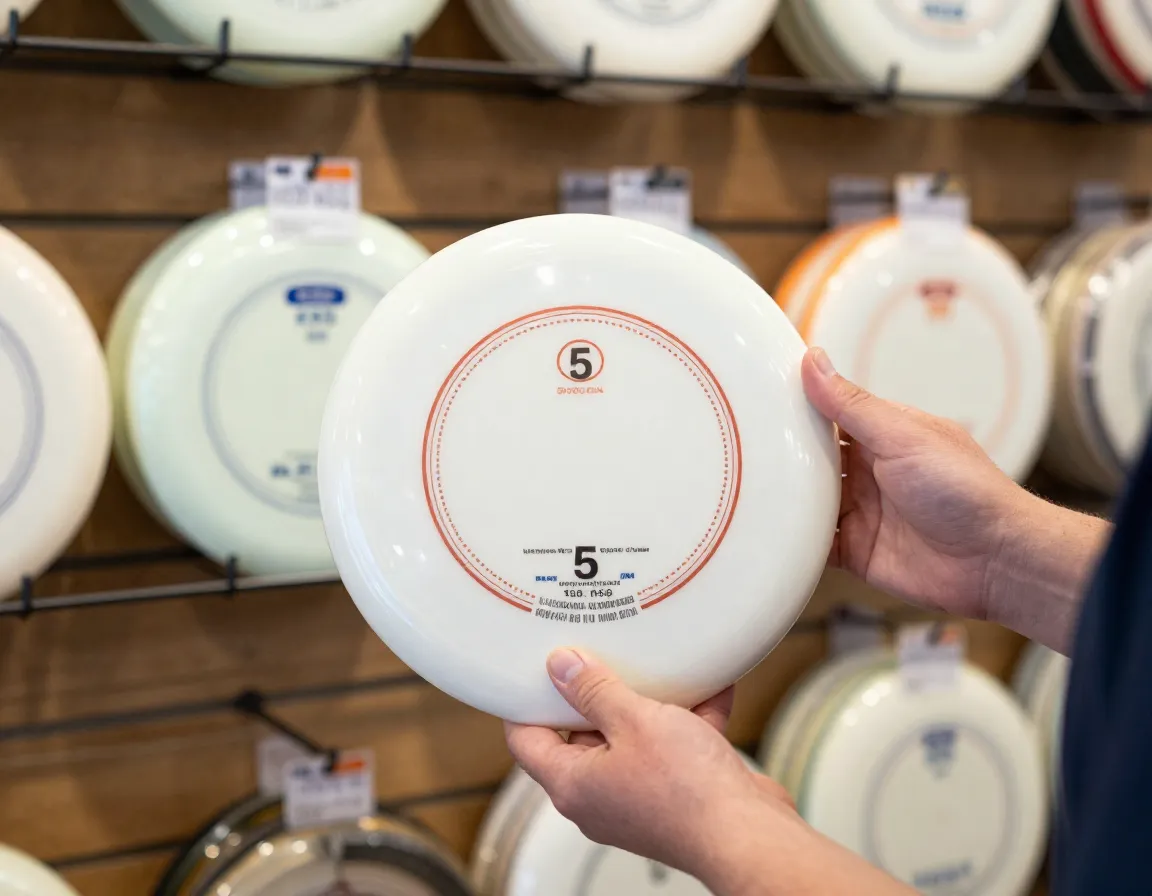
The biggest mistake I see new players make is grabbing whatever discs look coolest or trying to throw the same high-speed drivers they see experienced players using. Understable discs designed to turn right (for right-handed backhand throwers) are easiest to get up to speed and fly straight [2].
Here’s what you should look for in your first discs:
Speed Rating: Choose discs with a speed rating of 7 and under for beginners to maintain control over distance [2]. Higher speed discs require more arm speed to fly properly, and most beginners simply can’t generate enough power yet.
Weight Considerations: Lighter weight discs fly farther and are easier to throw, though they’re more wind-affected [3]. Look for discs in the 150-165 gram range when you’re starting out.
Disc Type Priority: Start with a midrange disc as your first disc, as they offer straighter flights and won’t vary from intended flight paths as much as drivers [3]. A good midrange will be your most reliable disc for months to come.
2. Select Beginner-Friendly Courses
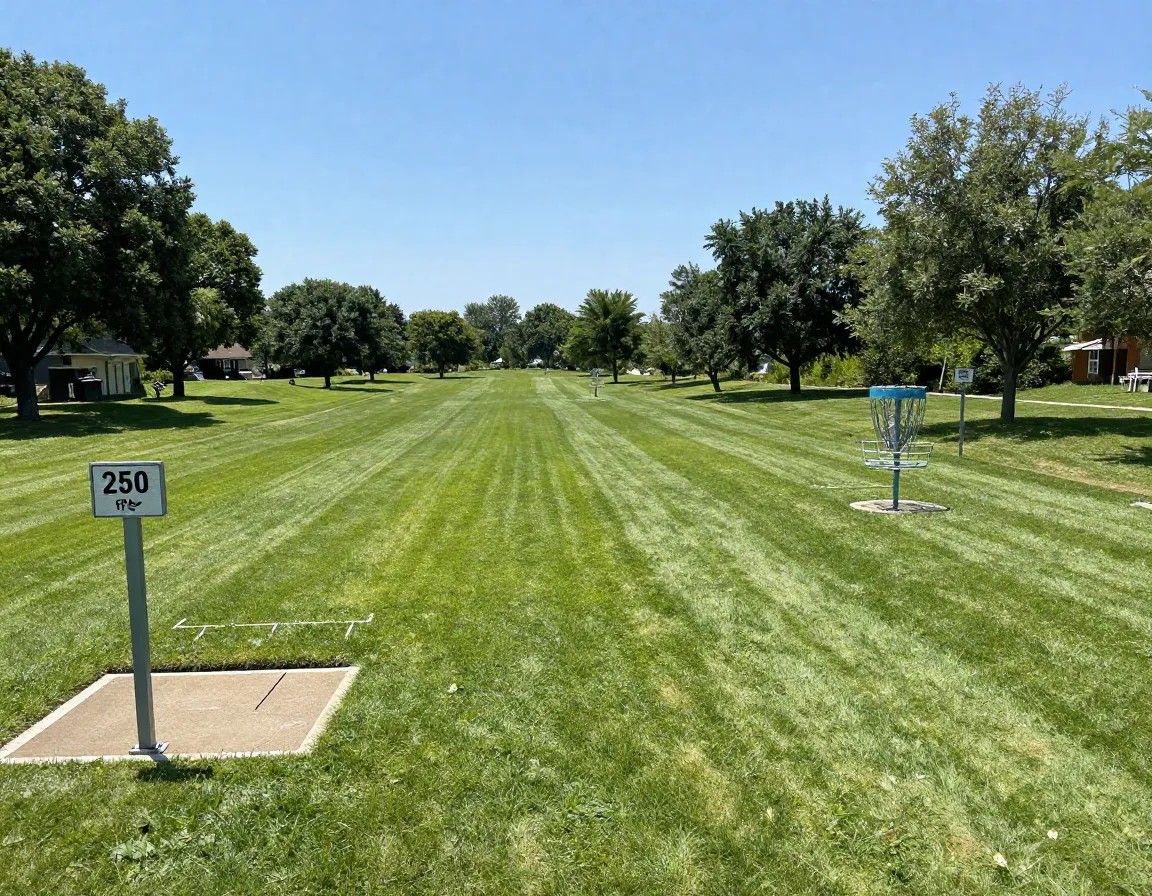
Not all disc golf courses are created equal, especially when you’re just learning the ropes. Play easy, short courses without tight fairways or long holes to build confidence [1]. Look for courses that feature:
- Open fairways with minimal trees or obstacles
- Shorter hole distances (under 300 feet)
- Multiple tee options so you can play from shorter positions
- Well-maintained baskets and clear signage
Many courses have beginner-friendly layouts or shorter “recreational” tees. Don’t let pride push you to the advanced tees on your first round – even experienced players often choose shorter tees when trying new techniques.
3. Master Basic Course Etiquette
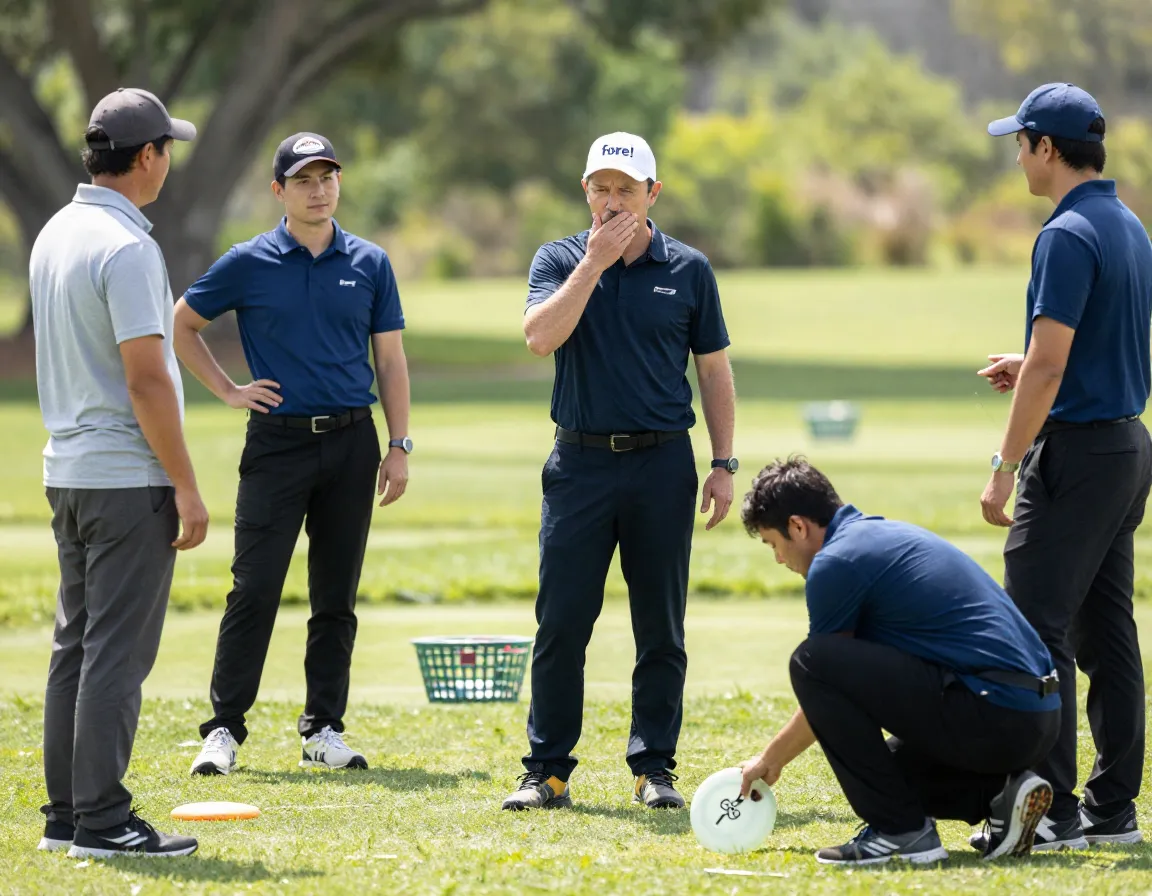
Understanding disc golf etiquette ensures everyone has a positive experience and helps you feel more confident on the course. Here are the essential rules:
- Wait your turn – player farthest from the basket throws first
- Call “fore!” if your disc might hit someone
- Help look for lost discs – it’s part of the game’s spirit
- Keep pace with the group ahead of you
- Let faster groups play through when appropriate
Fundamental Techniques in These Disc Golf Beginner Tips
4. Learn Proper Throwing Mechanics From Day One
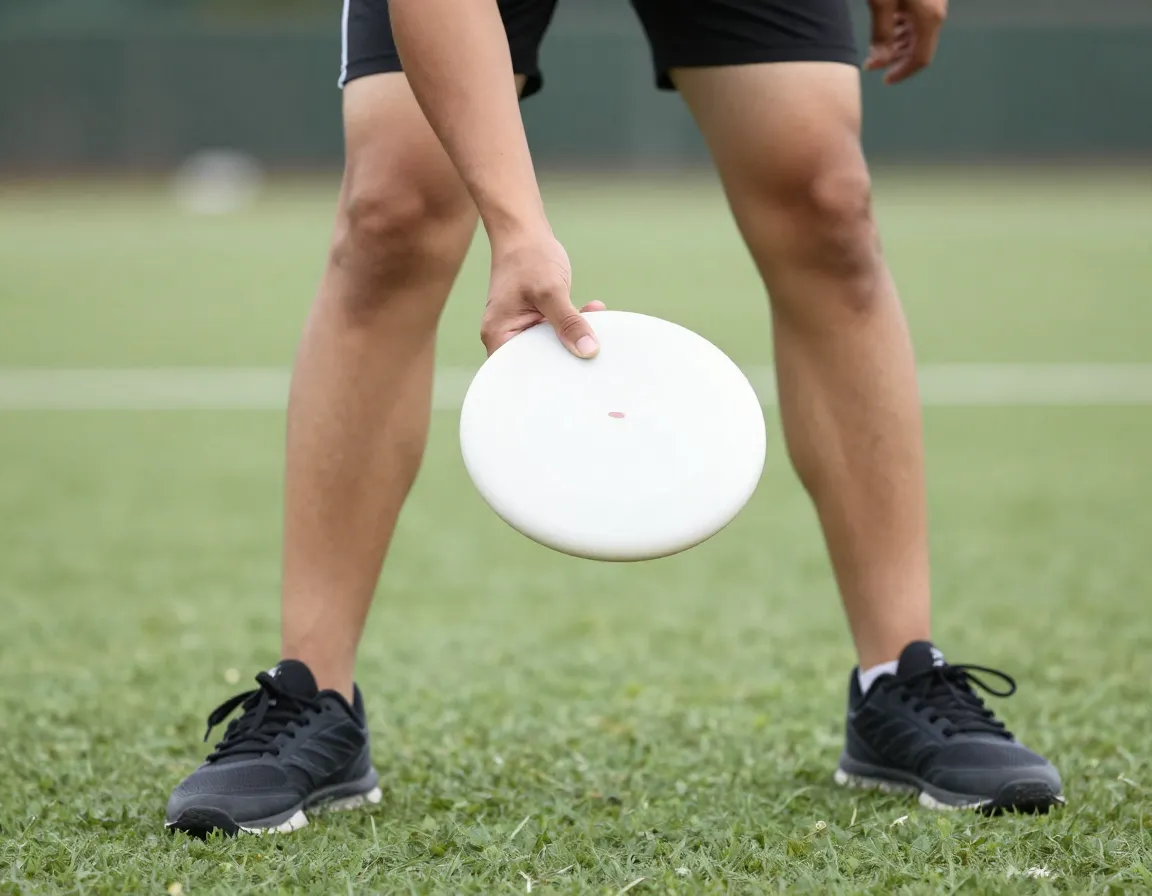
Learning proper throwing mechanics from the outset helps avoid building bad habits that take long to break [1]. Many beginners focus solely on throwing hard, but technique trumps power every time.
The key elements of good form include:
Grip: Use a power grip with four fingers under the disc and your thumb on top. The disc should feel secure but not death-gripped.
Stance: Start with your feet shoulder-width apart, with your throwing-side foot slightly back.
Reach-back: Pull the disc straight back along your target line, keeping it at chest level.
5. Use a Walk-Up Instead of Running
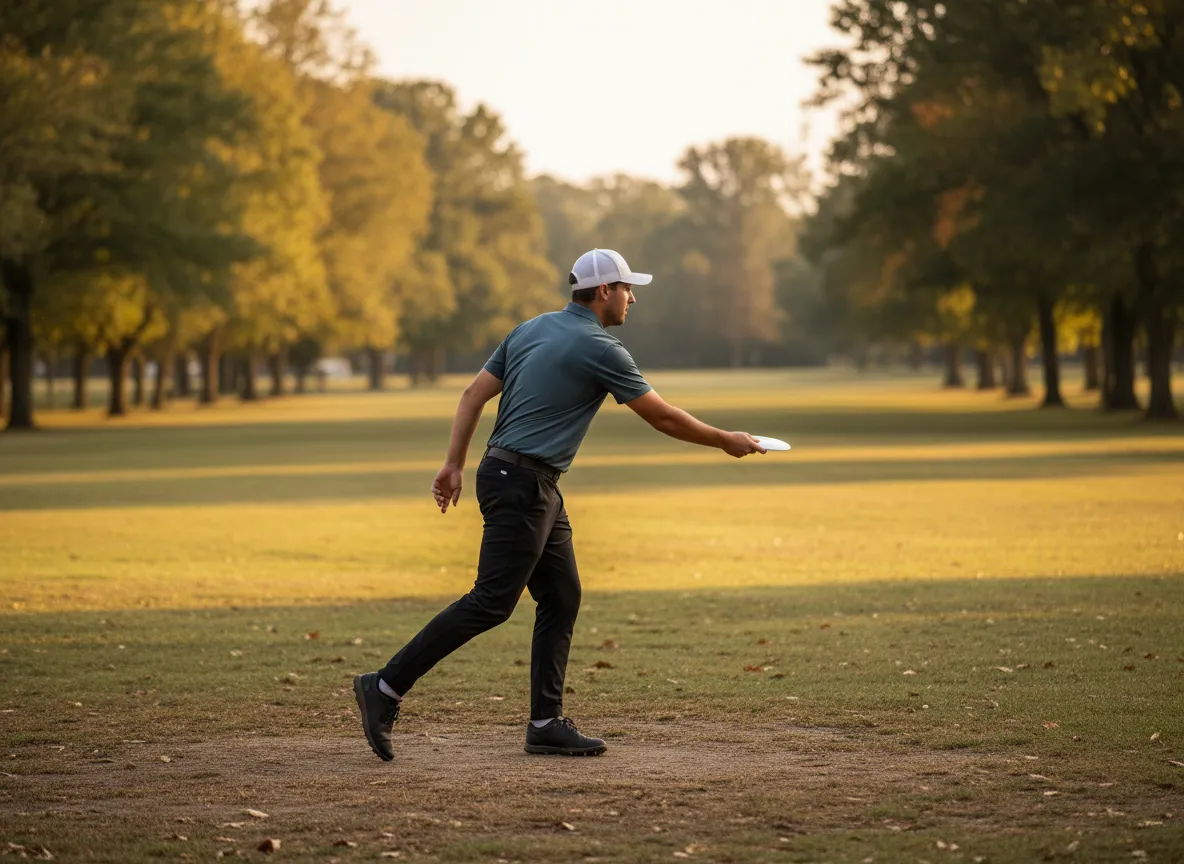
One of the most valuable pieces of advice for beginners: use a walk-up instead of running up to keep your swing in sync [1]. A controlled walk-up helps you:
- Maintain better balance throughout the throw
- Keep your timing consistent
- Generate smooth, controlled power
- Reduce the chance of injury
Start with just one or two steps, focusing on a smooth weight transfer from your back foot to your front foot. Speed comes naturally as your technique improves.
6. Lead With Your Elbow and Turn Your Head Away
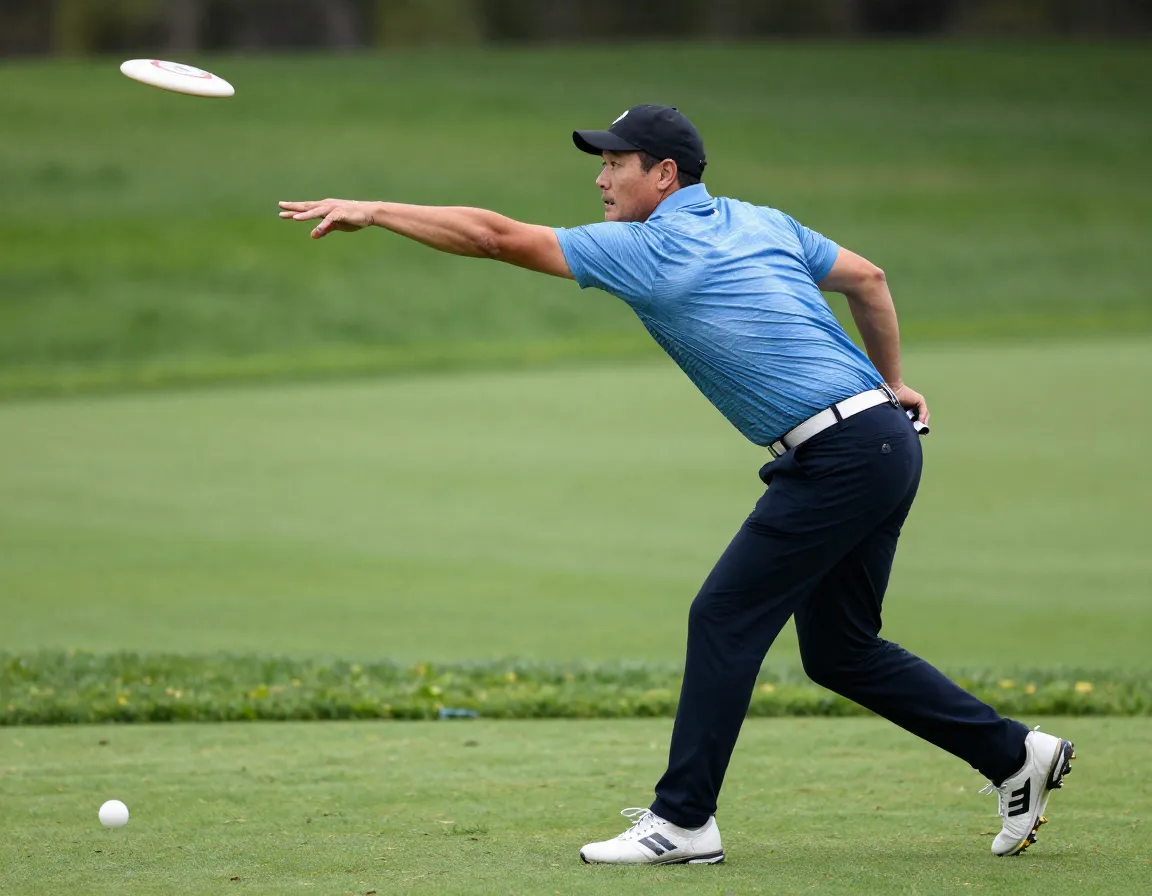
Here are two technique tips that make an immediate difference:
Lead with your elbow: Lead with your elbow down the line you want to hit, which allows you to turn your head away while maintaining your line [1]. This creates a more natural throwing motion and helps with accuracy.
Turn your head away: Turn your head away from the target to enable farther reach back, engage your hips, and complete proper weight shift for increased distance [1]. This might feel counterintuitive at first, but it’s crucial for generating power and maintaining good form.
Strategic Approaches for Your First Round
7. Throw What Gets You to the Basket
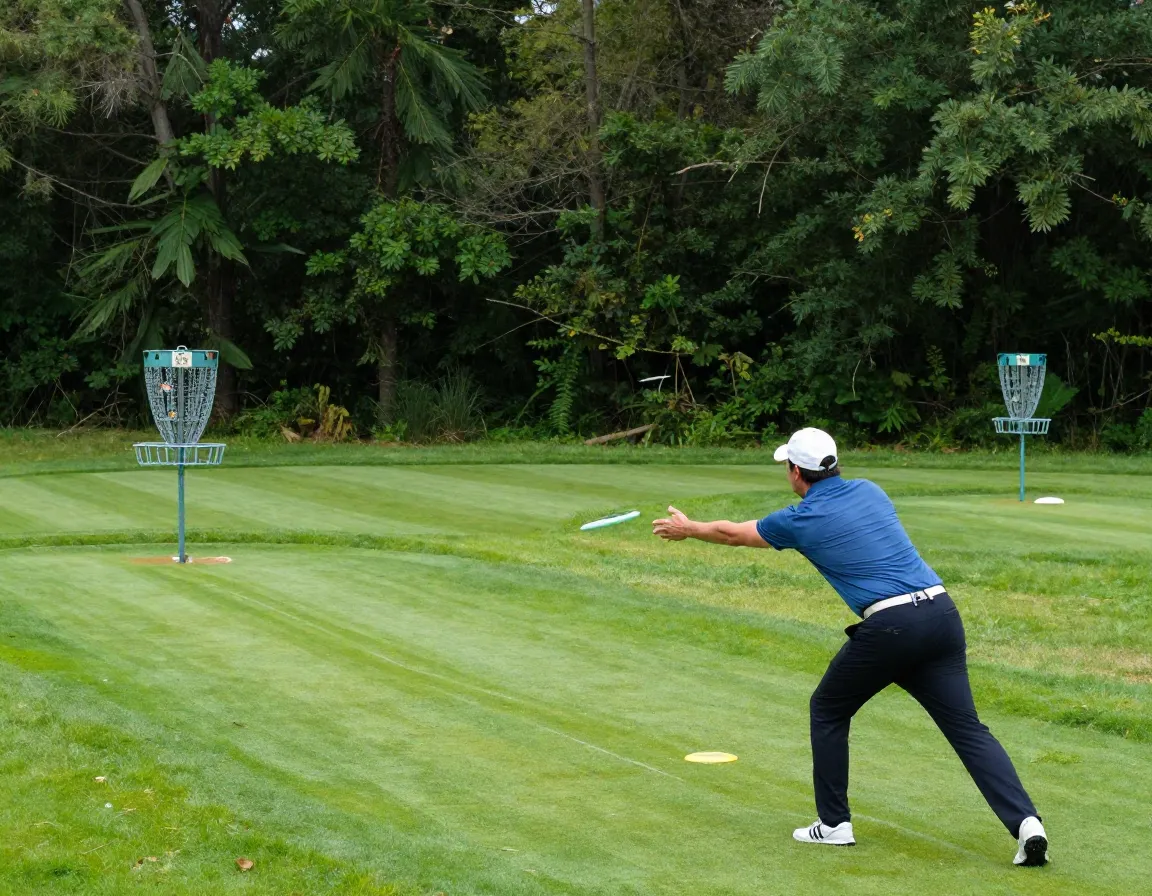
As a beginner, resist the urge to always throw for maximum distance. Throw what gets you to the basket rather than focusing solely on distance [2]. This strategic mindset helps you:
- Avoid trouble areas like water hazards or dense woods
- Set up easier approach shots for your next throw
- Build confidence with successful, controlled throws
- Lower your scores faster than trying to crush every shot
Remember: a 250-foot throw that lands in the fairway is infinitely better than a 350-foot throw that ends up in the woods.
8. Prioritize Short Game Practice
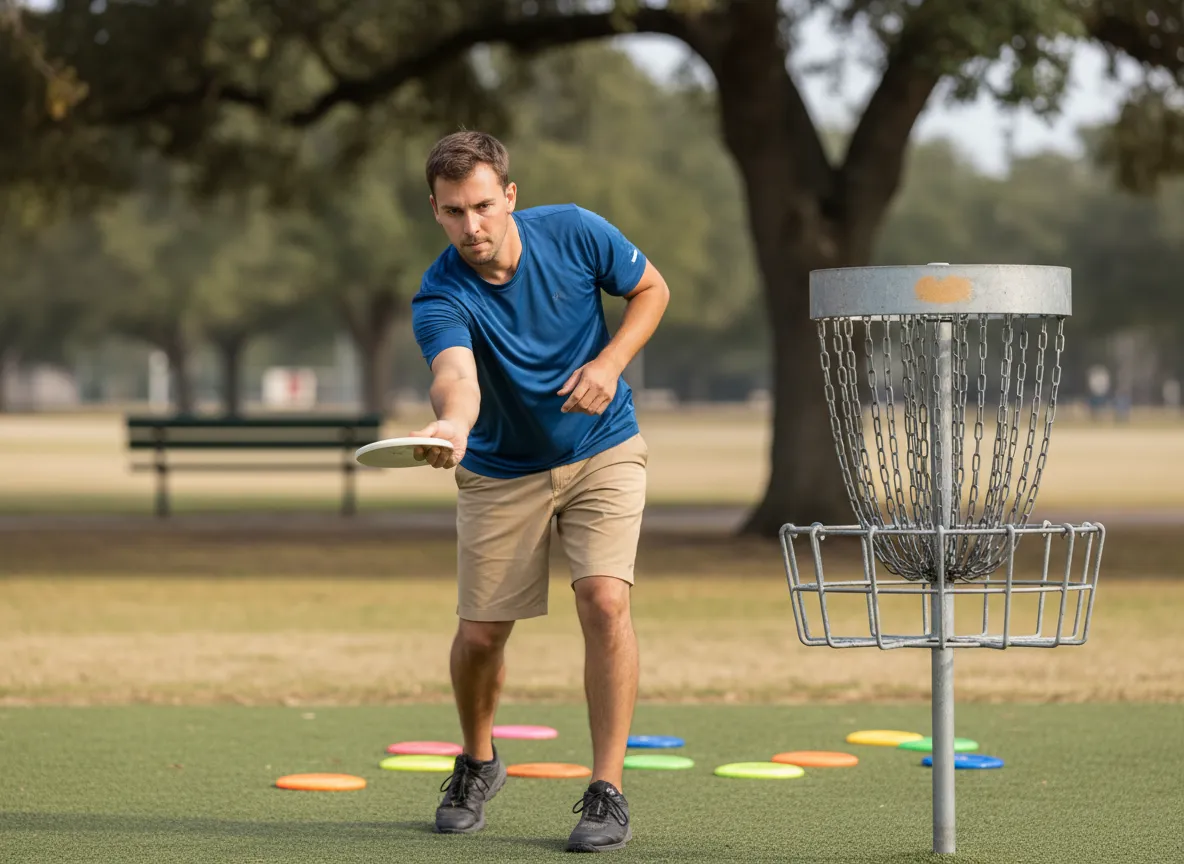
While bombing drives looks impressive, prioritizing short game practice, including putting and approach shots, shaves more strokes than distance work [2]. The short game includes:
Putting (within 33 feet):
- Practice your putting stance and routine
- Focus on smooth, consistent releases
- Start close and gradually move back
Approach shots (33-150 feet):
- Learn to throw controlled, accurate shots
- Practice different angles and obstacles
- Master both backhand and forehand approaches
Upshots (150-250 feet):
- Focus on getting close to the basket
- Practice landing softly near the target
- Learn to throw with touch, not just power
9. Set Realistic Expectations and Track Progress
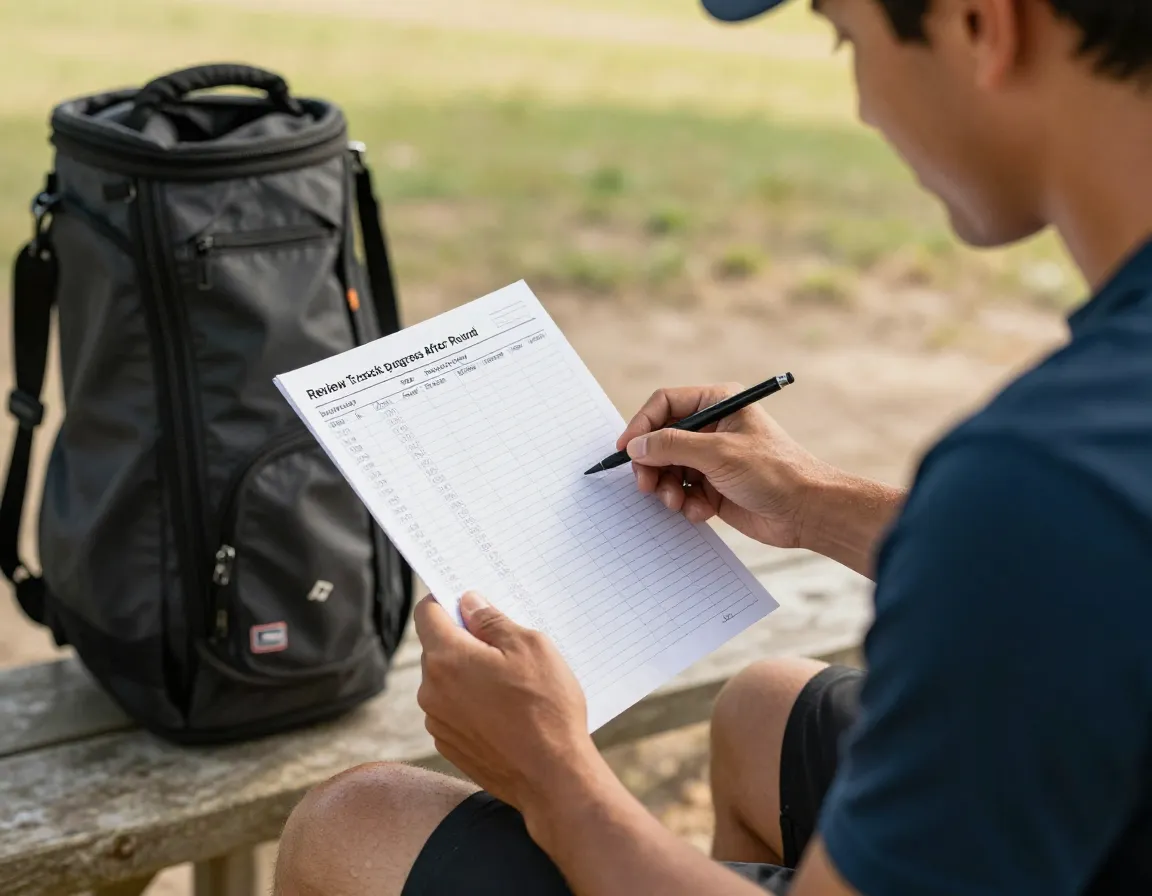
Your first round won’t look like a professional tournament, and that’s perfectly normal! Here’s how to set yourself up for long-term success:
Realistic First-Round Goals:
- Complete all 18 holes without losing discs
- Hit at least half your putts from inside 20 feet
- Keep most throws in-bounds
- Have fun and enjoy the outdoor experience
Ways to Track Improvement:
- Keep a simple scorecard for each round
- Note which holes give you the most trouble
- Track your putting percentage from different distances
- Celebrate small victories and improvements
Building Confidence:
- Play the same course multiple times to see improvement
- Focus on one technique element per round
- Don’t compare yourself to experienced players
- Remember that everyone started as a beginner
Conclusion
These 9 Essential Disc Golf Beginner Tips for Your First Round provide the foundation you need to start your disc golf journey on the right foot. Remember that success comes from choosing the right equipment, learning proper technique, and maintaining realistic expectations while you develop your skills.
Your next steps should be:
- Visit a local disc golf shop to get properly fitted for beginner-friendly discs
- Find an easy course near you using apps like UDisc or DGCourseReview
- Practice basic putting in your backyard or at a practice basket
- Consider taking a beginner clinic if available in your area
- Join local disc golf groups on social media to connect with other players
The most important tip of all? Be patient with yourself and enjoy the process. Disc golf is a sport you can play and improve at for decades. Every professional player started exactly where you are now, and with consistent practice and the right approach, you’ll be amazed at how quickly you progress.
So grab those discs, head to your local course, and remember – the best round is the one where you have fun and learn something new! 🥏
References
[1] Disc Golf Tips For Beginners – https://blog.infinitediscs.com/disc-golf-tips-for-beginners/
[2] Beginner Tips – https://noodlearmdiscgolf.com/beginner-tips/
[3] Disc Golf Beginners Guide – https://www.dynamicdiscs.com/pages/disc-golf-beginners-guide
[4] Watch – https://www.youtube.com/watch?v=shDz7Fvj-wI
[5] Best Way Beginners Can Gain Distance – https://www.dgcoursereview.com/threads/best-way-beginners-can-gain-distance.149624/
[6] Watch – https://www.youtube.com/watch?v=TYPEAoqoZ6k