9 Key Considerations for Choosing an Outdoor Golf Simulator Enclosure
Picture this: It’s a perfect Saturday morning, and instead of driving 30 minutes to the crowded golf course, you step into your backyard and tee off on Pebble Beach’s iconic 18th hole. This dream became reality for thousands of golf enthusiasts in 2026 who invested in outdoor golf simulator enclosures. However, choosing the right setup isn’t as simple as ordering the first enclosure you find online. The 9 Key Considerations for Choosing an Outdoor Golf Simulator Enclosure can make the difference between a game-changing investment and an expensive mistake.
Key Takeaways
- Weather resistance is paramount – Your enclosure must withstand rain, wind, UV exposure, and temperature extremes year-round
- Space requirements vary significantly – Most setups need 12-15 feet of width, 10-12 feet of height, and 15-20 feet of depth for optimal performance
- Technology integration affects long-term value – Modern launch monitors like the Square Omni ($1,600) and TruGolf LaunchBox ($2,299) require specific enclosure features for optimal performance [3]
- Local regulations and permits – Many areas require permits for permanent outdoor structures, and HOA restrictions may apply
- Total cost extends beyond the enclosure – Factor in foundation work, electrical installation, technology, and ongoing maintenance
1. Weather Resistance and Durability Requirements
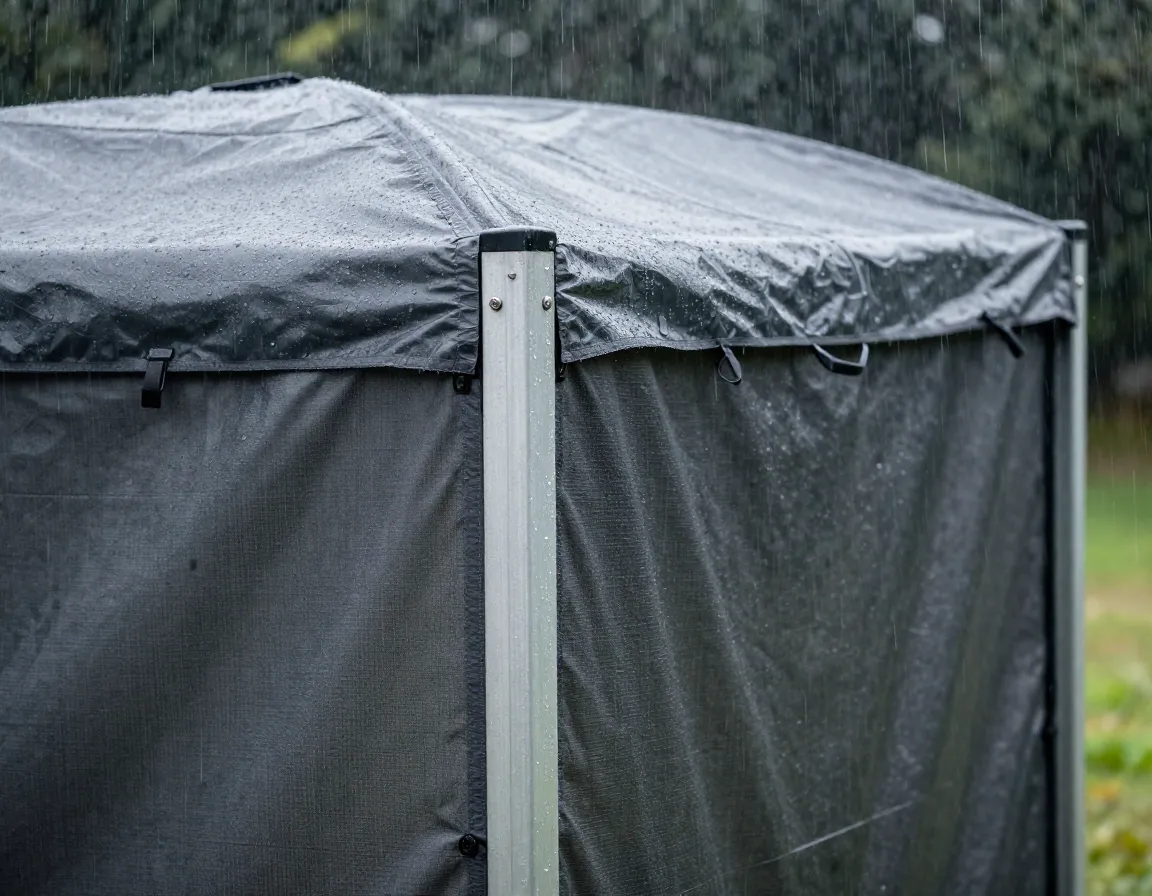
When selecting an outdoor golf simulator enclosure, weather resistance stands as your first line of defense against Mother Nature’s unpredictability. Unlike indoor setups, outdoor enclosures face constant exposure to rain, snow, UV radiation, and temperature fluctuations that can quickly deteriorate inferior materials.
Premium enclosure materials typically include marine-grade fabrics, powder-coated aluminum frames, and weather-sealed components. These materials resist fading, cracking, and structural degradation over multiple seasons [1]. I’ve seen too many golfers choose budget options only to replace their entire setup within two years due to weather damage.
The impact screen durability becomes even more critical outdoors. Look for screens rated for outdoor use with UV-resistant coatings and reinforced edges. Wind resistance ratings should accommodate your local climate conditions – coastal areas may need enclosures rated for 60+ mph winds, while inland locations might require 40-50 mph ratings.
Foundation considerations also fall under weather resistance. Proper drainage prevents water pooling, while frost-resistant footings ensure structural integrity through freeze-thaw cycles. Many manufacturers now offer integrated drainage systems and foundation kits specifically designed for outdoor installations [5].
2. Space Requirements and Dimensional Planning
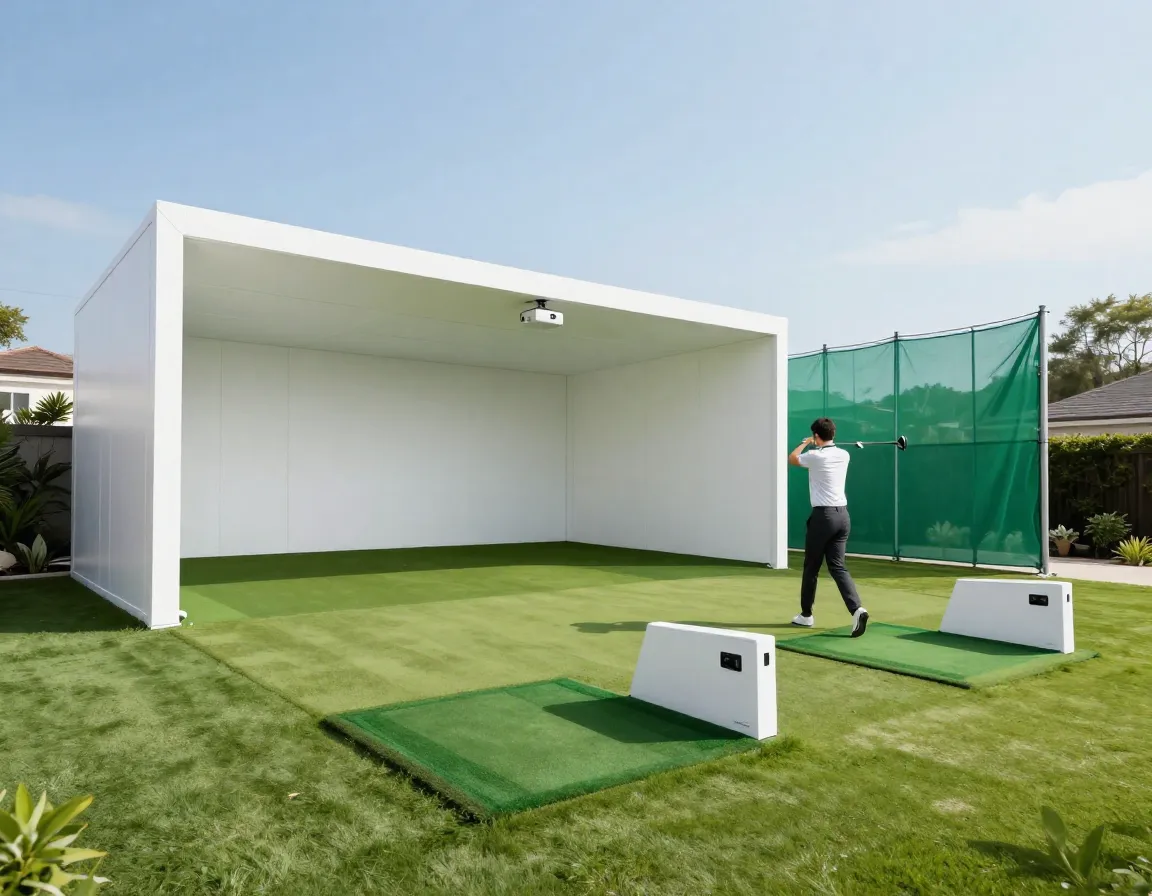
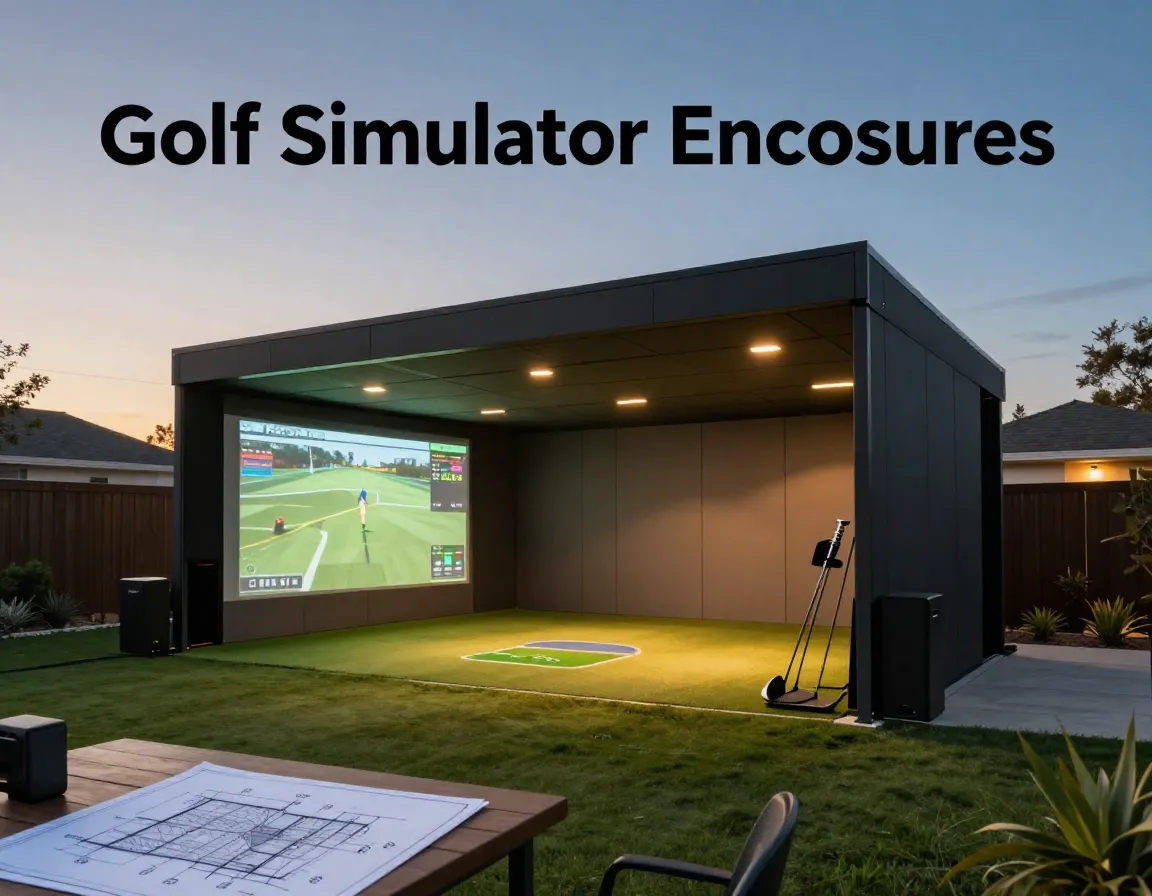
Accurate space planning determines whether your outdoor golf simulator enclosure delivers an authentic experience or feels cramped and restrictive. The minimum recommended dimensions for most setups include:
- Width: 12-15 feet (allows full swing without restriction)
- Height: 10-12 feet (accommodates driver swing arc)
- Depth: 15-20 feet (provides adequate ball flight distance)
However, these measurements represent minimums. Optimal performance often requires additional space for:
- Side barriers – Extra 2-3 feet on each side prevents errant shots from escaping
- Ceiling clearance – Tall golfers may need 13-14 feet for comfortable driver swings
- Technology placement – Launch monitors and cameras require specific positioning zones
Property considerations extend beyond the enclosure footprint. Consider sight lines from neighbors, proximity to property lines, and integration with existing landscaping. Many homeowners overlook utility access – your enclosure needs electrical power, potentially internet connectivity, and possibly water for maintenance [7].
The Rapsodo CLMPRO, expected later in 2026, specifically requires 9-foot ceiling installations, making it unsuitable for lower enclosures [3]. This highlights why understanding your technology requirements before finalizing enclosure dimensions is crucial.
3. Technology Integration and Launch Monitor Compatibility
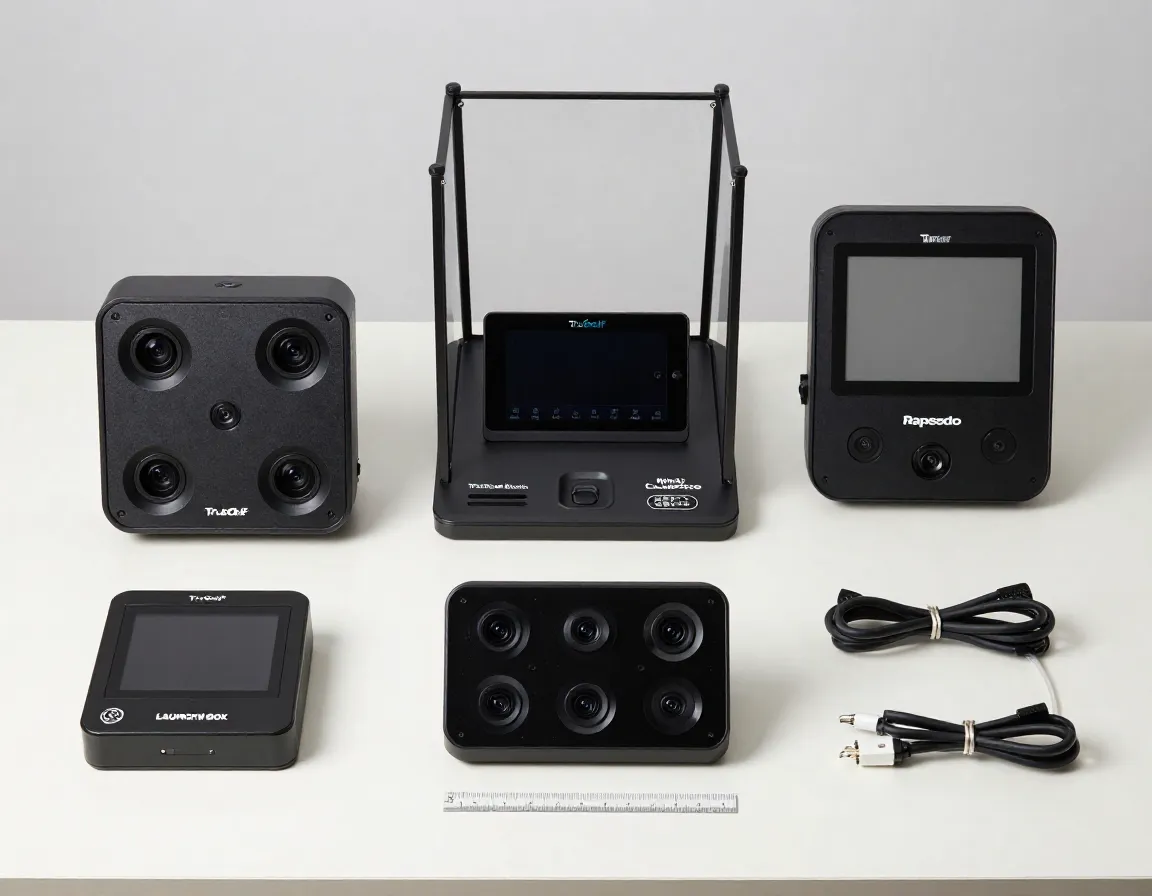
Modern golf simulator technology has evolved dramatically, and your enclosure choice directly impacts which systems you can effectively use. The 9 Key Considerations for Choosing an Outdoor Golf Simulator Enclosure must include compatibility with current and future launch monitor technologies.
Popular 2026 launch monitor options include:
| Model | Price | Key Features | Enclosure Requirements |
|---|---|---|---|
| Square Omni | $1,600 | Four-camera photometric, works on grass | Outdoor-rated, minimal ceiling restrictions |
| TruGolf LaunchBox | $2,299 | 4.5-hour battery, integrated display | Range mat compatibility, power access |
| Rapsodo CLMPRO | TBA | Six-camera optical, 1cm course detail | 9-foot minimum ceiling height |
Camera-based systems like the Square Omni require specific lighting conditions and background contrasts that your enclosure design must accommodate [3]. Radar-based units need clear ball flight paths without interference from enclosure materials.
Power requirements vary significantly between systems. Battery-powered units like the TruGolf LaunchBox offer installation flexibility, while permanently mounted systems need dedicated electrical circuits [3]. Plan for future upgrades by including additional power outlets and data connections during initial installation.
Projector integration requires specific mounting points, throw distances, and ambient light control. Many golfers underestimate the importance of lighting design – too much ambient light washes out projected images, while insufficient lighting hampers launch monitor accuracy.
4. Local Regulations, Permits, and HOA Restrictions
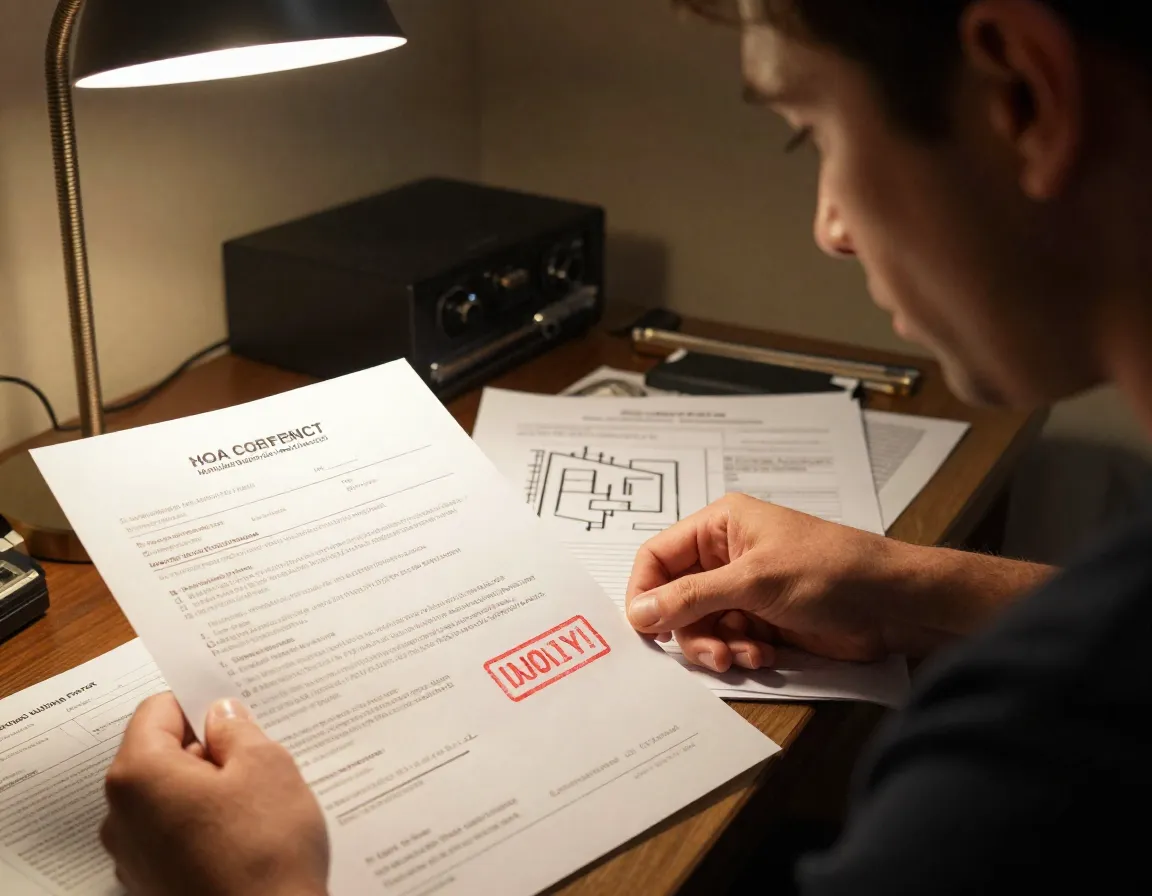
Legal compliance often catches outdoor golf simulator enthusiasts off-guard, turning exciting projects into regulatory nightmares. Municipal building codes typically classify permanent enclosures as accessory structures, triggering permit requirements and setback restrictions.
Common permit triggers include:
- Structure height exceeding 8-10 feet
- Foundation work requiring excavation
- Electrical installations needing professional certification
- Permanent attachment to existing structures
Homeowners Association (HOA) restrictions can be even more stringent than municipal codes. Many HOAs regulate structure appearance, materials, colors, and placement. I recommend reviewing your HOA covenants before making any purchases – some associations prohibit recreational structures entirely, while others require architectural review committee approval [9].
Setback requirements typically mandate minimum distances from property lines, septic systems, and utility easements. These restrictions might force enclosure placement in suboptimal locations, affecting your overall design and user experience.
Noise considerations increasingly factor into local regulations. While golf simulators generate minimal noise compared to other recreational activities, some communities have specific quiet hour restrictions that could limit usage times.
5. Foundation and Installation Requirements for Outdoor Enclosures
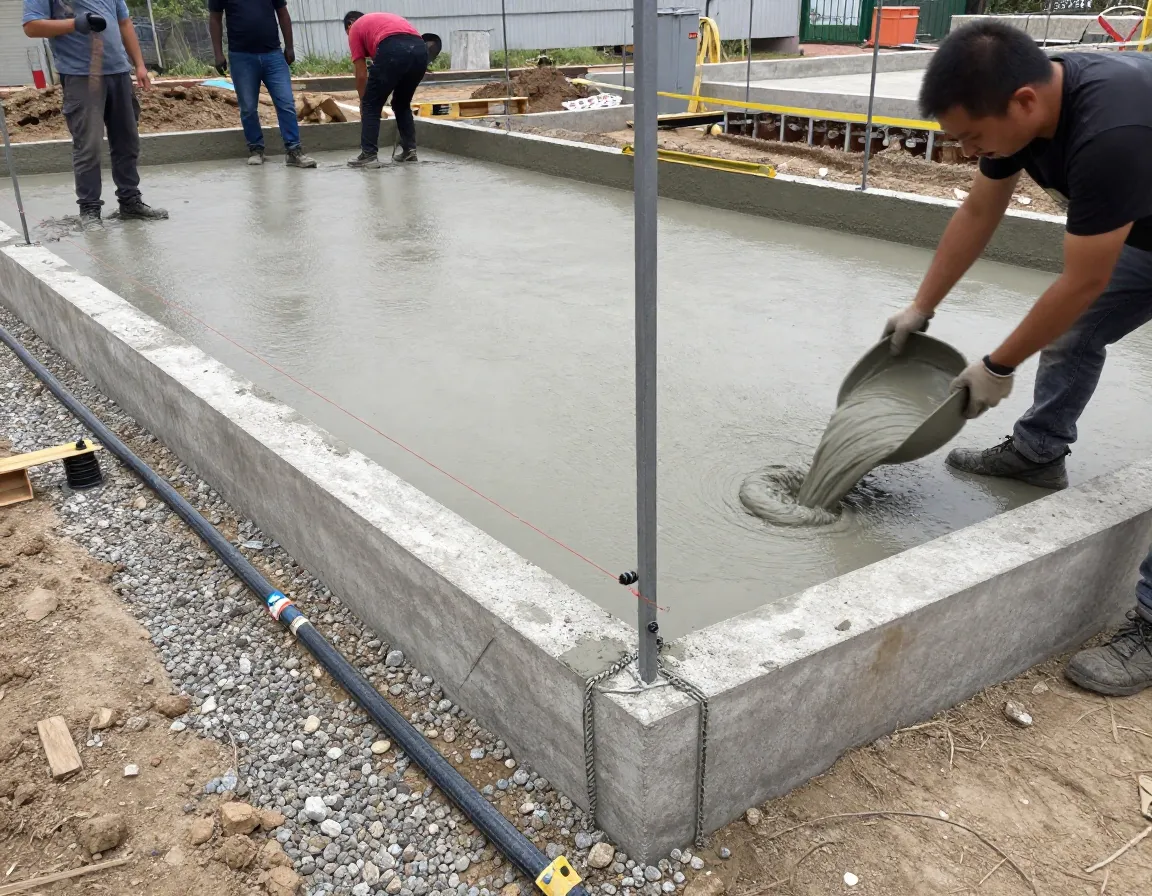
Proper foundation work separates professional outdoor golf simulator installations from amateur attempts that fail within seasons. Foundation type selection depends on your local climate, soil conditions, and enclosure specifications.
Popular foundation options include:
- Concrete pad foundations – Provide maximum stability and durability
- Gravel base systems – Offer good drainage with easier installation
- Modular foundation blocks – Allow seasonal removal in harsh climates
- Integrated foundation kits – Manufacturer-specific solutions for optimal compatibility
Drainage design prevents water accumulation that can damage equipment and create unsafe conditions. French drain systems around the perimeter effectively manage surface water, while proper grading ensures water flows away from the structure [1].
Utility installation during foundation work saves significant costs compared to retrofitting. Plan electrical conduits, internet cables, and any water connections during initial excavation. Many installations require dedicated electrical circuits to handle projector, launch monitor, and lighting loads simultaneously.
Professional installation often proves worthwhile for foundation work. Experienced contractors understand local soil conditions, drainage requirements, and building code compliance. DIY foundation work frequently results in settling, drainage problems, or structural issues that cost more to fix than professional installation would have cost initially.
6. Budget Planning and Total Cost of Ownership
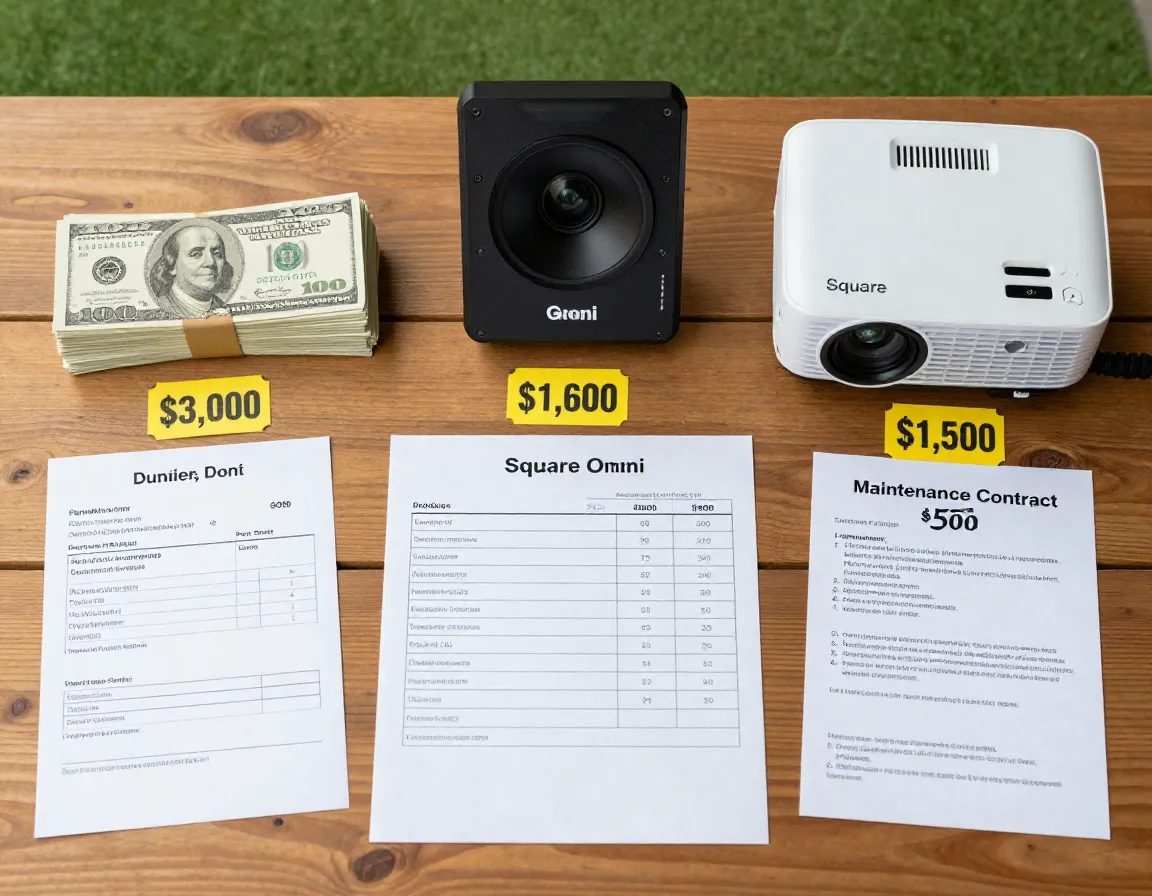
Comprehensive budget planning for outdoor golf simulator enclosures extends far beyond the initial purchase price. Hidden costs frequently double or triple initial estimates, catching unprepared buyers off-guard.
Primary cost categories include:
Enclosure and Structure: $3,000-$15,000+
- Basic fabric enclosures start around $3,000
- Premium permanent structures reach $15,000+
- Custom designs can exceed $25,000
Technology Components: $2,000-$20,000+
- Launch monitors: $1,600-$15,000+ (Square Omni at $1,600, TruGolf LaunchBox at $2,299) [3]
- Projectors: $1,500-$5,000
- Impact screens: $500-$2,000
- Simulation software: $500-$3,000 annually
Installation and Site Preparation: $2,000-$8,000+
- Foundation work: $1,500-$5,000
- Electrical installation: $500-$2,000
- Professional assembly: $1,000-$3,000
Ongoing maintenance costs include fabric cleaning, equipment calibration, software subscriptions, and component replacements. Annual maintenance typically runs 5-10% of initial investment for quality setups [8].
Financing options have expanded significantly in 2026, with many manufacturers offering payment plans and equipment leasing programs. However, calculate total financing costs carefully – high-interest equipment loans can increase total project costs by 20-30%.
7. Maintenance and Seasonal Care Considerations
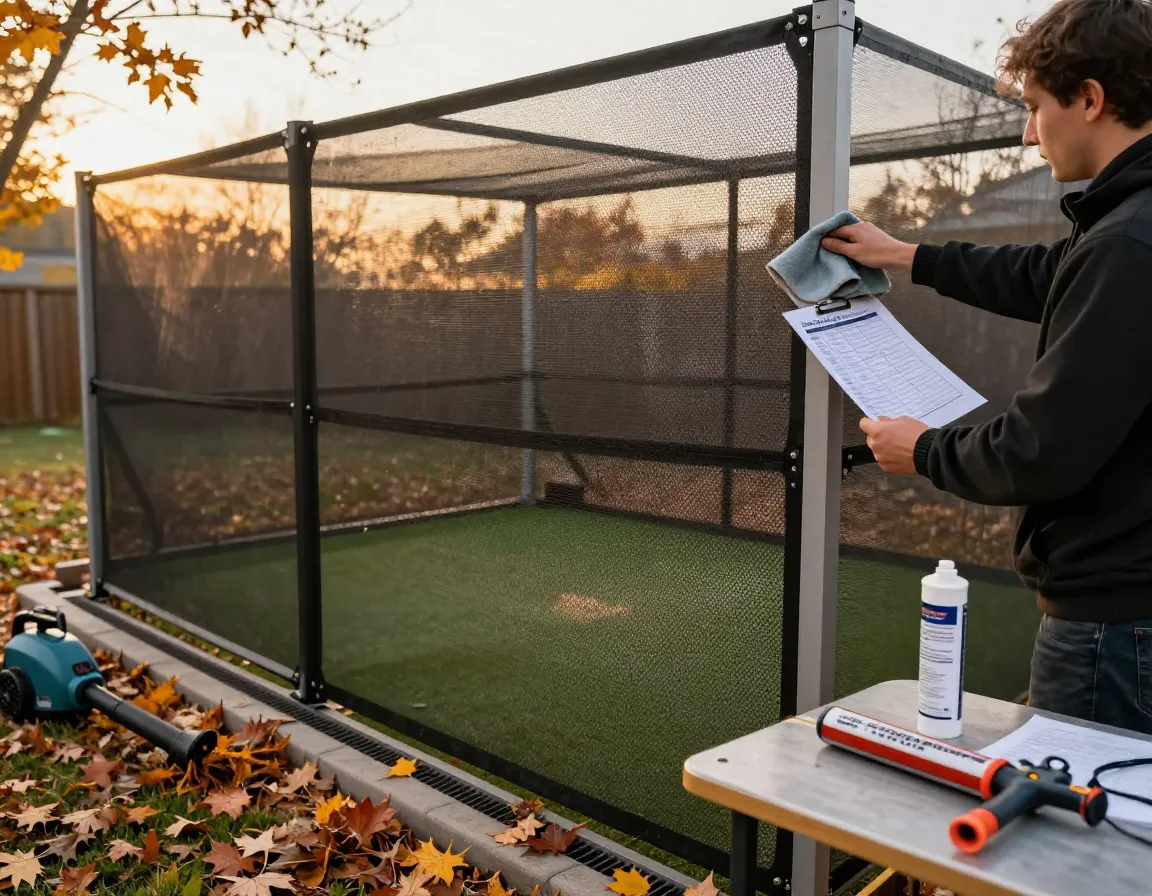
Proactive maintenance extends outdoor golf simulator enclosure life significantly while ensuring consistent performance. Seasonal maintenance schedules address specific challenges each time of year presents.
Spring maintenance tasks:
- Inspect fabric for winter damage
- Clean and calibrate launch monitors
- Check electrical connections for moisture damage
- Verify structural integrity after freeze-thaw cycles
Summer care focuses on:
- UV protection for fabrics and screens
- Ventilation system cleaning
- Temperature monitoring for electronics
- Regular cleaning to prevent dust accumulation
Fall preparation includes:
- Weatherproofing inspections
- Drainage system clearing
- Securing loose components before winter weather
- Equipment winterization in harsh climates
Winter considerations vary dramatically by location. Cold climate installations may require:
- Heated storage for sensitive electronics
- Snow load management for enclosure roofs
- Moisture control to prevent condensation damage
- Seasonal disassembly for extreme weather areas [5]
Professional maintenance services are increasingly available in major markets. Annual service contracts typically cost $500-$1,500 but include equipment calibration, fabric cleaning, and preventive maintenance that many owners struggle to perform correctly.
8. Safety Features and Risk Management
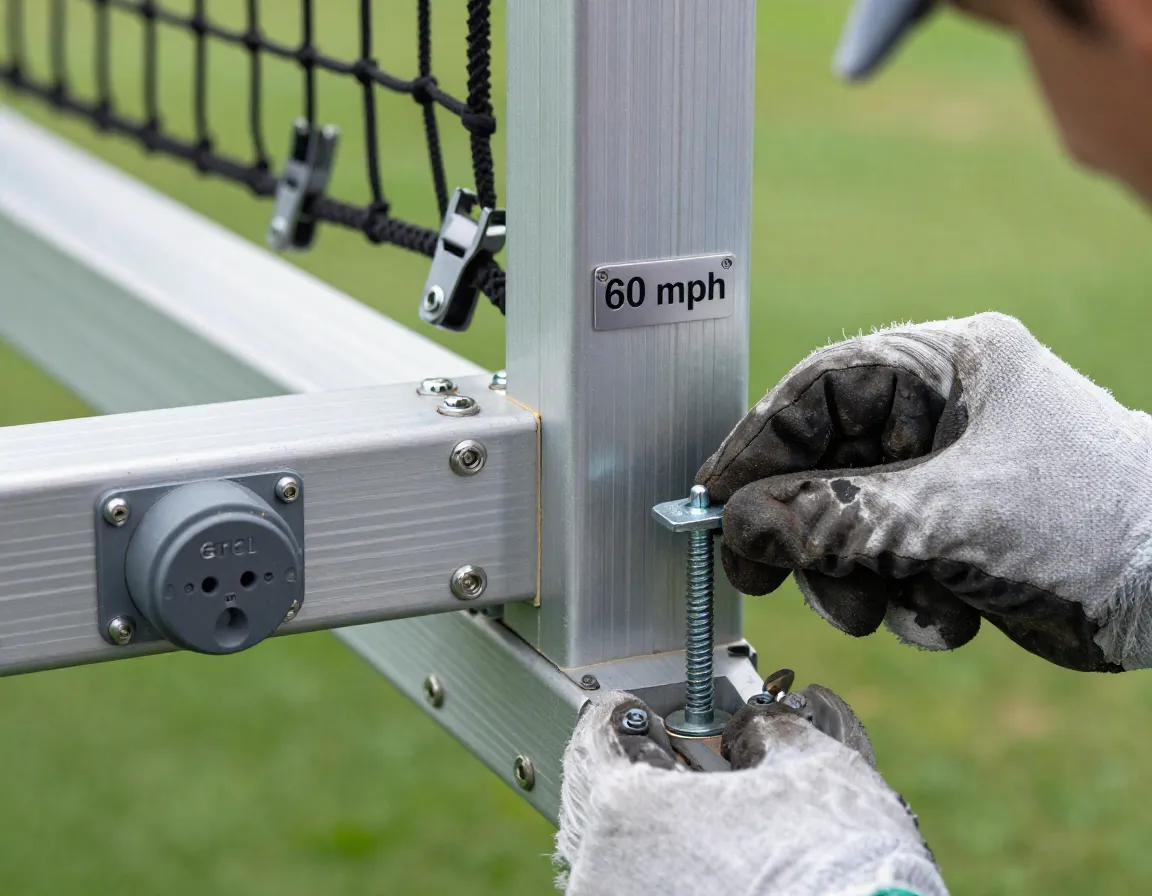
Safety considerations for outdoor golf simulator enclosures encompass both user protection and liability management. Primary safety concerns include structural integrity, electrical safety, and impact protection.
Structural safety features should include:
- Wind resistance ratings appropriate for local conditions
- Snow load calculations for winter climates
- Anchoring systems that prevent enclosure displacement
- Emergency exit provisions in case of structural failure
Electrical safety becomes more complex outdoors due to weather exposure. GFCI protection is mandatory for all outdoor electrical installations, while weatherproof enclosures protect connections from moisture infiltration. Many installations benefit from surge protection to guard expensive electronics against lightning-induced power surges.
Impact safety extends beyond protecting users from errant golf balls. Proper netting installation prevents balls from escaping the enclosure, while adequate clearances reduce injury risk from backswings or follow-throughs.
Liability considerations vary by location and insurance provider. Many homeowners insurance policies require notification of permanent outdoor structures, and some insurers offer discounts for professionally installed systems with proper safety features [10].
Emergency preparedness planning should address severe weather procedures, equipment shutdown protocols, and emergency contact information for professional service providers.
9. Future-Proofing and Upgrade Potential
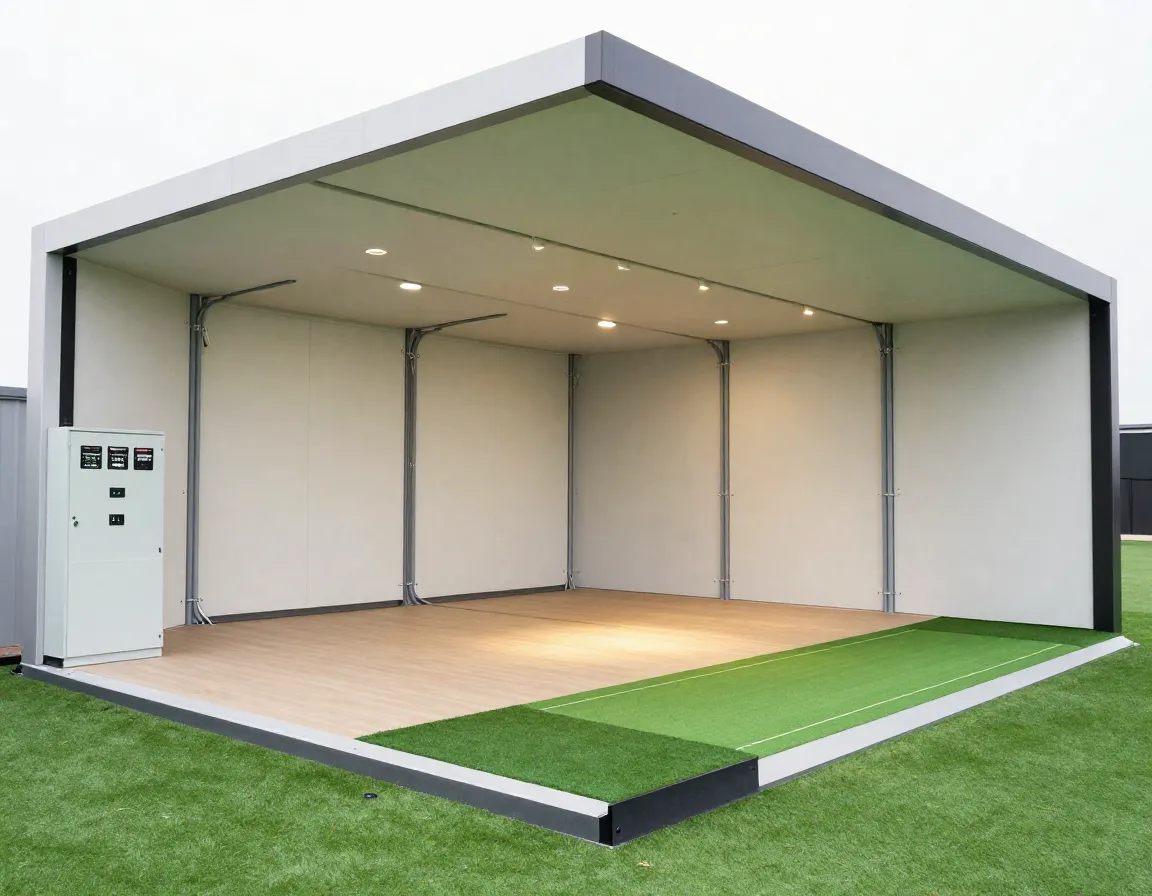
Technology evolution in golf simulation continues accelerating, making future-proofing considerations essential when selecting outdoor enclosures. Modular design approaches allow component upgrades without complete system replacement.
Emerging technology trends for 2026 and beyond include:
- Higher resolution projection systems requiring upgraded mounting capabilities
- Advanced launch monitors with increased space and power requirements
- Virtual reality integration demanding additional sensor mounting points
- AI-powered swing analysis needing enhanced connectivity infrastructure
Expandable enclosure designs accommodate future additions like multiple hitting stations, putting areas, or spectator seating. Oversizing initial installations by 10-20% provides flexibility for future enhancements without major reconstruction [2].
Connectivity infrastructure should exceed current requirements. Fiber optic preparation supports future high-bandwidth applications, while additional electrical capacity handles expanding equipment loads.
Manufacturer upgrade programs vary significantly between brands. Some companies offer trade-in credits for technology upgrades, while others provide retrofit kits for existing installations. Research manufacturer policies before committing to specific brands or systems.
Resale value considerations favor quality installations with popular technology brands and professional installation. Well-designed outdoor golf simulator enclosures can add significant property value, particularly in golf-oriented communities [4].
Conclusion
The 9 Key Considerations for Choosing an Outdoor Golf Simulator Enclosure represent the foundation for making an informed investment that delivers years of enjoyment and value. From weather resistance and space planning to technology integration and future-proofing, each consideration impacts your long-term satisfaction and system performance.
Success factors consistently include thorough planning, realistic budgeting, and professional installation for critical components. The golfers who achieve the best results treat their outdoor simulator projects as long-term investments rather than quick purchases.
Your next steps should include:
- Assess your space and local regulations before selecting specific products
- Define your technology requirements and budget realistically for total project costs
- Research local installers and obtain multiple quotes for professional services
- Plan for maintenance and factor ongoing costs into your decision-making
The outdoor golf simulator market continues expanding rapidly in 2026, with new products like the Square Omni and Rapsodo CLMPRO offering unprecedented capabilities at accessible price points [3]. However, the best technology means nothing without proper enclosure selection and installation.
Take action today by measuring your available space, researching local regulations, and connecting with experienced installers in your area. The perfect golf weather is waiting in your backyard – you just need the right enclosure to enjoy it year-round.
References
[1] Golf Enclosures And Impact Screens – https://shop.carlofet.com/golf-simulators/golf-enclosures-and-impact-screens
[2] Pga Show 2026 Updates Amp Takeaways – https://www.simcaddy.com/blog/pga-show-2026-updates-amp-takeaways
[3] Launch Monitors And Simulators 2026 Pga Show – https://www.playbetter.com/blogs/golf-tech-news/launch-monitors-and-simulators-2026-pga-show
[4] Pga Show 2026 Whats New – https://rainorshinegolf.com/blogs/industry-news/pga-show-2026-whats-new
[5] Golf Enclosures – https://gamergeardirect.com.au/blogs/resources/golf-enclosures
[6] Watch – https://www.youtube.com/watch?v=plNTb41gzk0
[7] Golf Simulator Enclosures – https://www.par2pro.com/en-ca/collections/golf-simulator-enclosures
[8] Best Golf Simulator 213070 – https://www.golfmonthly.com/best-golf-deals/best-golf-simulator-213070
[9] simspacegolf – https://simspacegolf.com
[10] Training – https://shopindoorgolf.com/collections/golf-simulators/training