6 Golf Course Backyard Landscaping Secrets the Pros Use
Picture walking onto your favorite golf course at dawn, when the morning dew glistens on perfectly manicured fairways and every blade of grass seems positioned with surgical precision. That breathtaking beauty isn’t accidental—it’s the result of decades-old professional techniques that transform ordinary landscapes into works of art. The 6 Golf Course Backyard Landscaping Secrets the Pros Use can revolutionize any residential outdoor space, bringing that same level of sophistication and visual impact to homes across the country.
Disclosure: This post contains affiliate links. As an Amazon Associate, we earn from qualifying purchases, and at no extra cost to you.

Professional golf course superintendents spend years mastering the delicate balance between aesthetics and functionality. Their expertise extends far beyond simple lawn care, encompassing advanced soil science, strategic design principles, and maintenance techniques that create landscapes capable of withstanding heavy use while maintaining pristine appearance year-round.
Key Takeaways
- Strategic layering of textures, heights, and plant varieties creates visual depth that mimics professional golf course design
- Precision maintenance schedules involving specific mowing patterns, fertilization timing, and seasonal care routines ensure consistent results
- Water management systems including proper drainage and irrigation placement prevent common landscaping failures
- Native plant integration reduces maintenance requirements while supporting local ecosystems
- Professional-grade equipment and techniques deliver superior results compared to standard homeowner approaches
Understanding Professional Golf Course Design Philosophy
Golf course architects don’t simply plant grass and hope for the best. Every element serves multiple purposes, creating landscapes that function as both athletic venues and natural sanctuaries. The 6 Golf Course Backyard Landscaping Secrets the Pros Use begin with understanding this fundamental design philosophy.
Visual Flow and Movement 🌿
Professional designers create sight lines that guide the eye naturally through the landscape. This involves strategic placement of trees, shrubs, and elevation changes that create a sense of journey and discovery. In residential applications, this translates to designing pathways and focal points that encourage exploration while maintaining clear navigation.
Functional Beauty
Every plant, pathway, and water feature serves both aesthetic and practical purposes. Ornamental grasses might provide privacy screening while adding texture and movement. Strategic tree placement offers shade while framing views. This dual-purpose approach maximizes the value of every landscape element.
Seasonal Interest Planning
Golf courses must look spectacular throughout the playing season and maintain structure during dormant periods. Professional landscapers select plant combinations that provide year-round interest through varying bloom times, foliage colors, and architectural forms.
The Foundation: Soil Science and Preparation Secrets
1. Advanced Soil Testing and Amendment Protocols
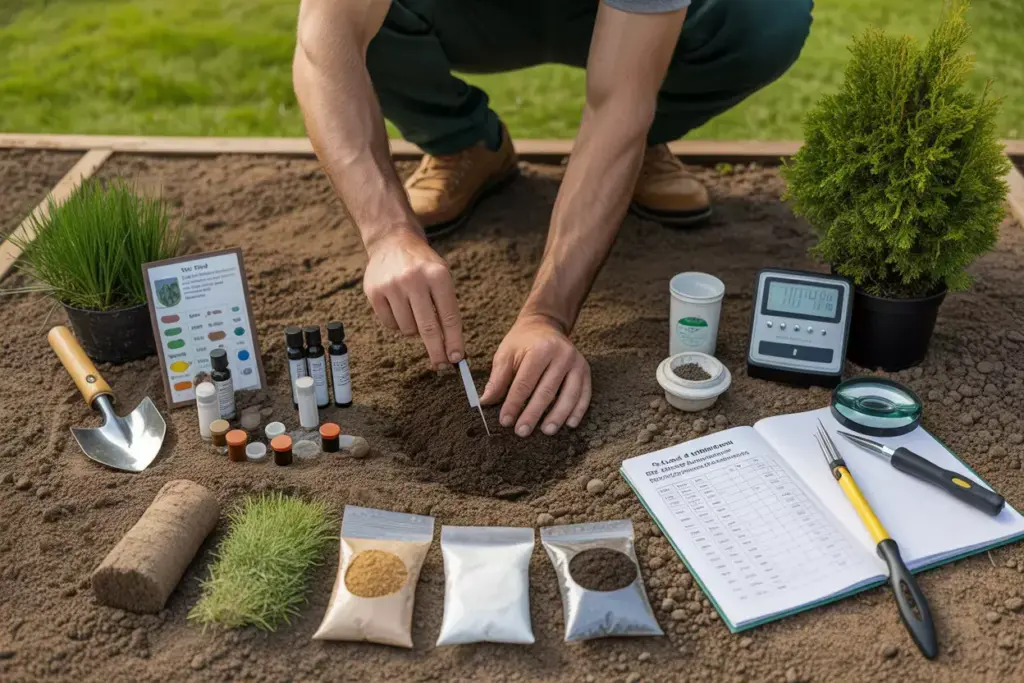
Professional golf course maintenance begins underground, where comprehensive soil analysis reveals the foundation for everything that grows above. The first of the 6 Golf Course Backyard Landscaping Secrets the Pros Use involves understanding soil composition at a molecular level.
pH Balance Optimization
Most homeowners test soil pH once, if ever. Golf course superintendents monitor pH levels seasonally, making micro-adjustments to maintain optimal growing conditions for specific plant varieties. The ideal pH range varies by plant type:
| Plant Type | Optimal pH Range | Amendment Strategy |
|---|---|---|
| Cool-season grasses | 6.0-7.0 | Lime for acidic soils |
| Warm-season grasses | 5.8-6.8 | Sulfur for alkaline soils |
| Ornamental shrubs | 5.5-6.5 | Organic matter incorporation |
| Native perennials | 6.0-7.5 | Minimal intervention approach |
Nutrient Density Management
Professional soil preparation involves creating custom nutrient profiles based on specific plant requirements and local climate conditions. This includes:
- Macro-nutrient balancing (nitrogen, phosphorus, potassium)
- Micro-nutrient supplementation (iron, manganese, zinc)
- Organic matter integration for improved soil structure
- Beneficial bacteria inoculation for enhanced root development
2. Strategic Drainage and Water Management Systems

Poor drainage destroys more landscapes than drought, disease, and pests combined. Golf course professionals implement sophisticated water management systems that prevent both waterlogging and drought stress.
Subsurface Drainage Networks
Professional installations include perforated pipe systems installed 18-24 inches below surface level, connected to collection points that redirect excess water away from planted areas. This invisible infrastructure prevents the root rot and fungal issues that plague many residential landscapes.
Surface Grading Techniques
Subtle elevation changes (1-2% grade) direct surface water flow while maintaining visual appeal. Professional landscapers create these gradual slopes during initial installation, preventing the need for costly remediation later.
Precision Maintenance: The Professional Advantage
3. Advanced Mowing and Turf Management Strategies
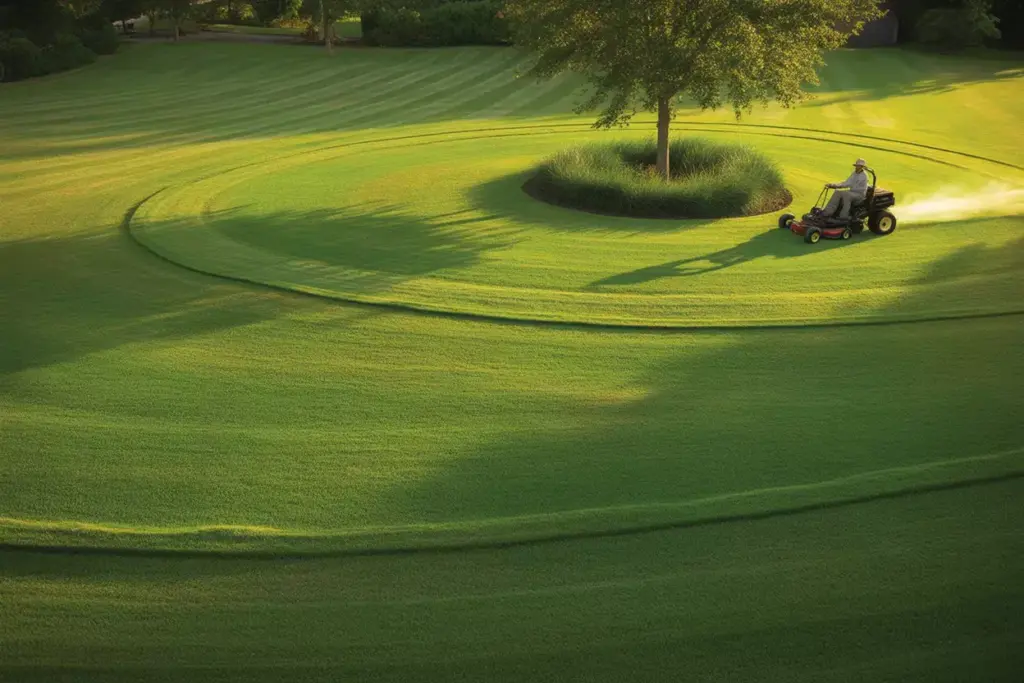
The third secret among the 6 Golf Course Backyard Landscaping Secrets the Pros Use involves precision maintenance techniques that create the distinctive appearance of professional landscapes.
Height Variation for Visual Interest
Golf courses use different cutting heights to create visual texture and define spaces:
- Fairway areas: 0.5-0.75 inches for dense, carpet-like appearance
- Rough zones: 2-3 inches for natural transition areas
- Ornamental areas: 3-4 inches for relaxed, meadow-like texture
Mowing Pattern Rotation
Professional superintendents rotate mowing patterns weekly to prevent soil compaction and encourage upright growth. Popular patterns include:
- Striping patterns for formal areas
- Diagonal cuts for dynamic visual interest
- Circular patterns around focal points
- Random patterns for naturalized zones
Seasonal Adjustment Protocols
Cutting heights and frequencies adjust seasonally to support plant health:
- Spring: Gradual height reduction encourages new growth
- Summer: Higher cuts reduce stress during heat periods
- Fall: Final cuts prepare plants for winter dormancy
- Winter: Minimal disturbance allows rest periods
4. Professional Fertilization and Plant Health Programs
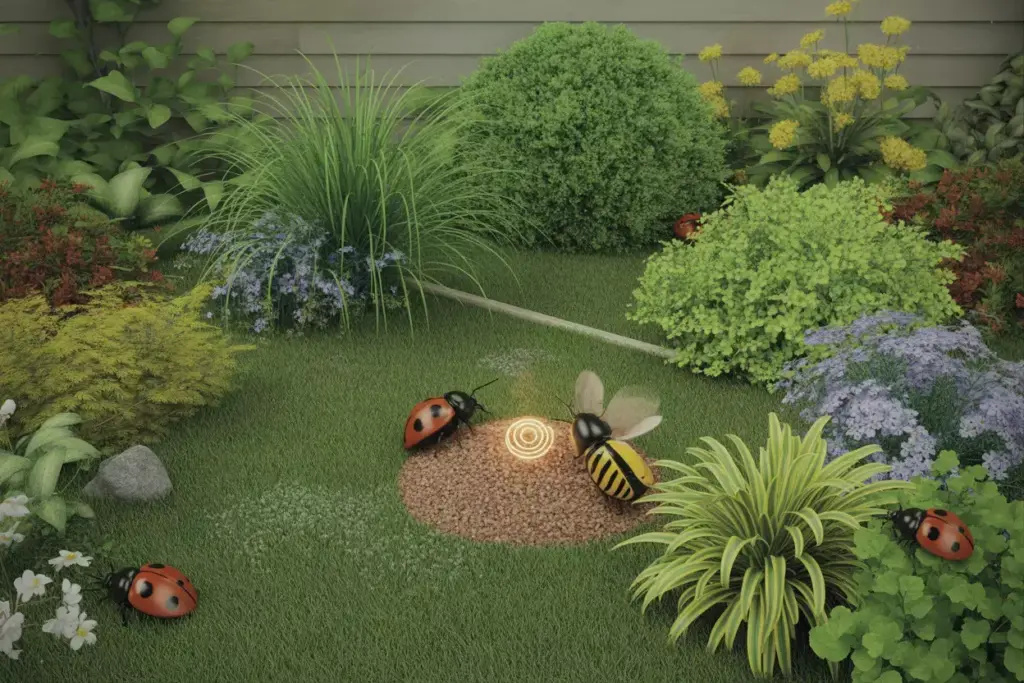
Slow-Release Nutrient Systems
Golf course professionals use controlled-release fertilizers that provide consistent nutrition over 12-16 week periods. This approach prevents the feast-or-famine cycles that stress plants and create uneven growth patterns.
Integrated Pest Management (IPM)
Rather than reactive pest control, professionals implement preventive health programs that strengthen plant immunity and create unfavorable conditions for pest establishment:
- Beneficial insect habitat creation
- Disease-resistant plant variety selection
- Cultural practice optimization
- Targeted intervention only when necessary
Design Integration: Creating Cohesive Outdoor Spaces
5. Strategic Plant Selection and Placement Techniques
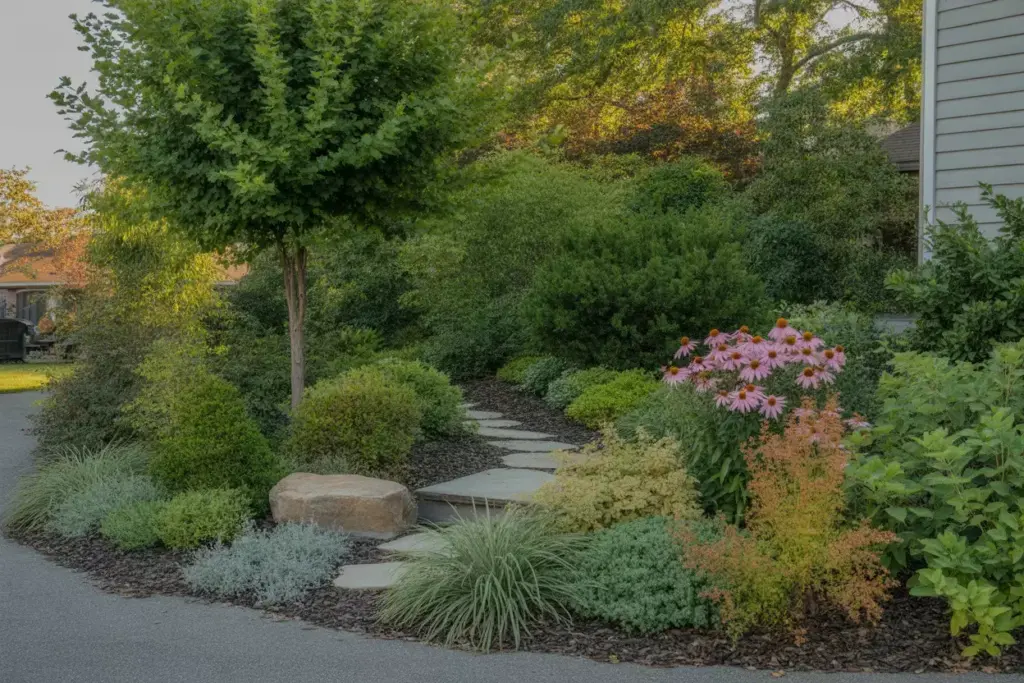
The fifth secret in the 6 Golf Course Backyard Landscaping Secrets the Pros Use involves understanding how professional designers create seamless transitions between different landscape zones.
Native Plant Integration
Golf course architects increasingly incorporate native plant communities that require minimal inputs while providing maximum visual impact. These plants offer several advantages:
- Reduced water requirements after establishment
- Natural pest resistance through evolutionary adaptation
- Wildlife habitat creation for birds and beneficial insects
- Seasonal interest through natural bloom and dormancy cycles
Layered Planting Design
Professional landscapes feature distinct vertical layers that create depth and visual complexity:
- Canopy layer (30+ feet): Mature shade trees for structure
- Understory layer (15-30 feet): Smaller trees and large shrubs
- Shrub layer (3-15 feet): Ornamental and functional plantings
- Herbaceous layer (6 inches-3 feet): Perennials and grasses
- Ground layer (0-6 inches): Groundcovers and mulch
Color Theory Application
Golf course designers use sophisticated color palettes that create visual harmony while providing seasonal interest:
- Monochromatic schemes for elegant, calming effects
- Complementary colors for dramatic focal points
- Analogous combinations for natural, flowing transitions
- Seasonal progression planning for year-round appeal
6. Professional Hardscape Integration
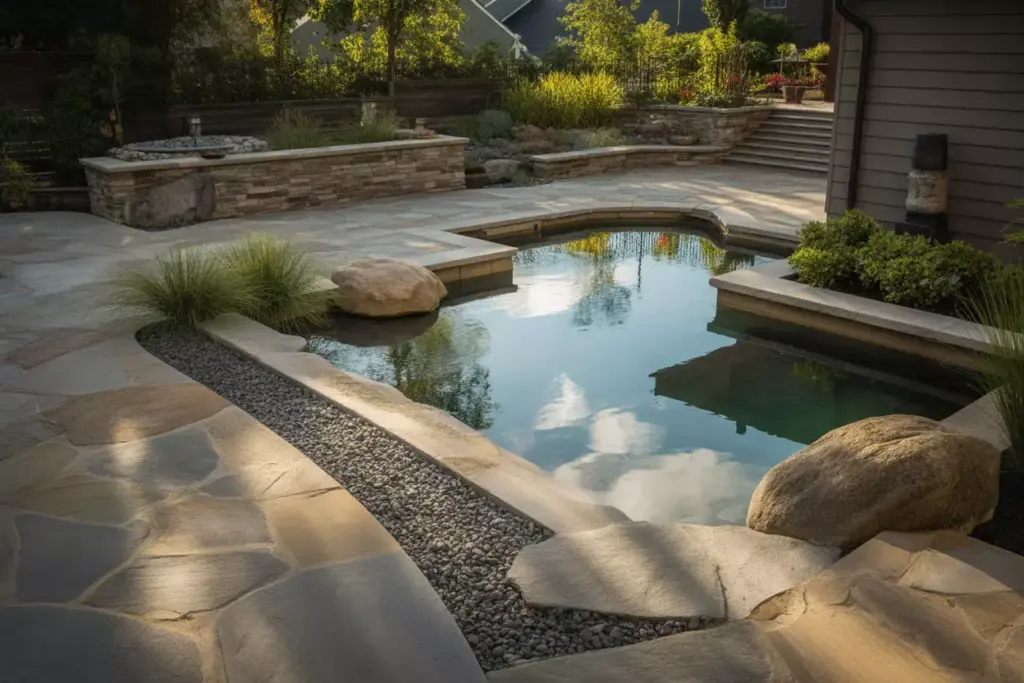
The final secret among the 6 Golf Course Backyard Landscaping Secrets the Pros Use involves incorporating structural elements that enhance both function and beauty.
Natural Stone Applications
Professional installations feature carefully selected stone materials that complement local architecture and natural surroundings:
- Flagstone pathways for informal, organic feel
- Cut stone borders for formal definition
- Boulder placement for natural focal points
- Gravel accents for drainage and texture contrast
Water Feature Integration
Strategic water placement creates multi-sensory experiences while serving practical functions:
- Retention ponds disguised as natural water features
- Stream beds for drainage management
- Fountain elements for sound masking and humidity
- Reflection pools for visual expansion
Implementation Timeline and Professional Results
Phase 1: Planning and Preparation (Weeks 1-4)
Professional implementation begins with comprehensive site analysis and detailed planning. This phase includes:
- Soil testing and amendment planning
- Drainage assessment and design
- Plant selection based on site conditions
- Hardscape material selection and sourcing
Phase 2: Infrastructure Installation (Weeks 5-8)
Foundation work establishes the systems that support long-term success:
- Drainage system installation
- Soil preparation and amendment
- Hardscape construction
- Irrigation system placement
Phase 3: Planting and Establishment (Weeks 9-12)
Strategic planting follows professional protocols for optimal establishment:
- Large specimen installation first
- Shrub and perennial placement
- Groundcover and grass establishment
- Initial maintenance program implementation
Phase 4: Maturation and Refinement (Months 4-12)
Professional landscapes require time to reach full potential:
- Regular maintenance schedule implementation
- Plant establishment monitoring
- System adjustment and optimization
- Seasonal care protocol development
Seasonal Maintenance Protocols
Spring Activation Checklist 🌱
Professional spring preparation ensures optimal growing season performance:
- Soil temperature monitoring for timing decisions
- Gradual fertilization program initiation
- Irrigation system inspection and activation
- Pruning and cleanup of winter damage
- Pre-emergent pest control applications
Summer Maintenance Intensity
Peak growing season requires consistent attention to maintain professional standards:
- Weekly mowing with pattern rotation
- Deep watering schedules based on weather conditions
- Pest monitoring and intervention as needed
- Deadheading and grooming for continuous bloom
- Heat stress prevention protocols
Fall Preparation Protocols
Professional fall care prepares landscapes for winter success:
- Final fertilization with winter-hardy formulations
- Leaf management programs for lawn health
- Plant protection installation for sensitive species
- Irrigation system winterization procedures
- Tool maintenance and storage preparation
Winter Protection Strategies
Professional landscapes maintain structure and health through dormant periods:
- Selective pruning during dormancy
- Snow load management for trees and shrubs
- Salt damage prevention along walkways
- Planning and design refinements for next season
- Equipment maintenance and preparation
Cost-Benefit Analysis of Professional Techniques
Initial Investment Considerations
Implementing the 6 Golf Course Backyard Landscaping Secrets the Pros Use requires upfront investment that pays dividends through reduced long-term maintenance costs and increased property values:
| Investment Category | Professional Approach Cost | DIY Approach Cost | Long-term Savings |
|---|---|---|---|
| Soil preparation | $2,000-4,000 | $500-1,000 | $5,000+ in plant replacement |
| Drainage systems | $3,000-6,000 | $1,000-2,000 | $10,000+ in damage prevention |
| Plant selection | $4,000-8,000 | $2,000-4,000 | $3,000+ in replacement costs |
| Maintenance equipment | $1,500-3,000 | $800-1,500 | $2,000+ in efficiency gains |
Property Value Enhancement
Professional landscaping typically adds 15-25% to property values while providing immediate quality of life improvements. Well-designed outdoor spaces extend usable living area and create compelling first impressions for potential buyers.
Environmental Benefits
Professional landscape design provides measurable environmental advantages:
- Stormwater management reduces municipal system burden
- Native plant integration supports local wildlife populations
- Efficient irrigation reduces water consumption by 30-50%
- Carbon sequestration through strategic tree placement
- Air quality improvement through increased plant density
Conclusion
The 6 Golf Course Backyard Landscaping Secrets the Pros Use represent decades of professional expertise distilled into actionable strategies for residential applications. These techniques transform ordinary outdoor spaces into extraordinary landscapes that provide year-round beauty, environmental benefits, and increased property values.
Success requires commitment to professional-grade planning, installation, and maintenance practices. While initial investments may seem substantial, the long-term benefits—reduced maintenance costs, increased property values, and enhanced quality of life—justify the professional approach.
Immediate Action Steps:
- Conduct comprehensive soil testing to establish baseline conditions
- Assess drainage patterns during next significant rainfall
- Research native plant varieties suited to local conditions
- Develop seasonal maintenance calendar based on professional protocols
- Invest in quality tools and equipment for consistent results
- Consider professional consultation for complex installations
The transformation from ordinary yard to golf course-quality landscape doesn’t happen overnight, but following these proven professional techniques ensures steady progress toward spectacular results. Every element—from soil preparation to seasonal maintenance—contributes to creating outdoor spaces that rival the world’s most beautiful golf courses.