
8 Elements of Perfect Golf Course Aesthetics (Beyond the Greens)
Picture this: You’re standing on the first tee, surveying the landscape ahead. While most golfers focus on the condition of the greens and fairways, the truly memorable courses captivate players through elements that extend far beyond the playing surfaces. The 8 Elements of Perfect Golf Course Aesthetics (Beyond the Greens) transform an ordinary round of golf into an unforgettable experience that lingers in memory long after the final putt drops.
Disclosure: This post contains affiliate links. As an Amazon Associate, we earn from qualifying purchases, and at no extra cost to you.
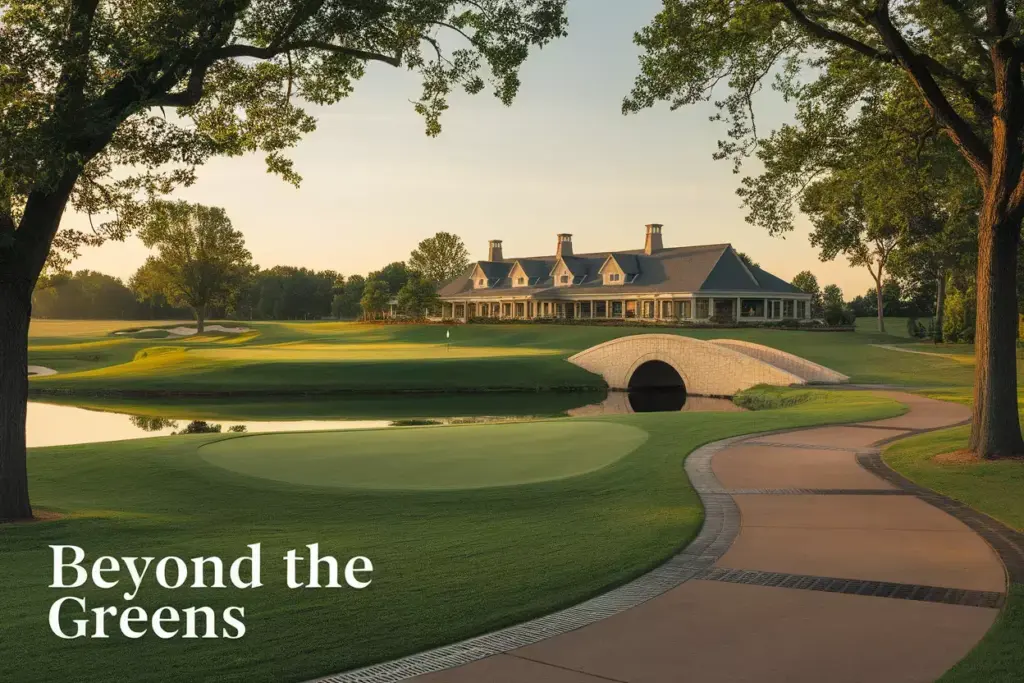
Golf course design has evolved dramatically over the past century, with modern architects understanding that visual appeal encompasses much more than manicured grass. Today’s premier facilities recognize that every element within view contributes to the overall aesthetic experience, from the moment golfers arrive until they reluctantly depart.
Key Takeaways
- Architectural elements like clubhouses, bridges, and cart paths serve as visual anchors that define a course’s character
- Natural landscaping with native plants and mature trees creates depth and seasonal interest throughout the year
- Water features and terrain management work together to frame holes and create memorable visual moments
- Maintenance standards for non-playing areas significantly impact overall course presentation
- Strategic design integration ensures all aesthetic elements complement rather than distract from the golf experience
Understanding Golf Course Visual Design Philosophy
The foundation of exceptional golf course aesthetics lies in understanding that every visible element contributes to the player experience. Course architects and superintendents must balance functionality with beauty, creating environments that challenge golfers while providing visual pleasure.
Modern golf course design philosophy emphasizes harmony with natural surroundings. Rather than imposing artificial elements onto the landscape, successful courses work with existing topography, vegetation, and water features to create seamless integration between human design and natural beauty.
The psychological impact of visual aesthetics on golf performance cannot be understated. Studies show that players feel more confident and relaxed on visually appealing courses, often resulting in better scores and increased enjoyment. This connection between aesthetics and performance drives the investment in non-playing area improvements at premier facilities worldwide.
The Foundation: Architectural Elements That Define Character
1. Clubhouse Design and Positioning
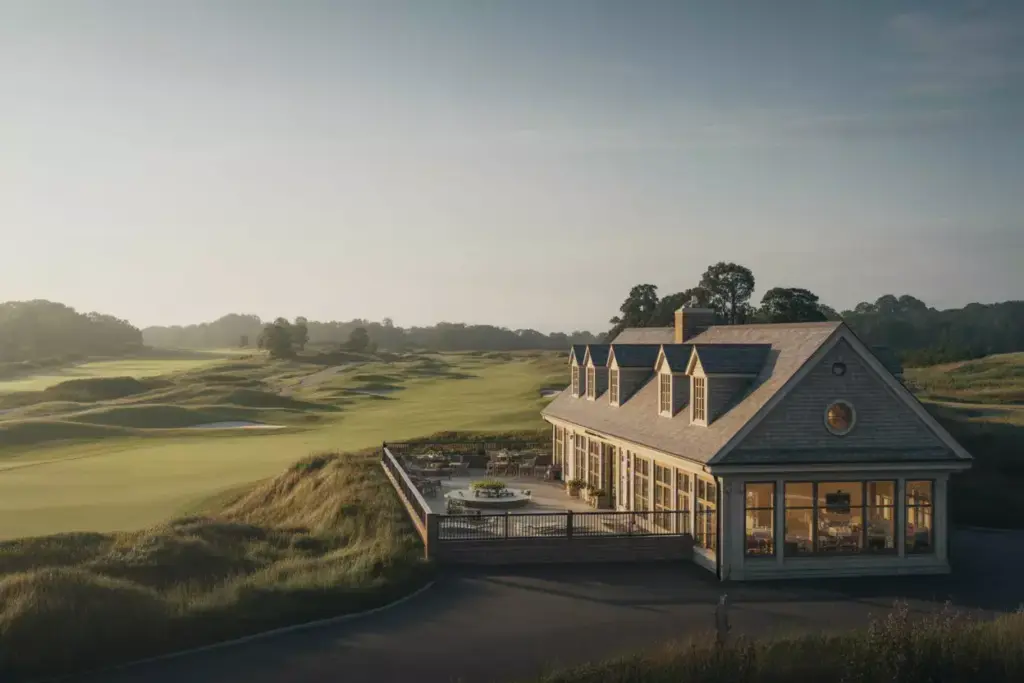
The clubhouse serves as the visual centerpiece of any golf facility, establishing the architectural theme that should flow throughout the property. Premier courses position their clubhouses to maximize views of signature holes while creating an impressive arrival experience for members and guests.
Traditional architectural styles like Colonial, Tudor, or Craftsman create timeless appeal that ages gracefully over decades. Modern facilities might embrace contemporary designs with clean lines and extensive use of glass to showcase course views. The key lies in selecting a style that complements the local environment and regional architectural traditions.
Successful clubhouse positioning considers multiple factors:
- Elevation advantage for panoramic course views
- Natural wind patterns for comfortable outdoor spaces
- Proximity to signature holes for dining and event viewing
- Integration with practice facilities for seamless flow
2. Cart Path Design and Materials

While often overlooked, cart paths significantly impact the visual flow of a golf course. Well-designed paths guide players naturally from hole to hole while maintaining aesthetic appeal through material selection and routing choices.
Concrete paths offer durability and clean lines but can appear stark without proper integration. Asphalt surfaces provide cost-effective solutions but require regular maintenance to prevent visual deterioration. Natural stone or decorative concrete options create premium appearances that justify higher initial investments.
Strategic path routing minimizes visual intrusion on key sight lines while ensuring efficient player movement. The best cart paths seem to disappear into the landscape, visible when needed but never dominating the visual experience.
Natural Elements: Landscaping Beyond the Playing Surface
3. Native Plant Integration and Seasonal Color
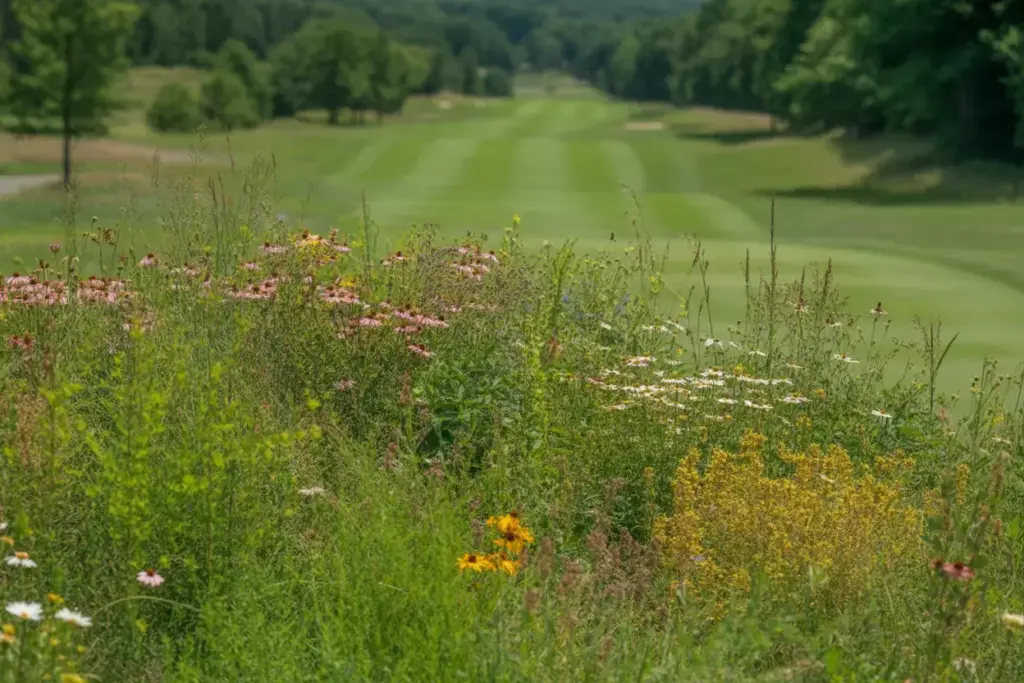
Native landscaping provides the backbone for sustainable, visually appealing golf course environments. These plants require minimal irrigation and maintenance while providing authentic regional character that connects courses to their local ecosystems.
Successful native plant programs consider seasonal progression to ensure year-round visual interest:
| Season | Plant Focus | Visual Impact |
|---|---|---|
| Spring | Flowering trees and bulbs | Fresh growth and bloom color |
| Summer | Perennial grasses and wildflowers | Texture and movement |
| Fall | Deciduous trees and shrubs | Dramatic color changes |
| Winter | Evergreen structure and bark interest | Form and subtle color |
Wildflower meadows in non-play areas create spectacular seasonal displays while reducing maintenance costs. These areas also provide valuable wildlife habitat, supporting the growing trend toward environmental stewardship in golf course management.
4. Mature Tree Management and Placement
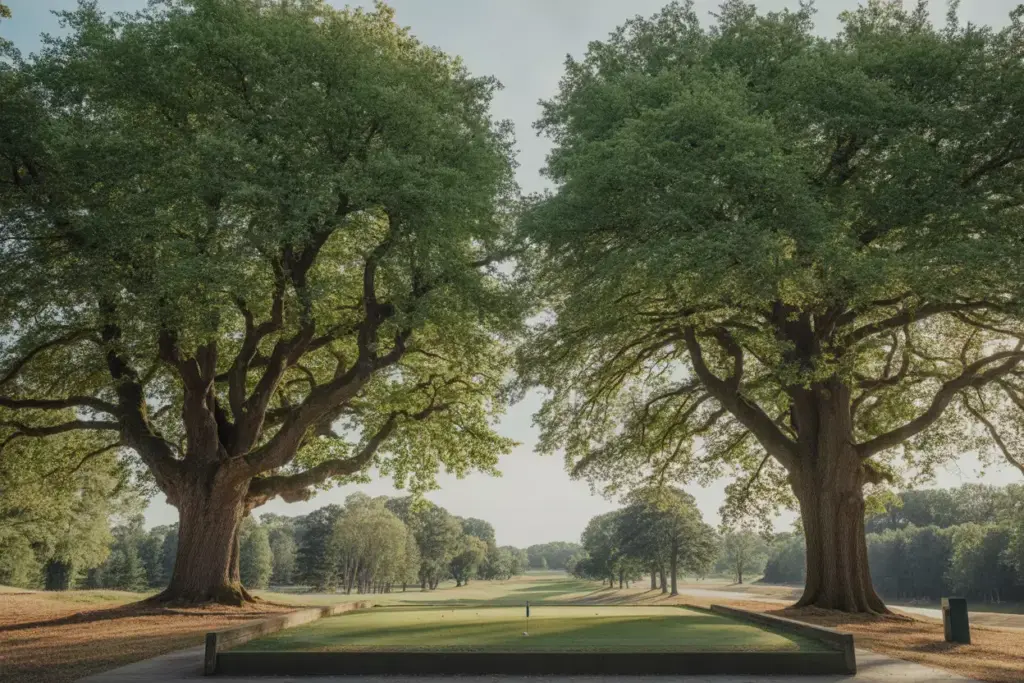
Mature trees represent the most valuable aesthetic assets on golf courses, providing scale, seasonal interest, and natural beauty that cannot be quickly replicated. Proper tree management balances preservation of existing specimens with strategic removal to maintain playing conditions and sight lines.
Tree placement strategies for maximum aesthetic impact include:
- Framing tee shots with specimen trees on either side
- Creating natural galleries around greens and landing areas
- Establishing elevation transitions through varied canopy heights
- Providing shade and comfort in strategic locations
Species diversity prevents the monotony of single-species plantings while reducing vulnerability to diseases or pests. Mixing deciduous and evergreen trees creates year-round structure with seasonal variation that keeps the course visually fresh throughout the year.
Water Features and Terrain: Natural Drama and Visual Interest
5. Strategic Water Feature Design
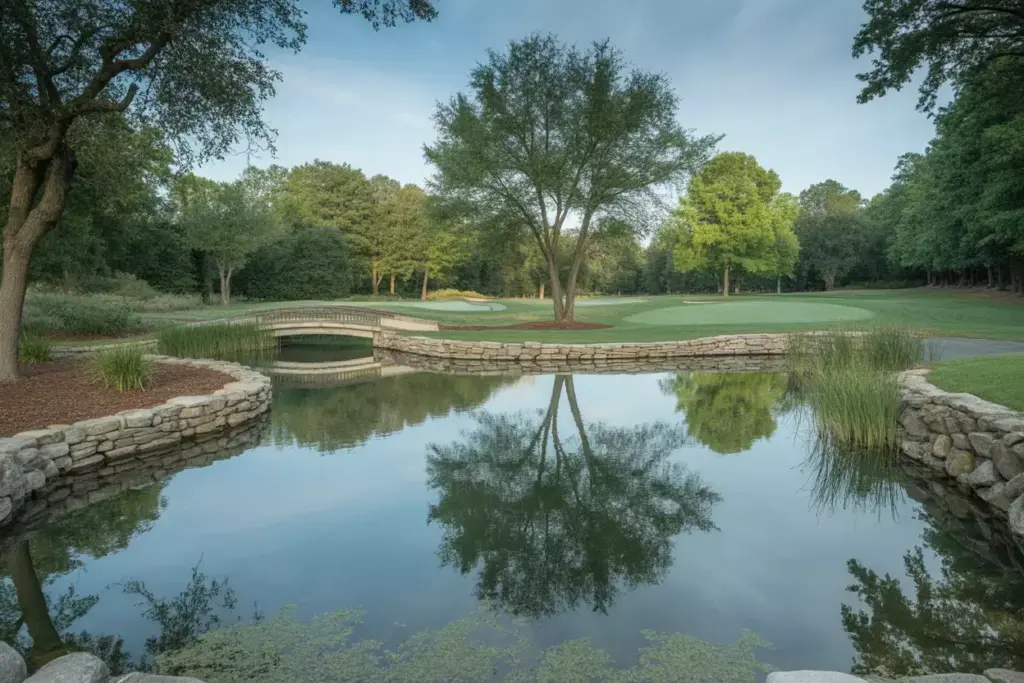
Water features serve dual purposes on golf courses, creating both strategic playing challenges and stunning visual focal points. The most successful water elements appear natural and integrated rather than artificial or imposed upon the landscape.
Natural ponds and streams work best when they follow existing drainage patterns and connect to broader watershed systems. These features support wildlife while creating reflection opportunities that double the visual impact of surrounding landscaping and architecture.
Fountain systems and waterfall features add movement and sound to the golf experience, creating memorable moments that distinguish courses from competitors. However, these elements require careful sizing and placement to enhance rather than overwhelm the natural setting.
Effective water feature maintenance includes:
- Algae control through biological and mechanical systems
- Edge management with natural stone or planted borders
- Wildlife habitat creation through varied depth zones
- Seasonal adaptation for freeze-thaw cycles
6. Terrain Shaping and Elevation Changes

Topographical variety creates visual interest and strategic complexity that elevates golf courses above flat, monotonous layouts. Even subtle elevation changes can dramatically improve sight lines and create memorable hole experiences.
Mounding strategies help frame holes and create intimate playing corridors while screening maintenance areas and neighboring properties. Well-designed mounds appear natural and weathered rather than artificial and geometric.
Elevation management techniques include:
- Gentle transitions that feel natural and walkable
- Strategic high points for panoramic views and photo opportunities
- Natural drainage integration to prevent erosion issues
- Vegetation establishment to stabilize slopes and add visual interest
Infrastructure and Maintenance: The Details That Matter
7. Maintenance Area Screening and Integration
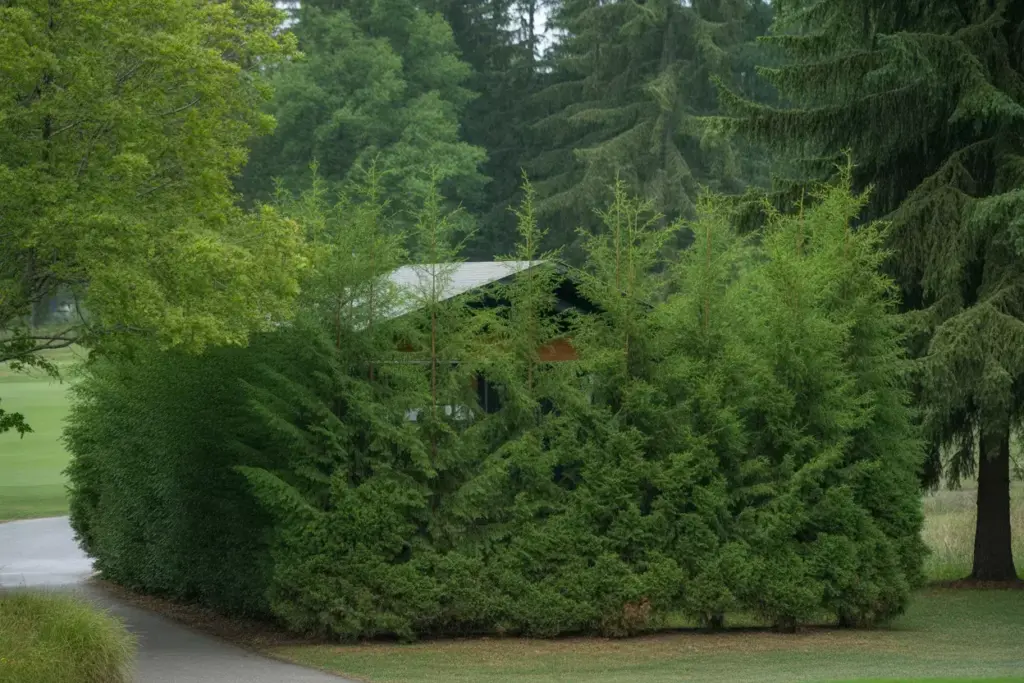
Maintenance facilities are essential for golf course operations but can significantly detract from aesthetic appeal if not properly screened and integrated into the overall design. The goal is to make these necessary elements invisible from player areas while maintaining operational efficiency.
Living screens using fast-growing evergreen trees or shrubs provide natural-looking barriers that improve over time. Architectural screening with materials that match other course elements creates immediate impact but requires higher initial investment.
Effective screening strategies consider:
- Seasonal leaf drop for deciduous screening plants
- Sight line analysis from multiple player positions
- Access requirements for maintenance equipment
- Future growth and maintenance needs
8. Signage and Wayfinding Systems
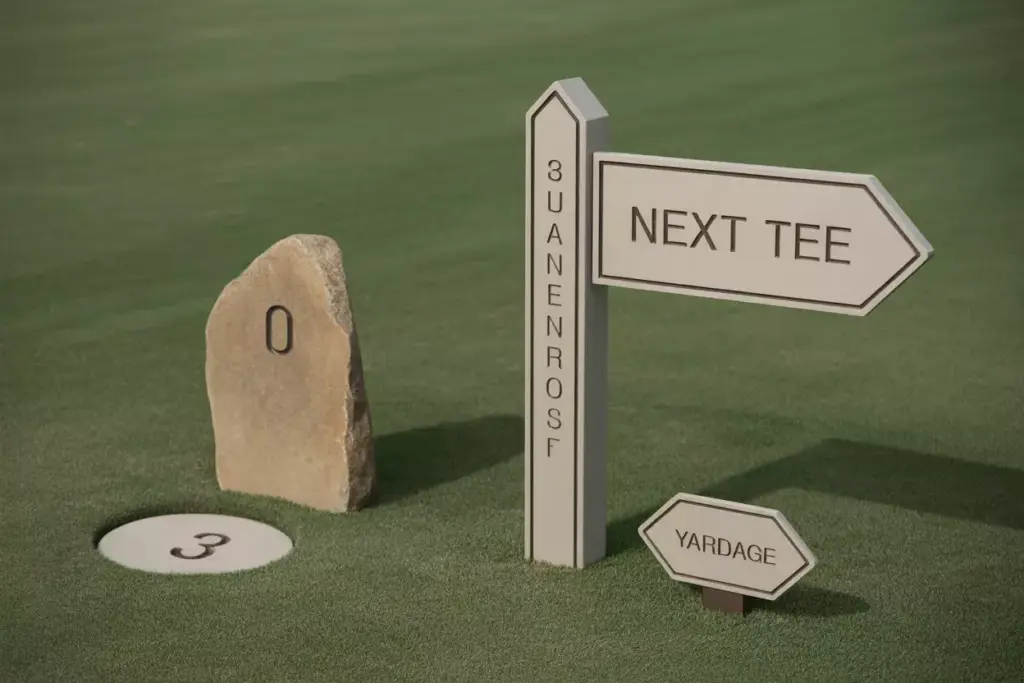
Cohesive signage programs guide players efficiently while reinforcing the course’s visual identity and brand. The best signage systems provide necessary information without cluttering the landscape or disrupting natural sight lines.
Material consistency across all signage elements creates professional polish that elevates the overall course presentation. Whether using natural stone, powder-coated metal, or carved wood, maintaining consistent materials and styling throughout the facility reinforces quality perceptions.
Essential signage elements include:
- Tee markers that complement the course’s aesthetic theme
- Directional signs for navigation between holes
- Yardage markers that blend with landscaping
- Safety and etiquette reminders positioned strategically
Integrating the 8 Elements of Perfect Golf Course Aesthetics (Beyond the Greens)
Creating cohesive golf course aesthetics requires careful integration of all elements rather than treating each component as an isolated design decision. The most successful courses develop comprehensive master plans that consider how architectural features, landscaping, water elements, and infrastructure work together to create unified visual experiences.
Seasonal planning ensures that courses maintain visual appeal throughout the year, with different elements taking prominence as natural conditions change. Spring might highlight flowering trees and fresh growth, while fall showcases deciduous color changes and winter emphasizes evergreen structure and architectural elements.
Maintenance scheduling coordinates care for all aesthetic elements to ensure consistent presentation standards. This includes coordinating tree pruning, landscape bed maintenance, water feature cleaning, and infrastructure repairs to minimize visual disruption during peak playing seasons.
The return on investment for aesthetic improvements extends beyond immediate visual impact. Courses with superior presentation command higher green fees, attract more tournament business, and enjoy stronger membership retention rates. These financial benefits justify the ongoing investment required to maintain high aesthetic standards.
Implementation Strategies for Course Improvement
Phased improvement programs allow courses to enhance aesthetics over multiple seasons while managing budget constraints. Priority should focus on high-visibility areas like the clubhouse surroundings, first tee, and signature holes before addressing less prominent locations.
Professional consultation with golf course architects, landscape designers, and horticultural specialists ensures that improvement efforts align with best practices and avoid costly mistakes. These professionals bring experience from multiple projects and understand how different elements interact over time.
Member and player feedback provides valuable insights into which aesthetic elements most impact the golf experience. Regular surveys and informal conversations can guide improvement priorities and ensure that investments address actual player preferences rather than assumed needs.
Budget allocation for aesthetic improvements should be viewed as long-term investments rather than annual expenses. Establishing dedicated funding for landscaping, infrastructure maintenance, and periodic architectural updates prevents deferred maintenance issues that become more expensive over time.
Measuring Aesthetic Success
Player satisfaction surveys provide quantitative feedback on aesthetic improvements and help identify areas needing attention. Questions should address specific elements like course presentation, landscaping quality, and overall visual appeal rather than general satisfaction measures.
Photographic documentation creates valuable records for tracking improvement progress and identifying seasonal maintenance needs. Regular photography from consistent locations allows for objective comparison of aesthetic changes over time.
Industry recognition through awards and rankings validates aesthetic improvement efforts and provides marketing value for course promotion. Organizations like Golf Digest, Golf Magazine, and regional golf associations offer various recognition programs for course presentation and design excellence.
Financial performance metrics including rounds played, green fee revenue, and membership retention rates often correlate with aesthetic improvement investments. Tracking these indicators helps justify continued investment in non-playing area enhancements.
Future Trends in Golf Course Aesthetics
Sustainability integration continues gaining importance as courses seek to balance visual appeal with environmental responsibility. Native plant usage, water conservation systems, and wildlife habitat creation increasingly influence aesthetic design decisions.
Technology integration through features like GPS-enabled cart systems and mobile apps creates opportunities for enhanced player experiences while maintaining visual appeal. The challenge lies in incorporating necessary technology infrastructure without compromising natural aesthetics.
Demographic changes in golf participation influence aesthetic preferences, with younger players often preferring more contemporary design elements while traditional golfers favor classic approaches. Successful courses find ways to appeal to diverse aesthetic preferences without compromising design integrity.
Climate adaptation becomes increasingly important as weather patterns change and water resources become more precious. Aesthetic design must consider long-term sustainability while maintaining the visual standards that define exceptional golf experiences.
Conclusion
The 8 Elements of Perfect Golf Course Aesthetics (Beyond the Greens) represent a comprehensive approach to creating memorable golf experiences that extend far beyond playing surface conditions. From architectural elements that establish character to natural landscaping that provides seasonal interest, each component contributes to the overall visual symphony that defines exceptional golf facilities.
Success requires viewing aesthetic elements as integrated systems rather than isolated features. The clubhouse architecture should complement the cart path materials, which should harmonize with the native landscaping, which should frame the water features and terrain naturally. This holistic approach creates cohesive environments that feel intentional and polished rather than haphazard or accidental.
Investment in aesthetic elements pays dividends through increased player satisfaction, higher revenue potential, and enhanced market positioning. Courses that prioritize comprehensive visual appeal distinguish themselves in competitive markets while creating lasting impressions that generate positive word-of-mouth marketing and repeat business.
Take action today by conducting a comprehensive aesthetic audit of your facility. Walk the course with fresh eyes, noting opportunities for improvement in each of the eight elements. Develop a prioritized improvement plan that addresses high-impact, visible areas first while building toward comprehensive aesthetic excellence over time. Remember that creating perfect golf course aesthetics beyond the greens is an ongoing journey rather than a destination, requiring consistent attention and periodic updates to maintain the highest standards.