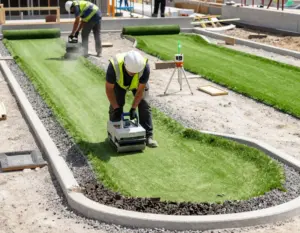
8 Pro Tips for Building & Maintaining a Perfect Outdoor Golf Green
Picture this: You step onto your backyard putting green on a crisp morning, and the surface feels as smooth as silk beneath your feet. The grass stands at perfect attention, each blade precisely cut to tournament standards. This isn’t just a dream—it’s an achievable reality when you master the art of green construction and maintenance. Whether you’re a golf enthusiast looking to practice at home or a facility manager responsible for course quality, understanding these 8 Pro Tips for Building & Maintaining a Perfect Outdoor Golf Green will transform your approach to turf management in 2026.
Disclosure: This post contains affiliate links. As an Amazon Associate, we earn from qualifying purchases, and at no extra cost to you.
Creating and maintaining a championship-quality golf green requires more than just planting grass and hoping for the best. It demands precision, consistency, and a deep understanding of turf science. From the initial soil preparation to daily maintenance routines, every step plays a crucial role in achieving that coveted professional putting surface.
Key Takeaways
- Daily mowing at 1/8 inch or lower is essential for maintaining consistent putting surfaces and professional quality [7]
- The “Big Three” factors—firmness, speed, and slope—determine green performance and require specialized measurement tools [4]
- Proper drainage and irrigation systems are equally important for preventing water damage and ensuring optimal growing conditions [3]
- Seasonal maintenance schedules with targeted fertilization and treatments keep greens healthy year-round [1]
- Plant Growth Regulators (PGRs) significantly reduce maintenance while improving turf quality and appearance [1]
Essential Foundation: Building Your Golf Green from the Ground Up
1. Master the Art of Proper Site Preparation and Drainage
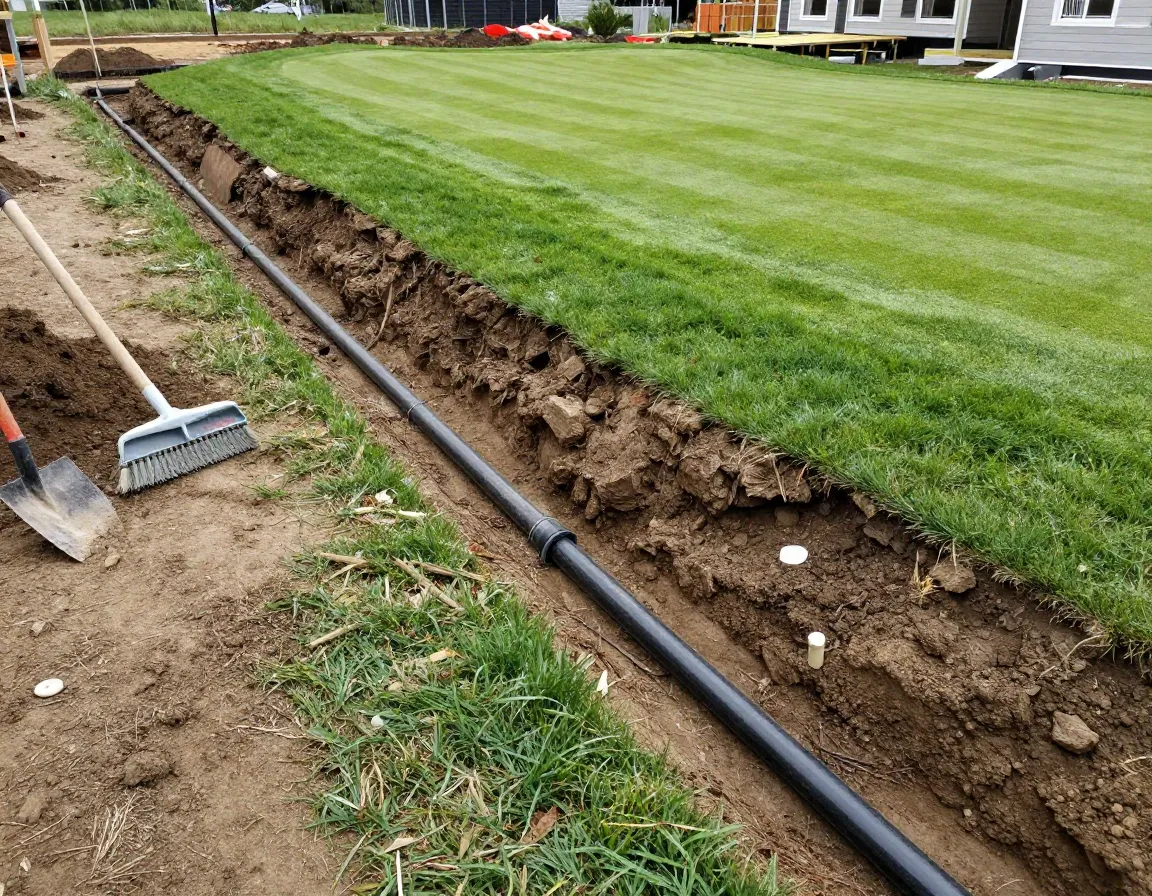
The foundation of any exceptional golf green starts below the surface. Smart drainage is as important as irrigation—without proper water management, even the most expensive grass varieties will fail [3]. I’ve seen countless projects fail because builders skipped this critical step.
Start by scalping turf initially below 0.5 inches and removing all grass clippings to create a clean slate [1]. This aggressive approach might seem harsh, but it’s necessary for establishing proper grade and drainage patterns.
Key drainage components include:
- French drains positioned at strategic low points
- Perimeter drainage systems to prevent water accumulation
- Proper slope gradients (typically 1-3% for optimal putting)
- Sand-based root zones for improved percolation
The investment in quality drainage pays dividends immediately. French drains and proper drainage systems prevent puddles and muddy conditions that affect playability [3]. Without this foundation, you’ll constantly battle waterlogged conditions that stress grass and create unplayable surfaces.
2. Implement Strategic Soil Preparation and Fertilization
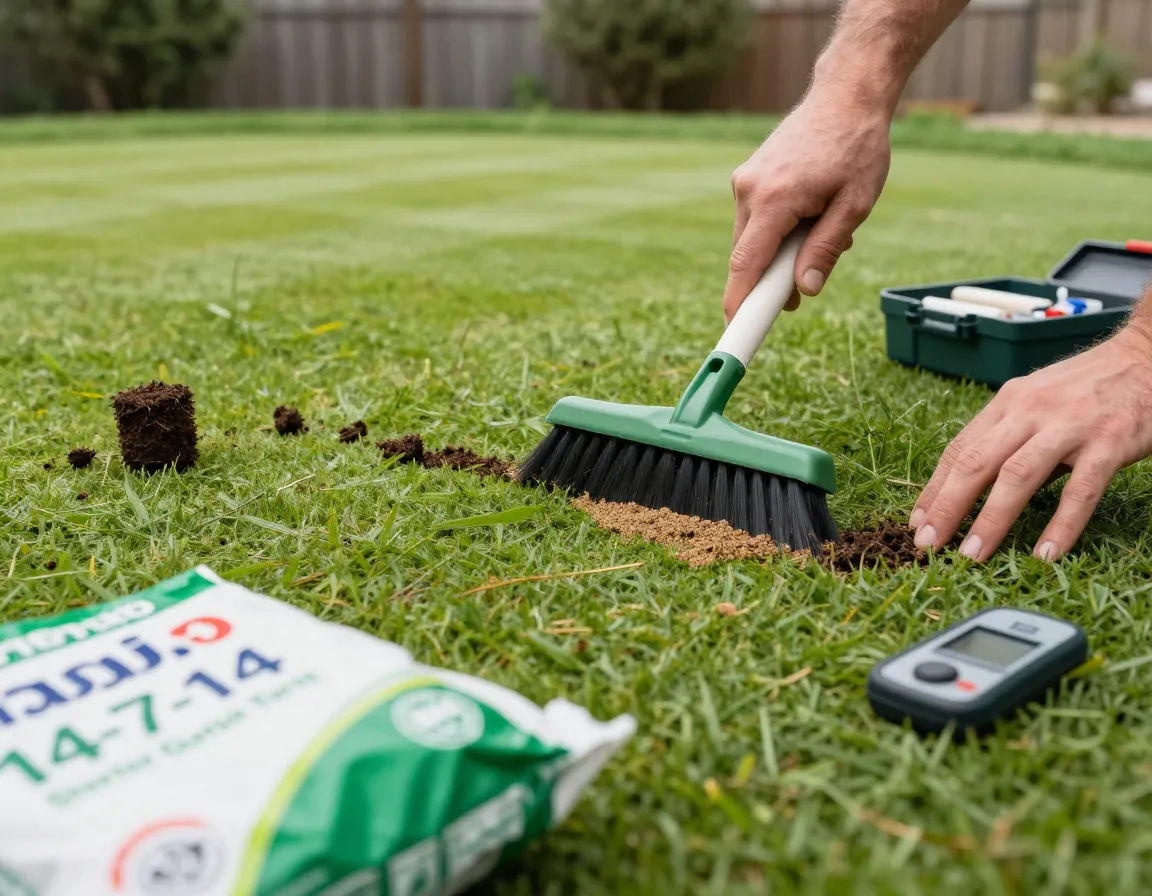
Once drainage is established, soil preparation becomes your next priority. Apply 14-7-14 starter fertilizer during initial establishment to provide essential nutrients for new grass growth [1]. This balanced formulation supports both root development and leaf growth without overwhelming young plants.
The topdressing process requires precision and patience. Use topdressing mix worked into the turf with a shop broom to ensure even distribution and proper soil contact [1]. This manual approach might seem labor-intensive, but it creates the uniform surface essential for consistent ball roll.
Soil preparation checklist:
- Core aeration to break up compaction
- pH testing and adjustment (ideal range: 6.0-7.0)
- Organic matter incorporation for nutrient retention
- Sand amendment for drainage improvement
- Starter fertilizer application at recommended rates
Remember that light, balanced fertilization works better than heavy applications, especially during establishment [5]. Young grass roots can’t process excessive nutrients, and over-fertilization often leads to weak, disease-prone turf.
Daily Maintenance Excellence: The Heart of These 8 Pro Tips for Building & Maintaining a Perfect Outdoor Golf Green
3. Perfect Your Daily Mowing Technique and Schedule
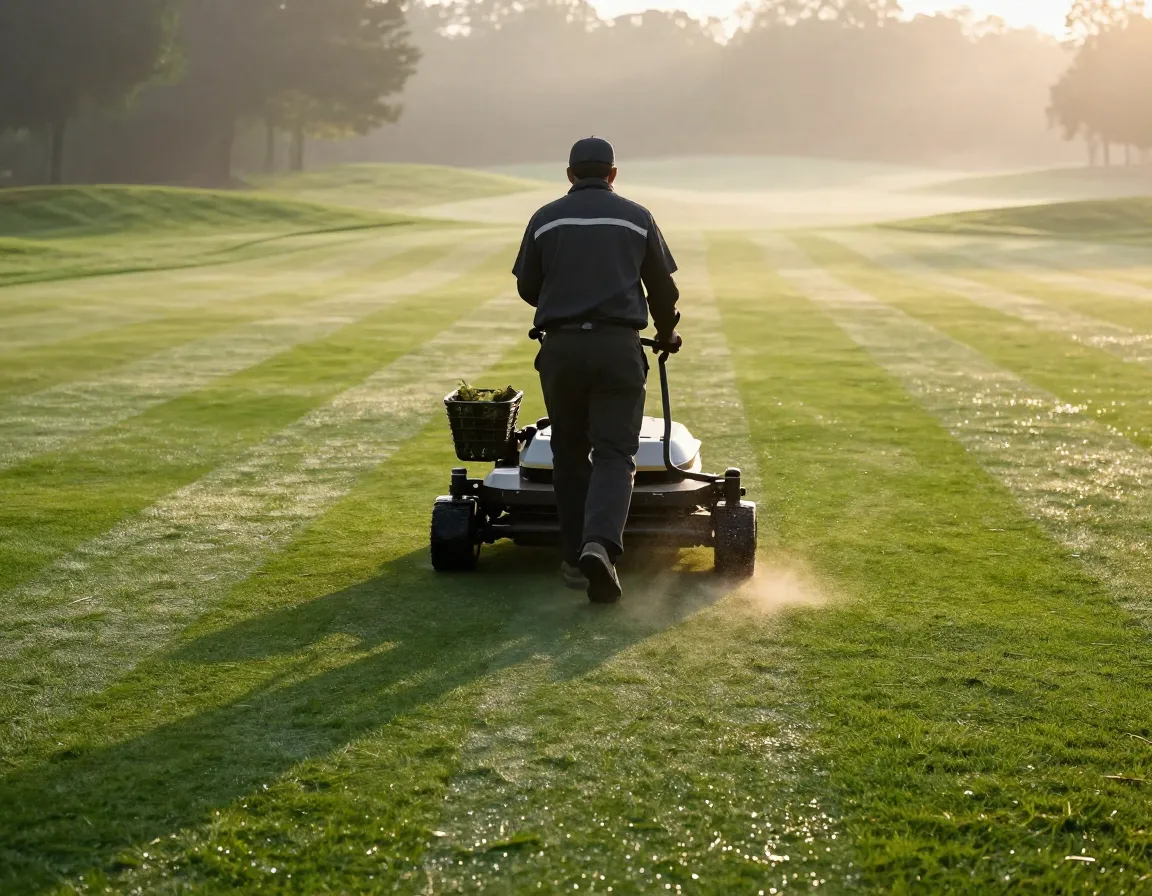
Daily mowing is critical for greens—they require mowing daily to maintain consistent putting surfaces, while fairways are mowed 2–3 times per week [7]. This frequency isn’t just about aesthetics; it’s about maintaining the precise playing conditions that define professional golf.
The ideal height of cut for greens is 1/8 inch or lower, requiring specialized and expensive equipment [8]. This ultra-low cutting height demands professional-grade reel mowers with perfectly adjusted bedknives and reels. Consumer-grade equipment simply cannot achieve or maintain these tolerances.
The 1/3 mowing rule is non-negotiable: remove no more than 1/3 the length of grass at each mowing to maintain green color between sessions and reduce turf stress [1]. Violating this rule creates scalped areas, brown tips, and stressed turf that becomes susceptible to disease and wear.
Daily mowing best practices:
- Consistent cutting height across the entire surface
- Sharp, properly adjusted cutting units
- Alternating mowing patterns to prevent grain development
- Morning mowing when grass is dry but soil is firm
- Immediate cleanup of clippings to prevent smothering
4. Optimize Irrigation Timing and Water Management
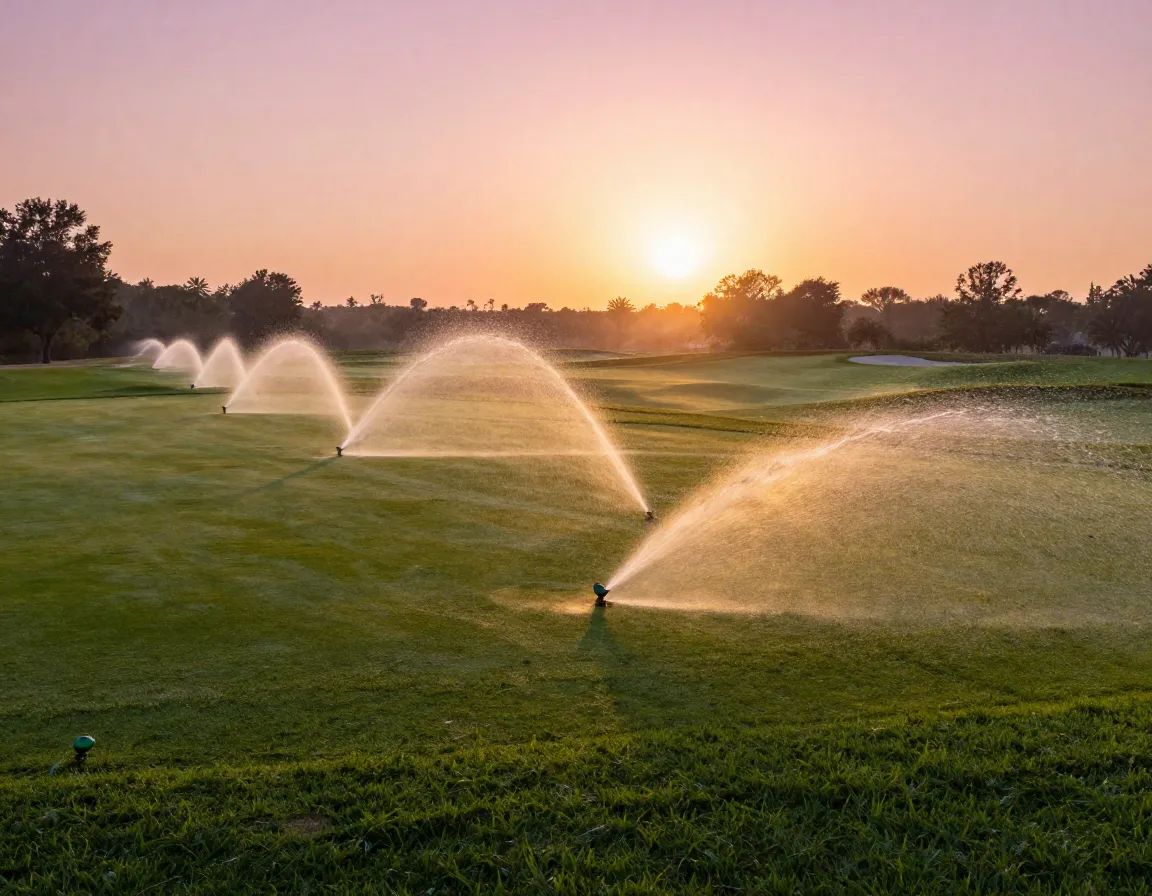
Water management separates amateur greens from professional-quality surfaces. Irrigate deeply but infrequently to encourage deep root growth, particularly during hot weather [2]. This approach builds drought tolerance and creates stronger, more resilient turf.
Early morning watering reduces evaporation and ensures adequate moisture throughout the day [2]. The ideal watering window is between 4:00 AM and 8:00 AM, when temperatures are cool and winds are typically calm.
Irrigation strategy components:
- Deep, infrequent watering cycles (2-3 times per week)
- Early morning application timing
- Uniform coverage patterns with no dry or wet spots
- Soil moisture monitoring to prevent over-watering
- Adjustment for seasonal weather patterns
The key is consistency. Erratic watering creates stress patterns that show up as inconsistent ball roll and patchy turf quality. Professional courses use sophisticated moisture sensors and weather stations to optimize irrigation timing—you can achieve similar results with careful observation and consistent scheduling.
Advanced Maintenance Techniques for Superior Results
5. Harness the Power of Plant Growth Regulators (PGRs)
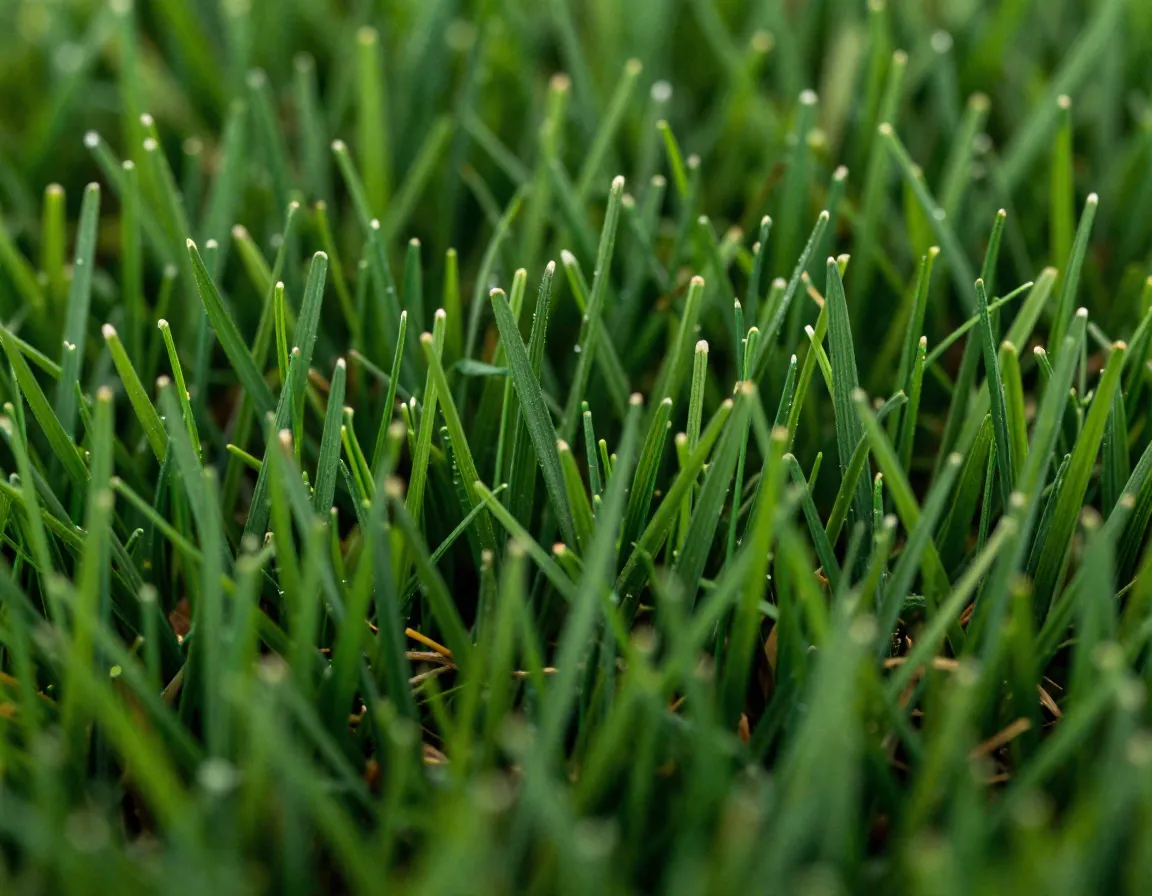
Plant Growth Regulators (PGRs) represent one of the most significant advances in turf management. Apply PGR products like Primo Maxx to inhibit vertical grass growth while allowing leaf flourishing, reducing mowing frequency and promoting darker green color through older leaf retention [1].
PGRs work by redirecting the plant’s energy from vertical growth to lateral development and root growth. This creates denser turf with improved stress tolerance and dramatically reduced mowing requirements.
PGR application benefits:
- 🌱 Reduced mowing frequency (every other day vs. daily)
- 💚 Darker, more consistent green color
- 🌿 Increased turf density and uniformity
- 💪 Enhanced stress tolerance during hot weather
- ⚡ Improved putting speed and consistency
The application timing is critical. Apply PGRs during active growing periods when grass can properly absorb and utilize the chemicals. Follow label instructions precisely—over-application can severely damage turf.
6. Master Micro-Grooming and Surface Refinement
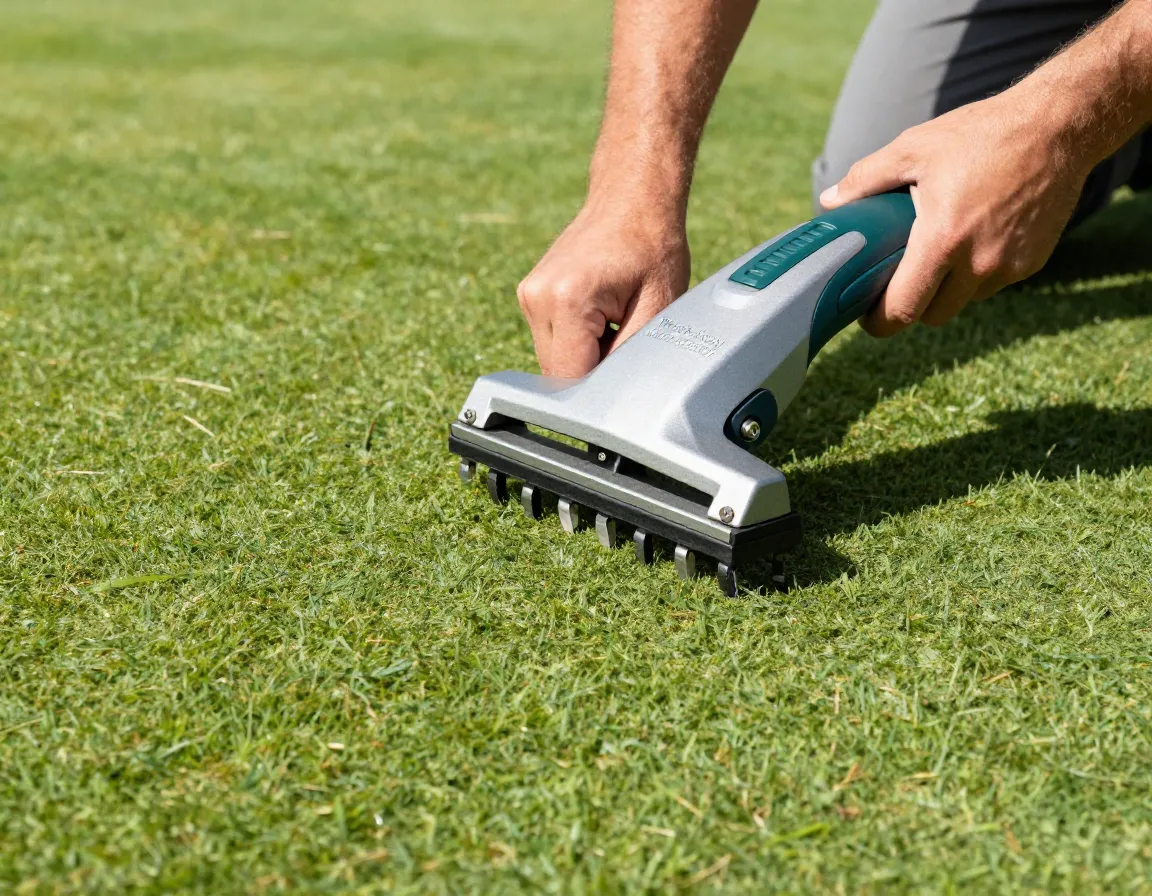
Implement micro-grooming using Thatch-Away Micro-Groomers with tungsten-tipped blades to refine texture and speed without excessively lowering height of cut, promoting upright growth and reducing thatch buildup [2].
Micro-grooming addresses surface imperfections that regular mowing cannot fix. These specialized tools work at the turf surface level, removing grain, smoothing minor undulations, and creating the ultra-smooth surface that defines championship greens.
Micro-grooming techniques:
- Light, frequent passes rather than aggressive single treatments
- Multiple directions to eliminate grain patterns
- Integration with regular mowing schedules
- Seasonal adjustment based on growth rates
- Careful monitoring to prevent over-grooming damage
The goal is surface perfection without compromising turf health. Micro-grooming should enhance your mowing program, not replace proper cutting practices.
7. Focus on the “Big Three” Performance Metrics
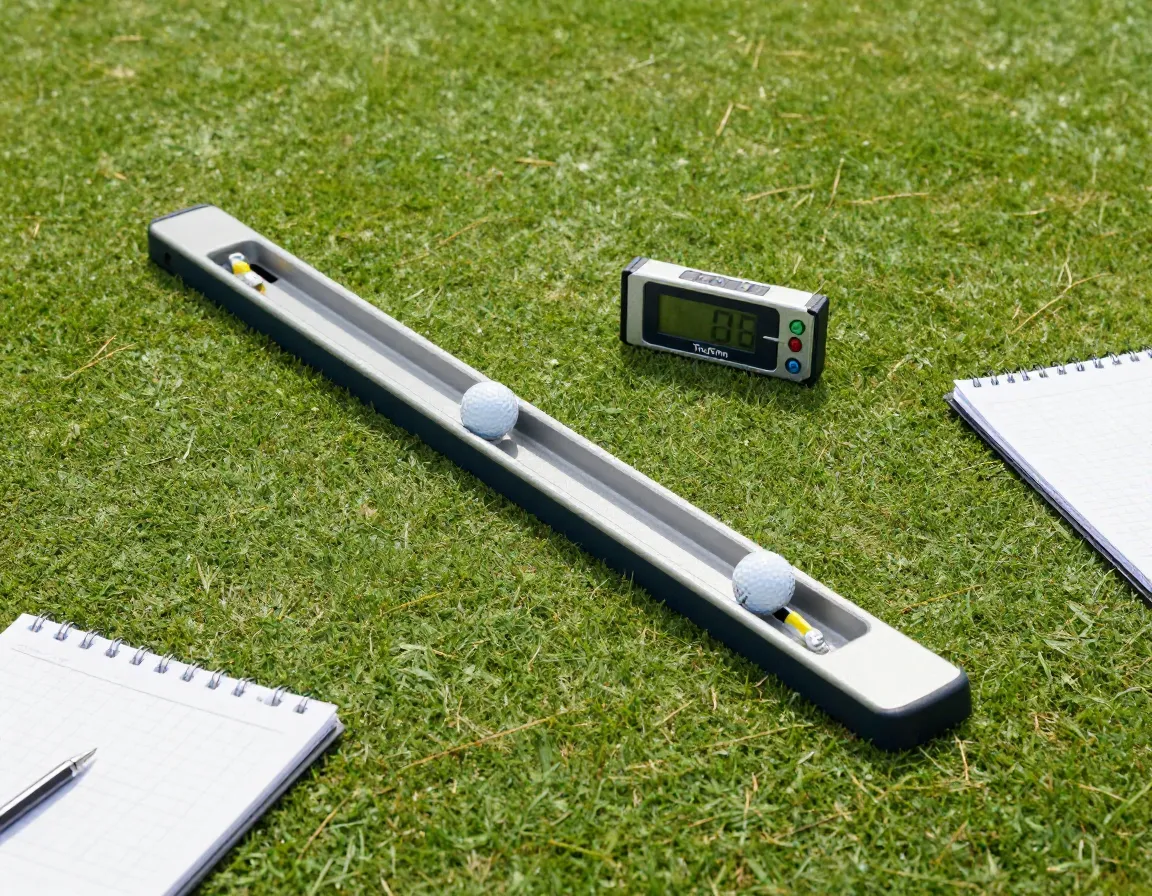
Prioritize the “Big Three”—firmness, speed, and slope are the three most important factors of well-maintained greens. The USGA recommends using a Stimpmeter, TruFirm, and digital level to maintain these standards [4].
These measurements provide objective data about green performance and help identify problems before they become visible. Professional courses measure these metrics daily and adjust maintenance practices accordingly.
The Big Three explained:
- Firmness: Measured with TruFirm device, indicates surface hardness and playability
- Speed: Measured with Stimpmeter, determines ball roll distance and consistency
- Slope: Measured with digital level, ensures proper drainage and fair play conditions
Consistent measurement and documentation create a baseline for performance evaluation. Track these metrics over time to identify trends and optimize maintenance schedules.
8. Execute Seasonal Maintenance Programs
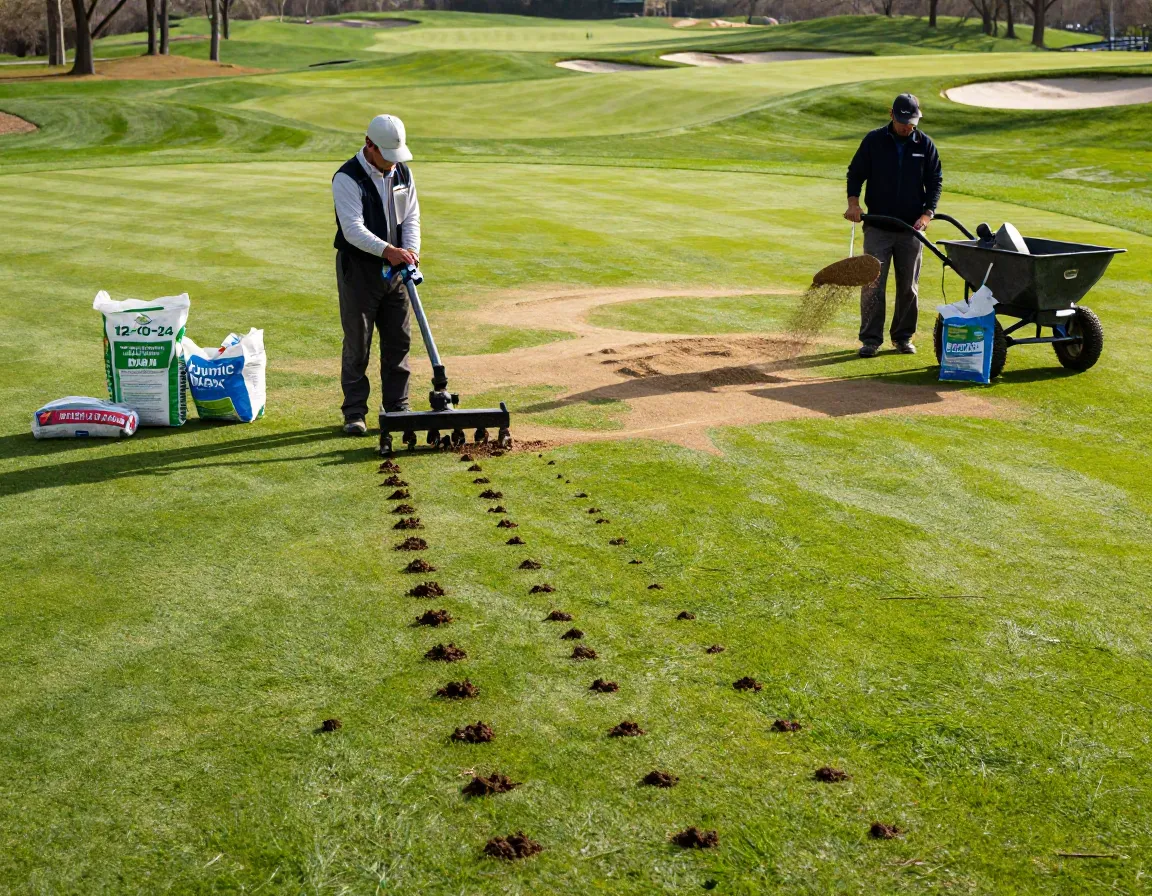
Follow a structured seasonal schedule: apply stress fertilizer (12-0-24) in March and October, use Humic Max treatments monthly from April through September, and apply fungicide and insecticide applications throughout spring and summer [1].
Seasonal programming ensures your green receives appropriate care throughout the year. Perform core aeration in spring to introduce air, break up compaction, and improve nutrient uptake, essential for green health [1].
Seasonal maintenance calendar:
| Season | Key Activities | Products | Frequency |
|---|---|---|---|
| Spring | Core aeration, fertilization | 14-7-14 starter, Humic Max | Monthly |
| Summer | Disease prevention, stress management | 12-0-24 stress fertilizer | Bi-weekly |
| Fall | Recovery fertilization, overseeding | 12-0-24, fungicides | Monthly |
| Winter | Minimal maintenance, equipment service | Light fertilization | As needed |
Apply consistent topdressing with sand throughout the season—topdressing is essential even during play to maintain long-term performance, smoothness, and putting speed consistency [3]. This ongoing process gradually improves surface quality and maintains the playing characteristics that define professional greens.
Conclusion
Mastering these 8 Pro Tips for Building & Maintaining a Perfect Outdoor Golf Green requires dedication, precision, and consistent execution. From the critical foundation work of drainage and soil preparation to the daily disciplines of mowing and irrigation, every element contributes to the final result.
The investment in proper equipment, quality materials, and systematic maintenance pays dividends in both playability and long-term durability. Whether you’re building a backyard putting green or managing a golf facility, these principles will guide you toward championship-quality results.
Your next steps:
- Assess your current setup against these professional standards
- Invest in proper equipment for daily maintenance requirements
- Develop a seasonal calendar with specific treatments and timing
- Implement measurement protocols to track the Big Three metrics
- Start with foundation elements if building new or renovating existing greens
Remember that creating a perfect golf green is a journey, not a destination. Each season brings new challenges and opportunities for improvement. Stay committed to these proven principles, and you’ll achieve the consistent, professional-quality putting surfaces that make golf truly enjoyable.
The difference between amateur and professional results lies in the details—precise cutting heights, consistent watering schedules, and systematic seasonal care. By following these 8 Pro Tips for Building & Maintaining a Perfect Outdoor Golf Green, you’re investing in years of superior playing conditions and the satisfaction that comes from mastering one of golf’s most demanding challenges.
References
[1] Step By Step Guide For Getting A Golf Course Lawn – https://golfcourselawn.store/blogs/diy-lawn-care/step-by-step-guide-for-getting-a-golf-course-lawn
[2] 6 Tips For Summer Golf Tournament Preparation – https://www.greentek.com/en-us/news/6-tips-for-summer-golf-tournament-preparation/
[3] Golf Course Maintenancegolf Course Maintenance – https://nationalfacilitycontractors.com/landscaping/golf-course-maintenancegolf-course-maintenance/
[4] What Is Golf Course Maintenance – https://www.getmaintainx.com/blog/what-is-golf-course-maintenance
[5] Turf Maintenance Checklist For Every Season – https://dte.golf/turf-maintenance-checklist-for-every-season/
[6] Golf Course Grass Maintenance – https://www.turftimeeq.com/blog/tips-tricks/golf-course-grass-maintenance
[7] Golf Course Maintenance – https://www.atlantaarbor.com/blog/golf-course-maintenance/
[8] How To Make Your Backyard Putting Green Dream A Reality – https://www.usga.org/content/usga/home-page/course-care/green-section-record/62/issue-17/how-to-make-your-backyard-putting-green-dream-a-reality.html
[9] Golf Course Greens Maintenance Guide – https://turfmagazine.com/golf-course-greens-maintenance-guide/