The 9 Types of Golf Course Flags Every Player Should Know How to Read
Picture this: You’re standing on the tee box of a challenging par 4, calculating your approach shot to the green. You can see the flag waving in the distance, but do you know what that specific color and position are telling you about where the pin is located? The 9 Types of Golf Course Flags Every Player Should Know How to Read can transform your course management strategy and significantly improve your scoring potential in 2026.
Disclosure: This post contains affiliate links. As an Amazon Associate, we earn from qualifying purchases, and at no extra cost to you.

Most golfers focus on perfecting their swing mechanics while overlooking one of the most valuable pieces of information available on every hole: the flag system. Understanding these visual cues isn’t just about impressing your playing partners—it’s about making smarter decisions that lead to lower scores and more enjoyable rounds.
Key Takeaways
- Color-coded flags (red, blue, yellow, white) indicate precise pin positions on the green to help you aim your approach shots
- Positional flag systems communicate whether the hole is cut in the front, middle, or back sections of the putting surface
- Numbered flags serve dual purposes for hole identification and tournament organization
- Specialized flags including custom branding and safety flags enhance course operations and player experience
- Reading flags correctly can improve your course management and lower your handicap by 2-3 strokes per round
Understanding Color-Coded Pin Position Flags
The foundation of The 9 Types of Golf Course Flags Every Player Should Know How to Read begins with the standard color-coding system used across most golf courses worldwide. This system provides instant visual feedback about pin placement without requiring yardage books or GPS devices.
1. Red Flags – Front Pin Positions

Red flags indicate the hole is cut in the front third of the green [1]. When you see a red flag, the pin is positioned approximately 8-12 yards from the front edge of the putting surface. This information is crucial for club selection—you’ll want to take less club to avoid flying the green, and consider the increased difficulty of stopping the ball close to a front pin.
Strategic considerations for red flags:
- Use one less club than normal
- Aim for the center of the green for safety
- Expect faster putts if approaching from above the hole
- Consider pin-high misses over short-sided trouble
2. Blue Flags – Back Pin Positions
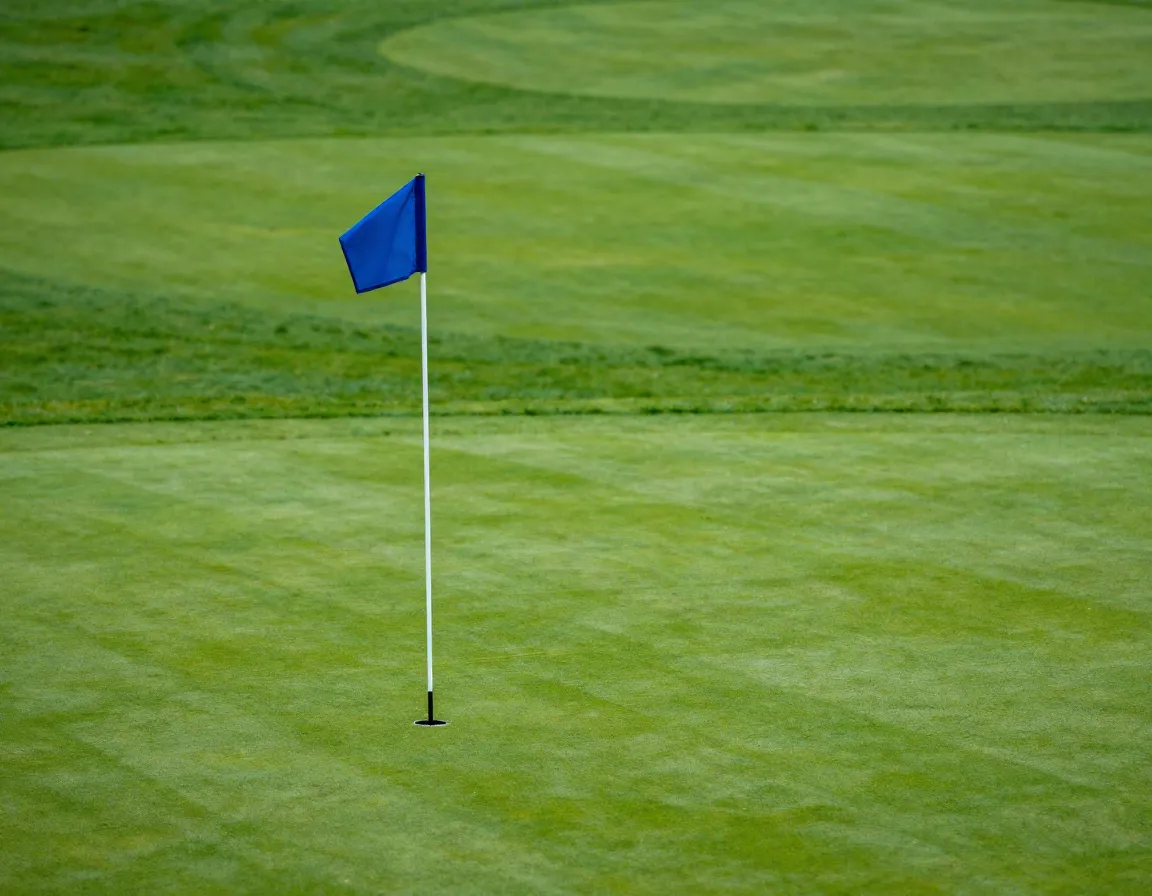
Blue flags signal that the hole is positioned in the back third of the green [1]. This typically means the pin is 8-12 yards from the back edge of the putting surface. Back pins often provide more landing area and forgiveness for approach shots, but they require confident club selection to ensure you carry the ball to the proper distance.
Key strategies for blue flag situations:
- Take an extra club to ensure adequate distance
- Aggressive approach shots are often rewarded
- Short putts are generally uphill and more makeable
- Less risk of short-siding yourself
3. Yellow Flags – Specialized Back-Left Positions
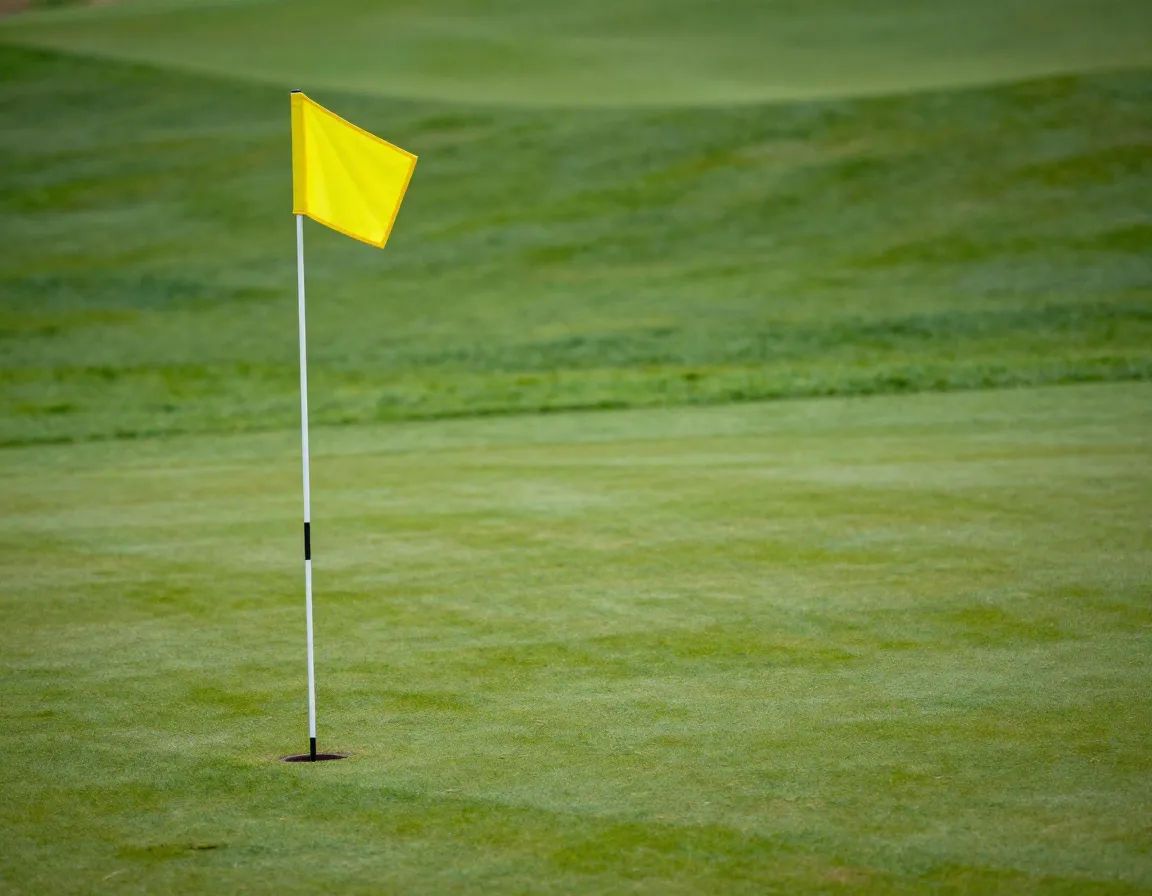
Yellow flags are used specifically when the hole is cut in the back portion of the green on the left side [1]. This system provides more precise information than simple front/back positioning, allowing for more accurate approach shot planning.
Tactical approaches for yellow flags:
- Aim for the right side of the green for safety
- Account for left-to-right ball flight
- Consider green slope and drainage patterns
- Plan for potential difficult pin access
4. White Flags – Center Pin Positions
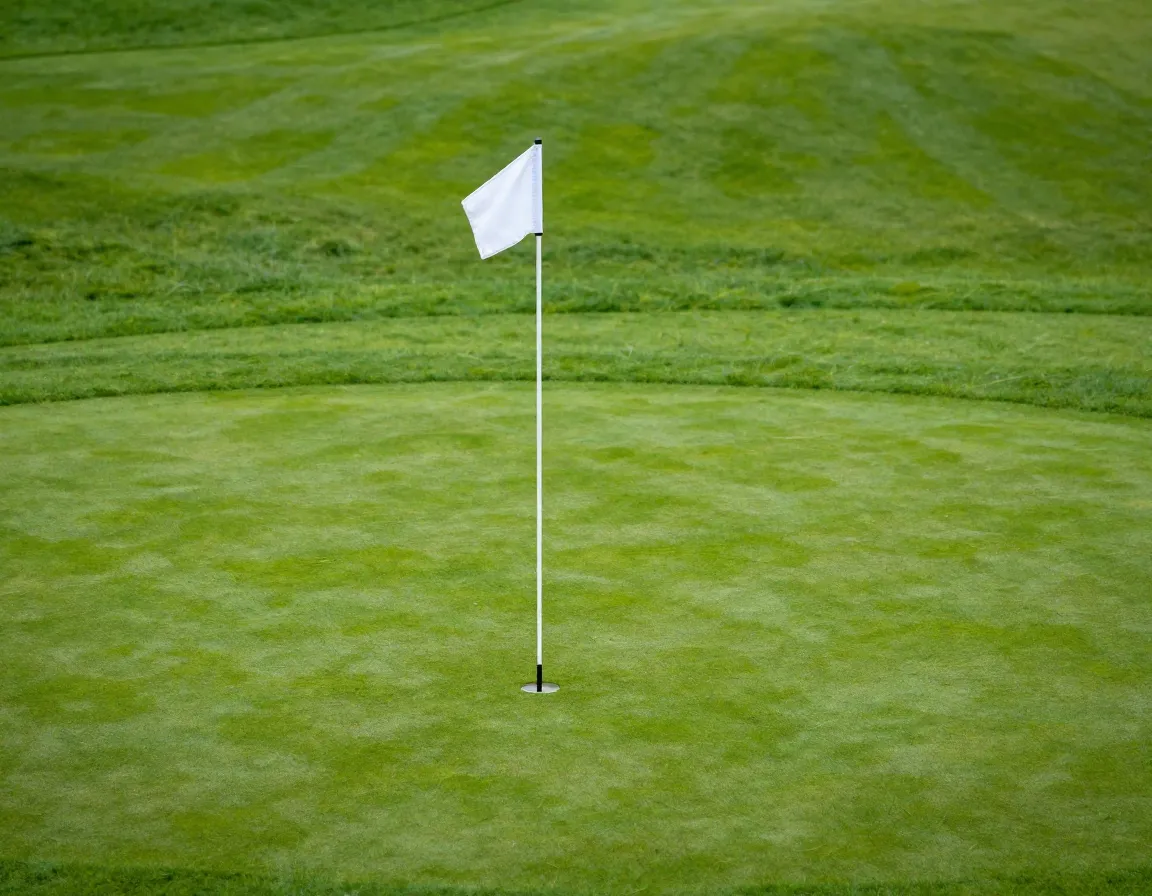
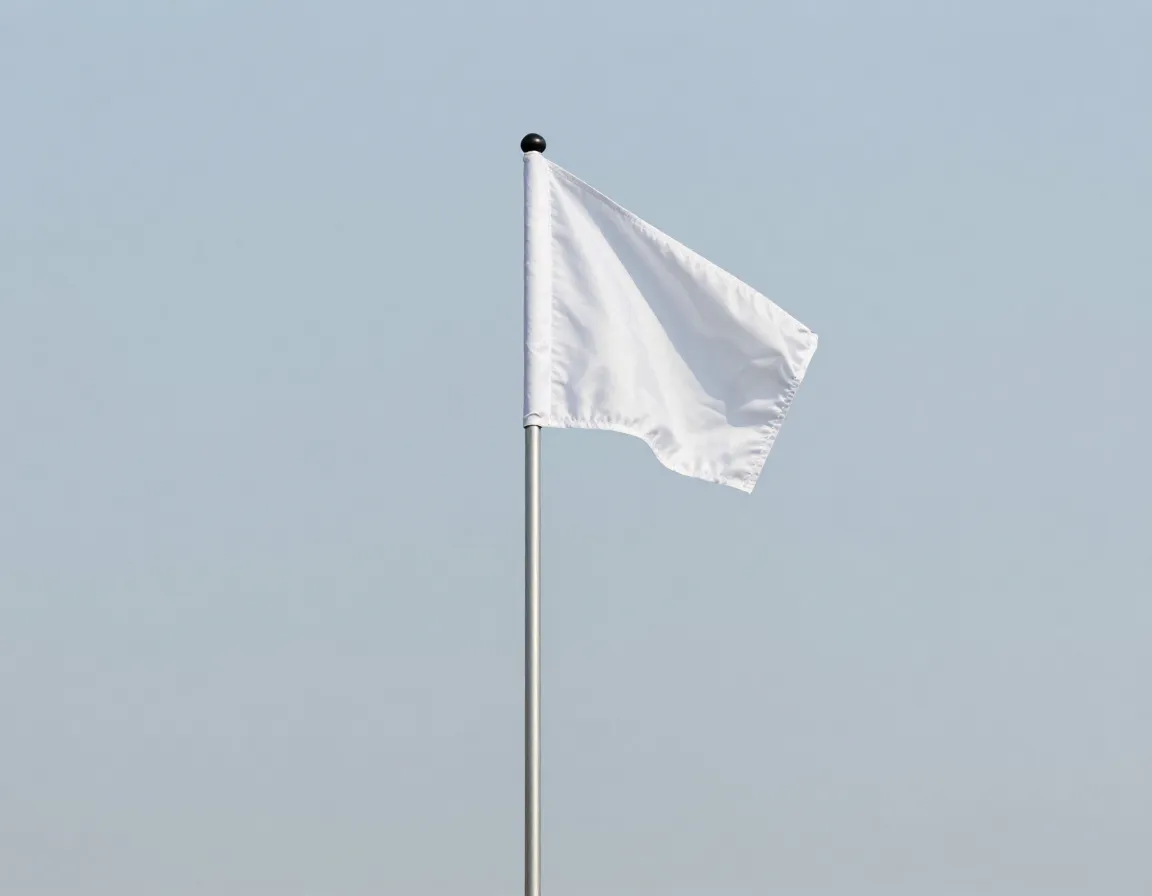
White flags indicate the pin is positioned in the central area of the green [1]. These represent the most straightforward pin positions, typically offering the best angles for approach shots and the most forgiving target areas.
Optimal strategies for white flags:
- Standard club selection applies
- Aggressive play is often rewarded
- Multiple approach angles available
- Generally the easiest pins to access
Advanced Flag Position Systems
Beyond basic color coding, sophisticated courses employ additional flag systems that provide even more detailed information about pin placement and course conditions.
5. Top Position Flags – Back Section Indicators

Top position flags communicate that the hole is cut in the back section of the green [2]. This system often uses flag placement on the pin itself—when the flag is positioned at the top of the flagstick, it indicates a back pin location. This visual cue is particularly useful on courses that don’t use color-coded flags.
Reading top position indicators:
- Flag positioned high on the stick = back pin
- Requires confident distance control
- Often allows for more aggressive play
- Consider green firmness and ball release
6. Central Position Flags – Middle Section Markers
Central position flags indicate the hole is cut in the middle third of the green [2]. When flags are positioned in the center of the flagstick, this signals a middle pin placement. These positions typically offer the most balanced risk-reward scenarios for approach shots.
Central position strategy elements:
- Standard yardages and club selection
- Balanced risk-reward opportunities
- Multiple recovery options available
- Good birdie opportunities for accurate shots
7. Low Position Flags – Front Section Warnings

Low position flags signal that the pin is located in the front third of the green [2]. When the flag is positioned low on the flagstick, exercise caution with your approach shots as front pins are typically the most challenging to access.
Front pin tactical considerations:
- Conservative club selection recommended
- Aim for center or back of green
- Avoid short-sided misses at all costs
- Two-putt strategy often optimal
Specialized Golf Course Flag Types
Modern golf courses utilize various specialized flags beyond pin position indicators to enhance player experience and course operations.
8. Numbered Flags – Hole Identification and Organization
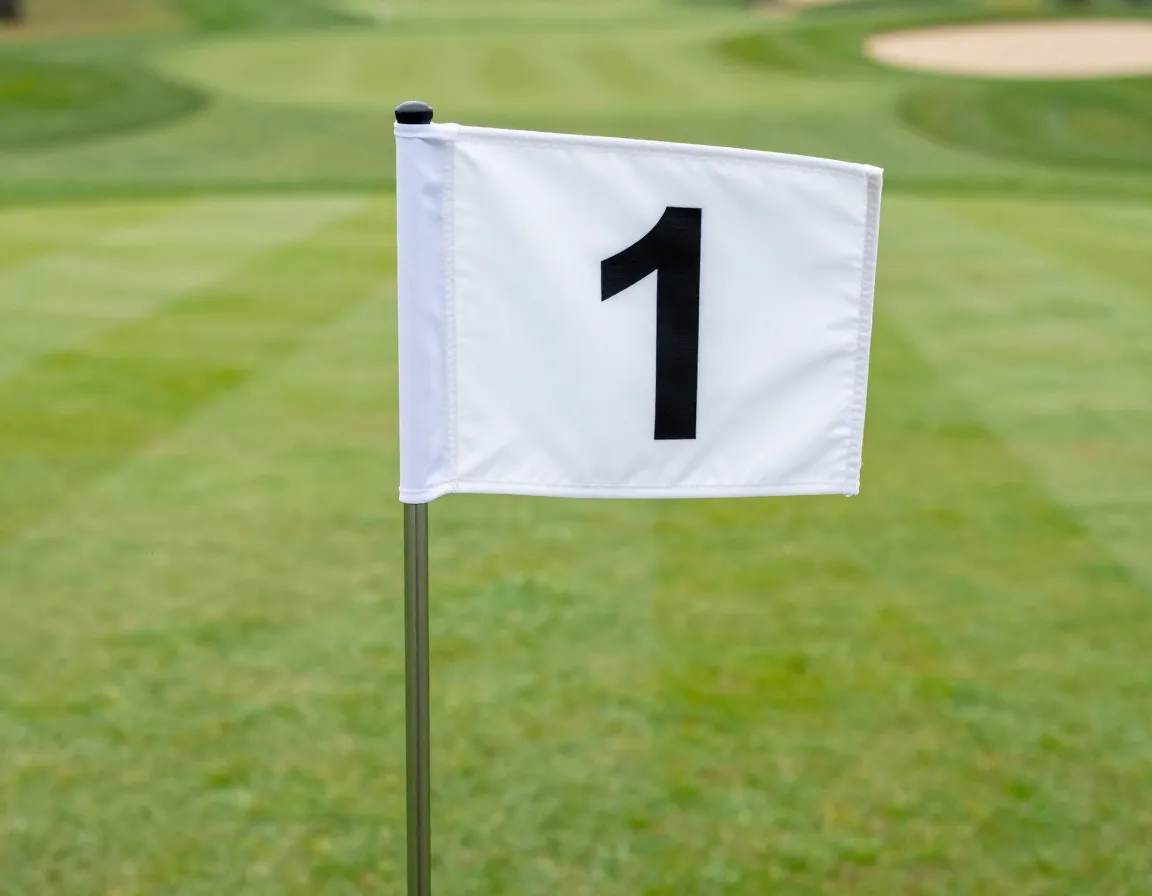
Numbered flags serve multiple purposes in golf course management [3]. These flags display hole numbers prominently, helping players navigate the course and ensuring proper pace of play. Tournament organizers also use numbered flags for logistics and scoring purposes.
Benefits of numbered flag systems:
- Clear hole identification for new players
- Tournament organization and logistics support
- Pace of play improvement through better navigation
- Professional appearance for special events
High-quality numbered flag sets typically include numbers 1-18 in bold, weather-resistant materials [3]. Many courses invest in multiple sets to accommodate different tournament formats and seasonal requirements.
9. Custom and Branding Flags – Course Identity and Events
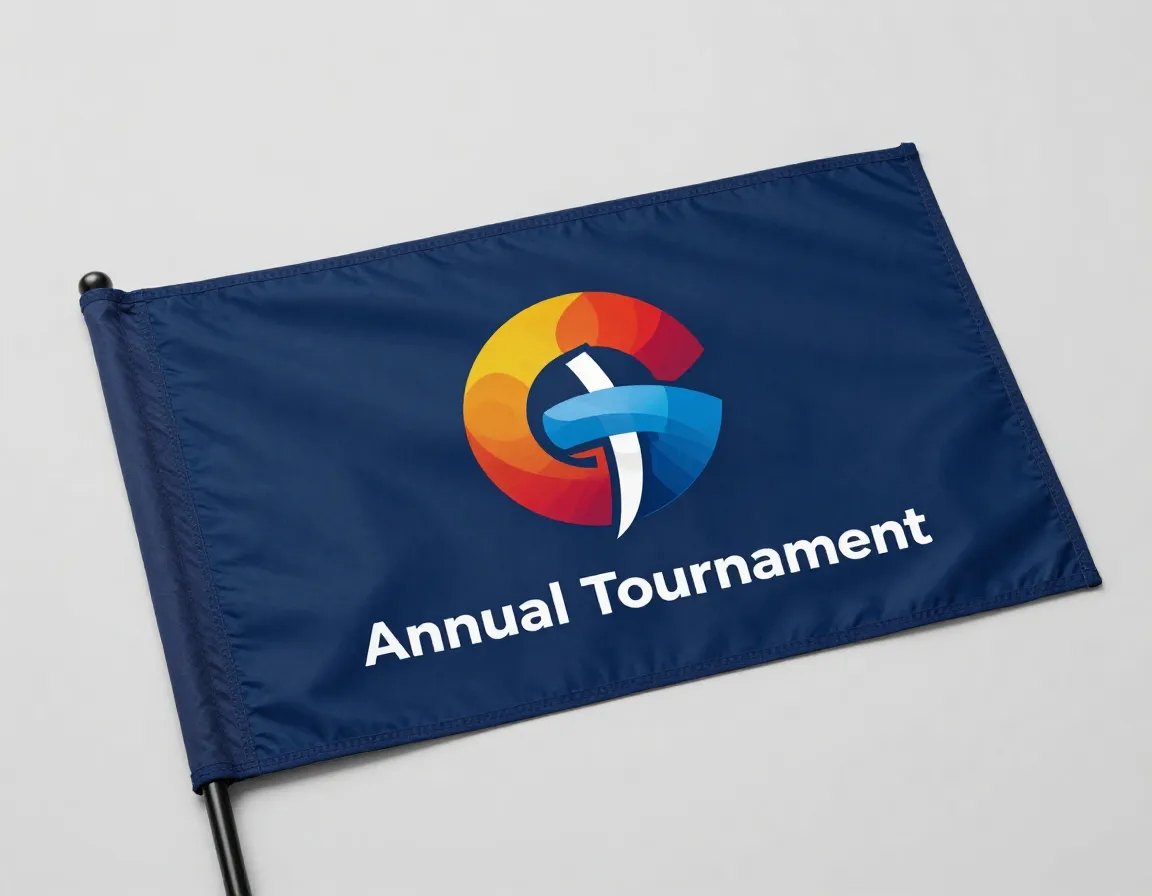
Custom golf flags represent the final category in The 9 Types of Golf Course Flags Every Player Should Know How to Read [4]. These specialized flags serve branding, promotional, and event-specific purposes while maintaining the functional aspects of course management.
Types of custom golf flags include:
- Corporate logo flags for company outings and sponsorship
- Tournament-specific flags with event branding and dates
- Seasonal promotional flags for special offers and events
- Memorial or commemorative flags for special occasions
Additional specialized flag categories:
- Golf cart flags indicating player status or special needs [4]
- Maintenance flags warning of course conditions or temporary hazards
- Safety flags for weather alerts or dangerous conditions
“Understanding flag systems is like having a caddie’s knowledge without the expense. Every flag tells a story about how to play the hole.” – Golf Course Superintendent
Practical Application and Course Management
Successfully implementing your knowledge of The 9 Types of Golf Course Flags Every Player Should Know How to Read requires consistent observation and strategic thinking throughout your round.
Pre-shot routine integration:
- Identify the flag type from the tee or fairway
- Adjust club selection based on pin position
- Plan your miss to avoid difficult recovery shots
- Consider green conditions and slope relative to pin placement
Common mistakes to avoid:
- Ignoring flag information when selecting clubs
- Aiming directly at difficult pin positions
- Failing to account for green slope and pin placement
- Not adjusting strategy based on flag indicators
Conclusion
Mastering The 9 Types of Golf Course Flags Every Player Should Know How to Read provides a significant competitive advantage that most recreational golfers overlook. From basic color-coded systems (red, blue, yellow, white) to advanced positional indicators and specialized tournament flags, each type serves a specific purpose in helping you make better strategic decisions.
The key to improvement lies in consistent application—make flag reading a standard part of your pre-shot routine. Start by focusing on the basic color-coded system, then gradually incorporate more advanced flag reading as your course management skills develop.
Your next steps:
- Practice flag identification during your next round by calling out flag types before each approach shot
- Track your results when following flag-based strategies versus ignoring them
- Ask your local pro shop about their specific flag system if it differs from standard protocols
- Share this knowledge with your regular playing partners to enhance everyone’s enjoyment
Remember, golf is ultimately about making smart decisions under pressure. Understanding flag systems gives you the information needed to make those decisions with confidence, leading to lower scores and more enjoyable rounds in 2026 and beyond.
References
[1] Golf Flag Colors Explained For Beginner Golfers – https://golfsupplydirect.com/blogs/news/golf-flag-colors-explained-for-beginner-golfers
[2] Choosing Golf Course Flags – https://gandogolf.com/choosing-golf-course-flags/
[3] Numbered Golf Flag Set – https://www.vispronet.com/numbered-golf-flag-set
[4] Golf Flags Buying Guide – https://flsbanners.com/blog/golf-flags-buying-guide.html