8 Collectible Old Golf Balls and the Stories Behind Them: A Journey Through Golf’s Hidden Treasures
Picture this: you’re cleaning out your grandfather’s attic and stumble upon a dusty box filled with what appear to be ordinary golf balls. Little do you know, you might be holding thousands of dollars worth of golf history in your hands. The world of 8 collectible old golf balls and the stories behind them reveals fascinating tales of innovation, craftsmanship, and the evolution of America’s favorite pastime.
Disclosure: This post contains affiliate links. As an Amazon Associate, we earn from qualifying purchases, and at no extra cost to you.

From hand-stitched featherie balls that cost more than a modern driver to experimental prototypes that changed the game forever, vintage golf balls represent some of the most intriguing collectibles in sports memorabilia. These small spheres carry within them the dreams of weekend warriors, the innovations of brilliant engineers, and the legacy of golf’s greatest champions.
Key Takeaways
- Featherie golf balls from the 1800s can sell for $5,000-$20,000+ due to their hand-crafted leather construction and rarity
- Gutta-percha balls revolutionized golf in the mid-1800s and remain highly sought after by collectors today
- Early dimpled balls from the 1900s-1920s showcase the transition to modern aerodynamic design
- Tournament-used balls and prototype designs command premium prices due to their historical significance
- The vintage golf equipment market has experienced significant growth, with collectors paying top dollar for authenticated pieces [1]
The Evolution of Golf Ball Design and Collectible Value
Before diving into our 8 collectible old golf balls and the stories behind them, it’s essential to understand what makes these vintage spheres so valuable. Unlike modern mass-produced golf balls, historical golf balls were often handcrafted, used revolutionary materials for their time, or played pivotal roles in golf’s development.
The collectible golf ball market has seen remarkable growth in recent years, with serious collectors willing to pay substantial sums for authenticated vintage pieces [1]. Factors that determine value include:
- Rarity and age 🕰️
- Condition and authenticity
- Historical significance
- Manufacturing techniques
- Provenance and documentation
1. The Featherie Ball (1400s-1850s): Golf’s Original Premium Equipment
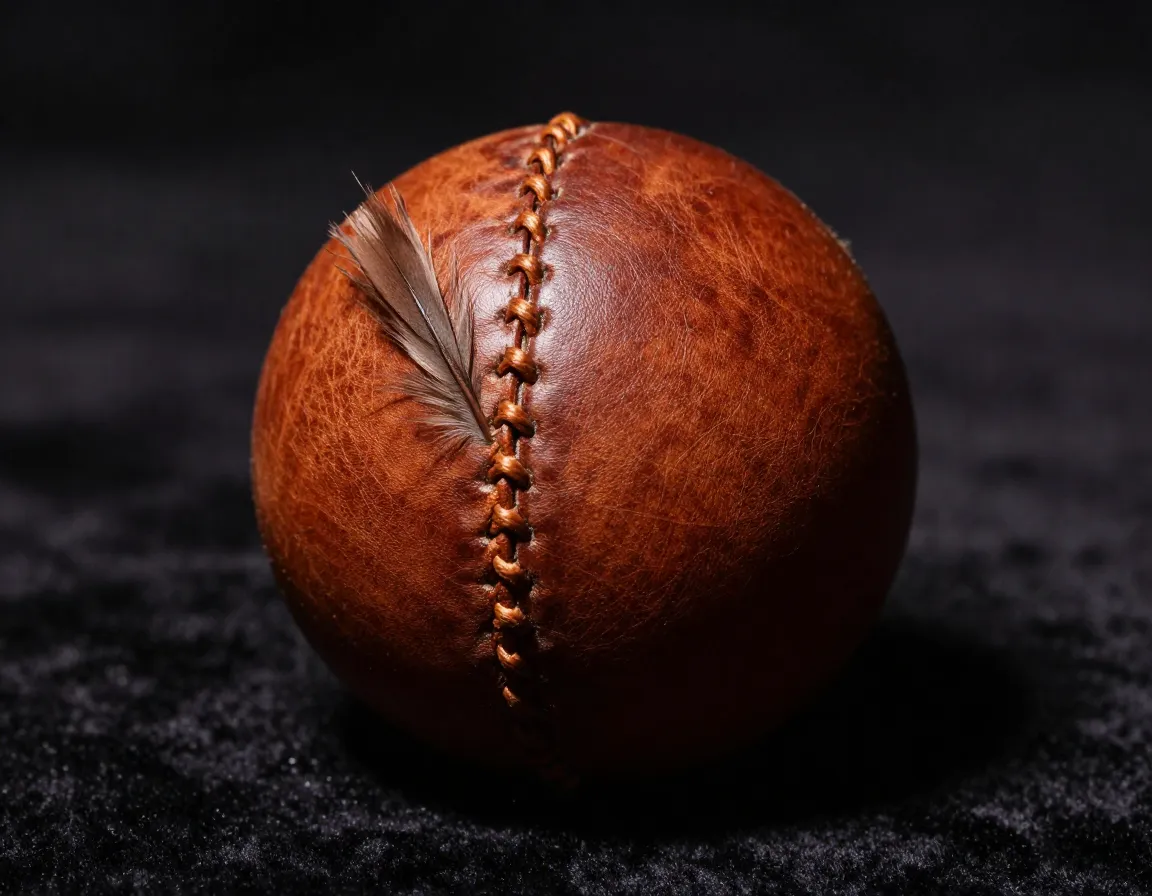
The featherie ball represents the pinnacle of early golf ball craftsmanship. These hand-stitched leather spheres were stuffed with boiled goose feathers—a process so labor-intensive that a skilled craftsman could only produce three or four balls per day.
What makes them collectible:
- Extreme rarity due to their perishable nature
- Hand-crafted construction requiring specialized skills
- Historical significance as golf’s first standardized ball
- High original cost (more expensive than golf clubs of the era)
Current market value: $5,000-$20,000+ for authenticated examples
The featherie’s story is one of luxury and exclusivity. In the 1800s, these balls cost more than a modern premium driver, making golf truly a sport for the wealthy. Today, finding an intact featherie is like discovering a piece of sports archaeology.
2. Gutta-Percha Balls (1850s-1900s): The Democratic Revolution
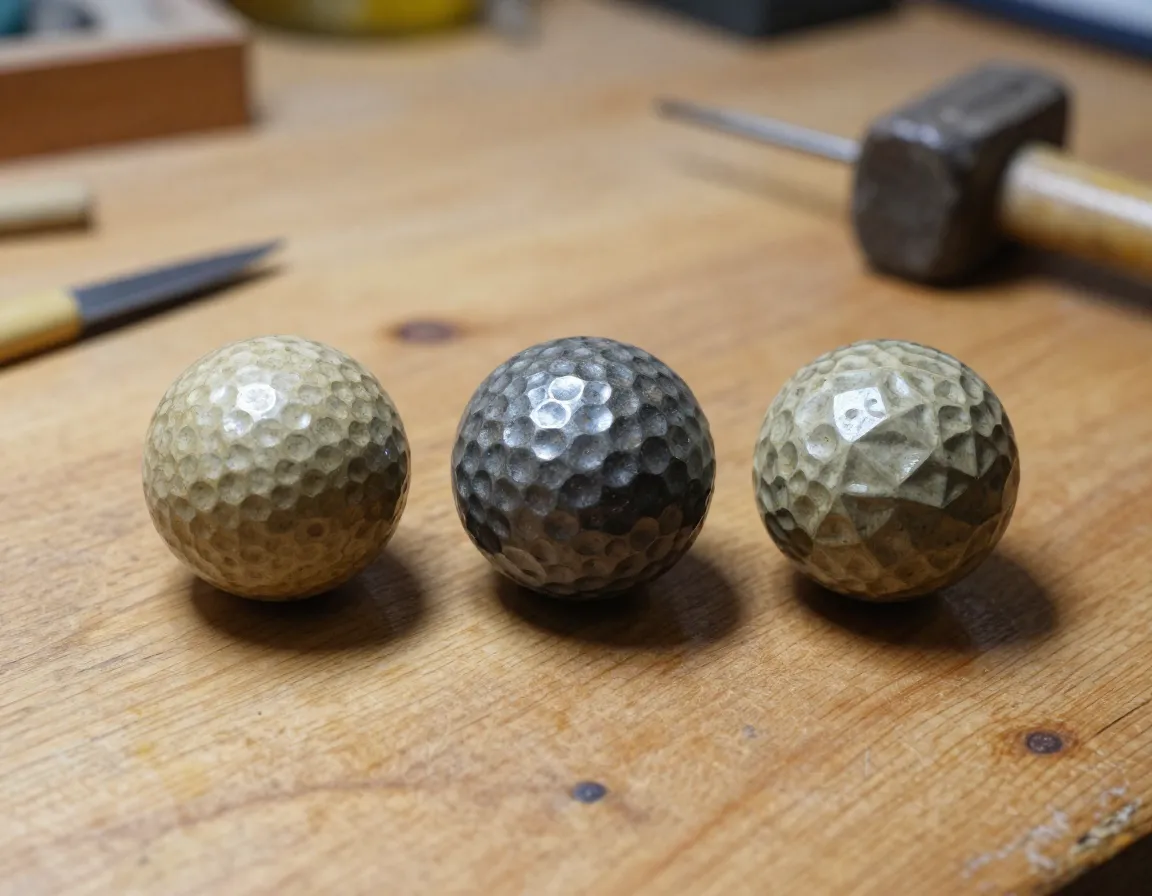
The introduction of gutta-percha balls—made from the dried sap of Malaysian trees—democratized golf by making balls affordable for the middle class. These “gutties” could be mass-produced and easily repaired when damaged.
Key features:
- Smooth surface initially, later developed with hand-hammered patterns
- Revolutionary material that softened when heated
- Much cheaper than featheries
- Better durability and performance
Collector appeal: Original smooth gutties and early patterned versions command $500-$3,000 depending on condition and maker.
“The gutta-percha ball saved golf from becoming an extinct sport for the wealthy elite.” – Golf historian’s perspective on the gutty’s impact
3. Bramble Pattern Balls (1890s-1910s): The First Scientific Dimples

Bramble balls featured raised bumps covering the entire surface, resembling a blackberry. This design represented the first scientific approach to golf ball aerodynamics, though engineers didn’t fully understand why the pattern improved flight.
Notable characteristics:
- Distinctive raised-dot pattern
- Improved distance over smooth balls
- Transition period between gutties and modern dimpled balls
- Various manufacturers created unique bramble patterns
Market value: Well-preserved brambles from major manufacturers sell for $200-$1,500.
4. Mesh Pattern Golf Balls (1900s-1920s): Engineering Meets Art
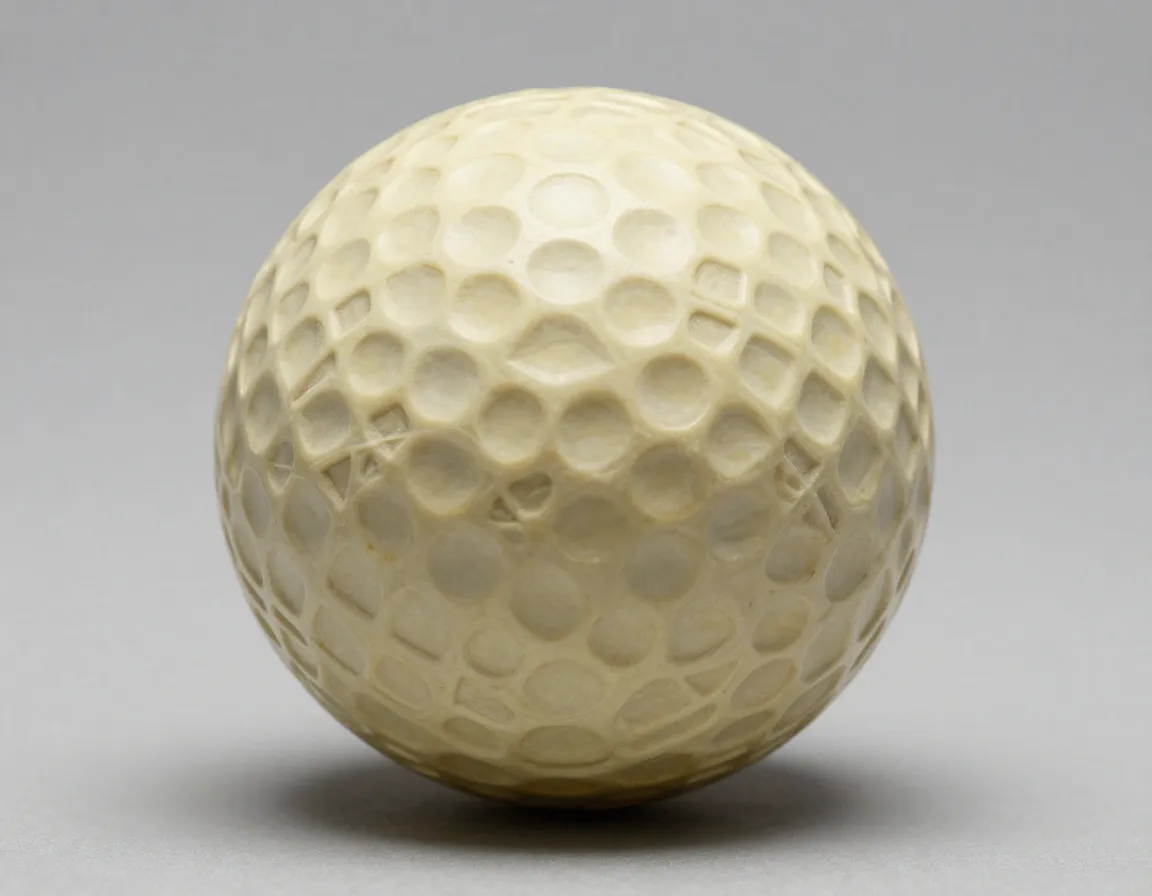
Mesh pattern balls featured intricate geometric designs that combined functionality with visual appeal. These balls represented the growing understanding of aerodynamics while showcasing the artistic sensibilities of their era.
Distinctive features:
- Complex geometric surface patterns
- Superior flight characteristics
- Beautiful craftsmanship
- Limited production runs by premium manufacturers
Investment potential: Rare mesh pattern balls can fetch $300-$2,000 at auction.
Premium Modern Collectibles Among Our 8 Collectible Old Golf Balls and the Stories Behind Them
5. Titleist Balata Prototype Balls (1960s-1970s): The Birth of Modern Performance
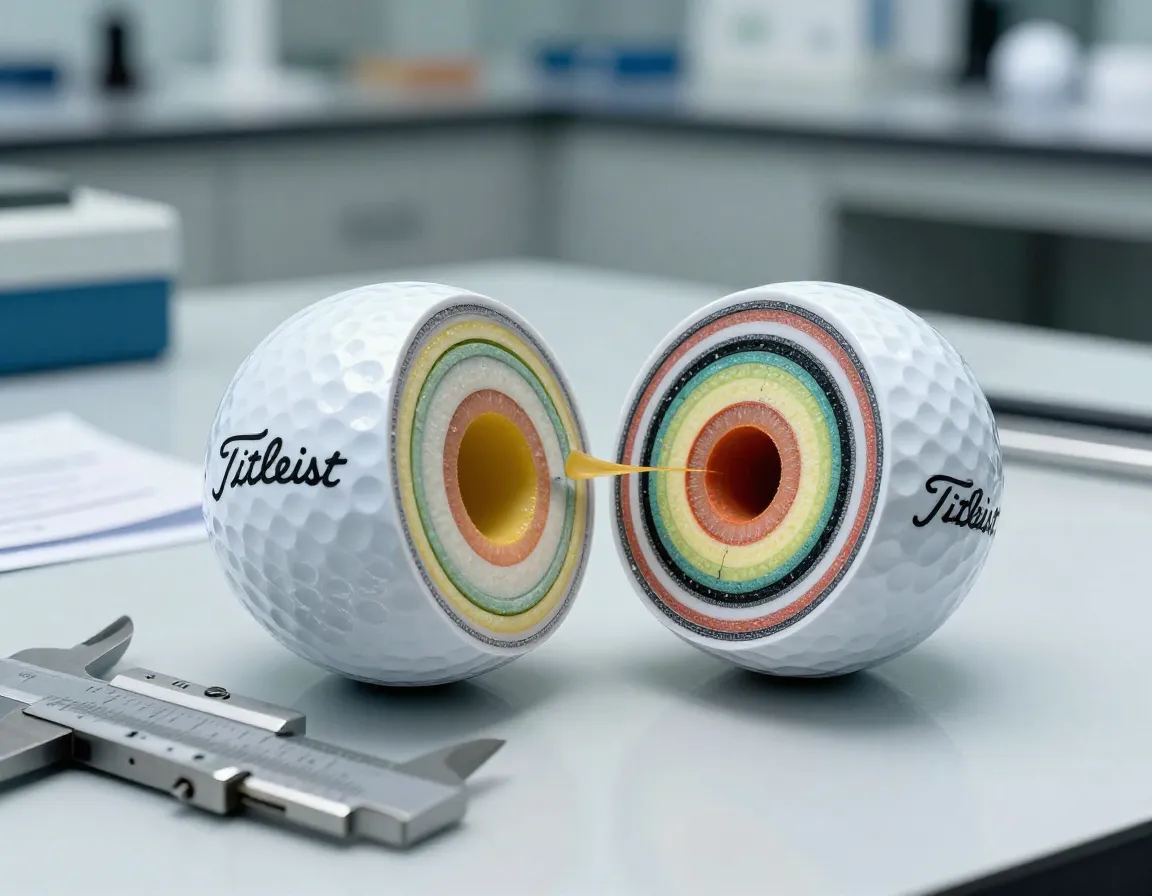
Titleist’s experimental balata balls from the 1960s-70s represent crucial steps in developing modern golf ball technology. These prototypes tested various core compositions and cover materials that would eventually become industry standards.
Why collectors love them:
- Limited production quantities
- Historical significance in ball development
- Titleist brand prestige
- Connection to professional tour evolution
Estimated value: Authenticated prototypes range from $150-$800.
6. Tournament-Used Balls from Major Championships (Various Eras): Pieces of Golf History
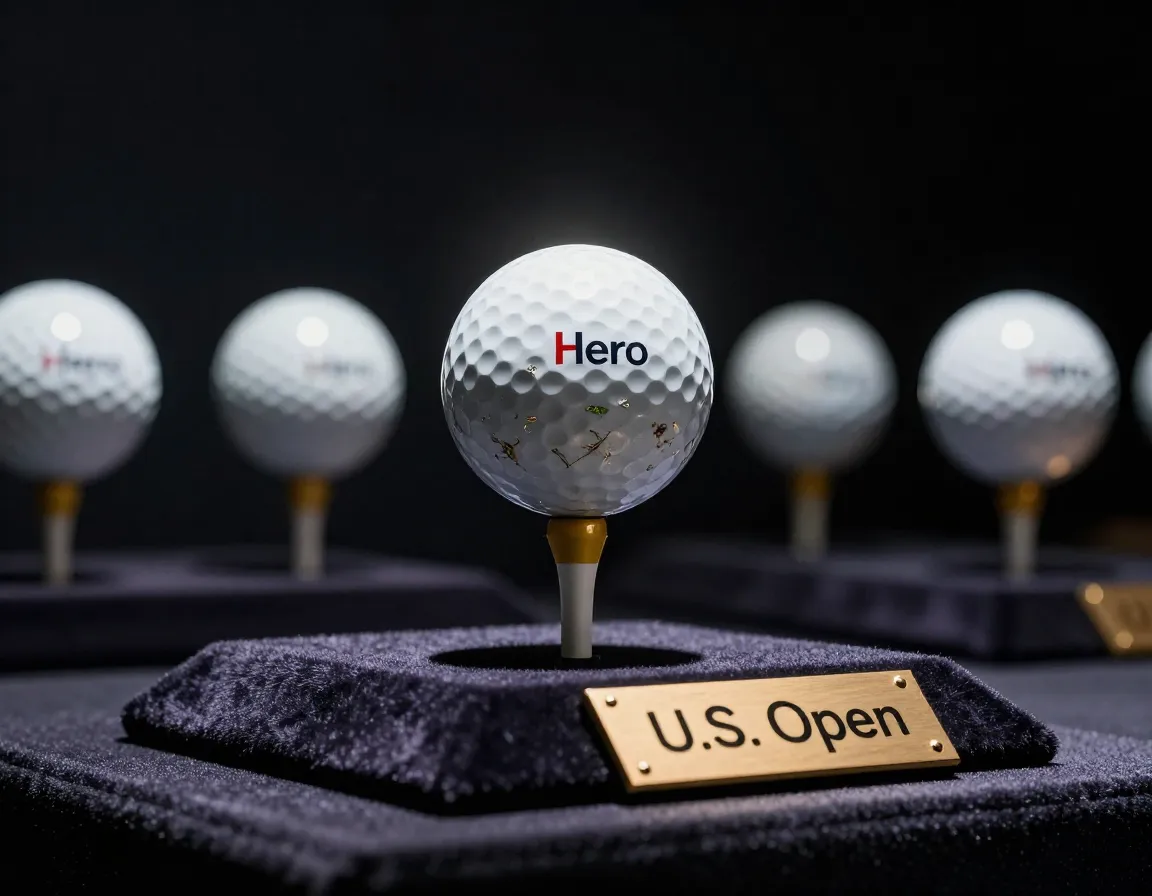
Golf balls actually used in major championships carry immense historical value, especially those from significant moments in golf history. These balls represent tangible connections to golf’s greatest achievements.
Examples of valuable tournament balls:
- Balls from early U.S. Opens (pre-1950)
- British Open championship rounds
- Balls from record-setting rounds
- Equipment used by golf legends
Market dynamics: Authenticated tournament balls can sell for $1,000-$10,000+ depending on the event and player involved.
7. Experimental Multi-Layer Balls (1970s-1980s): Innovation in Your Hands
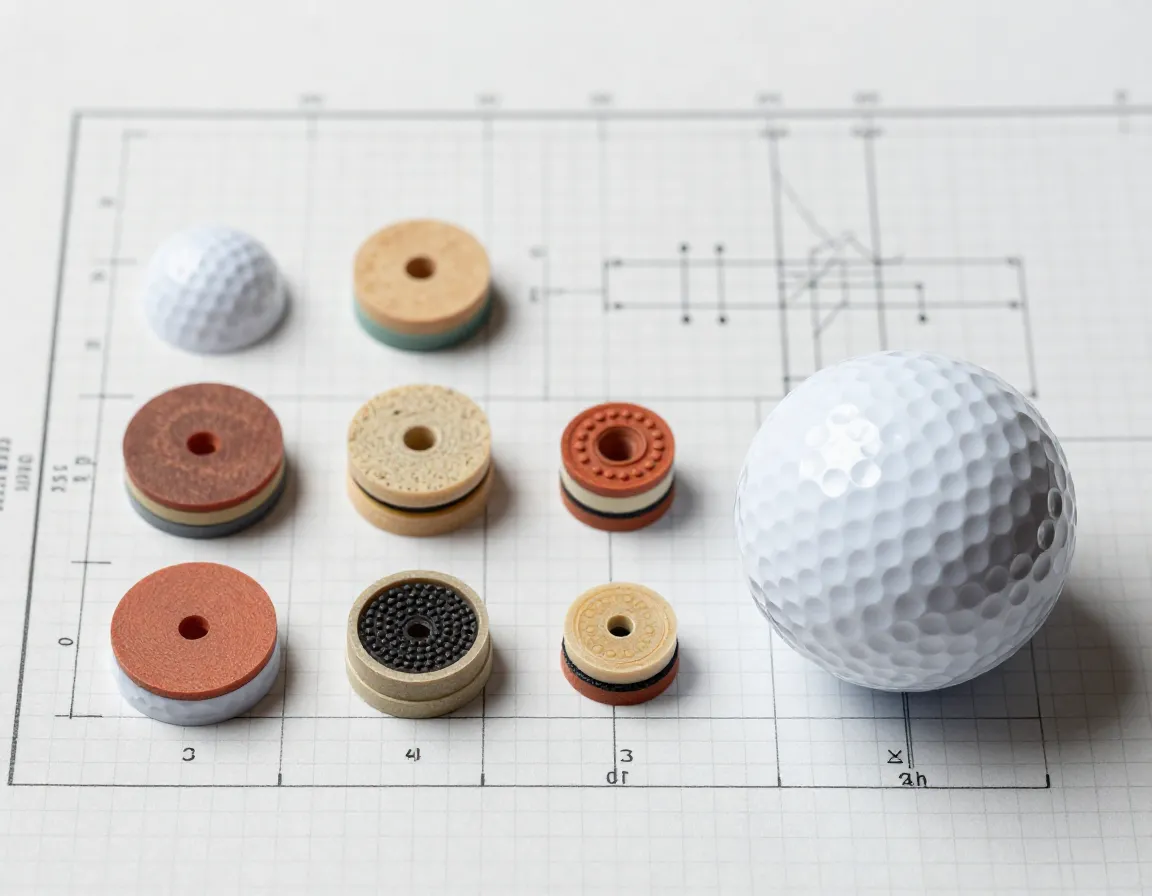
During the 1970s and 1980s, manufacturers experimented with multi-layer construction that would eventually become standard. These experimental balls often featured unique construction methods and materials.
Technical innovations:
- Early two-piece construction
- Experimental core materials
- Novel dimple patterns
- Prototype compression ratings
Collector interest: These balls appeal to both golf enthusiasts and technology historians, with values ranging from $100-$600.
8. Limited Edition Commemorative Balls (1980s-Present): Modern Collectibles
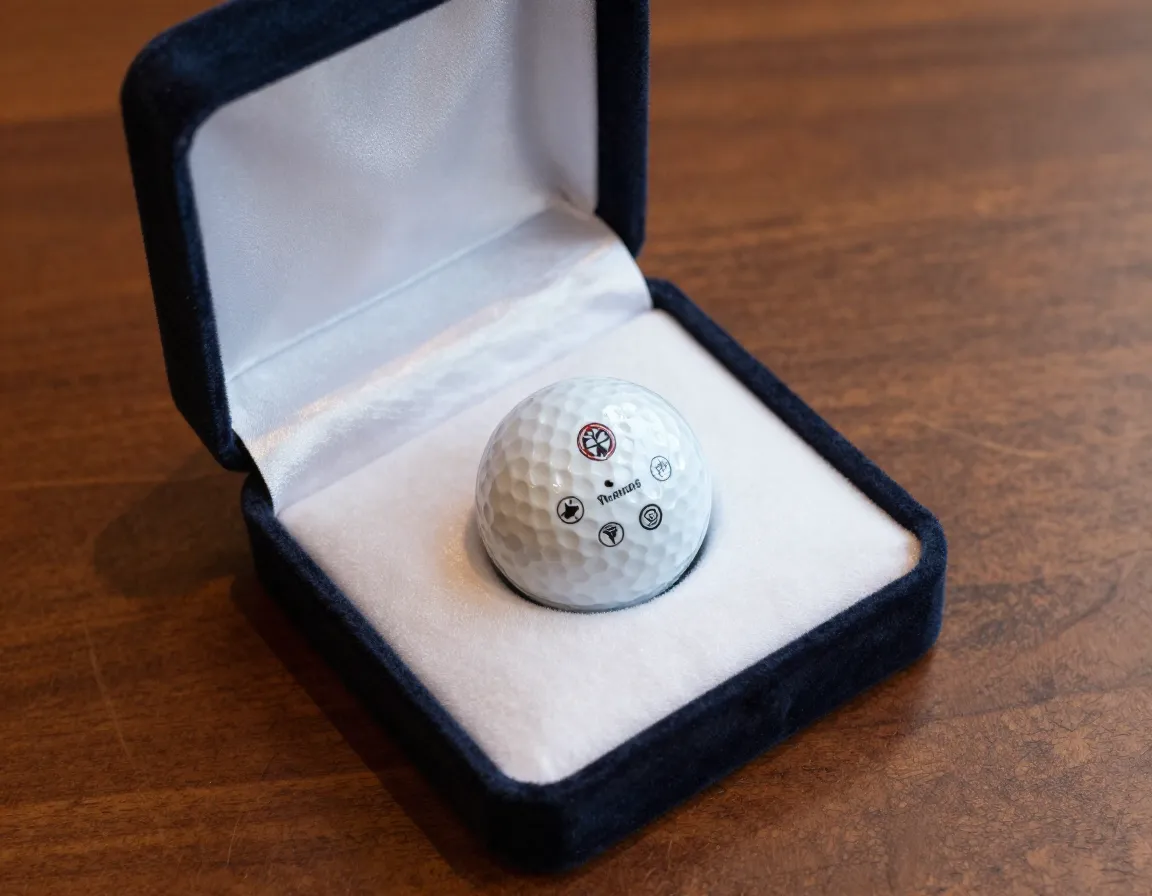
While newer than traditional vintage balls, limited edition commemorative balls have developed strong collector followings. These balls often celebrate golf milestones, course openings, or special events.
Popular categories:
- Course opening commemoratives
- Tournament anniversary editions
- Player milestone celebrations
- Manufacturer anniversary releases
Investment considerations: Values typically range from $50-$500, with some rare editions commanding higher prices.
Building Your Collection: Expert Tips for Aspiring Collectors
Authentication and Condition Assessment
When building a collection of 8 collectible old golf balls and the stories behind them, authentication becomes crucial. Here’s what experts recommend:
Key authentication factors:
- Manufacturer markings and stamps
- Period-appropriate materials and construction
- Wear patterns consistent with age
- Professional appraisal documentation
Storage and Preservation
Proper storage ensures your vintage golf balls maintain their value:
- Climate control: Stable temperature and humidity
- UV protection: Keep away from direct sunlight
- Gentle cleaning: Use appropriate methods for each material type
- Documentation: Maintain detailed records of provenance
Market Trends and Investment Potential
The vintage golf equipment market has shown remarkable resilience and growth [1]. Factors driving collector interest include:
- Growing appreciation for golf history
- Limited supply of authentic vintage pieces
- Increased disposable income among golf enthusiasts
- Social media showcasing rare collections
Where to Find Collectible Golf Balls
Traditional Sources
- Estate sales and auctions
- Antique shops and flea markets
- Golf memorabilia dealers
- Online auction platforms
Modern Venues
- Specialized collector websites
- Golf equipment trade shows
- Professional appraisal services
- Collector club meetings and exchanges
Conclusion
The world of 8 collectible old golf balls and the stories behind them offers a fascinating journey through golf’s technological evolution and cultural history. From the hand-stitched luxury of featherie balls to the scientific precision of modern prototypes, each ball tells a unique story of innovation, craftsmanship, and the eternal quest to improve performance.
Whether you’re a serious collector seeking investment opportunities or a golf enthusiast interested in the game’s heritage, vintage golf balls provide tangible connections to golf’s rich past. The market continues to show strong growth, with authenticated pieces commanding premium prices from collectors worldwide.
Your next steps:
- Research thoroughly before making any significant purchases
- Connect with reputable dealers and authentication services
- Start small with more affordable pieces to learn the market
- Join collector communities to share knowledge and discover opportunities
- Focus on condition and provenance when evaluating potential acquisitions
Remember, collecting vintage golf balls isn’t just about investment potential—it’s about preserving and celebrating the remarkable history of golf’s technological evolution. Each ball in your collection represents a chapter in the ongoing story of humanity’s quest to perfect this challenging and beloved game.
References
[1] The Revival Of Vintage Golf Equipment Market Trends And Consumer Demographics – https://hickorygolfstore.com/blogs/news/the-revival-of-vintage-golf-equipment-market-trends-and-consumer-demographics