
8 Brutally Honest Truths About Learning to Play Golf (And How to Succeed)
Picture this: You watch Tiger Woods sink a perfect putt on TV, making it look effortless. You think, “How hard could it be?” Fast forward six months, and you’re standing on the 18th tee, having lost eight balls and questioning every life decision that led you to this moment. If this sounds familiar, you’re about to discover the 8 brutally honest truths about learning to play golf (and how to succeed) that no one talks about in those glossy golf magazines.
Disclosure: This post contains affiliate links. As an Amazon Associate, we earn from qualifying purchases, and at no extra cost to you.

Golf is experiencing an unprecedented boom in 2026, with 24 million Americans expressing serious interest in taking up the sport[1]. But here’s what they don’t tell you: learning golf is nothing like what you see on television. It’s a humbling, frustrating, and occasionally magical journey that will test your patience, your wallet, and your sanity.
Key Takeaways
- Golf takes significantly longer to learn than most sports – expect 2-3 years to become consistently competent
- Your ego will take a beating – even athletic people struggle with golf’s unique demands
- Quality instruction is now more affordable – lesson prices have dropped 5% while accessibility has increased dramatically[1]
- Technology has revolutionized learning – launch monitors and simulators provide data-driven improvement paths
- The golf community is more diverse and welcoming than ever – 28% of golfers are now women, with record minority participation[1]
1. You Will Be Terrible for Much Longer Than You Think
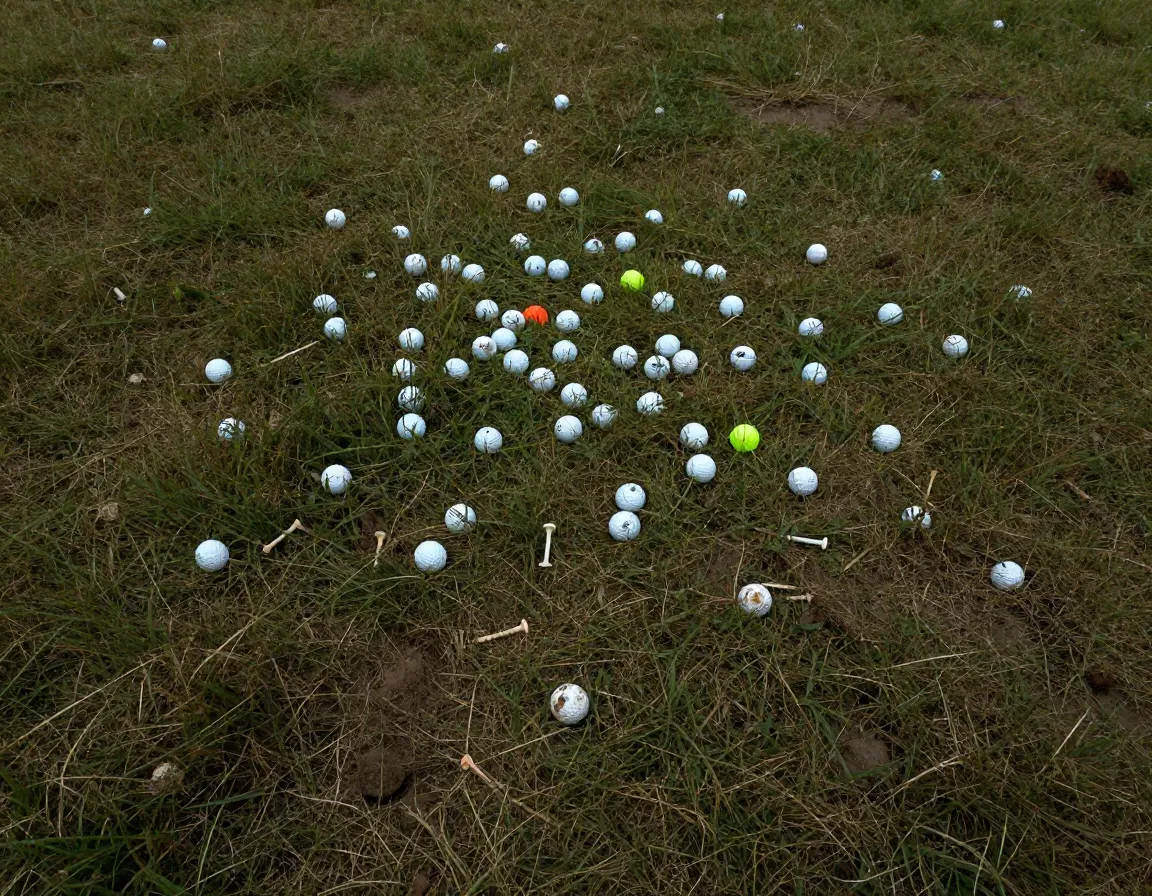
Let’s start with the most brutal truth: you will be bad at golf for a very long time. I don’t mean “slightly below average” bad. I mean “danger to other golfers” bad.
Most new golfers expect to shoot in the 90s within their first season. The reality? The average beginner takes 2-3 years to consistently break 100. Your first few rounds might see scores of 120, 130, or higher. You’ll lose more golf balls in one round than a professional loses in an entire season.
Why Golf Is Different 🏌️♂️
Unlike tennis or basketball, where you can see improvement within weeks, golf requires building muscle memory for an incredibly complex motion. You’re trying to hit a small ball with a small clubface while it sits perfectly still – which, paradoxically, makes it harder than hitting a moving ball in other sports.
Success Strategy: Set realistic expectations. Celebrate small victories like making solid contact or keeping the ball in play. Track your progress with specific metrics rather than just your score.
2. Your Athletic Background Might Actually Hurt You

Here’s a truth that stings: being good at other sports can initially make golf harder. I’ve seen former college baseball players struggle more than complete beginners because they bring the wrong muscle memory to golf.
The golf swing is unlike any other athletic motion. Baseball players want to swing up through the ball. Tennis players want to follow through across their body. These instincts work against you in golf, where you need to swing down and through with a completely different tempo and plane.
The Ego Factor
Athletic people often struggle most with golf’s mental demands. You’re used to your body doing what you tell it to do. In golf, your body will betray you regularly, especially under pressure. That smooth practice swing becomes a violent hack when there’s actually a ball in front of you.
Success Strategy: Approach golf as a completely new skill, not an extension of your existing athletic ability. Be patient with the learning process and don’t let frustration derail your progress.
3. It Will Cost More Than You Budgeted (But Less Than Before)
Golf has a reputation for being expensive, and while costs have become more manageable, you’ll still spend more than you initially planned. However, there’s good news: the barrier to entry has significantly lowered.
The New Economics of Golf Learning
According to recent data, golf lessons that cost $150 five years ago now have alternatives at $80[1]. The expansion of coaching networks has increased competition, with 863 active instructors on platforms like TeachMe.To representing a 56% increase[1]. This means more options and better prices for beginners.
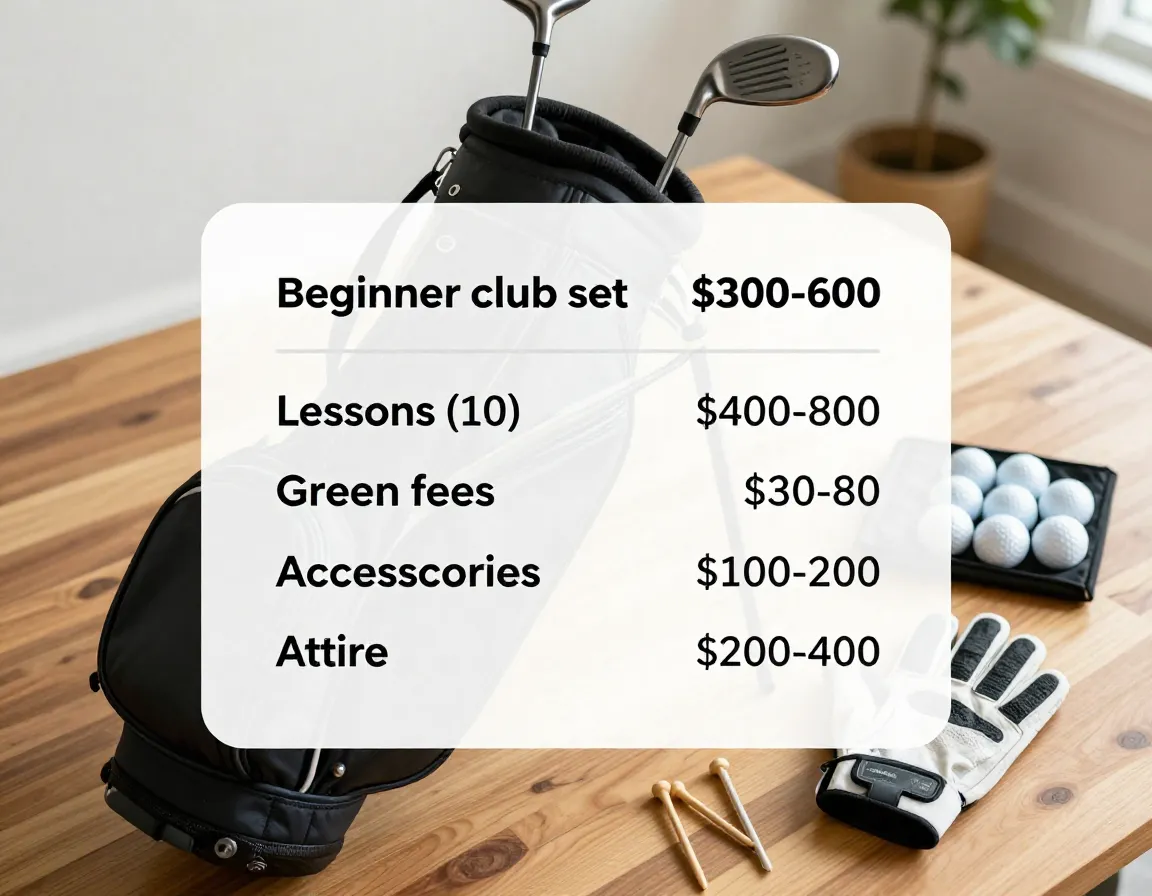
Typical First-Year Costs:
- Beginner club set: $300-600
- Lessons (10 sessions): $400-800
- Green fees: $30-80 per round
- Balls, tees, accessories: $100-200
- Golf attire: $200-400
Hidden Expenses 💰
What catches beginners off-guard are the ongoing costs: lost golf balls (budget $20-40 per round initially), course fees, cart rentals, and the inevitable equipment upgrades as you improve.
Success Strategy: Start with basic equipment and take advantage of the more affordable lesson options now available. Many courses offer beginner packages that include clubs, lessons, and playing privileges.
4. You’ll Develop an Unhealthy Relationship with a Small White Ball
Golf will mess with your head in ways you never imagined. You’ll find yourself thinking about golf swings while brushing your teeth, analyzing your grip while driving to work, and having vivid dreams about perfect shots.
The mental game of golf is unlike any other sport. In basketball, if you miss a shot, you get another chance in seconds. In golf, you have 4+ hours to think about that one bad shot on the first hole. Every shot matters, and every shot is completely up to you – there’s no teammate to blame, no referee to argue with.
The Addiction Factor
Golf creates a unique form of addiction. You’ll hit 99 terrible shots and one perfect shot, and that one shot will keep you coming back. It’s like a slot machine that occasionally pays out just enough to keep you pulling the lever.
“Golf is a game where you can hit a shot so perfect it makes you forget about the 20 terrible ones that came before it. That’s the hook that keeps us coming back.” – Anonymous Golf Instructor
Success Strategy: Develop mental resilience early. Learn to let go of bad shots quickly and focus on the next one. Consider reading sports psychology books specifically about golf.
5. Everyone Will Give You Advice (Most of It Will Be Wrong)

Every golfer thinks they’re a teaching professional. The moment people discover you’re learning golf, you’ll be bombarded with tips, tricks, and “secrets” that supposedly transformed their game.
The Tip Overload Problem
Your playing partners will offer swing advice on every tee box. Your coworkers will demonstrate their “perfect” grip in the office. Your father-in-law will insist that his 1970s golf wisdom is exactly what you need. Most of this advice will contradict each other and confuse you more.
The problem with amateur advice is that golf swings are highly individual. What works for a 6’2″ former athlete might be completely wrong for a 5’6″ beginner. Modern golf instruction is based on biomechanics and data, not feel and folklore.
The Rise of Professional Instruction
The good news is that professional golf instruction has never been more accessible. With golf lessons growing 61% in 2025, far outpacing the industry’s 5% growth[1], there are more qualified instructors available than ever before.
Success Strategy: Find one qualified instructor and stick with them. Politely decline advice from well-meaning amateurs. Focus on fundamentals from a professional rather than quick fixes from friends.
6. The Rules Are Complicated and Constantly Changing

Golf has more rules than any other major sport, and many experienced golfers don’t even know them all. The official Rules of Golf book is over 200 pages long and gets updated regularly.
Common Rule Confusion
New golfers often struggle with basic situations:
- What to do when your ball goes in the water
- How to take relief from cart paths or sprinkler heads
- When you can and can’t move your ball
- Proper etiquette on the course
You’ll inevitably find yourself in situations where you have no idea what to do. Even worse, your playing partners might confidently give you wrong information about the rules.
Etiquette Matters More Than Rules
While you can learn rules gradually, golf etiquette is crucial from day one. Slow play, not repairing divots, talking during someone’s swing, or not understanding course flow can make you unwelcome quickly.
Success Strategy: Download the official Rules of Golf app. Learn basic etiquette before your first round. When in doubt, ask the pro shop or take the most conservative approach that doesn’t slow down play.
The Changing Face of Golf: More Welcoming Than Ever
Here’s some encouraging news about the 8 brutally honest truths about learning to play golf (and how to succeed): the golf community is becoming dramatically more inclusive and welcoming to beginners.
Record Diversity in Golf
The sport has seen unprecedented growth in diversity:
- 28% of on-course golfers are now women—the highest proportion ever recorded[1]
- 25% of golfers are Black, Asian, or Hispanic—also a record[1]
- Female participation increased 41% since 2019[1]
- Black participation increased 123% since 2019[1]
This means you’re more likely to find people who understand the beginner experience and are willing to help rather than judge.
Technology Makes Learning Easier
Modern technology has revolutionized golf instruction. Launch monitors provide swing data that was previously unavailable to amateur players. Indoor simulators now allow year-round golf lessons in cold climates[1], making the sport accessible regardless of weather or location.
These technological advances mean you can get better feedback on your swing, practice year-round, and track your improvement with actual data rather than just guesswork.
7. Your First “Good” Round Will Be a Fluke

Eventually, you’ll have that magical round where everything clicks. You’ll shoot 15 strokes better than your average, make some great shots, and feel like you’ve finally “figured out” golf.
Here’s the brutal truth: it was probably a fluke, and you’ll struggle to repeat it for months.
The Golf Improvement Curve
Golf improvement isn’t linear. It’s more like a stock market chart – general upward trend with lots of volatility. You’ll have breakthrough rounds followed by disasters. You’ll master your driver one week and completely lose it the next.
This inconsistency is what makes golf both maddening and addictive. The gap between your best golf and your worst golf will remain frustratingly large for years.
Managing Expectations
The key is understanding that consistency comes much later than competency. You might hit some great shots early in your golf journey, but stringing together 18 holes of decent golf takes much longer.
Success Strategy: Enjoy the good rounds but don’t let them create unrealistic expectations. Focus on gradually raising your floor (worst rounds) rather than chasing your ceiling (best rounds).
8. You’ll Question Why You Started, Then Fall in Love Anyway

Every golfer has moments where they seriously consider quitting. You’ll have rounds so bad that you’ll want to snap your clubs and take up bowling. You’ll wonder why you’re spending money and time on something that brings so much frustration.
The Breaking Point
Most golfers hit their breaking point around month 6-12. You’ve invested enough time and money that quitting feels wasteful, but you’re not good enough yet for the game to be consistently enjoyable. This is the valley of despair that every golfer must cross.
The Other Side
But then something magical happens. You start making more solid contact. You have a few good holes in a row. You begin to see the beauty in a well-struck iron shot or a perfectly read putt. The frustration doesn’t disappear, but it becomes balanced by moments of pure joy.
Why Golf Hooks Us 🎯
Golf offers something unique among sports:
- Individual accountability – your success is entirely up to you
- Constant challenge – you never “master” golf completely
- Natural beauty – played in some of the most beautiful settings
- Social connection – builds relationships through shared struggle
- Lifetime sport – you can play well into your 80s and beyond
Success Strategy: Push through the initial frustration period. Give yourself at least 18 months of regular play before deciding if golf is for you. Focus on the journey rather than the destination.
How to Succeed Despite These Brutal Truths
Understanding these harsh realities about learning golf is the first step toward success. Here’s how to navigate the challenges:
1. Invest in Quality Instruction Early
With lesson prices down 5% and instructor networks expanded 56%[1], there’s never been a better time to get professional help. Don’t try to learn golf from YouTube or well-meaning friends.
2. Set Process Goals, Not Outcome Goals
Instead of “I want to break 90,” focus on “I want to hit 7 fairways per round” or “I want to eliminate three-putts.” Process goals are within your control and lead to better outcomes.
3. Practice with Purpose
Random practice doesn’t improve performance. Work on specific aspects of your game during each practice session. Use technology like launch monitors when available to get objective feedback.
4. Play Forward Tees
Your ego might want to play the back tees, but your scorecard will thank you for playing forward. Choose tees that match your driving distance and skill level.
5. Focus on Short Game
60% of golf shots happen within 100 yards of the pin. Spend at least half your practice time on putting, chipping, and short irons. This is where you’ll see the fastest score improvement.
Conclusion
The 8 brutally honest truths about learning to play golf (and how to succeed) paint a challenging but ultimately rewarding picture. Yes, golf will humble you, frustrate you, and cost more than you planned. You’ll be terrible longer than you expect, receive conflicting advice, and question your sanity regularly.
But here’s what makes it all worthwhile: golf offers a unique combination of individual challenge, natural beauty, and social connection that few other activities can match. With 24 million Americans interested in starting their golf journey[1], you’ll be joining a more diverse, welcoming community than ever before.
The key to success isn’t avoiding these brutal truths – it’s embracing them. Expect the challenges, prepare for the frustrations, and celebrate the small victories. Take advantage of the more affordable instruction options now available, use technology to track your progress, and remember that every great golfer started exactly where you are now.
Your next steps:
- Find a qualified instructor and book your first lesson
- Set realistic expectations for your first year of golf
- Invest in basic equipment but don’t overspend initially
- Join a beginner-friendly course or program
- Focus on fundamentals rather than trying to fix everything at once
Golf will test you in ways you never imagined, but it will also reward you with experiences and friendships that last a lifetime. Welcome to the most beautifully frustrating game ever invented.
References
[1] He Teachmeto 2026 Annual Golf Report – https://teachme.to/blog/he-teachmeto-2026-annual-golf-report