9 Fun Ways to Learn About Golf Before You Ever Step on a Course
Picture this: you’re invited to a business golf outing next month, but you’ve never held a golf club in your life. Or maybe you’ve always been curious about golf but feel intimidated by the thought of embarrassing yourself on the course. Here’s the good news – you don’t need to step foot on a golf course to start your golf education journey! In 2026, there are countless engaging ways to build your golf knowledge and skills from the comfort of your own home.
Disclosure: This post contains affiliate links. As an Amazon Associate, we earn from qualifying purchases, and at no extra cost to you.
Learning about golf before your first course experience can dramatically improve your confidence and enjoyment when you do take that first swing. The 9 fun ways to learn about golf before you ever step on a course that I’ll share with you today will transform you from a complete beginner into someone who understands the game’s fundamentals, etiquette, and strategies.
Key Takeaways
- Start with fundamentals: Focus on grip, stance, and basic swing mechanics through instructional videos and apps
- Practice at home: Use putting mats, alignment sticks, and mirror work to develop muscle memory
- Study the game: Learn rules, etiquette, and course management through books, podcasts, and virtual tours
- Set realistic goals: Establish a structured learning timeline with achievable milestones
- Engage with golf culture: Watch tournaments, join online communities, and immerse yourself in the sport’s rich history
Getting Started: Building Your Golf Foundation
1. Master the Basics with Golf Instruction Apps and Videos
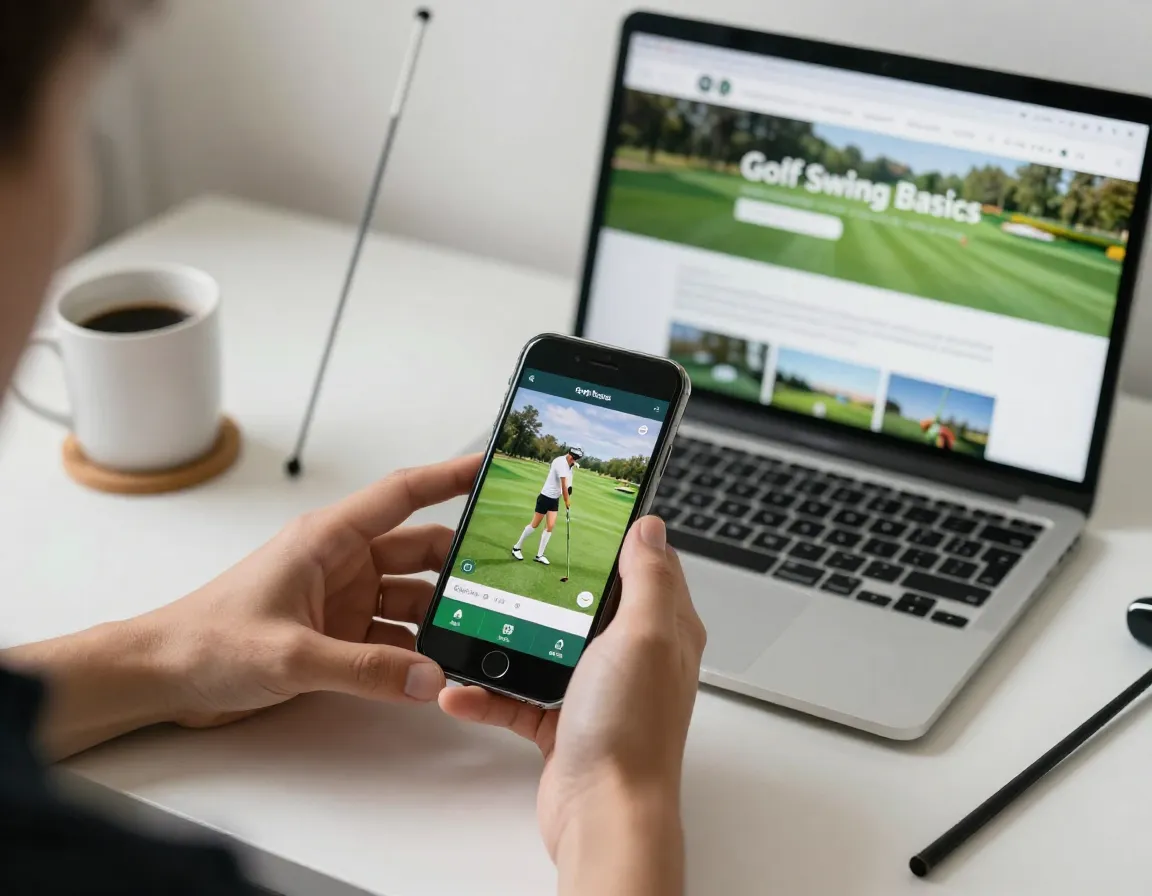
The digital revolution has made golf instruction more accessible than ever. Golf instruction apps offer interactive lessons that cover everything from grip fundamentals to swing mechanics. Popular apps like Golf Coach and SwingU provide step-by-step tutorials with visual demonstrations.
YouTube has become a goldmine for golf instruction content. Professional instructors share detailed breakdowns of essential techniques, including:
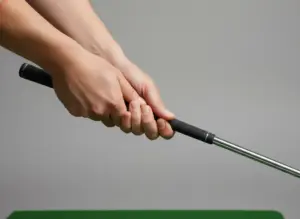
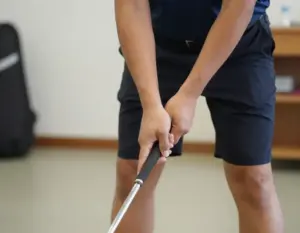
- Proper grip technique – the foundation of every good golf swing [2]
- Stance and posture alignment – critical for consistent ball striking
- Basic swing sequence – understanding the rhythm and timing
- Short game fundamentals – chipping and putting basics [1]
The beauty of video instruction is that you can pause, rewind, and practice the movements in slow motion. Many instructors emphasize that consistent ball striking can be achieved within just a few lessons when you focus on these fundamentals [1].
2. Create a Home Practice Setup
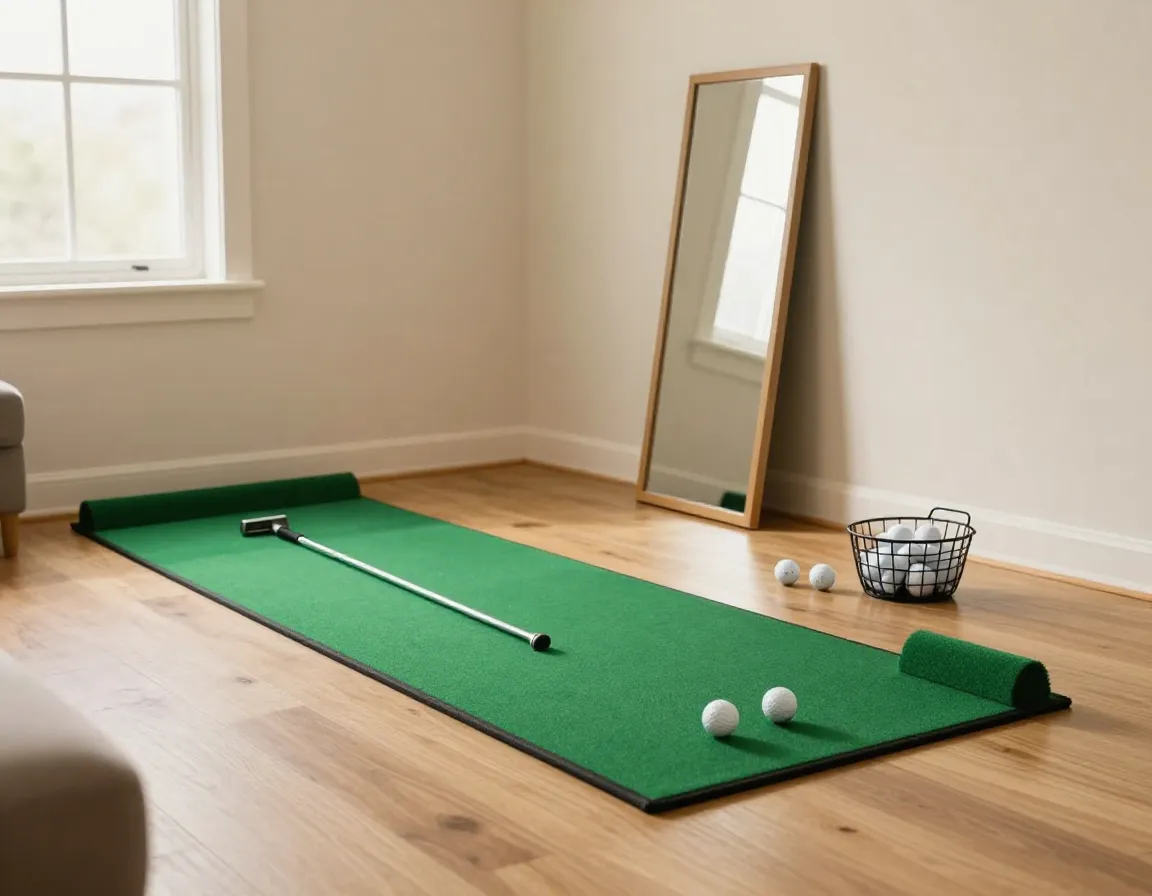
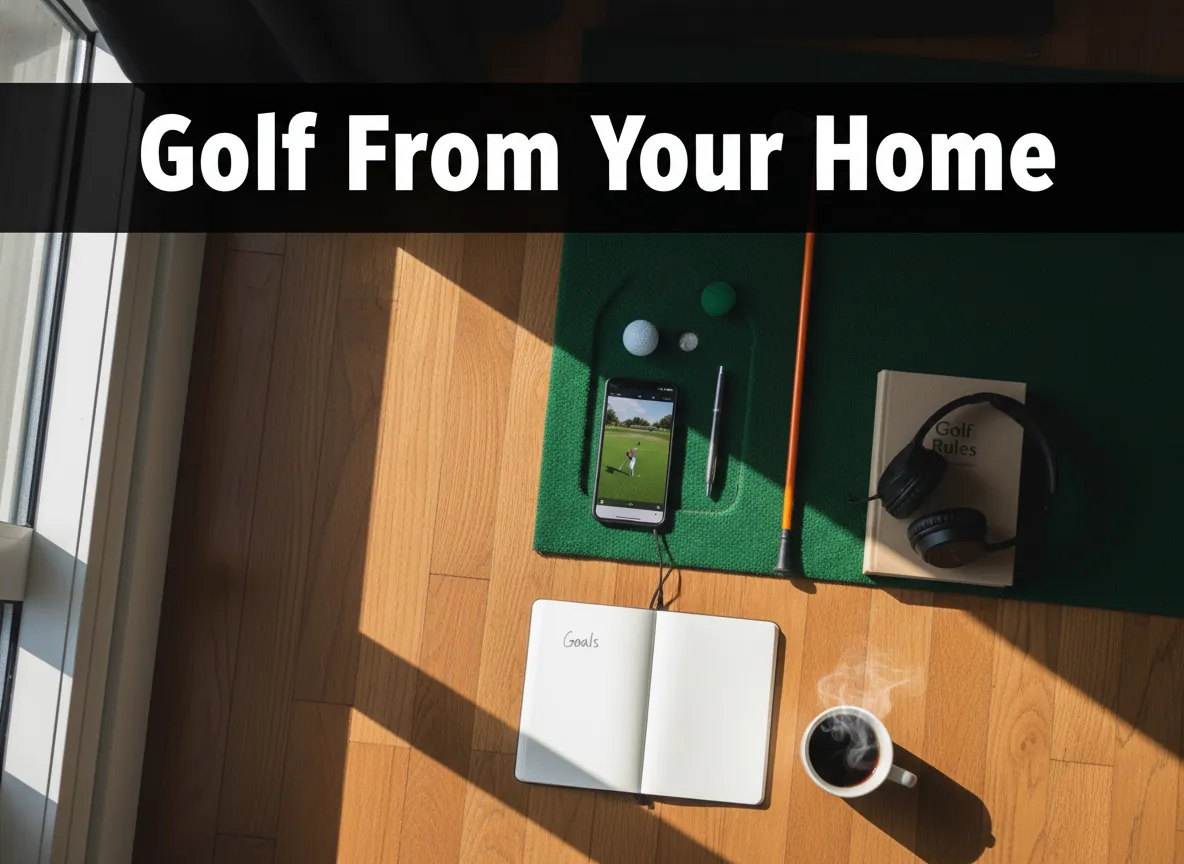
Transform a corner of your home into a mini golf academy. You don’t need expensive equipment – start with these essentials:
Basic Home Practice Kit:
- Putting mat (6-8 feet long)
- Alignment sticks or pool noodles
- Mirror for swing practice
- Foam practice balls
- Basic wedge or 7-iron
Practice your putting stroke daily for 10-15 minutes. This builds the foundation for your short game, which accounts for roughly 65% of your total strokes [1]. Focus on:
- Consistent pendulum motion
- Square clubface at impact
- Smooth tempo and rhythm
3. Study Golf Rules and Etiquette
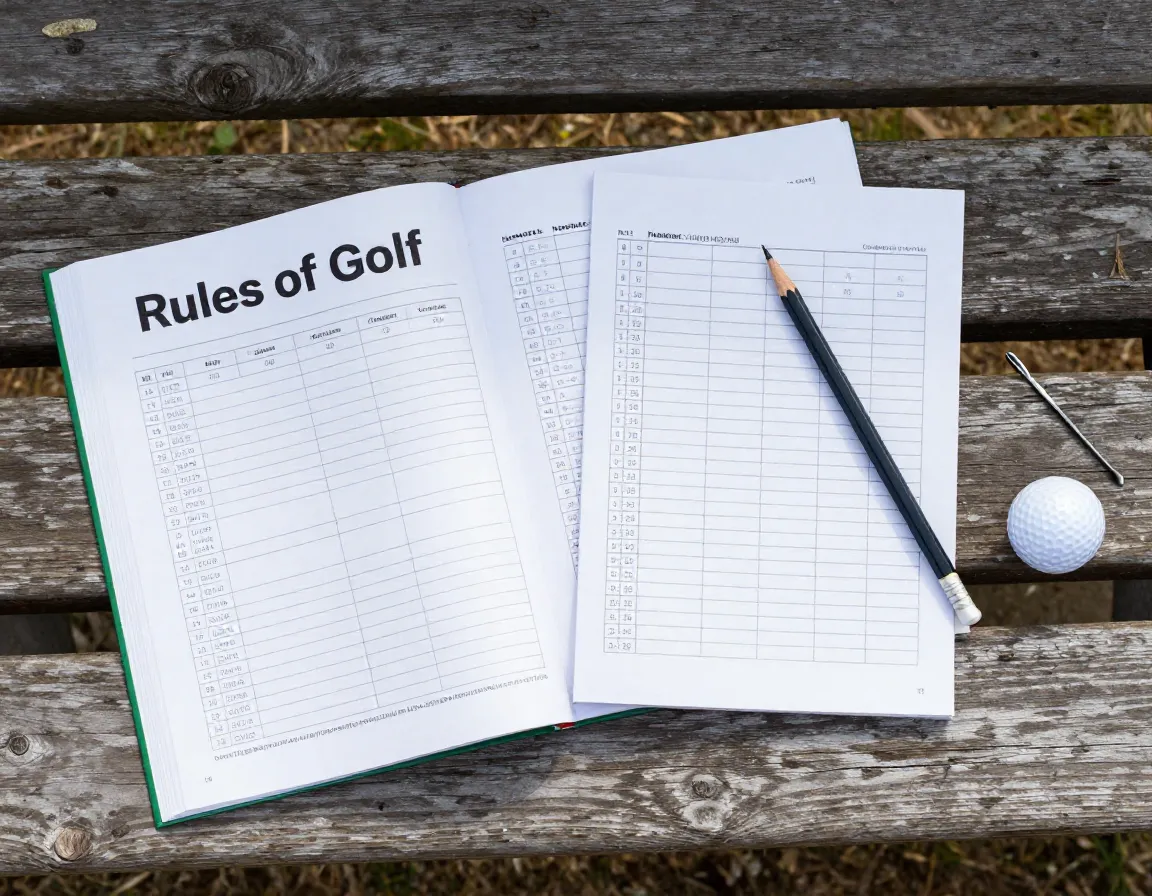
Understanding golf’s rules and etiquette is crucial for enjoying the game and respecting fellow players. The Rules of Golf might seem overwhelming, but focus on the basics first:
Essential Rules to Know:
- Out of bounds and water hazards
- Lost ball procedures
- Unplayable lie options
- Basic penalty situations
- Proper drop procedures
Golf Etiquette Fundamentals:
- Pace of play expectations
- Course care (divots, ball marks)
- Safety protocols
- Quiet during others’ shots
- Proper cart usage
Many golf websites offer interactive rules quizzes that make learning engaging and memorable. The PGA provides excellent resources for understanding both rules and etiquette [3].
Advanced Learning Strategies
4. Watch Professional Golf Tournaments
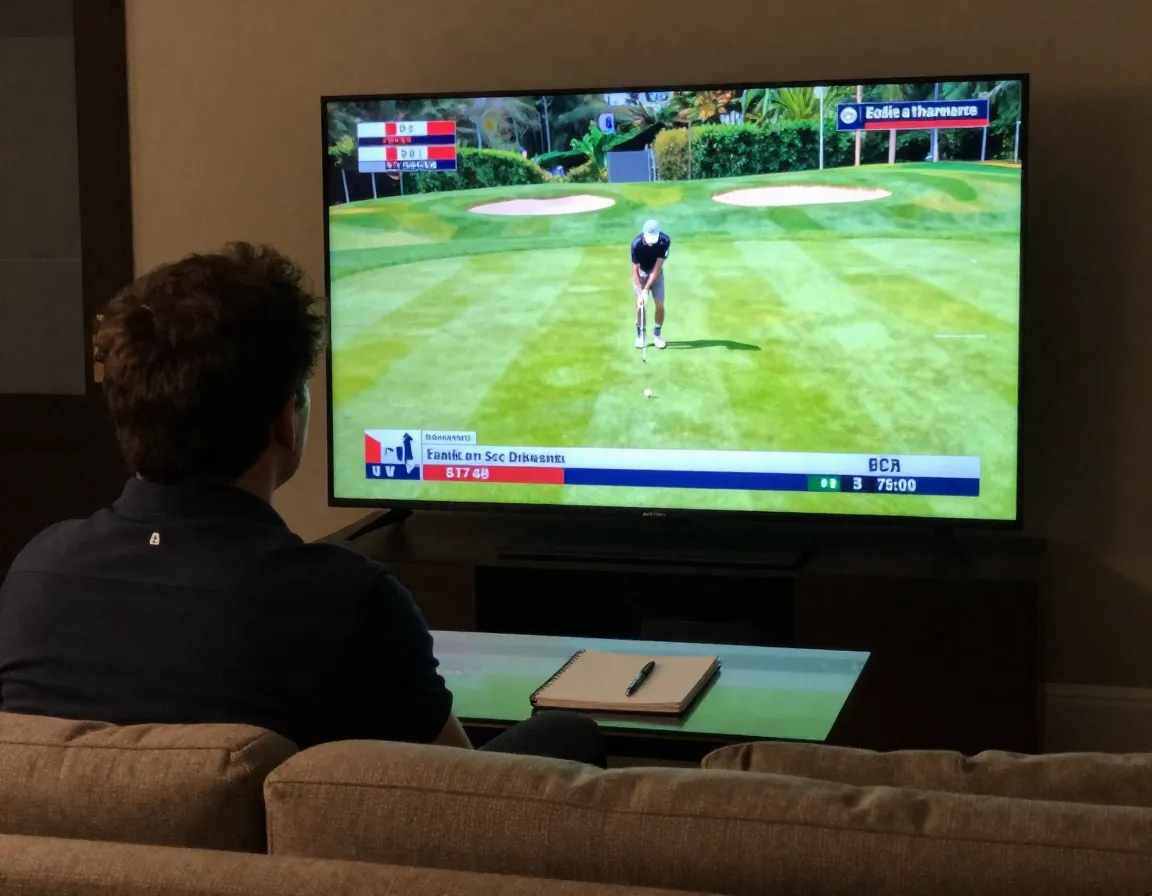
Watching professional golf is like attending a masterclass in course management and shot selection. Tournament coverage provides insights into:
- Strategic thinking – how pros approach different holes
- Shot selection – choosing the right club for each situation
- Mental game – handling pressure and adversity
- Course conditions – adapting to weather and pin positions
Pay attention to commentator analysis, which often explains the reasoning behind shot choices. Notice how professionals manage risk versus reward, especially on approach shots from 50 yards and in [8].
5. Read Golf Magazines and Books

Golf literature offers deep dives into technique, strategy, and the game’s rich history. Golf magazines provide:
- Monthly instruction tips from top professionals [4]
- Equipment reviews and recommendations
- Course reviews and travel inspiration
- Player profiles and success stories
Recommended Reading Categories:
- Instruction books (Harvey Penick’s “Little Red Book”)
- Mental game guides (Bob Rotella’s works)
- Golf history and culture
- Course design and architecture
6. Take Virtual Golf Course Tours
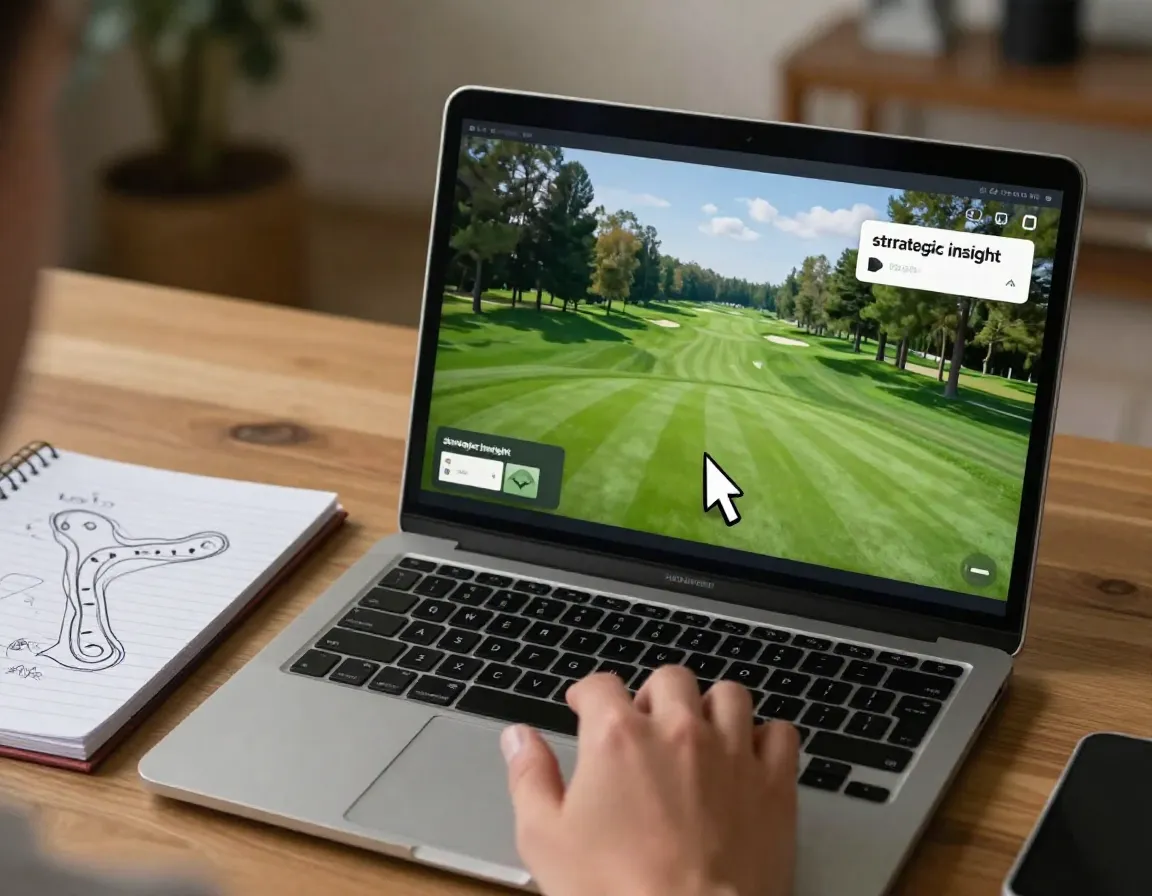
Modern technology allows you to “play” famous golf courses from your living room. Virtual course tours help you:
- Understand course layout and design
- Learn hole strategies and challenges
- Familiarize yourself with different course types
- Appreciate the game’s scenic beauty
Many championship courses offer detailed virtual experiences that include hole-by-hole breakdowns, historical information, and strategic insights from course designers.
Practical Application Methods
7. Join Online Golf Communities and Forums
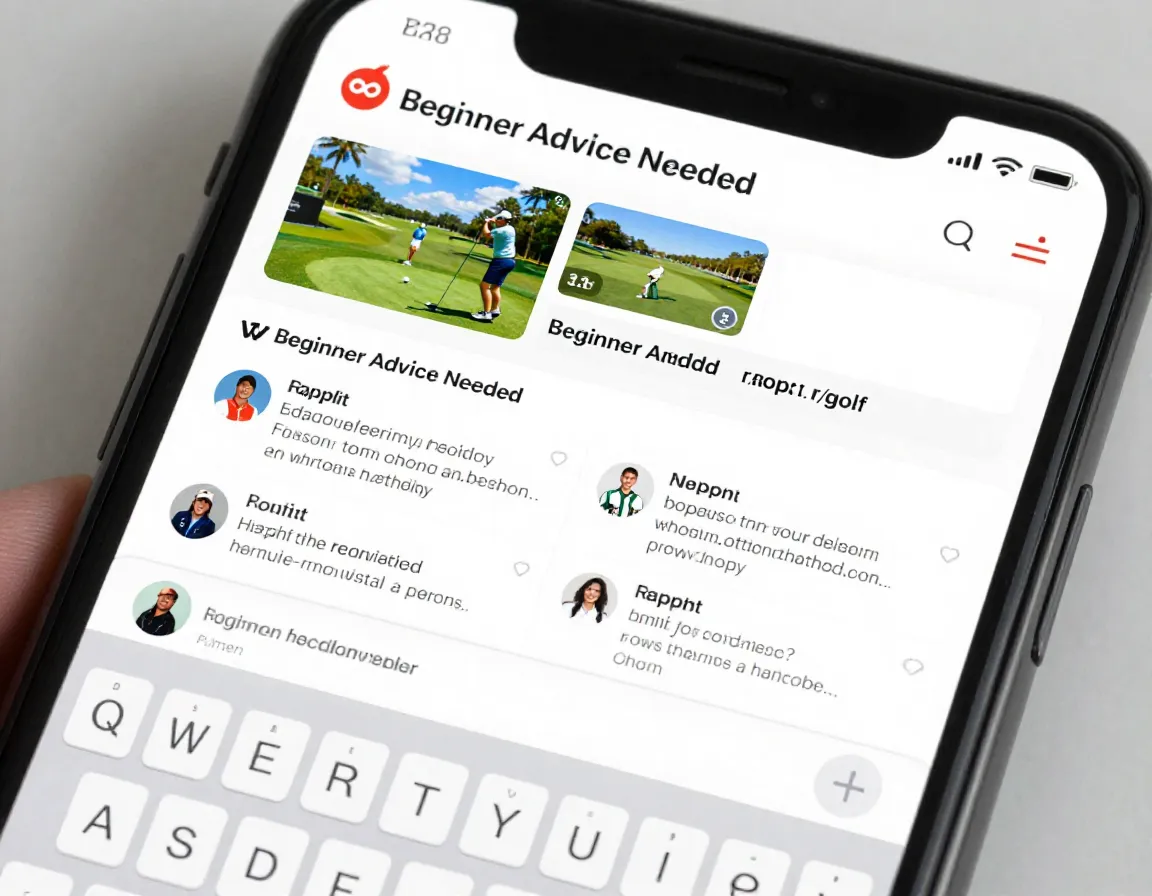
Golf communities provide invaluable support for beginners. Popular platforms include:
- Reddit’s r/golf community
- Golf forums like GolfWRX
- Facebook golf groups
- Local golf club social media pages
These communities offer:
- Beginner-friendly advice from experienced players
- Equipment recommendations within your budget
- Local course suggestions and reviews
- Playing partner opportunities
Don’t hesitate to ask questions – the golf community is generally welcoming to newcomers who show genuine interest in learning.
8. Practice Mental Visualization and Goal Setting
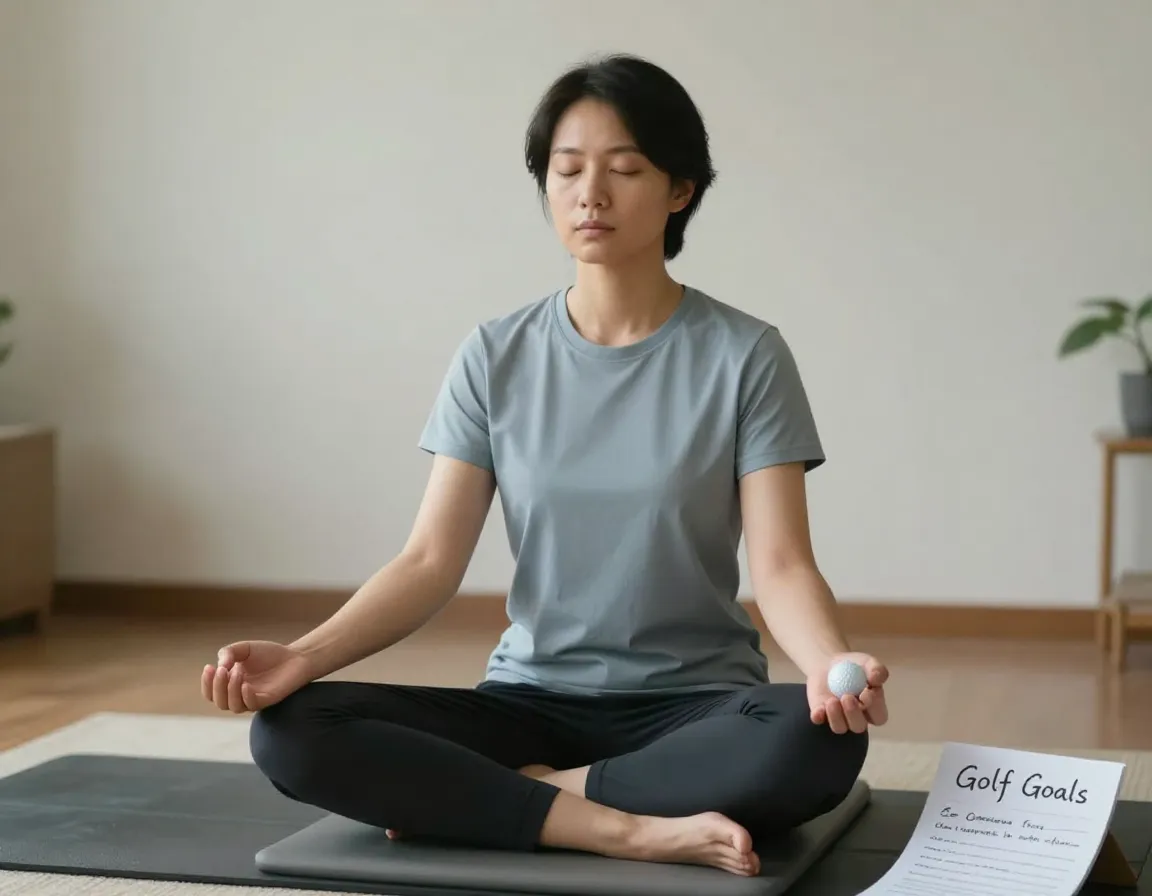
Golf is as much a mental game as it is physical. Mental preparation techniques include:
Visualization Exercises:
- Imagine successful shots and positive outcomes
- Mentally rehearse your pre-shot routine
- Visualize different course scenarios
Goal Setting Framework:
The PGA recommends a structured approach to golf goals [3]:
- Immediate goals (1-3 months): Learn basic grip and stance
- Short-term goals (3-6 months): Develop consistent putting stroke
- Medium-term goals (6-12 months): Play your first round confidently
- Long-term goals (1+ years): Achieve target handicap
Setting realistic timelines helps maintain motivation. Most beginners can expect confident course play within a few months of consistent practice [1].
9. Explore Golf Simulators and Indoor Facilities

Golf simulators provide the most realistic practice experience without stepping on a course. Many facilities offer:
- Swing analysis technology with instant feedback
- Virtual rounds on famous courses
- Structured lesson programs
- Climate-controlled practice environment
Indoor facilities often provide:
- Professional instruction in controlled settings
- Equipment fitting services
- Social playing opportunities
- Year-round practice availability
Even a few sessions on a simulator can dramatically accelerate your learning curve by providing immediate feedback on swing mechanics and ball flight patterns.
Putting These Fun Ways to Learn About Golf Into Action
The 9 fun ways to learn about golf before you ever step on a course work best when combined strategically. Here’s a suggested weekly schedule:
Weekly Learning Schedule:
- Monday: Watch instructional videos (30 minutes)
- Tuesday: Home putting practice (20 minutes)
- Wednesday: Read golf content or rules study (30 minutes)
- Thursday: Mirror swing practice (15 minutes)
- Friday: Watch tournament highlights (45 minutes)
- Weekend: Longer practice session or simulator visit
Remember that consistent practice is more valuable than sporadic intensive sessions. The goal is building muscle memory and golf knowledge gradually [6].
Conclusion
These 9 fun ways to learn about golf before you ever step on a course provide a comprehensive foundation for your golf journey. By combining digital instruction, home practice, theoretical study, and mental preparation, you’ll develop confidence and competence that will serve you well when you do take your first swing on an actual course.
Your next steps should be:
- Choose 2-3 methods that appeal to you most and start immediately
- Set up a basic home practice area with essential equipment
- Establish a consistent daily practice routine, even if it’s just 15 minutes
- Join an online golf community for ongoing support and motivation
- Schedule your first professional lesson once you’ve mastered the basics
Remember, every golf professional started as a beginner. The time you invest in learning these fundamentals now will pay dividends in enjoyment and performance throughout your golf journey. The game of golf rewards patience, practice, and persistence – qualities you’re already developing by taking this thoughtful approach to learning.
Start with one method today, and before you know it, you’ll be ready to confidently step onto your first tee box with knowledge, preparation, and genuine excitement for the game ahead.
References
[1] Golf Lessons For Beginners – https://gripgolf.co.uk/golf-lessons-for-beginners/
[2] Watch – https://www.youtube.com/watch?v=KtA5zwODnsw
[3] How To Set Golf Goals For 2026 A Simple 5 Step Plan – https://www.pga.com/story/how-to-set-golf-goals-for-2026-a-simple-5-step-plan
[4] Golf Tips For Beginners – https://www.golfmonthly.com/tips/golf-tips-for-beginners
[5] Watch – https://www.youtube.com/watch?v=Fjspra_nUek
[6] 5 Smart Simple Tips Better 2026 – https://golf.com/instruction/5-smart-simple-tips-better-2026/
[7] 10 Best Instruction Tips Golfers Choice 2026 – https://www.golfpass.com/travel-advisor/best-of/10-best-instruction-tips-golfers-choice-2026
[8] Golf For Beginners Advice For Approach Shots From 50 Yards In – https://golftec.com/video/golf-for-beginners-advice-for-approach-shots-from-50-yards-in