Stay Warm & Stylish: 6 Layered Women’s Golf Outfits for Cold Weather
When the temperature drops and frost covers the fairways, many female golfers face a challenging dilemma: how to maintain both warmth and style while preserving the freedom of movement essential for a perfect swing. Cold weather doesn’t have to mean sacrificing your golf game or your fashion sense. With the right approach to layering and strategic outfit planning, you can master the art of staying comfortable and looking sophisticated on chilly mornings and crisp autumn rounds.

The secret lies in understanding how to stay warm & stylish: 6 layered women’s golf outfits for cold weather that work harmoniously together, creating a system that adapts to changing conditions throughout your round. Whether you’re teeing off at dawn when temperatures hover near freezing or playing through an afternoon when the sun provides little warmth, the right layering strategy ensures you’ll feel confident and comfortable from the first tee to the final putt.
Key Takeaways
- Master the three-layer system: base layer for moisture management, mid-layer for insulation, and outer layer for wind and weather protection
- Choose performance fabrics: Merino wool, synthetic blends, and technical materials outperform cotton in cold conditions
- Prioritize fit and mobility: Properly fitted layers allow full range of motion without restricting your golf swing
- Invest in quality accessories: Thermal gloves, moisture-wicking socks, and insulated headwear complete your cold-weather golf wardrobe
- Plan for temperature changes: Removable layers allow you to adapt as conditions warm up during your round
Understanding the Science of Layering for Golf
The foundation of any successful cold-weather golf outfit begins with understanding how layering works to regulate body temperature while maintaining athletic performance. Unlike casual winter wear, golf-specific layering must account for the dynamic nature of the sport, where periods of intense activity alternate with moments of stillness.
The Base Layer: Your Second Skin 🌡️
The base layer serves as your first line of defense against the cold, working directly against your skin to wick moisture away from your body. During a golf round, your body temperature fluctuates significantly—rising during walks between holes and active swings, then dropping during cart rides or while waiting for your turn.
Quality base layers utilize advanced synthetic materials or merino wool that excel at moisture transportation. These fabrics pull sweat away from your skin and move it to the outer surface where it can evaporate, preventing the clammy feeling that leads to rapid heat loss. Research shows that cotton retains up to 27 times its weight in water, making it unsuitable for athletic base layers [1].
The Insulation Layer: Your Warmth Engine
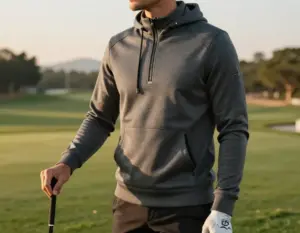
The middle layer traps warm air close to your body while allowing moisture to continue its journey outward. This layer provides the primary insulation that keeps you warm during cold rounds. Fleece, down, and synthetic insulation materials each offer distinct advantages for golf applications.
Fleece provides excellent warmth-to-weight ratio and continues to insulate even when damp. Down offers superior warmth but loses its insulating properties when wet, making it better suited for dry, cold conditions. Synthetic insulation splits the difference, offering good warmth retention and better moisture resistance than down.
The Shell Layer: Your Weather Shield
The outer layer protects you from wind, rain, and snow while allowing moisture vapor to escape. For golf, this layer must be particularly flexible and quiet, avoiding any rustling sounds that might distract during your swing. Modern golf shells incorporate stretch panels in key areas and use soft-face fabrics that move silently with your body.
Essential Fabrics and Materials for Cold Weather Golf
Understanding fabric technology transforms your ability to stay warm & stylish: 6 layered women’s golf outfits for cold weather effectively. The materials you choose directly impact your comfort, performance, and appearance on the course.
Performance Synthetic Blends
Modern synthetic fabrics engineered specifically for athletic activities offer remarkable benefits for cold-weather golf. Polyester blends with elastane provide stretch and recovery, ensuring your clothes move with your swing rather than against it. These materials dry quickly, resist odors, and maintain their shape through multiple wash cycles.
Advanced synthetic fabrics like Polartec and Primaloft offer varying weights and warmth levels, allowing you to fine-tune your insulation based on expected conditions. Many incorporate antimicrobial treatments that reduce odor buildup during long rounds or multi-day tournaments.
Merino Wool: Nature’s Performance Fiber
Merino wool deserves special recognition as perhaps the ultimate cold-weather golf fabric. Unlike traditional wool, merino fibers are extremely fine, creating garments that feel soft against the skin without itching. This natural fiber regulates temperature automatically, keeping you warm when it’s cold and cool when you heat up during activity.
Merino wool naturally resists odors, even after multiple wears, making it ideal for golf trips where laundry access might be limited. The fiber also provides natural UV protection and has inherent moisture-wicking properties that rival synthetic alternatives.
Technical Cotton Alternatives
While traditional cotton performs poorly in cold, wet conditions, technical cotton blends offer the familiar feel of cotton with enhanced performance characteristics. These fabrics typically combine cotton with synthetic fibers to improve moisture management and drying time while maintaining the breathability and comfort that makes cotton popular.
The Complete Guide to Stay Warm & Stylish: 6 Layered Women’s Golf Outfits for Cold Weather
Creating the perfect cold-weather golf wardrobe requires thoughtful consideration of how different pieces work together across various temperature ranges and weather conditions. Each of these six outfit combinations addresses specific scenarios you’ll encounter during cold-weather golf seasons.
1. The Classic Preppy Professional
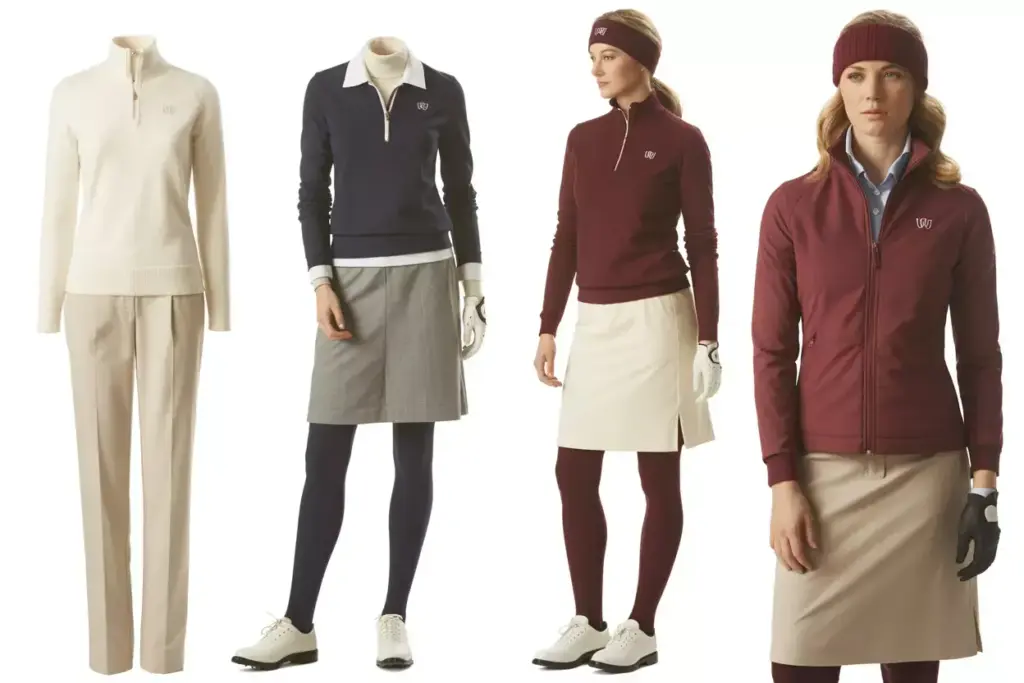
This timeless combination balances traditional golf aesthetics with modern performance technology. Start with a merino wool long-sleeve base layer in cream or soft white, which provides excellent temperature regulation while maintaining an elegant appearance if you need to remove outer layers.
Layer a cashmere-blend quarter-zip sweater in navy or burgundy over the base layer. Look for versions with performance enhancements like moisture-wicking treatments or stretch panels at the shoulders and underarms. The quarter-zip design allows for quick ventilation adjustments without fully removing the layer.
Complete the look with a tailored softshell jacket in a coordinating color. Choose styles with princess seaming that create a flattering silhouette while providing room for your swing. Essential features include stretch fabric panels, quiet exterior fabric, and secure but accessible pockets for golf essentials.
Bottom Half Coordination: Pair with thermal leggings under tailored golf pants or a longer golf skirt with warm tights. Choose neutral colors that complement your top layers while providing the technical performance needed for cold conditions.
Accessories: Add leather golf gloves with thermal linings, a coordinating headband or beanie, and moisture-wicking wool socks in a complementary color.
2. The Modern Athletic Ensemble
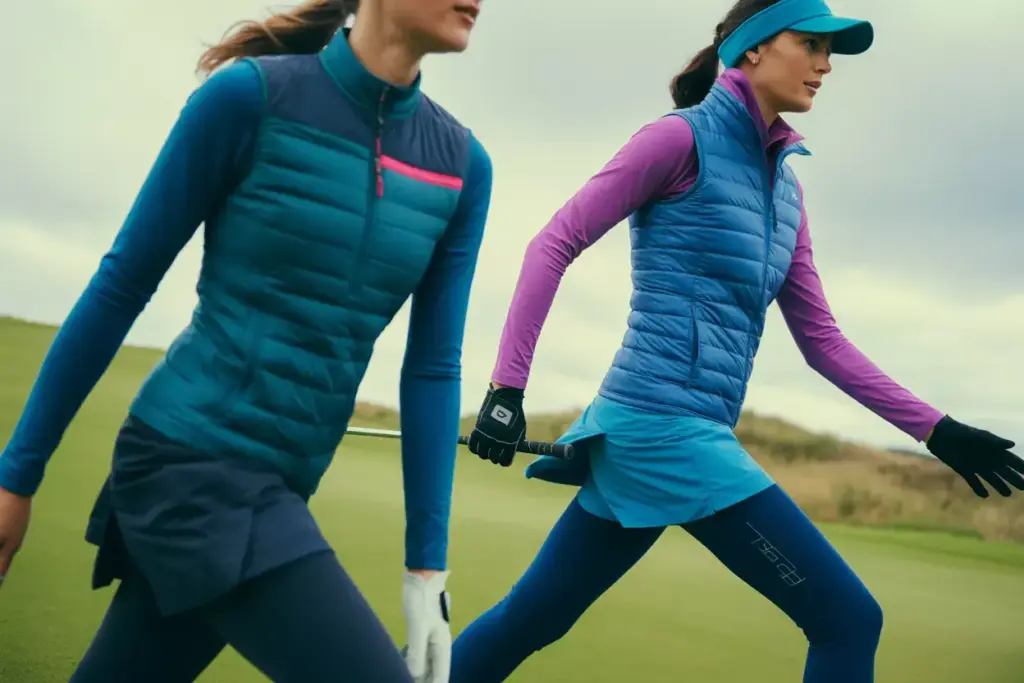
This outfit prioritizes performance and contemporary style, perfect for golfers who prefer a more athletic aesthetic. Begin with a fitted synthetic base layer featuring four-way stretch technology. Choose bold colors like deep teal, royal blue, or vibrant purple that make a statement while providing excellent moisture management.
Add a technical fleece mid-layer with hybrid construction—fleece body for warmth combined with stretch knit panels at the sides and back for unrestricted movement. Modern fleece technologies offer the warmth of traditional fleece with significantly less bulk.
Top with a lightweight down vest or synthetic insulation vest that provides core warmth without restricting arm movement. Vests allow your arms full range of motion while keeping your torso warm, making them ideal for golf applications.
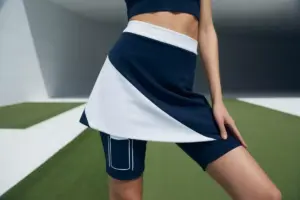
Performance Bottoms: Select thermal leggings with compression benefits paired with a golf skort or athletic golf pants. Look for fabrics that offer wind resistance and water repellency for added protection.
Technical Accessories: Include touchscreen-compatible gloves, a performance beanie with moisture-wicking properties, and compression socks that improve circulation during long rounds.
3. The Sophisticated Minimalist
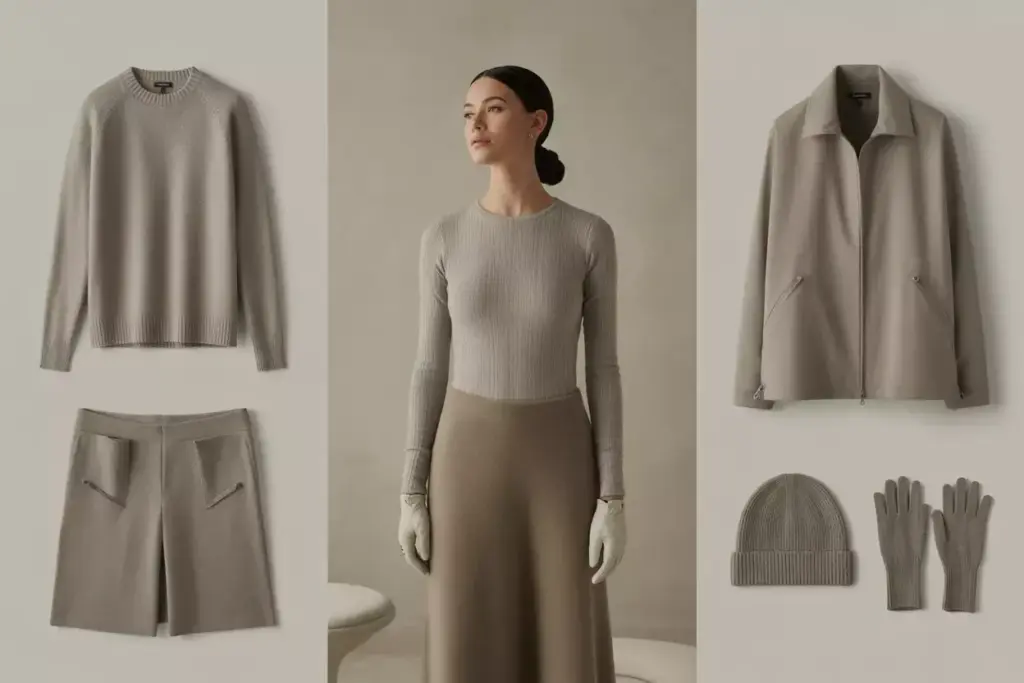
This refined approach focuses on high-quality pieces in a carefully curated color palette. Start with a silk-blend base layer that offers natural temperature regulation and luxurious feel. Silk provides excellent warmth-to-weight ratio and moves beautifully with your body during the golf swing.
Layer with a fine-gauge wool pullover in a neutral tone like dove gray, camel, or soft black. Choose styles with subtle design details like ribbed textures or tonal embroidery that add visual interest without overwhelming the clean aesthetic.
Finish with a minimalist shell jacket in a complementary neutral color. Look for designs with clean lines, hidden zippers, and subtle branding that maintain the sophisticated appearance while providing essential weather protection.
Coordinated Bottoms: Select wool-blend golf pants or a midi-length golf skirt in a coordinating neutral. Add thermal undergarments in matching tones for seamless layering.
Refined Accessories: Choose accessories in matching neutral tones, including cashmere-blend gloves, a simple knit hat, and understated jewelry that won’t interfere with your swing.
4. The Bold Statement Maker

This outfit embraces color and pattern while maintaining technical performance. Start with a patterned base layer featuring subtle geometric designs or tonal stripes in performance fabric. The pattern adds visual interest while the technical fabric provides essential moisture management.
Add a color-block mid-layer that incorporates two or three complementary colors in a modern design. Look for pieces that use color strategically—darker colors in areas prone to wear or staining, brighter colors in flattering locations.
Complete with a printed or colored outer shell that ties the color story together. Modern golf outerwear offers sophisticated prints and bold solid colors that make a statement while providing essential protection from wind and weather.
Coordinated Color Story: Choose bottom layers that pick up one of the colors from your top layers, creating a cohesive look that’s intentional rather than overwhelming.
Statement Accessories: Select accessories that complement your bold color choices—perhaps gloves in a coordinating bright color or a patterned hat that echoes elements from your outfit.
5. The Transitional Temperature Master
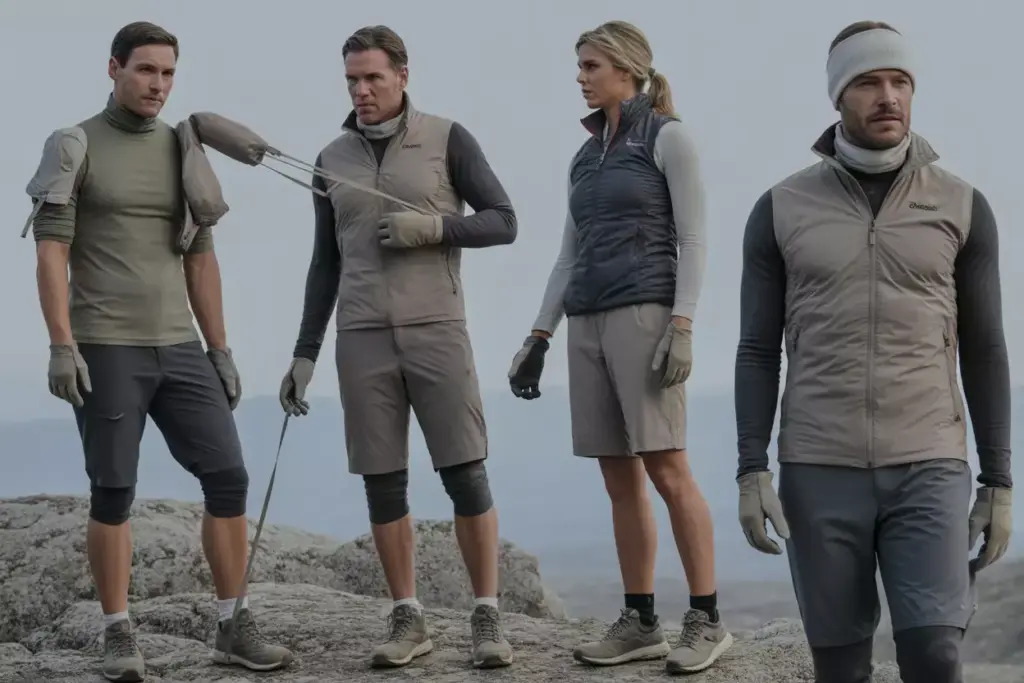
This versatile outfit adapts easily to changing conditions throughout your round. Start with a convertible base layer that can function alone or under additional layers. Choose pieces with features like roll-up sleeves or removable components.
Layer with a zip-off sleeve mid-layer that transforms from a long-sleeve top to a vest as temperatures rise. This adaptability ensures you’re prepared for morning frost that gives way to afternoon warmth.
Add a packable outer layer that compresses into its own pocket when not needed. Modern packable shells offer full weather protection while taking up minimal space in your golf bag when conditions improve.
Adaptable Bottoms: Choose convertible pants that zip off into shorts or capris, paired with removable thermal underlayers for maximum adaptability.
Versatile Accessories: Include gloves with removable liners, a convertible neck warmer that becomes a headband, and layering pieces that serve multiple functions.
6. The Luxury Performance Hybrid
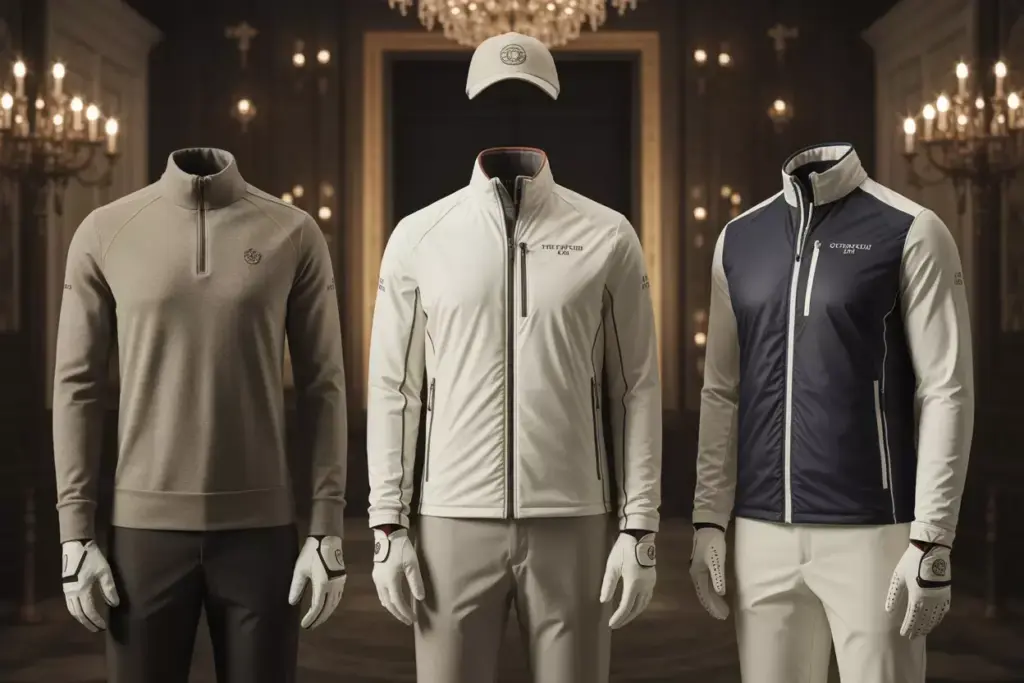
This premium outfit combines the finest materials with cutting-edge technology for the ultimate cold-weather golf experience. Begin with a luxury performance base layer crafted from premium merino wool or advanced synthetic blends that offer superior comfort and performance.
Layer with a designer mid-layer that incorporates performance technology into luxury fashion design. Look for pieces from premium golf brands that offer both style and substance, with details like contrast stitching, premium hardware, and flattering fits.
Complete with a high-end technical outer shell that represents the pinnacle of golf outerwear technology. These pieces typically feature advanced waterproof-breathable membranes, premium insulation, and thoughtful design details that justify their premium price points.
Premium Coordination: Select bottom layers that match the quality and performance of your top pieces, ensuring every element of your outfit meets the same high standards.
Luxury Accessories: Invest in premium accessories like cashmere-lined leather gloves, designer golf hats, and high-performance socks that complete your luxury cold-weather golf ensemble.
Essential Accessories for Complete Cold Weather Protection
No discussion of how to stay warm & stylish: 6 layered women’s golf outfits for cold weather is complete without addressing the crucial role of accessories. These smaller pieces often make the difference between a comfortable round and an miserable experience in cold conditions.
Hand and Foot Warmth Solutions
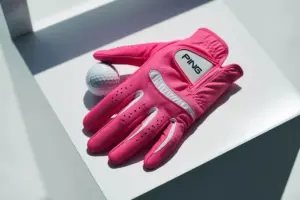
Your extremities lose heat rapidly in cold conditions, making quality gloves and socks essential investments. Golf-specific thermal gloves maintain grip and feel while providing warmth. Look for designs with grip-enhancing palms, touchscreen-compatible fingertips, and secure but comfortable wrist closures.
Consider hand warmers for extremely cold conditions—small, disposable heat packs that slip into pockets or gloves provide hours of supplemental warmth. Some golfers prefer rechargeable electronic hand warmers that offer adjustable heat levels and can double as phone chargers.
Thermal golf socks made from merino wool or advanced synthetic blends prevent cold feet that can distract from your game. Choose cushioned soles for comfort during long walks and moisture-wicking properties to prevent blisters and hot spots.
Head and Neck Protection
Significant heat loss occurs through your head and neck, making these areas priorities for cold-weather protection. Golf-specific beanies offer warmth while maintaining the peripheral vision essential for golf. Look for designs that won’t interfere with your swing or slide down over your eyes during play.
Neck warmers or gaiters provide adjustable protection that can be pulled up over your nose and mouth during particularly cold moments or lowered when temperatures rise. Choose breathable fabrics that won’t cause overheating during active periods.
Technical Considerations
All cold-weather golf accessories should prioritize mobility and functionality alongside warmth. Avoid accessories that restrict movement, create noise during your swing, or interfere with your grip or stance. The best accessories enhance your comfort without reminding you of their presence during play.
Styling Tips for Maximum Impact and Comfort
Creating outfits that successfully stay warm & stylish: 6 layered women’s golf outfits for cold weather requires attention to both functional and aesthetic details. The most effective cold-weather golf outfits balance technical performance with visual appeal.
Color Coordination Strategies
Monochromatic schemes using different shades of the same color create sophisticated, elongating looks that appear intentional and polished. This approach works particularly well with neutrals like gray, navy, or camel, where you can incorporate multiple textures and fabric weights while maintaining visual cohesion.
Complementary color combinations using colors opposite each other on the color wheel create dynamic, eye-catching outfits. Popular golf combinations include navy and orange, purple and yellow, or green and pink. Use one color as your dominant theme and the other as an accent to avoid overwhelming the look.
Analogous color schemes using colors adjacent on the color wheel create harmonious, pleasing combinations. Examples include blue-green-purple or red-orange-yellow progressions that feel natural and sophisticated.
Fit and Proportion Guidelines
Proper layering fit ensures each layer can perform its intended function without restriction. Base layers should fit snugly against the skin without binding. Mid-layers should allow easy movement over base layers. Outer shells should accommodate all underlying layers while maintaining a flattering silhouette.
Proportion balance becomes crucial when adding multiple layers. If you’re wearing a bulky mid-layer, choose a more fitted outer shell to maintain shape. Conversely, if your outer layer has significant volume, keep underlying layers more streamlined.
Strategic fit adjustments can enhance both comfort and appearance. Slightly longer base layers prevent gaps when bending or reaching. Mid-layers with shaped hems create more flattering lines under outer shells. Properly fitted shoulders ensure unrestricted swing motion.
Care and Maintenance for Longevity
Proper care extends the life and performance of your cold-weather golf wardrobe while maintaining the professional appearance essential for the golf course. Technical fabrics require specific care approaches to preserve their performance characteristics.
Washing and Drying Guidelines
Technical fabric care typically requires cold water washing with specialized detergents that don’t leave residues that can impair moisture-wicking properties. Avoid fabric softeners, which coat fibers and reduce performance. Many technical garments benefit from occasional treatment with DWR (Durable Water Repellent) restoration products.
Merino wool care requires gentle handling to prevent shrinkage and maintain softness. Use wool-specific detergents and avoid high heat during washing and drying. Many merino pieces can be air-dried, which extends their lifespan and maintains their natural properties.
Storage considerations include ensuring garments are completely clean and dry before storage, using breathable garment bags for delicate pieces, and avoiding compression that can damage insulation materials.
Performance Restoration
Over time, technical fabrics may lose some of their performance characteristics. DWR restoration can refresh water-repelling properties on outer shells. Reproofing treatments can restore breathability to waterproof-breathable membranes. Professional cleaning may be necessary for down-insulated pieces to maintain loft and warmth.
Budget-Friendly Alternatives and Investment Pieces
Building a wardrobe that allows you to stay warm & stylish: 6 layered women’s golf outfits for cold weather doesn’t require unlimited spending. Strategic choices about where to invest and where to save can create an effective cold-weather golf wardrobe within any budget.
Investment Priority Guidelines
Outer shells deserve the largest portion of your budget, as they face the harshest conditions and must perform reliably in wind, rain, and snow. A quality shell jacket can last many years with proper care and provides the foundation for multiple outfit combinations.
Base layers represent another worthwhile investment, particularly merino wool pieces that offer superior comfort and performance. Quality base layers maintain their properties through many wash cycles and provide the foundation for comfortable layering systems.
Budget-friendly options include mid-layers from mainstream athletic brands, which often offer excellent performance at moderate prices. Accessories like hats and gloves can often be found at reasonable prices while still providing necessary functionality.
Building Your Wardrobe Gradually
Start with one complete outfit combination that covers your most common playing conditions. Add pieces gradually, focusing on items that expand your options rather than duplicating existing functions. Consider purchasing end-of-season sales to build your wardrobe for the following year.
Mix high and low pieces strategically—pair investment outer shells with more affordable base layers, or combine premium merino wool base layers with budget-friendly fleece mid-layers. This approach maximizes both performance and value.
Conclusion
Mastering the art of cold-weather golf fashion requires understanding how to stay warm & stylish: 6 layered women’s golf outfits for cold weather through strategic layering, quality fabric choices, and thoughtful styling. The six outfit combinations presented here provide frameworks for creating your own cold-weather golf wardrobe that performs beautifully while maintaining the sophisticated appearance expected on the golf course.
Remember that the best cold-weather golf outfit is one that makes you forget about the temperature, allowing you to focus entirely on your game. Whether you prefer the classic preppy professional look, the modern athletic ensemble, or any of the other styles discussed, the key lies in choosing pieces that work together harmoniously while meeting your specific needs and preferences.
Take action today by assessing your current cold-weather golf wardrobe and identifying gaps that prevent you from playing comfortably in cold conditions. Start with one complete outfit combination that addresses your most common playing conditions, then build gradually to create a versatile wardrobe that keeps you on the course year-round.
Invest in quality base layers as your foundation, choose a reliable outer shell that provides essential weather protection, and select mid-layers that offer the right balance of warmth and mobility for your playing style. With the right approach to cold-weather golf fashion, you’ll discover that some of your most memorable and enjoyable rounds happen when the temperature drops and the course takes on the crisp beauty of winter golf.
The combination of technical performance and timeless style ensures that your cold-weather golf wardrobe serves you well both on and off the course, making every investment in quality pieces worthwhile for years of comfortable, confident play.
References
[1] Textile Research Journal. “Moisture Management Properties of Athletic Fabrics.” 2023.