8 Essential Steps to Building a Fun Outdoor Miniature Golf Course
Picture this: families laughing as they navigate around a towering windmill, couples competing over who can sink the perfect shot through a castle gate, and children squealing with delight as their ball bounces off colorful obstacles. Creating your own outdoor miniature golf course isn’t just about building a recreational facility—it’s about crafting an experience that brings joy to your community while potentially generating substantial revenue for your business.
Whether you’re a business owner looking to add an exciting attraction to your property or an entrepreneur ready to dive into the entertainment industry, understanding the 8 Essential Steps to Building a Fun Outdoor Miniature Golf Course will transform your vision into reality. From initial planning to the final putt, this comprehensive guide will walk you through every crucial phase of development, helping you avoid costly mistakes and create a course that stands out in 2026’s competitive entertainment landscape.
Key Takeaways
- Space Planning: An 18-hole outdoor course typically requires 15,000 to 22,000 square feet, though successful courses can be built on as little as 9,000 square feet [1]
- Budget Expectations: Businesses should plan for $150,000 to $250,000 to develop a complete 18-hole mini-golf course [4]
- Timeline Reality: Full project completion takes six months or longer, including design, permitting, construction, and finishing touches [1]
- Construction Costs: Mini-golf turf installation ranges from $8.00 to $30.00 per square foot, with additional base and infill costs [4]
- Success Factors: Proper planning, themed design, quality materials, and attention to maintenance requirements are crucial for long-term success
1. Master Your Space Requirements and Site Selection
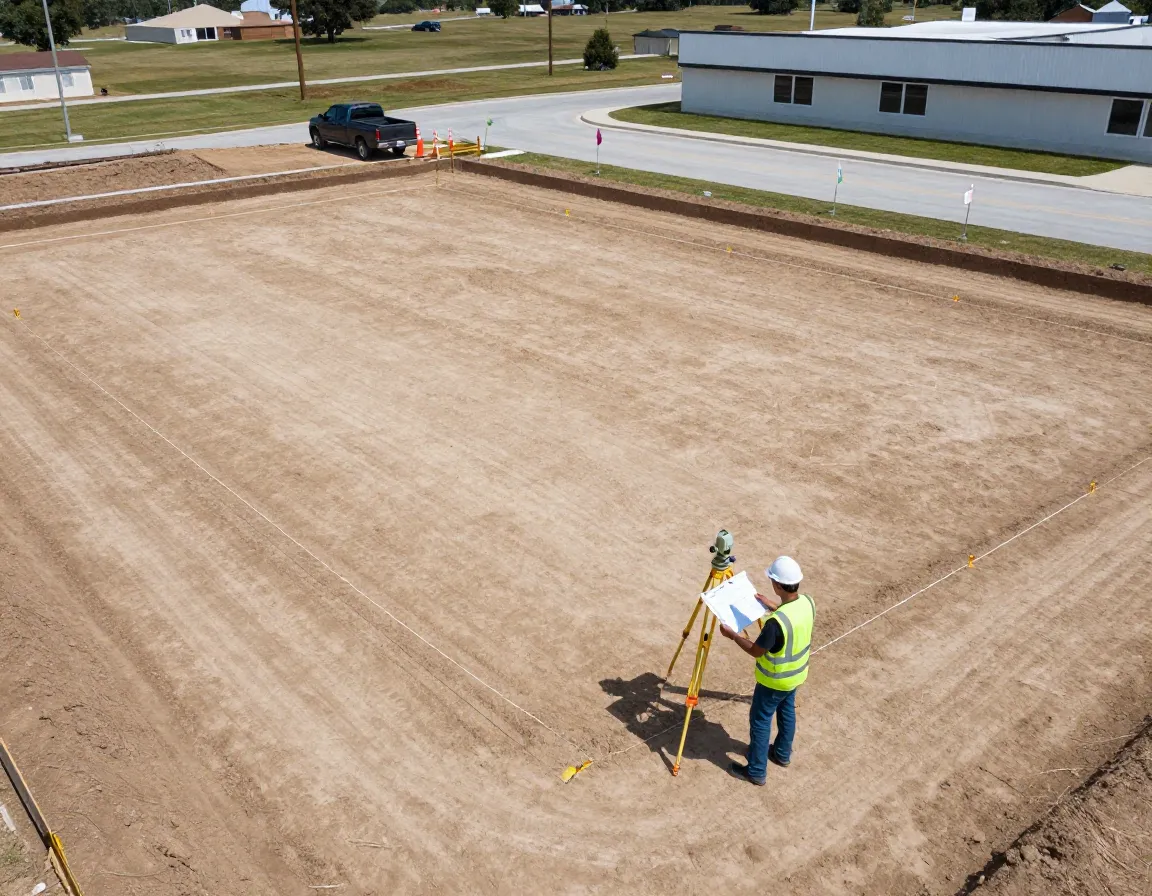
The foundation of any successful miniature golf course begins with understanding your space requirements. According to industry standards, an 18-hole outdoor course typically requires between 15,000 to 22,000 square feet, though I’ve seen impressive courses built on as little as 9,000 square feet [1]. The average outdoor mini-golf course spans approximately 22,000 square feet, with successful installations ranging from 13,000 to 30,000 square feet [4].
When evaluating potential sites, consider these critical factors:
Location Accessibility 🎯
- High-visibility areas with good foot traffic
- Easy parking access for families
- Proximity to complementary businesses (restaurants, arcades, hotels)
- Public transportation accessibility
Site Topography and Drainage
- Natural slopes can enhance course design but may increase construction costs
- Proper drainage prevents water damage and maintains playability
- Level areas are easier to work with but may require creative elevation changes
Zoning and Regulations
- Verify local zoning permits recreational facilities
- Check noise ordinances that might affect operating hours
- Understand setback requirements from property lines
- Research accessibility compliance requirements (ADA)
Remember that space needs depend heavily on your layout design, landscaping features, and additional amenities like clubhouses or parking areas [1]. I recommend visiting existing courses in your area to get a feel for different space utilizations and what works best for your target audience.
2. Develop a Comprehensive Budget and Timeline Strategy

Understanding the financial investment required is crucial before breaking ground. Businesses typically spend between $150,000 to $250,000 to develop an 18-hole mini-golf course [4], but costs can vary significantly based on your design complexity and material choices.
Cost Breakdown Analysis
| Component | Cost Range | Notes |
|---|---|---|
| Mini-golf turf installation | $8.00 – $30.00 per sq ft | Quality varies significantly [4] |
| Base installation | $1.00 – $4.00 per sq ft | 3-4 inch crushed rock layer [4] |
| Infill costs | $1.00 – $10.00 per sq ft | Depends on material choice [4] |
| Obstacles and theming | $5,000 – $50,000 | Custom vs. prefabricated |
| Permits and professional fees | $5,000 – $15,000 | Varies by location |
Timeline Expectations
The construction timeline for implementing the 8 Essential Steps to Building a Fun Outdoor Miniature Golf Course requires careful planning:
Phase 1: Planning and Design (4-12 weeks) [1]
- Site surveys and soil testing
- Architectural drawings and permits
- Theme development and obstacle selection
- Contractor selection and scheduling
Phase 2: Permitting and Site Preparation (4-8 weeks) [1]
- Building permit approval
- Site excavation and grading
- Utility installation (lighting, irrigation)
- Base preparation and compaction
Phase 3: Construction (10-12 weeks) [1]
- Turf installation
- Obstacle construction and placement
- Landscaping and decorative elements
- Safety feature installation
Phase 4: Final Touches and Opening Prep (2-4 weeks) [1]
- Final inspections and testing
- Staff training and operational setup
- Marketing launch preparation
- Grand opening event planning
“Full project completion—including design, permitting, and finishing—extends to six months or longer, so patience and proper planning are essential for success.” [1]
3. Create an Engaging Theme and Course Design
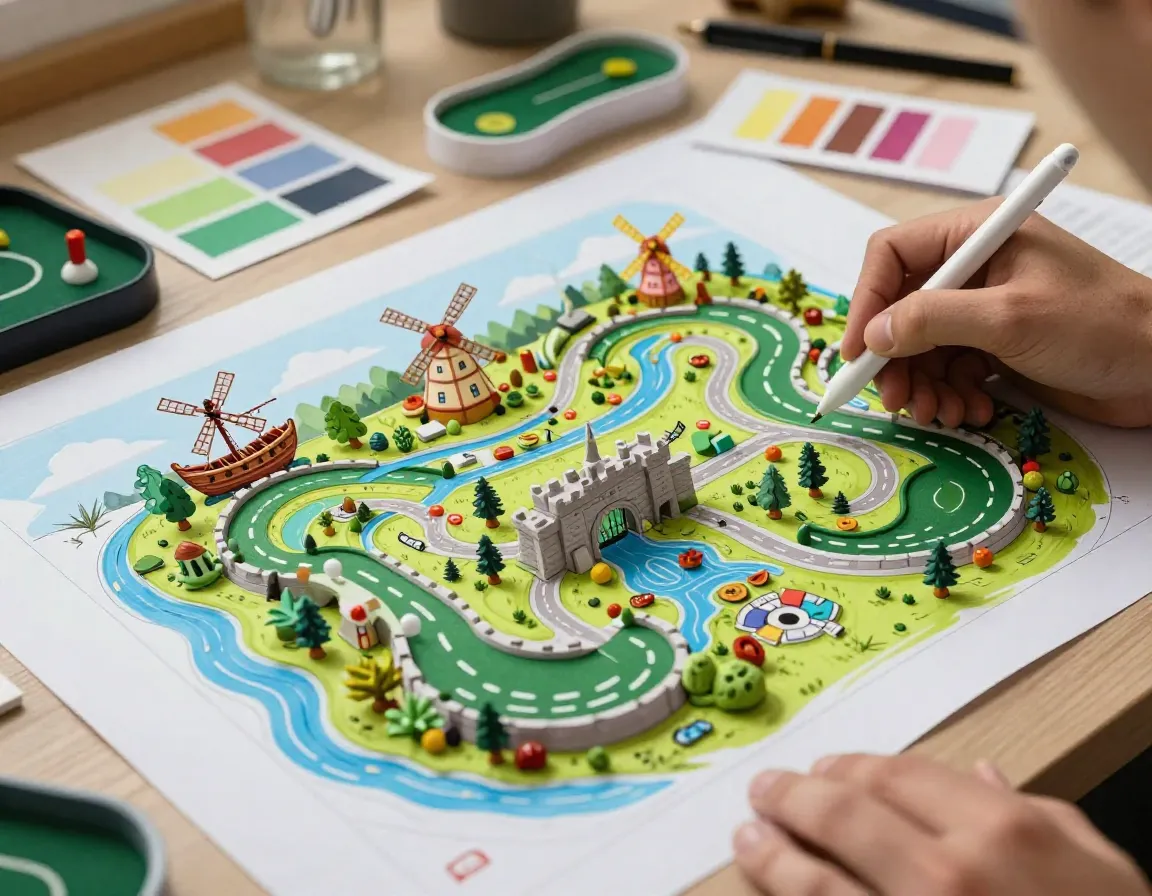
Themed design sets your miniature golf course apart from competitors and creates memorable experiences that encourage repeat visits. When developing your theme, consider your target demographic, local culture, and maintenance requirements [7].
Popular Theme Categories
Adventure Themes 🏴☠️
- Pirate adventures with ships, treasure chests, and water features
- Jungle expeditions featuring exotic animals and tropical landscapes
- Medieval castles with drawbridges, towers, and knight obstacles
Local Culture Themes
- Historical landmarks and local attractions
- Regional wildlife and natural features
- Community pride elements and local sports teams
Fantasy and Fun Themes
- Fairy tale settings with magical creatures
- Space exploration with rockets and planets
- Under-the-sea adventures with marine life
Design Principles for Success
When implementing the 8 Essential Steps to Building a Fun Outdoor Miniature Golf Course, your design should balance challenge with accessibility:
Difficulty Progression
- Start with easier holes to build confidence
- Gradually increase complexity throughout the course
- Include both skill-based and luck-based elements
- Ensure holes are achievable for all ages
Flow and Safety
- Design logical progression from hole to hole
- Minimize crossing paths and congestion points
- Include adequate waiting areas at each hole
- Ensure clear sightlines for supervision
Visual Appeal
- Use vibrant colors that complement your theme
- Incorporate varying heights and textures
- Add interactive elements beyond just putting
- Include photo opportunities for social media sharing
Consider consulting with experienced designers who understand both the aesthetic and functional requirements of successful miniature golf courses [7]. Their expertise can help you avoid common design pitfalls while maximizing your course’s entertainment value.
4. Select Quality Materials and Installation Methods
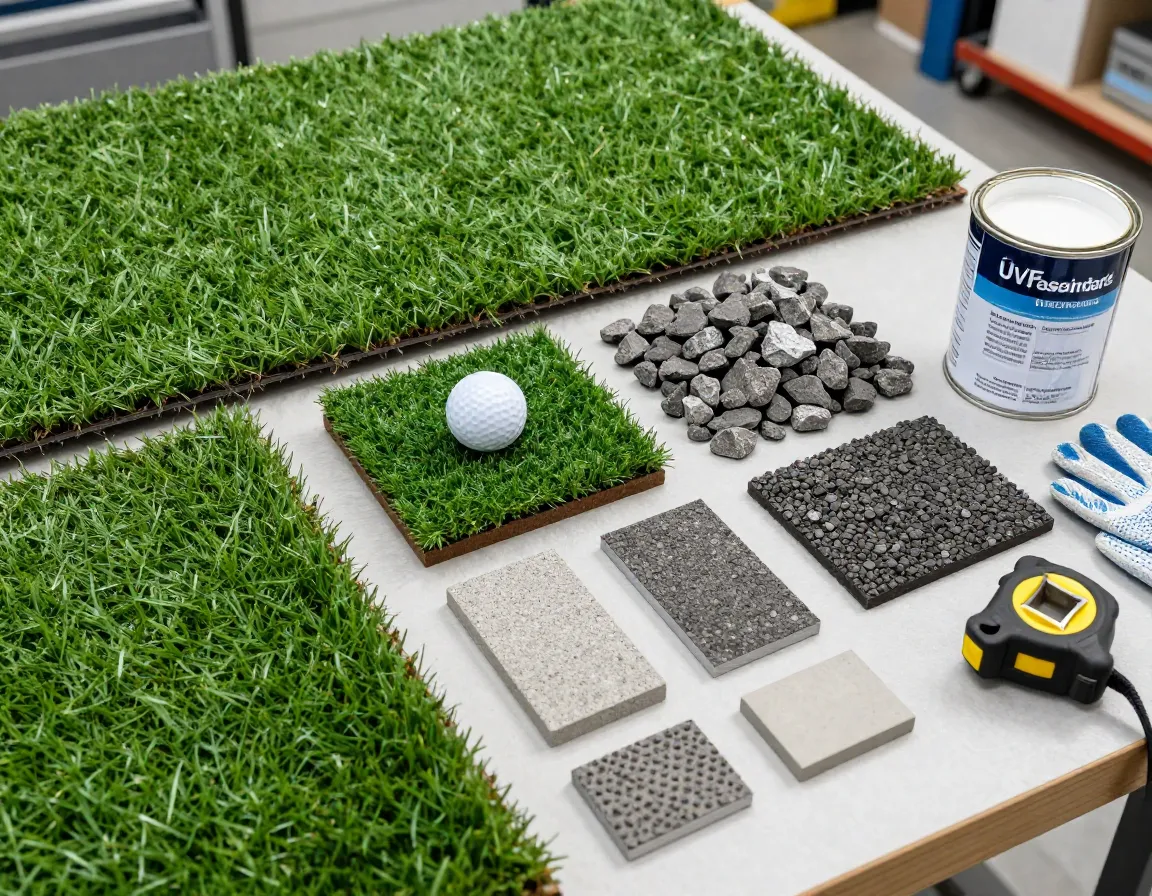
The materials you choose directly impact your course’s durability, maintenance requirements, and player experience. Understanding the different options available helps you make informed decisions that balance initial costs with long-term value.
Turf Selection and Installation
Artificial Turf Options
- Premium synthetic grass: $20-$30 per square foot – longest lasting, most realistic appearance
- Mid-grade putting turf: $12-$20 per square foot – good balance of quality and cost
- Economy options: $8-$12 per square foot – suitable for budget-conscious projects
Base Preparation Requirements
Proper base installation costs $1.00 to $4.00 per square foot and requires a 3-4 inch layer of crushed rock, gravel, or decomposed granite [4]. This foundation is crucial for:
- Preventing settling and surface irregularities
- Ensuring proper drainage during rain
- Providing stable support for heavy obstacles
- Extending the lifespan of your turf investment
Obstacle Construction Materials
Durable Construction Options
- Fiberglass: Weather-resistant, lightweight, allows for complex shapes
- Concrete: Extremely durable, can be sculpted and painted, requires professional installation
- Composite materials: Modern option combining durability with design flexibility
- Natural stone: Premium appearance, excellent durability, higher initial cost
Weather Protection Considerations
- UV-resistant coatings prevent fading and deterioration
- Proper sealing protects against moisture damage
- Flexible materials accommodate ground movement
- Modular designs allow for easier repairs and updates
Installation Best Practices
Following the 8 Essential Steps to Building a Fun Outdoor Miniature Golf Course requires attention to installation details:
- Soil preparation: Test and amend soil conditions before base installation
- Drainage systems: Install French drains or surface drainage where needed
- Compaction: Properly compact base materials to prevent future settling
- Edge restraints: Install secure borders to prevent turf movement
- Quality control: Inspect each phase before proceeding to the next step
Working with experienced installers familiar with miniature golf requirements ensures your course meets both safety standards and performance expectations.
5. Navigate Permits, Regulations, and Safety Requirements
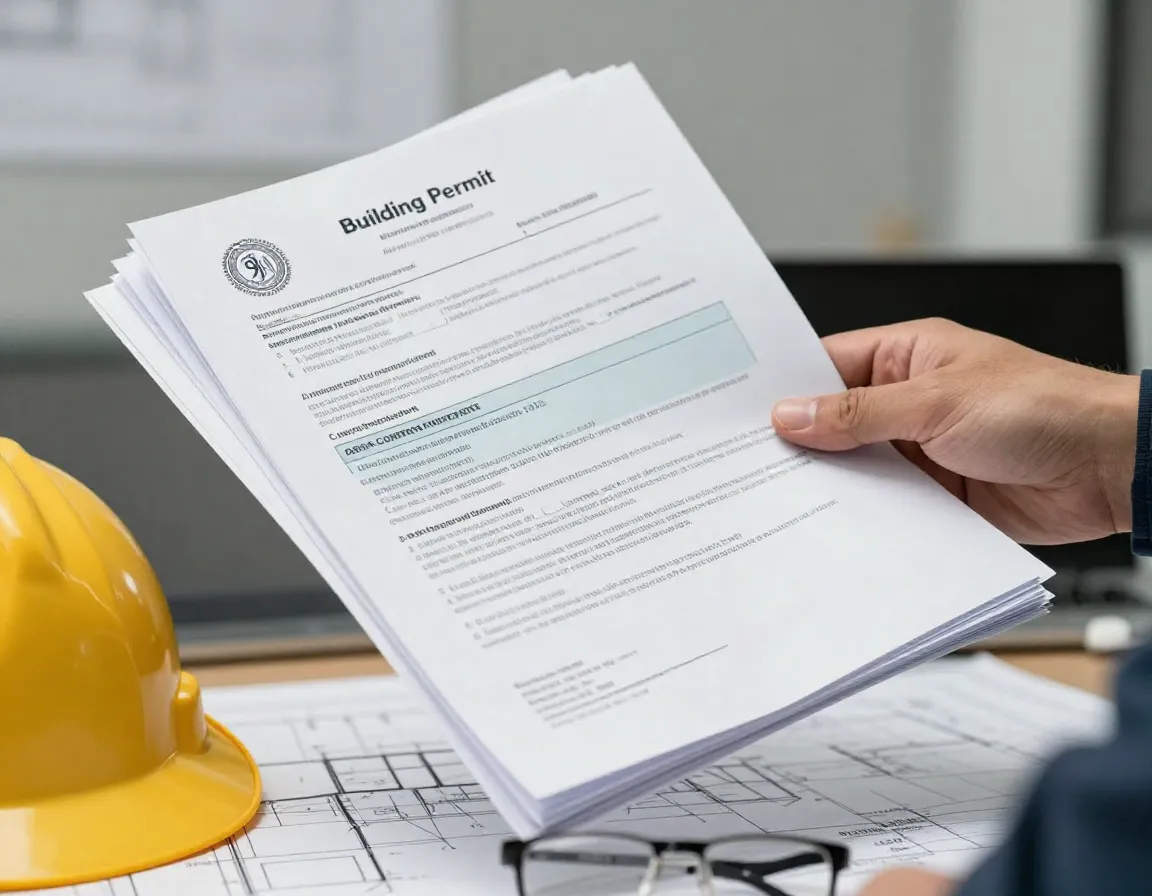
Regulatory compliance is a critical component when following the 8 Essential Steps to Building a Fun Outdoor Miniature Golf Course. Failing to secure proper permits or meet safety requirements can result in costly delays, fines, or even forced closure of your facility.
Essential Permits and Approvals
Building and Construction Permits
- Site development permits for grading and excavation
- Building permits for permanent structures and obstacles
- Electrical permits for lighting and scoreboard installations
- Plumbing permits if adding restrooms or water features
Business and Operational Licenses
- Business license and tax registration
- Entertainment or amusement facility permits
- Liability insurance requirements
- Workers’ compensation coverage for employees
Zoning and Land Use Compliance
- Verify permitted use under current zoning
- Obtain conditional use permits if required
- Meet setback and height restrictions
- Comply with parking and landscaping requirements
Safety Standards and Accessibility
ADA Compliance Requirements
- Accessible pathways between holes (minimum 36-inch width)
- Appropriate slope gradients (maximum 1:20 for accessible routes)
- Accessible parking spaces and restroom facilities
- Clear signage with appropriate contrast and sizing
General Safety Considerations
- Rounded edges on all obstacles and barriers
- Non-slip surfaces in high-traffic areas
- Adequate lighting for evening operations
- Emergency access routes for maintenance and medical situations
Working with Professionals
I strongly recommend engaging qualified professionals early in your planning process:
Architects and Engineers
- Site planning and structural design
- Drainage and utility system design
- Code compliance verification
- Construction document preparation
Legal and Insurance Advisors
- Liability protection strategies
- Contract review for contractors and suppliers
- Risk management planning
- Ongoing compliance monitoring
“Proper planning during the permitting phase prevents costly modifications later in the construction process and ensures your course opens on schedule.”
6. Implement Construction and Quality Control Processes
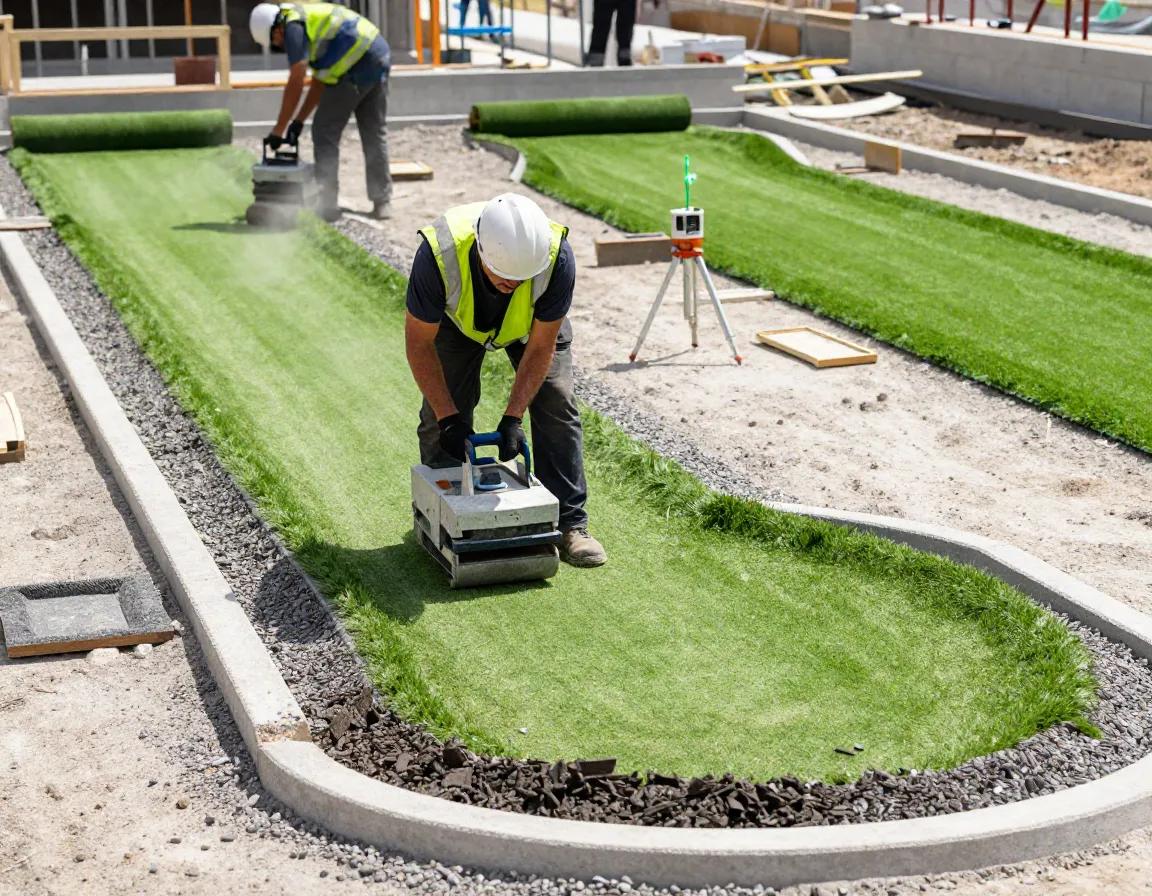
The construction phase represents the most visible progress in your 8 Essential Steps to Building a Fun Outdoor Miniature Golf Course journey. Actual construction typically takes 10 to 12 weeks on average [1], but success depends heavily on proper project management and quality control throughout the process.
Phase-by-Phase Construction Management
Site Preparation and Grading
- Clear vegetation and remove existing structures
- Establish proper drainage patterns and slopes
- Install utility lines (electrical, water, communications)
- Compact and prepare base materials according to specifications
Foundation and Infrastructure Installation
- Pour concrete foundations for major obstacles
- Install permanent fixtures like bridges and elevated features
- Set up irrigation systems for landscaping areas
- Complete electrical rough-in for lighting systems
Turf and Surface Installation
- Install edge restraints and borders
- Roll out and secure artificial turf sections
- Apply infill materials and groom surfaces [4]
- Test putting characteristics and make adjustments
Obstacle Construction and Theming
- Assemble and install prefabricated obstacles
- Complete custom construction elements
- Apply themed decorations and signage
- Install interactive features and moving parts
Quality Control Checkpoints
Daily Inspection Protocols
- Material delivery verification and storage
- Workmanship quality assessment
- Safety compliance monitoring
- Weather protection measures
Milestone Inspections
- Base preparation approval before turf installation
- Structural integrity checks for obstacles
- Electrical system testing and certification
- Final walkthrough with all stakeholders
Managing Contractor Relationships
Clear Communication Strategies
- Weekly progress meetings with all trades
- Written change order procedures
- Photo documentation of each construction phase
- Regular updates to stakeholders and investors
Problem Resolution Processes
- Established escalation procedures for issues
- Quality standards documentation
- Remediation timelines and responsibilities
- Final acceptance criteria and punch list procedures
Successful construction requires balancing speed with quality, ensuring that each element of your course meets both aesthetic and functional requirements while staying within budget and timeline constraints.
7. Plan Your Operations and Maintenance Strategy
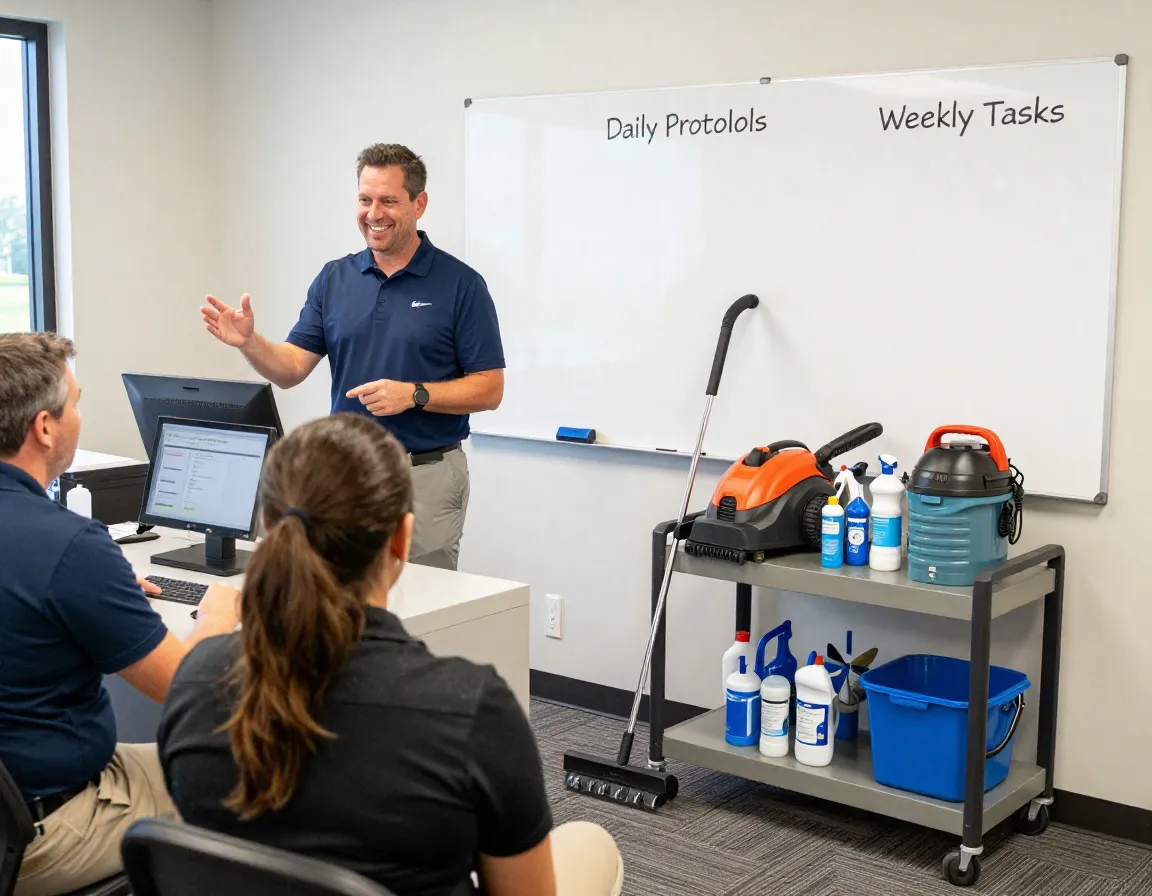
Operational planning is often overlooked in the excitement of construction, but it’s essential for the long-term success of your miniature golf course. Developing comprehensive operations and maintenance strategies during the construction phase ensures smooth opening and ongoing profitability.
Staffing and Training Requirements
Core Staff Positions
- Course attendants: Customer service, basic maintenance, cash handling
- Maintenance technician: Daily upkeep, repairs, landscaping
- Manager/supervisor: Operations oversight, inventory, scheduling
- Seasonal staff: Peak period coverage, special events
Training Program Development
- Customer service standards and procedures
- Safety protocols and emergency procedures
- Equipment operation and basic maintenance
- Cash handling and point-of-sale systems
Daily Maintenance Protocols
Turf and Surface Care
- Daily debris removal and cleaning
- Weekly deep cleaning and grooming
- Monthly infill redistribution and leveling
- Seasonal turf inspection and repairs
Obstacle and Feature Maintenance
- Daily safety inspections
- Weekly cleaning and touch-up painting
- Monthly mechanical component lubrication
- Quarterly comprehensive safety audits
Landscaping and Grounds
- Regular watering and fertilization schedules
- Pruning and seasonal plant care
- Pest control and disease prevention
- Seasonal decorating and theme updates
Revenue Optimization Strategies
Pricing Structure Development
- Peak and off-peak pricing models
- Group rates and party packages
- Season passes and membership options
- Corporate event and tournament pricing
Additional Revenue Streams
- Snack bar and beverage sales
- Birthday party and event hosting
- Mini-golf equipment and souvenir sales
- Corporate team-building packages
Marketing and Promotion Planning
- Grand opening event coordination
- Social media presence and content strategy
- Local partnership development
- Seasonal promotion calendar
Technology Integration
Point-of-Sale Systems
- Customer check-in and payment processing
- Inventory management for retail items
- Reporting and analytics capabilities
- Integration with marketing platforms
Maintenance Management
- Digital maintenance logs and scheduling
- Inventory tracking for supplies and parts
- Vendor contact management
- Preventive maintenance reminders
Planning these operational elements while implementing the 8 Essential Steps to Building a Fun Outdoor Miniature Golf Course ensures you’re ready for success from day one of operations.
8. Execute Your Grand Opening and Marketing Launch
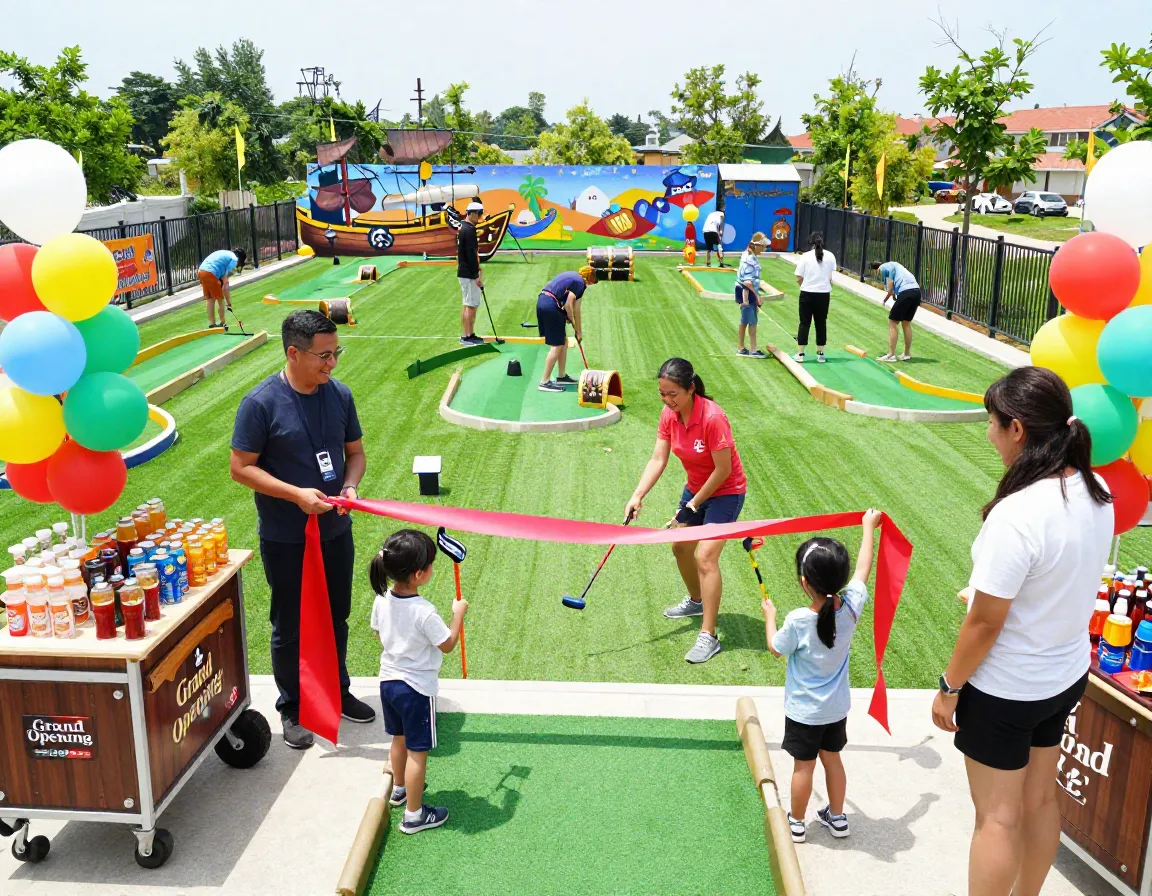
The final step in your 8 Essential Steps to Building a Fun Outdoor Miniature Golf Course journey focuses on creating buzz, attracting customers, and establishing your course as a premier destination in your community. A well-executed launch can determine your long-term success and help recoup your investment more quickly.
Pre-Opening Preparation Checklist
Soft Opening Phase (2-4 weeks before grand opening) [1]
- Staff training with real customers
- Systems testing under actual operating conditions
- Menu and pricing adjustments based on feedback
- Final safety inspections and certifications
Marketing Material Development
- Professional photography of completed course
- Website development with online booking capabilities
- Social media account setup and content calendar
- Print materials (brochures, business cards, signage)
Community Outreach Preparation
- Local media contact list and press release preparation
- Partnership agreements with nearby businesses
- Group booking systems for schools and organizations
- Special event planning capabilities
Grand Opening Event Strategy
Multi-Day Launch Approach
- Day 1: VIP preview for investors, media, and community leaders
- Day 2: Family and friends soft opening
- Day 3: Public grand opening with festivities and promotions
Promotional Activities
- Free play periods or discounted rates
- Contests and prizes for hole-in-one achievements
- Food trucks or catering for extended events
- Live entertainment appropriate for families
Media and Public Relations
- Local newspaper and radio station invitations
- Social media influencer partnerships
- Photo opportunities with local officials
- Community calendar submissions and event listings
Long-Term Marketing Success
Customer Retention Strategies
- Loyalty programs and repeat customer incentives
- Seasonal events and themed celebrations
- Birthday party packages and group discounts
- Regular course updates and new obstacles
Digital Marketing Focus
- Search engine optimization for local searches
- Google My Business optimization and reviews
- Social media engagement and user-generated content
- Email marketing for promotions and events
Community Integration
- School fundraising partnerships
- Local sports team sponsorship opportunities
- Community event hosting and participation
- Charity tournaments and special causes
Measuring Success and Continuous Improvement
Key Performance Indicators
- Daily and weekly visitor counts
- Average revenue per customer
- Customer satisfaction scores and reviews
- Repeat visitor percentages
Feedback Collection Systems
- Digital survey platforms and QR codes
- Comment boxes and suggestion systems
- Social media monitoring and response
- Staff feedback from customer interactions
Ongoing Optimization
- Monthly performance reviews and adjustments
- Seasonal pricing and promotion evaluations
- Course layout modifications based on usage patterns
- Staff training updates and skill development
“A successful grand opening sets the tone for years of operation, but continuous improvement and community engagement ensure long-term profitability and customer satisfaction.”
Conclusion
Building a successful outdoor miniature golf course requires careful planning, substantial investment, and attention to detail throughout every phase of development. The 8 Essential Steps to Building a Fun Outdoor Miniature Golf Course provide a roadmap for creating an entertainment destination that delights customers while generating sustainable revenue for your business.
From the initial space planning requiring 15,000 to 22,000 square feet [1] to the final grand opening celebration, each step builds upon the previous one to create a cohesive, professional operation. With typical investment ranges of $150,000 to $250,000 [4] and construction timelines extending six months or longer [1], this is a significant business venture that rewards thorough preparation and professional execution.
Your Next Steps:
- Conduct a feasibility study for your local market and potential sites
- Develop a detailed business plan including financial projections and timeline
- Assemble your professional team of architects, contractors, and consultants
- Secure financing and begin the permitting process
- Start planning your marketing strategy even before construction begins
The miniature golf industry continues to thrive in 2026 as families seek affordable, engaging entertainment options. By following these essential steps and maintaining focus on quality, safety, and customer experience, your outdoor miniature golf course can become a beloved community destination that provides years of enjoyment and financial success.
Remember that success in this industry comes not just from building a course, but from creating an experience that brings families together, creates lasting memories, and keeps customers coming back season after season. With proper planning and execution, your miniature golf course can achieve exactly that goal.
References
[1] How Much Space Do You Need To Build A Mini Golf Course – https://www.harrisminigolf.com/how-much-space-do-you-need-to-build-a-mini-golf-course/
[2] Traditional Indoor Mini Golf – https://www.artattackfx.com/traditional-indoor-mini-golf
[3] How Much Does It Cost To Build A Mini Golf Course – https://www.greenspanltd.com/blog/how-much-does-it-cost-to-build-a-mini-golf-course/
[4] How To Calculate The Price Of Mini Golf Course Turf – https://turffactorydirect.com/blog/how-to-calculate-the-price-of-mini-golf-course-turf/
[5] Putting Courses – https://american-greens.com/putting-courses/
[6] Build Backyard Mini Golf Course – https://entertainment.howstuffworks.com/backyard-fun-games/build-backyard-mini-golf-course.htm
[7] Things To Consider When Designing A Themed Mini Golf Course – https://www.harrisminigolf.com/things-to-consider-when-designing-a-themed-mini-golf-course/