8 Things Your Golf Hole Flags Can Tell You About the Green’s Condition
Picture this: You’re standing on the tee box, scanning the green ahead, and notice the pin flag positioned in what seems like an unusual spot. What you might not realize is that this simple flag placement is actually communicating vital information about the green’s health and playability. Understanding 8 things your golf hole flags can tell you about the green’s condition can transform how you approach each hole and give you insights that even seasoned golfers often miss.
Golf course superintendents use flag positioning as a sophisticated communication system, revealing everything from soil moisture levels to recent maintenance activities. These visual cues help both players and maintenance crews understand the current state of each green without disrupting play.
Key Takeaways
- Flag positioning indicates green health zones – Flags placed in specific areas signal which parts of the green are in optimal condition
- Color coding systems reveal maintenance schedules – Different colored flags communicate recent treatments, watering schedules, and recovery periods
- Height and angle adjustments show soil conditions – Flag placement height and positioning angle indicate firmness, moisture content, and playability
- Strategic positioning protects vulnerable areas – Flags are moved away from stressed turf to allow recovery time
- Daily flag changes reflect real-time conditions – Regular repositioning helps distribute foot traffic and indicates ongoing green health monitoring
Understanding the Flag Communication System
1. Flag Position Reveals Traffic Management 🚦
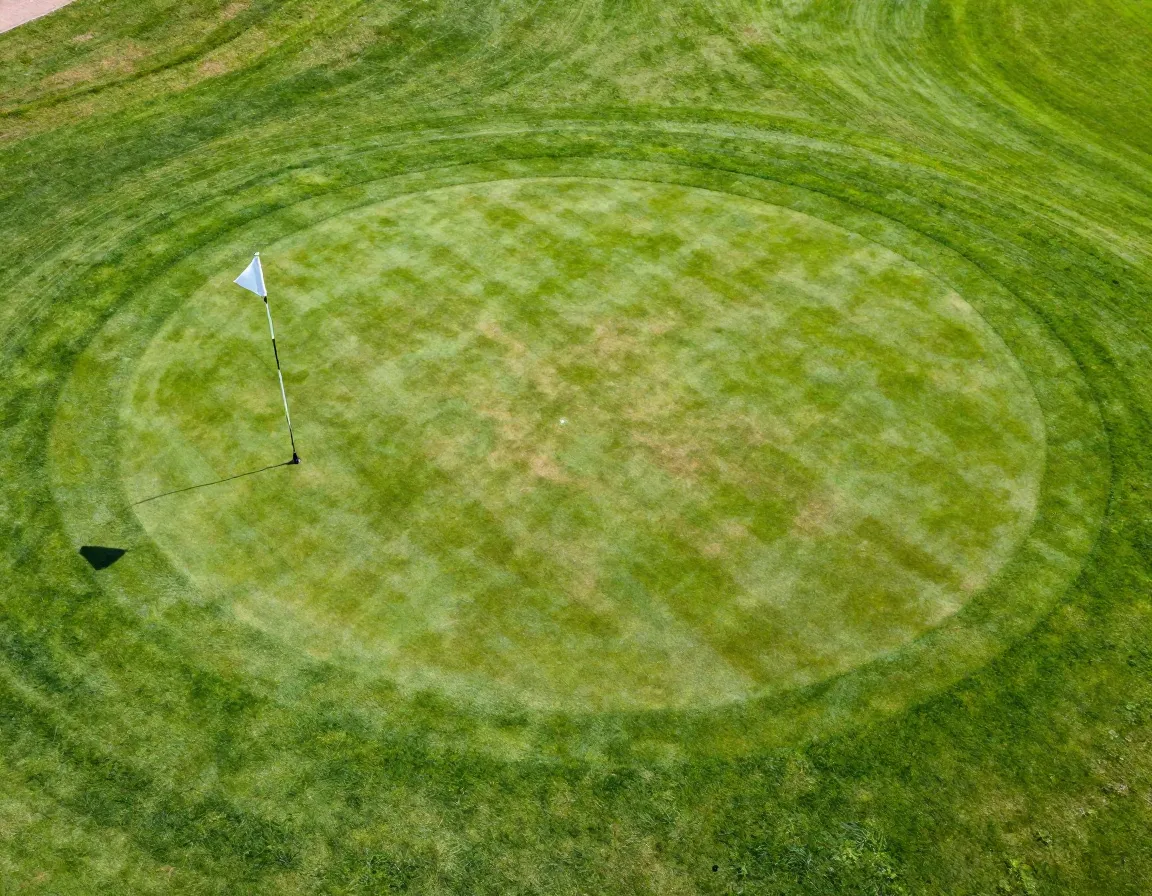
The most obvious indicator that golf hole flags can tell you about the green’s condition is through strategic positioning to manage foot traffic. When superintendents place flags in less central locations, they’re actively protecting high-stress areas of the green.
What to look for:
- Flags positioned near edges indicate center green recovery
- Corner placements suggest recent aeration or overseeding
- Unusual positions signal temporary restricted zones
Golf course managers use this technique to ensure even wear patterns across the entire putting surface. By rotating flag positions daily, they prevent the formation of worn paths that could compromise green quality [1].
2. Flag Height Indicates Soil Firmness
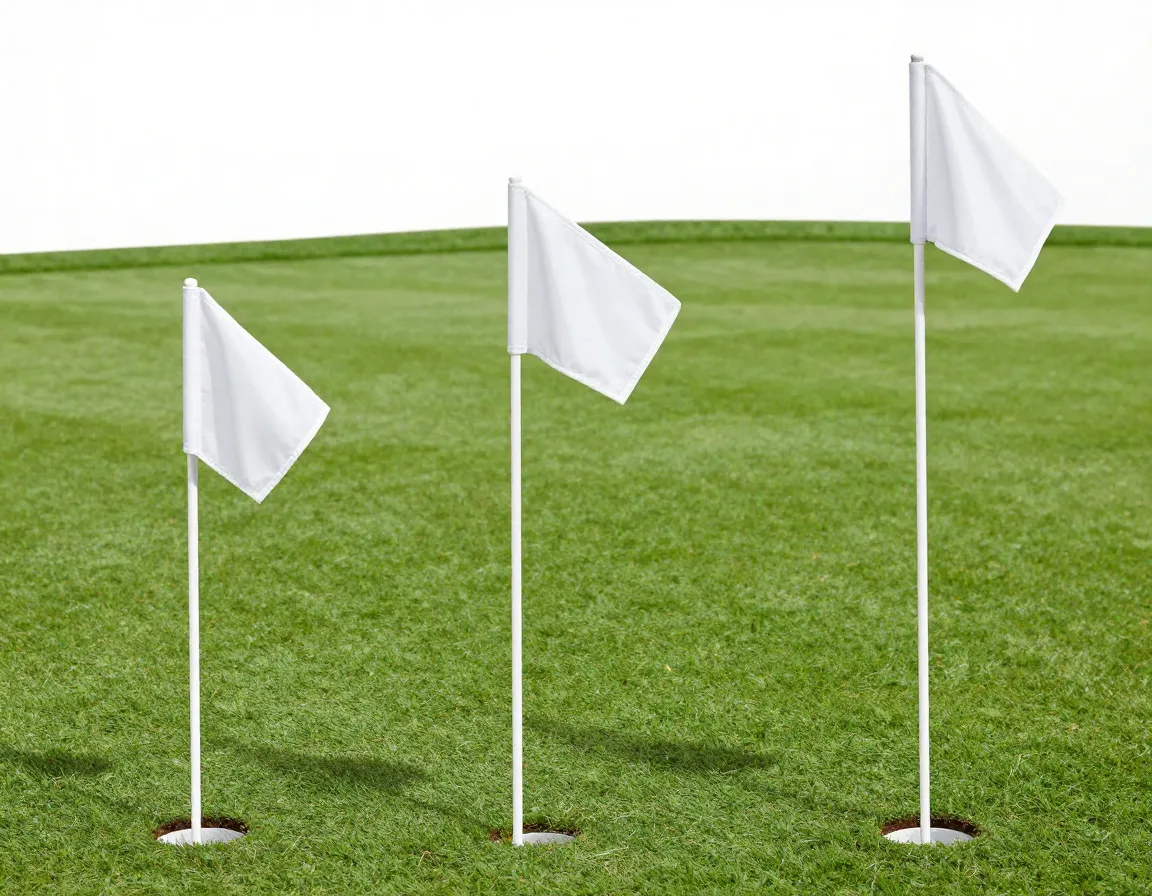
The height at which flags are set provides crucial information about soil conditions underneath. Your golf hole flags can tell you about the green’s condition through these subtle height variations that most players overlook.
Height indicators:
- Lower flags = Softer, more receptive greens
- Standard height = Optimal firmness conditions
- Higher flags = Firmer, faster playing surfaces
This system helps players adjust their approach shots accordingly. Softer conditions allow for more aggressive pin-seeking shots, while firmer greens require strategic positioning and spin control.
3. Color-Coded Flag Systems Signal Maintenance Status
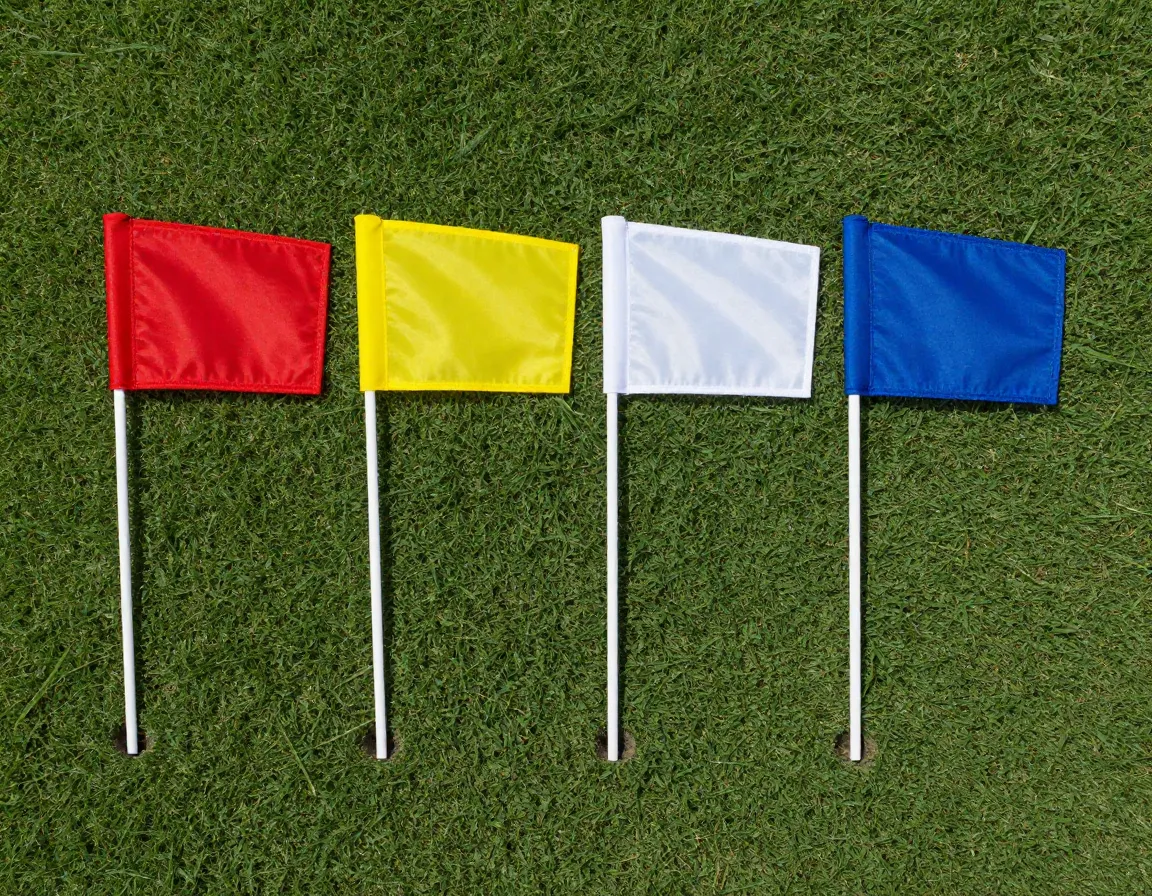
Many courses employ color-coded flag systems that communicate recent maintenance activities. Understanding these codes helps you interpret what golf hole flags can tell you about the green’s condition in terms of recent care and treatment.
| Flag Color | Typical Meaning | Playing Implications |
|---|---|---|
| Red | Recent treatment/chemicals | Avoid close contact |
| Yellow | Overseeding in progress | Expect softer conditions |
| White | Standard conditions | Normal play expected |
| Blue | Watering schedule active | Potentially softer turf |
Professional courses often use these systems to communicate with both players and staff about current green status [2].
Advanced Flag Reading Techniques
4. Flag Angle Reveals Wind and Moisture Patterns
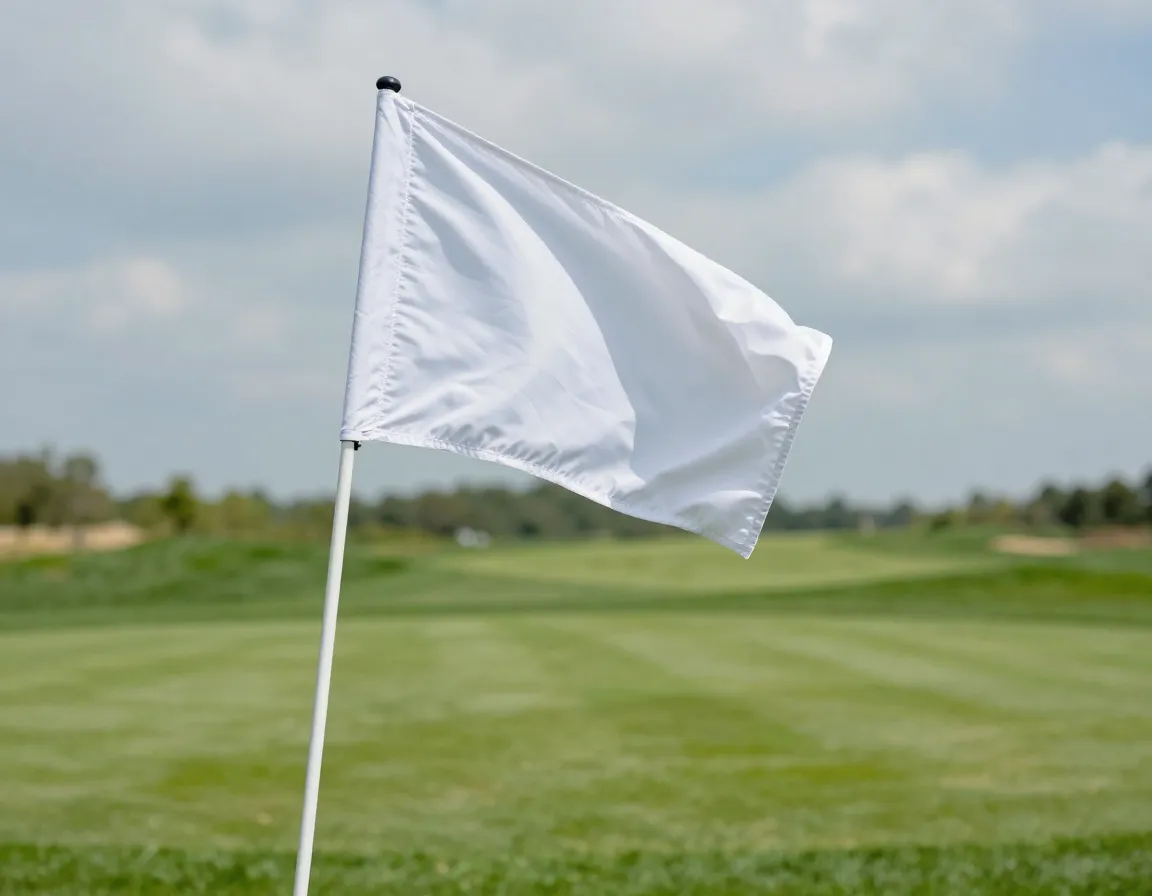
Experienced golfers know that golf hole flags can tell you about the green’s condition through the natural angle and movement of the flag itself. The way flags hang and move provides real-time environmental data.
Reading flag angles:
- Limp flags indicate high humidity and moisture retention
- Stiff, upright flags suggest dry conditions and firm greens
- Consistent movement shows steady air circulation promoting healthy turf
“The flag is like a weather station for the green. It tells you everything about current playing conditions if you know how to read it.” – Golf Course Superintendent
5. Placement Distance from Edges Shows Recovery Zones
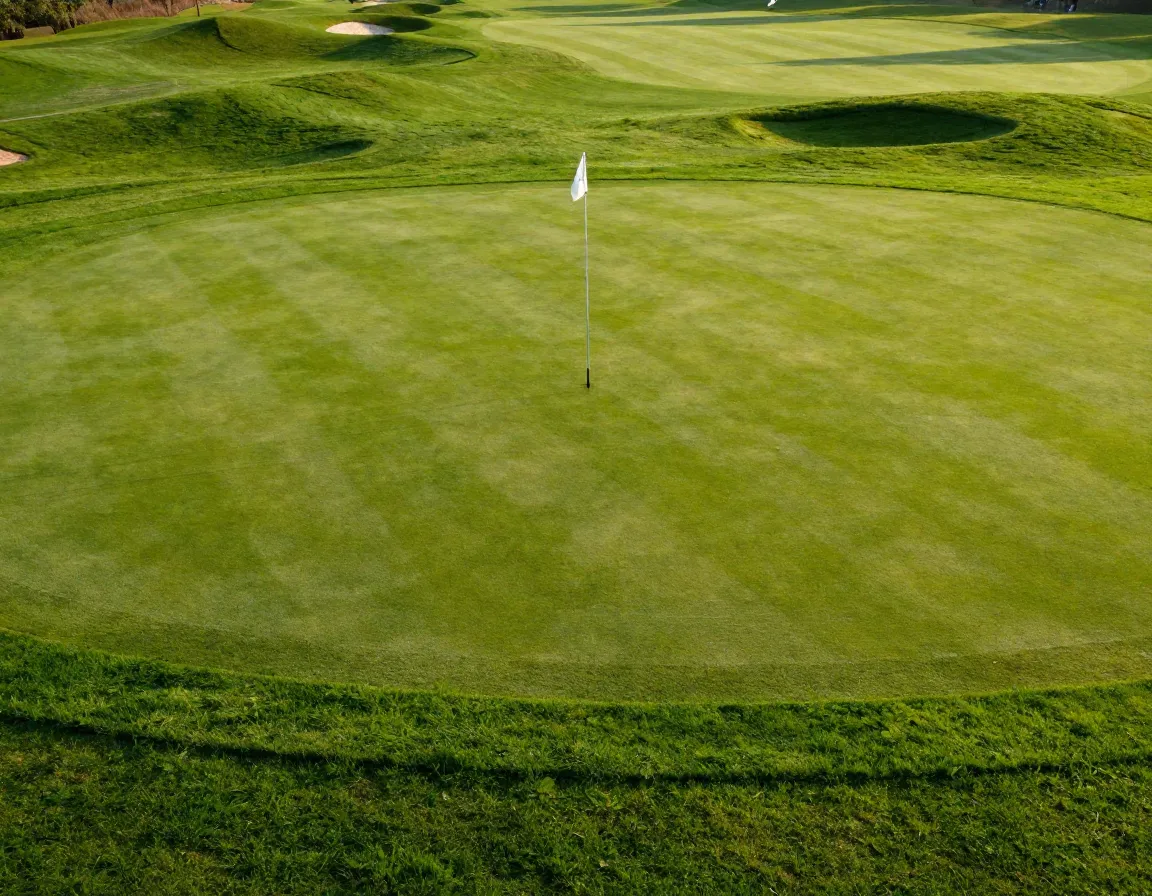
Strategic flag positioning away from green edges often indicates recovery zones where the turf is being rehabilitated. This is one of the most telling ways golf hole flags can tell you about the green’s condition regarding long-term maintenance strategies.
Distance indicators:
- 10+ feet from edges = Edge stress management
- Center positioning = Even wear distribution
- Rotating patterns = Systematic recovery approach
This technique is particularly important during peak growing seasons when superintendents focus on maintaining consistent playing surfaces [3].
6. Flag Stick Condition Reflects Overall Green Care
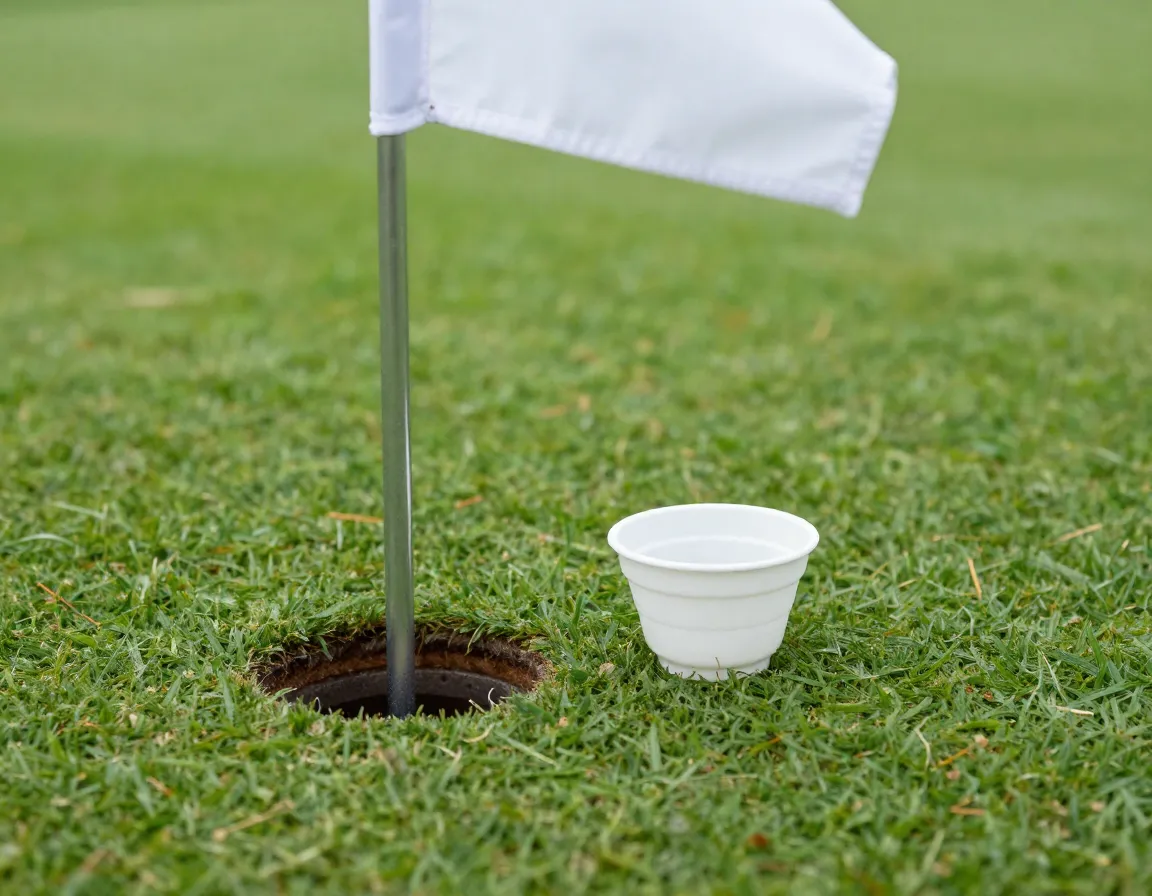
The physical condition of the flagstick itself provides insights into the overall maintenance standards and attention to detail. Well-maintained flagsticks often correlate with superior green conditions.
Flagstick condition indicators:
- Clean, straight sticks = High maintenance standards
- Proper height adjustment = Attention to playing details
- Secure base installation = Solid green infrastructure
7. Seasonal Flag Positioning Patterns
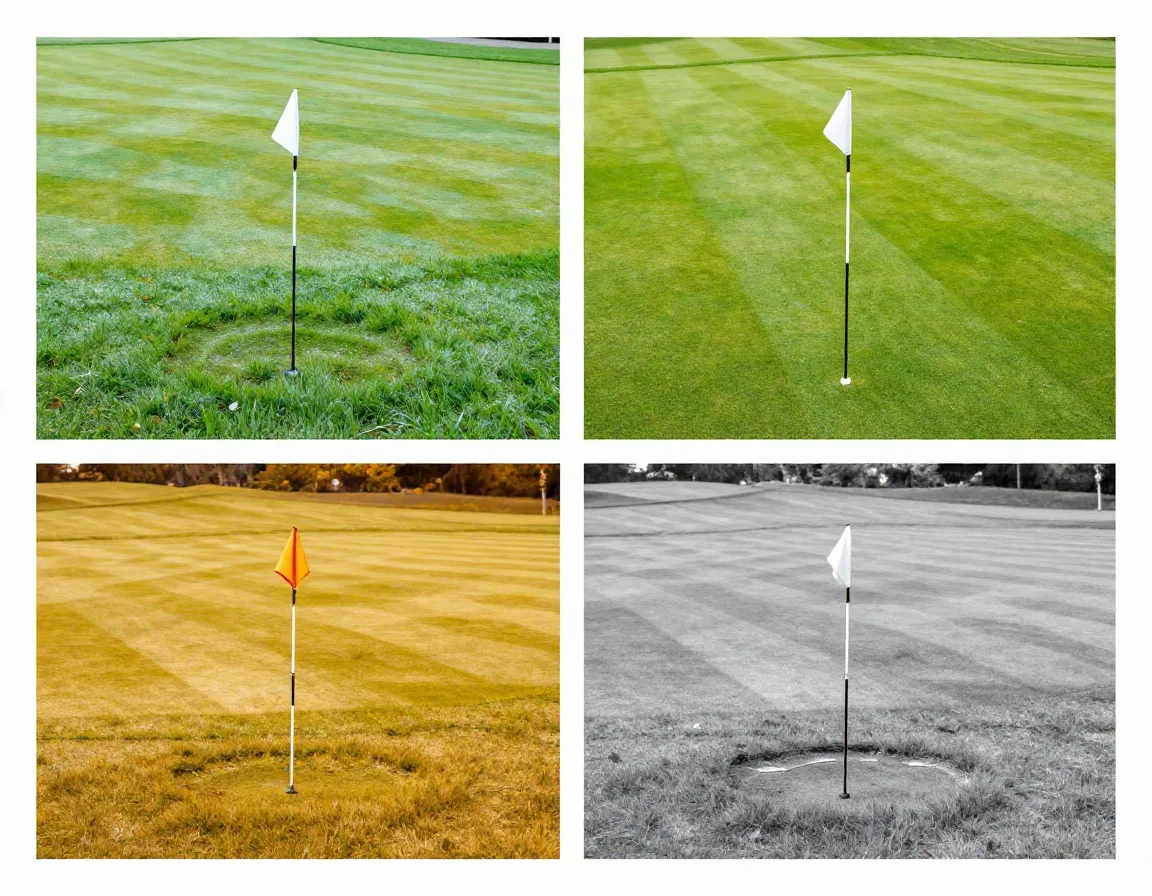
Throughout the year, golf hole flags can tell you about the green’s condition through seasonal positioning patterns that reflect changing turf needs and environmental stresses.
Seasonal patterns:
- Spring: Frequent repositioning for recovery from winter stress
- Summer: Strategic placement to manage heat stress
- Fall: Positioning to support overseeding efforts
- Winter: Minimal movement to reduce turf damage
Understanding these patterns helps players anticipate green conditions and adjust their playing strategies accordingly [4].
8. Flag Placement Timing Indicates Maintenance Windows
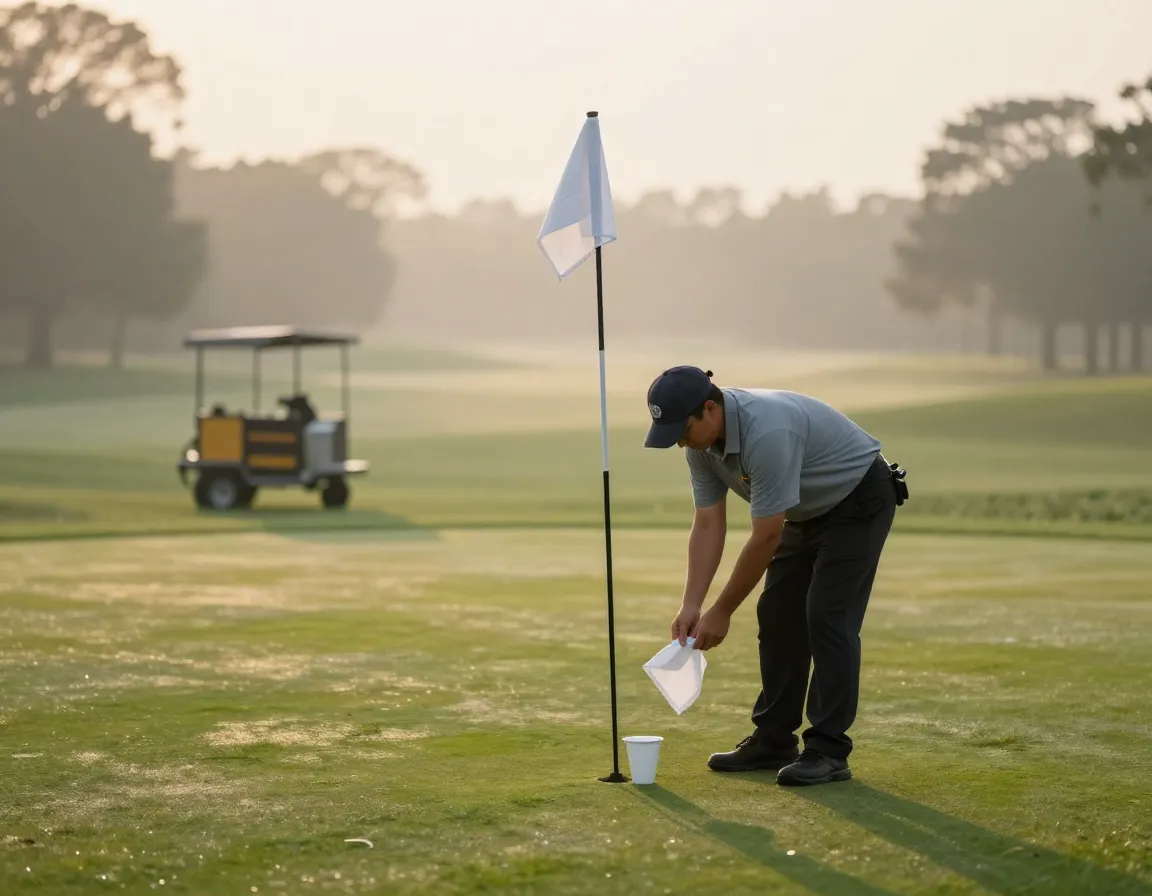
The timing of flag changes throughout the day can reveal important information about green condition management. Early morning repositioning often indicates overnight maintenance activities or condition assessments.
Timing insights:
- Dawn changes = Recent maintenance completion
- Mid-day adjustments = Response to developing conditions
- Consistent timing = Systematic maintenance approach
Maximizing Your Flag Reading Skills
Developing Your Observation Techniques
To fully understand what golf hole flags can tell you about the green’s condition, develop systematic observation habits:
- Arrive early to observe flag placement changes
- Note patterns across multiple holes
- Track seasonal variations in positioning
- Communicate with course staff to understand their systems
Applying Flag Intelligence to Your Game
Use flag positioning information to make better strategic decisions:
- Adjust approach shot selection based on indicated conditions
- Modify putting strategies according to firmness indicators
- Plan practice sessions around optimal green conditions
- Respect maintenance areas indicated by flag positioning
Professional golfers regularly use these techniques to gain competitive advantages by reading course conditions more accurately than their competitors [5].
Technology Integration and Modern Flag Systems
Smart Flag Systems
Modern golf courses increasingly integrate technology with traditional flag systems. Some facilities now use smart flags equipped with sensors that provide real-time data about green conditions.
Technology features:
- Moisture sensors integrated into flagstick bases
- Digital displays showing current green speed
- Mobile app integration for real-time condition updates
- Automated positioning systems for optimal placement
Data-Driven Flag Placement
Course management software now helps superintendents make data-driven decisions about flag placement based on:
- Historical wear patterns
- Weather forecast integration
- Turf health monitoring
- Player traffic analysis
This scientific approach ensures that golf hole flags can tell you about the green’s condition with unprecedented accuracy [6].
Professional Tips for Flag Reading
What Superintendents Want You to Know
Golf course superintendents emphasize several key points about flag communication:
- Flag positioning is never random – Every placement serves a specific purpose
- Daily changes reflect real-time conditions – Yesterday’s information may not apply today
- Respect indicated boundaries – Flag placement often protects vulnerable areas
- Observe without interfering – Don’t adjust flags or markers you encounter
Common Misinterpretations
Avoid these common mistakes when reading flag signals:
- Assuming difficulty correlation – Flag position doesn’t always indicate hole difficulty
- Ignoring environmental factors – Consider weather and seasonal influences
- Overlooking maintenance schedules – Some positioning reflects routine care, not problems
- Missing subtle indicators – Small changes often convey important information
Conclusion
Understanding the 8 things your golf hole flags can tell you about the green’s condition transforms your approach to course management and strategic play. From traffic management and soil firmness indicators to color-coded maintenance systems and seasonal positioning patterns, flags serve as a sophisticated communication network between course staff and players.
By developing your flag reading skills, you’ll gain valuable insights into green conditions that can improve your scoring and enhance your overall golf experience. Pay attention to flag positioning, height, color coding, and timing patterns to unlock this hidden layer of course intelligence.
Next steps to improve your flag reading abilities:
- Start observing systematically – Make flag assessment part of your pre-shot routine
- Ask course staff about their specific flag communication systems
- Track patterns across different courses and seasons
- Share knowledge with playing partners to enhance everyone’s understanding
- Respect the system – Use flag information responsibly and follow course guidelines
Remember, every flag placement tells a story about the green beneath it. Learning to read these stories will make you a more informed and successful golfer in 2026 and beyond.
References
[1] Custom Golf Flags – https://www.vispronet.com/custom-golf-flags
[2] Pin Placement Flags – https://parwest.com/product/pin-placement-flags/
[3] Golf Course Practice Area – https://www.reinders.com/golf-course-practice-area/
[4] Golf Flags Triangle – https://www.bestofsigns.com/golf-flags-triangle.html
[5] Golf Flags – https://www.bannerbuzz.com/golf-flags/p
[6] Custom Golf Flags – https://bestflag.com/products/custom-golf-flags