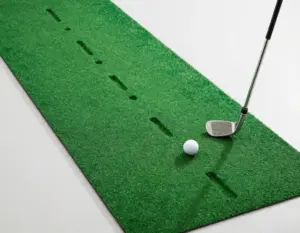
9 Crucial Factors for Installing the Perfect Indoor Golf Green
Picture this: it’s a rainy Tuesday evening in 2026, and while your golf buddies are stuck indoors scrolling through weather apps, you’re perfecting your putting stroke on your own professional-grade indoor green. The satisfaction of sinking that perfect putt in your living room or basement isn’t just a dream—it’s an achievable reality that’s transforming how golf enthusiasts practice year-round.
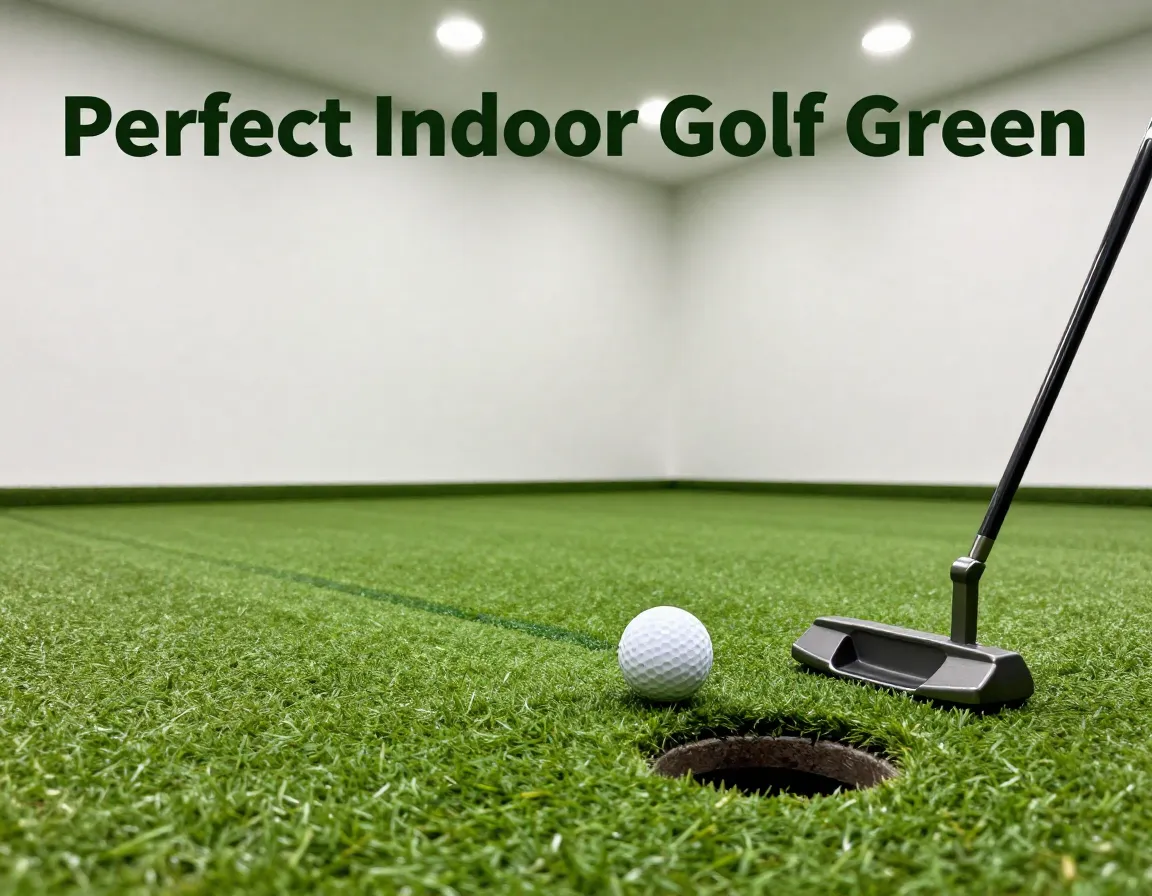
Installing an indoor putting green has become one of the most sought-after home improvements for golf lovers, but success hinges on understanding the 9 crucial factors for installing the perfect indoor golf green. From turf specifications to room preparation, each element plays a vital role in creating a practice space that rivals professional facilities.
Key Takeaways
- Turf quality matters most: Choose artificial grass with 0.5-inch pile height and polyurethane backing for optimal ball roll and durability
- Proper base preparation is non-negotiable: Engineered foundation work determines long-term performance and realistic putting experience
- Budget wisely: Expect costs between $15-30 per square foot, with base preparation and design complexity as major price factors
- Room selection impacts everything: Flat, open spaces free from obstacles ensure safe practice and proper surface function
- Modern solutions offer flexibility: 2026’s modular and portable options allow customization for any space or budget
Understanding the Essential Components for Your Indoor Golf Green
1. Turf Selection and Specifications 🌱
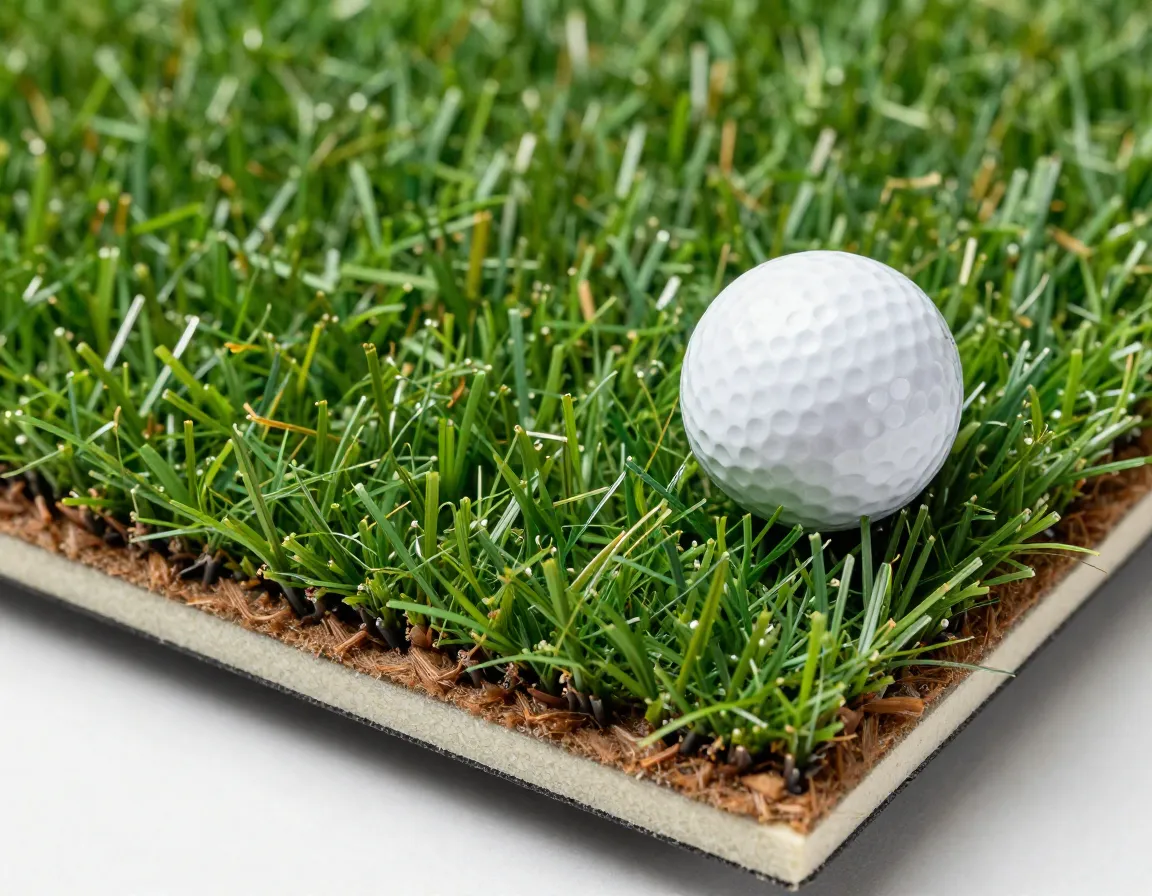
The foundation of any successful indoor putting green lies in choosing the right artificial turf. Pile height is absolutely critical—industry experts recommend approximately 0.5 inches for putting green turf to create a sturdy surface that allows consistent ball roll without fiber bending or troublesome dips [1].
Backing material makes all the difference. Polyurethane backings are superior for durability and flexibility, allowing your turf putting course to withstand each swing without losing form while providing improved airflow and temperature flexibility—crucial for indoor installations [1].
For the most realistic putting experience, consider these turf fiber options:
- Polyethylene fibers: Soft feel, excellent for basic putting practice
- Hybrid fiber systems: Medium-to-high resilience, ideal for multi-purpose greens
- Nylon blends: Maximum durability for high-traffic areas
“The right turf selection can make the difference between a putting green that feels like carpet and one that rivals Augusta National.” – Professional Golf Course Designer
2. Room Preparation and Space Requirements
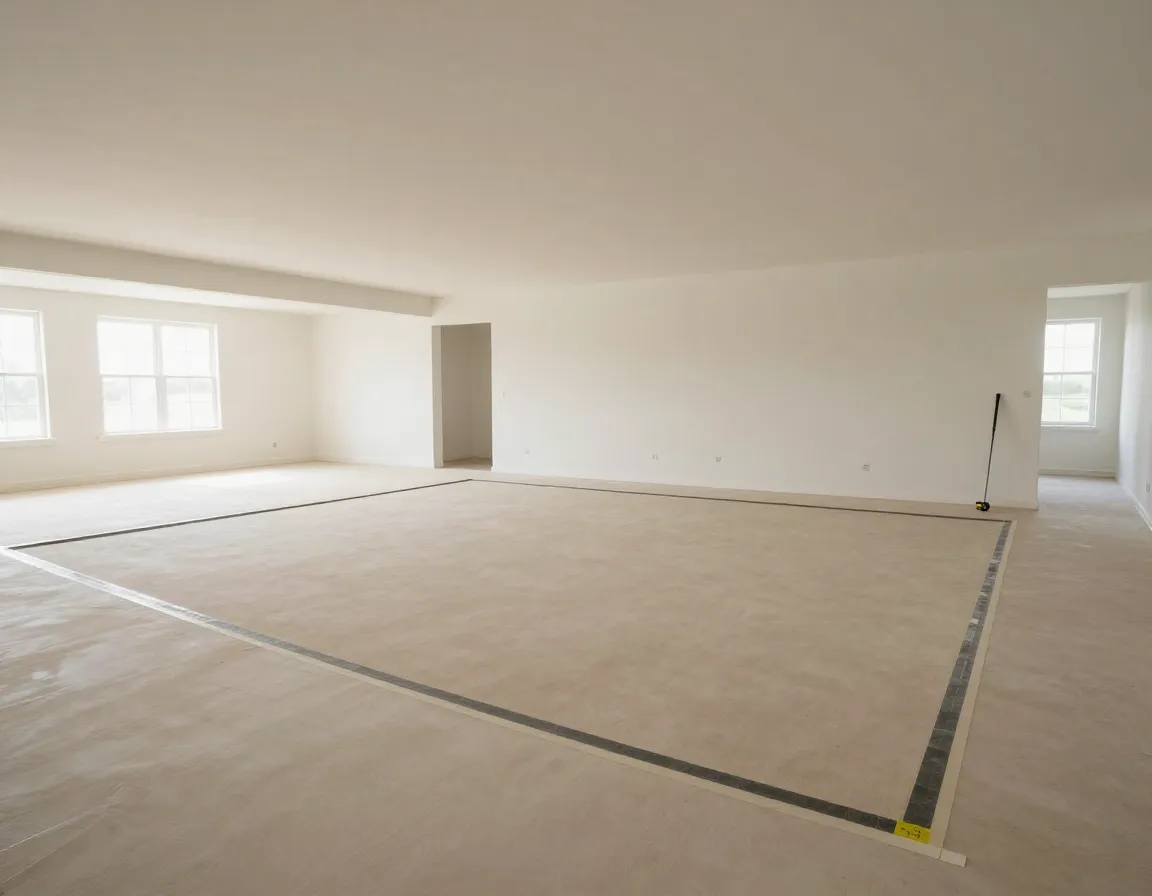
Location is everything when planning your indoor golf green installation. Your room must be flat, open, and free from heavy furniture or high traffic obstacles to ensure proper putting surface function and safe practice conditions [2].
Minimum space recommendations:
- Small practice area: 6×8 feet (basic putting)
- Standard green: 10×12 feet (multiple holes)
- Premium installation: 12×20 feet (full course experience)
Consider ceiling height as well—you’ll need at least 8 feet of clearance for comfortable putting stance and follow-through. Accessibility matters too: ensure easy entry and exit points, especially if you’re planning to host putting competitions with friends.
3. Base Construction and Foundation Work
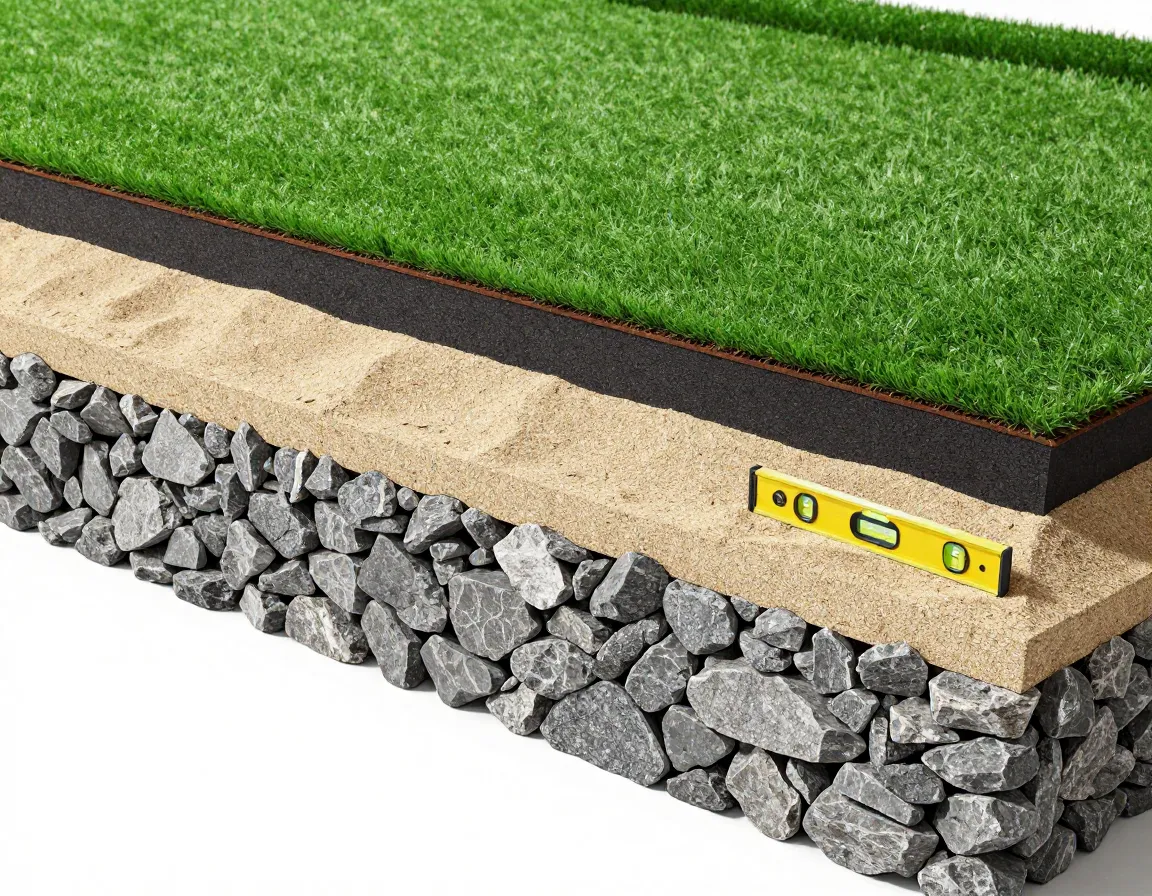
Engineered base construction and compaction are non-optional for performance—durable functionality and realistic ball roll depend on methodical base work and targeted drainage solutions [6]. Even indoor installations require proper foundation preparation to prevent settling and surface irregularities.
Essential base layers include:
- Excavation: Remove existing flooring if necessary
- Aggregate base: Compacted crushed stone (2-4 inches)
- Sand leveling layer: Fine-grade sand for smooth surface
- Shock pad (optional): Additional cushioning for comfort
Pro tip: While drainage isn’t as critical indoors as outdoors, proper base preparation prevents future maintenance headaches and ensures your investment lasts for decades.
Advanced Planning Considerations for Your Indoor Golf Green
4. Infill Selection and Maintenance Requirements
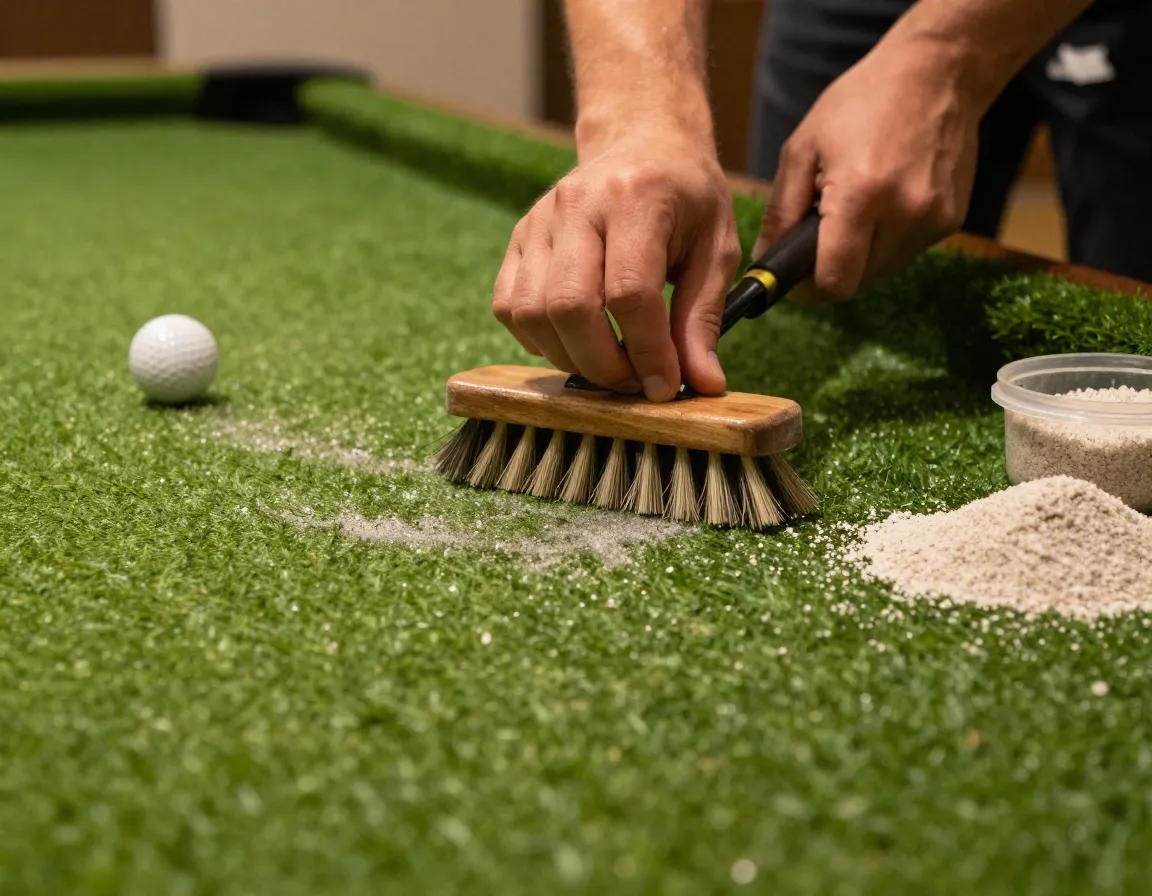
Infill choice significantly affects maintenance requirements: finer silica sands enable tighter ball roll but may compact, while rounded polymer infills resist compaction but cost more—selection depends on play goals and maintenance tolerance [6].
Popular infill options:
- Silica sand: Traditional choice, excellent ball roll, requires periodic grooming
- Rounded polymer: Low maintenance, consistent performance, higher upfront cost
- Hybrid blends: Balance of performance and maintenance needs
Regular maintenance keeps your green performing like new. Weekly brushing prevents fiber matting, while monthly deep cleaning maintains optimal putting conditions.
5. Lighting and Electrical Considerations 💡
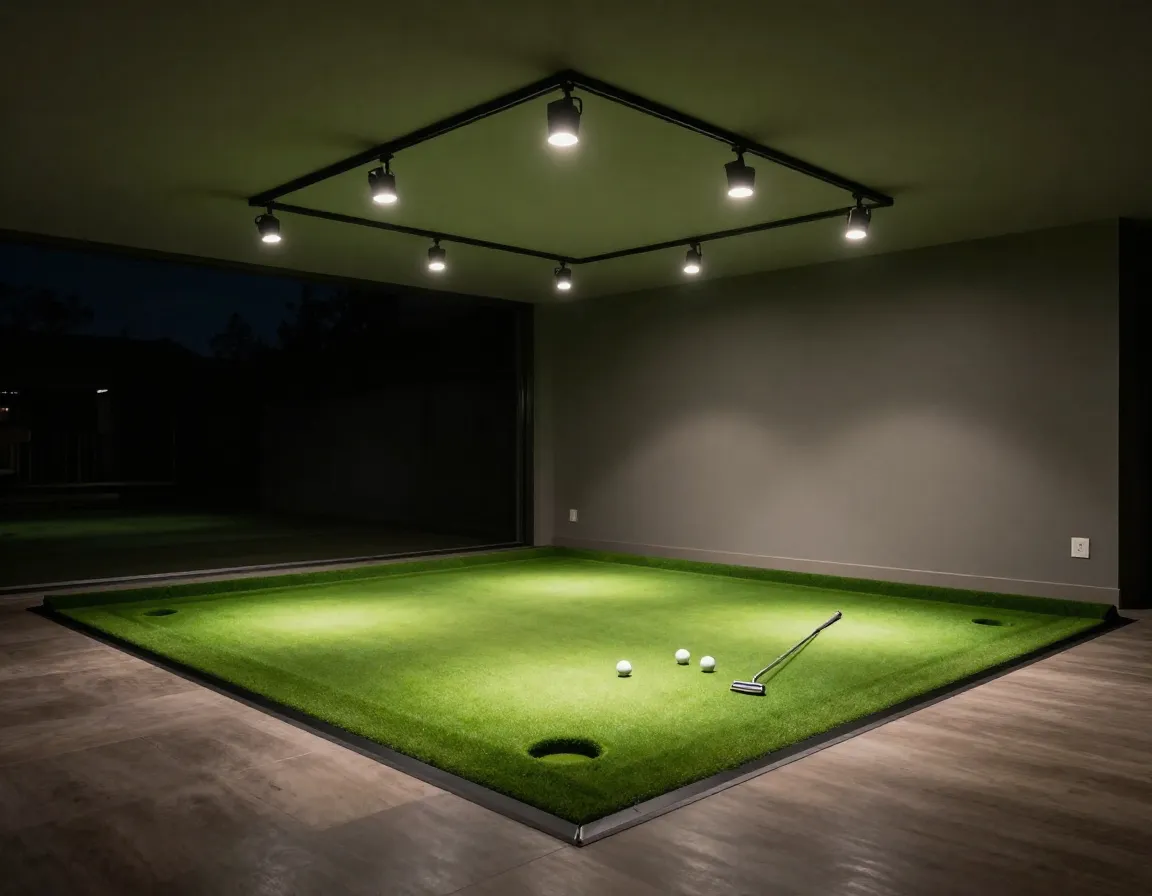
Custom lighting options extend practice hours, allowing year-round athletic training regardless of natural daylight availability in indoor spaces [7]. Proper illumination transforms your putting green from a daytime hobby into a round-the-clock training facility.
Lighting best practices:
- LED track lighting: Energy-efficient, adjustable positioning
- Recessed ceiling fixtures: Clean look, even light distribution
- Accent lighting: Highlight specific features or holes
- Dimmer controls: Adjust intensity for different practice sessions
Plan electrical work during the initial installation phase to avoid costly retrofitting later.
6. Budget Planning and Cost Factors
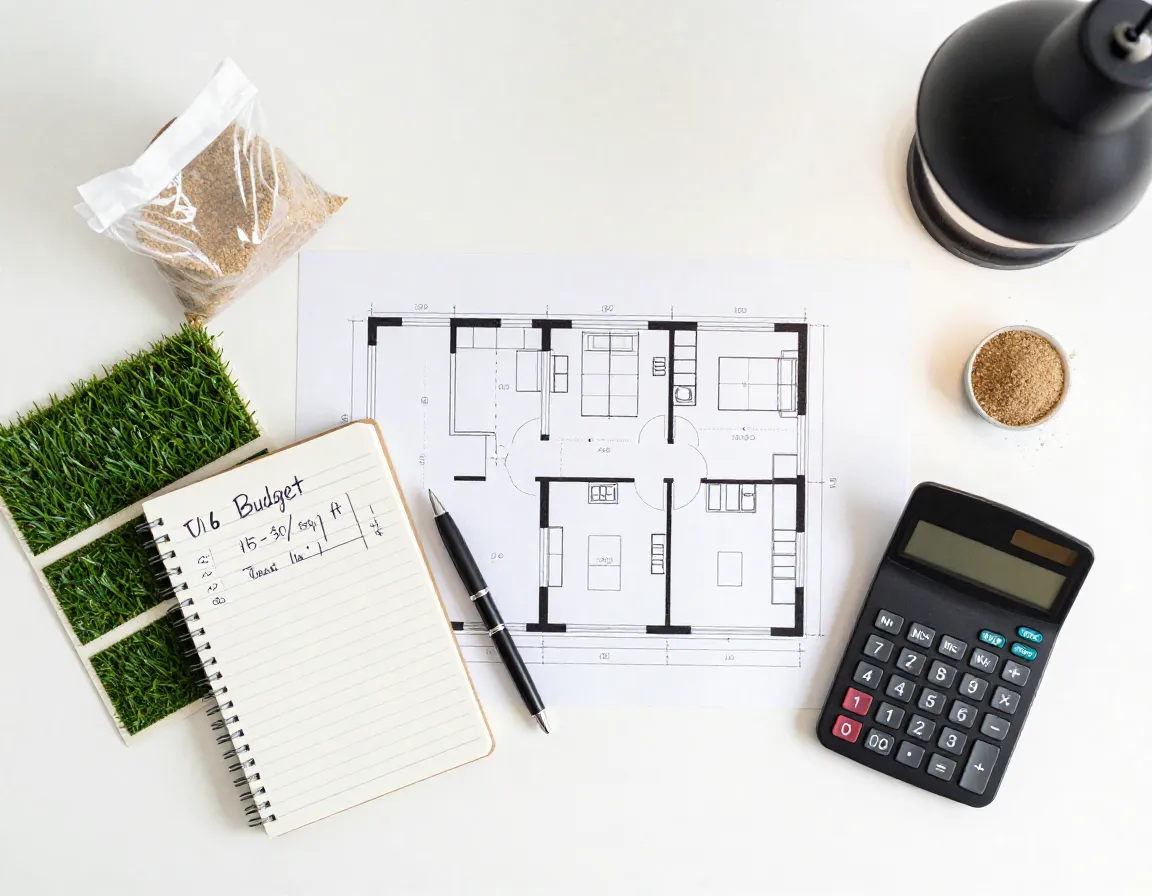
Understanding the financial investment helps you make informed decisions about features and quality. Cost ranges from $15–$30 per square foot, with final price dependent on room dimensions, preparation requirements, turf product type, and design complexity [3].
Major cost factors include:
- Base material preparation and drainage: Foundation work impacts long-term performance
- Site accessibility: Difficult access increases labor costs
- Design complexity: Multiple holes and slopes add expense
- Premium features: Lighting, modular sections, custom shapes
Budget breakdown example (200 sq ft green):
- Basic installation: $3,000-$4,000
- Mid-range features: $4,500-$5,500
- Premium setup: $6,000-$8,000+
7. Modern Design Trends and Flexibility Options
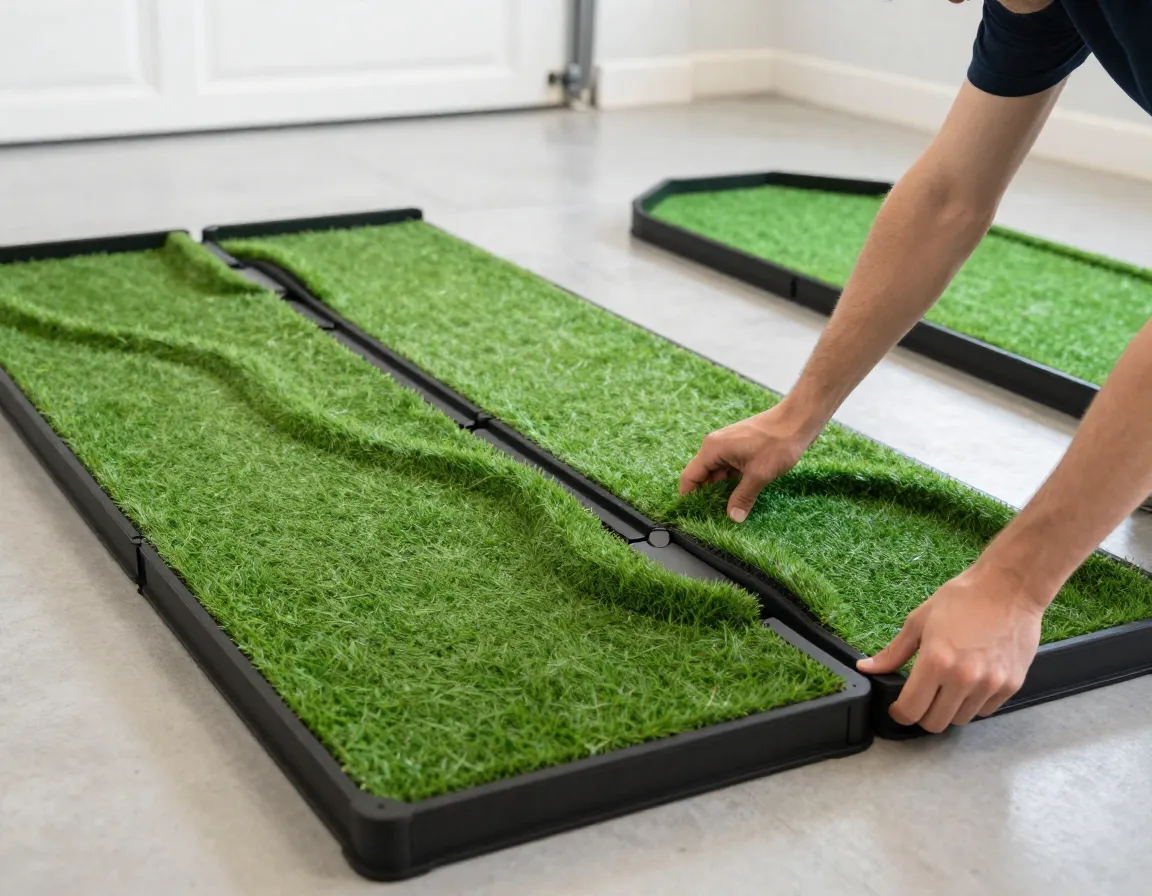
2026 features modular and portable solutions using interlocking sections, allowing homeowners to start small and expand over time—ideal for renters or those wanting seasonal yard layout changes [5]. This flexibility represents a major shift in how we think about indoor golf installations.
Trending design features:
- Modular systems: Start small, expand later
- Portable sections: Move between rooms or seasons
- Multi-level designs: Add slopes and elevation changes
- Integration zones: Blend with existing room décor
Space-constrained solutions: Portable putting mats (2.5×8 feet) provide ideal solutions for space-constrained areas such as small yards or garages, offering realistic surfaces for stroke practice without permanent installation [7].
Installation and Long-term Success Factors
8. Professional Installation vs. DIY Considerations
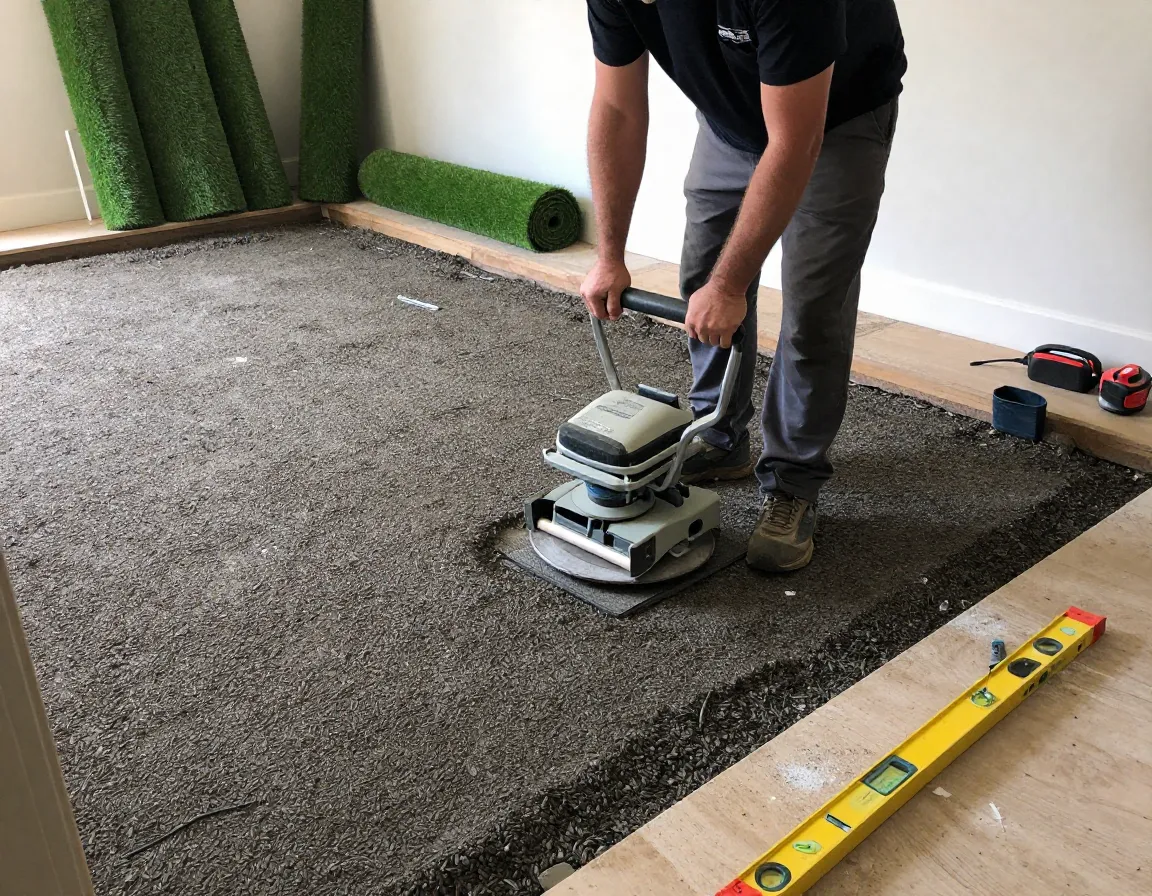
While some homeowners tackle installation themselves, professional installation ensures optimal performance and longevity. Key factors to consider:
Professional installation benefits:
- Proper base preparation and compaction
- Warranty coverage on materials and workmanship
- Expert design consultation and layout optimization
- Access to commercial-grade materials
DIY considerations:
- Significant time investment (2-5 days typical)
- Specialized tools required for base work
- Risk of costly mistakes in foundation preparation
- Limited warranty coverage on self-installed systems
9. Long-term Performance and Maintenance Planning
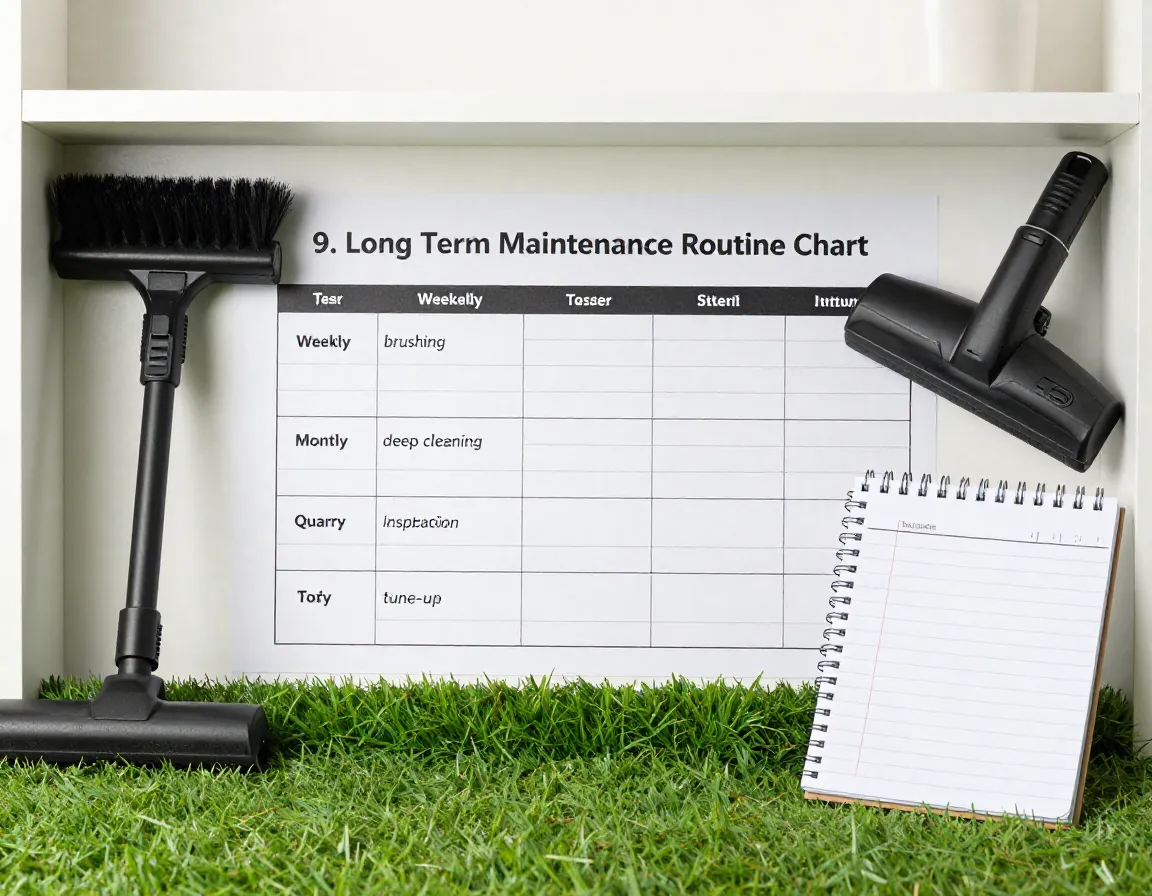
Proper maintenance extends your green’s lifespan and maintains professional-quality putting conditions. Develop a maintenance routine from day one to protect your investment.
Essential maintenance tasks:
- Weekly: Light brushing to prevent matting
- Monthly: Deep cleaning and infill redistribution
- Quarterly: Professional inspection and adjustment
- Annually: Complete system evaluation and tune-up
Performance monitoring: Track ball roll consistency, surface firmness, and visual appearance. Address issues promptly to prevent minor problems from becoming major repairs.
Seasonal considerations: Indoor greens experience less weather stress, but temperature and humidity changes can affect turf performance. Maintain consistent environmental conditions when possible.
Conclusion
Installing the perfect indoor golf green requires careful attention to these 9 crucial factors for installing the perfect indoor golf green. From selecting the right 0.5-inch pile height turf with polyurethane backing to planning proper base construction and maintenance routines, each element contributes to your long-term satisfaction and performance improvement.
The investment—typically $15-30 per square foot—pays dividends in year-round practice opportunities and improved putting skills. With 2026’s modular and portable solutions, you can start small and expand your setup as your passion and space allow.
Ready to take the next step? Start by evaluating your available space and establishing a realistic budget. Consult with professional installers to discuss your specific needs and explore design options that match your goals. Whether you choose a basic 6×8 practice area or a premium multi-hole installation, following these crucial factors ensures you’ll create an indoor putting green that provides years of enjoyment and skill development.
Remember: the perfect indoor golf green isn’t just about the destination—it’s about creating a space where you can consistently improve your game, regardless of weather or time constraints. Start planning today, and soon you’ll be sinking putts while others are checking the forecast. ⛳
References
[1] Planning An Indoor Turf Putting Green Heres How To Find The Perfect Artificial Grass Putting Green – https://sgwsacramento.com/blog/planning-an-indoor-turf-putting-green-heres-how-to-find-the-perfect-artificial-grass-putting-green/
[2] Turn Any Room Into An Indoor Putting Green – https://www.swgreensflagstaff.com/blog/turn-any-room-into-an-indoor-putting-green
[3] Indoor Putting Greens – https://www.southwestgreenseastbay.com/artificial-putting-greens/indoor-putting-greens
[4] Turn Any Room Into An Indoor Turf Putting Green – https://www.swgillinois.com/blog/turn-any-room-into-an-indoor-turf-putting-green
[5] 2026s Biggest Artificial Turf Putting Green Design Trends – https://octurfandputtinggreens.com/2026s-biggest-artificial-turf-putting-green-design-trends/
[6] Backyard Putting Green Design Trends – https://artificialturfexpress.com/blog/backyard-putting-green-design-trends/
[7] What To Consider When Installing Putting Green At Home – https://fieldturflandscape.com/golf-putting-green/what-to-consider-when-installing-putting-green-at-home/