9 Pro-Level Drills for Effective Indoor Golf Practice at Home
Picture this: it’s the middle of winter, the course is covered in snow, but your golf game doesn’t have to hibernate. What if I told you that some of the world’s best golfers spend countless hours perfecting their craft indoors, using specific drills that transform their swing mechanics and course performance? The 9 Pro-Level Drills for Effective Indoor Golf Practice at Home aren’t just time-fillers—they’re scientifically designed training methods that can revolutionize your game from the comfort of your garage or basement.
Key Takeaways
- Indoor practice can be more effective than outdoor range sessions when using targeted drills that focus on specific swing mechanics
- Technology integration with launch monitors and apps maximizes the effectiveness of home practice sessions
- Minimal equipment requirements mean you can start improving immediately with just a mat and net
- Professional-level training methods are accessible to amateur golfers through structured drill progressions
- Year-round consistency in practice leads to dramatic improvements in on-course performance
Essential Setup for Pro-Level Indoor Golf Practice
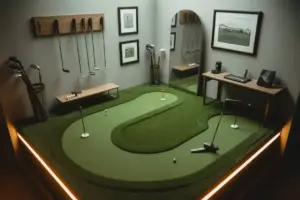
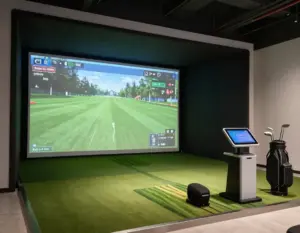
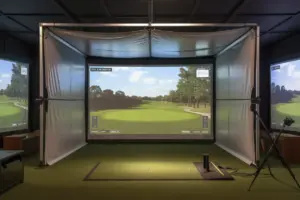
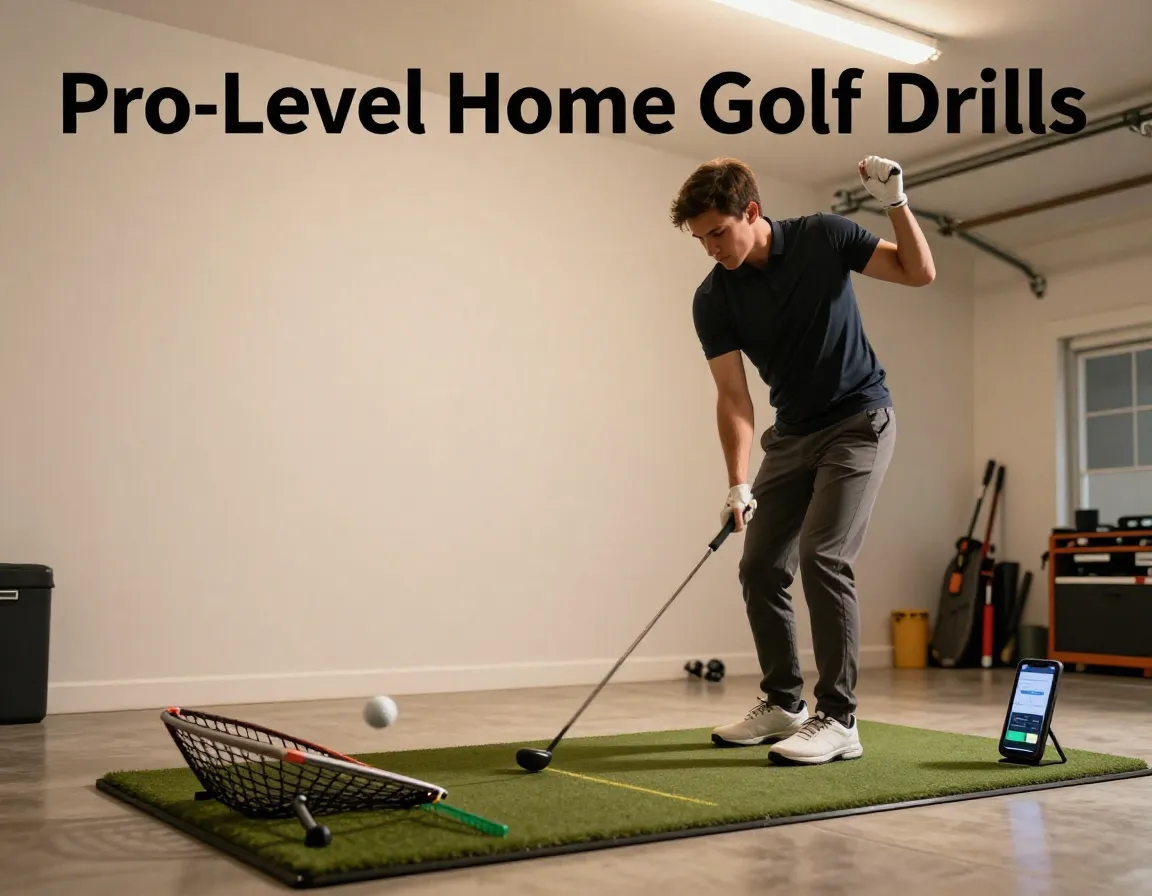
Before diving into the 9 Pro-Level Drills for Effective Indoor Golf Practice at Home, let’s establish the foundation for success. Your indoor setup doesn’t need to break the bank, but strategic equipment choices make all the difference.
Basic Equipment Requirements
Must-Have Items:
- Quality hitting mat with realistic turf feel
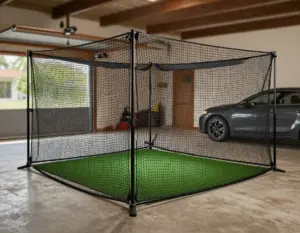
- Impact screen or heavy-duty net (minimum 10×10 feet)
- Adequate ceiling height (9+ feet recommended)
- Proper lighting to eliminate shadows
Game-Changing Additions:
- Launch monitor for data feedback
- Alignment sticks for visual references
- Impact tape for strike pattern analysis
- Full-length mirror for form checking
The beauty of indoor practice lies in its controlled environment. Unlike outdoor ranges where wind, weather, and distractions interfere, your home setup provides consistent conditions for focused improvement [5].
Fundamental Drills: Building Your Foundation
1. Attack Angle Mastery Drill
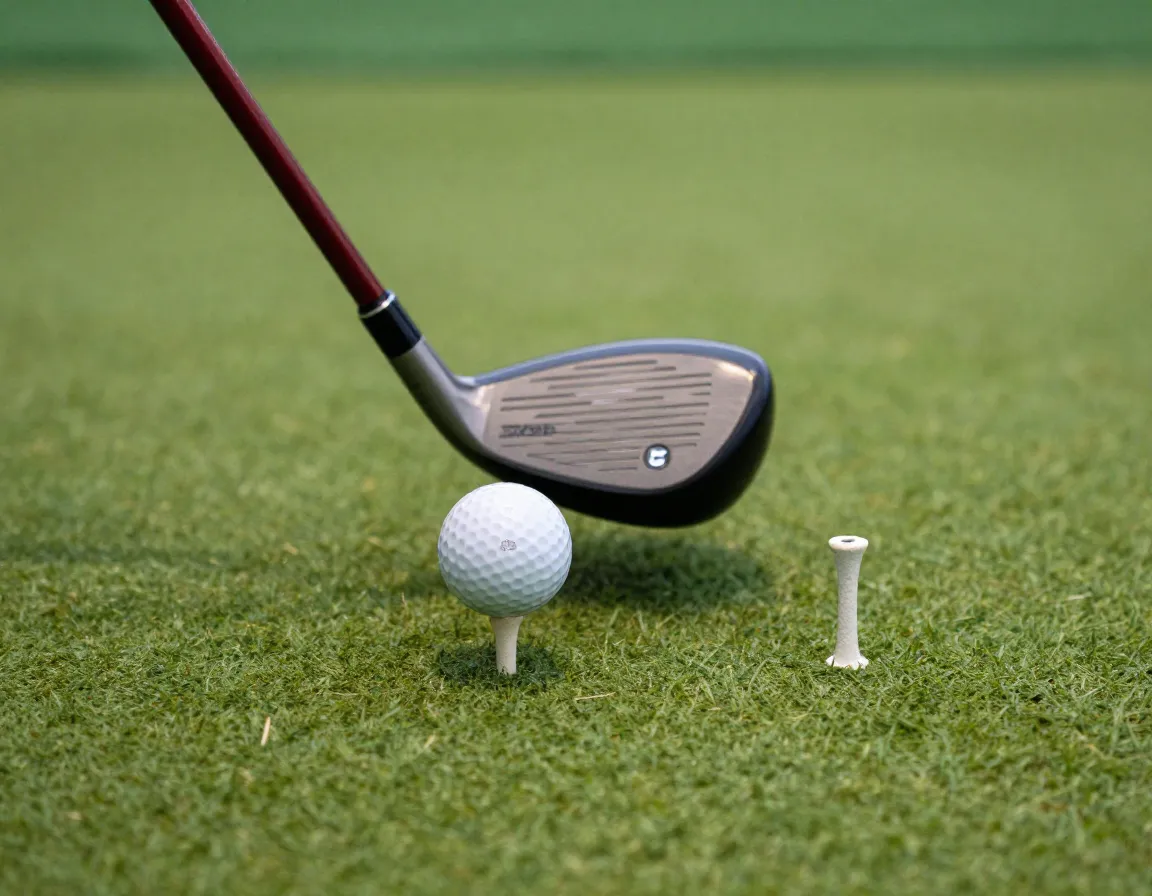
This drill transforms your driver performance by teaching the optimal angle of attack. Place a tee in your mat approximately 4-6 inches ahead of your ball position. Your goal is to clip the ball first, then the tee on your follow-through [1].
Why it works: A slightly positive attack angle with your driver creates higher launch, faster ball speed, and increased distance. Most amateur golfers hit down on their driver, losing precious yards.
Execution Steps:
- Set up with your driver in normal address position
- Place the forward tee at a height matching your ball
- Focus on sweeping through impact
- Monitor your ability to consistently hit both ball and tee
Success Metrics: You should hear the satisfying “click” of the forward tee being struck after ball contact. This drill develops the muscle memory for proper driver technique.
2. Low Point Control Precision
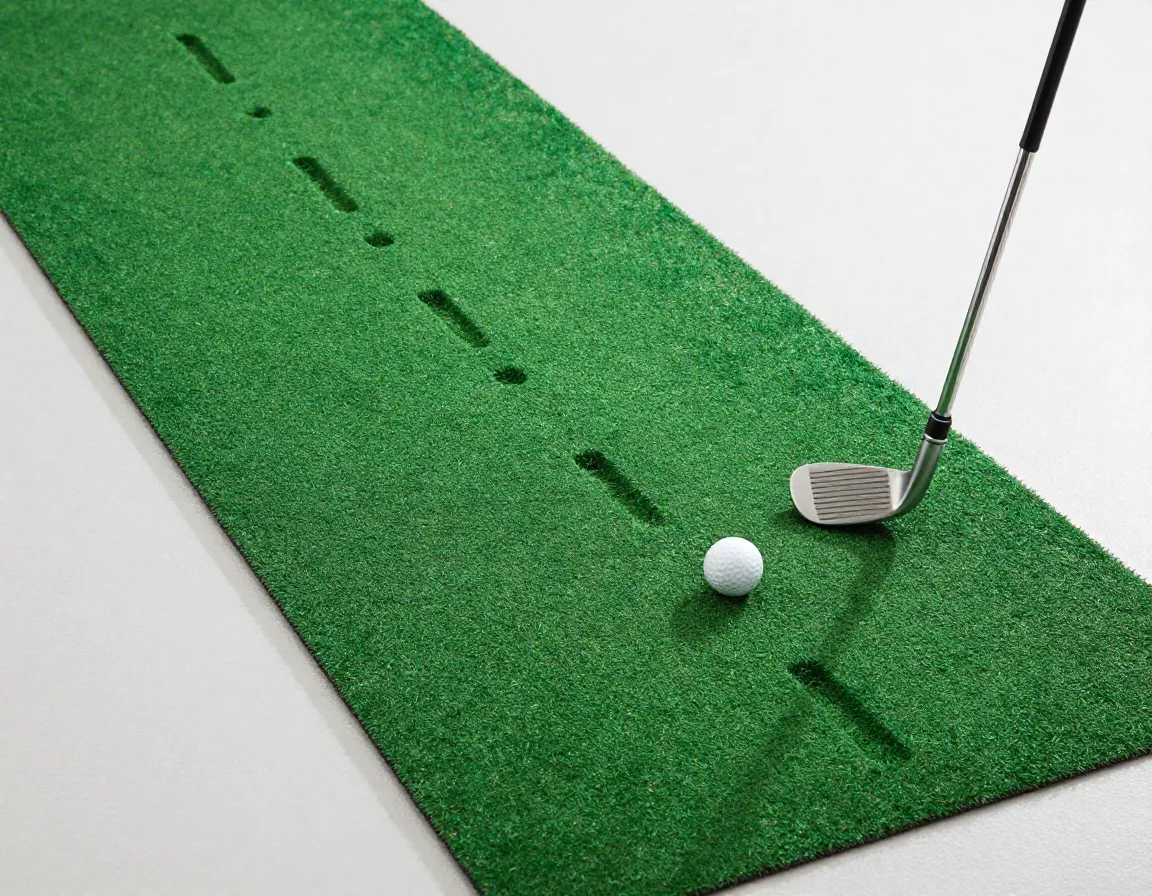
Consistency in where your club bottoms out separates good golfers from great ones. This drill uses 20-50 yard pitch shots while focusing on pivot control rather than perfect numbers [1].
The Science: Your low point should occur 2-4 inches after the ball with irons. This drill trains your body to achieve this consistently.
Practice Protocol:
- Use a 7 or 8-iron for feedback
- Focus on weight shift and rotation
- Mark your divot patterns
- Aim for consistent depth and location
“The key to great ball-striking isn’t power—it’s precision in where your club meets the ground.” – Tour Professional Insight
3. Follow-Through Excellence Training
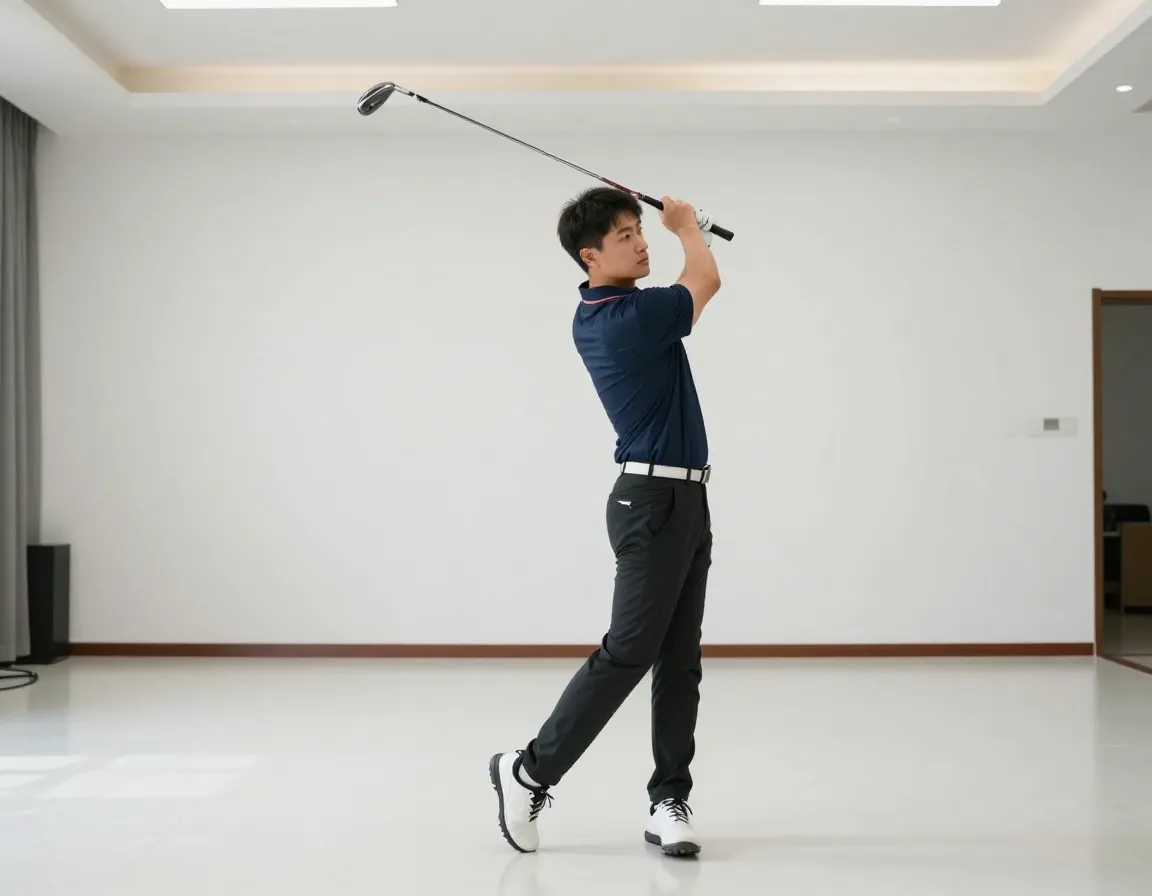
Titleist Staff Professional Trillium Rose emphasizes that follow-through drills improve swing control and contact significantly [3]. This drill focuses on the often-neglected finish position.
Drill Components:
- Balance Hold: Finish each swing holding your follow-through for 3 seconds
- Height Control: Practice different finish positions for trajectory management
- Direction Training: Use your follow-through to influence ball flight patterns
4. Call Your Shot Distance Control

Developed by PGA Professional Mike Tabbert, this innovative drill removes visual feedback and focuses on tempo, contact, and intuition for wedge distance control from 20 to 70 yards [2].
Revolutionary Approach:
- Practice with eyes closed or looking away
- Call your distance before swinging
- Develop feel-based distance control
- Build confidence in your natural swing tempo
This drill transforms your short game by developing the internal calibration system that tour professionals rely on.
Advanced Technology-Driven Drills for Indoor Golf Practice
5. Smash Factor Optimization Challenge
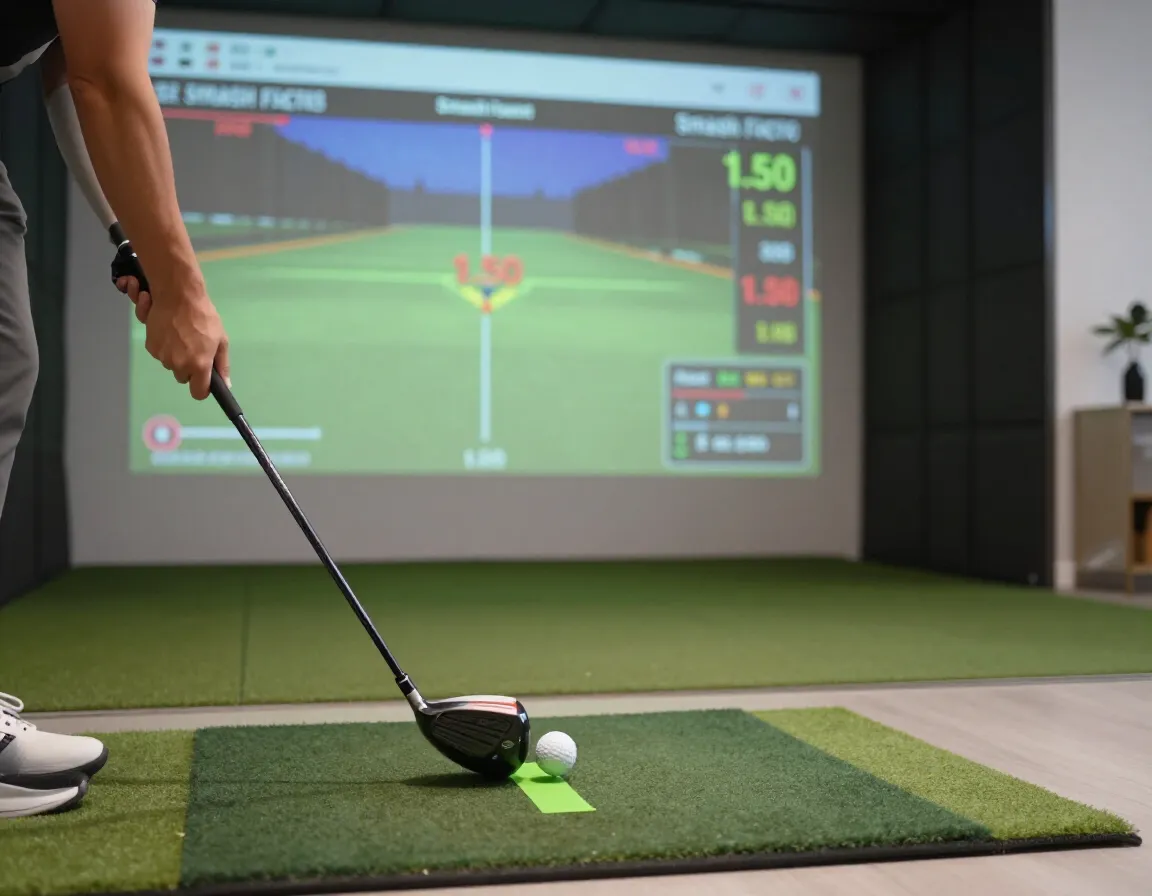
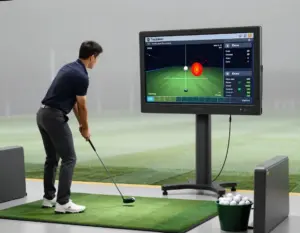
Modern launch monitor technology enables precise measurement of how efficiently you convert swing speed into ball speed. The magic number for drivers is 1.50 smash factor [1].
Technical Breakdown:
- Smash Factor = Ball Speed ÷ Club Head Speed
- Focus on center-face strikes
- Monitor strike patterns using impact tape
- Track improvement over multiple sessions
Training Progression:
- Week 1-2: Establish baseline measurements
- Week 3-4: Focus on strike location consistency
- Week 5+: Optimize for maximum efficiency
6. TrackMan Combine Assessment
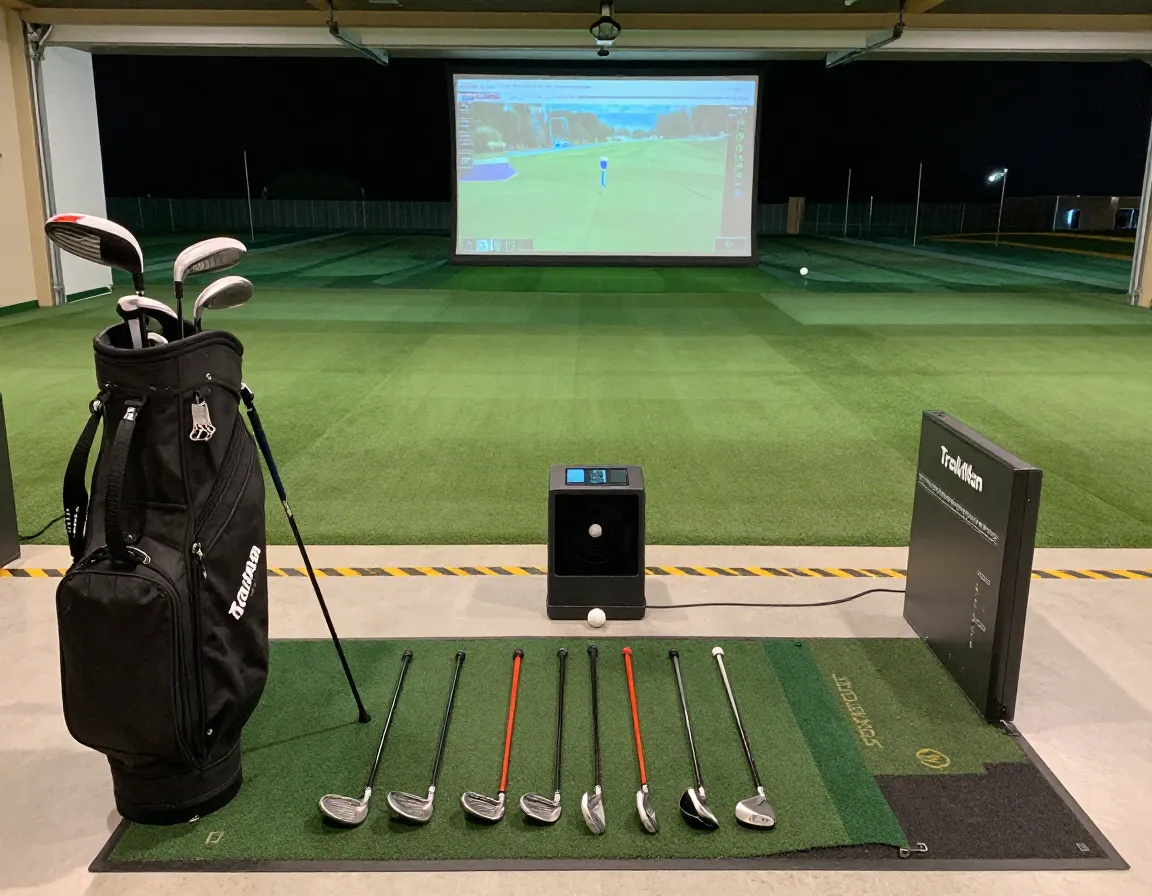
This 60-shot test measures ball-striking across all key distances from 60 yards to driver, using the same assessment Tour professionals use [1]. It provides objective measurement of your complete game.
Test Categories:
- Distance Control: 60, 75, 90-yard wedges
- Approach Shots: 100, 125, 150-yard irons
- Long Game: 175-yard approach and driver accuracy
Scoring System:
Each shot receives points based on proximity to target and consistency. This creates a comprehensive skill assessment that identifies specific areas for improvement.
7. Swing Plane Consistency Drill
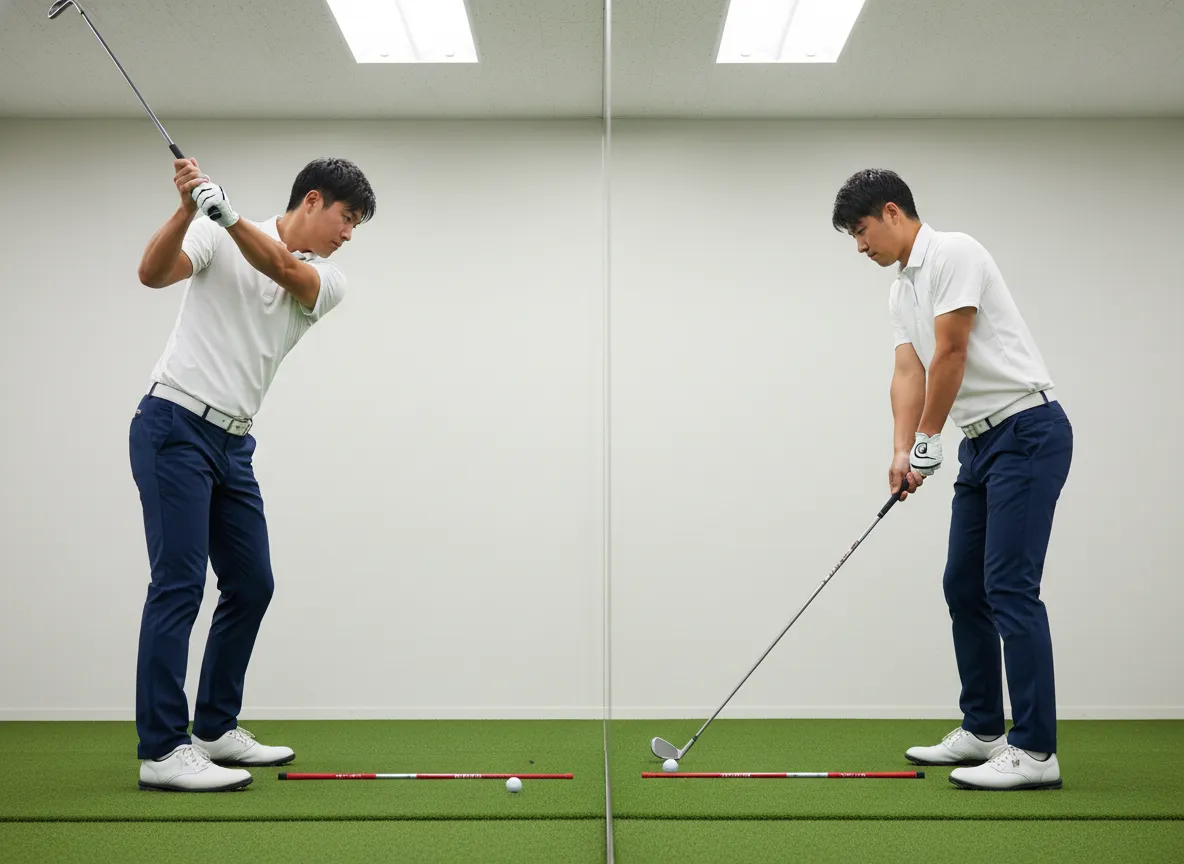
Using alignment sticks and mirror feedback, this drill develops repeatable swing plane mechanics. Consistency in your swing plane directly correlates with shot accuracy and distance control.
Setup Requirements:
- Two alignment sticks creating swing plane reference
- Full-length mirror for visual feedback
- Slow-motion practice swings
- Gradual speed increase while maintaining plane
8. Tempo and Rhythm Synchronization
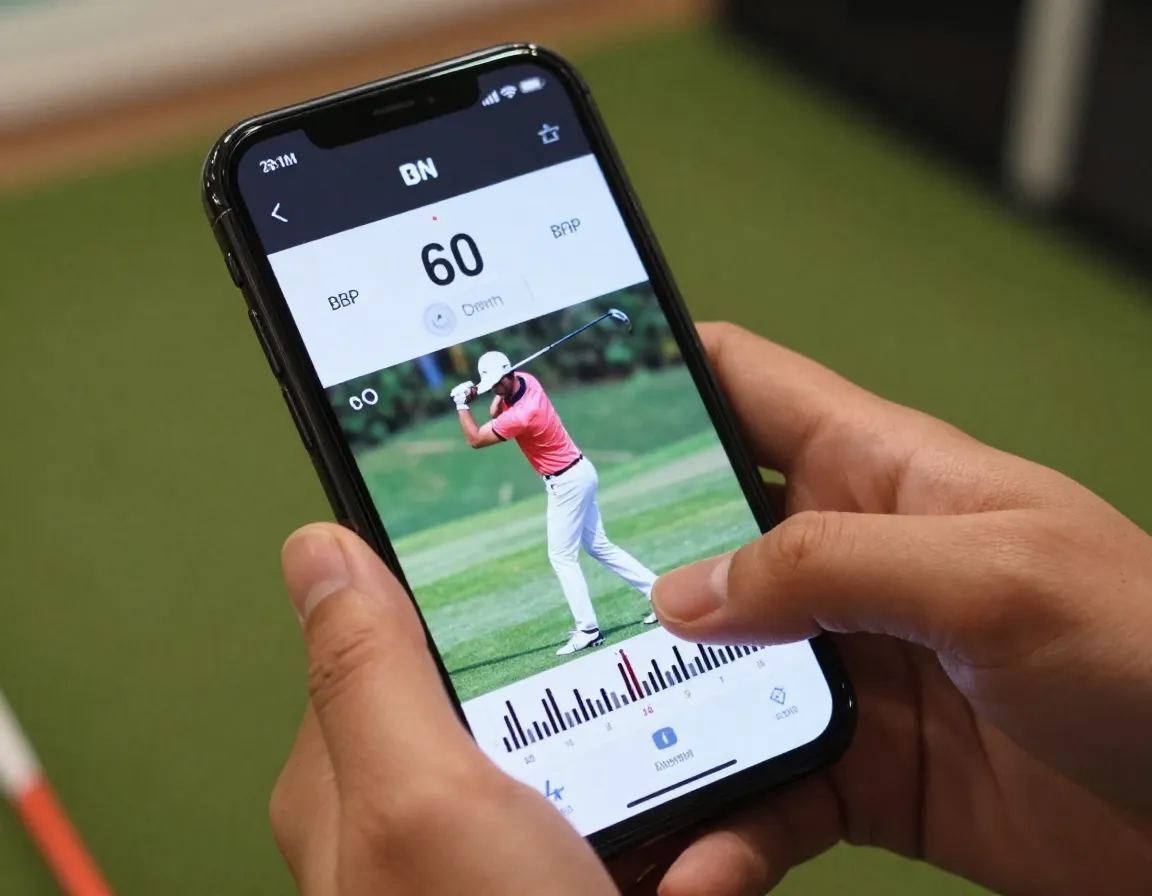
Professional tempo ratios typically measure 3:1 from backswing to downswing. This drill uses metronome training to develop tour-level timing.
Training Method:
- Use smartphone metronome app
- Start with slow tempo (60 BPM)
- Practice 3-count backswing, 1-count downswing
- Gradually increase speed while maintaining ratio
9. Power Development Integration
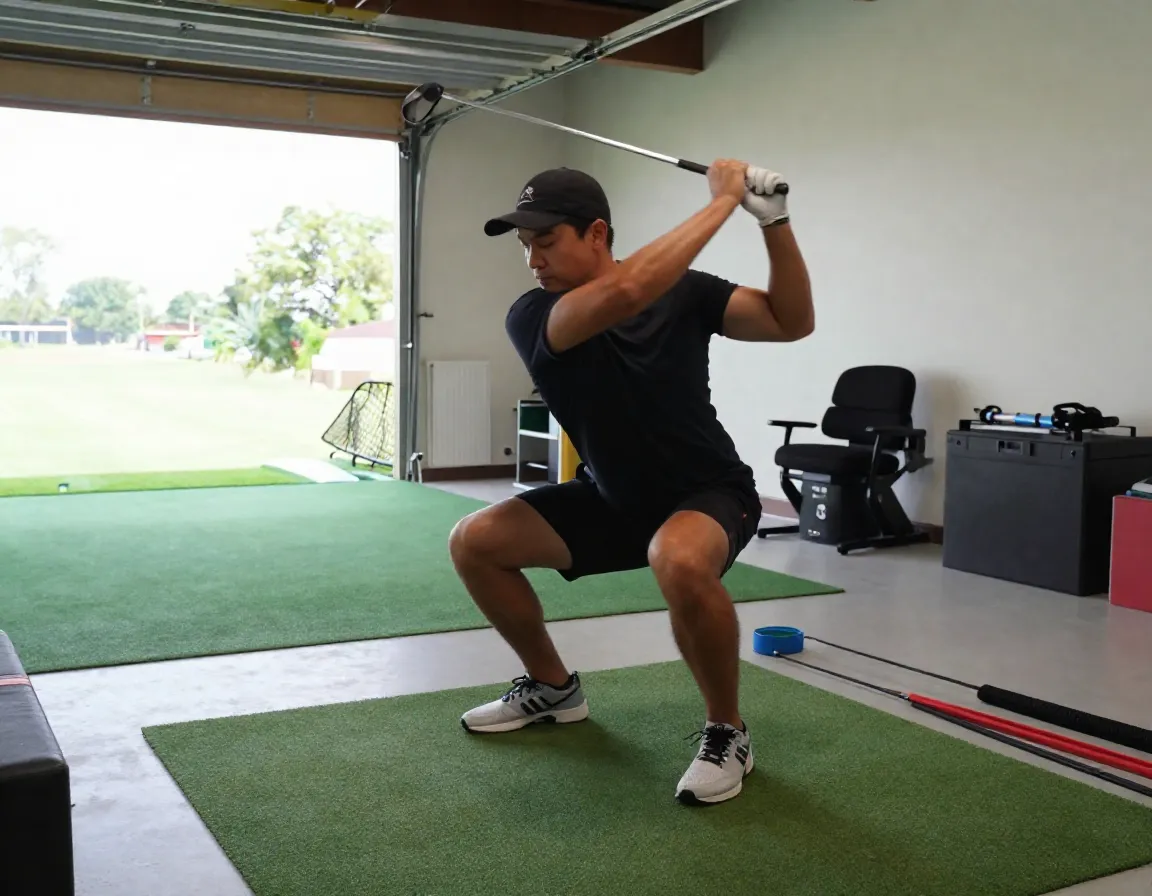
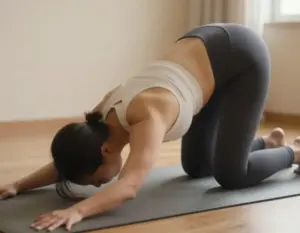
Golf Monthly research shows that specific fitness exercises improve indoor practice effectiveness [4]. Integrate these movements between swing drills:
Power Exercises:
- Squats: Build lower body stability
- Hip Hinges: Improve rotation power
- Horizontal Pushes/Pulls: Develop core strength
- Explosive Movements: Increase clubhead speed
Integration Strategy:
- 5 minutes of exercises between drill sets
- Focus on golf-specific movement patterns
- Track strength improvements alongside swing metrics
Maximizing Your Indoor Practice Sessions
Creating Effective Practice Routines
Sample 45-Minute Session:
- 5 minutes: Dynamic warm-up and stretching
- 10 minutes: Fundamental drills (Attack angle, Low point)
- 15 minutes: Technology drills (Smash factor, TrackMan combine)
- 10 minutes: Advanced technique work
- 5 minutes: Cool-down and session review
Tracking Progress and Improvement
Essential Metrics to Monitor:
- Strike consistency percentages
- Distance control accuracy
- Swing speed development
- Smash factor improvements
Documentation Methods:
- Practice journal with session notes
- Video analysis of swing changes
- Launch monitor data trends
- Handicap tracking correlation
Common Indoor Practice Mistakes
Avoid These Pitfalls:
❌ Practicing without specific goals
❌ Ignoring setup and alignment
❌ Focusing only on distance over accuracy
❌ Neglecting short game development
❌ Inconsistent practice scheduling
Pro Tips for Success:
✅ Set specific, measurable goals for each session
✅ Use video analysis for immediate feedback
✅ Practice with purpose and intention
✅ Simulate on-course pressure situations
✅ Maintain consistent practice schedule
Conclusion
The 9 Pro-Level Drills for Effective Indoor Golf Practice at Home represent a complete transformation in how you approach golf improvement. These scientifically-backed training methods eliminate the barriers of weather, time, and location that traditionally limit practice opportunities.
Your Next Steps:
- Start Simple: Begin with basic equipment and fundamental drills
- Add Technology: Invest in launch monitor technology as you progress
- Stay Consistent: Commit to regular 30-45 minute practice sessions
- Track Progress: Document improvements and adjust training focus
- Apply Learning: Transfer indoor gains to on-course performance
Remember, the world’s best golfers didn’t achieve greatness through talent alone—they developed systematic practice routines that maximized every training opportunity. Your home practice space can become the foundation for dramatic golf improvement, regardless of your current skill level.
The investment in proper indoor practice setup and commitment to these proven drills will pay dividends in lower scores, increased confidence, and greater enjoyment of the game. Start today, stay consistent, and watch your golf game transform from the comfort of your own home.
References
[1] 5 Indoor Practice Drills To Try Now – https://www.golfcave.com/blog/5-indoor-practice-drills-to-try-now
[2] Watch – https://www.youtube.com/watch?v=LUAZBv6fsjs
[3] Follow Through Drills For Better Contact – https://www.titleist.com/videos/instruction/follow-through-drills-for-better-contact
[4] Best Golf Workouts 10 Exercises For Every Golfer To Try – https://www.golfmonthly.com/tips/fitness/best-golf-workouts-10-exercises-for-every-golfer-to-try
[5] 7 Golf Drills You Can Do Inside With Just A Mat And Net – https://www.golfspy.com/news-opinion/instruction/7-golf-drills-you-can-do-inside-with-just-a-mat-and-net/