9 Questions to Ask Your Golf Club Repair Shop Before You Hand Over Your Irons
Picture this: You’ve just pulled your favorite 7-iron from your bag after a perfect approach shot, only to notice a crack in the shaft. Your heart sinks as you realize your trusted club needs professional attention. But before you rush to the nearest repair shop, stop. The difference between a stellar repair job and a costly disaster often comes down to asking the right questions upfront.
In 2026, the golf equipment repair industry has evolved significantly, with new technologies and techniques emerging alongside traditional craftsmanship. However, not all repair shops are created equal. Knowing the 9 Questions to Ask Your Golf Club Repair Shop Before You Hand Over Your Irons can save you hundreds of dollars, preserve your clubs’ performance, and ensure you’re back on the course with confidence.
Key Takeaways
- Always verify certifications and experience before entrusting your irons to any repair shop
- Get detailed written estimates including parts, labor, timeline, and warranty information
- Understand the repair process and what specific techniques will be used on your clubs
- Ask about quality guarantees and what happens if the repair doesn’t meet expectations
- Compare multiple shops to ensure you’re getting fair pricing and quality service
Why These 9 Questions to Ask Your Golf Club Repair Shop Are Essential
Your iron set represents a significant investment—often $500 to $2,000 or more. Beyond the financial aspect, these clubs are finely tuned instruments that directly impact your game. A poor repair job can alter lie angles, affect swing weight, or compromise structural integrity.
I’ve seen too many golfers learn this lesson the hard way. Last year, a friend brought his expensive forged irons to a shop that seemed reputable, only to discover they’d been permanently damaged during an improper shaft replacement. The shop had no insurance coverage, and he was left with a $1,200 loss.
The reality is simple: asking the right questions upfront protects both your equipment and your wallet.
The Complete Guide: 9 Questions to Ask Your Golf Club Repair Shop Before You Hand Over Your Irons
1. What Are Your Technician’s Certifications and Experience?
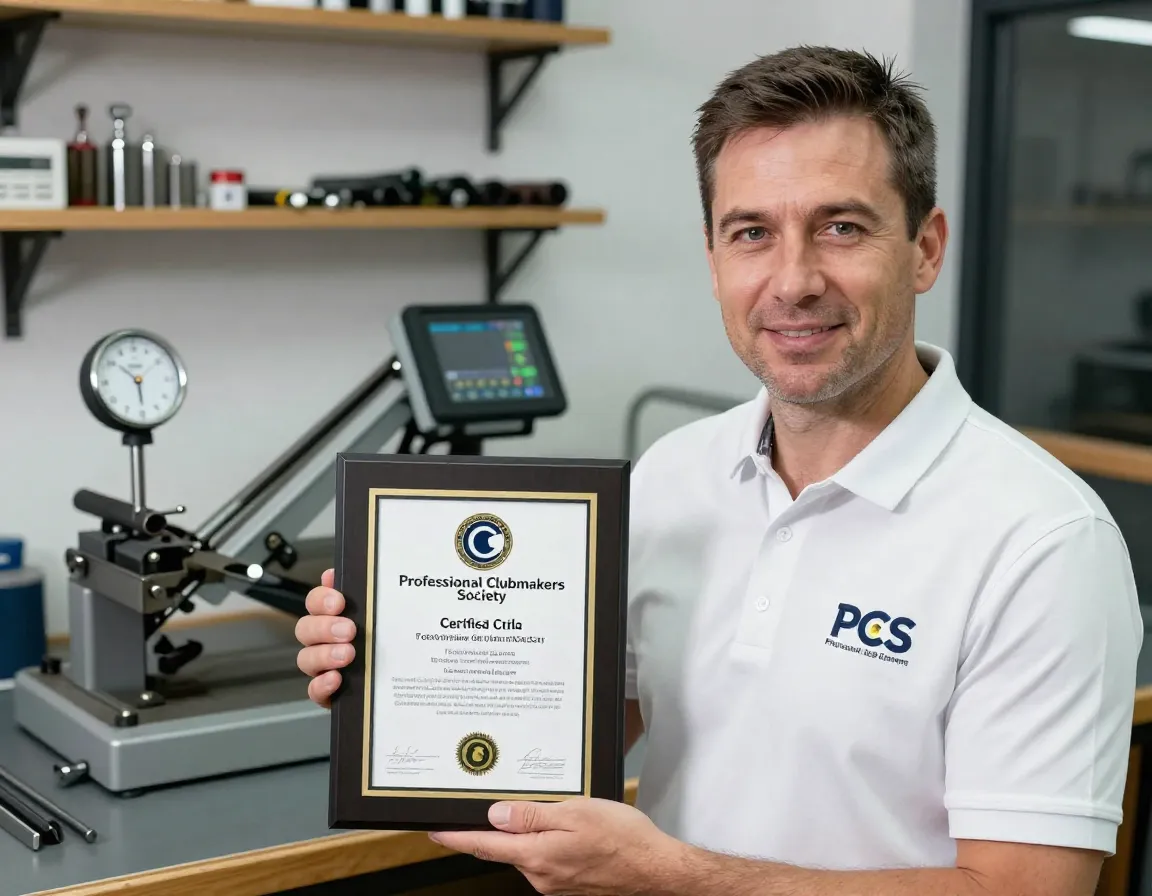
Not all club repair technicians are created equal. Professional certification matters tremendously in this specialized field.
Look for technicians certified by:
- Professional Clubmakers Society (PCS)
- Golf Club Repair Association
- Major manufacturer training programs (Titleist, Callaway, TaylorMade, etc.)
Ask specifically: “How long has your lead technician been repairing golf clubs, and what certifications do they hold?”
A qualified technician should have minimum 3-5 years of experience and ongoing education in modern repair techniques. Don’t hesitate to ask about their experience with your specific iron brand—some clubs require specialized knowledge.
2. Can You Provide a Detailed Written Estimate?
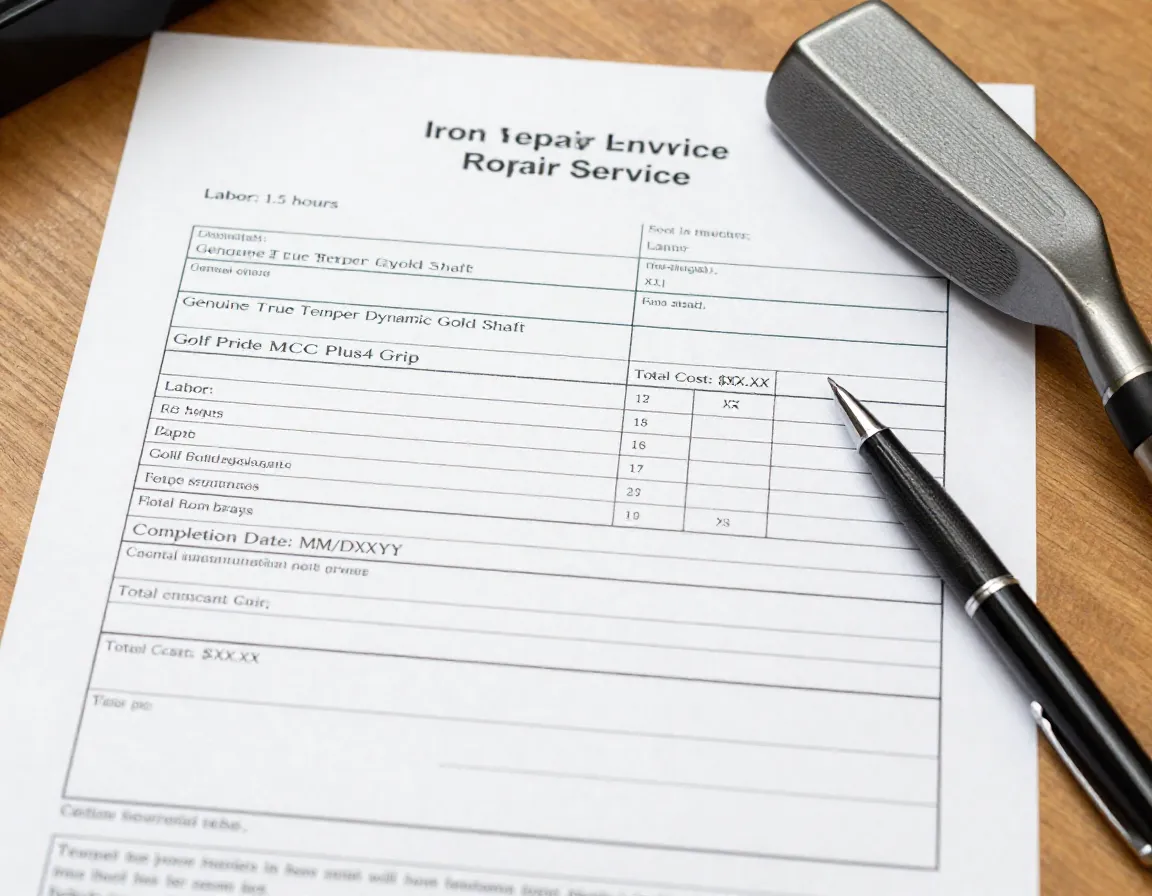
Never accept verbal estimates. A professional shop should provide a comprehensive written quote that includes:
| Estimate Component | What to Look For |
|---|---|
| Labor costs | Hourly rates and time estimates |
| Parts pricing | Specific shaft, grip, or component costs |
| Timeline | Realistic completion dates |
| Total cost | All-inclusive pricing with no hidden fees |
The estimate should also specify exactly what work will be performed. Vague descriptions like “iron repair” aren’t sufficient—you need details about shaft replacement, grip installation, lie angle adjustments, or whatever specific services are required.
3. What Warranty Do You Offer on Repairs?
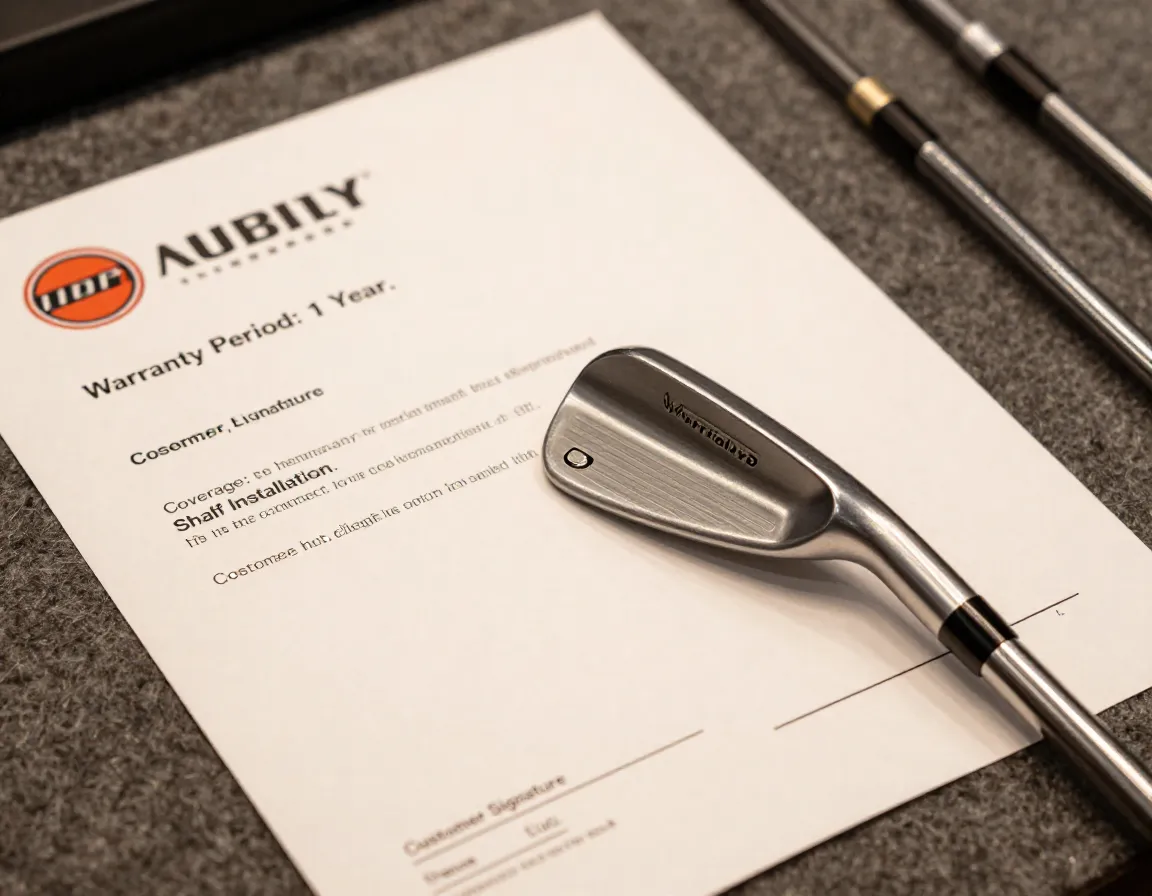
This question separates professional shops from amateur operations. Reputable repair shops stand behind their work with solid warranty coverage.
Standard warranty expectations:
- Shaft installations: 1-2 years against defects
- Grip work: 6-12 months
- Lie/loft adjustments: 90 days minimum
- Refinishing work: 6 months to 1 year
Ask what the warranty covers and what voids it. Some shops exclude normal wear and tear, while others offer comprehensive coverage. Get warranty terms in writing—verbal promises mean nothing if problems arise later.
4. Do You Have Insurance Coverage for Customer Equipment?
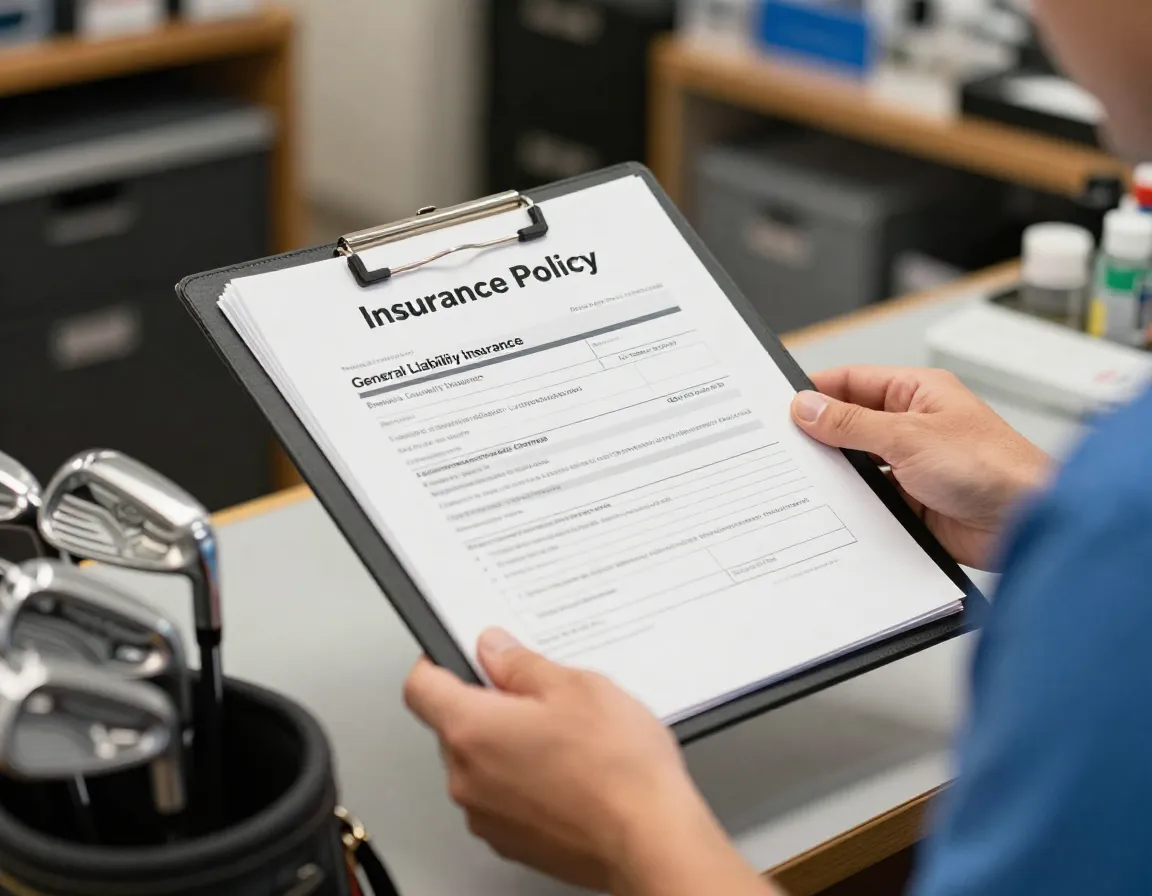
Here’s a question many golfers never think to ask, but it’s absolutely critical. Accidents happen, even in the best repair shops. Equipment can be damaged during repair, lost, or even stolen.
Professional shops should carry:
- General liability insurance
- Bailee’s customer goods coverage
- Professional indemnity insurance
If a shop hesitates to discuss insurance or claims they “never have problems,” consider that a red flag. Legitimate businesses are transparent about their coverage and happy to provide proof of insurance if requested.
5. What Specific Repair Process Will You Use?
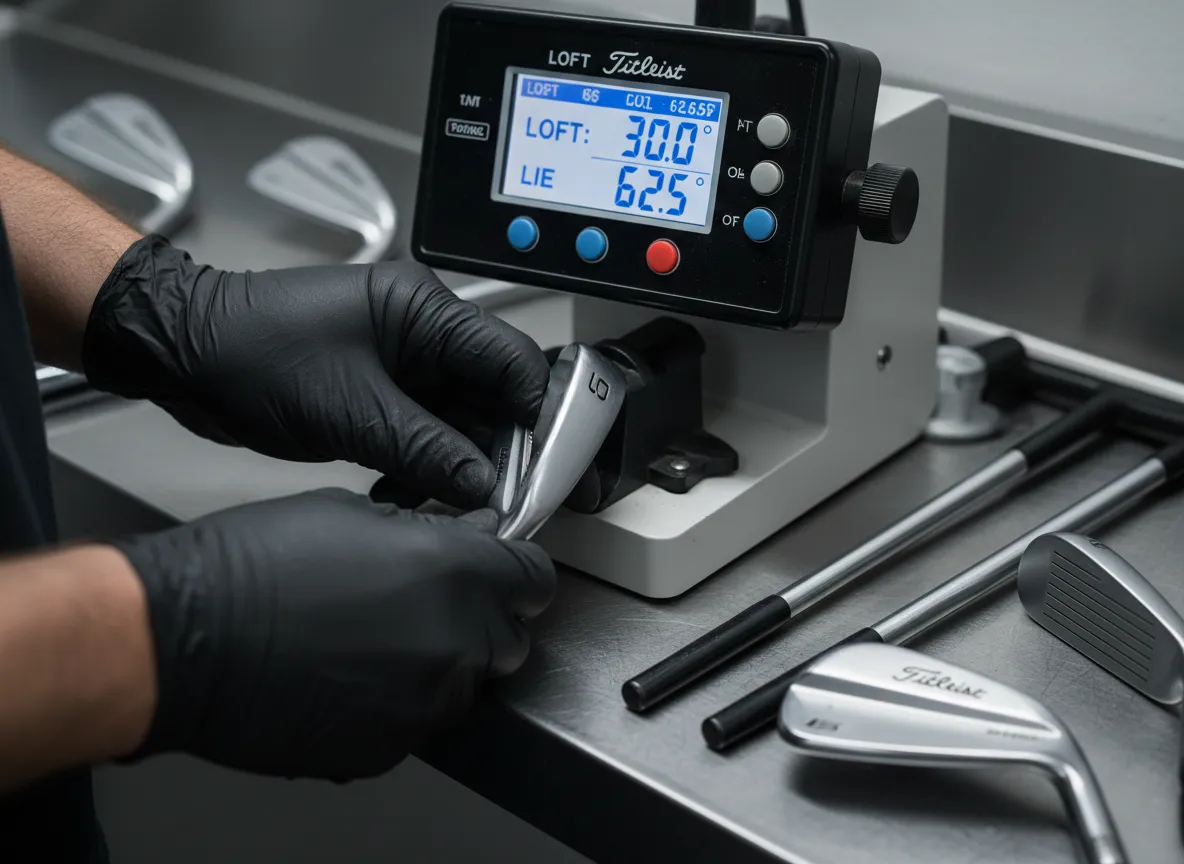
Understanding the repair methodology helps you evaluate whether the shop uses proper techniques for your specific clubs.
For common iron repairs, ask about:
Shaft Replacement Process:
- How do they remove old shafts? (Heat method, cutting, etc.)
- What adhesives do they use for installation?
- How do they ensure proper alignment and torque specifications?
Lie Angle Adjustments:
- What equipment do they use for measurements?
- How many degrees can they safely adjust your specific irons?
- Do they check for stress fractures after bending?
A knowledgeable technician should explain their process clearly and address any concerns about your specific club model.
6. Can You Show Me Examples of Similar Work?
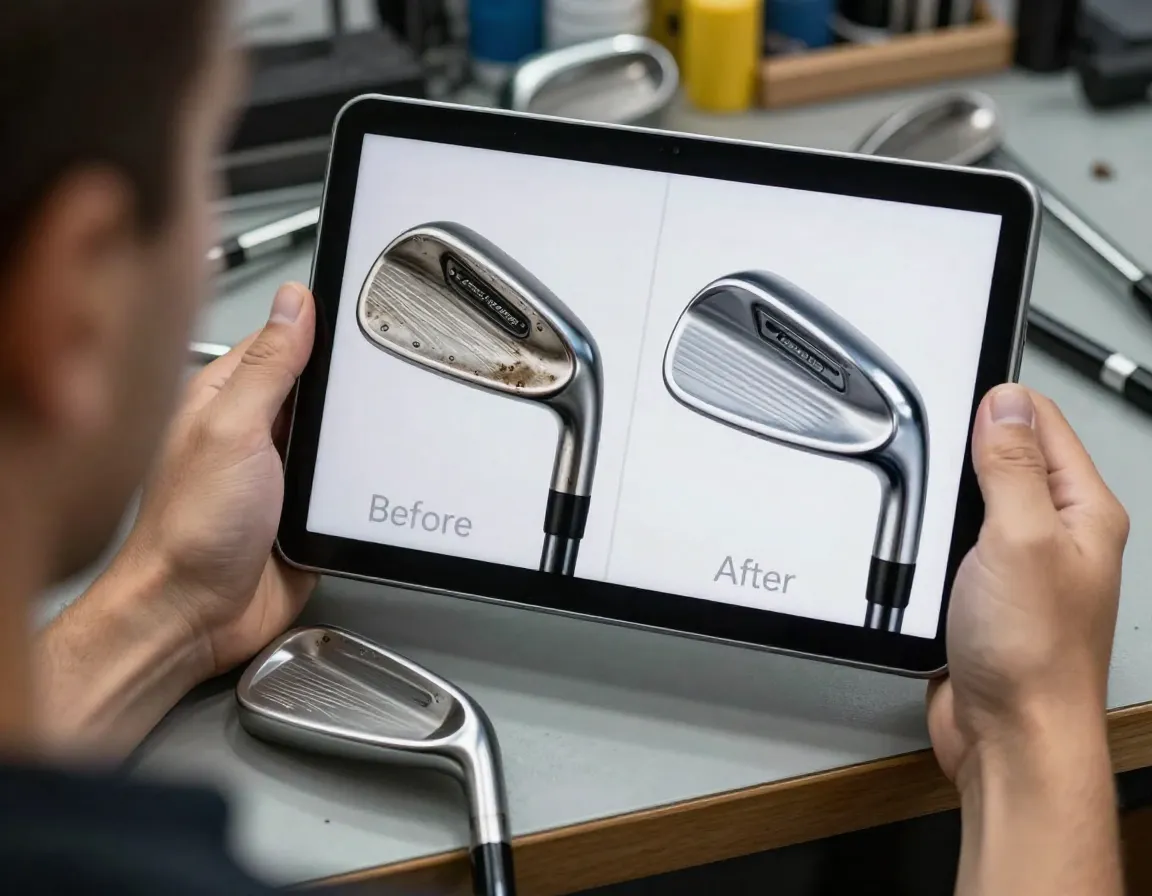
Visual proof speaks volumes. Ask to see before-and-after photos of similar repairs, especially if you need complex work like refinishing or extensive shaft replacement.
A quality shop should have:
- Photo documentation of previous projects
- Sample clubs demonstrating their refinishing quality
- References from satisfied customers
- Examples of work on your iron brand/model
If they can’t show examples or seem reluctant to share their work, that’s concerning. Confident professionals are proud to showcase their craftsmanship.
7. What Is Your Realistic Timeline for Completion?
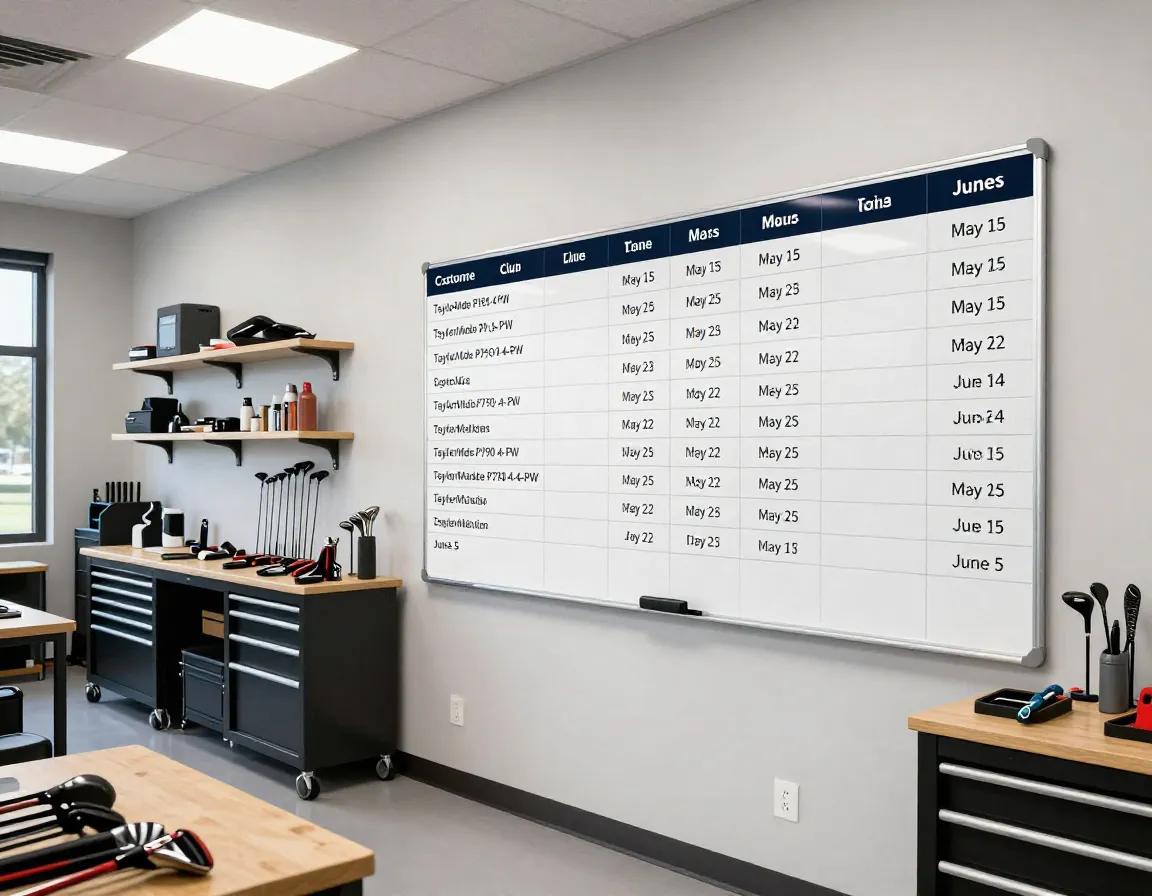
Timing expectations vary significantly based on repair complexity and shop workload. However, realistic timelines are crucial for planning your golf schedule.
Typical repair timeframes:
- Simple grip replacement: 1-3 days
- Single shaft replacement: 3-7 days
- Full set reshafting: 2-3 weeks
- Refinishing work: 1-2 weeks
- Complex repairs: 2-4 weeks
Be wary of shops that promise unrealistically fast turnarounds—quality work takes time. Conversely, if they can’t provide any timeline estimate, they may lack proper workflow management.
8. Do You Source Genuine Parts and Components?
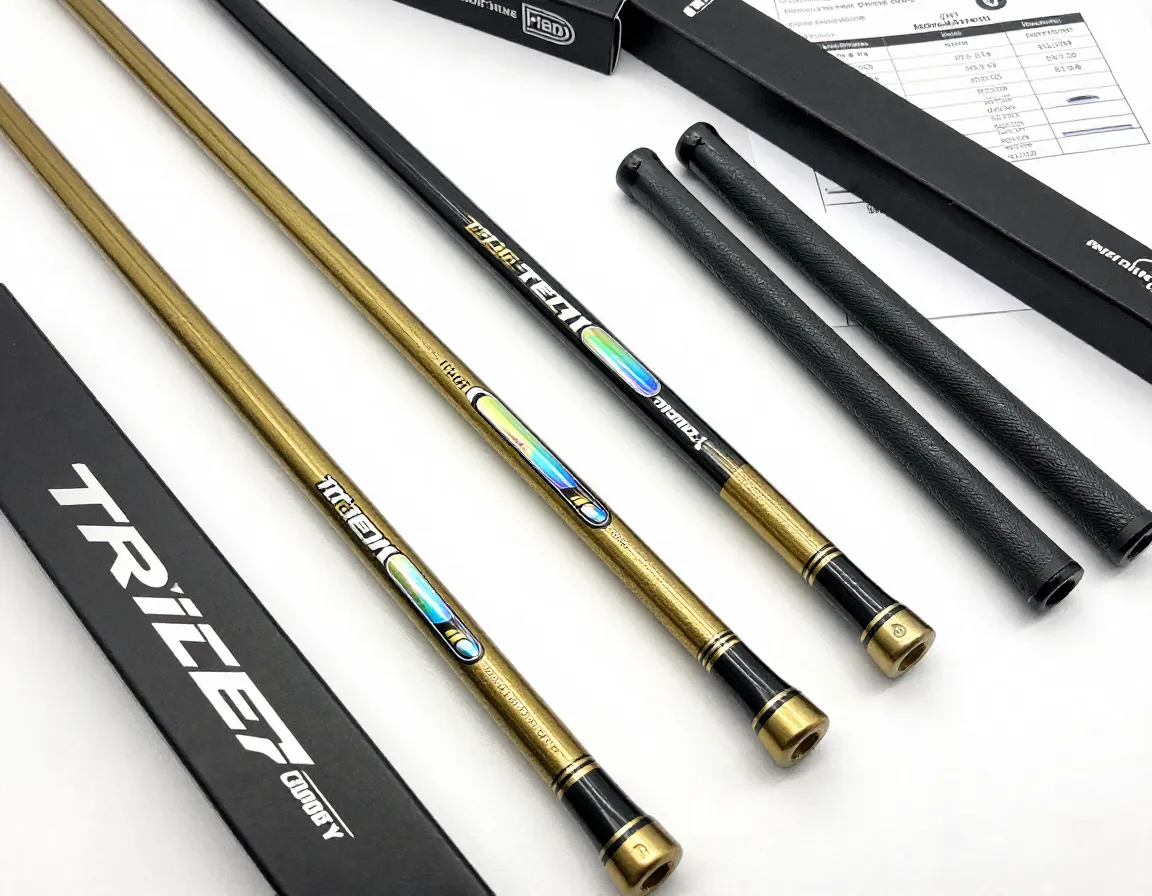
Counterfeit golf components are a real problem in 2026. Fake shafts, grips, and other parts can look authentic but perform poorly and potentially damage your clubs.
Ask specifically:
- “Do you source parts directly from manufacturers or authorized distributors?”
- “Can you provide documentation proving parts authenticity?”
- “What brands do you typically work with for replacement components?”
Reputable shops maintain relationships with major component manufacturers and can provide authenticity documentation. If they’re vague about sourcing or offer suspiciously cheap “equivalent” parts, be cautious.
9. What Happens If I’m Not Satisfied with the Repair?
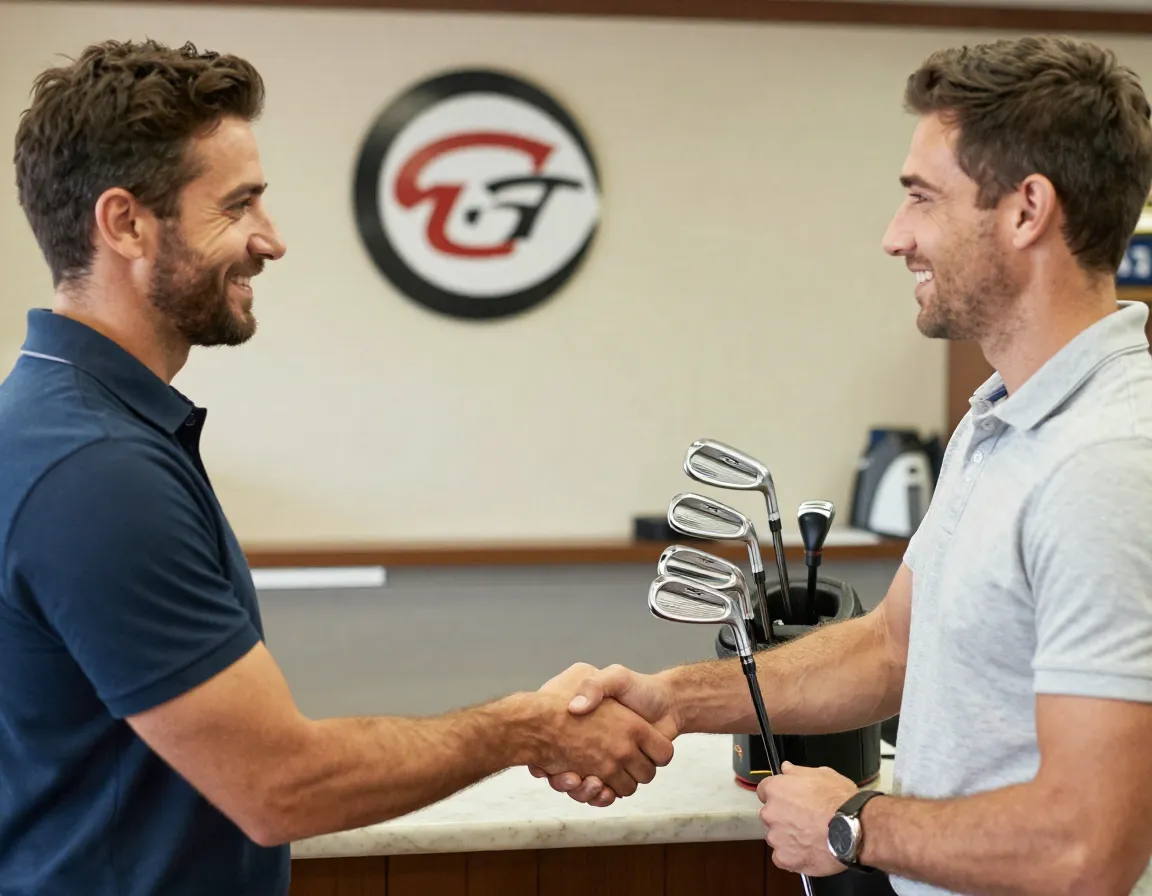
This final question reveals how the shop handles customer service issues and stands behind their work.
Professional shops should offer:
- Clear satisfaction guarantee policies
- Willingness to redo unsatisfactory work at no charge
- Transparent dispute resolution process
- Refund policies for irreparable damage they cause
Pay attention to their response. Defensive or evasive answers suggest potential problems. Confident professionals welcome this question and clearly explain their customer satisfaction policies.
Red Flags to Watch For When Asking These Questions
While asking the 9 Questions to Ask Your Golf Club Repair Shop Before You Hand Over Your Irons, watch for these warning signs:
🚩 Reluctance to answer questions directly
🚩 No written estimates or warranties
🚩 Inability to show previous work examples
🚩 Vague responses about technician qualifications
🚩 Pressure to leave clubs immediately without proper documentation
🚩 Significantly lower prices than other shops (often indicates corner-cutting)
🚩 No insurance coverage or evasive responses about protection
“A reputable repair shop should welcome your questions and provide detailed, confident answers. If they seem annoyed by your inquiries, find another shop.” – Master Clubfitter, PGA Professional
Making the Final Decision
After asking all nine questions, you should have a clear picture of each shop’s capabilities, policies, and professionalism. Don’t automatically choose the cheapest option—your irons deserve quality care.
Consider these factors in your decision:
- Overall professionalism and knowledge demonstrated
- Comprehensive warranty coverage
- Transparent pricing and realistic timelines
- Proper insurance protection for your equipment
- Positive references and examples of quality work
Conclusion
Protecting your iron investment requires due diligence before selecting a repair shop. These 9 Questions to Ask Your Golf Club Repair Shop Before You Hand Over Your Irons provide the framework for making an informed decision that protects both your equipment and your game.
Remember, quality repair work is an investment, not an expense. A skilled technician can restore your clubs to like-new condition and even improve their performance through proper adjustments. Conversely, poor repair work can permanently damage expensive equipment.
Take action today: Before your next repair need arises, research local shops and ask these questions. Build a relationship with a qualified repair professional before you need emergency service. Your future self—and your golf game—will thank you for this preparation.
Don’t let a damaged club become a costly mistake. Ask the right questions, choose wisely, and keep your irons performing at their best.