7 Mini Golf Backyard Ideas to Create a Family Fun Zone
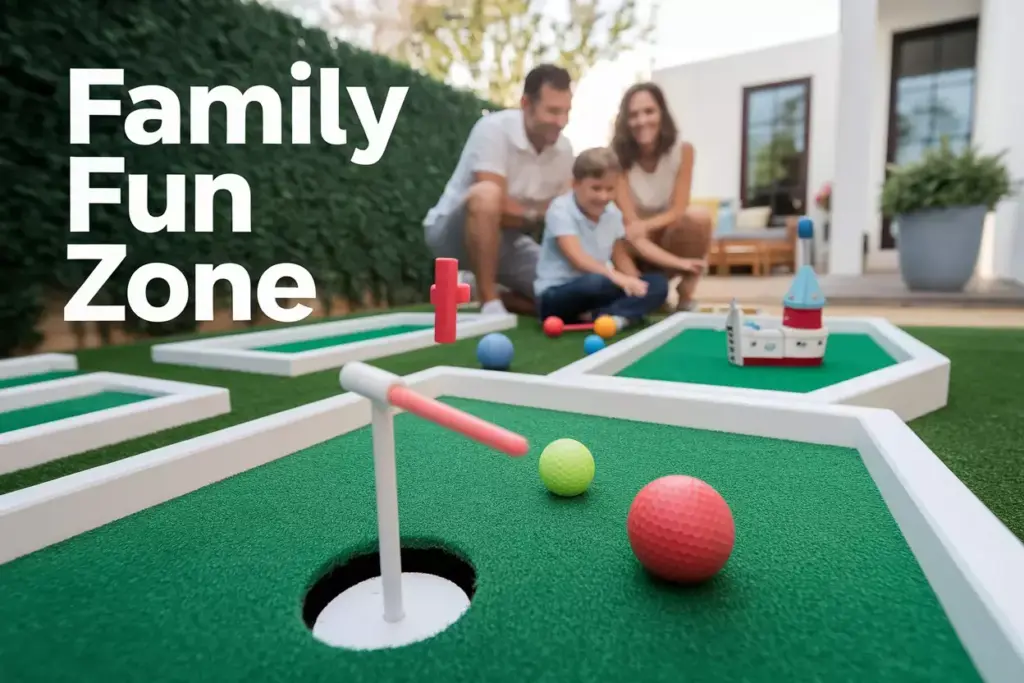
Transform your ordinary backyard into an extraordinary entertainment destination with 7 mini golf backyard ideas to create a family fun zone. These creative and practical solutions will turn your outdoor space into a magical putting paradise that brings families together, encourages outdoor play, and creates lasting memories right at home.
Disclosure: This post contains affiliate links. As an Amazon Associate, we earn from qualifying purchases, and at no extra cost to you.
Key Takeaways
- Budget-friendly options exist for every family, from simple DIY courses using household items to elaborate themed installations
- Proper planning and design ensures your mini golf course flows well and provides engaging challenges for all skill levels
- Creative obstacles and themes transform basic putting greens into immersive experiences that captivate children and adults alike
- Maintenance considerations help preserve your investment and keep the course playable year-round
- Safety features protect family members while maximizing enjoyment of your backyard entertainment zone
Why Choose Mini Golf for Your Backyard Entertainment Zone? 🏌️
Creating a backyard mini golf course offers numerous benefits beyond simple entertainment. This engaging activity promotes family bonding, encourages outdoor physical activity, and provides a cost-effective alternative to expensive entertainment venues. Unlike traditional playground equipment that children quickly outgrow, mini golf appeals to all ages and skill levels.
Mini golf courses also add property value and create a unique selling point for homeowners. The installation requires minimal space compared to pools or large play structures, making it accessible for various yard sizes. Additionally, the activity promotes hand-eye coordination, problem-solving skills, and friendly competition among family members.
The beauty of backyard mini golf lies in its customization potential. Families can design courses that reflect their interests, incorporate existing landscape features, and modify holes seasonally to maintain excitement and challenge.
Essential Planning Considerations for Your Mini Golf Family Fun Zone
Space Assessment and Layout Design
Before implementing 7 mini golf backyard ideas to create a family fun zone, conduct a thorough space assessment. Measure your available area and identify existing features like trees, gardens, or structures that could enhance or constrain your design.
Optimal space requirements:
- Minimum area: 200-400 square feet for a basic 4-6 hole course
- Ideal area: 600-1000 square feet for elaborate designs
- Hole spacing: 8-12 feet between holes for comfortable play
- Safety zones: 3-4 feet clearance around obstacles and boundaries
Budget Planning and Material Selection
Establish a realistic budget that accounts for materials, tools, and potential professional assistance. DIY approaches can cost as little as $200-500, while professional installations may range from $2,000-10,000 depending on complexity and materials.
Budget breakdown considerations:
- Base materials (artificial turf, borders): 40-50% of budget
- Obstacles and decorations: 30-35% of budget
- Tools and hardware: 10-15% of budget
- Lighting and accessories: 5-10% of budget
Safety and Accessibility Features
Prioritize safety considerations throughout your design process. Ensure pathways remain clear, obstacles are securely anchored, and materials are non-toxic and weather-resistant. Consider accessibility needs for family members with mobility challenges.
7 Mini Golf Backyard Ideas to Create the Ultimate Family Fun Zone
1. The Classic Windmill Wonder Course
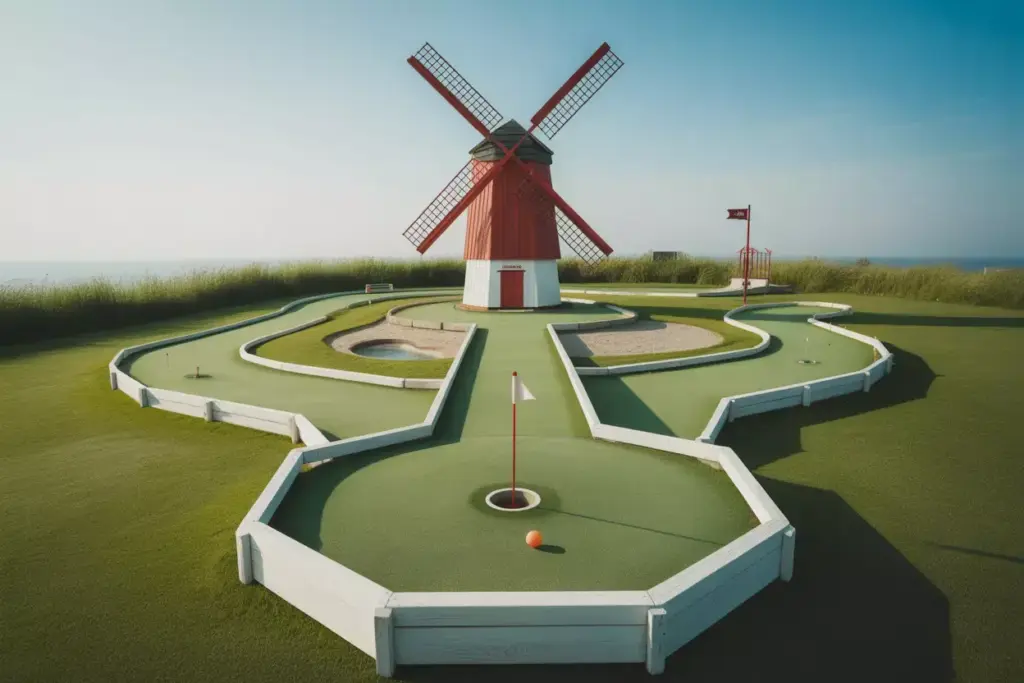
Create a traditional mini golf experience with iconic windmill obstacles and classic putting challenges. This timeless design appeals to all generations and provides excellent photo opportunities for family memories.
Design elements:
- Rotating windmill as the centerpiece obstacle
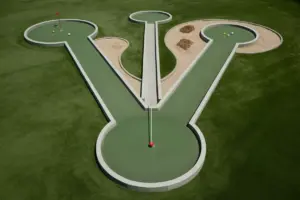
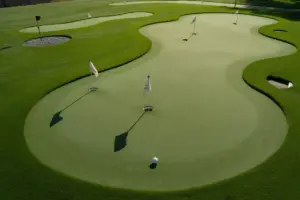
- Curved putting paths that wind around landscape features
- Traditional green carpeting or high-quality artificial turf
- White wooden borders for clean, professional appearance
- Multiple difficulty levels to challenge different skill levels
Construction tips:
- Use weather-resistant plywood for windmill construction
- Install ball return systems to prevent lost balls
- Create gentle slopes (2-3 degrees) for natural ball movement
- Position strategic sand traps or water features for added challenge
This classic approach works exceptionally well for families seeking a recognizable mini golf experience without overwhelming complexity. The windmill serves as a focal point while providing mechanical interest that fascinates children.
2. Adventure-Themed Obstacle Paradise
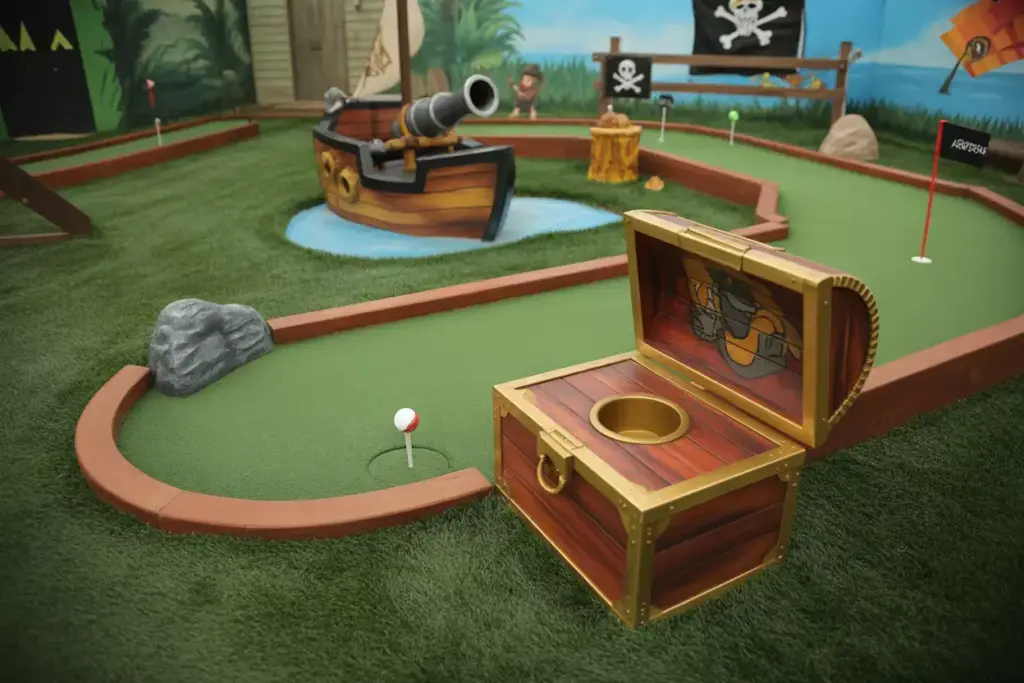
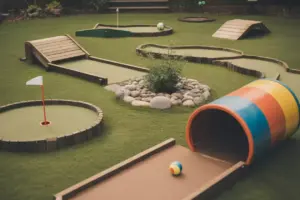
Transform your backyard into an adventure wonderland featuring pirate ships, castles, and jungle themes that spark imagination while providing challenging gameplay.
Themed elements:
- Pirate ship with cannon obstacles and treasure chest holes
- Medieval castle with drawbridge and moat features
- Jungle adventure with animal figures and vine obstacles
- Space exploration theme with rocket ships and planet obstacles
- Underwater world featuring sea creatures and coral formations
Implementation strategies:
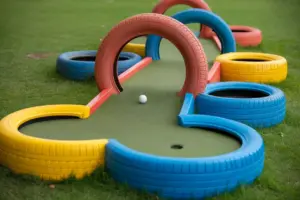
- Repurpose playground equipment for cost-effective obstacles
- Paint existing structures to match chosen themes
- Incorporate sound effects using weather-resistant speakers
- Add themed lighting for evening play sessions
- Create storylines connecting each hole for immersive experiences
Adventure themes particularly appeal to children aged 6-14 while maintaining enough challenge to engage adults. The storytelling aspect encourages creative play beyond simple putting practice.
3. Natural Landscape Integration Course
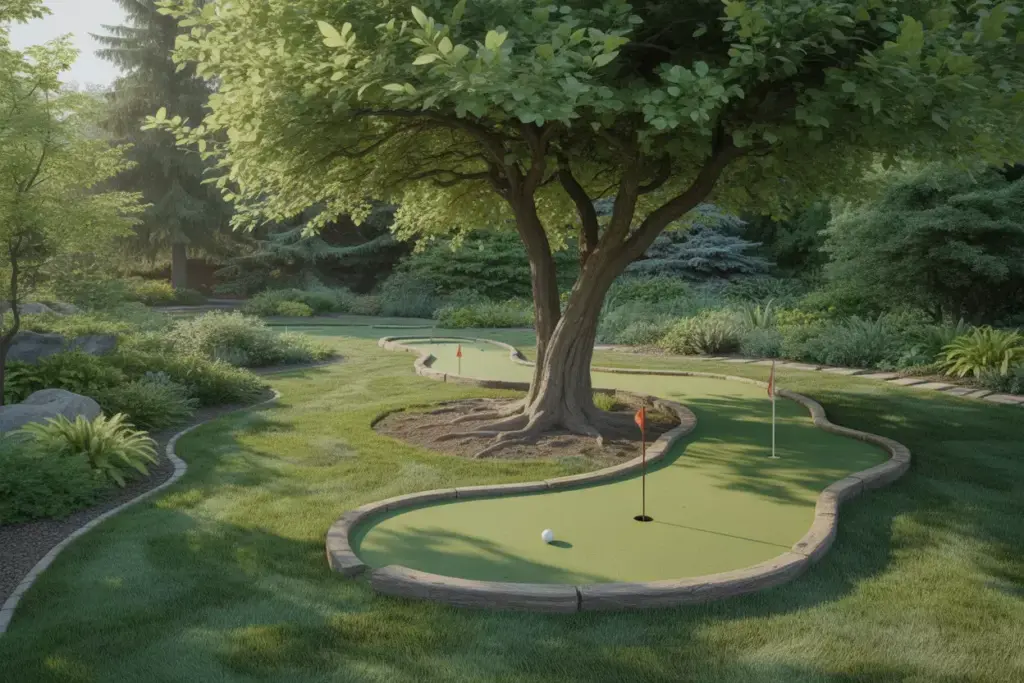
Blend your mini golf course seamlessly with existing landscape features, creating an organic flow that enhances rather than disrupts your backyard’s natural beauty.
Integration techniques:
- Incorporate existing trees as natural obstacles and shade providers
- Use garden beds as boundaries and decorative elements
- Create water features using existing irrigation or adding small fountains
- Utilize natural slopes for challenging elevation changes
- Blend artificial elements with native plants and materials
Sustainable practices:
- Choose drought-resistant materials to minimize water usage
- Install permeable surfaces to prevent drainage issues
- Select native plants for low-maintenance landscaping
- Implement rainwater collection for course maintenance
- Use recycled materials whenever possible for construction
This approach appeals to environmentally conscious families and creates a course that feels like a natural extension of the landscape rather than an artificial addition.
4. Modular and Portable Fun Zone System
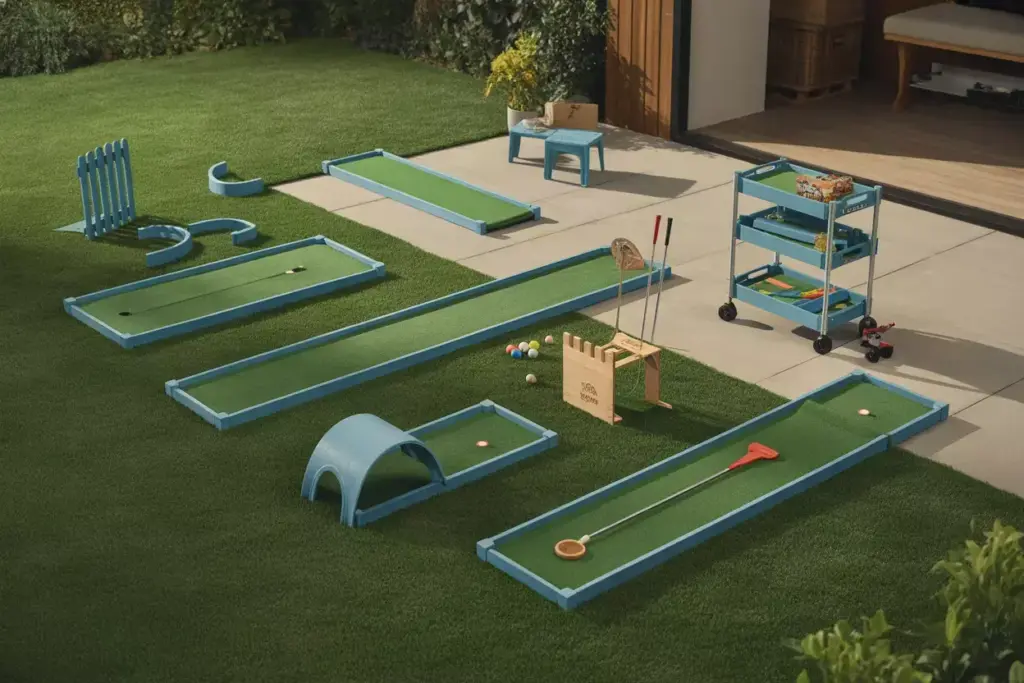
Design a flexible mini golf system using modular components that can be rearranged, stored, or expanded based on changing needs and seasonal considerations.
Modular components:
- Interlocking turf sections for easy reconfiguration
- Removable obstacle pieces that store compactly
- Adjustable borders that accommodate different layouts
- Portable lighting systems for evening entertainment
- Stackable storage solutions for off-season organization
Flexibility benefits:
- Seasonal modifications keep the course fresh and exciting
- Easy maintenance with removable components
- Space optimization when full course isn’t needed
- Expandability as budget and interest grow
- Rental potential for neighborhood events and parties
Modular systems work exceptionally well for families with limited space or those who enjoy regular design changes. This approach also accommodates growing children whose interests and abilities evolve over time.
5. Glow-in-the-Dark Evening Entertainment Zone
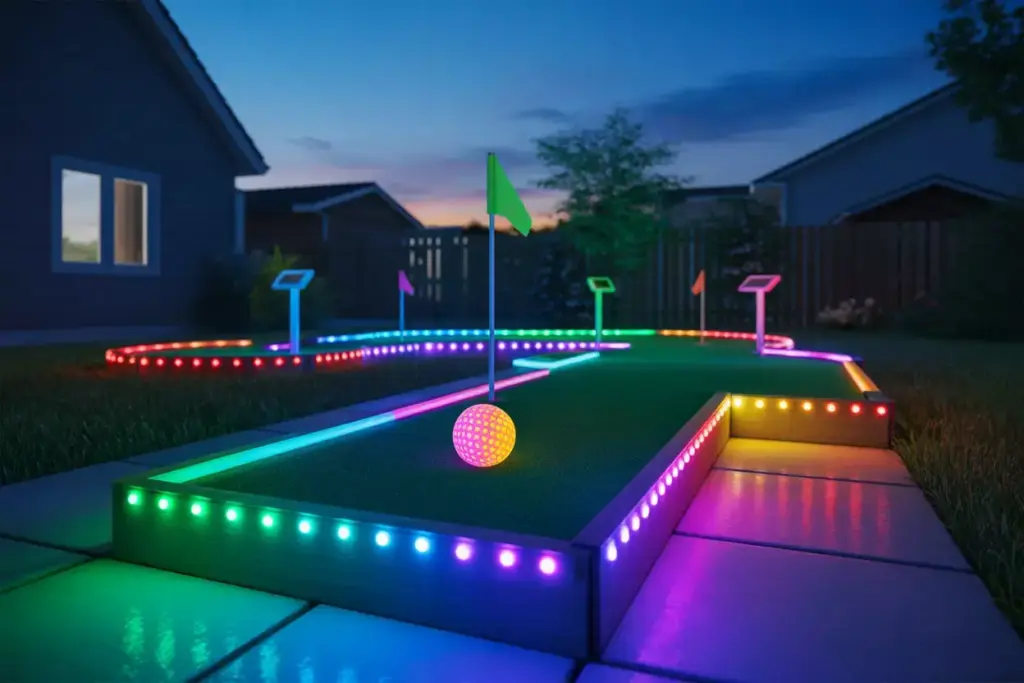
Create a magical nighttime experience using glow-in-the-dark materials, LED lighting, and reflective elements that transform your backyard into an enchanting evening entertainment destination.
Lighting elements:
- LED strip lighting along course boundaries and pathways
- Glow-in-the-dark paint for balls, obstacles, and decorative elements
- Solar-powered accent lights for sustainable illumination
- Color-changing LED features for dynamic visual effects
- Safety lighting ensuring clear visibility of all course elements
Special effects:
- Blacklight sections that make fluorescent elements glow dramatically
- Motion-activated lighting that responds to player movement
- Timed light sequences that create excitement and anticipation
- Reflective materials that amplify available lighting
- Themed sound effects synchronized with lighting changes
Evening courses provide unique entertainment value and extend playing hours, making them particularly valuable for working families who have limited daylight recreational time.
6. Educational STEM Learning Course
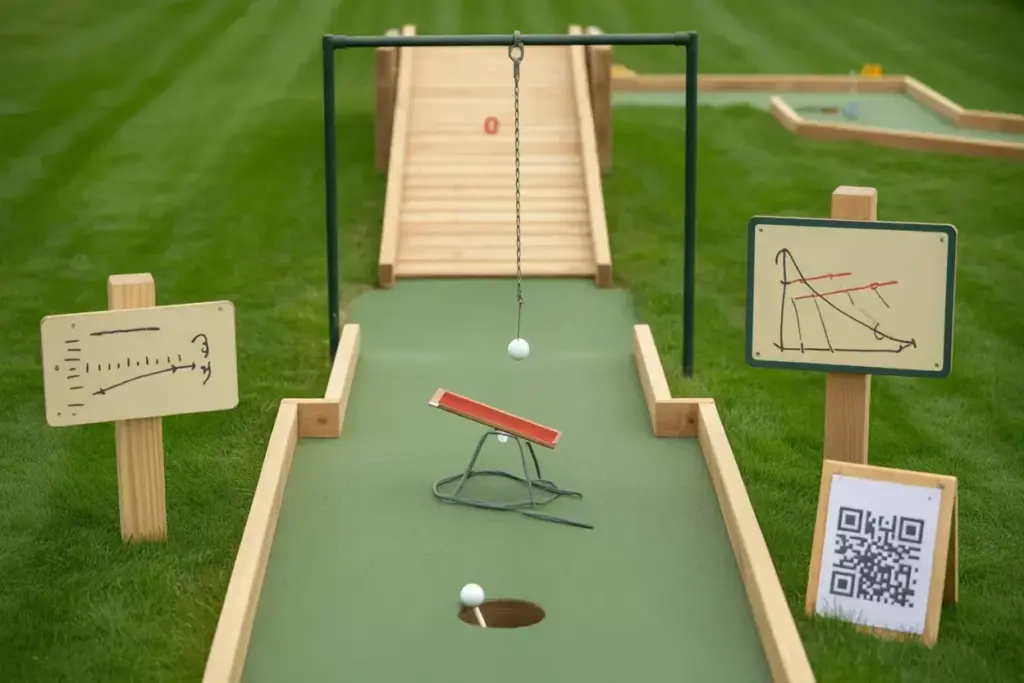
Combine entertainment with education by incorporating science, technology, engineering, and mathematics concepts into your mini golf design, creating learning opportunities disguised as play.
Educational elements:
- Physics demonstrations using ramps, pendulums, and momentum transfers
- Mathematics challenges requiring angle calculations and distance measurements
- Engineering puzzles involving gear systems and mechanical advantages
- Geography themes featuring world landmarks and cultural elements
- Environmental science lessons through water cycle and ecosystem demonstrations
Learning integration:
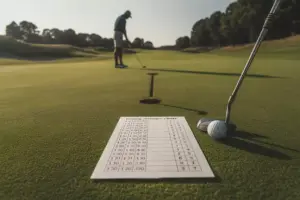
- Scorecards with math problems that affect final scores
- QR codes linking to educational content about each hole’s concepts
- Hands-on experiments built into obstacle interactions
- Seasonal curriculum that aligns with school learning objectives
- Family challenge cards encouraging collaborative problem-solving
Educational courses appeal particularly to homeschooling families and parents seeking screen-free learning activities that engage multiple learning styles simultaneously.
7. Multi-Generational Accessibility Course
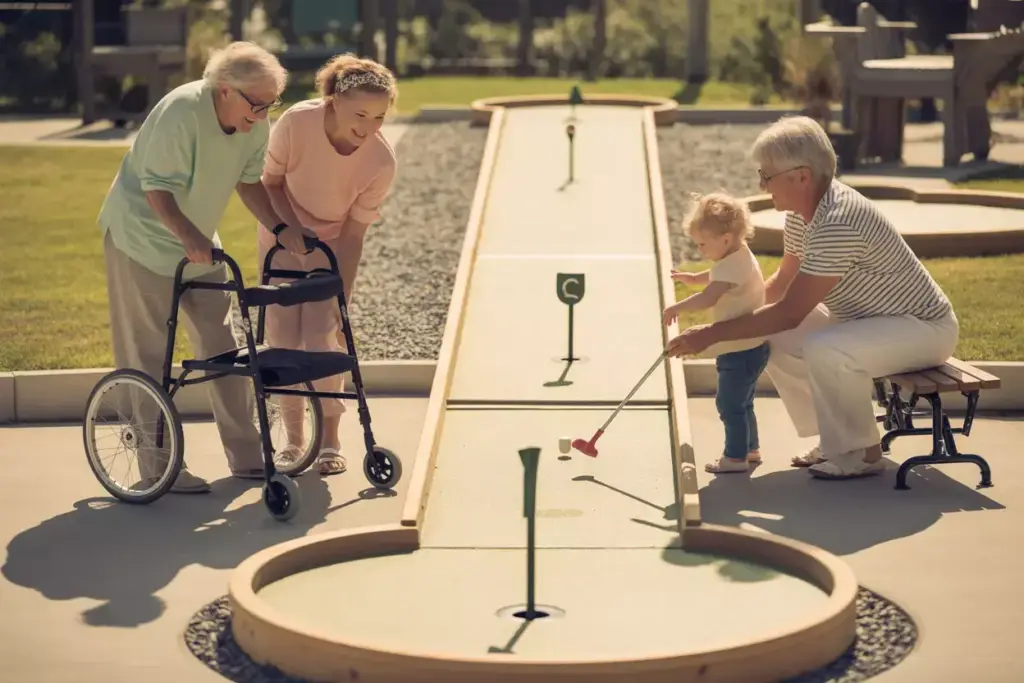
Design an inclusive mini golf experience that accommodates family members of all ages and physical abilities, ensuring everyone can participate fully in the family fun zone.
Accessibility features:
- Wide pathways (minimum 36 inches) for wheelchair and walker access
- Multiple tee positions accommodating different heights and abilities
- Gentle slopes (maximum 5% grade) for easy navigation
- Tactile elements for visually impaired family members
- Clear sight lines ensuring safety and supervision opportunities
Universal design principles:
- Adjustable difficulty levels within each hole
- Alternative playing methods for different physical capabilities
- Comfortable seating areas for rest and observation
- Good lighting ensuring visibility for all players
- Non-slip surfaces preventing accidents and falls
Intergenerational benefits:
- Grandparent participation in family activities
- Skill development for children with varying abilities
- Social inclusion for family members with disabilities
- Therapeutic benefits through gentle physical activity
- Confidence building through achievable challenges
This approach ensures that 7 mini golf backyard ideas to create a family fun zone truly serve the entire family, regardless of age or ability differences.
Construction and Installation Best Practices
Site Preparation and Foundation Work
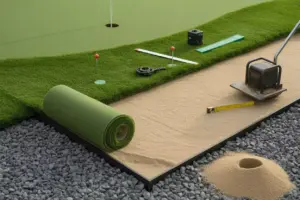
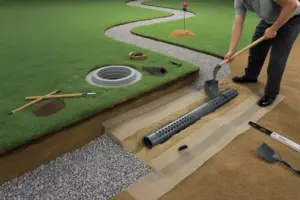
Proper site preparation ensures your mini golf course remains level, drains well, and provides years of reliable entertainment. Begin with soil testing and drainage assessment to identify potential issues before construction begins.
Foundation steps:
- Clear and level the designated area, removing debris and vegetation
- Install drainage systems if natural drainage is inadequate
- Compact the base using appropriate materials for your soil type
- Create borders using treated lumber, concrete, or decorative materials
- Install base layers of sand or gravel for stability and drainage
Material Selection and Quality Considerations
Choose high-quality materials that withstand weather exposure and heavy use. Artificial turf designed for outdoor sports provides excellent putting surfaces, while pressure-treated lumber ensures long-lasting borders and obstacles.
Material priorities:
- Weather resistance for year-round durability
- Safety compliance meeting playground and recreational standards
- Maintenance requirements matching your available time and resources
- Aesthetic appeal complementing your home’s exterior design
- Cost effectiveness balancing quality with budget constraints
Professional vs. DIY Installation
Evaluate whether professional installation or DIY construction better serves your family’s needs, budget, and timeline. Simple courses work well as family projects, while complex designs may require professional expertise.
DIY advantages:
- Cost savings of 50-70% compared to professional installation
- Family bonding through collaborative construction projects
- Customization freedom without contractor limitations
- Learning opportunities for children and adults
- Flexible timeline accommodating family schedules
Professional benefits:
- Expert design optimizing space and flow
- Quality assurance with warranties and guarantees
- Faster completion minimizing disruption to yard use
- Complex features requiring specialized skills and equipment
- Permit assistance for installations requiring approvals
Maintenance and Seasonal Care
Regular Maintenance Routines
Establish consistent maintenance schedules to preserve your investment and ensure safe, enjoyable play experiences. Weekly maintenance prevents minor issues from becoming major problems.
Weekly tasks:
- Surface cleaning removing leaves, debris, and standing water
- Obstacle inspection checking for loose components or damage
- Turf maintenance brushing artificial grass and checking seams
- Safety assessment ensuring all elements remain secure and functional
- Equipment organization maintaining putters, balls, and accessories
Seasonal Preparation and Storage
Seasonal transitions require specific maintenance activities to protect course elements from weather damage and prepare for changing use patterns.
Spring preparation:
- Deep cleaning after winter weather exposure
- Component inspection for weather damage or wear
- Turf restoration addressing any damage or displacement
- Obstacle maintenance lubricating moving parts and touching up paint
- Landscaping integration updating plantings and decorative elements
Winter protection:
- Component storage for removable elements
- Surface protection using covers or treatments as appropriate
- Drainage maintenance ensuring water doesn’t freeze and cause damage
- Safety measures preventing ice formation in play areas
- Planning activities for improvements and modifications
Troubleshooting Common Issues
Address common maintenance challenges proactively to minimize downtime and repair costs. Ball retrieval systems, drainage problems, and surface wear represent the most frequent issues requiring attention.
Solution strategies:
- Ball return mechanisms preventing lost balls and player frustration
- Drainage improvements addressing standing water and surface damage
- Surface repairs maintaining smooth, consistent putting surfaces
- Obstacle adjustments ensuring appropriate difficulty levels
- Safety updates addressing wear patterns and potential hazards
Enhancing Your Family Fun Zone Experience
Technology Integration and Smart Features
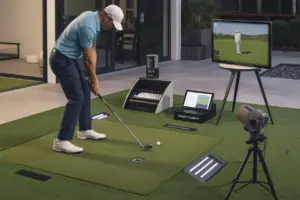
Modern technology integration can enhance your mini golf experience without overwhelming the natural outdoor environment. Smart lighting systems, automated scoring, and interactive elements add excitement while maintaining simplicity.
Technology options:
- Smartphone apps for scorekeeping and course management
- Bluetooth speakers for ambient music and sound effects
- Motion sensors triggering lights or sounds during play
- Weather monitoring providing alerts for optimal playing conditions
- Security cameras monitoring the course when not in use
Social and Entertainment Additions
Expand your family fun zone beyond mini golf by incorporating complementary activities and amenities that encourage extended outdoor time and social interaction.
Complementary features:
- Seating areas with comfortable outdoor furniture
- Refreshment stations with coolers or outdoor kitchens
- Game storage for additional outdoor activities
- Shade structures providing comfort during hot weather
- Party amenities supporting birthday celebrations and gatherings
Community and Neighborhood Engagement
Consider how your mini golf backyard ideas to create a family fun zone might serve the broader community while maintaining family privacy and enjoyment.
Community benefits:
- Neighborhood events bringing families together
- Educational demonstrations sharing construction knowledge
- Fundraising opportunities for local organizations
- Social media sharing inspiring other families
- Property value enhancement benefiting the entire neighborhood
Budget-Friendly Implementation Strategies
Phased Construction Approach
Implement your mini golf vision gradually through phased construction that spreads costs over time while providing immediate enjoyment from completed sections.
Phase planning:
- Phase 1: Basic putting green with simple obstacles ($200-500)
- Phase 2: Additional holes and decorative elements ($300-700)
- Phase 3: Advanced features and lighting systems ($400-800)
- Phase 4: Landscaping integration and finishing touches ($200-600)
Cost-Saving Material Alternatives
Explore creative material substitutions that achieve professional results while minimizing expenses. Recycled materials, bulk purchases, and seasonal sales provide significant savings opportunities.
Money-saving strategies:
- Artificial turf remnants from commercial installations
- Reclaimed lumber for borders and obstacles
- PVC pipe systems for creative obstacle construction
- Bulk material purchases shared with neighbors or friends
- Seasonal clearance sales for outdoor recreation equipment
DIY vs. Professional Cost Analysis
Cost comparison between DIY and professional installation helps families make informed decisions based on their specific circumstances and priorities.
| Approach | Initial Cost | Time Investment | Quality Level | Customization |
|---|---|---|---|---|
| Full DIY | $300-1,500 | 20-60 hours | Variable | Maximum |
| Partial Professional | $800-3,000 | 10-30 hours | High | Moderate |
| Full Professional | $2,000-10,000 | 5-15 hours | Excellent | Limited |
Safety Considerations and Risk Management
Child Safety and Supervision Guidelines
Prioritize child safety throughout design and implementation phases. Age-appropriate challenges, clear sight lines, and secure installations prevent accidents while maintaining engagement.
Safety priorities:
- Rounded edges on all obstacles and borders
- Secure anchoring preventing tip-overs or movement
- Non-toxic materials safe for children and pets
- Clear pathways preventing trips and falls
- Supervision zones allowing adult oversight of play
Weather and Environmental Hazards
Address environmental risks including severe weather, pest control, and seasonal hazards that could affect player safety or course integrity.
Risk mitigation:
- Lightning safety protocols for electrical storms
- Heat protection through shade and hydration reminders
- Pest management preventing dangerous insect encounters
- Surface drainage eliminating slip hazards
- Seasonal adjustments addressing ice, snow, or extreme temperatures
Insurance and Liability Considerations
Consult with insurance providers regarding coverage for backyard recreational installations and potential liability issues related to neighborhood access or accidents.
Protection strategies:
- Homeowner’s insurance review and updates
- Liability waivers for organized events or gatherings
- Safety documentation demonstrating reasonable care
- Regular inspections maintaining safe conditions
- Clear boundaries defining private vs. public access
Conclusion
Creating 7 mini golf backyard ideas to create a family fun zone transforms ordinary outdoor spaces into extraordinary entertainment destinations that bring families together and create lasting memories. From simple DIY installations to elaborate themed courses, these ideas accommodate various budgets, space constraints, and family preferences while providing years of enjoyment.
The key to success lies in thoughtful planning, quality materials, and ongoing maintenance that preserves your investment. Whether choosing classic windmill designs, adventure themes, or educational STEM courses, each approach offers unique benefits that enhance family bonding and outdoor recreation.
Take action today by assessing your available space, establishing a realistic budget, and selecting the mini golf concept that best matches your family’s interests and abilities. Start with a simple design that can be expanded over time, ensuring immediate enjoyment while building toward your ultimate vision.
Remember that the most valuable aspect of any backyard mini golf course isn’t the elaborate obstacles or professional-quality turf—it’s the laughter, competition, and togetherness that these spaces create for families seeking meaningful connections in our increasingly digital world.
Your family fun zone awaits—begin planning your mini golf adventure today and discover how these creative ideas can transform your backyard into the neighborhood’s premier entertainment destination. 🏌️♂️🏡