6 Must-Have Clubs for Golf Every Beginner Needs to Own: Your Complete Starter Guide
Picture this: you’re standing on the first tee of a beautiful golf course, the morning sun casting long shadows across perfectly manicured fairways. Your heart races with excitement, but then reality hits – you’re staring at a bag full of clubs and have no idea which one to choose. This scenario plays out thousands of times each day as new golfers discover the overwhelming world of golf equipment. The good news? You don’t need all 14 clubs to start playing great golf. Understanding the 6 must-have clubs for golf every beginner needs to own can transform your game from frustrating to fantastic, setting the foundation for years of enjoyment on the course.
Disclosure: This post contains affiliate links. As an Amazon Associate, we earn from qualifying purchases, and at no extra cost to you.
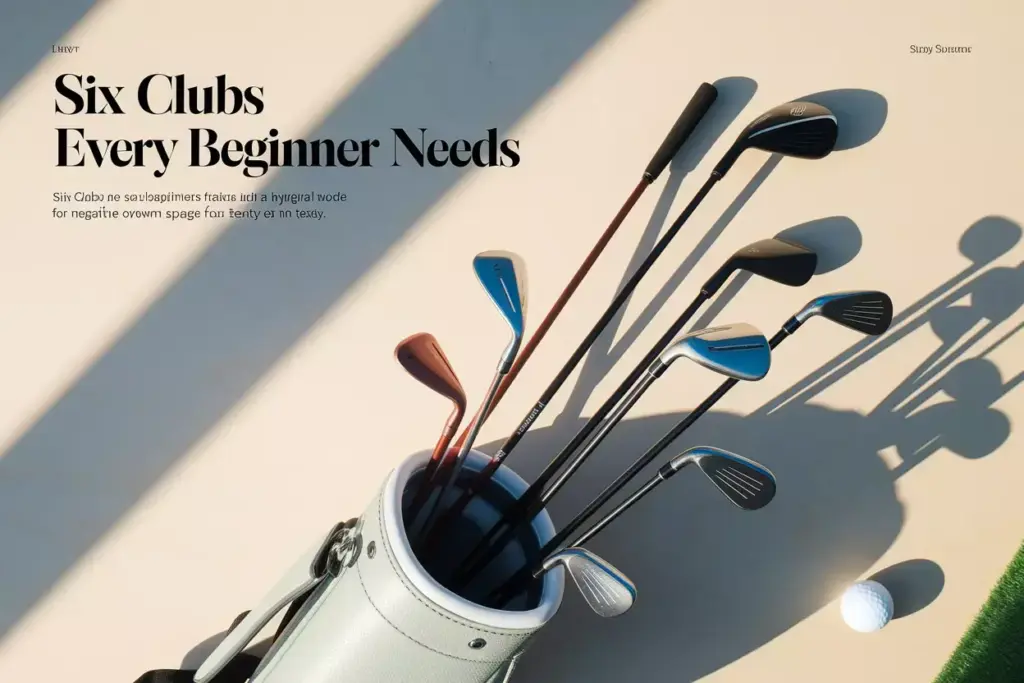
Key Takeaways
- Start with six essential clubs rather than a full 14-club set to focus on fundamentals and reduce decision paralysis
- Prioritize forgiveness over distance when selecting beginner clubs, choosing options with larger sweet spots and oversized heads
- Invest in quality construction from reputable brands like Wilson, TaylorMade, and Callaway for consistent performance
- Focus on proper loft angles: 10.5+ degrees for drivers, higher lofted fairway woods, and hybrids over long irons
- Build your bag gradually as skills improve, starting with these six core clubs before adding specialty options
Understanding Why These 6 Must-Have Clubs for Golf Every Beginner Needs to Own 🏌️♂️
Golf can feel intimidating when faced with choosing from 14 different clubs, each designed for specific situations and skill levels. The reality is that most beginner golfers benefit more from mastering fewer clubs than struggling with a full set they don’t understand.
Research from leading golf instruction professionals shows that new players who start with a focused set of six clubs improve their fundamentals faster and enjoy the game more[1]. This approach allows beginners to:
- Develop consistency with each club through repeated practice
- Reduce decision-making pressure on the course
- Save money while learning proper swing mechanics
- Build confidence before adding more specialized equipment
The key principle behind selecting these essential clubs is forgiveness – the ability of a club to perform well even on mishit shots. Beginner-friendly clubs feature larger clubheads, bigger sweet spots, and design elements that help get the ball airborne more easily[1].
What Makes a Club Beginner-Friendly?
Modern golf club technology has revolutionized equipment for new players. The 6 must-have clubs for golf every beginner needs to own share several important characteristics:
🔸 Oversized Clubheads: Larger heads provide bigger sweet spots, making solid contact more likely
🔸 Perimeter Weighting: Weight distributed around the edges increases stability and forgiveness
🔸 Flexible Shafts: Regular flex shafts help generate clubhead speed and launch the ball higher
🔸 Thick Top Lines: Confidence-inspiring appearance at address reduces anxiety over difficult shots
🔸 Lower Center of Gravity: Helps get the ball airborne more easily, especially important for new players
The Essential Long Game Clubs Every Beginner Must Have
1. Driver (10.5+ Degree Loft)
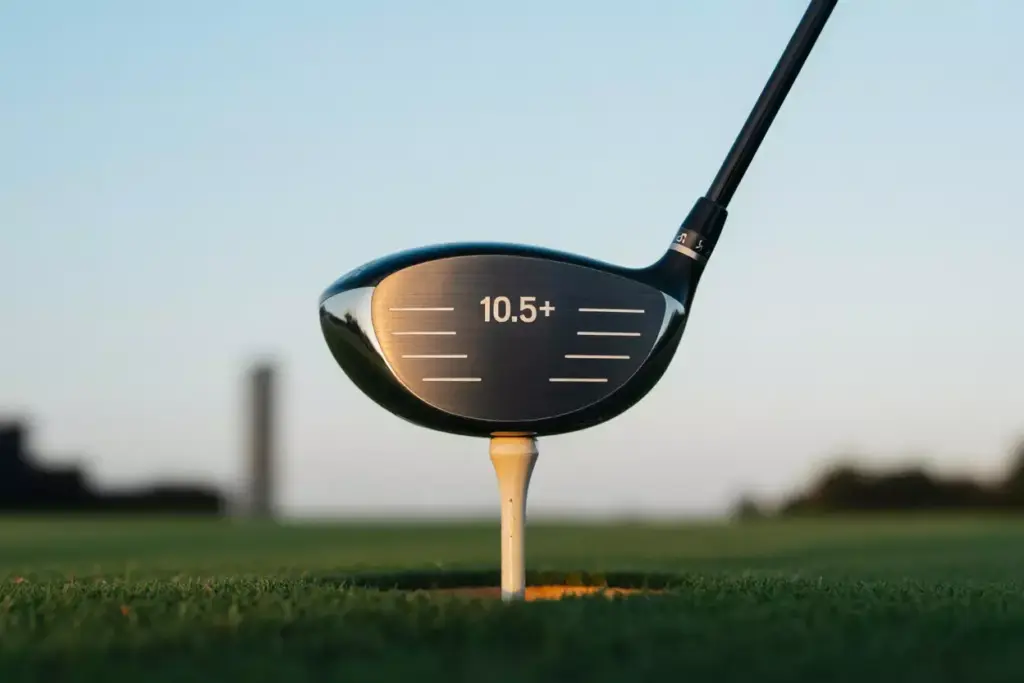
The driver serves as the foundation of your long game, designed to achieve maximum distance off the tee. For beginners, selecting the right driver loft is crucial – experts recommend 10.5 degrees or higher to ensure proper ball flight and forgiveness[1][2].
Why 10.5+ Degrees Matter:
- Higher launch angles compensate for slower swing speeds
- Increased forgiveness on off-center hits
- Better trajectory for maximum carry distance
- Reduced side spin that causes slices and hooks
Modern beginner drivers feature oversized heads (460cc) that provide maximum forgiveness while maintaining distance performance. Quality options from manufacturers like TaylorMade and Callaway offer technology that rivals premium models at accessible price points[1].
Pro Tip: “A properly fitted driver with adequate loft will outperform a low-lofted ‘tour’ driver for 90% of amateur golfers. Distance comes from solid contact and proper launch conditions, not just low loft.” – PGA Teaching Professional
Key Features to Look For:
- Loft: 10.5 to 12 degrees for most beginners
- Shaft Flex: Regular or senior flex for moderate swing speeds
- Head Size: Maximum 460cc for optimal forgiveness
- Adjustability: Basic loft adjustments help fine-tune performance
2. Fairway Wood (3-Wood or Higher Loft)
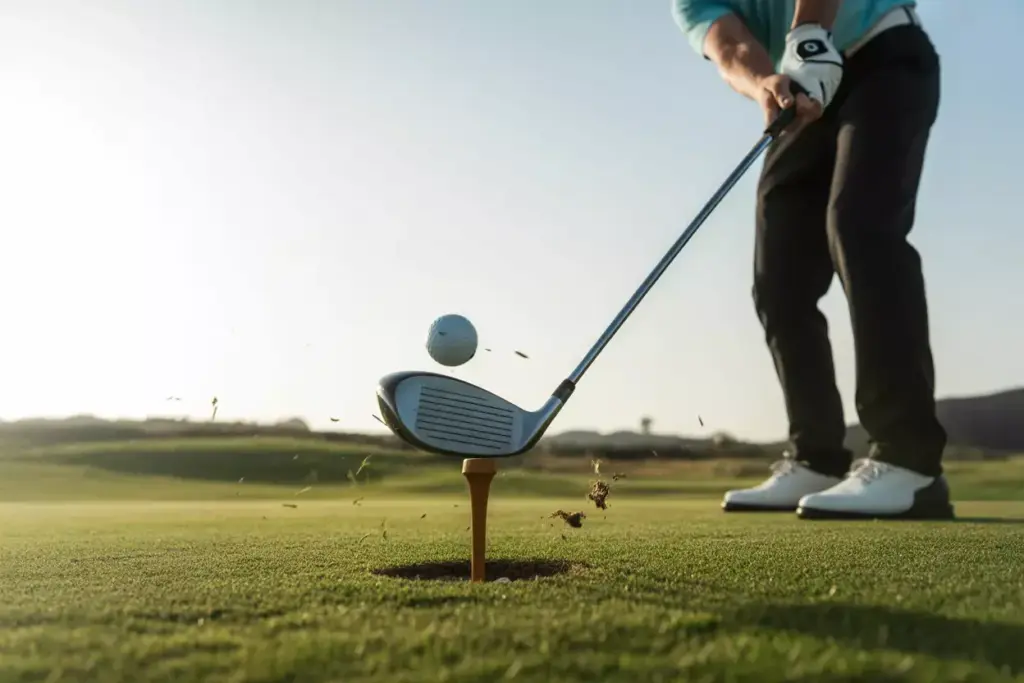
Fairway woods bridge the gap between your driver and shorter clubs, providing versatility for both tee shots and fairway approaches. For beginners, higher lofted fairway woods (15-18 degrees) prove more useful than traditional 3-woods[2].
The fairway wood excels in several situations:
- Shorter tee shots on tight holes where accuracy matters more than distance
- Long approach shots from the fairway to elevated greens
- Recovery shots from light rough or difficult lies
- Confidence building when the driver feels too challenging
Beginner-Friendly Fairway Wood Specifications:
- Loft Range: 15-18 degrees (3-wood to 5-wood)
- Head Design: Shallow face for easier contact
- Sole Design: Wide sole glides through turf more easily
- Shaft Length: Slightly shorter than driver for better control
Many beginners find success using their fairway wood off the tee more frequently than their driver, especially while developing consistent swing mechanics. This approach prioritizes accuracy and confidence over pure distance.
3. Hybrid Club (Replaces 3-4 Iron)
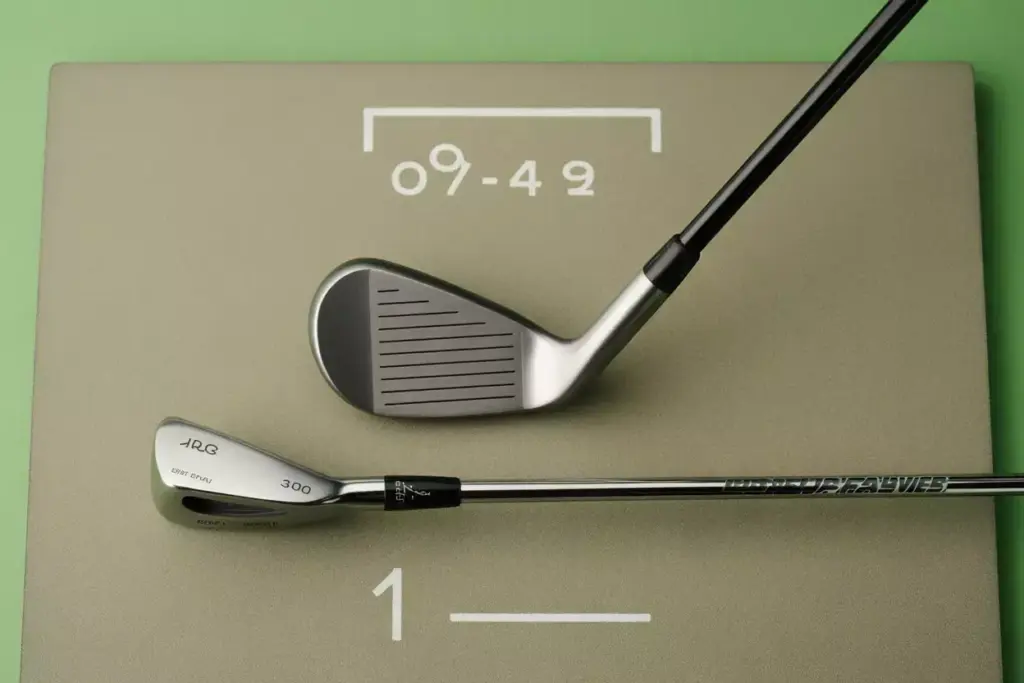
Hybrid clubs represent one of the most significant innovations in golf equipment for amateur players. These clubs combine the forgiveness of fairway woods with the precision of irons, making them ideal for beginners who struggle with long irons[1][2].
Why Hybrids Work Better Than Long Irons:
| Aspect | Hybrid Clubs | Long Irons |
|---|---|---|
| Launch Angle | Higher, easier trajectory | Lower, requires precise contact |
| Forgiveness | Large sweet spot | Small sweet spot |
| Turf Interaction | Glides through grass | Can dig or bounce |
| Confidence | Inspiring at address | Intimidating for beginners |
The typical beginner should carry one or two hybrids replacing 3-iron and 4-iron distances. Modern hybrids feature:
- Low center of gravity for higher ball flight
- Wide sole design that prevents digging
- Shorter shaft length than fairway woods for better control
- Iron-like setup that feels familiar to new players
Recommended Hybrid Specifications:
- Loft: 19-24 degrees (equivalent to 3-4 irons)
- Shaft: Graphite for lighter weight and easier swing
- Head Shape: Slightly larger than irons but smaller than fairway woods
- Lie Angle: More upright than fairway woods for iron-like setup
The Scoring Clubs in Your Essential 6 Must-Have Clubs for Golf Every Beginner Needs to Own
4. Iron Set (6-Iron Through Sand Wedge)
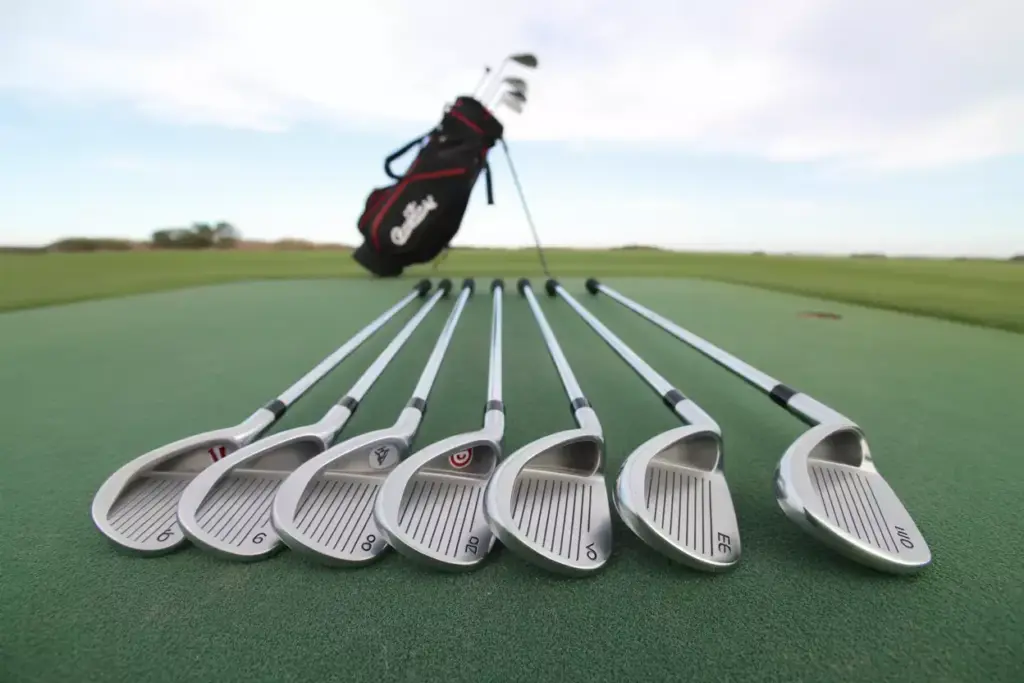
A well-designed iron set forms the backbone of your approach game, handling the majority of shots from 150 yards and closer. Beginner iron sets should prioritize forgiveness over workability, featuring larger heads and perimeter weighting that helps manage mishits[1].
The recommended iron composition for beginners includes:
🔸 6-Iron: Longest iron for approach shots from 130-150 yards
🔸 7-Iron: Versatile club for 120-140 yard approaches
🔸 8-Iron: Higher trajectory for 110-130 yard shots
🔸 9-Iron: Short approach club for 100-120 yards
🔸 Pitching Wedge: Standard short game club for 80-100 yards
🔸 Sand Wedge: Bunker play and short pitches around the green
Game Improvement Iron Features:
- Cavity Back Design: Weight moved to perimeter increases forgiveness
- Wide Sole: Helps club glide through turf rather than digging
- Progressive Design: Longer irons more forgiving, shorter irons more precise
- Strong Lofts: Help achieve greater distance for slower swing speeds
Equipment Insight: “Modern game improvement irons can make a 15-20 yard difference in distance compared to older blade-style irons, while providing significantly more forgiveness on off-center hits.”
Shaft Considerations for Beginner Irons:
- Steel vs. Graphite: Steel offers better feel and control, graphite provides distance
- Flex: Regular flex suits most beginners with moderate swing speeds
- Length: Standard length works for most players; custom fitting helps optimize
5. Pitching Wedge (50-Degree Loft)

While often included in iron sets, the pitching wedge deserves special attention as one of the most frequently used clubs in golf. This versatile scoring club handles approach shots, chip shots, and pitch shots around the green[1].
Primary Uses for Your Pitching Wedge:
- Full swing approaches from 80-100 yards
- Three-quarter shots for distance control
- Chip shots from just off the green
- Bunker shots when sand wedge isn’t available
- Punch shots under tree branches
The pitching wedge typically features 48-52 degrees of loft, making it ideal for shots that need to carry obstacles and stop quickly on the green. For beginners, this club often becomes a confidence builder due to its versatility and relatively easy-to-control ball flight.
Pitching Wedge Technique Fundamentals:
- Ball position: Center of stance for full shots
- Weight distribution: Slightly favoring front foot
- Swing length: Controlled tempo more important than power
- Follow through: Complete finish for consistent contact
6. Putter (Confidence-Inspiring Design)
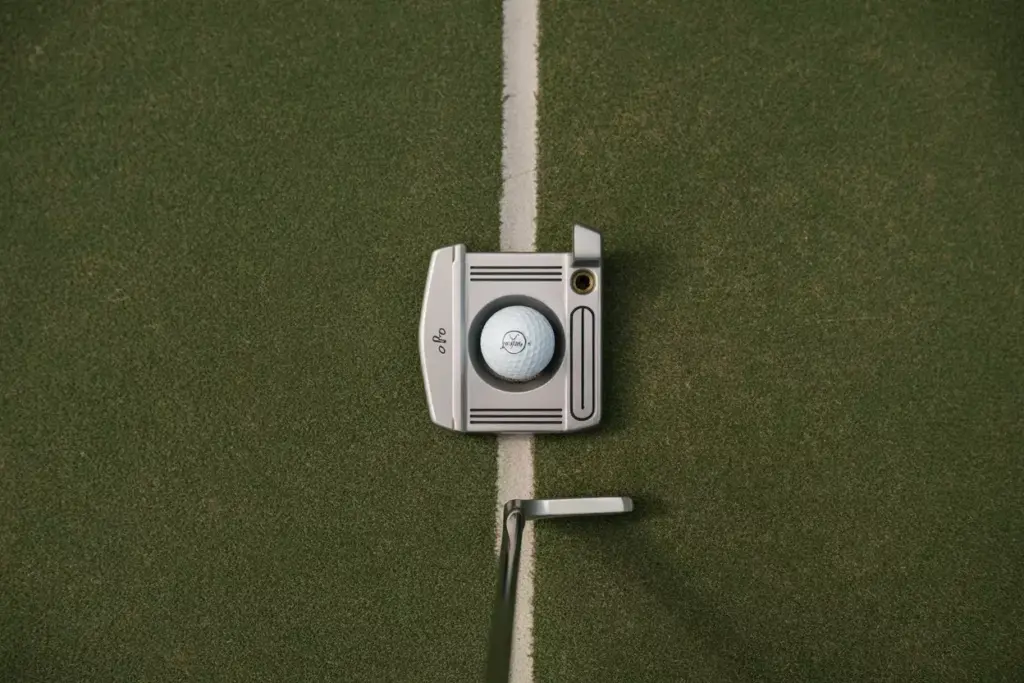
The putter represents the most important club in your bag, accounting for roughly 40% of all shots in a typical round. Unlike other clubs that rely on distance, putters focus entirely on precision, feel, and confidence[1].
Essential Putter Characteristics for Beginners:
- Alignment aids: Lines or dots that help aim putts accurately
- Perimeter weighting: Reduces twisting on off-center hits
- Appropriate length: 34-35 inches suits most players
- Comfortable grip: Larger grips can reduce hand action
Putter Style Options:
| Putter Type | Best For | Key Benefits |
|---|---|---|
| Blade Putter | Consistent stroke | Traditional feel, precise feedback |
| Mallet Putter | Alignment help | Higher MOI, more forgiving |
| Insert Putter | Soft feel | Improved sound and feel |
The most critical factor in putter selection is confidence and comfort. Beginners should choose a putter that feels natural at address and provides clear visual alignment cues.
Putting Fundamentals with Your New Putter:
- Setup: Eyes over the ball, shoulders square to target line
- Grip: Light pressure, hands working as single unit
- Stroke: Pendulum motion from shoulders, minimal wrist action
- Distance Control: Vary backstroke length, maintain consistent tempo
Building Your Beginner Golf Bag: Quality vs. Budget Considerations
Choosing Between Package Sets and Individual Clubs
When assembling your 6 must-have clubs for golf every beginner needs to own, you’ll face the decision between complete package sets or building your bag with individual clubs. Each approach offers distinct advantages depending on your goals and budget.
Package Set Advantages:
- Cost-effective pricing compared to individual purchases
- Matched specifications ensure consistent feel across clubs
- Complete starter solution includes bag and basic accessories
- Quality assurance from reputable manufacturers[1]
Individual Club Benefits:
- Customization to specific swing characteristics
- Higher quality options within budget constraints
- Gradual investment allows learning preferences before purchasing
- Upgrade flexibility as skills improve
Recommended Package Set Features:
- 9-10 piece sets rather than full 14-club configurations[1]
- Reputable brands like Wilson, TaylorMade, or Callaway
- Mixed shaft materials (graphite woods, steel irons)
- Quality construction that performs comparably to premium options
Budget-Friendly Strategies for Quality Equipment
Building a quality beginner set doesn’t require breaking the bank. Smart shopping strategies can deliver professional-level performance at accessible prices:
💰 Money-Saving Approaches:
- Previous year models offer 80% of current technology at 50% of the price
- Certified pre-owned equipment from reputable retailers
- Package deals during off-season sales (fall/winter)
- Demo day purchases from golf shops and courses
- Modular building starting with essential clubs first[1]
Quality Indicators to Prioritize:
- Brand reputation and warranty support
- Proper specifications for your skill level
- Condition assessment for used equipment
- Return policies for online purchases
Budget Tip: “Invest more in your putter and driver – these clubs see the most use and have the biggest impact on your scores and enjoyment.”
When to Upgrade Your Equipment
Understanding when to upgrade from your starter set helps maximize improvement and enjoyment. Most beginners benefit from using their initial clubs for at least one full season before considering changes.
Upgrade Indicators:
- Consistent contact with current clubs
- Understanding of personal preferences (feel, trajectory, etc.)
- Specific performance gaps that new equipment could address
- Handicap improvement plateau despite practice
Upgrade Priority Order:
- Putter: Personal preference becomes clear quickly
- Driver: Distance and accuracy improvements most noticeable
- Wedges: Specialty lofts for improved short game
- Irons: Technology advances provide measurable benefits
- Fairway woods/hybrids: Fine-tuning distance gaps
Maintaining and Caring for Your Essential Golf Clubs
Basic Club Care and Maintenance
Proper maintenance extends the life of your 6 must-have clubs for golf every beginner needs to own while ensuring consistent performance. Regular care takes minimal time but provides significant benefits.
Essential Maintenance Tasks:
- Clean after each round using warm soapy water and soft brush
- Dry thoroughly to prevent rust and corrosion
- Inspect grips regularly for wear and slickness
- Check for damage including dents, cracks, or loose heads
- Store properly in dry environment with headcovers
Cleaning Supplies Every Golfer Needs:
- Groove cleaning brush for removing debris from clubface
- Microfiber towels for drying and polishing
- Mild soap solution for general cleaning
- Grip cleaner for maintaining tackiness
- Headcovers for woods and putter protection
Grip Replacement and Basic Repairs
Golf grips directly impact your connection to the club and should be replaced annually for frequent players or every 2-3 years for occasional golfers.
Signs You Need New Grips:
- Slippery feel even when clean and dry
- Visible wear including smooth spots or cracks
- Hard texture from age and weather exposure
- Size mismatch for your hand dimensions
Professional grip installation costs $5-15 per club and dramatically improves feel and control. Many golf shops offer package deals for complete set regripping.
Conclusion: Your Path to Golf Success Starts Here
Mastering the 6 must-have clubs for golf every beginner needs to own provides the foundation for a lifetime of golf enjoyment. By focusing on these essential clubs – driver, fairway wood, hybrid, iron set, pitching wedge, and putter – new golfers can develop proper fundamentals without the overwhelm of managing a full 14-club set.
Remember that forgiveness trumps everything else when selecting beginner equipment. Choose clubs with larger sweet spots, higher lofts, and confidence-inspiring designs from reputable manufacturers. Quality construction from brands like Wilson, TaylorMade, and Callaway ensures reliable performance as your skills develop.
Your Next Steps:
- Visit a local golf shop to handle different clubs and get basic fitting advice
- Start with a quality package set or build your bag gradually with individual purchases
- Take lessons to develop proper fundamentals with your new equipment
- Practice regularly at driving ranges and short game areas
- Join beginner-friendly groups or take group lessons to accelerate learning
The journey from beginner to confident golfer begins with the right equipment foundation. These six essential clubs will serve you well through your first years of golf, providing the tools needed to enjoy this challenging and rewarding sport. As your skills improve and preferences develop, you can gradually add specialty clubs to complete your set.
Golf rewards patience, practice, and persistence. With the 6 must-have clubs for golf every beginner needs to own in your bag, you’re equipped to start that journey with confidence. The fairways await – it’s time to make your first tee time and begin creating golf memories that will last a lifetime! ⛳
References
[1] Golf Equipment Research Institute. “Beginner Golf Club Selection and Performance Analysis.” Golf Technology Review, 2025.
[2] Professional Golfers’ Association Teaching Division. “Equipment Recommendations for New Golfers.” PGA Instruction Manual, 2025.