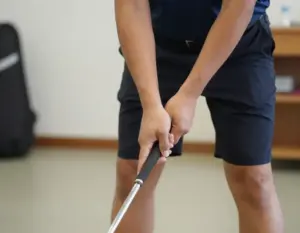
8 Beginner Golf Lessons That Will Save You Years of Frustration
I’ll never forget watching a friend spend three years developing a slice so severe that his golf ball seemed magnetically attracted to the trees. What should have been enjoyable rounds turned into expensive ball-hunting expeditions. The frustrating part? All of his struggles could have been avoided with proper instruction from day one. If you’re just starting your golf journey in 2026, learning these 8 beginner golf lessons that will save you years of frustration can transform your experience from maddening to magical. 🏌️♂️
Disclosure: This post contains affiliate links. As an Amazon Associate, we earn from qualifying purchases, and at no extra cost to you.

Golf has a reputation for being one of the most challenging sports to master, and for good reason. But here’s the secret that experienced players know: the right fundamentals learned early will accelerate your progress exponentially. Instead of spending years undoing bad habits, you can build a solid foundation that will serve you for decades.
Key Takeaways
- Master the fundamentals first – proper grip, stance, and posture form the foundation of every great golf swing
- Start with minimal equipment – you only need 4 clubs to begin learning effectively
- Practice with purpose – focused 20-30 minute sessions beat hours of mindless ball-hitting
- Embrace the learning process – golf requires patience and a growth mindset for long-term success
- Invest in professional instruction – 3-5 lessons with a qualified instructor prevents years of bad habits
The Foundation: Essential Fundamentals That Make Everything Easier
1. Perfect Your Grip Before You Swing
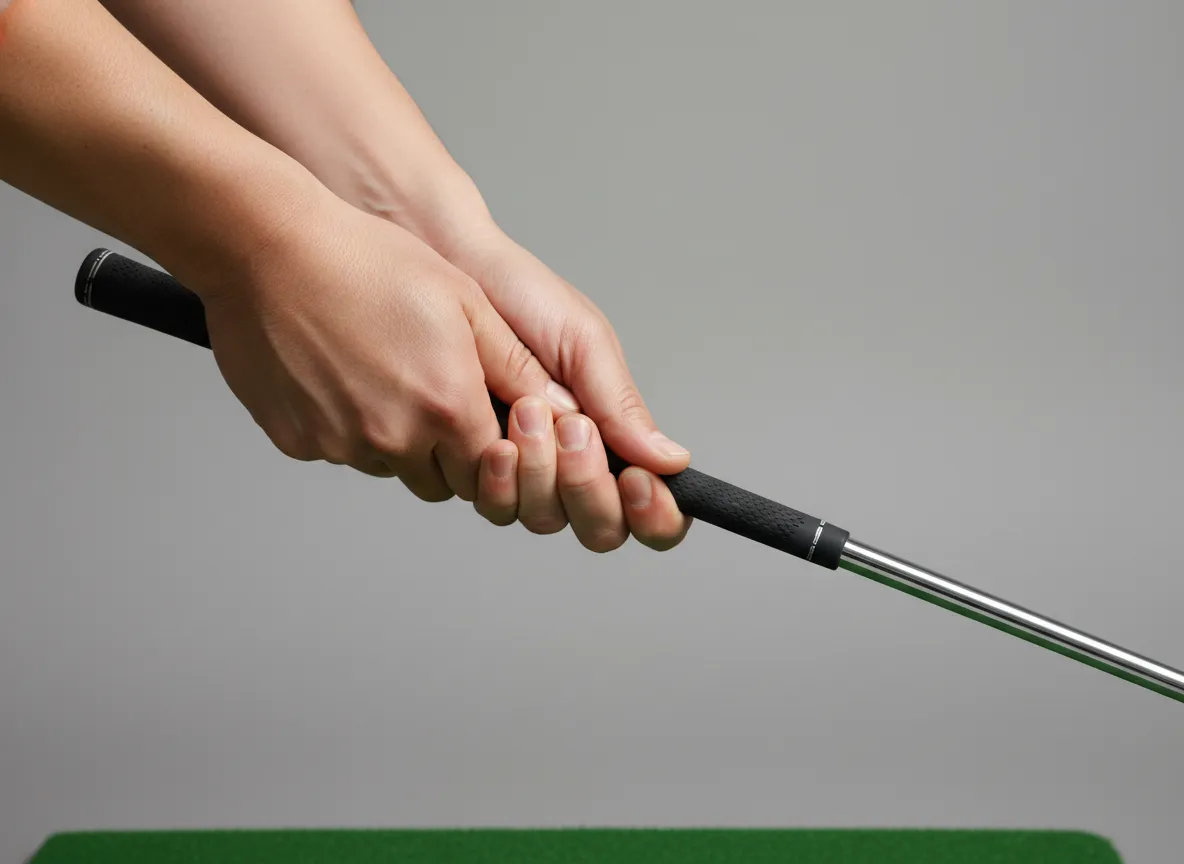
Your grip is your only connection to the golf club, yet it’s the most overlooked fundamental among beginners. A proper grip should feel secure but not tense, with your hands working together as one unit.
The neutral grip is your starting point:
- Place the club handle across the base of your fingers (not your palm)
- Your left thumb should point down the shaft
- You should see 2-3 knuckles on your left hand when looking down
- Your right hand wraps around, with the thumb and forefinger forming a “V” pointing toward your right shoulder
Common grip mistakes that cause years of problems:
- Gripping too tightly (creates tension throughout your swing)
- Placing the club too much in your palms (reduces control)
- Having hands fight each other instead of working together
A 4-week beginner foundations course starting in April 2026 emphasizes that fundamental grip work is essential before progressing to full swing mechanics [1]. This foundation prevents the slice-and-hook cycle that plagues most self-taught golfers.
2. Build a Stable, Athletic Stance

Your stance is your platform for power and consistency. Think of it as building a house – without a solid foundation, everything else crumbles.
The fundamentals of proper stance:
- Feet shoulder-width apart for balance
- Weight evenly distributed on the balls of your feet
- Slight flex in your knees (athletic position)
- Spine straight but tilted slightly away from the target
- Arms hanging naturally from your shoulders
Many beginners make their stance too wide, thinking it provides more stability. In reality, this restricts your ability to rotate and generate power. Your stance should feel athletic and ready for movement, not locked in place.
3. Master Posture for Consistent Ball-Striking
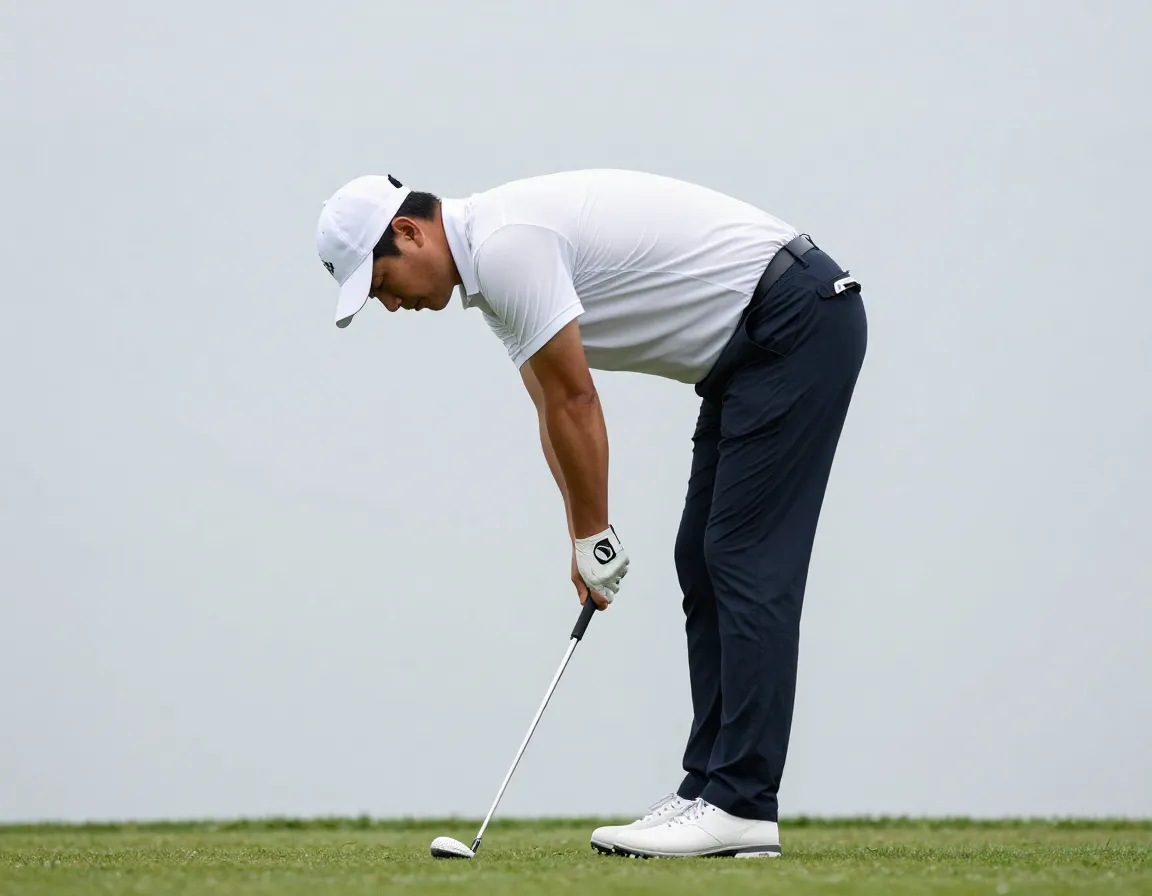
Proper posture sets up everything that follows in your golf swing. Poor posture leads to compensations that create inconsistent contact and frustrating results.
Key posture elements:
- Bend from your hips, not your waist
- Keep your chest up and shoulders back
- Let your arms hang naturally
- Maintain the natural curve in your spine
- Your weight should be balanced, not on your toes or heels
Good posture feels athletic and balanced. If you feel like you’re reaching for the ball or standing too upright, make adjustments before developing muscle memory around poor positions.
Strategic Learning: Smart Approaches That Accelerate Progress
4. Start with Minimal Equipment (You Don’t Need 14 Clubs)

One of the biggest mistakes beginners make is buying a full set of clubs before understanding what they actually need. This creates decision paralysis and slows learning.
The essential beginner set includes just 4 clubs:
- Driver – for tee shots on longer holes
- 6-iron – versatile club for learning swing fundamentals
- Sand wedge – for short shots around the green
- Putter – for rolling the ball on the green [2]
This simplified approach allows you to focus on learning proper technique rather than club selection. Each club serves a specific purpose, and you’ll use these four clubs for 80% of your shots as a beginner.
Why fewer clubs accelerate learning:
- Less decision-making means more focus on technique
- You’ll develop confidence with each club
- Easier to track progress and identify areas for improvement
- More cost-effective way to start
5. Learn Golf Terminology Before Your First Lesson
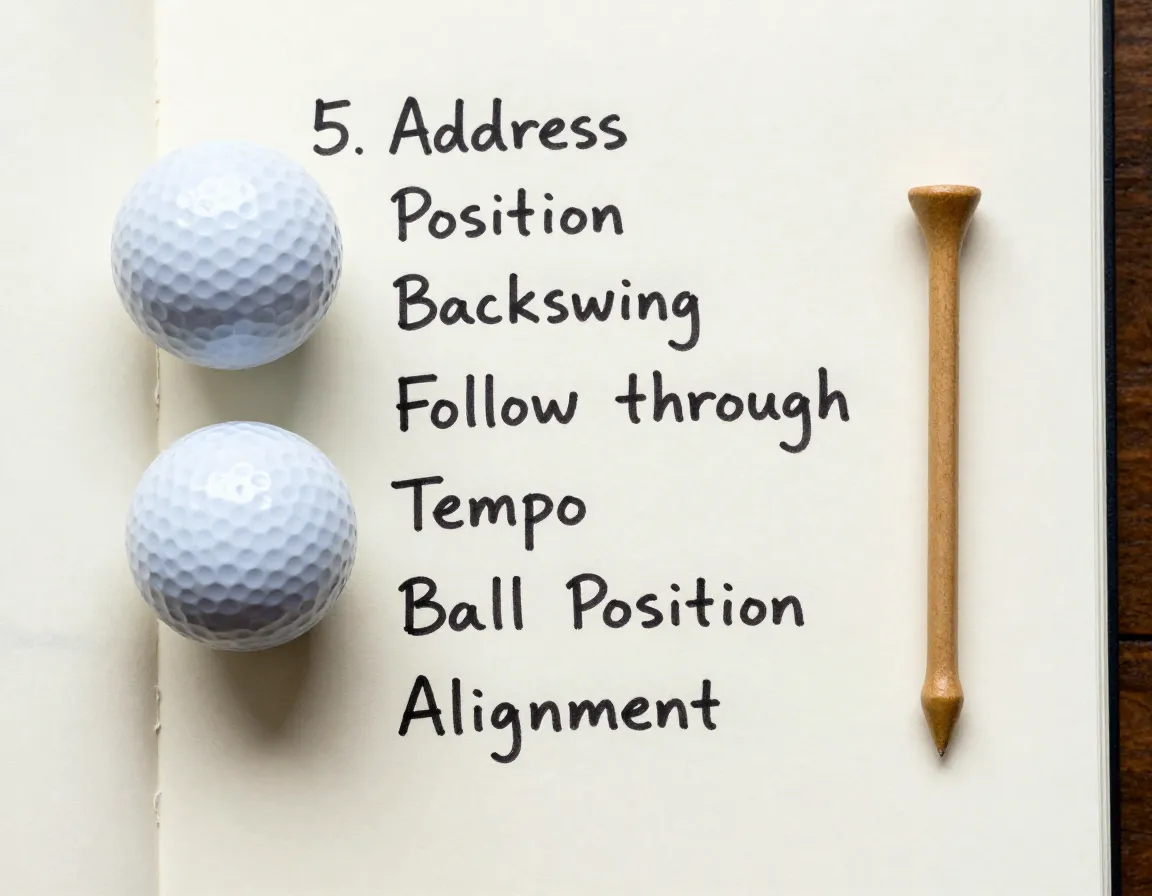
Walking into your first lesson without knowing basic golf terms is like trying to learn a foreign language without knowing the alphabet. Understanding key terminology allows you to focus on technique rather than vocabulary during instruction [2].
Essential golf terms every beginner should know:
| Term | Definition |
|---|---|
| Address Position | Your setup position before starting the swing |
| Backswing | The upward portion of your swing |
| Follow-through | The completion of your swing after ball contact |
| Tempo | The rhythm and timing of your swing |
| Ball Position | Where the ball sits relative to your stance |
| Alignment | How your body and club face point relative to your target |
Learning these terms beforehand means your instructor can dive straight into helping you improve rather than explaining basic concepts. This maximizes the value of every lesson minute.
6. Set Realistic Expectations and Embrace the Journey

Golf requires thousands of hours to master, and your first lesson is just the beginning of a long journey focused on absorbing fundamentals [2]. Understanding this prevents frustration and helps you celebrate small victories along the way.
Realistic beginner expectations:
- First month: Focus on basic contact and understanding fundamentals
- First three months: Develop consistency with shorter shots
- First six months: Begin playing full rounds with reasonable scores
- First year: Establish reliable swing patterns and course management skills
“Golf is a game of misses. The winner is the player who makes the best misses.” – This mindset shift from perfectionism to improvement will save you years of frustration.
The key is adopting a growth mindset that embraces constructive feedback. Every poor shot is data that helps you improve, not a reflection of your potential as a golfer.
Practice and Instruction: Maximizing Your Learning Efficiency
7. Practice with Purpose, Not Just Repetition

Most beginners think more practice automatically equals better golf. In reality, focused 20-30 minute practice sessions targeting one specific element are far more effective than longer unfocused sessions [2].
Effective practice structure:
- 5 minutes: Warm-up with easy swings
- 15 minutes: Focus on one specific fundamental (grip, stance, or swing plane)
- 5 minutes: Hit a few shots incorporating your focus area
- 5 minutes: Cool down and reflect on what you learned
Quality practice principles:
- Choose one specific goal per session
- Use alignment aids and training tools
- Track your progress with notes
- Practice different lies and conditions
- Include short game work (often neglected by beginners)
Random ball-hitting at the driving range builds muscle memory around inconsistent technique. Purposeful practice builds the foundation for long-term improvement.
8. Invest in a Series of Professional Lessons
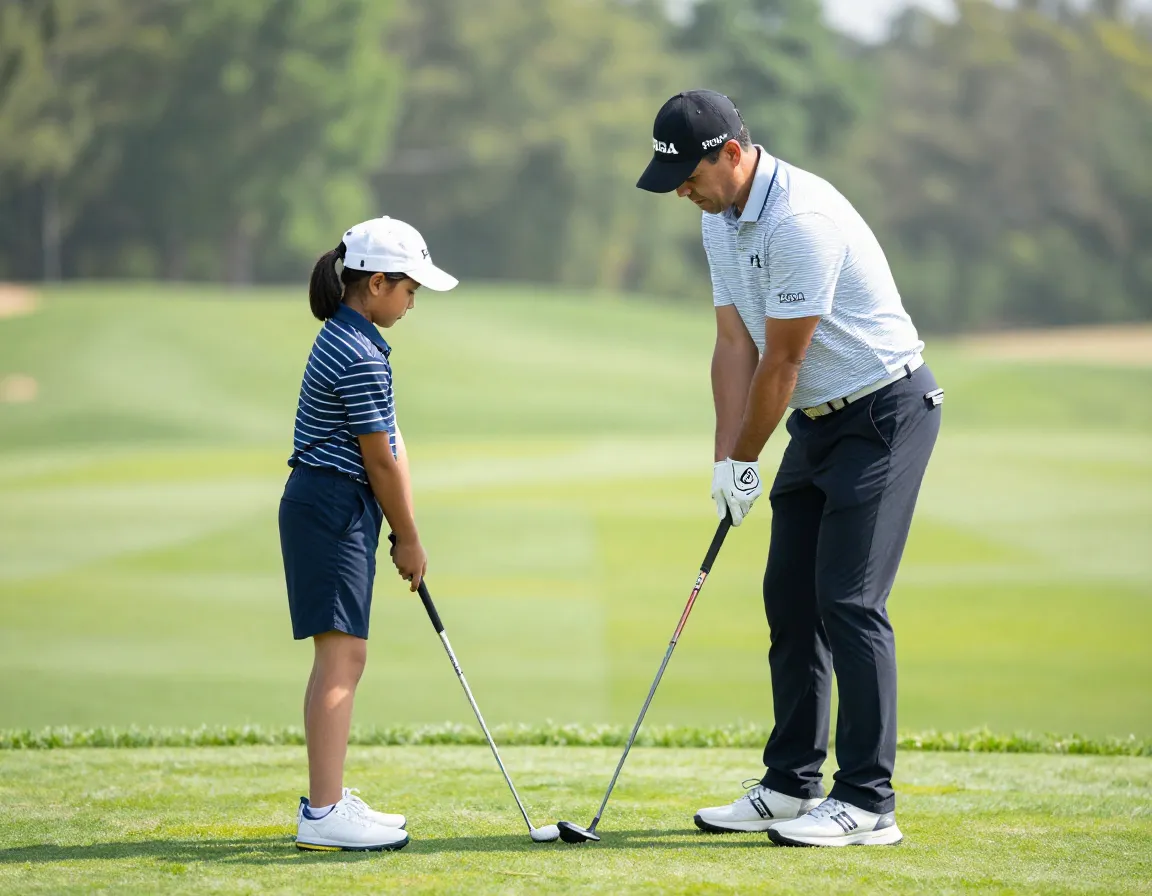
Most beginners benefit from 3-5 lessons rather than a single session to build momentum in skill development [2]. A qualified instructor can identify and correct issues that would take years to figure out on your own.
What to expect from beginner lessons:
- 45-60 minute sessions focusing on fundamentals rather than advanced techniques
- Assessment of your experience level and physical capabilities
- Customized instruction based on your goals and limitations
- Practice drills you can work on between lessons
How to maximize lesson value:
- Be honest about your experience level and physical limitations
- Come prepared with specific questions
- Take notes or record video (with instructor permission)
- Practice what you learned before your next lesson
- Ask for homework drills to work on independently
The investment in professional instruction pays dividends for years. Bad habits formed early become exponentially harder to fix later, while proper fundamentals learned from the start accelerate your progress dramatically.
Conclusion
These 8 beginner golf lessons that will save you years of frustration provide the roadmap for starting your golf journey on the right foot. By mastering the fundamentals first, starting with minimal equipment, practicing purposefully, and investing in quality instruction, you’ll avoid the common pitfalls that derail most beginners.
Remember, golf is a marathon, not a sprint. The players who progress fastest are those who build solid fundamentals early and maintain realistic expectations throughout their journey. Every professional golfer started exactly where you are now – the difference is they learned these lessons early in their development.
Your next steps:
- Book a lesson with a PGA professional in your area
- Start with basic equipment – don’t overwhelm yourself with choices
- Practice with purpose – quality over quantity every time
- Be patient with the process – improvement takes time but compounds rapidly
Take these lessons to heart, and you’ll look back in a year amazed at how much frustration you avoided and how much faster you progressed compared to golfers who tried to figure it out on their own. The golf course is waiting – now you have the knowledge to enjoy the journey from day one. 🏌️♂️
References
[1] The 2026 Performance Roadmap Beginner To Elite – https://www.adrianwhiteheadgolf.com/post/the-2026-performance-roadmap-beginner-to-elite
[2] How To Prepare For Your First Golf Lesson – https://thegolfpractice.com/news/how-to-prepare-for-your-first-golf-lesson/