8 Critical Steps to Launching a Profitable Indoor Golf Simulator Business
The indoor golf simulator industry is experiencing explosive growth, with market valuations jumping from $2.13 billion in 2025 to projected revenues of $4.71 billion by 2035. 🚀 This presents an incredible opportunity for entrepreneurs ready to capitalize on the convergence of technology and golf’s enduring popularity. However, launching a successful indoor golf simulator business requires strategic planning, significant capital investment, and deep understanding of both the golf industry and entertainment sector.
Disclosure: This post contains affiliate links. As an Amazon Associate, we earn from qualifying purchases, and at no extra cost to you.

In this comprehensive guide, I’ll walk you through the 8 critical steps to launching a profitable indoor golf simulator business that can help you navigate this lucrative but complex market successfully.
Key Takeaways
- Substantial startup investment required: Budget for $100,000+ in initial costs, with most businesses requiring 18-24 months to reach profitability
- Commercial segment drives fastest growth: Focus on revenue diversification through usage fees, events, food/beverage, and corporate bookings
- Technology integration is essential: 90% of modern facilities use touchscreen kiosks and cloud-based software for competitive advantage
- Financing strategies are critical: Over 50% of simulator purchases above $10,000 utilize financing options
- Market timing is optimal: North America leads with 40% global market share and 7.7% annual growth rate
1. Conduct Comprehensive Market Research and Business Planning
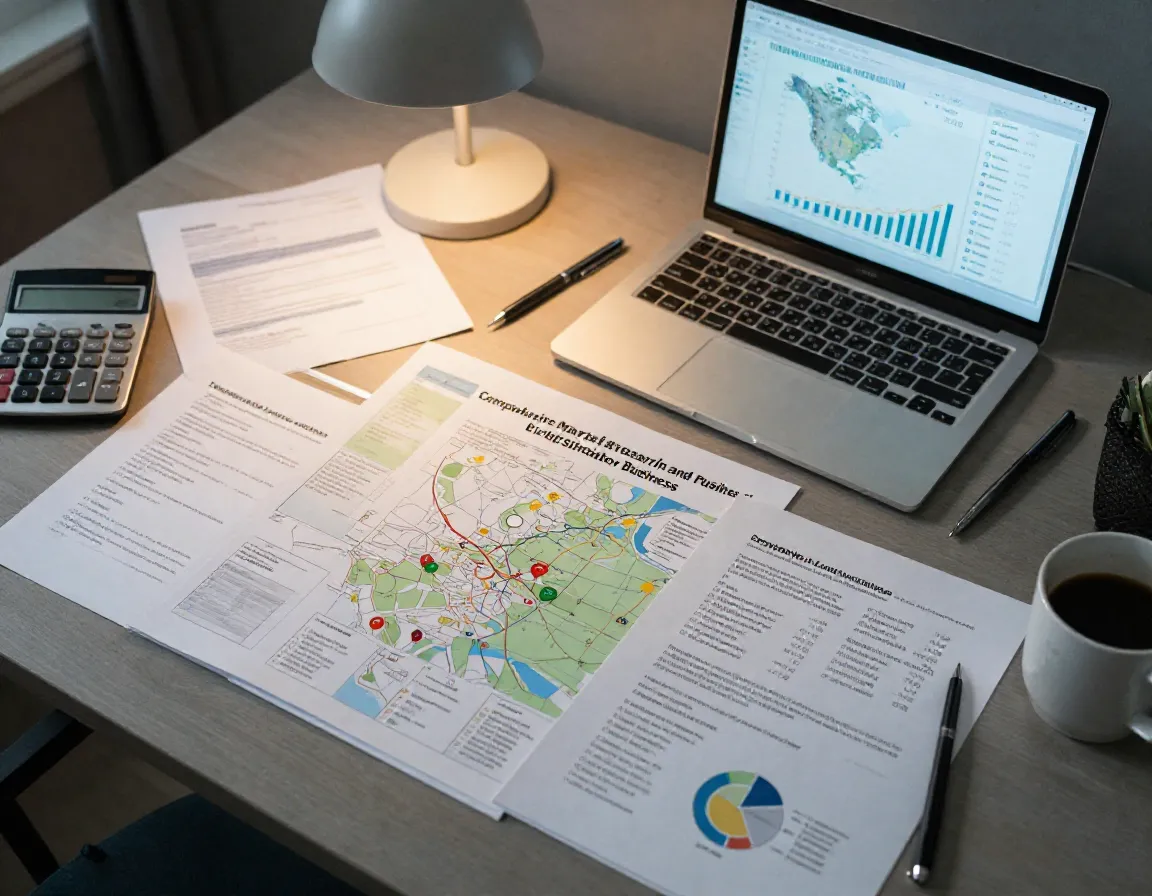
Before diving into the exciting world of indoor golf simulators, thorough market research forms the foundation of your business success. The 8 critical steps to launching a profitable indoor golf simulator business begin with understanding your local market dynamics.
Analyze Your Target Demographics
Start by identifying your primary customer segments:
- Recreational golfers seeking year-round practice
- Corporate clients booking team-building events
- Social groups looking for entertainment experiences
- Serious golfers wanting data-driven improvement
The commercial category represents the fastest-growing sector, with businesses leveraging simulators for multiple revenue streams including usage fees, food and beverage sales, corporate events, and tournaments.
Study Local Competition
Research existing golf facilities, entertainment venues, and simulator businesses within a 15-mile radius. Note their:
- Pricing structures
- Operating hours
- Equipment quality
- Additional services offered
- Customer reviews and feedback
Market Size and Growth Potential
North America dominates the global market with over 40% of revenue ($649.80 million in 2024), growing at 7.7% CAGR through 2031. This indicates strong, sustained demand for indoor golf experiences.
2. Secure Adequate Financing and Budget Planning
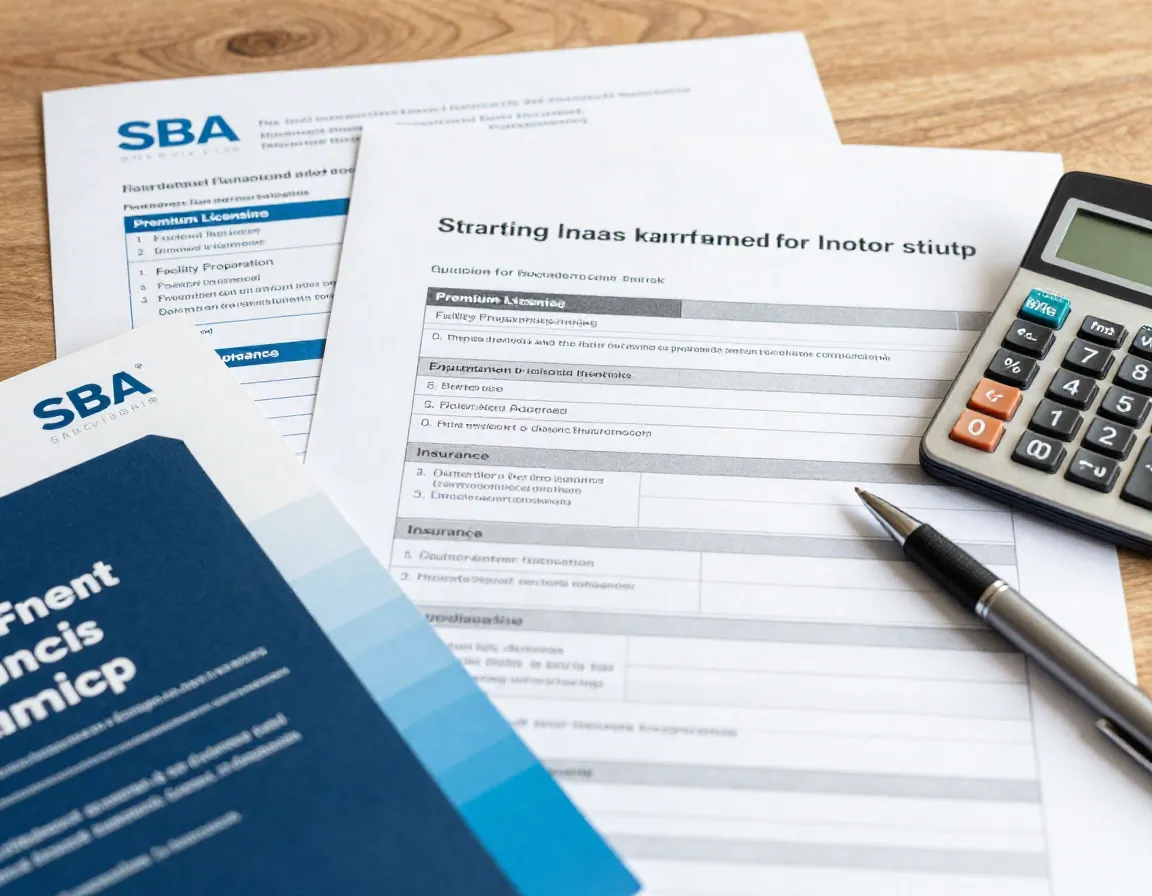
The financial requirements for launching an indoor golf simulator business are substantial, making proper financing one of the most critical steps to launching a profitable indoor golf simulator business.
Understand Startup Cost Realities
| Cost Category | Budget Range | Key Considerations |
|---|---|---|
| Premium Licensing | $100,000+ | Topgolf Swing Suite licensing |
| DIY Simulator Build | 40% less than packages | Custom installation savings |
| Facility Preparation | $20,000-$50,000 | Electrical, flooring, lighting |
| Insurance | $3,000 annually | Per location coverage |
Financing Options and Strategies
Over 50% of simulator purchases above $10,000 use financing options, indicating most startups need capital strategies beyond cash reserves. Consider:
- Equipment financing for simulator packages
- SBA loans for qualified small businesses
- Investor partnerships for larger facilities
- Lease-to-own arrangements for equipment
Plan for Operational Expenses
Factor in ongoing costs that impact profitability:
- Software subscription fees: $200-$1,000 annually
- Power consumption: 500-800 watts per setup
- Maintenance and repairs
- Staff wages and benefits
- Marketing and advertising
Most commercial indoor golf businesses report an average payback period of 18-24 months, making financial planning critical before launch.
3. Choose the Optimal Location and Facility Design
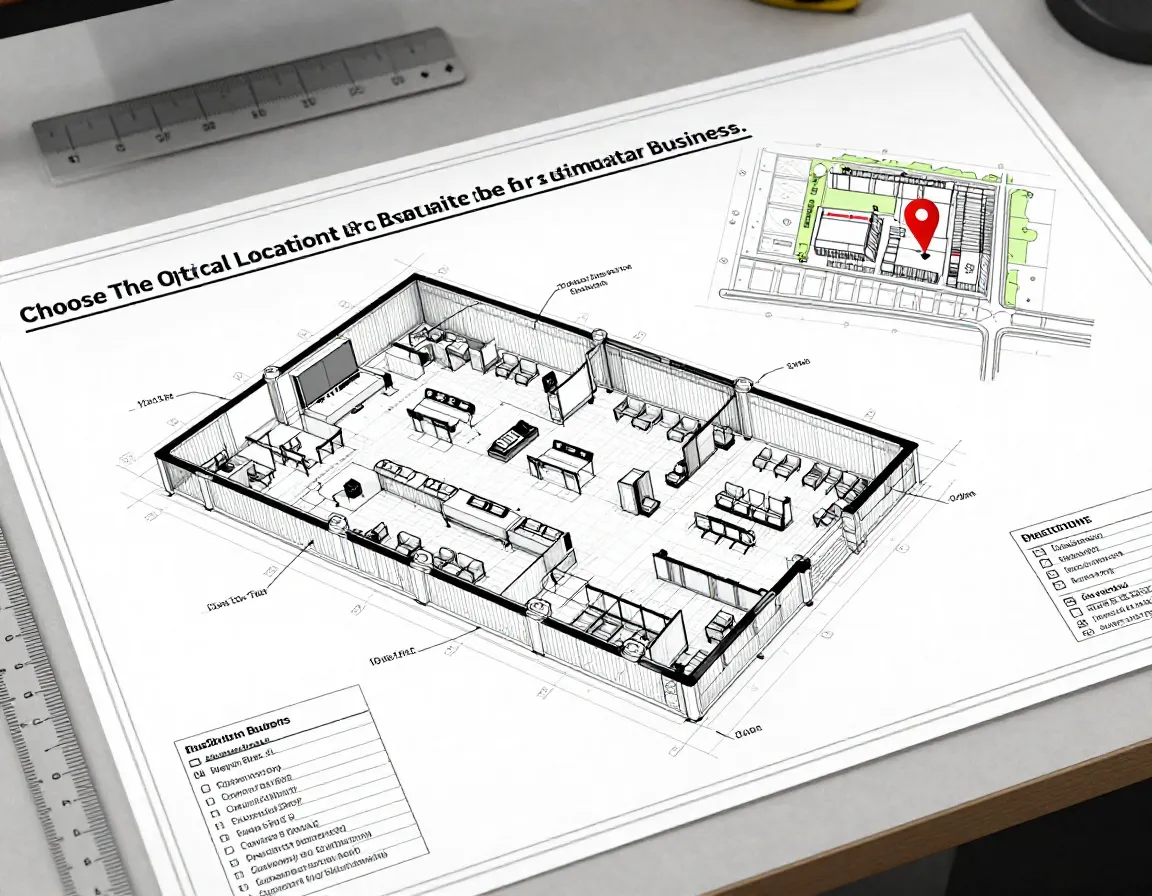
Location selection can make or break your indoor golf simulator business. This represents one of the most strategic steps to launching a profitable indoor golf simulator business.
Site Selection Criteria
High-Traffic Areas: Target locations near:
- Shopping centers and retail complexes
- Business districts for corporate clients
- Residential areas with higher income demographics
- Entertainment districts
Space Requirements: Plan for minimum requirements:
- Ceiling height: 10+ feet for full swing capability
- Bay dimensions: 12′ wide × 15′ deep minimum per simulator
- Common areas: Reception, seating, food service
- Storage: Equipment and maintenance access
Accessibility and Parking
Ensure adequate parking and ADA compliance for all customer segments, especially corporate groups and events.
4. Select High-Quality Equipment and Technology
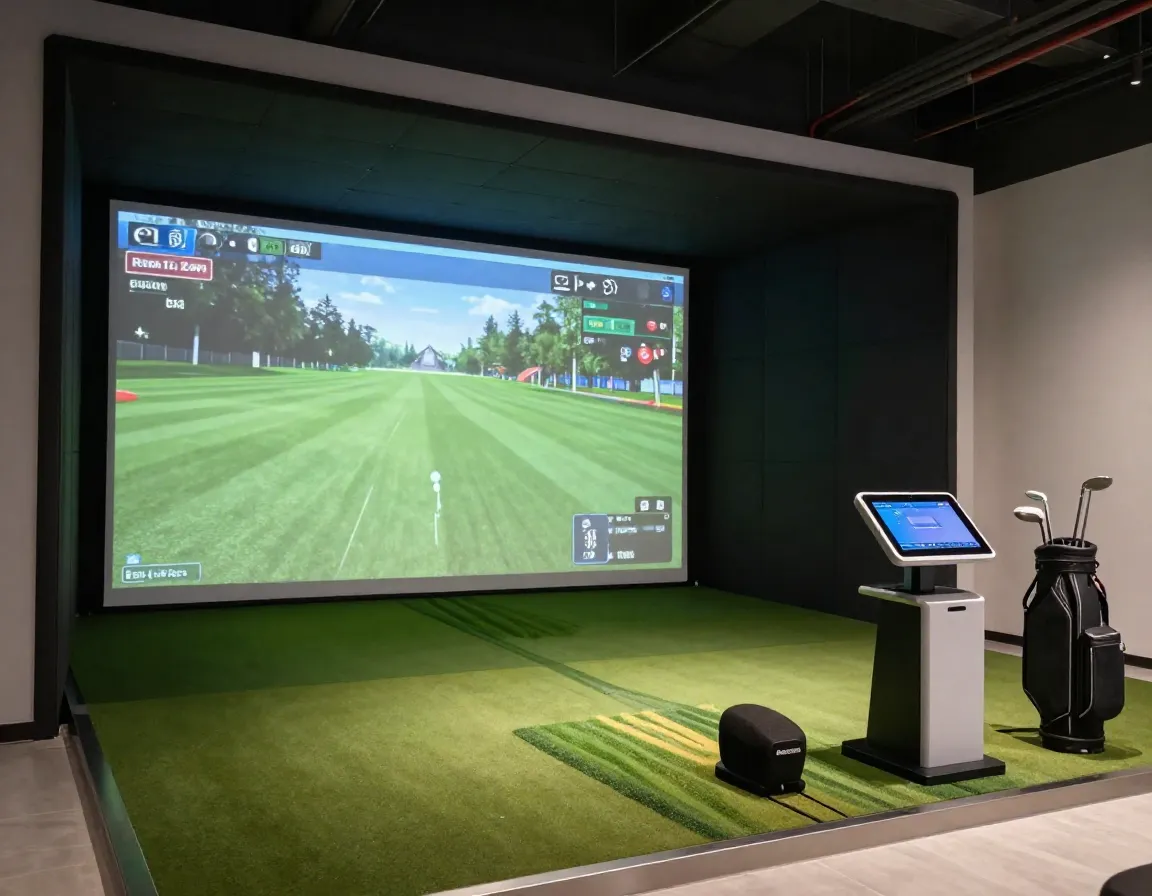
Technology selection directly impacts customer experience and long-term profitability. Modern equipment represents a crucial component of the 8 critical steps to launching a profitable indoor golf simulator business.
Essential Technology Components
Touchscreen Integration: 90% of modern indoor golf commercial facilities use touchscreen kiosks, making this technology essential for competitive operations.
Cloud-Based Software: Cloud-based golf simulation software is utilized by 25% of simulator systems and enables multiplayer gaming—a key customer retention feature.
Launch Monitor Technology: Choose between:
- Radar-based systems: More expensive but highly accurate
- Camera-based systems: Cost-effective with good performance
- Hybrid systems: Combining multiple tracking methods
Power Infrastructure Planning
Full-scale simulator setups consume 500-800 watts on average, affecting facility infrastructure planning and operating costs. Ensure your electrical system can handle multiple simultaneous units.
5. Develop Multiple Revenue Streams
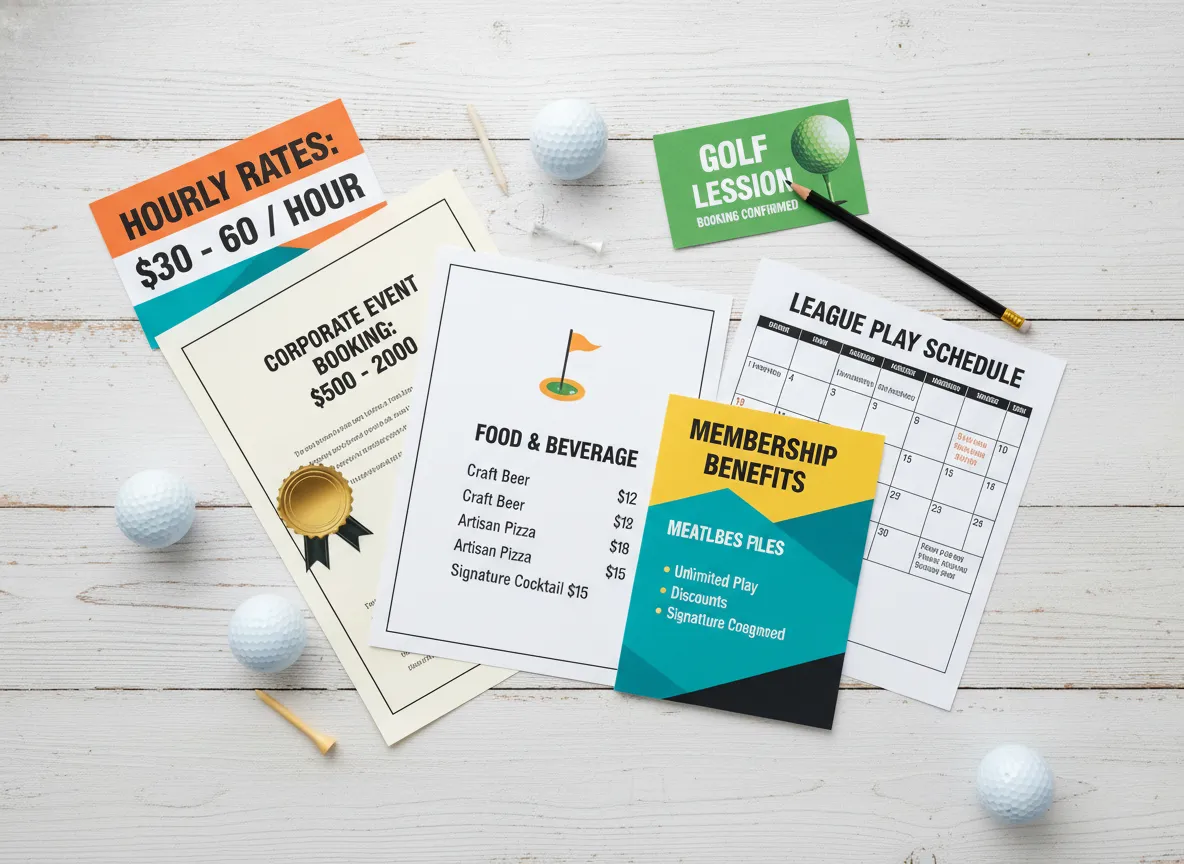
Successful indoor golf simulator businesses don’t rely solely on hourly bay rentals. Diversifying revenue streams is among the most important critical steps to launching a profitable indoor golf simulator business.
Primary Revenue Sources
- Hourly Bay Rentals: $30-$60 per hour depending on market
- Corporate Events: $500-$2,000 per event
- Golf Lessons: $75-$150 per session
- League Play: Monthly fees of $40-$80 per player
- Food and Beverage: 200-400% markup potential
Event and Entertainment Programming
- Tournament hosting: Weekly and monthly competitions
- Team-building packages: Corporate group experiences
- Birthday parties: Family and youth market
- Date night specials: Couples entertainment
Membership and Loyalty Programs
Create recurring revenue through:
- Monthly unlimited memberships
- Punch card systems for frequent players
- Corporate membership packages
- Seasonal promotions and discounts
6. Implement Effective Marketing and Customer Acquisition
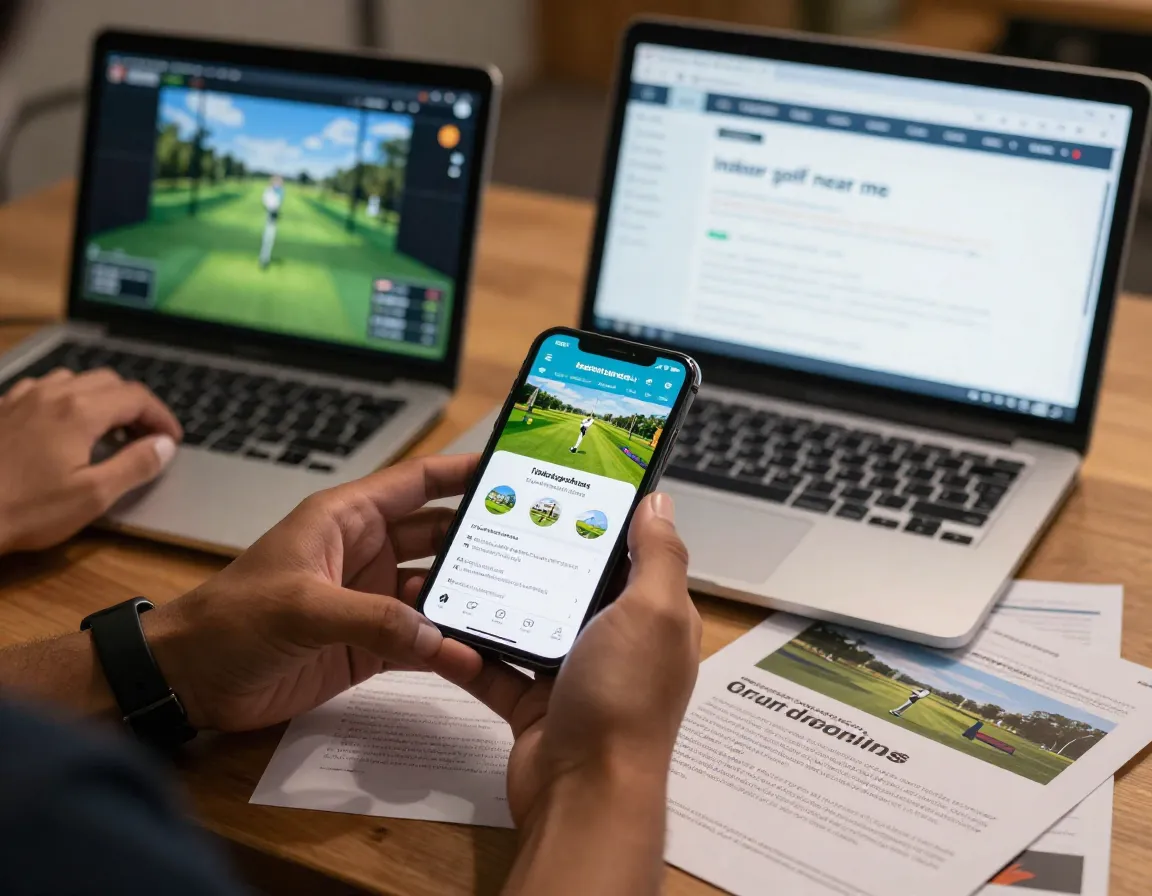
Building awareness and attracting customers requires strategic marketing efforts tailored to your diverse customer base.
Digital Marketing Strategy
Local SEO Optimization: Ensure your business appears in local search results for terms like “indoor golf near me” and “golf simulator [your city].”
Social Media Presence: Showcase your facility through:
- Instagram: High-quality photos and videos of the experience
- Facebook: Event promotion and community building
- LinkedIn: Corporate client outreach
Partnership Development
Build relationships with:
- Local golf courses and pro shops
- Corporate event planners
- Hotels and tourism boards
- Golf instructors and coaches
Grand Opening Strategy
Plan a memorable launch with:
- Free trial sessions for media and influencers
- Corporate preview events
- Community partnerships
- Promotional pricing for early customers
7. Hire and Train Quality Staff
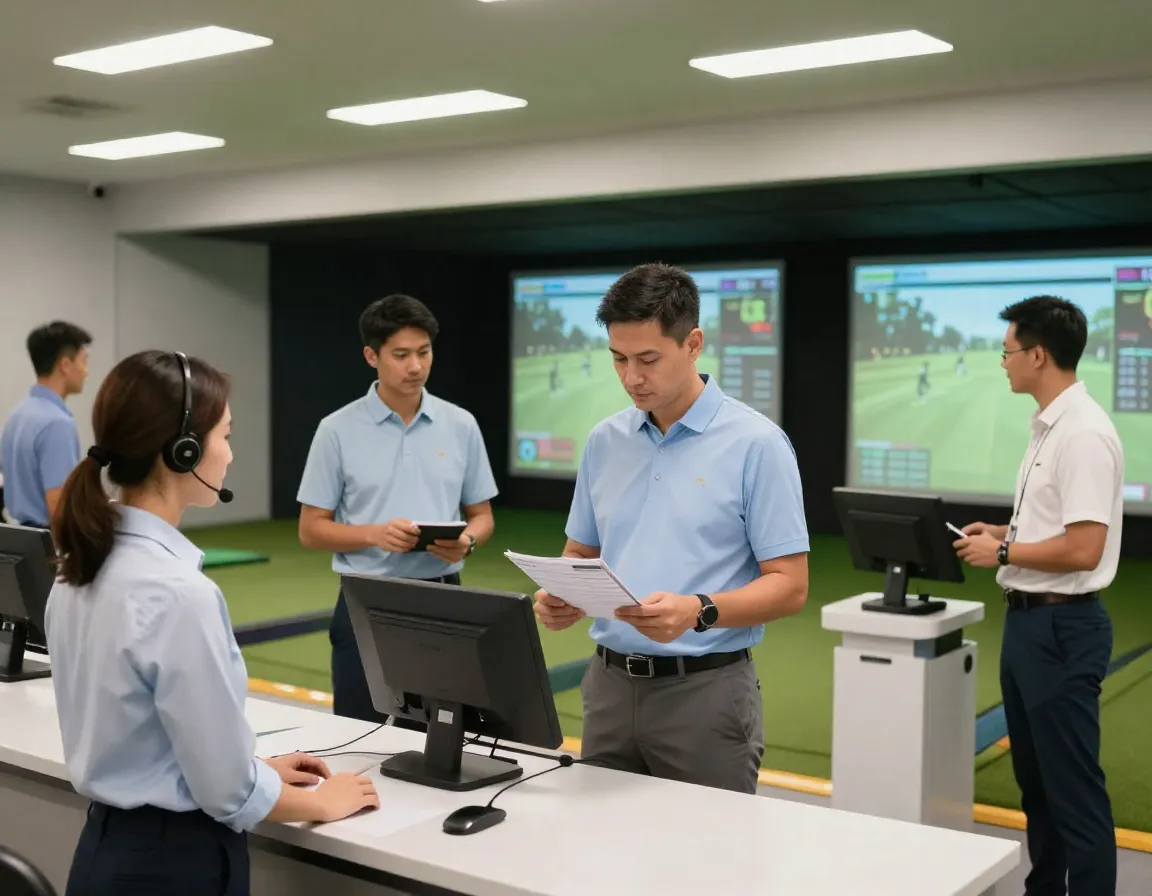
Your team directly impacts customer experience and business success. Staff development represents a vital component of the 8 critical steps to launching a profitable indoor golf simulator business.
Key Staff Positions
Facility Manager: Oversees daily operations, customer service, and staff coordination.
Golf Professionals: Provide lessons, clinics, and technical assistance to customers.
Customer Service Representatives: Handle bookings, payments, and general customer inquiries.
Technical Support: Maintain equipment and troubleshoot technology issues.
Training Requirements
Ensure all staff understand:
- Equipment operation and basic troubleshooting
- Customer service excellence
- Safety protocols and emergency procedures
- Upselling techniques for food, beverages, and additional services
Compensation and Retention
Competitive wages and benefits help retain quality employees in the service industry. Consider performance bonuses tied to customer satisfaction scores and revenue targets.
8. Establish Operational Systems and Customer Experience
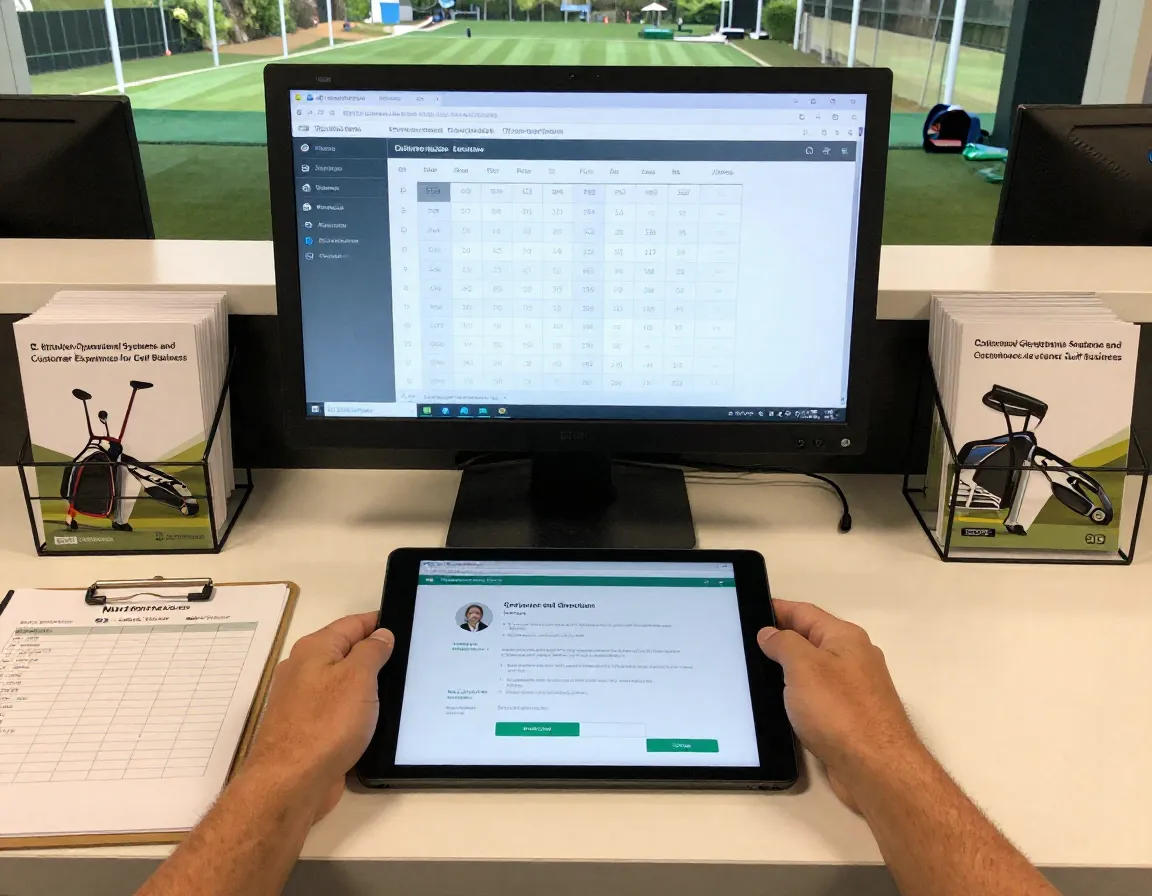
Creating consistent, high-quality experiences ensures customer retention and positive word-of-mouth marketing.
Booking and Reservation Systems
Implement user-friendly online booking platforms that allow customers to:
- Reserve specific time slots
- View real-time availability
- Process payments securely
- Receive confirmation and reminder communications
Customer Experience Standards
Develop protocols for:
- Greeting and orientation: Welcome process for new customers
- Equipment instruction: Basic simulator operation training
- Ongoing support: Staff availability during sessions
- Follow-up: Post-visit satisfaction surveys
Quality Control Measures
Regular maintenance schedules ensure:
- Equipment calibration and accuracy
- Software updates and security patches
- Facility cleanliness and presentation
- Safety compliance and risk management
Performance Metrics Tracking
Monitor key indicators including:
- Customer acquisition costs
- Average session length and spending
- Repeat customer rates
- Revenue per square foot
- Equipment utilization rates
Conclusion
The 8 critical steps to launching a profitable indoor golf simulator business provide a comprehensive roadmap for entering this rapidly growing market. With proper planning, adequate financing, strategic location selection, quality equipment, diversified revenue streams, effective marketing, skilled staff, and operational excellence, your indoor golf simulator business can capitalize on the industry’s projected growth from $2.13 billion to $4.71 billion by 2035.
Your Next Steps:
- Start with market research in your target area within the next 30 days
- Develop a detailed business plan including financial projections and funding strategies
- Begin location scouting for sites meeting your space and demographic requirements
- Connect with equipment vendors to understand technology options and pricing
- Consult with business advisors about financing options and legal requirements
The indoor golf simulator industry offers tremendous opportunity for entrepreneurs willing to make the substantial investment and commit to delivering exceptional customer experiences. By following these eight critical steps, you’ll be well-positioned to build a profitable business that serves golfers year-round while generating multiple revenue streams.
Remember, success in this industry requires patience—most businesses achieve profitability within 18-24 months. Focus on building strong customer relationships, maintaining high-quality equipment, and continuously adapting to market demands. The growing popularity of indoor golf, combined with advancing technology and increasing consumer spending on experiences, creates an ideal environment for well-executed indoor golf simulator businesses.