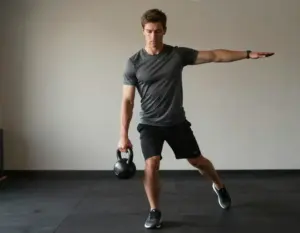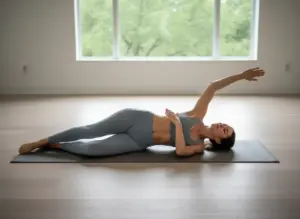
9 Exercises to Improve Your Golf Swing Mechanics and Add Consistency
Picture this: You’re standing on the first tee, feeling confident about your swing mechanics, knowing that months of targeted training have transformed your game. What once felt inconsistent and frustrating now flows with precision and power. This transformation isn’t just a dream—it’s the reality for golfers who commit to the right exercises. These 9 exercises to improve your golf swing mechanics and add consistency are backed by research and used by professionals to build the foundation for better golf.
Disclosure: This post contains affiliate links. As an Amazon Associate, we earn from qualifying purchases, and at no extra cost to you.

The difference between a good golfer and a great one often comes down to consistency, and consistency starts with proper mechanics built through targeted physical training. Research shows that golfers who follow structured strength and conditioning programs can increase their club head speed, ball speed, and driving distance by 4-6% [2]. That’s not just marginal improvement—that’s game-changing progress that can lower your scores and boost your confidence on every shot.
Key Takeaways
- Rotational power exercises like medicine ball throws and split-stance rotational movements significantly improve force transfer and swing speed
- Core stability training through anti-rotation exercises protects your lower back while enhancing swing consistency
- Hip mobility and strength work creates the foundation for smooth rotation and reduces injury risk
- Thoracic spine mobility allows for full backswing rotation while reducing strain on the lower back
- Consistent practice frequency matters more than workout duration—2-3 sessions per week yield optimal results
The Foundation: Understanding Golf Swing Biomechanics
Before diving into the specific exercises to improve your golf swing mechanics and add consistency, it’s crucial to understand what makes an efficient golf swing. Your golf swing is a complex movement pattern that requires coordination between multiple muscle groups, joints, and movement planes.
The modern golf swing demands:
- Rotational power from your core and hips
- Stability through your spine and pelvis
- Mobility in your thoracic spine and hips
- Strength in your glutes, core, and shoulders
- Coordination between upper and lower body
When any of these elements is compromised, your swing mechanics suffer, leading to inconsistent ball striking, reduced distance, and increased injury risk. The following exercises target each of these critical components systematically.
Core Strengthening Exercises for Golf Swing Consistency
1. Pallof Press for Anti-Rotation Strength
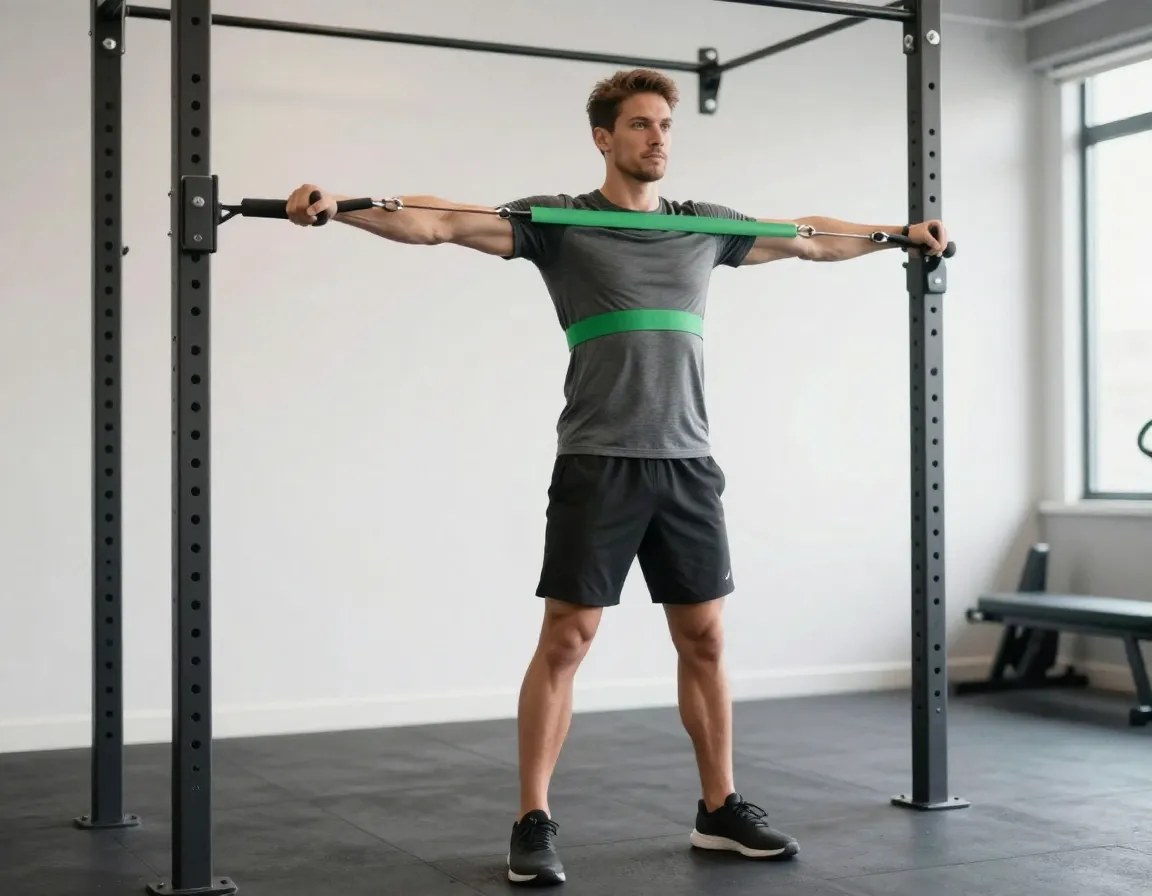
The Pallof press is a cornerstone exercise for developing the anti-rotation strength essential for consistent golf swings [3]. This movement teaches your core to resist unwanted rotation while maintaining proper posture throughout your swing.
How to perform:
- Attach a resistance band to a stable anchor point at chest height
- Hold the handle with both hands at your chest
- Step away to create tension in the band
- Press the handle straight out from your chest
- Hold for 3-5 seconds, resisting the band’s pull
- Return to starting position with control
Programming: 3 sets of 8-12 repetitions on each side
2. Bird Dog for Spinal Stability
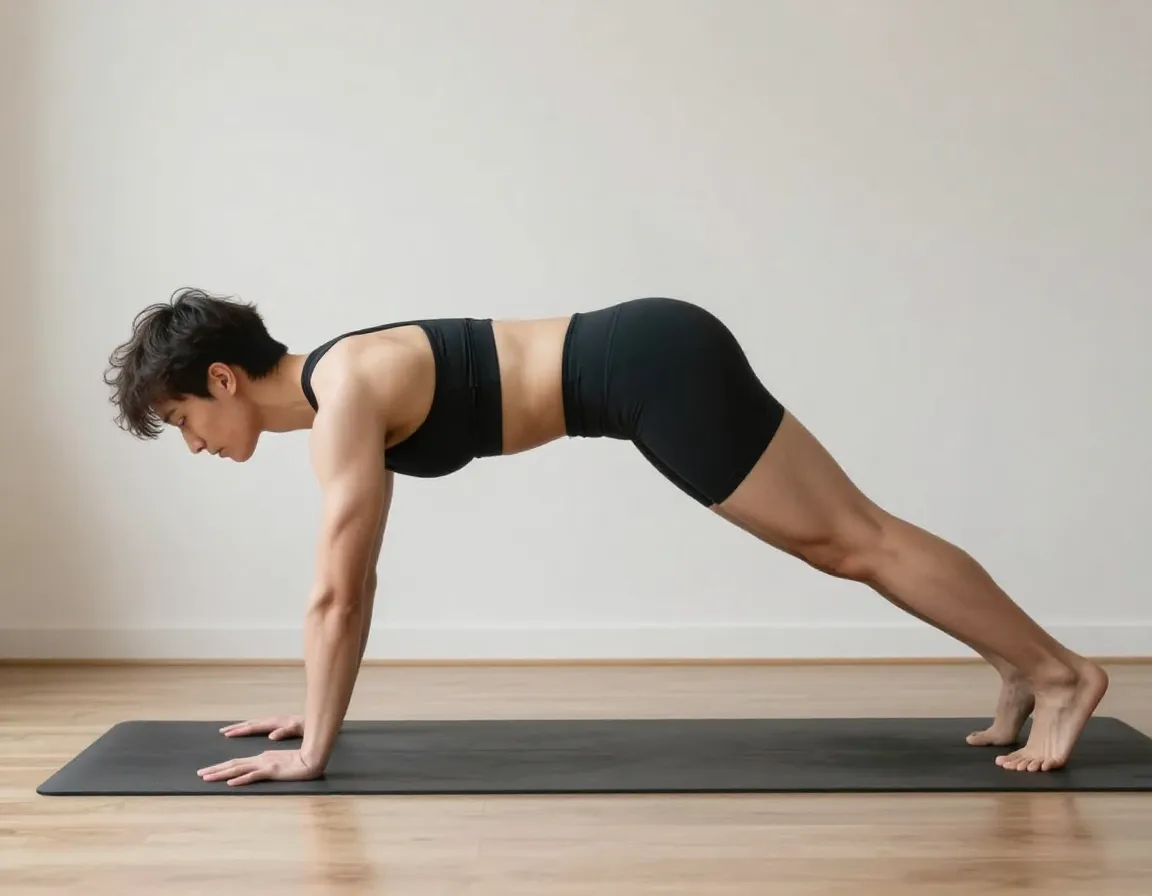
The bird dog exercise builds the spinal stability that’s fundamental to consistent golf swing mechanics [1]. This movement strengthens your deep core muscles while improving coordination between your upper and lower body.
How to perform:
- Start on hands and knees in a tabletop position
- Simultaneously extend your right arm forward and left leg back
- Hold for 3 seconds while maintaining a neutral spine
- Return to starting position and switch sides
- Focus on keeping your hips level throughout the movement
Programming: 3 sets of 10 repetitions per side
3. Dead Bug for Core Control
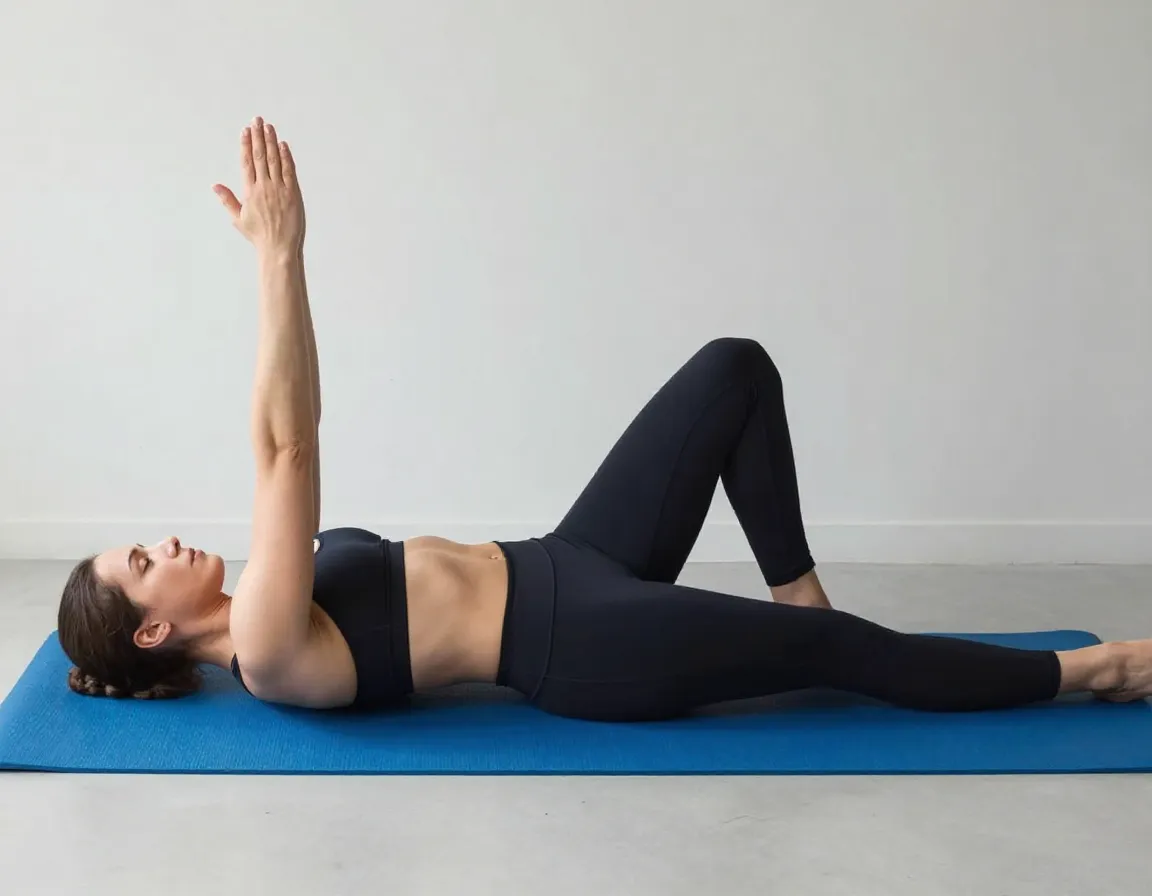
The dead bug exercise challenges your core’s ability to maintain stability while your limbs move independently—a skill directly transferable to golf swing mechanics.
How to perform:
- Lie on your back with arms extended toward the ceiling
- Bend your hips and knees to 90 degrees
- Slowly lower your right arm overhead while extending your left leg
- Return to starting position and switch sides
- Keep your lower back pressed against the floor throughout
Programming: 3 sets of 8-10 repetitions per side
Rotational Power Development
4. Medicine Ball Rotational Throws
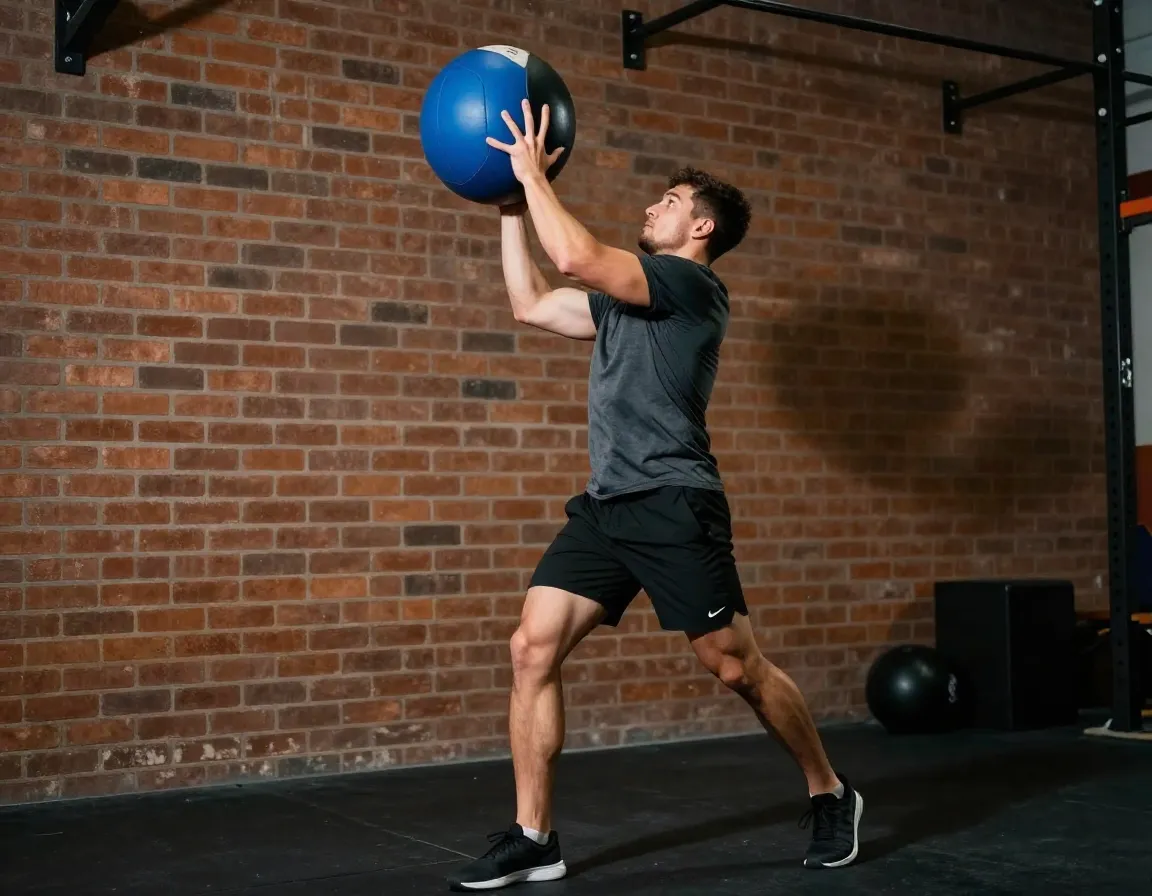
Medicine ball rotational throws are among the most effective exercises for developing the explosive rotational power needed for increased club head speed [1]. These movements train your body to generate and transfer force efficiently through the kinetic chain.
How to perform:
- Stand with feet shoulder-width apart, holding a medicine ball
- Rotate your torso to one side, loading the ball at hip level
- Explosively rotate toward the opposite side
- Release the ball into a wall or to a partner
- Focus on driving the movement from your hips and core
Programming: 3 sets of 8 repetitions on each side, twice per week
5. Split-Stance Rotational Throws
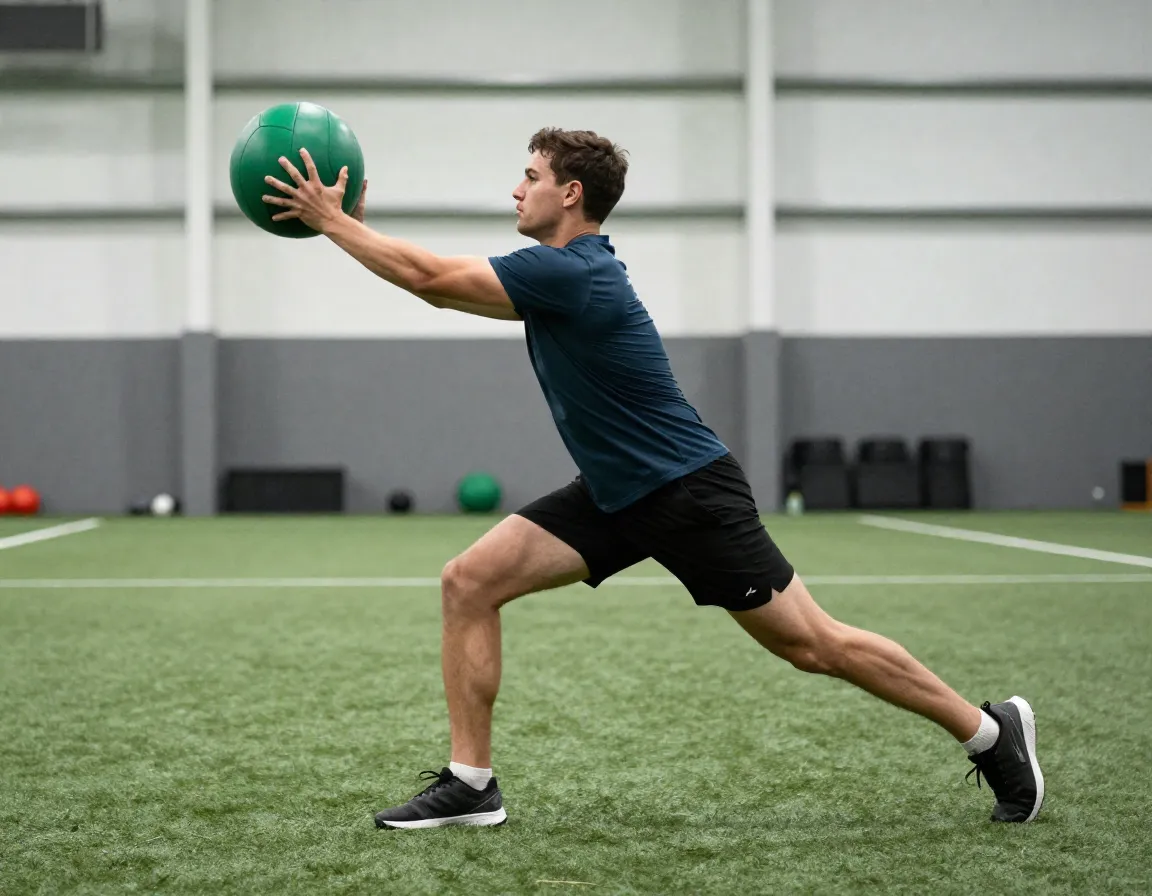
Split-stance rotational throws specifically target the dynamic power and force transfer patterns used in the golf swing [1]. This exercise mimics the weight shift and rotation that occurs during your downswing.
How to perform:
- Set up in a split stance with your lead foot forward
- Hold a medicine ball at your back hip
- Explosively rotate and throw the ball toward your target
- Allow your back foot to pivot naturally
- Focus on the sequential activation from ground up
Programming: 3 sets of 8 reps on each side, twice weekly
Hip Mobility and Strength Training
6. 90/90 Hip Mobility Drill
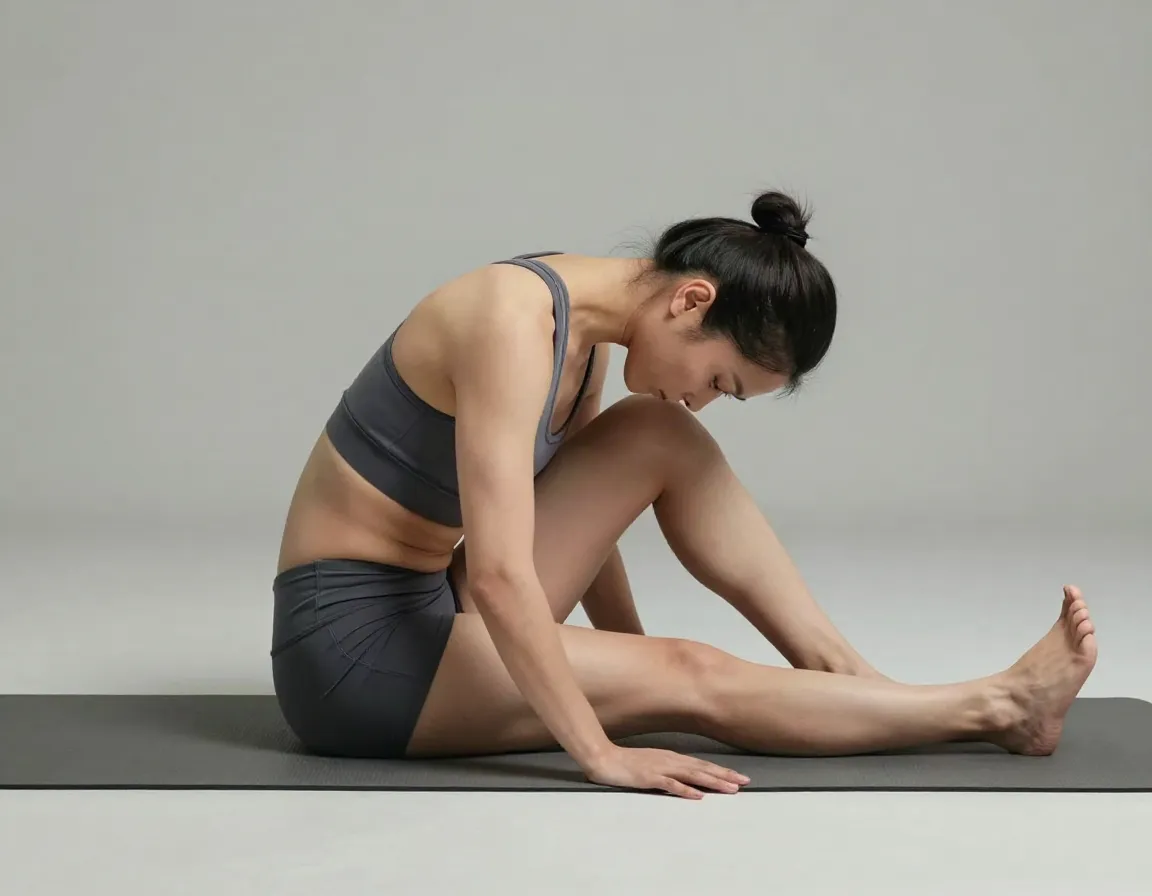
Hip mobility is crucial for achieving proper rotation in your golf swing while protecting your lower back [2]. The 90/90 stretch addresses both internal and external hip rotation simultaneously.
How to perform:
- Sit on the floor with both legs bent at 90-degree angles
- Place one leg in front (external rotation) and one behind (internal rotation)
- Lean forward over your front leg to deepen the stretch
- Hold for 30-60 seconds, then switch leg positions
- Focus on keeping your spine straight throughout
Programming: 2-3 sets of 30-60 seconds per side, daily
7. Single-Leg Deadlifts for Hip Strength
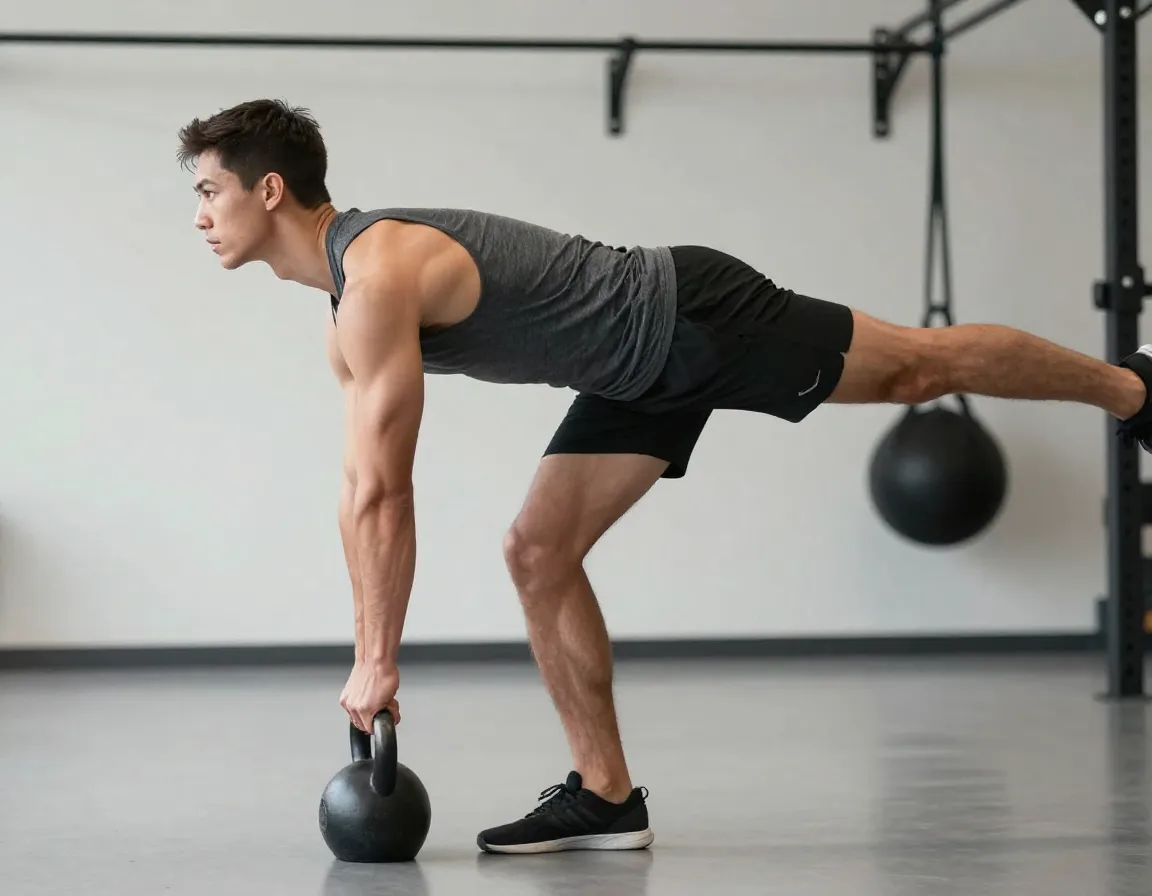
Single-leg deadlifts build the hip strength and stability necessary for maintaining proper posture throughout your golf swing [2]. This exercise also improves balance and proprioception.
How to perform:
- Stand on one leg with a slight bend in your knee
- Hinge at your hip, reaching toward the floor
- Keep your back straight and chest up
- Drive through your heel to return to standing
- Maintain balance throughout the movement
Programming: 3 sets of 8-12 repetitions per leg
Thoracic Spine Mobility for Better Rotation
8. Open Book Stretch
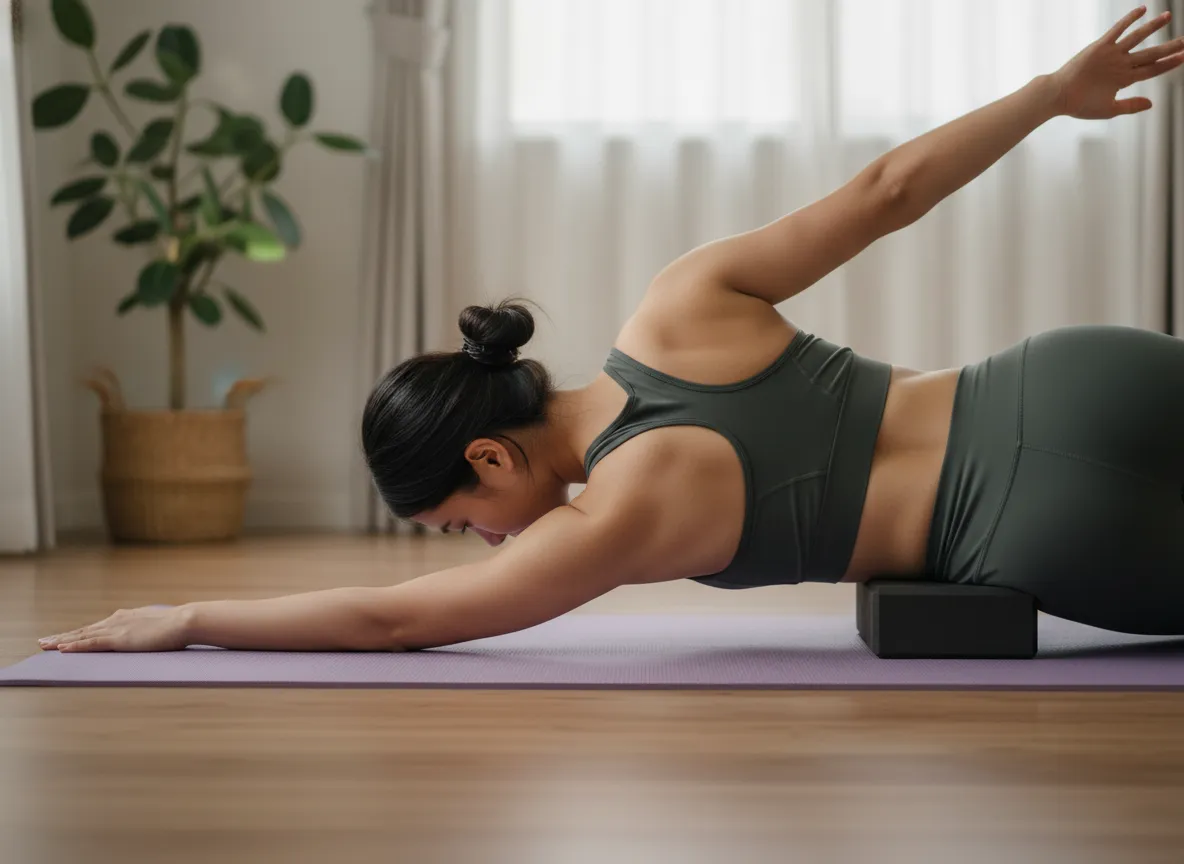
The open book stretch is essential for maintaining thoracic spine mobility, which allows for full backswing rotation while reducing strain on your lower back [2]. Poor thoracic mobility forces compensation patterns that hurt consistency.
How to perform:
- Lie on your side with knees bent and arms extended in front
- Keep your bottom arm on the ground
- Slowly rotate your top arm toward the ceiling and behind you
- Follow your hand with your eyes and chest
- Return slowly to starting position
Programming: 2 sets of 10 repetitions per side, daily
9. Thoracic Extension Exercise
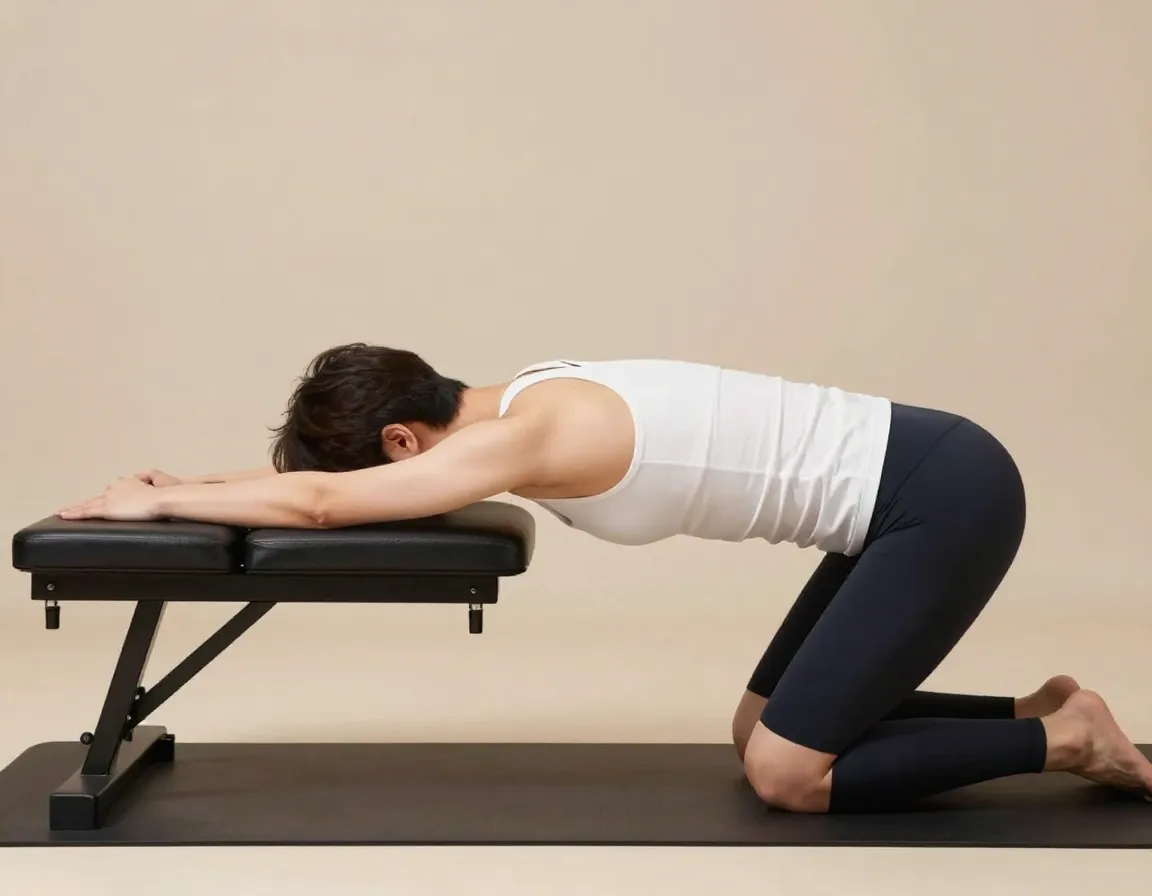
Thoracic extension exercises counteract the forward head posture common in modern life and essential for proper golf posture [3]. Improved thoracic extension allows for better shoulder turn and more consistent ball striking.
How to perform:
- Kneel in front of a bench or chair
- Place your elbows on the surface with hands together
- Lower your chest toward the ground while keeping your hips high
- Feel the stretch through your upper back and shoulders
- Hold for 30-45 seconds
Programming: 3 sets of 30-45 second holds, daily
Creating Your Golf Fitness Routine
To maximize the benefits of these exercises for improving your golf swing mechanics and adding consistency, structure is key. Here’s how to organize your training:
Weekly Schedule:
- Monday: Core strength + Hip mobility (Exercises 1, 2, 3, 6)
- Tuesday: Rotational power + Thoracic mobility (Exercises 4, 5, 8, 9)
- Wednesday: Active recovery or light golf practice
- Thursday: Hip strength + Core stability (Exercises 7, 1, 3)
- Friday: Rotational power + Mobility (Exercises 4, 5, 6, 8, 9)
- Weekend: Golf play or rest
Progressive Overload:
Start with bodyweight versions and basic movements. As you build strength and coordination, add resistance, increase repetitions, or progress to more challenging variations.
Measuring Your Progress
Track your improvement through both physical markers and on-course performance:
Physical Assessments:
- Thoracic rotation range of motion
- Hip mobility measurements
- Core stability endurance tests
- Balance and coordination challenges
Golf Performance Metrics:
- Club head speed measurements
- Ball striking consistency
- Driving distance improvements
- Lower back pain reduction
- Overall swing feel and confidence
Common Mistakes to Avoid
When implementing these exercises to improve your golf swing mechanics and add consistency, avoid these common pitfalls:
❌ Rushing through movements – Focus on quality over quantity
❌ Ignoring mobility work – Strength without mobility creates dysfunction
❌ Training too intensely – Progressive overload prevents injury
❌ Inconsistent practice – Regular, moderate training beats sporadic intense sessions
❌ Neglecting proper form – Poor exercise form reinforces poor movement patterns
Conclusion
The path to better golf swing mechanics and increased consistency lies in addressing the physical demands of the golf swing through targeted exercise. These 9 exercises to improve your golf swing mechanics and add consistency provide a comprehensive approach to building the strength, mobility, and stability your game demands.
Remember that meaningful improvement takes time and consistency. Research shows that targeted training programs can yield 4-6% improvements in performance metrics [2], but these gains come through dedicated practice over weeks and months, not days.
Your next steps:
- Assess your current movement patterns and identify your biggest limitations
- Start with 2-3 exercises that address your primary weaknesses
- Practice consistently for 15-20 minutes, 3 times per week
- Progress gradually by adding resistance or complexity as you improve
- Track your improvements both in the gym and on the course
The difference between hoping for better golf and actually achieving it lies in taking action. Start with these exercises today, stay consistent with your practice, and watch as your swing mechanics improve and your scores drop. Your future self will thank you for the investment you make in your golf fitness today.
References
[1] The 2026 Golf Fitness Guide 5 Smart Ways To Get In Golf Shape – https://www.pga.com/story/the-2026-golf-fitness-guide-5-smart-ways-to-get-in-golf-shape
[2] Offseason Training For Golfers The Essentials Backed By Research – https://www.mendcolorado.com/physical-therapy-blog/2026/1/5/offseason-training-for-golfers-the-essentials-backed-by-research/
[3] Master Your Game With Golf Swing Biomechanics Assessment – https://rhw-indy.com/master-your-game-with-golf-swing-biomechanics-assessment/