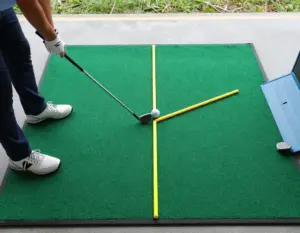
8 Factors to Consider Before Buying the Best Outdoor Golf Mat
Picture this: you’re standing in your backyard at 6 AM, coffee in hand, ready to work on your swing before the day begins. No driving range fees, no waiting for tee times, just you and your clubs practicing whenever inspiration strikes. This dream becomes reality when you invest in the right outdoor golf mat – but with dozens of options flooding the market in 2026, choosing the perfect one can feel overwhelming.
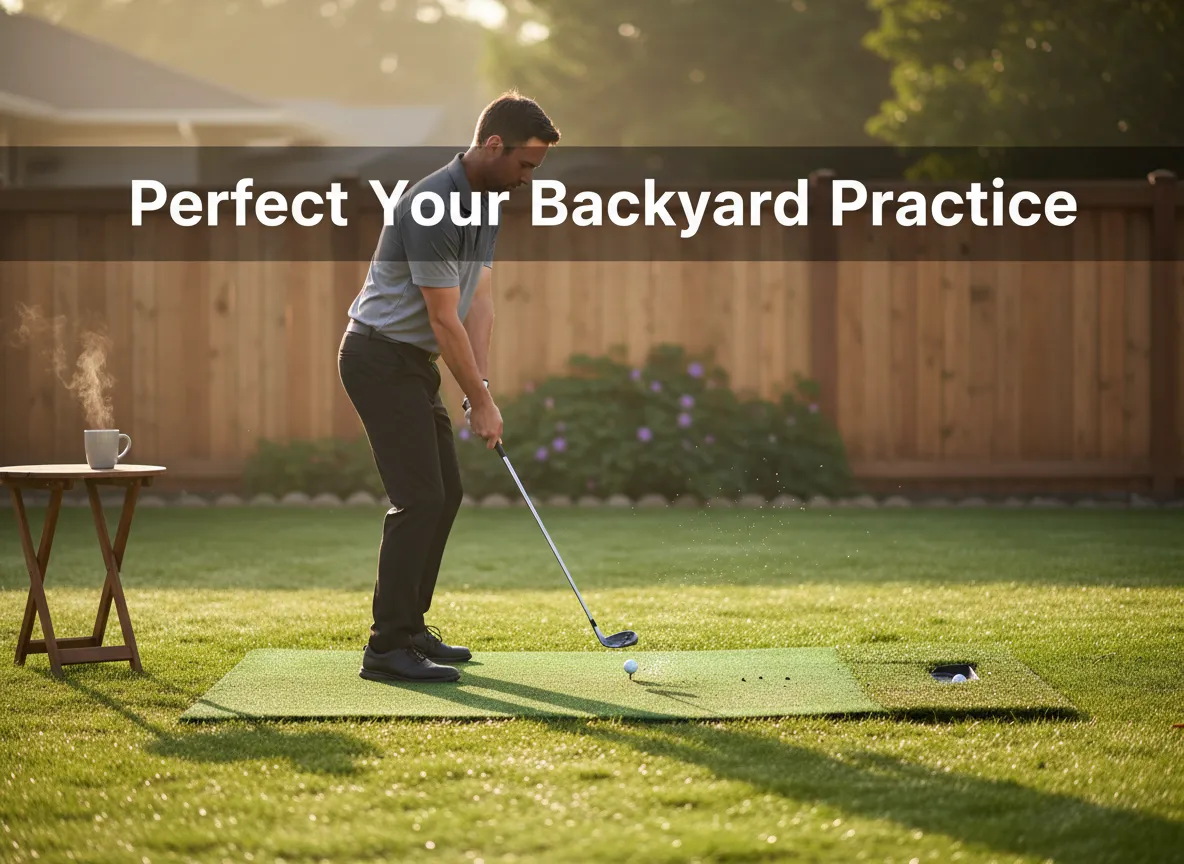
I’ve spent countless hours researching and testing outdoor golf mats, and I can tell you that the 8 factors to consider before buying the best outdoor golf mat will make or break your practice experience. Whether you’re a weekend warrior looking to shave strokes off your handicap or a serious golfer preparing for tournament season, the right mat transforms your backyard into a professional-grade practice facility.
Key Takeaways
- Thickness matters most: Aim for at least 20mm total thickness when hitting off hard surfaces, with 25-35mm providing optimal joint protection
- Size selection impacts practice quality: 6x4ft mats offer 20% more hitting area than standard options, allowing for varied stance positions
- Commercial-grade construction: Quality synthetic turf engineered for 150,000+ shots ensures long-term value despite higher upfront costs
- Surface variety enhances training: Dual or tri-turf systems allow practicing every shot type from fairway to rough conditions
- Proper setup requirements: Consider drainage, portability, and surface compatibility before making your investment
Understanding the Critical Factors: 8 Factors to Consider Before Buying the Best Outdoor Golf Mat
1. Mat Thickness and Shock Absorption 🏌️♂️
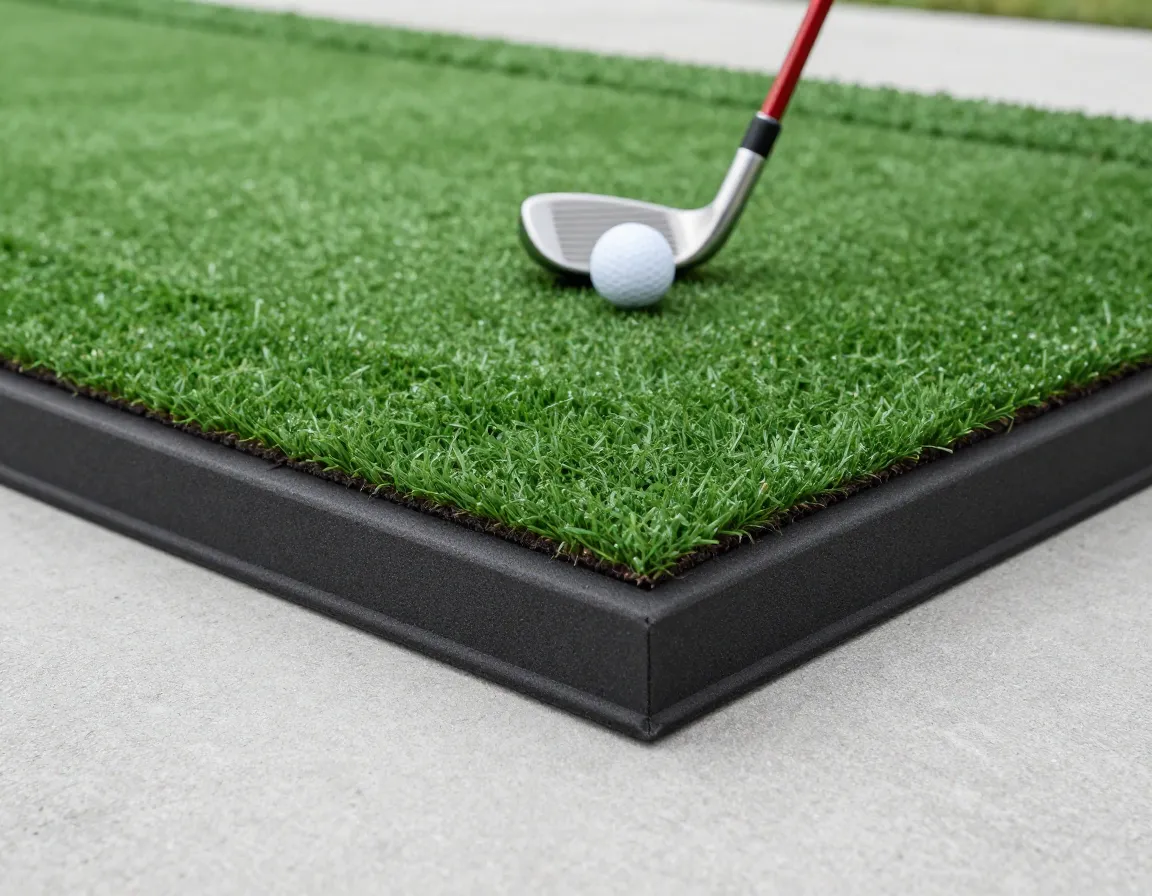
The foundation of any quality outdoor golf practice session starts with proper shock absorption. When I first started practicing on thin mats, I didn’t realize the long-term damage I was doing to my joints until my elbows and wrists started aching after every session.
Minimum thickness requirements vary significantly based on your hitting surface:
- Hard surfaces (concrete, patio stones): Aim for at least 20mm total thickness[1]
- Optimal protection: Mats in the 25-35mm range offer excellent joint protection[1]
- Grass or softer surfaces: Thinner mats (15-20mm) work adequately[1]
Many premium mats feature layered construction, such as 16mm turf combined with 20mm EVA padding[1]. This combination provides the realistic feel of hitting off natural turf while protecting your body from the repetitive impact that can lead to golf-related injuries.
“The difference between a 15mm and 25mm mat isn’t just comfort – it’s the difference between sustainable practice and potential injury.” – Golf Equipment Specialist
Key thickness considerations:
- EVA foam padding absorbs impact better than rubber alternatives
- Multi-layer construction distributes shock more evenly
- Thicker doesn’t always mean better – balance protection with realistic ball contact
- Consider your age and physical condition when selecting thickness
2. Size and Dimensions for Your Practice Space
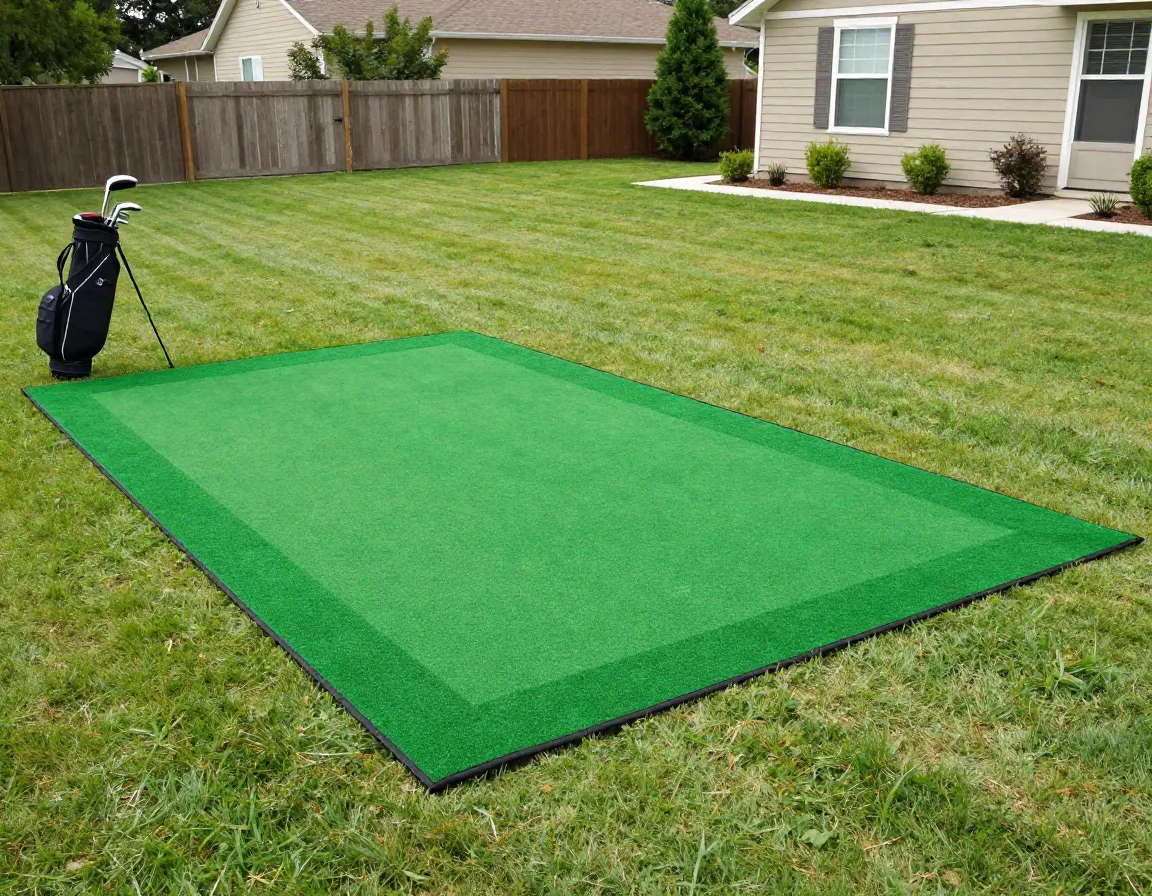
Choosing the right size directly impacts your practice effectiveness. I learned this lesson when my first mat was too small – I found myself adjusting my stance unnaturally, which actually hurt my swing development rather than helping it.
Standard size options include:
| Mat Size | Best For | Space Required |
|---|---|---|
| 2x2ft | Portable practice, travel | Minimal space, apartments |
| 5x4ft | Standard backyard practice | Medium yards, patios |
| 6x4ft | Premium practice experience | Spacious areas, serious golfers |
| 6x10ft | Professional-grade training | Large yards, commercial use |
The 6x4ft models provide approximately 20% more hitting area than standard mats[1], which translates to more natural stance positioning and the ability to practice different lie angles. This extra space becomes crucial when working on specialty shots or when multiple family members use the same mat.
Size selection factors:
- Available backyard or practice space[4]
- Number of users (family vs. individual)
- Storage requirements when not in use
- Transportation needs for portable practice
3. Construction Quality and Durability Standards
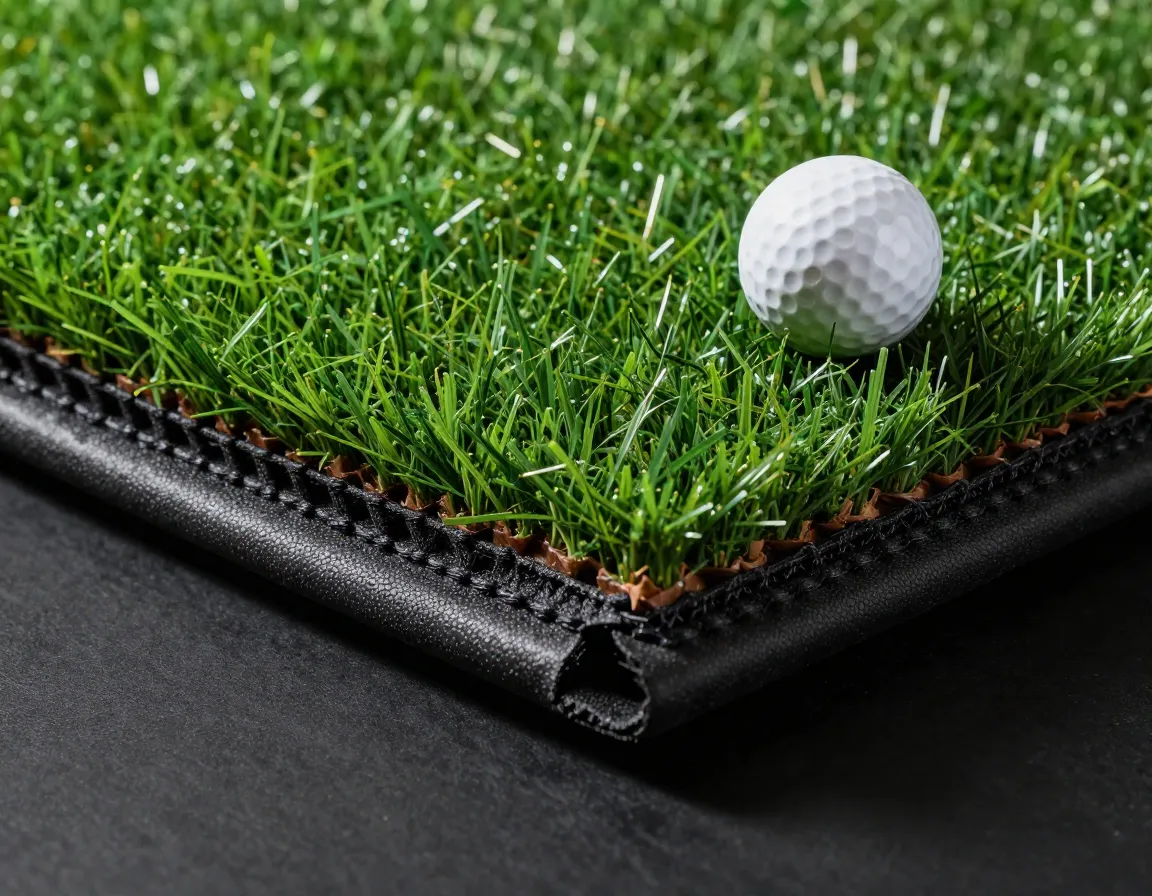
Nothing frustrates me more than investing in equipment that falls apart after a few months of regular use. Quality construction separates temporary solutions from long-term practice investments.
Commercial-grade synthetic turf represents the gold standard, engineered to withstand approximately 150,000 shots[1]. This durability comes from several key features:
- Reinforced edges prevent fraying and separation
- Anti-tearing layers protect against club damage
- High-density turf materials maintain realistic ball interaction
- UV-resistant fibers prevent fading and degradation
Quality indicators to examine:
- Stitching density and pattern consistency
- Backing material thickness and flexibility
- Edge finishing and reinforcement methods
- Manufacturer warranty length and coverage
While quality construction ensures long-term value despite higher upfront costs[3], it’s important to balance your budget with expected usage frequency. A weekend golfer might find mid-range options sufficient, while daily practitioners benefit from premium construction.
4. Surface Types and Practice Versatility
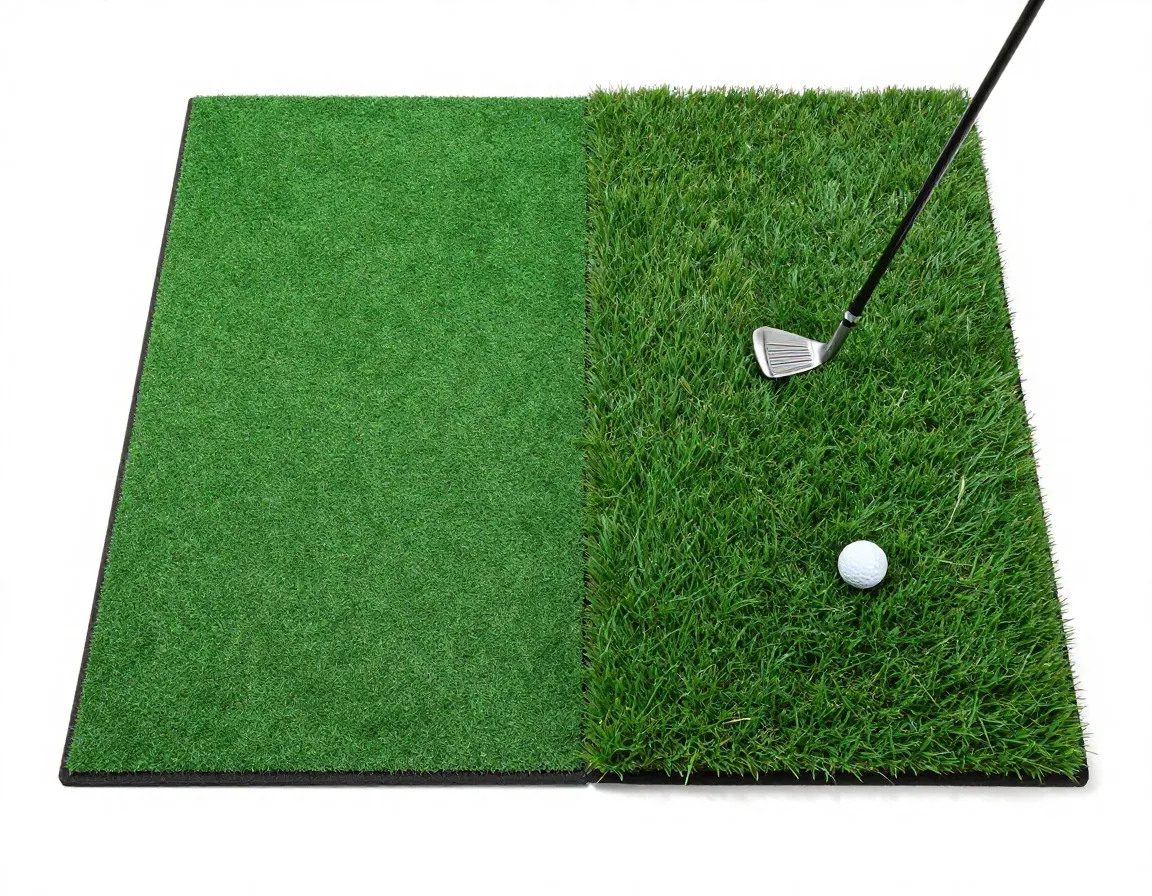
The evolution of golf mat technology in 2026 has brought us sophisticated surface options that closely mimic on-course conditions. Single-surface mats served their purpose in the past, but modern golfers demand more realistic practice scenarios.
Surface variety options:
Single-Surface Mats:
- Focused practice on one lie type
- Lower cost entry point
- Suitable for beginners or specific skill work
- Limited shot variety development[2]
Dual-Turf Systems:
- Fairway and rough surfaces allow practicing every shot type[1]
- More realistic course preparation
- Better value for intermediate to advanced players
- Compact design fits most practice spaces
Tri-Turf Configurations:
- Three different surface types mimic fairway, first cut, and rough conditions[2]
- Professional-grade practice experience
- Ideal for serious golfers and low handicappers
- Requires larger practice area
The versatility factor becomes especially important when preparing for specific course conditions. If your home course features thick rough or firm fairways, having the ability to practice these lies at home provides a significant competitive advantage.
Advanced Considerations: Maximizing Your Investment in the 8 Factors to Consider Before Buying the Best Outdoor Golf Mat
5. Weather Resistance and Outdoor Durability
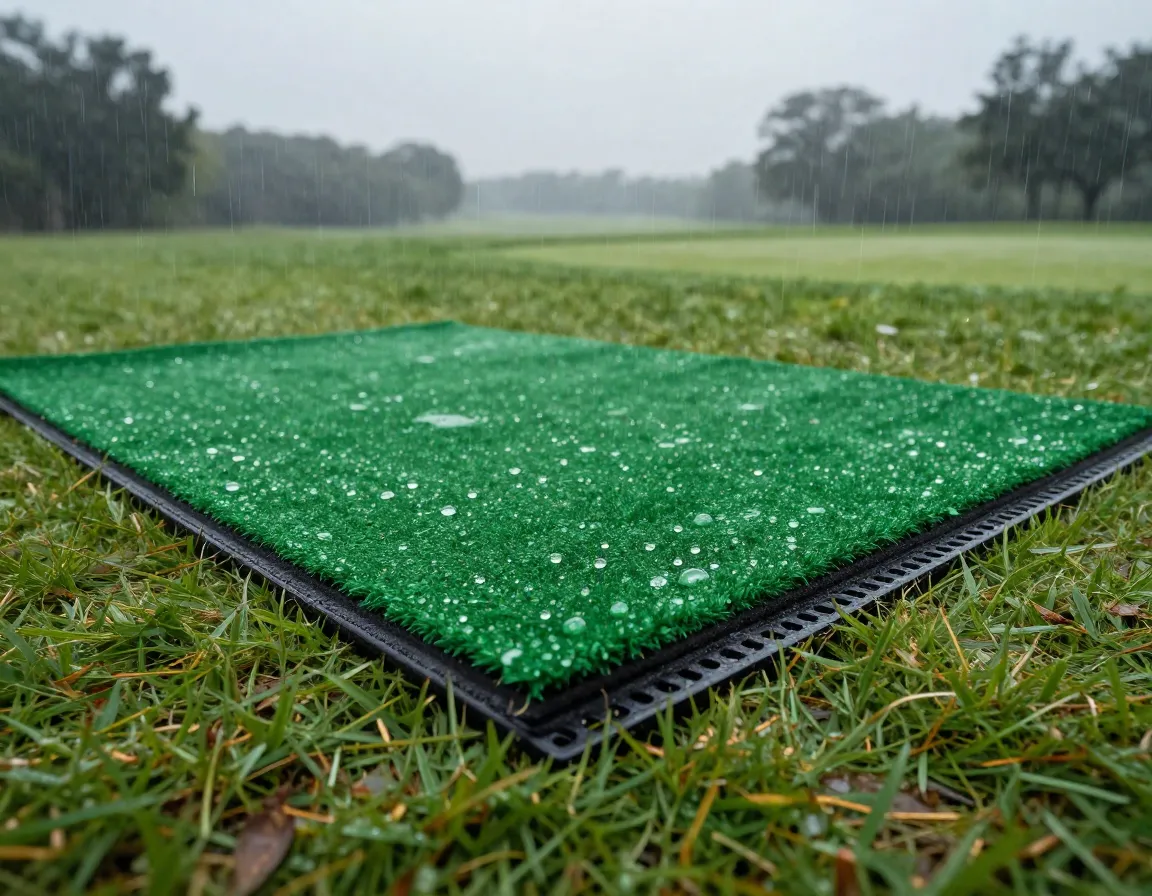
Outdoor mats face challenges that indoor alternatives never encounter. After testing various mats through multiple seasons, I’ve learned that weather resistance determines whether your investment lasts one season or many years.
Critical weather protection features:
UV Protection:
- Prevents fiber degradation and color fading
- Maintains turf integrity through summer heat
- Essential for year-round outdoor storage
Water Drainage:
- Perforated backing allows moisture escape
- Prevents mold and mildew development
- Maintains mat stability on wet surfaces
Temperature Resistance:
- Materials that remain flexible in cold weather
- Heat resistance for hot climate installations
- Expansion/contraction stability
Seasonal storage considerations:
- Rollable vs. foldable designs for winter storage
- Weight factors for moving indoors
- Cleaning requirements before storage
Many golfers overlook drainage capabilities until they face their first heavy rain. Mats without proper drainage become waterlogged, creating unsafe practice conditions and potential long-term damage to the underlying surface.
6. Portability and Storage Requirements
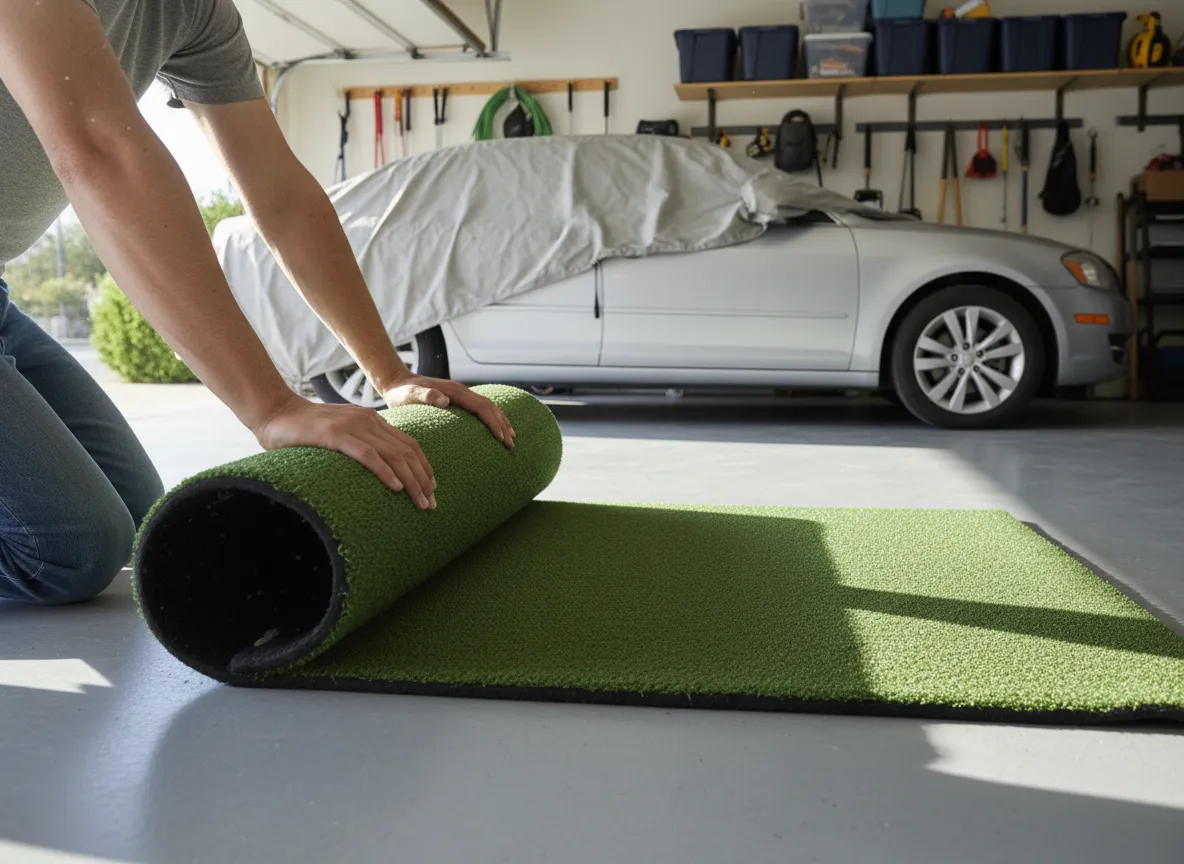
The best outdoor golf mat becomes useless if you can’t easily set it up when inspiration strikes. Portability considerations extend beyond just moving the mat – they include setup time, storage space, and transportation for off-site practice.
Portability spectrum:
Ultra-Portable (2x2ft to 3x3ft):
- Weight: 10-25 pounds
- Setup time: Under 2 minutes
- Storage: Closet or garage shelf
- Transportation: Car trunk friendly
Standard Portable (4x5ft to 5x4ft):
- Weight: 25-50 pounds
- Setup time: 5-10 minutes
- Storage: Garage floor space required
- Transportation: SUV or truck bed
Semi-Permanent (6x4ft and larger):
- Weight: 50+ pounds
- Setup time: 15+ minutes
- Storage: Dedicated storage area
- Transportation: Requires planning
Portability factors affecting your choice:
- Frequency of setup/breakdown
- Available storage space
- Physical ability to move the mat
- Multi-location practice needs
7. Price Range and Value Considerations
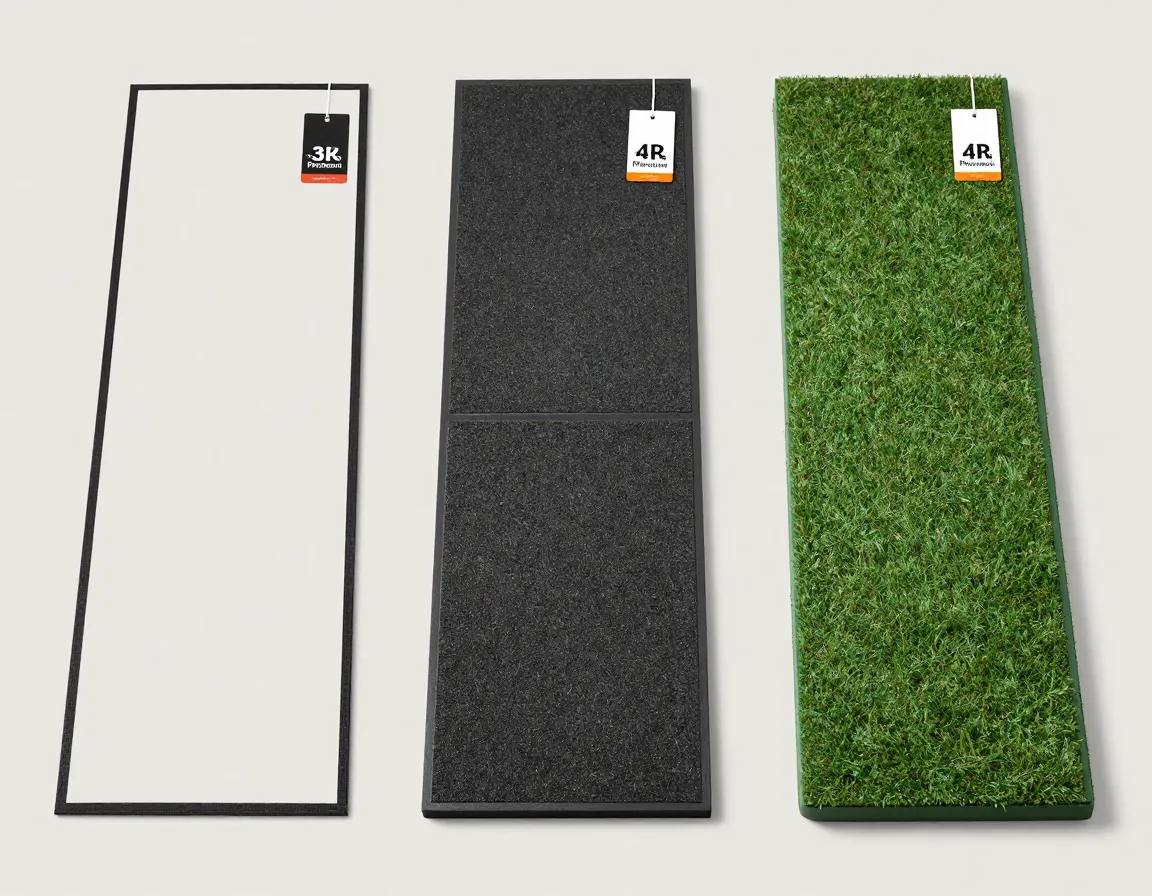
Golf mat pricing in 2026 spans from budget options under $100 to professional-grade systems exceeding $1,000. Understanding the value proposition at each price point helps you make an informed investment rather than simply choosing the cheapest option.
Price tier breakdown:
Budget Tier ($50-$200):
- Basic single-surface construction
- Adequate for occasional practice
- Limited durability (6-12 months heavy use)
- Minimal shock absorption
Mid-Range ($200-$500):
- Dual-surface options available
- Better construction quality
- Moderate durability (1-3 years)
- Improved comfort features
Premium Tier ($500-$1,000+):
- Commercial-grade construction
- Multiple surface types
- Professional durability (5+ years)
- Advanced shock absorption systems
Value calculation factors:
- Cost per practice session over mat lifetime
- Driving range fee savings
- Convenience and time savings
- Potential for skill improvement
When I calculated my driving range expenses over a year, the premium mat paid for itself in eight months. The convenience factor – practicing whenever I wanted – proved invaluable for consistent improvement.
8. Installation and Maintenance Requirements
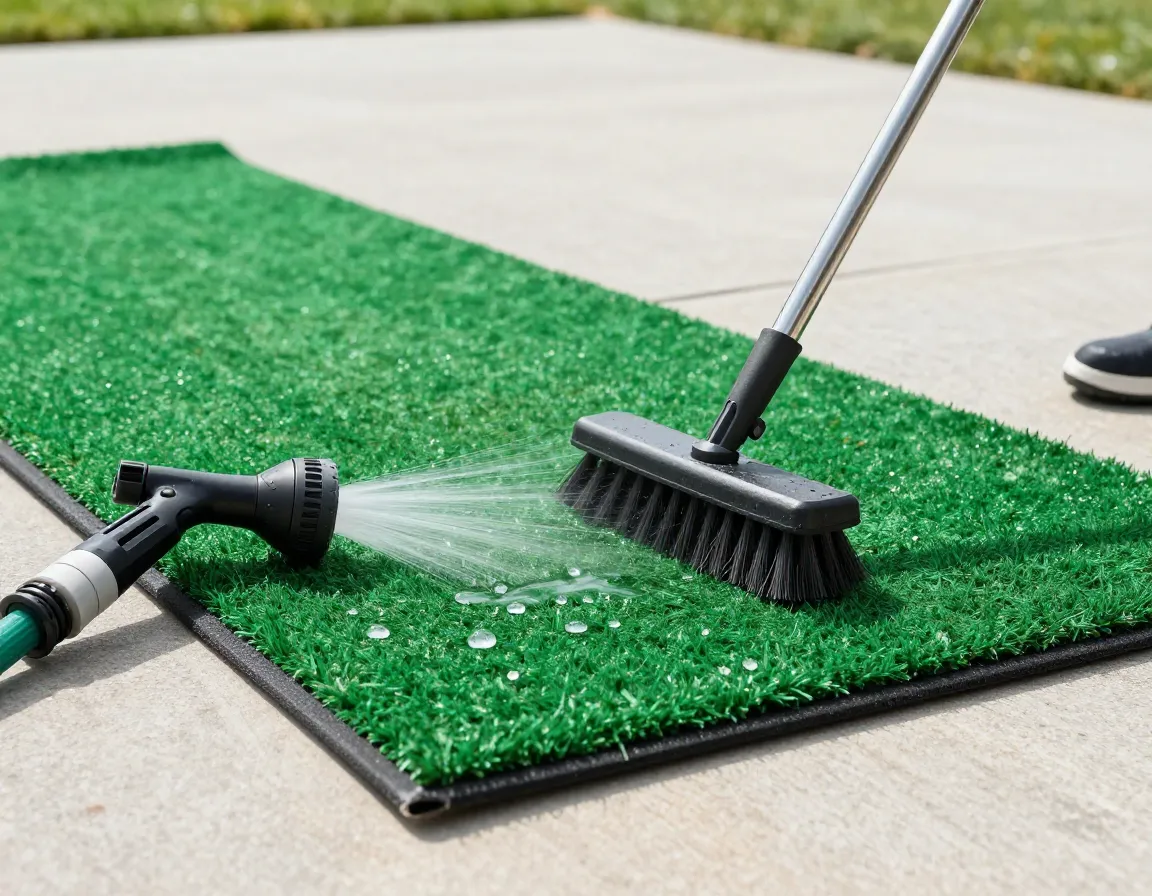
The final factor often gets overlooked until after purchase, but installation and maintenance requirements significantly impact your long-term satisfaction with any outdoor golf mat.
Installation considerations:
Surface Preparation:
- Level ground requirements
- Drainage considerations
- Underlying surface compatibility
- Safety clearances for swing space
Setup Complexity:
- Assembly time and tools required
- Anchoring or securing methods
- Alignment and positioning needs
- Weather protection installation
Ongoing maintenance:
Regular Cleaning:
- Debris removal after each session
- Deep cleaning schedules
- Stain and wear spot treatment
- Turf fiber maintenance
Seasonal Care:
- Winter storage procedures
- Spring setup and inspection
- UV protection applications
- Replacement part availability
Long-term upkeep:
- Expected replacement timelines
- Warranty service procedures
- Upgrade and modification options
- Disposal considerations
Proper maintenance extends mat life significantly. I’ve seen identical mats last anywhere from 6 months to 5+ years based solely on care quality. Simple practices like brushing the turf weekly and protecting from unnecessary UV exposure make dramatic differences in longevity.
Making Your Decision: Putting the 8 Factors Together
Choosing among the 8 factors to consider before buying the best outdoor golf mat requires balancing your specific needs, budget, and practice goals. No single mat excels in every category, so prioritizing factors based on your situation leads to the best outcomes.
Decision framework:
- Start with space and budget constraints – these eliminate unsuitable options quickly
- Prioritize thickness based on your hitting surface – joint protection isn’t negotiable
- Consider your practice frequency – daily users need commercial-grade durability
- Evaluate surface variety needs – match your course conditions and skill level
- Factor in convenience requirements – portability vs. performance trade-offs
Common decision scenarios:
The Weekend Warrior:
- Mid-range 5x4ft mat with dual surfaces
- 20-25mm thickness for joint protection
- Moderate portability for seasonal storage
- 2-3 year replacement cycle acceptable
The Serious Competitor:
- Premium 6x4ft tri-turf system
- 30-35mm thickness with advanced shock absorption
- Semi-permanent installation acceptable
- 5+ year durability expectation
The Apartment Dweller:
- Compact 2x2ft ultra-portable option
- Maximum portability for storage
- Single surface acceptable for focused practice
- Budget-conscious with shorter replacement cycle
Conclusion
Selecting the right outdoor golf mat transforms your practice routine from occasional driving range visits to consistent, convenient skill development. The 8 factors to consider before buying the best outdoor golf mat – thickness, size, construction quality, surface variety, weather resistance, portability, price, and maintenance – work together to determine your long-term satisfaction with this investment.
Remember that the “best” mat varies for each golfer based on individual circumstances. A premium commercial-grade mat might be overkill for casual players, while serious competitors shouldn’t compromise on quality features that support their development goals.
Your next steps:
- Measure your available practice space and determine surface type
- Set a realistic budget including any installation requirements
- List your must-have features vs. nice-to-have options
- Research specific models that meet your criteria
- Read user reviews from golfers with similar needs and skill levels
The right outdoor golf mat becomes a game-changing addition to your practice routine, providing the consistency and convenience that accelerate improvement. Take time to evaluate these factors thoroughly – your future self will thank you for the investment in both equipment and skill development.
Start your search today, and transform your backyard into the practice facility that takes your game to the next level. The perfect mat is waiting to help you achieve your golfing goals in 2026 and beyond.
References
[1] Best Golf Mats For Outdoors – https://www.funwithgolf.com/best-golf-mats-for-outdoors/
[2] Best Golf Mat 213474 – https://www.golfmonthly.com/best-golf-deals/best-golf-mat-213474
[3] Best Golf Mat – https://golfergeeks.com/best-golf-mat/
[4] How To Choose The Best Golf Hitting Mat – https://www.playbetter.com/blogs/golf-nets-mats/how-to-choose-the-best-golf-hitting-mat