8 Keys to Hosting a Fun & Competitive Indoor Golf Tournament
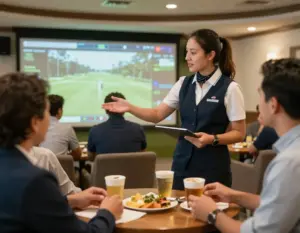
Picture this: It’s a cold winter evening in 2026, but inside your facility, the atmosphere is electric. Players are cheering, putts are dropping on virtual greens from around the world, and the competitive spirit is palpable. Indoor golf tournaments have revolutionized how we experience the game, offering year-round competition regardless of weather conditions. Whether you’re running a golf entertainment venue or organizing a corporate event, mastering the 8 Keys to Hosting a Fun & Competitive Indoor Golf Tournament can transform a simple gathering into an unforgettable experience that keeps players coming back for more.

Key Takeaways
- Technology is crucial – Invest in high-quality simulators with 240+ courses and accurate tracking systems
- Format flexibility attracts diverse skill levels – Offer multiple tournament styles from stroke play to scrambles
- Strategic scheduling with 8-12 week formats maximizes participation and engagement
- Clear rules and scoring systems prevent confusion and maintain competitive integrity
- Prizes and partnerships with local businesses create excitement and sustainable tournament models
1. Choose High-Quality Golf Simulator Technology
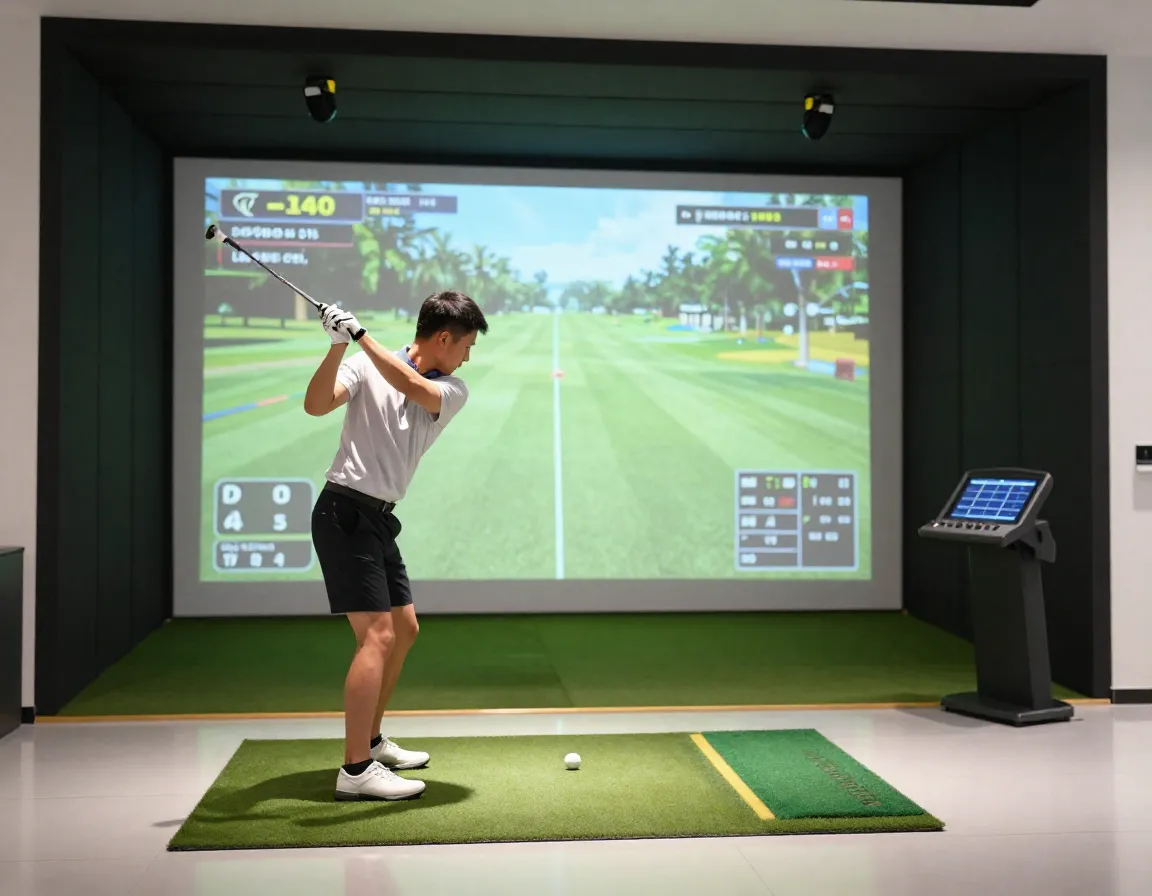
The foundation of any successful indoor golf tournament lies in your simulator technology. When implementing the 8 Keys to Hosting a Fun & Competitive Indoor Golf Tournament, your equipment choice can make or break the entire experience.
Look for simulators that offer 240+ mapped courses with HD graphics that transport players to world-famous golf destinations [1]. The best systems feature:
- Accurate ball tracking technology that captures spin, speed, and trajectory
- Automatic tee systems for seamless play progression
- Real-time data tracking showing detailed swing metrics
- Multiple camera angles for shot analysis and replay
“The simulator technology you choose directly impacts player satisfaction and tournament credibility. Invest in quality systems that provide consistent, accurate results.”
Modern simulators should accommodate all skill levels, from beginners learning the basics to scratch golfers fine-tuning their games. This inclusivity is essential when hosting tournaments that attract diverse player demographics.
Pro Tip: Test multiple simulator brands before committing. What looks impressive in marketing materials might not deliver the consistent performance needed for competitive play.
2. Design Flexible Tournament Formats
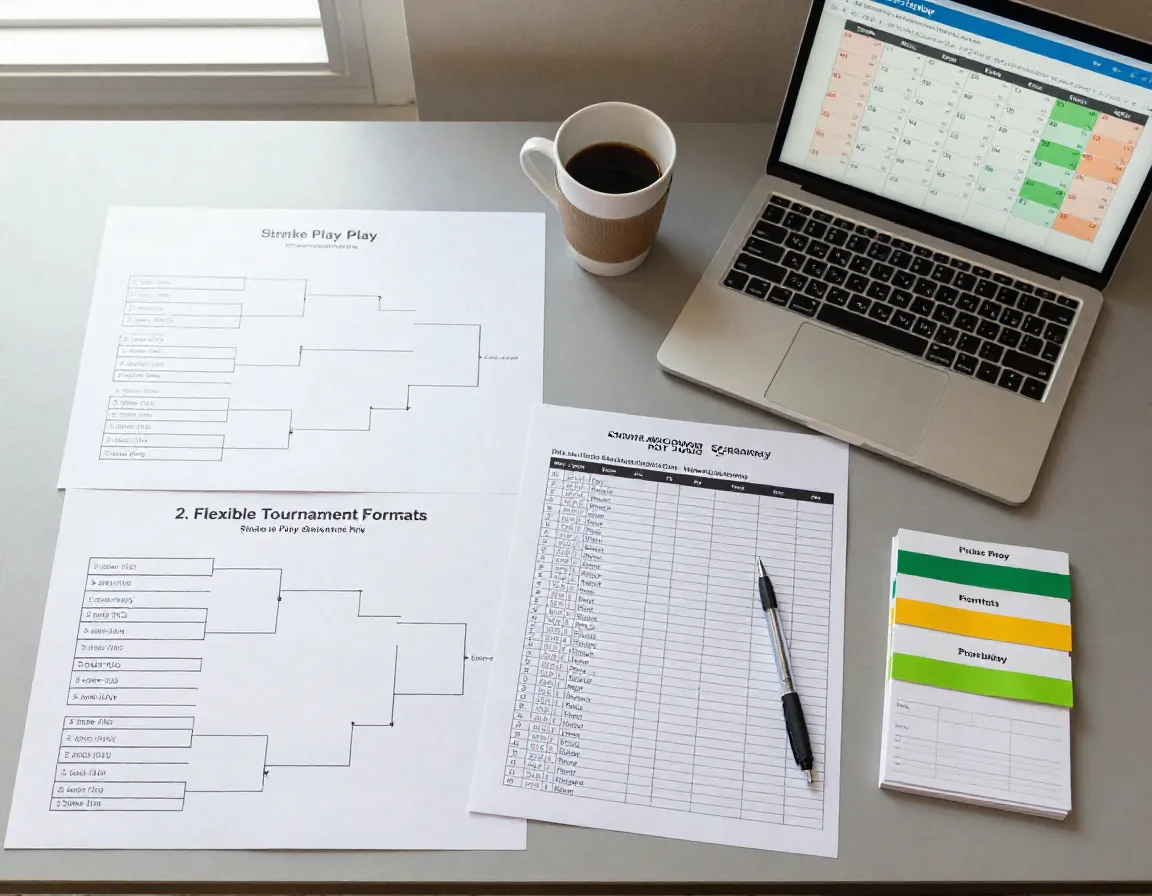
Successfully implementing the 8 Keys to Hosting a Fun & Competitive Indoor Golf Tournament requires offering multiple format options to appeal to different player preferences and skill levels [2].
Popular Tournament Formats:
Competitive Formats:
- Stroke Play – Traditional individual scoring
- Match Play – Head-to-head elimination
- Modified Stableford – Points-based scoring system
Social Formats:
- Best Ball – Team format using best individual scores
- Scramble – All players hit, team chooses best shot
- Texas Scramble – Scramble with mandatory shot requirements
The key is variety. Some players crave serious competition, while others prefer social formats that emphasize fun over precision. By offering multiple divisions or rotating formats throughout your tournament series, you’ll maximize participation and keep the experience fresh.
Consider implementing handicap systems that level the playing field. This allows players of different abilities to compete fairly, which is crucial for maintaining long-term engagement in your tournament program.
3. Establish Strategic Tournament Scheduling
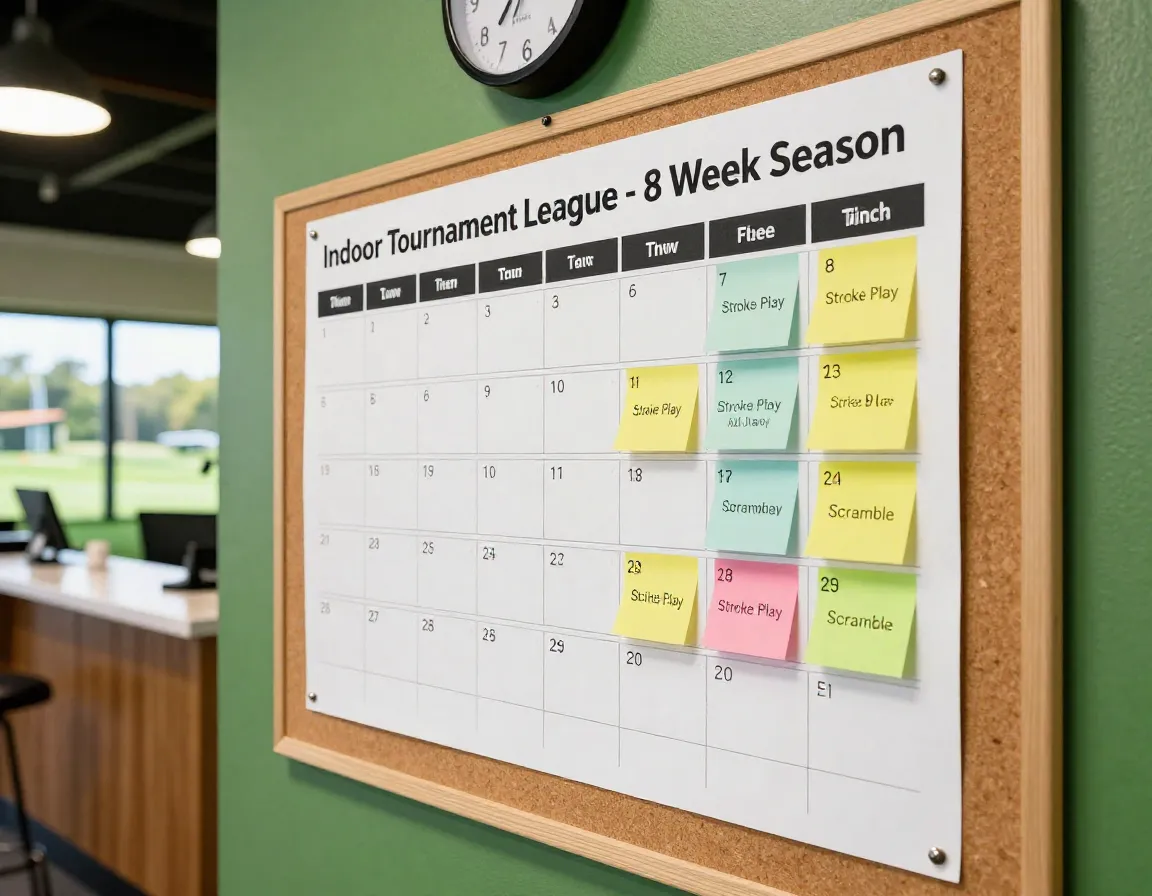
When mastering the 8 Keys to Hosting a Fun & Competitive Indoor Golf Tournament, timing and consistency are paramount. Most successful indoor golf tournaments operate on 8-12 week schedules with regular weekly play sessions [2].
Optimal Scheduling Framework:
📅 Weekly Structure:
- Weekday evenings (5:00 PM – 9:00 PM) for working professionals
- Weekend sessions for families and retirees
- Consistent time slots to build routine and expectation
⏰ Time Management:
- 2-hour maximum per 9-hole session
- 6-foot gimmies to speed up play [2]
- No-mulligan rules during tournament rounds
- Staggered start times to prevent bottlenecks
The consistency factor cannot be overstated. Players need predictable schedules to plan their participation. Whether you choose Tuesday evenings or Saturday mornings, stick to your schedule religiously.
Seasonal Considerations: Indoor golf tournaments naturally peak during winter months when outdoor play is limited. Plan your major tournaments for November through March to maximize participation.
4. Create an Optimal Tournament Environment
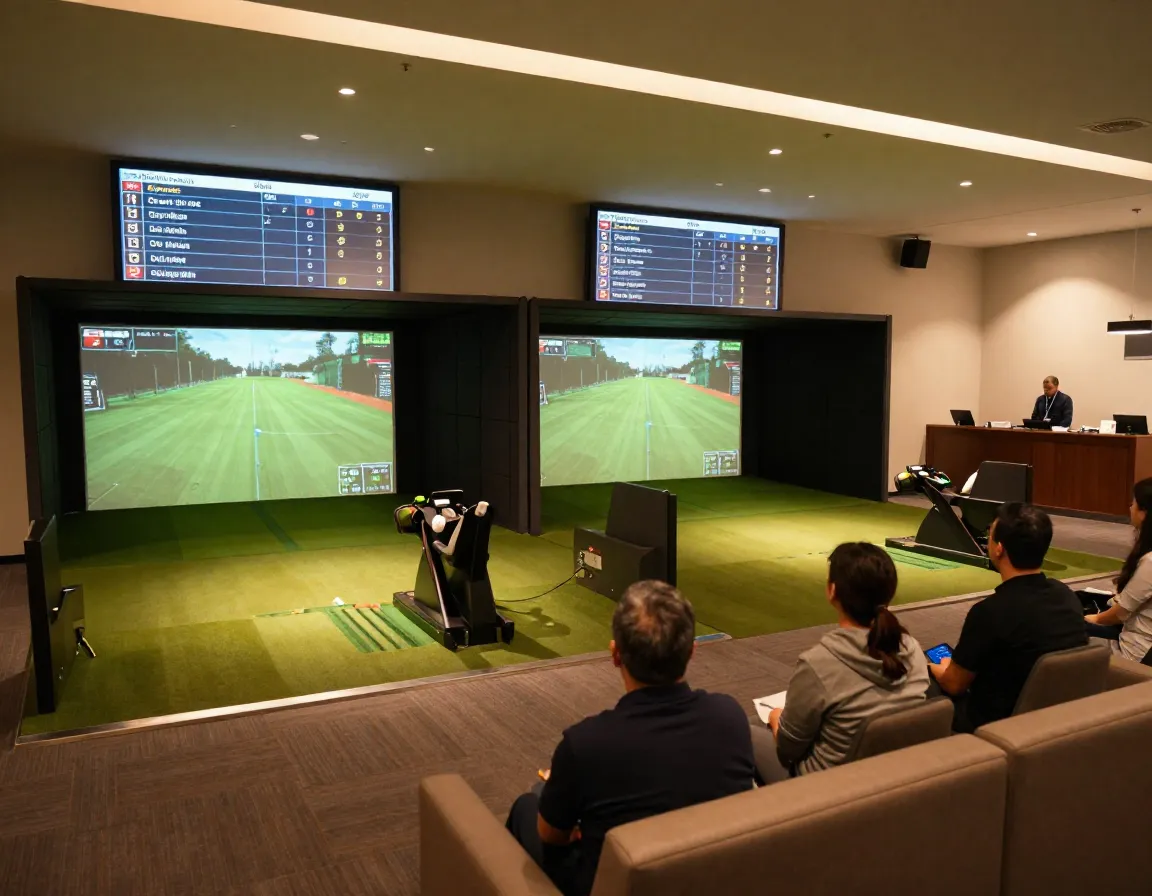
The physical space where you host your tournament significantly impacts player experience and competitive atmosphere. Proper environmental design is a crucial element among the 8 Keys to Hosting a Fun & Competitive Indoor Golf Tournament.
Essential Environmental Elements:
🏌️ Playing Area Setup:
- Adequate lighting – Bright, consistent illumination without glare
- Proper ventilation – Climate control for comfort during extended play
- Strategic seating for spectators and waiting players [1]
- Clear sight lines between simulator bays
📊 Tournament Infrastructure:
- Visible scoreboards displaying real-time standings
- Registration/check-in area with tournament information
- Practice areas for warm-up sessions
- Food and beverage stations to enhance social atmosphere
The goal is creating an environment that feels professional yet welcoming. Players should feel like they’re participating in a legitimate sporting event, not just playing casual simulator golf.
Noise Management: Indoor facilities can become echo chambers. Use sound-dampening materials and establish quiet zones near active players to maintain focus and concentration.
5. Implement Clear Rules and Scoring Systems
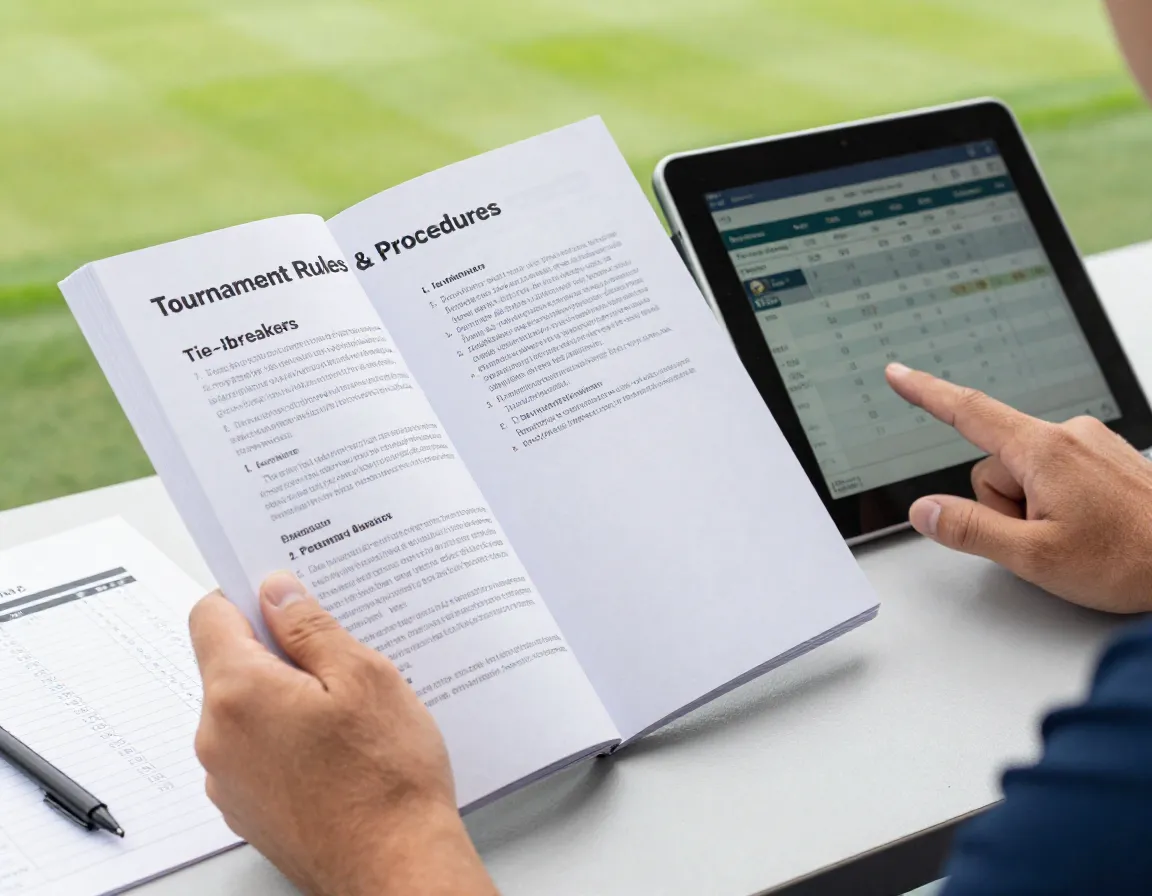
Nothing destroys tournament credibility faster than unclear rules or inconsistent scoring. Establishing transparent guidelines is fundamental to the 8 Keys to Hosting a Fun & Competitive Indoor Golf Tournament.
Essential Rule Categories:
⚖️ Scoring Standards:
- Handicap calculations and application methods
- Maximum score limits (e.g., double par maximum)
- Tie-breaking procedures for final standings
- Equipment regulations and simulator settings
🎯 Gameplay Rules:
- Turn-taking protocols in team formats
- Mulligan policies (typically none in tournament play)
- Time limits per shot and per round [1]
- Dispute resolution procedures
Digital vs. Manual Scoring: Modern simulators often provide automatic scoring, but have backup manual systems ready. Provide scorecards or digital tracking apps to ensure accuracy and transparency [1].
Create a tournament handbook distributed before the first round. Include all rules, contact information, and frequently asked questions. This prevents confusion and demonstrates professionalism.
6. Develop Attractive Prize Structures and Sponsorships

Competitive prizes drive participation and excitement in indoor golf tournaments. When executing the 8 Keys to Hosting a Fun & Competitive Indoor Golf Tournament, your prize structure can differentiate your event from casual play.
Prize Structure Examples:
💰 Entry Fee Models:
- Individual tournaments: $25-$75 per player
- Team events: $95-$200 per team
- League seasons: $200-$500 per player [2]
🏆 Prize Distribution:
- Cash prizes for top finishers
- Golf equipment and accessories
- Pro shop credits and lessons
- Trophy presentations for major events
Local Business Partnerships create win-win opportunities. Restaurants can provide dining certificates, golf shops offer equipment prizes, and service businesses gain exposure to your player demographic [2]. Some successful facilities report $25,000+ in total prizes across their tournament seasons.
Sponsorship Benefits: Local businesses receive marketing exposure, while you reduce prize costs and build community connections. Create professional sponsor recognition displays and include logos on tournament materials.
7. Add Engaging Side Competitions and Themed Elements
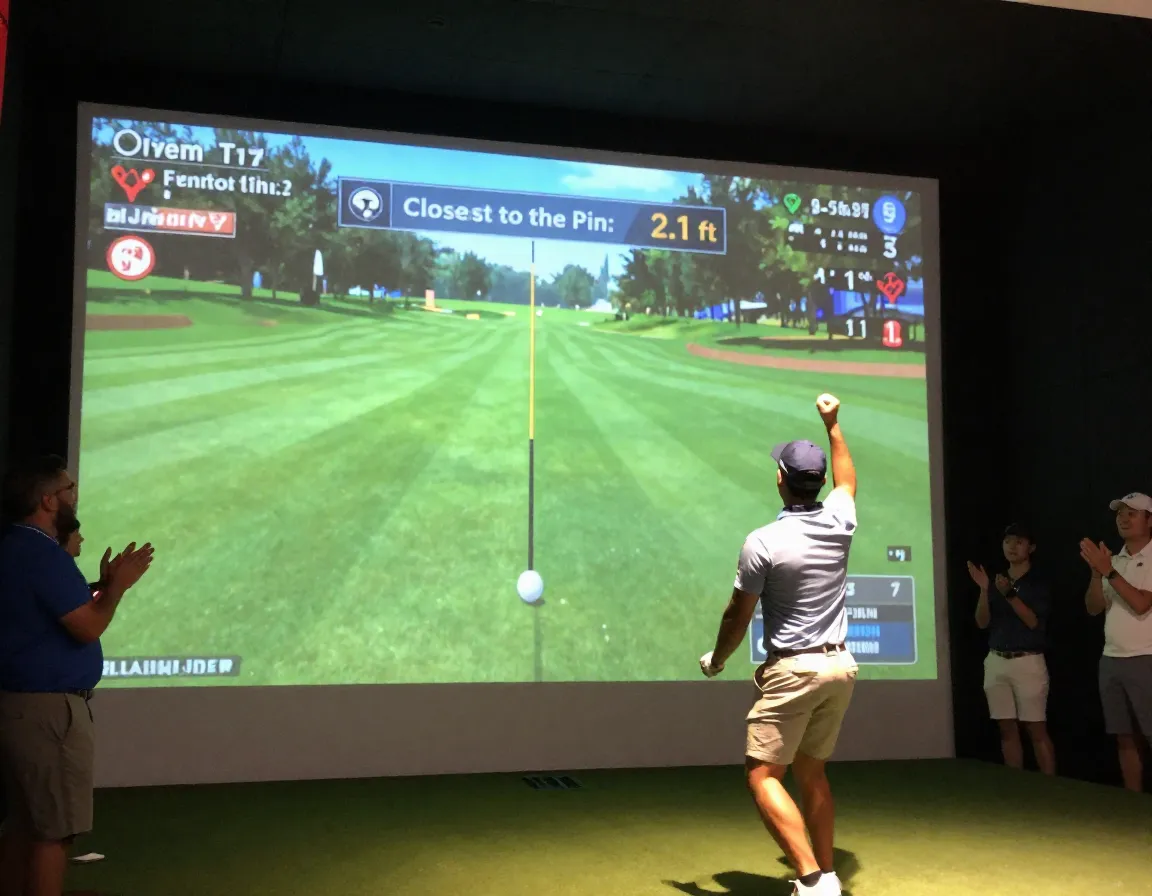
Beyond the main tournament, side competitions and themed elements create additional excitement and engagement opportunities. These extras are often what players remember most about the 8 Keys to Hosting a Fun & Competitive Indoor Golf Tournament experience.
Popular Side Competition Ideas:
🎯 Skill Challenges:
- Closest-to-the-pin contests on par-3 holes
- Longest drive competitions
- Putting accuracy challenges
- Trick shot demonstrations [1]
🎭 Themed Tournament Elements:
- Costume competitions with prizes
- Holiday-themed decorations and music
- Charity fundraising components
- Food and drink specials matching tournament themes
These additions serve multiple purposes: they engage different skill sets, provide additional prize opportunities, and create social media content that promotes future events.
Photography and Social Media: Capture memorable moments from side competitions. Players love sharing photos of their achievements, which provides free marketing for future tournaments.
8. Leverage Digital Tools for Enhanced Player Engagement
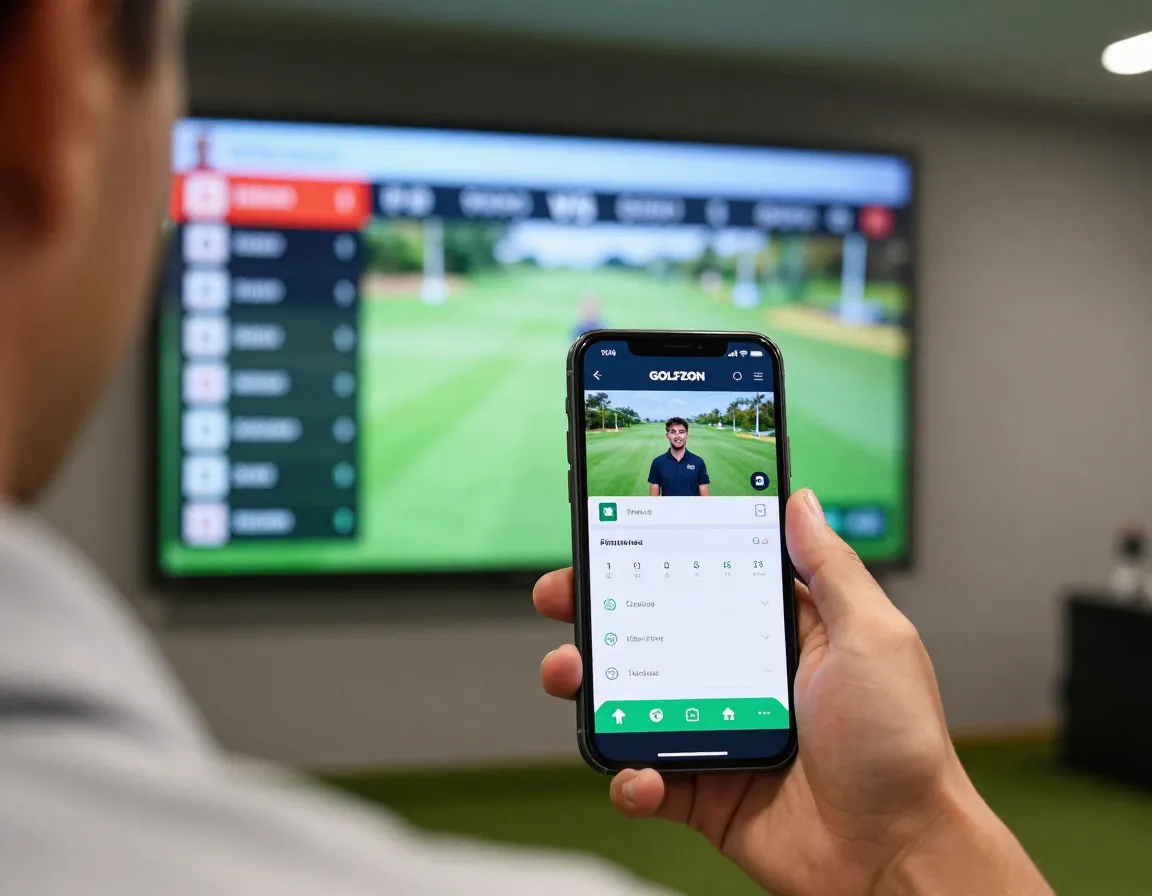
In 2026, digital integration is essential for modern tournament management. The final key among the 8 Keys to Hosting a Fun & Competitive Indoor Golf Tournament involves using technology to enhance player experience and streamline operations.
Digital Enhancement Strategies:
📱 Player Engagement Apps:
- GOLFZON Global App for stat tracking and progress monitoring [2]
- Tournament management software for scheduling and communication
- Social features allowing players to share achievements
- Historical performance tracking across multiple tournaments
📊 Marketing and Communication:
- Social media promotion across multiple platforms [2]
- Email marketing for tournament announcements
- Digital scoreboard displays with real-time updates
- Online registration systems for convenience
Data Analytics: Track participation patterns, popular formats, and player preferences. This information helps you optimize future tournaments and make data-driven decisions about scheduling, formats, and prizes.
Multi-Channel Marketing: Use social media, email, and in-facility posters to maximize awareness [2]. Highlight special deals, partnerships, and success stories to attract new participants while retaining existing players.
Conclusion
Mastering the 8 Keys to Hosting a Fun & Competitive Indoor Golf Tournament transforms ordinary simulator sessions into extraordinary competitive experiences. From investing in quality technology and creating flexible formats to developing engaging prize structures and leveraging digital tools, each element contributes to tournament success.
The indoor golf industry continues growing rapidly as players seek year-round competitive opportunities. By implementing these eight keys systematically, you’ll create tournaments that attract diverse participants, generate sustainable revenue, and build lasting community connections.
Your Next Steps:
- Assess your current simulator technology and identify upgrade opportunities
- Survey potential participants about preferred formats and scheduling
- Develop local business partnerships for prizes and sponsorships
- Create detailed tournament rules and communication materials
- Launch with a pilot tournament to test systems and gather feedback
Remember, successful tournaments evolve based on participant feedback and changing preferences. Stay flexible, maintain high standards, and always prioritize the player experience. With these foundations in place, your indoor golf tournaments will become the premier competitive destination in your community.
References
[1] 4 Tips For Setting Up An Indoor Golf Tournament – https://golfvx.com/4-tips-for-setting-up-an-indoor-golf-tournament/
[2] How To Set Up An Indoor Golf League A Guide To Business Owners – https://www.golfzongolf.com/blog/commercial/how-to-set-up-an-indoor-golf-league-a-guide-to-business-owners