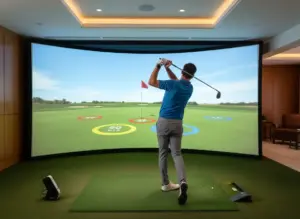
8 Undeniable Reasons Golf is a Sport (And a Demanding One)
Picture this: You’re standing on the 18th tee, four hours into your round, legs aching from walking miles of undulating terrain, shoulders burning from 100+ precise swings, and your mind laser-focused on executing a shot that requires millimeter precision under pressure. Yet somehow, people still debate whether golf qualifies as a “real” sport. 🏌️♂️

The 8 undeniable reasons golf is a sport (and a demanding one) go far beyond what casual observers see on television. While critics point to golf carts and the absence of running, they’re missing the profound athletic demands that make golf one of the most challenging sports in the world. From the explosive power required in each swing to the mental fortitude needed to compete at the highest levels, golf meets every criterion that defines legitimate athletic competition.
Key Takeaways
- Physical demands: Golf requires significant strength, flexibility, endurance, and precise motor control across multiple muscle groups
- Athletic skill: The sport demands exceptional hand-eye coordination, balance, and the ability to generate tremendous clubhead speed
- Competitive structure: Golf features organized competition, standardized rules, governing bodies, and substantial prize money
- Mental toughness: Success requires intense concentration, strategic thinking, and psychological resilience under pressure
- Training requirements: Professional golfers undergo rigorous physical conditioning and technical practice regimens
The Physical Foundation: Why Golf Demands Athletic Excellence
1. Explosive Power Generation and Muscle Engagement

The golf swing is one of the most complex athletic movements in sports, requiring coordinated power from virtually every muscle group in the body. Professional golfers generate clubhead speeds exceeding 120 mph, creating forces that travel through their entire kinetic chain.
During a single swing, golfers engage:
- Core muscles for rotational power and stability
- Leg muscles for ground force reaction and balance
- Shoulder and back muscles for swing plane control
- Forearm and hand muscles for club control and impact
Research shows that the peak torque generated during a golf swing can exceed 600 Newton-meters – comparable to forces produced in other recognized athletic movements. This explosive power requirement alone demonstrates why golf qualifies among demanding sports.
2. Cardiovascular Endurance and Physical Stamina

Walking an 18-hole golf course covers approximately 4-5 miles of varied terrain, often in challenging weather conditions. Professional tournaments span four days, requiring sustained physical performance across 72+ holes.
Physical demands during a round include:
- Carrying or pulling equipment weighing 30+ pounds
- Navigating hills, sand, and uneven surfaces
- Maintaining precise motor control despite fatigue
- Performing under temperature extremes
Studies indicate that golfers burn 350-500 calories per round when walking, with heart rates reaching 60-70% of maximum during competitive play. This cardiovascular demand places golf firmly in the category of endurance sports.
3. Precision Motor Control and Hand-Eye Coordination

Golf requires millimeter-level precision in club face angle, swing path, and impact timing. The difference between a successful shot and a poor one often comes down to variations measured in degrees or milliseconds.
Consider these precision requirements:
- Club face angle: 1-2 degrees determines shot direction
- Impact timing: Microsecond variations affect distance and accuracy
- Swing plane consistency: Maintaining repeatable mechanics under pressure
- Distance control: Varying power output across 14 different clubs
This level of motor control demands exceptional neuromuscular coordination that takes years to develop and maintain.
The Competitive Structure: Golf as Organized Sport
4. Formal Competition and Professional Organization
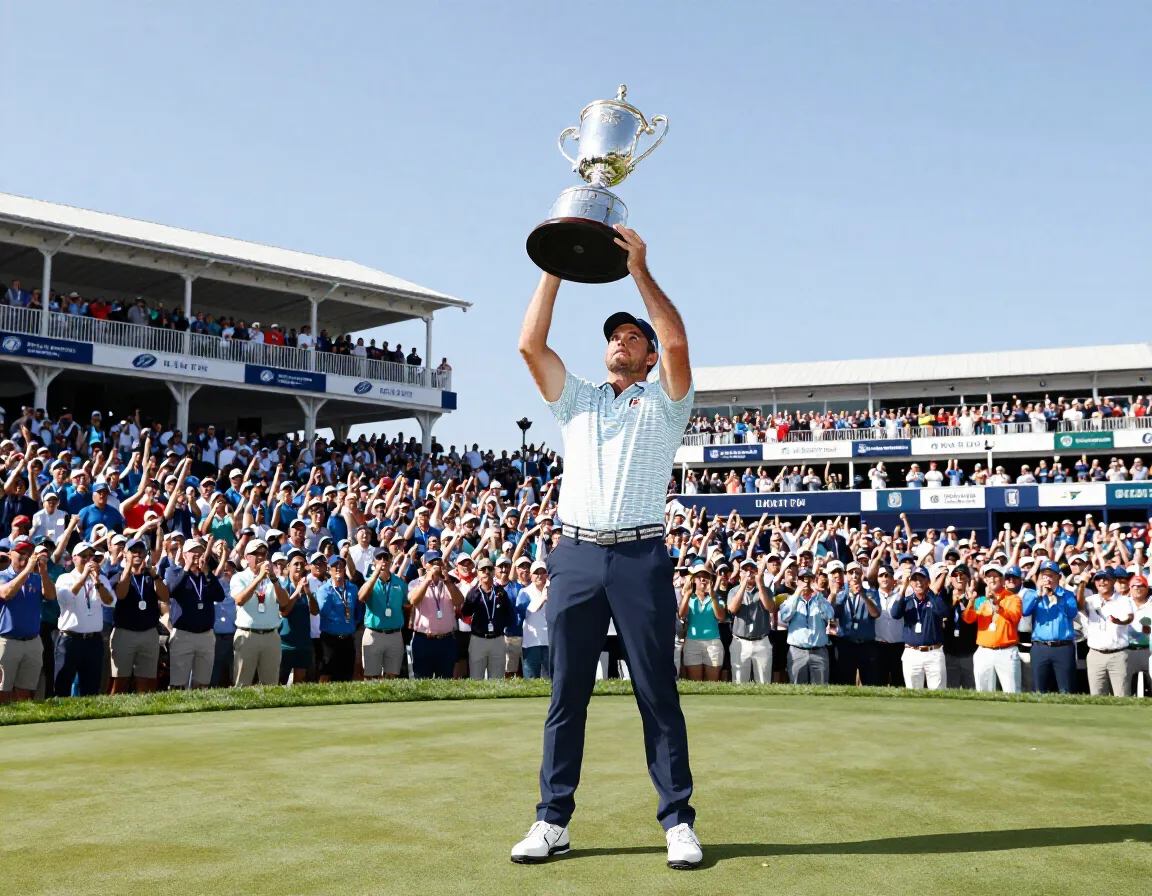
Golf features one of the most sophisticated competitive structures in sports, with multiple professional tours, standardized rules, and substantial prize money. The sport’s organizational framework mirrors other recognized athletic competitions.
Professional golf structure includes:
- PGA Tour: Premier men’s professional circuit
- LPGA Tour: Elite women’s professional competition
- European Tour: International professional circuit
- Amateur championships: Pathway to professional ranks
Total prize money across professional golf tours exceeds $400 million annually, demonstrating the sport’s legitimate competitive value and commercial viability.
5. Standardized Rules and Governing Bodies
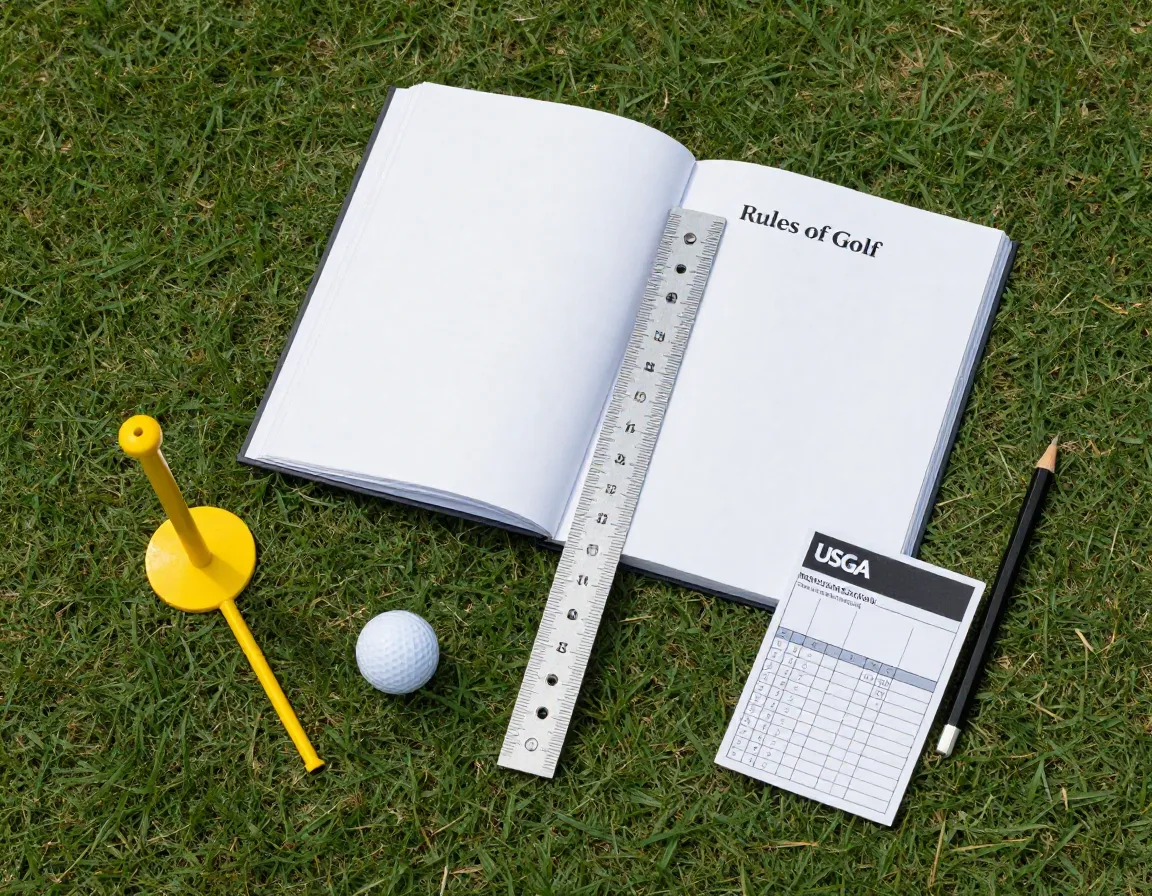
The Rules of Golf, maintained by the R&A and USGA, create a unified global standard that governs competition at every level. This comprehensive rulebook covers:
- Equipment specifications and technological limits
- Course setup and playing conditions
- Scoring systems and handicapping
- Conduct standards and penalties
These governing bodies also oversee drug testing programs, course certification, and professional player development – hallmarks of legitimate sport organization.
6. Olympic Recognition and International Competition

Golf’s inclusion in the 2016 and 2020 Olympics provides official recognition of its status as a sport by the International Olympic Committee. This designation required meeting strict criteria including:
- Global participation across multiple continents
- Established international governing body
- Gender equality in competition
- Anti-doping compliance
- Demonstrated athletic skill and competition
The Ryder Cup, Presidents Cup, and Solheim Cup further demonstrate golf’s capacity for high-level international team competition.
The Mental Game: Psychological Demands of Elite Golf
7. Mental Toughness and Psychological Pressure

Golf’s mental demands rival those of any sport, requiring sustained concentration across 4+ hour competitions. Unlike sports with continuous action, golf forces players to reset mentally for each shot while managing cumulative pressure.
Psychological challenges include:
- Decision-making under pressure with significant consequences
- Emotional regulation after poor shots or bad breaks
- Confidence maintenance despite inevitable setbacks
- Strategic thinking across varying course conditions
Professional golfers work with sports psychologists and mental performance coaches, acknowledging the sport’s profound psychological demands.
8. Strategic Complexity and Course Management
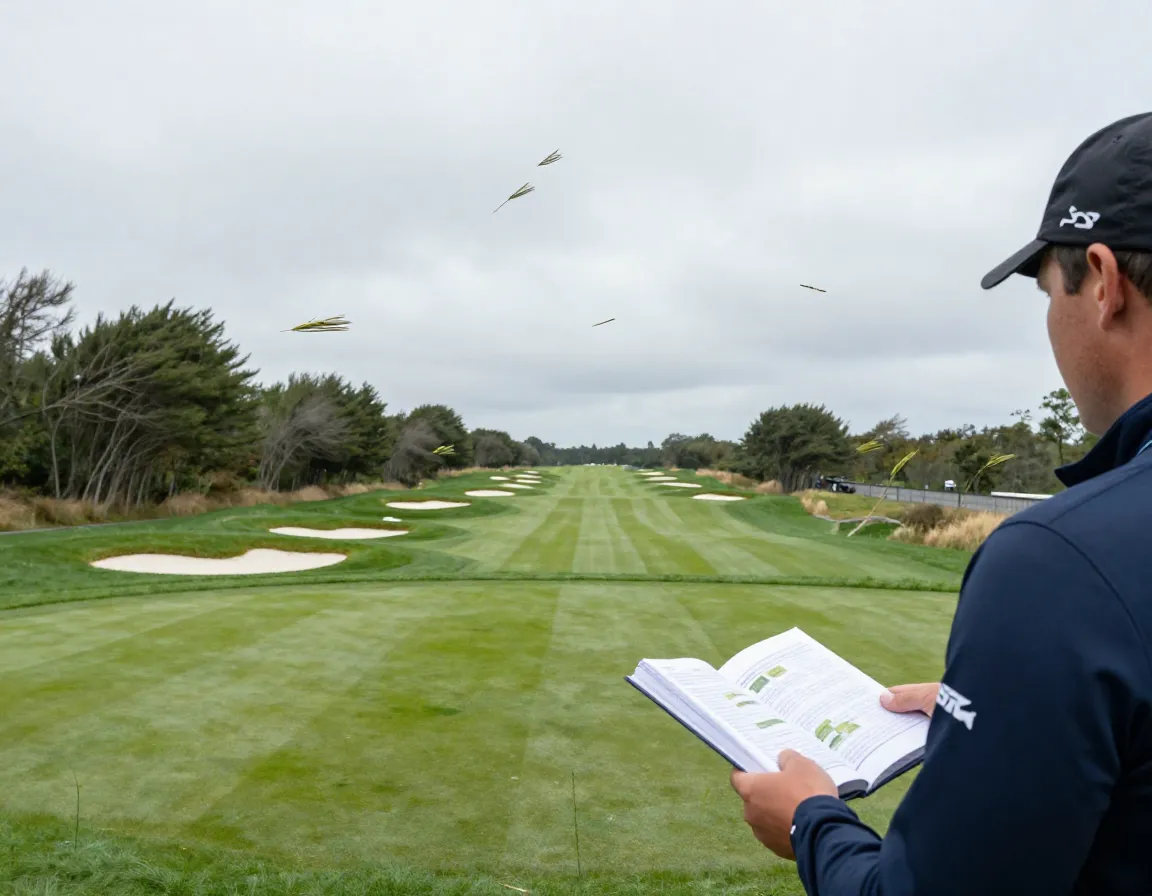
Golf requires real-time strategic decision-making that considers multiple variables simultaneously. Players must analyze:
- Wind conditions and weather factors
- Pin positions and green complexes
- Risk-reward calculations for each shot
- Course conditions and lie variations
This strategic complexity demands the same analytical thinking found in chess, poker, and other recognized mind sports, while combining it with physical execution under pressure.
Training Like Athletes: The Modern Golf Preparation
Modern professional golfers train like elite athletes, working with strength coaches, nutritionists, and physiotherapists. Training regimens include:
Physical conditioning:
- Weight training for power and injury prevention
- Flexibility and mobility work
- Cardiovascular conditioning
- Sport-specific movement patterns
Technical development:
- Video analysis and biomechanical optimization
- Launch monitor data analysis
- Short game and putting practice
- Course strategy development
This comprehensive approach to athletic development mirrors training in other professional sports.
Addressing Common Misconceptions
“Golf Isn’t Athletic Because of Golf Carts”
Professional tournaments require walking, and recreational cart use doesn’t diminish the sport’s athletic demands any more than designated hitters diminish baseball’s sport status.
“Golf Lacks Physical Contact”
Many recognized sports lack physical contact (tennis, track and field, swimming). Athletic skill and competition define sport, not physical contact between participants.
“Anyone Can Play Golf”
While golf is accessible to various skill levels, elite competition requires exceptional athletic ability. The same accessibility argument could apply to running, swimming, or cycling.
Conclusion
The 8 undeniable reasons golf is a sport (and a demanding one) demonstrate that golf meets every criterion for athletic competition while presenting unique physical and mental challenges. From the explosive power required in each swing to the cardiovascular endurance needed for tournament play, golf demands legitimate athletic ability.
The sport’s sophisticated competitive structure, international recognition, and professional training standards further cement its status among legitimate athletic pursuits. Critics who dismiss golf as “not a real sport” are overlooking the profound demands that make golf one of the most challenging games ever created.
Ready to experience golf’s athletic demands firsthand? Start by taking lessons with a PGA professional, focus on proper conditioning and flexibility, and challenge yourself to walk your next round. You’ll quickly discover why millions of athletes worldwide respect golf as one of the most demanding sports they’ve ever attempted.
Whether you’re defending golf’s legitimacy in friendly debates or considering taking up the game yourself, remember that golf’s combination of physical skill, mental toughness, and competitive structure places it firmly among the world’s great sports. The only question isn’t whether golf is a sport – it’s whether you’re athlete enough to master it. ⛳