
9 Golfing Tips for Beginners That Pros Wish They Knew Sooner
Picture this: You’re standing on the first tee, watching a seasoned pro effortlessly launch their drive 300 yards down the fairway while you’re still struggling to make consistent contact with the ball. What if I told you that many professional golfers spent years learning lessons the hard way—lessons that could have transformed their games much earlier? The 9 golfing tips for beginners that pros wish they knew sooner aren’t just theoretical advice; they’re battle-tested fundamentals that can save you years of frustration and countless strokes on the course.
After analyzing insights from top golf instructors and professional players in 2026, I’ve compiled the most crucial fundamentals that separate struggling beginners from rapidly improving golfers. These aren’t complex techniques requiring years to master—they’re foundational principles that, when applied correctly, can immediately impact your game.
Key Takeaways
- Master the fundamentals first: Grip, stance, and alignment form the foundation of every great golf swing
- Focus on short game development: Putting and chipping improvements deliver the fastest score reductions
- Prioritize course management: Smart decision-making often trumps raw power and technical perfection
- Build physical fitness: Modern golf demands rotational power, flexibility, and core stability for consistent performance
- Avoid outdated advice: Many traditional golf tips have been debunked by modern instruction and technology
Essential Fundamentals: The Foundation Every Pro Wishes They’d Perfected Earlier
1. Perfect Your Grip Before Everything Else

The grip is your only connection to the golf club, yet it’s the most overlooked fundamental among beginners. Professional golfers consistently emphasize that grip issues create a cascade of swing problems that become increasingly difficult to fix as bad habits solidify.
The Proper Grip Setup:
- Place the club handle diagonally across your left palm (for right-handed golfers)
- Your left thumb should sit slightly right of center on the grip
- The right hand should complement the left, with the right thumb and forefinger forming a “V” pointing toward your right shoulder
- Maintain consistent pressure—firm enough for control, light enough for feel
Many pros spent years compensating for grip issues with complex swing adjustments. According to recent instruction analysis, grip corrections alone can improve ball striking by 30-40% for beginners[1].
2. Master Alignment and Setup Position
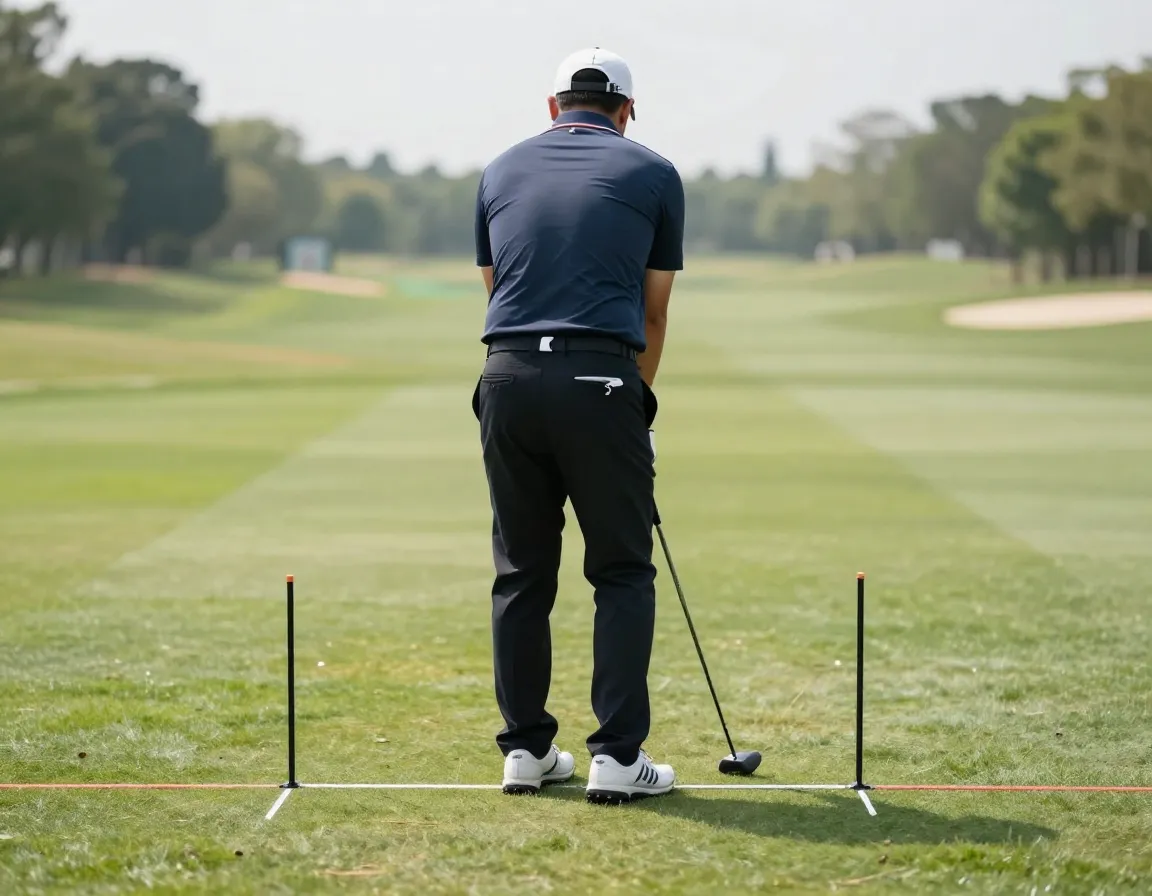
Poor alignment is the silent killer of golf scores. Even professional golfers use alignment aids during practice because the human eye naturally deceives us about target direction.
Essential Alignment Checkpoints:
- Feet: Parallel to your target line
- Hips: Square to your intended path
- Shoulders: Aligned with your target
- Ball position: Varies by club (forward for driver, center for short irons)
💡 Pro Tip: Use alignment sticks or clubs on the ground during practice. This simple tool helped countless touring professionals develop consistent setup routines.
3. Develop a Pre-Shot Routine

Every successful golfer follows a consistent pre-shot routine, yet beginners often rush to the ball without preparation. This routine serves as your mental and physical reset button, ensuring consistency regardless of pressure or course conditions.
Effective Pre-Shot Routine Elements:
- Visualize your shot from behind the ball
- Select your target and commit to it
- Take practice swings with intent
- Address the ball with confidence
- Execute without hesitation
Research shows that golfers with consistent routines score 2-4 strokes better per round than those without established patterns[2].
Advanced Techniques: Game-Changing Skills from the 9 Golfing Tips for Beginners That Pros Wish They Knew Sooner
4. Prioritize Short Game Development

While beginners often obsess over driving distance, professionals know that scoring happens within 100 yards of the pin. The short game offers the fastest path to lower scores because improvements translate directly to strokes saved.
Short Game Practice Priorities:
| Skill Area | Practice Time | Score Impact |
|---|---|---|
| Putting | 40% | 3-5 strokes |
| Chipping | 30% | 2-4 strokes |
| Pitching | 20% | 1-3 strokes |
| Bunker Play | 10% | 1-2 strokes |
Focus on developing a reliable putting stroke first. Simple, consistent putting mechanics will save more strokes than any other single improvement[2]. Practice lag putting from 30+ feet to eliminate three-putts, which plague most amateur golfers.
5. Learn Proper Course Management
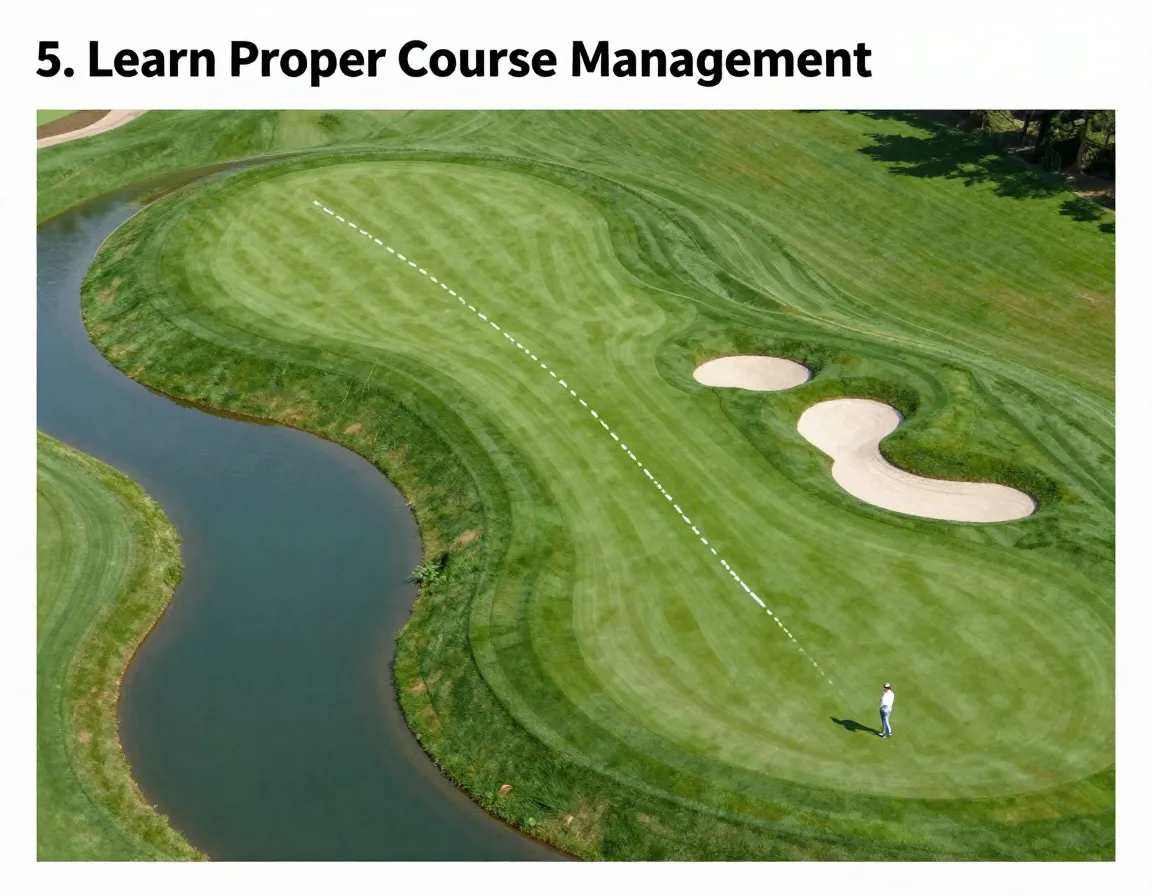
Course management separates smart golfers from those who rely purely on technical skill. Many professionals wish they’d learned strategic thinking earlier in their development, as it’s often the difference between good rounds and great ones.
Smart Course Management Principles:
- Play to your strengths: Use clubs you’re confident with
- Avoid trouble: Aim away from hazards, even if it means longer approach shots
- Know your distances: Accurate yardages prevent short-sided situations
- Plan backwards: Start with pin position and work backwards to determine strategy
“Course management is like chess—thinking three moves ahead while playing the current shot.” – Tour Professional Insight
6. Build Golf-Specific Fitness

Modern golf instruction emphasizes the athletic nature of the sport. The 2026 golf fitness approach focuses on rotational power, hip mobility, and core stability—elements that directly translate to improved performance[4].
Essential Golf Fitness Components:
- Hip mobility: Enables proper rotation and weight transfer
- Core stability: Provides the foundation for consistent ball striking
- Rotational power: Increases clubhead speed and distance
- Cardiovascular conditioning: Maintains focus and energy throughout 18 holes
Simple Golf Fitness Routine:
- Hip circles and leg swings (5 minutes)
- Torso rotations with resistance band (10 minutes)
- Plank variations (5 minutes)
- Medicine ball throws (10 minutes)
Golfers who incorporate basic fitness routines see improvements in consistency and distance within 4-6 weeks[4].
7. Focus on Swing Tempo and Rhythm

Beginners often equate power with speed, leading to rushed, uncontrolled swings. Professional golfers emphasize that consistent tempo produces both accuracy and distance—a lesson many wish they’d learned before developing bad timing habits.
Developing Proper Tempo:
- Count your swing: Use a 3-1 ratio (three counts back, one count down)
- Practice with purpose: Make slow, controlled swings before adding speed
- Match your personality: Aggressive personalities need slower tempos; calm personalities can handle quicker rhythms
The key insight from professional instruction is that smooth acceleration through impact produces better results than maximum effort swings[1].
8. Understand Ball Flight Laws
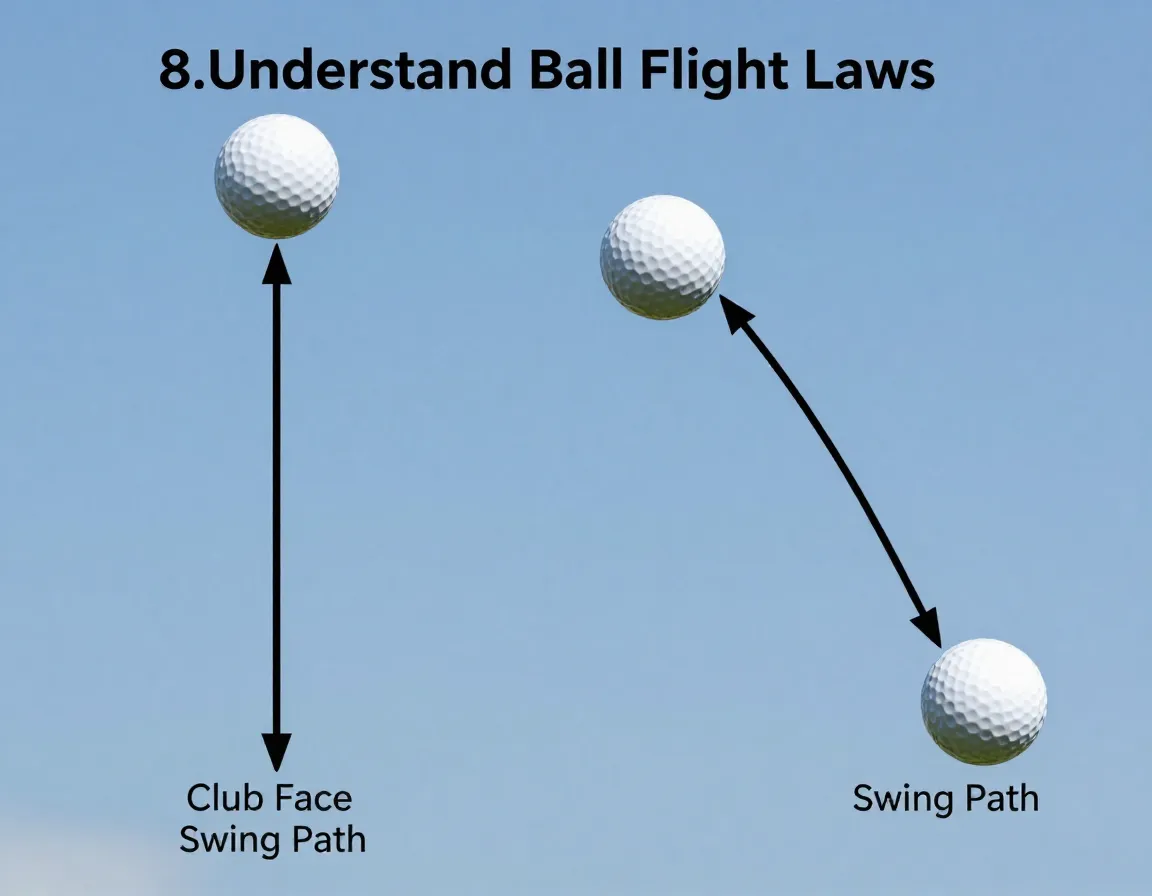
Modern golf instruction has revolutionized our understanding of what causes different ball flights. Many touring professionals learned outdated ball flight information early in their careers, leading to years of incorrect adjustments.
Modern Ball Flight Fundamentals:
- Club face direction determines 75-85% of ball direction
- Swing path influences curve and distance
- Angle of attack affects trajectory and spin
- Strike location impacts consistency and distance
Understanding these relationships allows you to self-diagnose and correct swing issues more effectively than relying solely on feel or outdated instruction methods[7].
9. Develop Mental Game Strategies
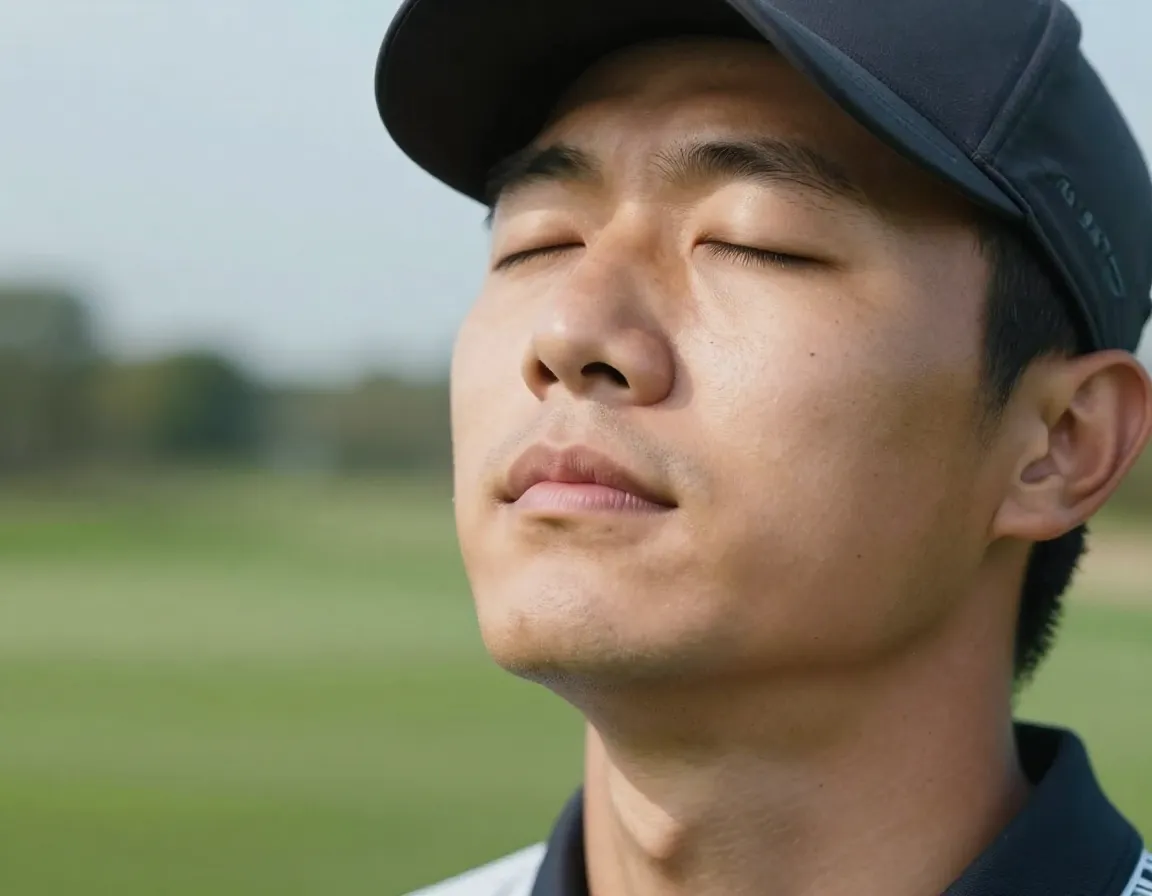
Golf is as much a mental game as a physical one, yet beginners often ignore the psychological aspects until they become limiting factors. Professional golfers consistently rank mental preparation among their most valuable skills.
Essential Mental Game Elements:
- Stay in the present: Focus on the current shot, not previous mistakes
- Develop confidence: Build trust in your abilities through quality practice
- Manage expectations: Set realistic goals based on your current skill level
- Create positive self-talk: Replace negative thoughts with constructive feedback
Practical Mental Game Techniques:
- Breathing exercises before difficult shots
- Visualization of successful outcomes
- Acceptance of imperfect results
- Focus cues to maintain concentration
Studies show that golfers who practice mental game techniques improve their scoring average by 2-3 strokes within two months of consistent application.
Avoiding Common Pitfalls: Learning from Professional Mistakes
Many golf tips that were considered gospel for decades have been debunked by modern instruction and technology. The 2026 approach to golf instruction emphasizes evidence-based teaching over traditional methods[7].
Outdated Tips to Avoid:
- “Keep your head down”: This restricts natural rotation and follow-through
- “Hit down on every shot”: Different clubs require different attack angles
- “Maximum wedge spin”: Control and consistency matter more than spin rates
- “Swing harder for distance”: Efficiency and timing produce better results
Understanding what NOT to focus on can accelerate your improvement by preventing the development of counterproductive habits.
Conclusion
The 9 golfing tips for beginners that pros wish they knew sooner represent a roadmap to faster improvement and greater enjoyment on the golf course. By focusing on proper fundamentals, developing a strategic mindset, and avoiding common pitfalls, you can bypass years of frustration that many professionals experienced during their learning journey.
Your Next Steps:
- Assess your current fundamentals: Start with grip, alignment, and setup
- Dedicate practice time to short game: Focus on putting and chipping consistency
- Develop a pre-shot routine: Create and stick to a consistent process
- Incorporate basic fitness: Add golf-specific exercises to your routine
- Study course management: Think strategically about every shot
Remember, improvement in golf comes from consistent practice of correct fundamentals rather than searching for quick fixes or complex techniques. The professionals who shared these insights learned them through years of experience—now you have the advantage of starting with proven, modern instruction methods.
Start with one or two tips that resonate most with your current challenges, master them completely, then gradually incorporate additional elements. The goal isn’t perfection; it’s consistent improvement and greater enjoyment of this incredible game.
References
[1] 10 Best Instruction Tips Golfers Choice 2026 – https://www.golfpass.com/travel-advisor/best-of/10-best-instruction-tips-golfers-choice-2026
[2] 5 Smart Simple Tips Better 2026 – https://golf.com/instruction/5-smart-simple-tips-better-2026/
[4] The 2026 Golf Fitness Guide 5 Smart Ways To Get In Golf Shape – https://www.pga.com/story/the-2026-golf-fitness-guide-5-smart-ways-to-get-in-golf-shape
[7] 5 Outdated Golf Tips To Leave Behind In 2026 – https://mygolfspy.com/news-opinion/5-outdated-golf-tips-to-leave-behind-in-2026/