9 No-Equipment Golf Exercises at Home to Build Strength & Stability
Picture this: You’re standing on the first tee, feeling confident and strong, knowing your body is perfectly prepared for 18 holes of peak performance. What if I told you that achieving this level of golf fitness doesn’t require expensive gym memberships or fancy equipment? In 2026, more golfers than ever are discovering the power of 9 no-equipment golf exercises at home to build strength & stability that can transform their game from the comfort of their living room.
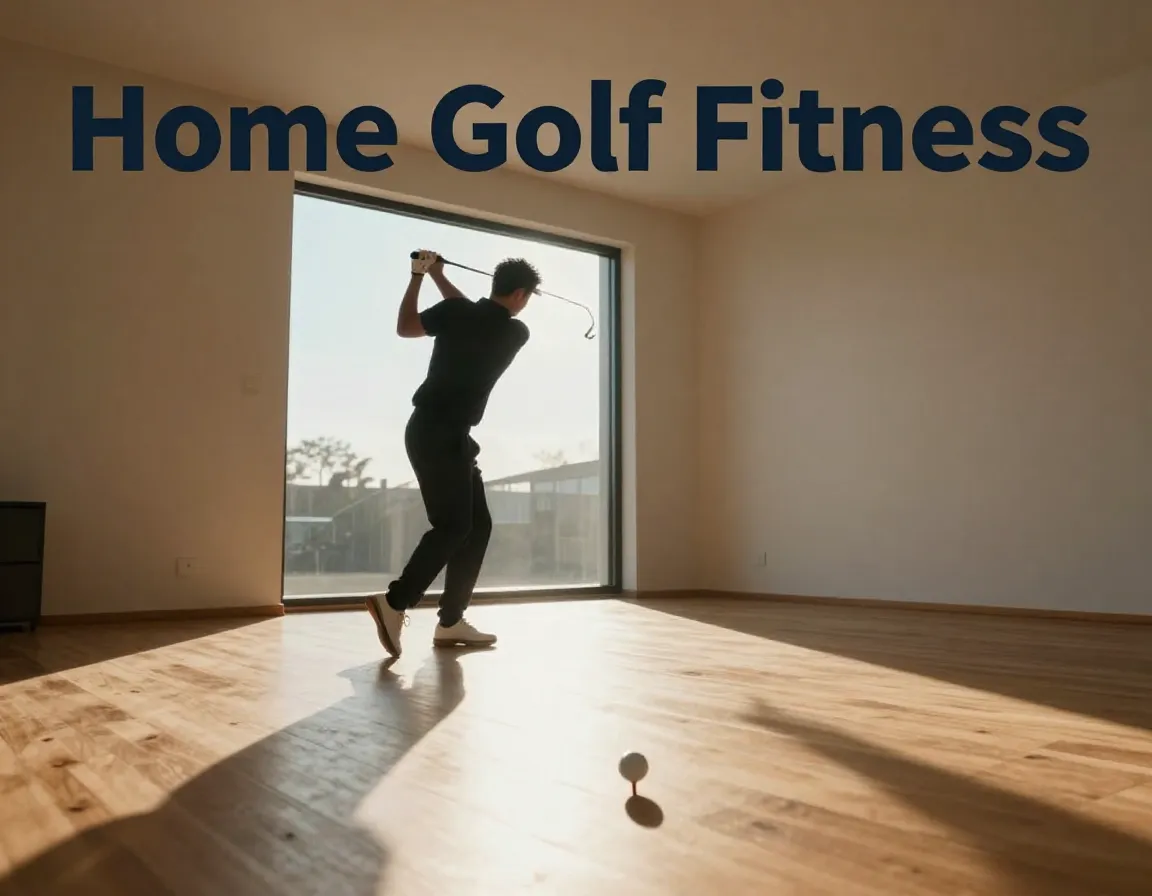
The truth is, golf demands more from your body than most people realize. Every swing requires a complex coordination of core stability, rotational power, and balanced strength. Without proper conditioning, you’re not just limiting your performance—you’re setting yourself up for injury and inconsistent play.
Key Takeaways
- Core stability exercises like dead bugs and bird dogs form the foundation of golf-specific strength training
- Explosive power movements including squat jumps and pogo jumps develop the lower body strength essential for distance
- Anti-rotation holds and planks build the core strength needed for consistent swing mechanics
- Progressive training allows you to advance from basic movements to more challenging variations
- Consistency matters more than intensity—performing these exercises 3-4 times per week yields better results than sporadic intense sessions
Foundation Exercises: Building Your Golf Fitness Base
The journey to improved golf performance starts with establishing a solid foundation. These fundamental movements will prepare your body for more advanced training while addressing the core stability and strength deficits that plague most recreational golfers.
1. Dead Bug Exercise
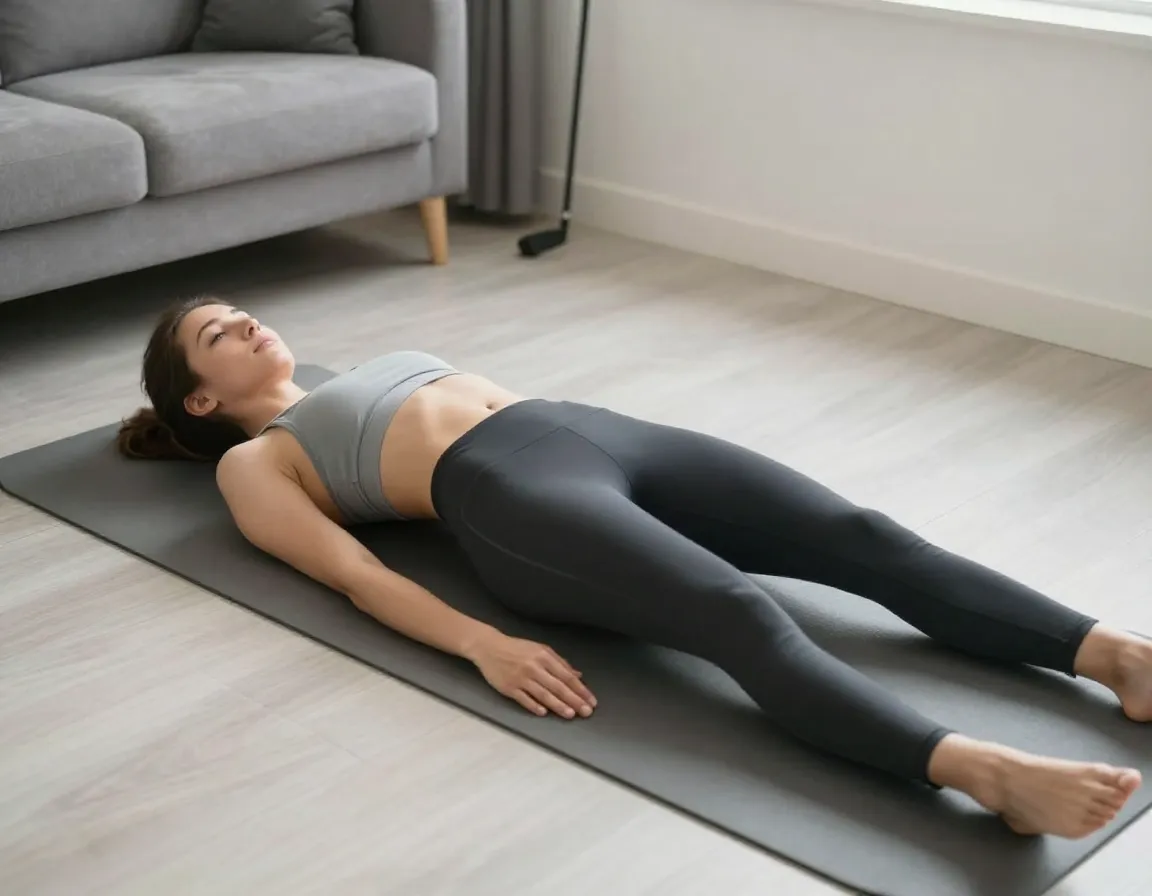
The dead bug exercise stands as one of the most recommended movements by PGA professionals for developing core stability [1]. This exercise teaches your body to maintain a stable spine while moving your limbs independently—exactly what happens during your golf swing.
How to perform:
- Lie on your back with arms extended toward the ceiling
- Bend your knees at 90 degrees, thighs perpendicular to the floor
- Slowly lower your right arm overhead while straightening your left leg
- Keep your lower back flat against the floor throughout the movement
- Return to starting position and repeat on the opposite side
Training protocol: 3 sets of 10 repetitions on each side, prioritizing control over speed [1].
2. Bird Dog Exercise
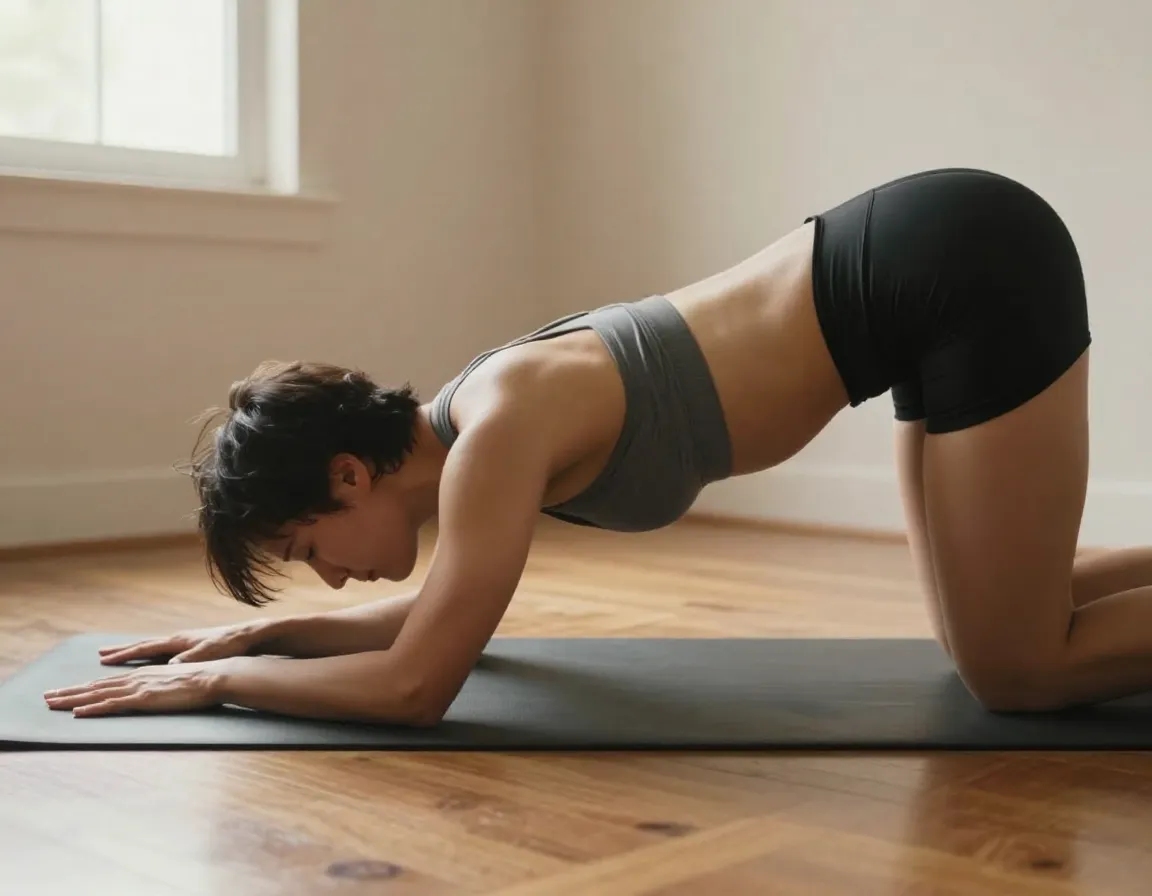
Bird dogs are essential for building spinal stability and teaching your body to resist unwanted movement during rotation [1]. This exercise directly translates to maintaining your spine angle throughout your golf swing.
Execution steps:
- Start on hands and knees in a tabletop position
- Simultaneously reach your right arm forward and left leg back
- Hold this position for 3 seconds while maintaining a neutral spine
- Return to starting position and switch to opposite arm and leg
- Focus on keeping your hips level throughout the movement
Recommended volume: 3 sets of 10 repetitions per side [1].
3. Glute Bridge
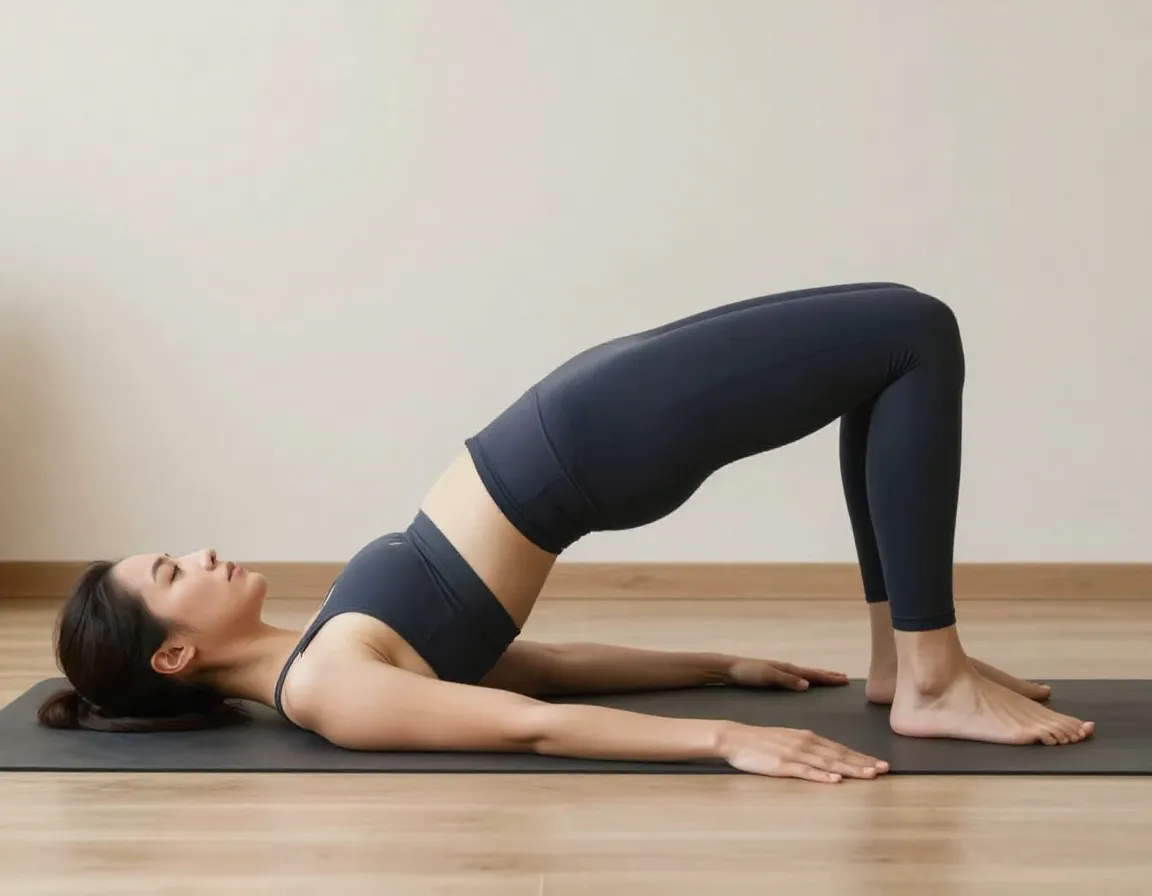
The glute bridge serves as a foundational exercise for golf strength, targeting the powerful hip extensors that drive your swing [1]. Strong glutes are crucial for generating power from the ground up and maintaining proper posture throughout your round.
Proper technique:
- Lie on your back with feet flat on the floor, knees bent
- Push through your heels to lift your hips toward the ceiling
- Squeeze your glutes at the top and hold for 2 seconds
- Lower your hips back to the starting position with control
Progression path: Start with 3 sets of 15 repetitions, then advance to single-leg bridges as the movement becomes easier [1].
4. Plank Variations
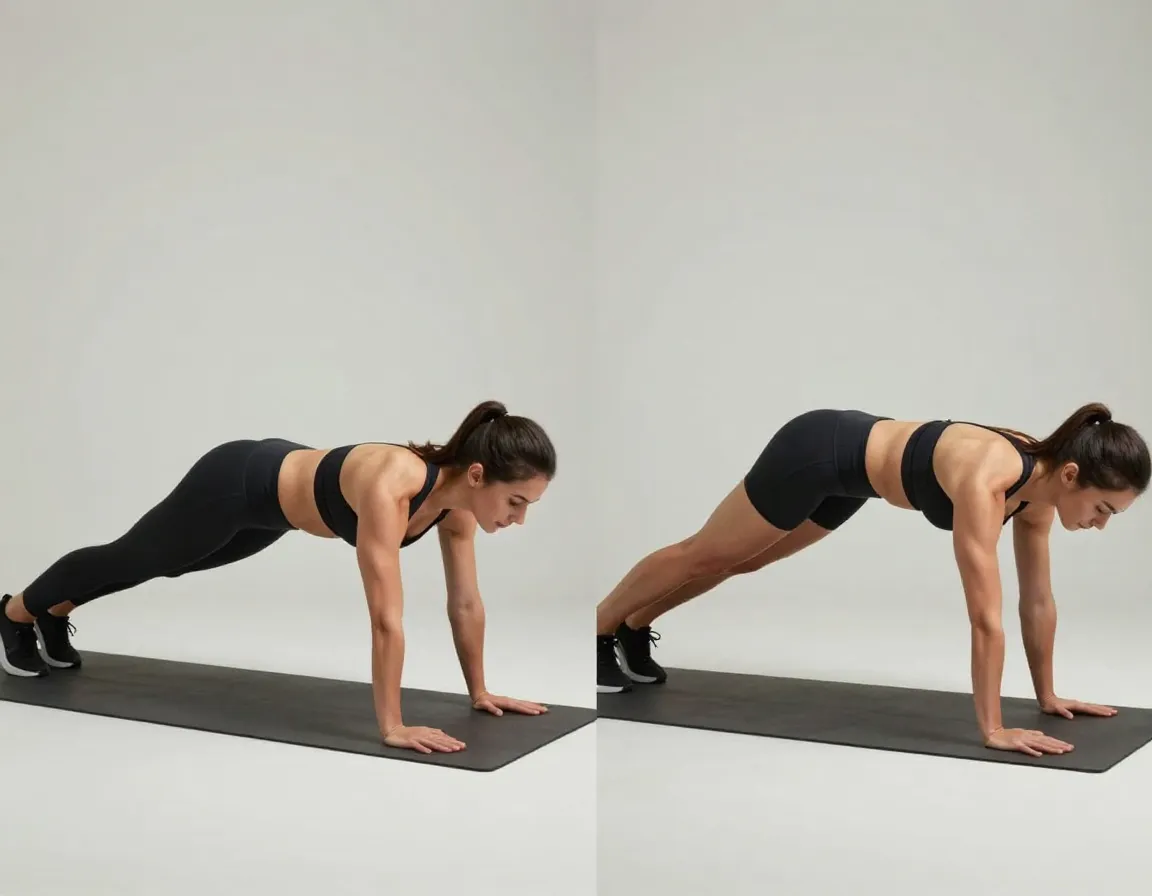
Planks are incorporated into professional golf training routines for their ability to build total-core strength [2]. Both front and side planks address different aspects of core stability needed for golf.
Front plank protocol:
- Hold for 30 seconds while maintaining a straight line from head to heels
- Keep your core engaged and avoid sagging or piking
Side plank execution:
- Hold for 20-30 seconds per side [2]
- Stack your feet and maintain a straight line through your body
- Focus on preventing your hips from dropping
Advanced Strength and Power Development
Once you’ve mastered the foundation exercises, it’s time to incorporate movements that develop the explosive power and dynamic stability required for elite golf performance. These 9 no-equipment golf exercises at home to build strength & stability will take your training to the next level.
5. Pogo Jumps
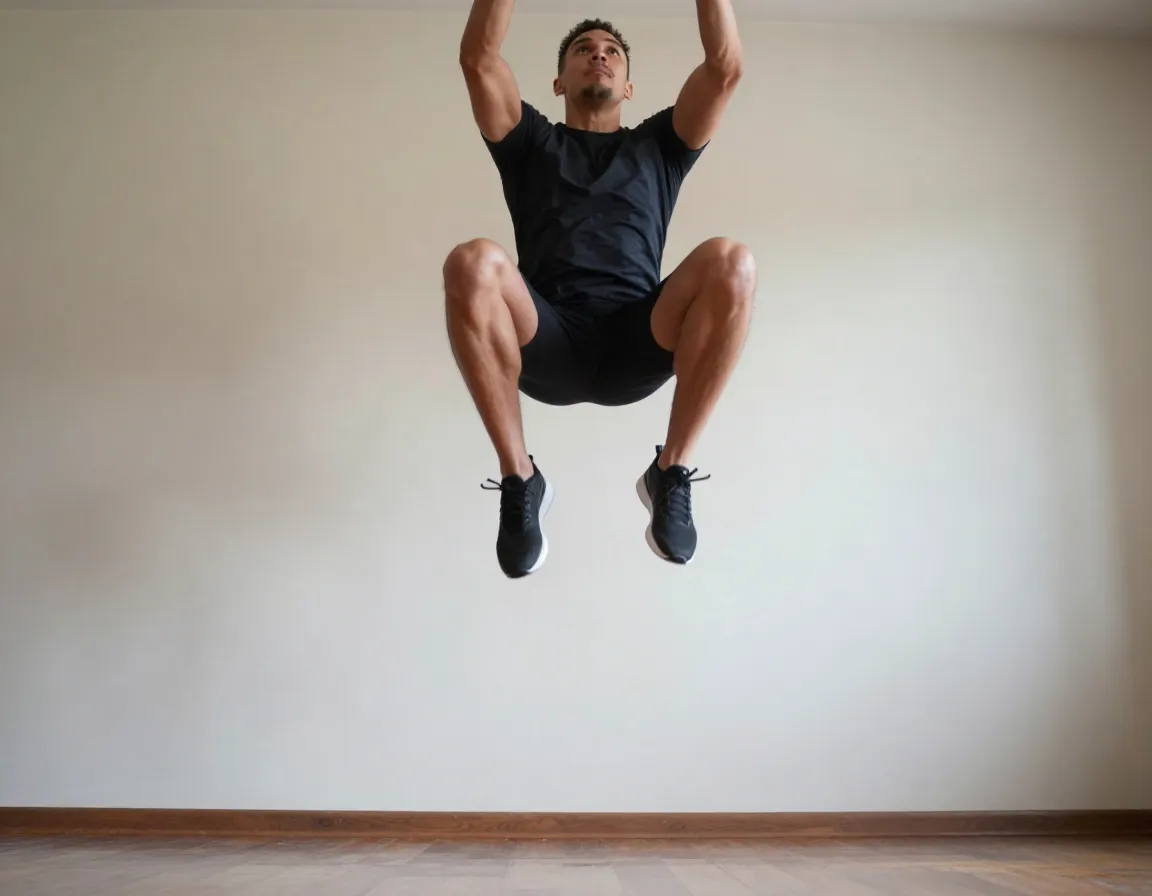
Pogo jumps are a staple in PGA Tour trainer routines, specifically designed to develop explosive power in the lower body [2]. This exercise teaches your legs to generate quick, powerful contractions similar to the ground reaction forces in your golf swing.
Performance guidelines:
- Stand with feet hip-width apart
- Jump straight up using only your ankles and calves
- Land softly and immediately spring back up
- Minimize ground contact time between jumps
Training volume: 2 sets of 10 repetitions [2].
6. Lateral Line Hops
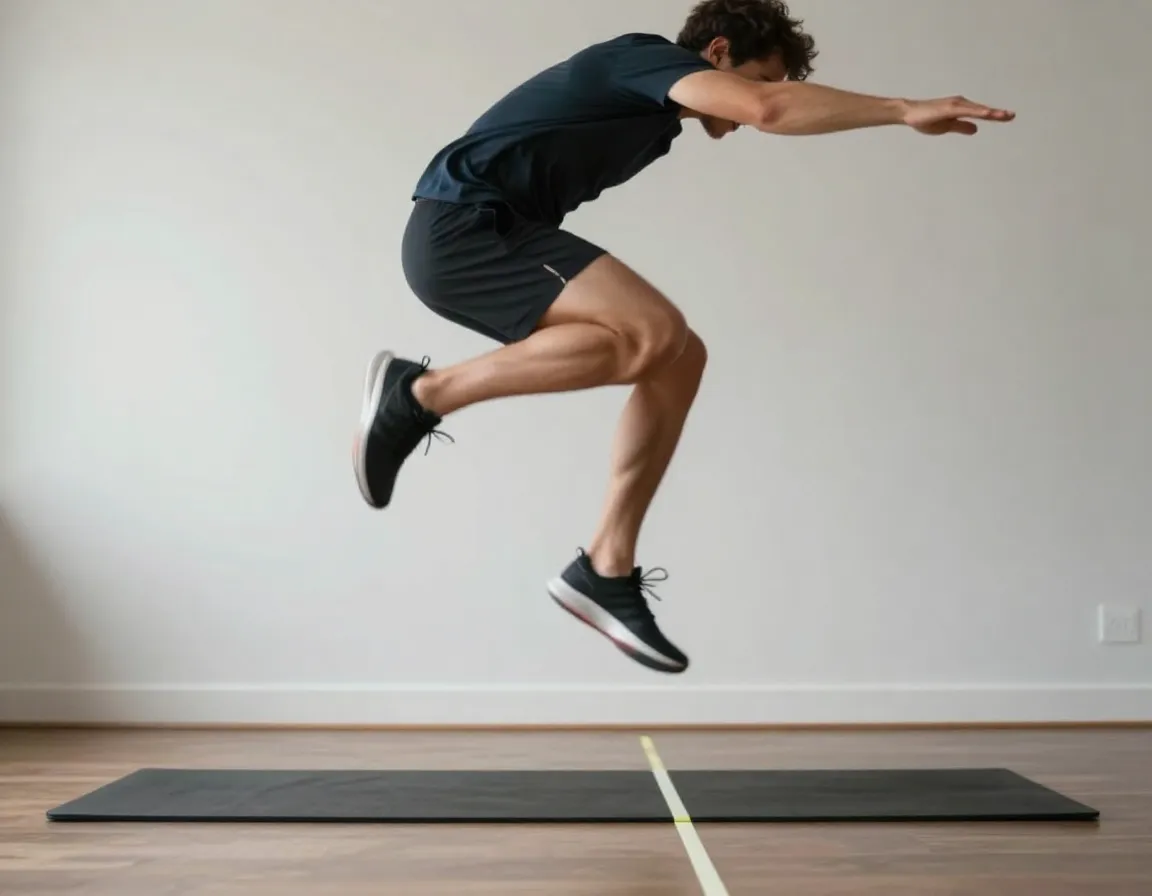
Lateral line hops build the lateral stability and lower body power essential for maintaining balance during your swing [2]. This exercise addresses the often-neglected frontal plane movement patterns.
Step-by-step execution:
- Stand beside an imaginary line on the floor
- Hop laterally over the line, landing on the opposite foot
- Immediately hop back to the starting side
- Maintain control and balance throughout each landing
Recommended protocol: 2 sets of 8 repetitions in each direction [2].
7. Squat Jump to Stick
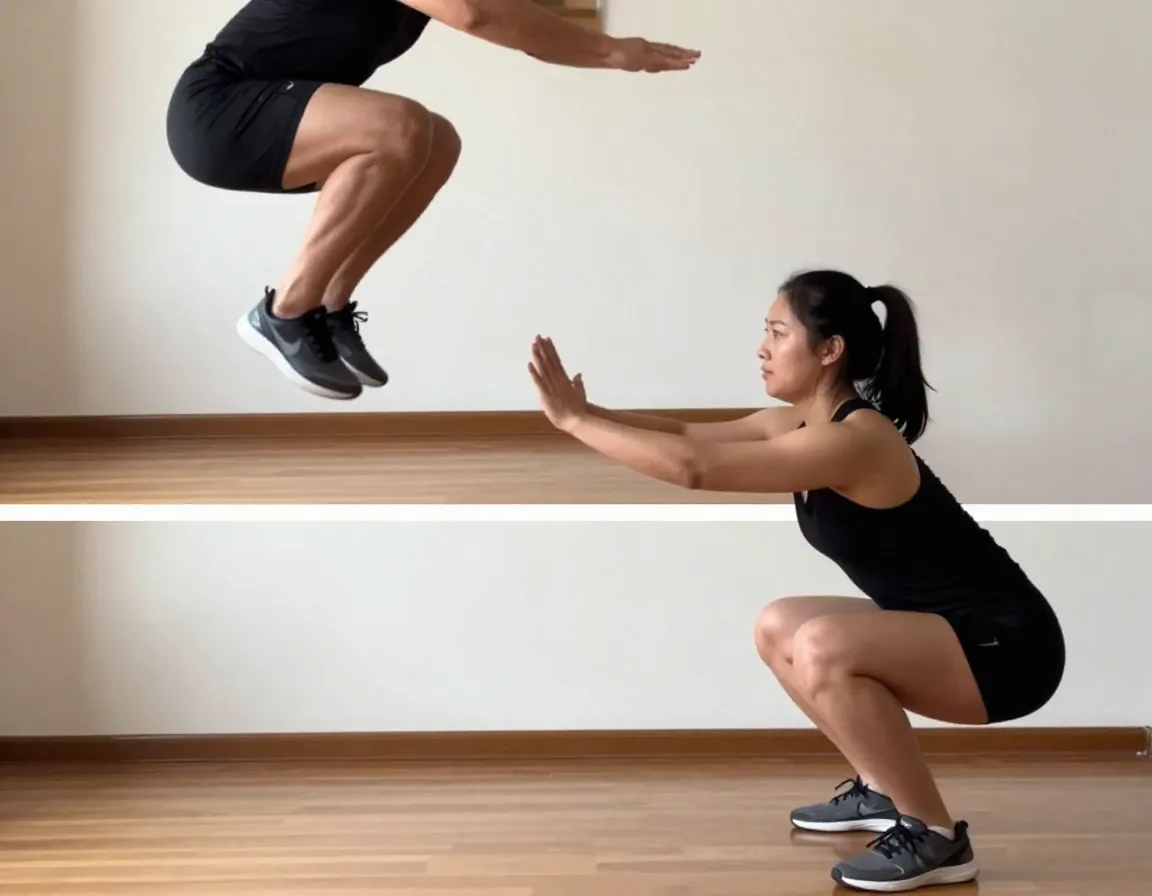
The squat jump with controlled landing improves both explosive power and stability, two crucial components of golf performance [2]. This exercise teaches your body to generate power and then immediately stabilize upon landing.
Technique breakdown:
- Start in a squat position with thighs parallel to the floor
- Explode upward as high as possible
- Land softly in the squat position and hold for 2 seconds
- Focus on controlling the landing and maintaining balance
Training parameters: 2 sets of 5 repetitions [2].
8. Anti-Rotation Holds
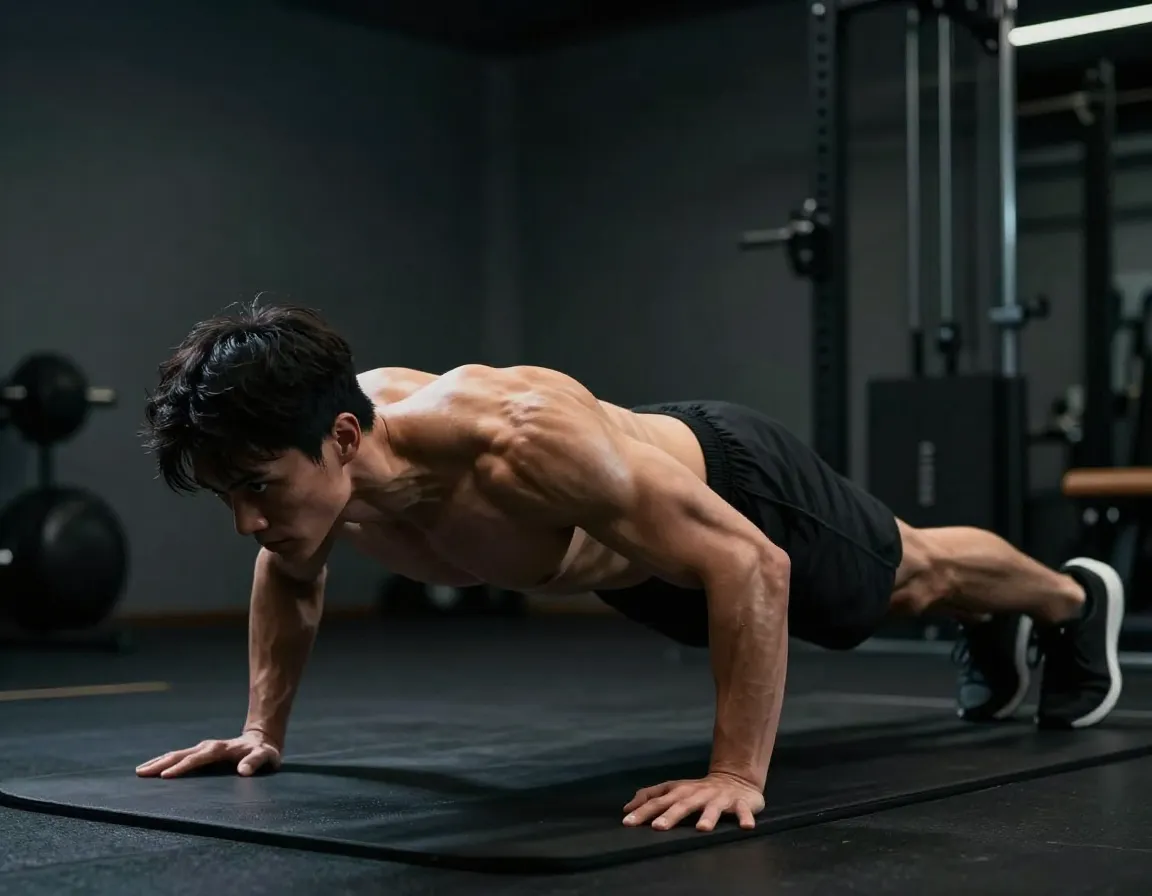
Anti-rotation holds build core stability using only your body weight, teaching your torso to resist unwanted rotation during your swing [1]. This exercise is particularly valuable for developing the stability needed for consistent ball striking.
Execution method:
- Assume a plank position on your forearms
- Lift one arm off the ground and hold it steady
- Resist any rotation or twisting in your torso
- Maintain a straight line from head to heels
Training schedule: Hold for 20 seconds, rest, and repeat 5 times on each side [1].
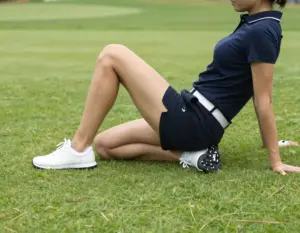
9. Hip Rotations (90/90 Style)
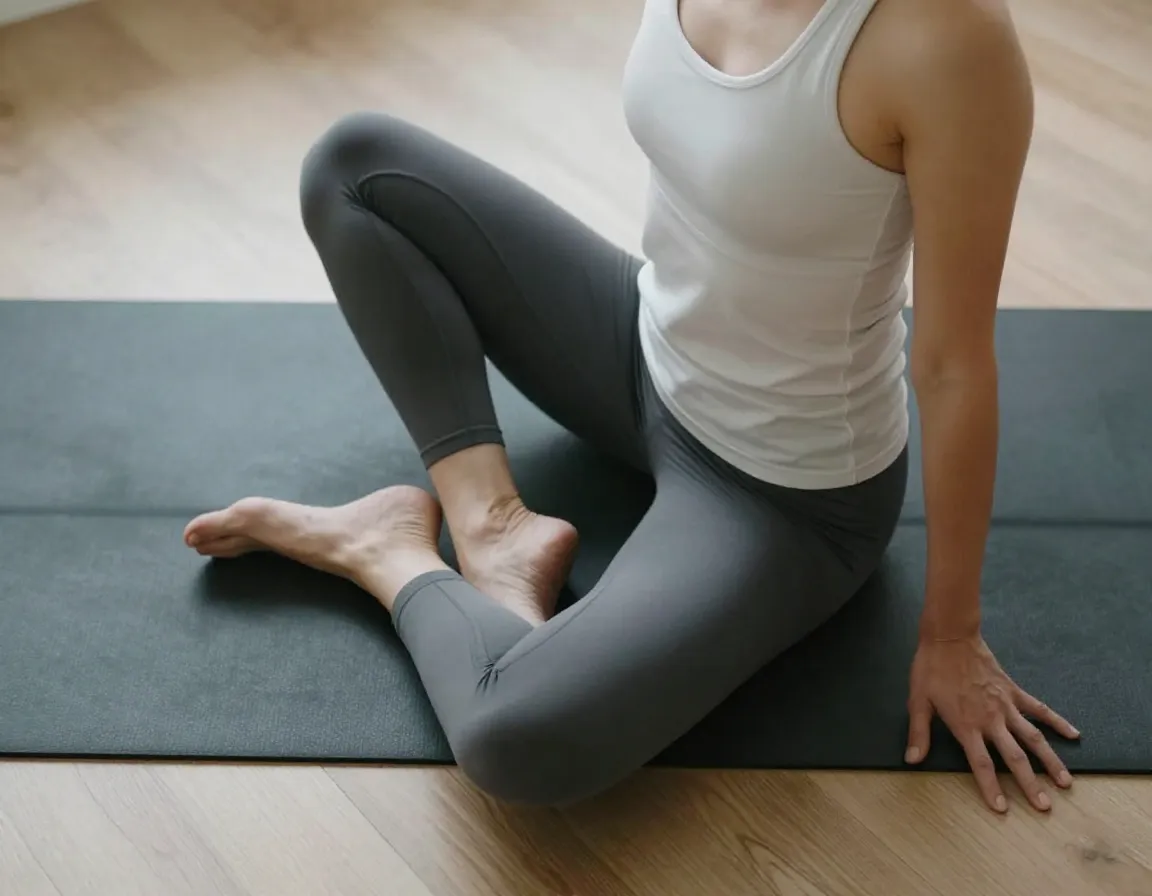
Hip rotations serve as both a warm-up and mobility exercise, improving the hip rotation essential for an efficient golf swing [2]. Limited hip mobility is one of the leading causes of swing faults and lower back pain in golfers.
Movement pattern:
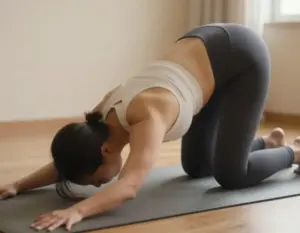
- Sit on the floor with both legs bent at 90 degrees
- One leg in front, one leg to the side
- Rotate your torso toward the front leg
- Feel the stretch in your hips and hold briefly
- Return to center and repeat
Recommended frequency: 8 repetitions per side [2].
Creating Your Home Golf Fitness Routine
Now that you understand these 9 no-equipment golf exercises at home to build strength & stability, it’s time to structure them into an effective training program. Consistency trumps intensity when it comes to golf fitness, so focus on performing these exercises regularly rather than sporadically pushing yourself to exhaustion.
Sample Weekly Schedule:
| Day | Focus | Exercises | Duration |
|---|---|---|---|
| Monday | Foundation | Dead bugs, Bird dogs, Glute bridges | 20 minutes |
| Tuesday | Power | Pogo jumps, Lateral hops, Squat jumps | 15 minutes |
| Wednesday | Core Stability | Planks, Anti-rotation holds | 15 minutes |
| Thursday | Active Recovery | Hip rotations, Light movement | 10 minutes |
| Friday | Full Circuit | All 9 exercises | 25 minutes |
| Weekend | Golf/Rest | Play or complete rest | – |
Progressive Overload Strategies:
- Week 1-2: Focus on form and establishing the movement patterns
- Week 3-4: Increase repetitions by 20-30%
- Week 5-6: Add holds or pauses to increase difficulty
- Week 7+: Incorporate single-limb variations and advanced progressions
Conclusion
The 9 no-equipment golf exercises at home to build strength & stability outlined in this guide provide everything you need to transform your golf performance without stepping foot in a gym. From the foundational stability work of dead bugs and bird dogs to the explosive power development of squat jumps and pogo hops, each exercise serves a specific purpose in building a golf-ready body.
Remember, the key to success lies in consistency and progressive improvement. Start with the foundation exercises, master the movement patterns, and gradually incorporate the more advanced power movements. Your body—and your scorecard—will thank you for the investment.
Your next steps:
- Start today with just 15 minutes focusing on the foundation exercises
- Track your progress by recording repetitions and hold times
- Schedule your sessions like important meetings to ensure consistency
- Listen to your body and adjust intensity based on how you feel
- Be patient with the process—meaningful improvements take 4-6 weeks of consistent training
The path to better golf performance starts with a single rep. Make today the day you begin building the strength and stability that will elevate your game for years to come.
References
[1] The 2026 Golf Fitness Guide 5 Smart Ways To Get In Golf Shape – https://www.pga.com/story/the-2026-golf-fitness-guide-5-smart-ways-to-get-in-golf-shape
[2] Pga Tour Trainer Strength Routine David Sundberg – https://golf.com/instruction/fitness/pga-tour-trainer-strength-routine-david-sundberg/