8 Things to Know Before Buying Vintage Wooden Golf Clubs
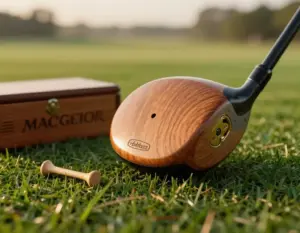
Picture this: you’re browsing through a dusty antique shop when you spot a gleaming persimmon driver that looks like it stepped straight out of golf’s golden age. Your heart races as you imagine the legendary shots this club might have witnessed. But before you reach for your wallet, there’s a world of knowledge you need to navigate the fascinating realm of vintage wooden golf clubs.
Disclosure: This post contains affiliate links. As an Amazon Associate, we earn from qualifying purchases, and at no extra cost to you.
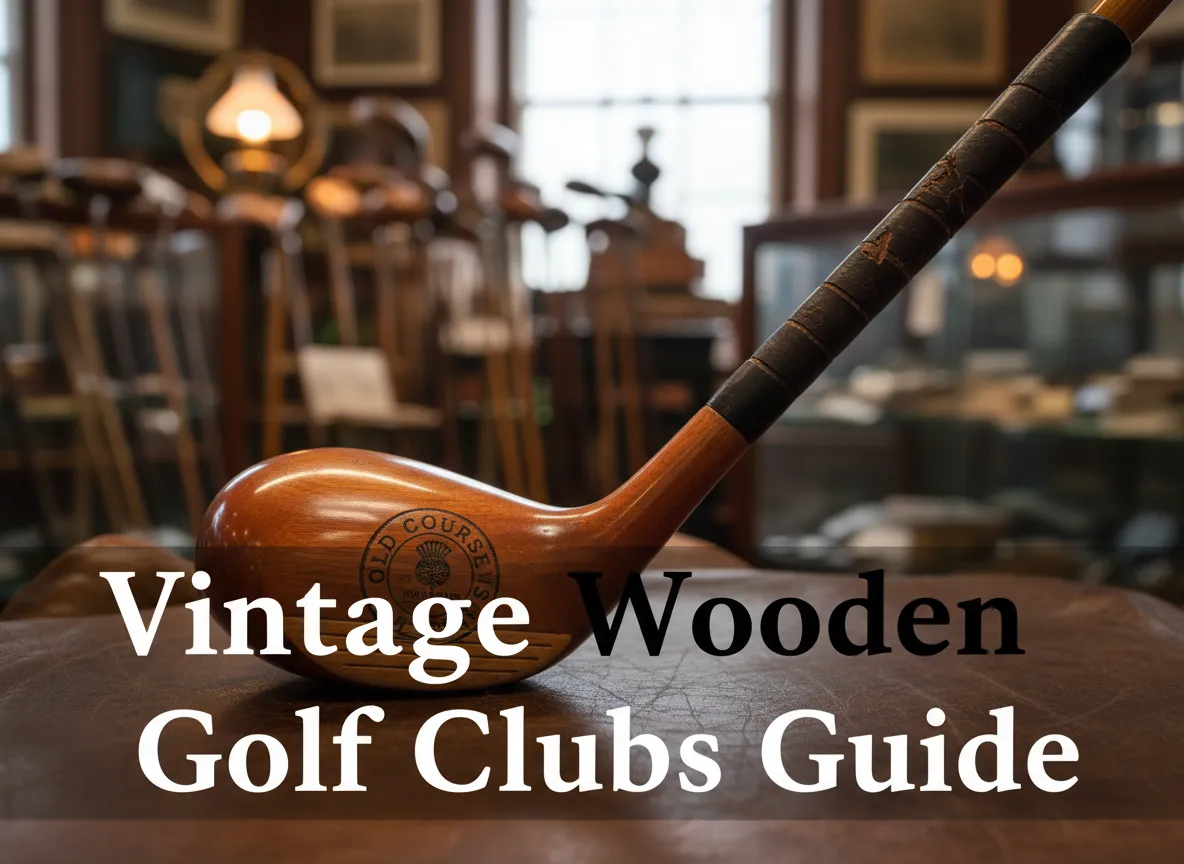
Whether you’re a seasoned collector or a golf enthusiast looking to add some classic character to your game, understanding the 8 things to know before buying vintage wooden golf clubs can mean the difference between discovering a genuine treasure and making an expensive mistake. In 2026, the market for vintage golf equipment continues to thrive, but success requires knowledge, patience, and a keen eye for authenticity.
Key Takeaways
- Condition is everything – The state of preservation directly impacts both playability and value
- Authentication matters – Learn to identify genuine markings and avoid costly reproductions
- Know your sources – Reputable dealers and specific venues offer better odds than random online purchases
- Purpose drives priorities – Collecting criteria differ significantly from clubs intended for actual play
- Research pays off – Essential reference guides can save you from overpaying or buying fakes
1. Condition Assessment: The Foundation of Value
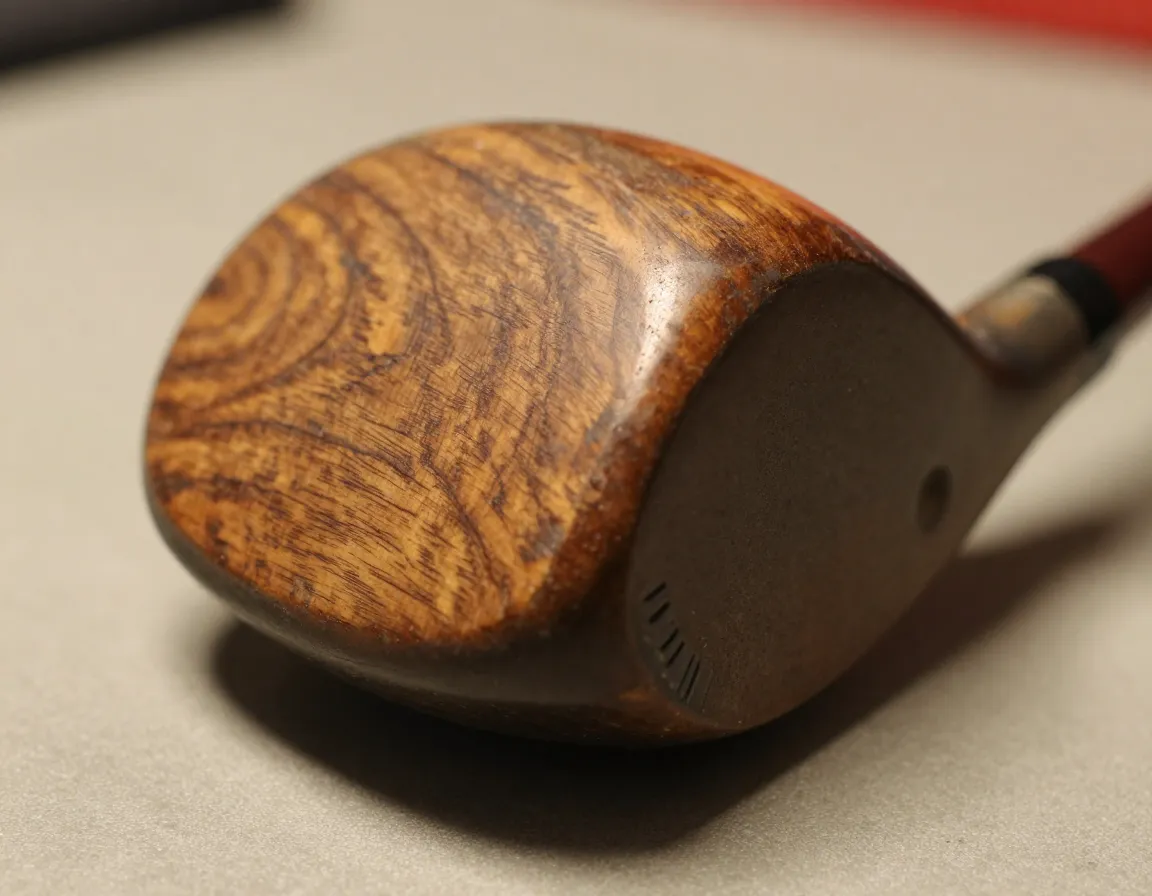
When evaluating vintage wooden golf clubs, condition is paramount. The better condition the item, the more its value, following the same principle as all collecting interests [2]. This fundamental rule applies whether you’re seeking clubs for your collection or planning to use them on the course.
Start by examining the clubhead thoroughly. Look for:
- Face condition: Check for deep gouges, cracks, or excessive wear patterns
- Wood integrity: Inspect for splits, especially around the hosel area
- Original finish: Determine if the varnish or stain appears authentic to the era
The shaft deserves equal attention. Hickory shafts, common in early clubs, should show natural aging without dangerous cracks or splinters. Steel shafts from later periods should be free from rust or structural damage that could affect performance.
Don’t overlook the grip condition. While grips can be replaced, original leather wraps in good condition add significant value to collectible pieces. For playable clubs, factor in replacement costs when calculating your total investment.
“The difference between a $50 club and a $500 club often comes down to preservation. A well-maintained vintage wooden driver can outperform many modern alternatives while carrying decades of golf history.” – Vintage Golf Equipment Specialist
2. Master the Art of Authentication and Identification
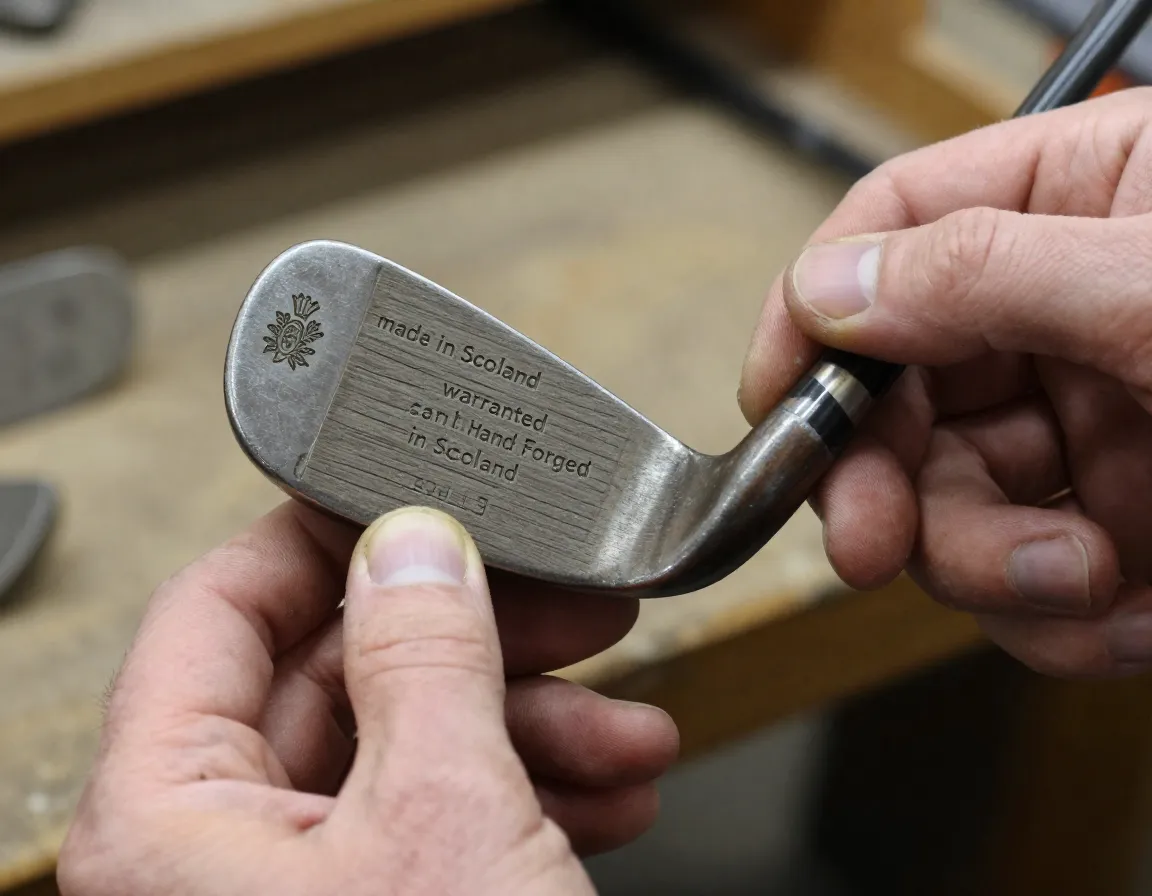
Understanding key markings separates knowledgeable buyers from easy targets. Look for marks like “made in Scotland” or “warranted Hand Forged in Scotland” as indicators of authenticity and value [3]. These stamps often appear on the back of iron clubheads or along the shaft near the hosel.
Essential identification resources include several authoritative guides. Collecting Antique Golf Clubs by Pete Georgetti is described as relatively easy to find and affordable [3]. Additional valuable references include The Golf Club Identification and Price Guide II by Wilson and GolfWorks [2], and Classic Golf Clubs by Joe Clement [2]. These resources help identify the exact year a club was made and provide crucial manufacturer history [2].
Pay attention to maker’s marks and stamps:
- Tom Stewart cleek mark: A thistle symbol indicating quality Scottish craftsmanship
- Patent dates: Often stamped on innovative club designs
- Professional endorsements: Names of famous golfers can significantly increase value
Serial numbers and model designations help pinpoint manufacturing dates and authenticate specific club models. Cross-reference these markings with your identification guides to verify authenticity and estimate fair market value.
3. Know Where to Hunt for Hidden Treasures
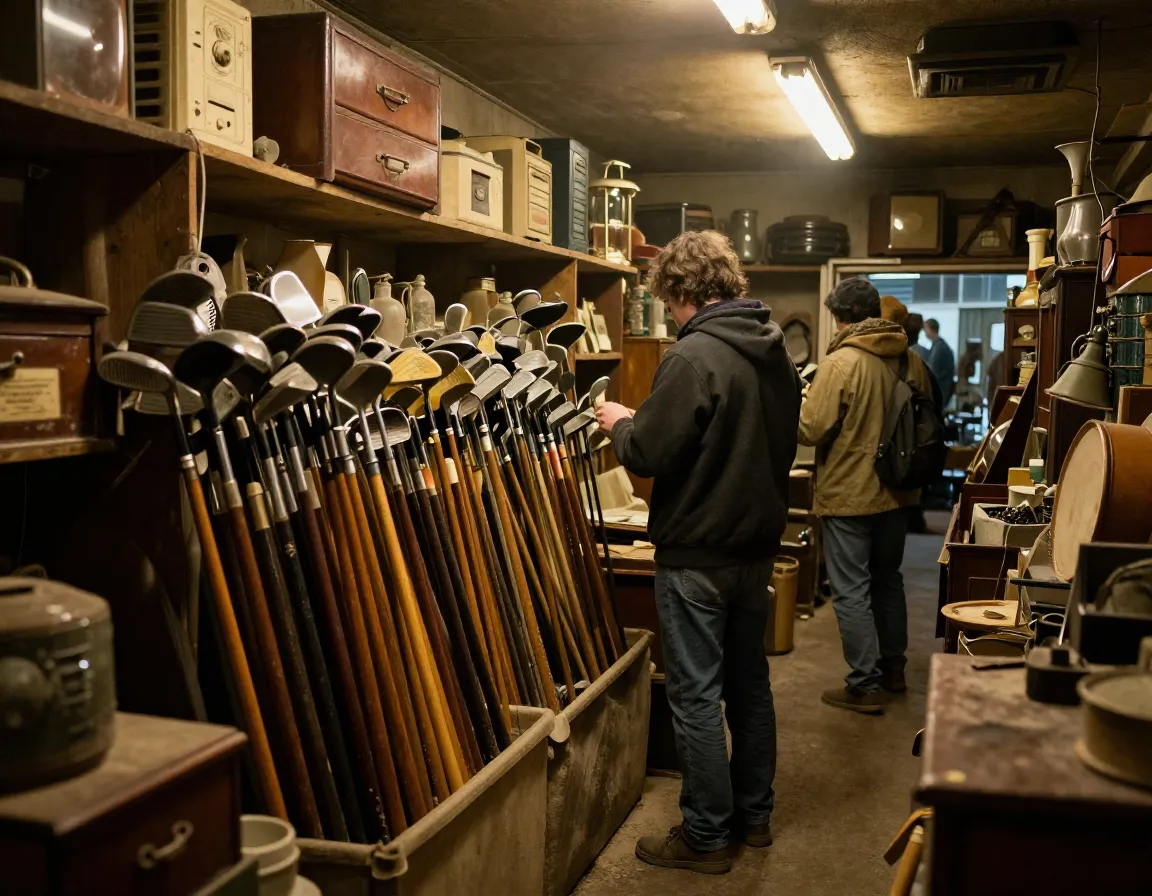
Vintage clubs can be found at garage sales, pro shops, auctions, flea markets, and antique shops—places where collectors typically hunt for items [2]. Each venue offers unique advantages and requires different strategies for success.
Garage sales and estate sales often yield the best bargains, but require patience and early arrival. Sellers frequently undervalue golf equipment, creating opportunities for knowledgeable buyers. Bring cash and be prepared to negotiate respectfully.
Antique shops and specialty dealers provide more curated selections with higher prices but greater authenticity assurance. These venues often offer return policies and expert knowledge that justify premium pricing.
Golf auctions present opportunities for rare finds but require careful bidding strategies. Research lots thoroughly beforehand and set firm spending limits to avoid auction fever.
Online marketplaces require extra caution. While convenient, they lack the tactile inspection opportunities crucial for vintage club evaluation. Stick to sellers with strong reputations and detailed photos when shopping digitally.
4. Define Your Purpose: Playing vs. Collecting
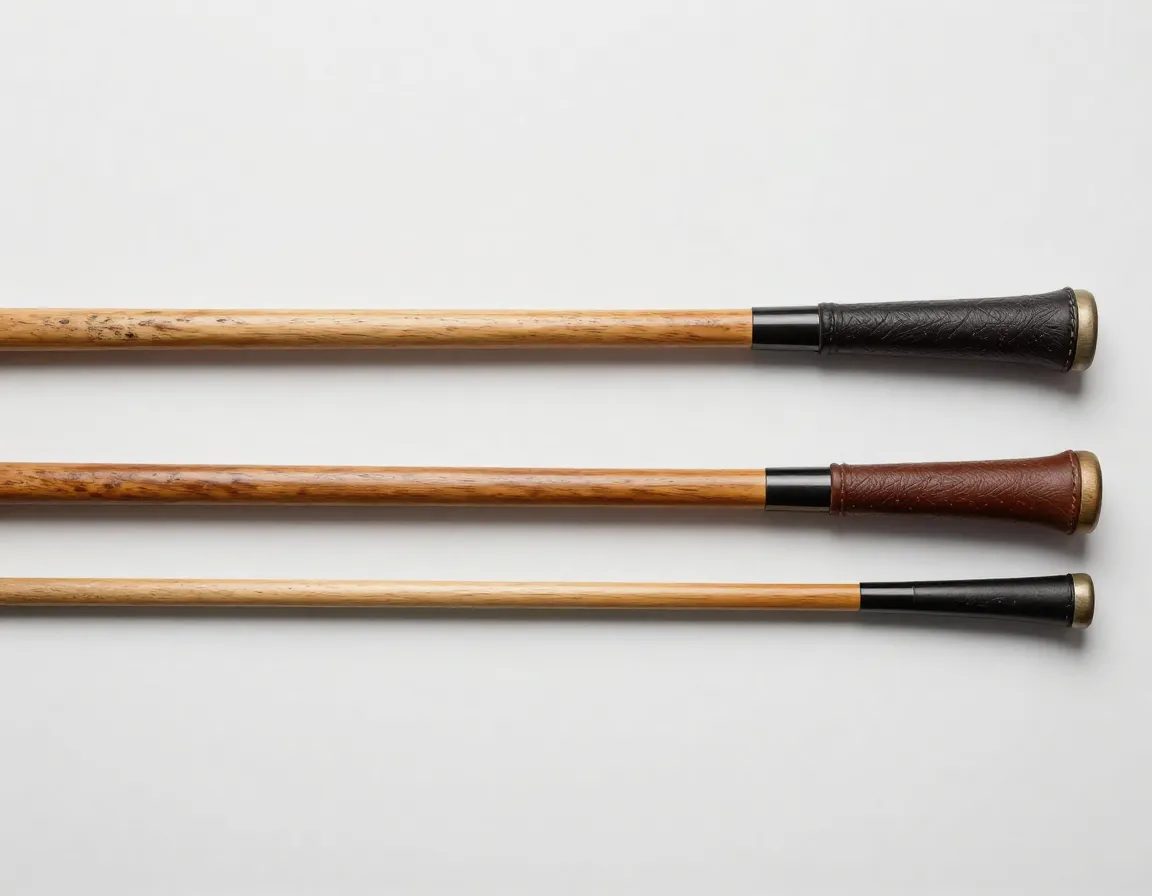
Differentiate your purpose early in the buying process. If buying to play with, focus on playability and condition; if collecting, follow stricter valuation criteria [3]. This distinction fundamentally changes your evaluation priorities and budget considerations.
For playable clubs, prioritize:
- Structural integrity over cosmetic perfection
- Appropriate lie angles for your swing
- Comfortable grip sizing (replacement acceptable)
- Reasonable weight for modern play expectations
For collecting purposes, emphasize:
- Original condition and authentic components
- Historical significance and maker reputation
- Rarity and market demand factors
- Documentation and provenance when available
Investment potential varies significantly between these approaches. Playable clubs depreciate with use, while museum-quality collectibles may appreciate over time. Consider your long-term goals when making purchasing decisions.
5. Understand Market Values and Pricing

Avoid overpaying online by purchasing from reputable in-person sellers or established dealers rather than general online marketplaces [3]. This strategy provides better authentication opportunities and often more reasonable pricing.
Research comparable sales using completed auction listings and dealer catalogs. Price variations can be dramatic based on condition, rarity, and seller knowledge. Document fair market ranges before making offers.
Factors affecting value include:
- Manufacturer reputation (Scottish makers often command premiums)
- Age and historical period (pre-1900 clubs typically worth more)
- Playing professional associations (clubs used by famous golfers)
- Condition rarity (excellent condition becomes increasingly rare with age)
Negotiation strategies work best with private sellers and some dealers. Approach discussions respectfully, armed with research supporting your position. Be prepared to walk away if prices exceed reasonable market values.
6. Recognize Common Pitfalls and Red Flags
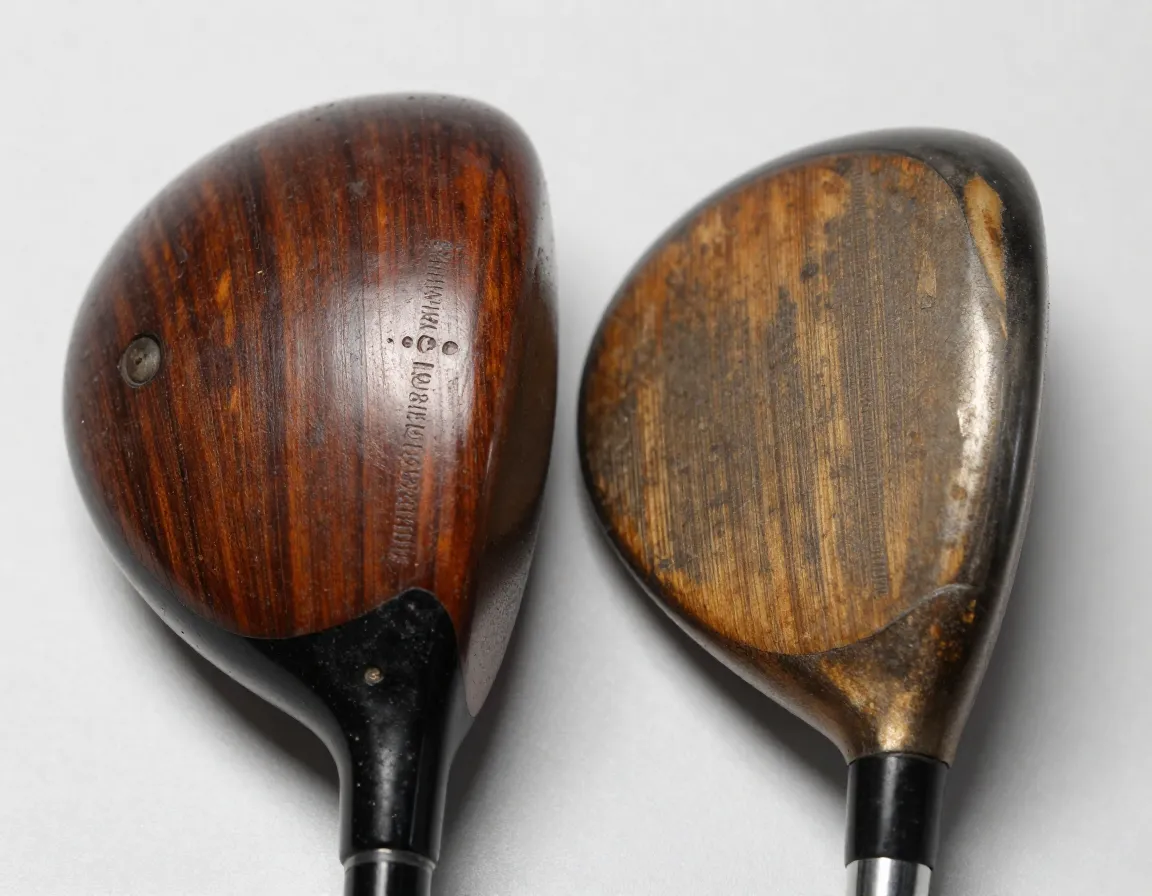
Reproduction clubs flood the vintage market, often sold as authentic pieces. Modern manufacturing techniques can create convincing fakes, but careful inspection reveals telltale signs like machine-perfect stampings or artificially aged finishes.
Married clubs combine original heads with replacement shafts or vice versa. While sometimes acceptable for playable clubs, these modifications significantly reduce collectible value. Verify component authenticity through careful examination.
Restoration concerns arise when sellers refinish or modify original clubs. Heavy refinishing destroys patina and authenticity, while amateur repairs can compromise structural integrity.
Documentation fraud occasionally accompanies high-value pieces. Verify any certificates or historical claims through independent research and expert consultation when dealing with significant purchases.
7. Care and Maintenance Considerations
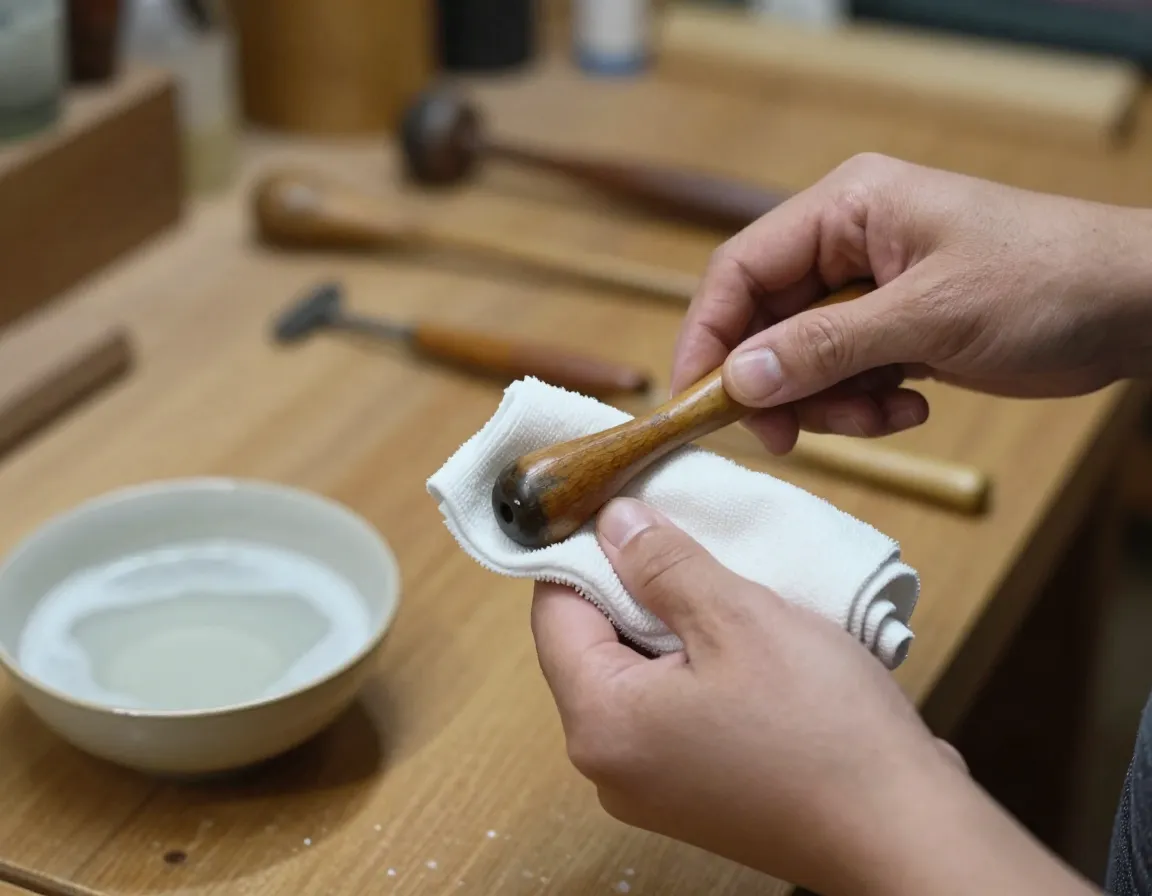
Proper storage preserves your investment and ensures longevity. Wooden clubs require climate-controlled environments with moderate humidity levels. Extreme temperature fluctuations can cause wood movement and potential cracking.
Cleaning techniques should respect the club’s age and finish. Gentle soap solutions work for basic cleaning, while specialized wood conditioners help maintain flexibility and appearance. Avoid harsh chemicals or abrasive materials.
Usage guidelines for playable vintage clubs include:
- Limited play frequency to minimize wear
- Appropriate ball types (softer balls reduce impact stress)
- Careful storage between rounds
- Regular inspection for developing problems
Professional restoration services exist for valuable pieces requiring expert attention. Research restoration specialists with vintage golf equipment experience and request references before committing to significant work.
8. Building Relationships in the Vintage Golf Community
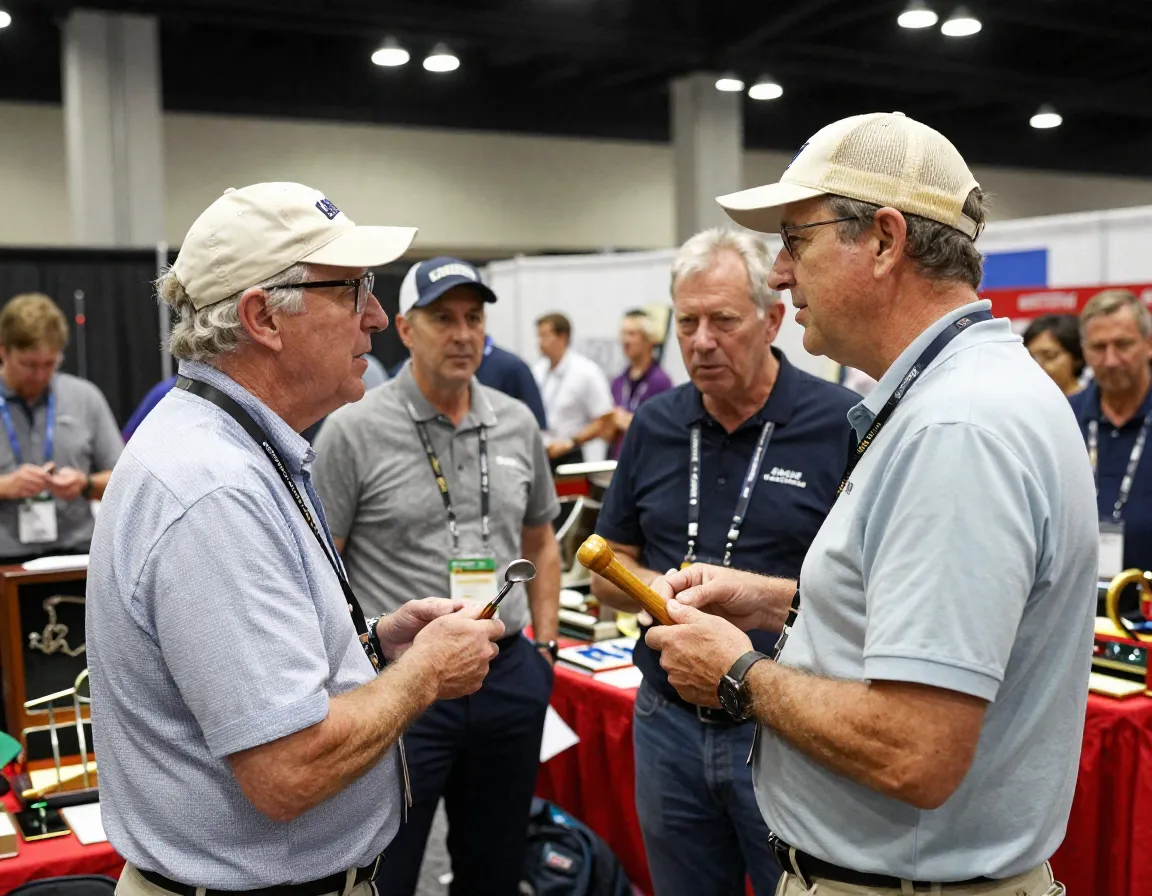
Networking with collectors and dealers creates opportunities for private sales and expert knowledge sharing. Join vintage golf societies and attend equipment shows to build valuable connections.
Expert consultation proves invaluable when evaluating significant purchases. Establish relationships with knowledgeable dealers who can provide authentication services and market insights.
Knowledge sharing benefits the entire collecting community. Participate in forums, share discoveries, and contribute to the preservation of golf history through responsible collecting practices.
Future opportunities often arise through established relationships. Dealers remember serious collectors and may offer first opportunities on exceptional pieces before public sales.
Conclusion
Understanding these 8 things to know before buying vintage wooden golf clubs transforms you from a hopeful browser into an informed buyer capable of making smart decisions in 2026’s active vintage market. Remember that condition assessment forms the foundation of any purchase decision, while proper authentication protects you from costly mistakes.
Whether you’re building a collection or seeking playable pieces with character, define your purpose clearly and shop accordingly. Know your sources, avoid common pitfalls, and don’t hesitate to seek expert guidance when evaluating significant purchases.
Take action today by acquiring essential reference guides and visiting local antique shops to practice your evaluation skills. Start building relationships within the vintage golf community, and remember that patience often rewards collectors with exceptional finds at reasonable prices.
The world of vintage wooden golf clubs offers endless fascination for those willing to invest time in learning. Armed with this knowledge, you’re ready to begin your own journey into golf’s rich equipment heritage. Happy hunting! ⛳
References
[1] Best Golf Club Sets 206769 – https://www.golfmonthly.com/best-golf-deals/best-golf-club-sets-206769
[2] Collecting Classic Golf Clubs – https://www.golfheritage.org/blog/collecting-classic-golf-clubs/
[3] Watch – https://www.youtube.com/watch?v=HuNjR153aZA