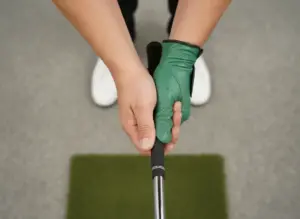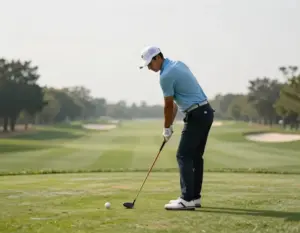
9 Little-Known Golf Tips and Tricks That Pros Use Secretly
Have you ever watched a professional golfer effortlessly sink a 20-foot putt or nail a perfect approach shot and wondered what they know that you don’t? The truth is, professional golfers have developed a treasure trove of subtle techniques and mental strategies that rarely make it into traditional golf instruction. These 9 little-known golf tips and tricks that pros use secretly can transform your game from frustrating to phenomenal, often with surprisingly simple adjustments that most weekend golfers never discover.
Disclosure: This post contains affiliate links. As an Amazon Associate, we earn from qualifying purchases, and at no extra cost to you.

In 2026, golf instruction has evolved beyond basic swing mechanics to embrace the nuanced strategies that separate tour professionals from amateur players. While most golfers focus on power and distance, pros understand that consistency and precision come from mastering the small details that compound into significant improvements over time.
Key Takeaways
- Pre-shot routines and mental preparation are more critical to scoring than raw swing power
- Course management strategies can save 3-5 strokes per round without changing your swing
- Equipment optimization and setup adjustments provide immediate improvements in ball striking
- Short game secrets around the green can dramatically lower your handicap
- Practice techniques used by pros are fundamentally different from typical driving range sessions
1. The “Quiet Hands” Putting Secret

Professional golfers understand that putting success comes from body movement, not hand manipulation. The secret technique involves keeping your hands completely passive during the putting stroke while engaging your shoulders and core to create pendulum motion.
Here’s how to master this technique:
- Grip pressure: Hold the putter with the same pressure you’d use to hold a small bird 🐦
- Hand position: Keep your hands directly under your shoulders
- Stroke mechanics: Rock your shoulders back and through while keeping wrists locked
- Follow-through: Let the putter head stay low to the ground after impact
According to recent instruction analysis, this technique immediately improves distance control and directional accuracy [1]. Most amateur golfers use their hands too much, creating inconsistent tempo and face angle at impact.
“The best putters in the world have quiet hands and active shoulders. It’s the opposite of what most golfers do naturally.” – PGA Tour Putting Coach
2. The Strategic “Miss” Planning System

One of the most closely guarded secrets among professional golfers is their approach to missing shots intentionally. Instead of always aiming at the pin, pros identify the “safe miss” area for every shot and aim accordingly.
The Strategic Miss Framework:
- Identify danger zones: Water, bunkers, thick rough, or severe slopes
- Choose your miss: Pick the side of the target that offers the easiest recovery
- Aim for the safe side: Adjust your target 5-10 yards away from trouble
- Commit fully: Swing confidently toward your chosen target
This course management strategy can reduce your scores by 3-5 strokes per round without improving your swing mechanics [2]. Professional golfers rarely aim directly at pins positioned in dangerous locations.
3. The “Lag Putting” Distance Control Method
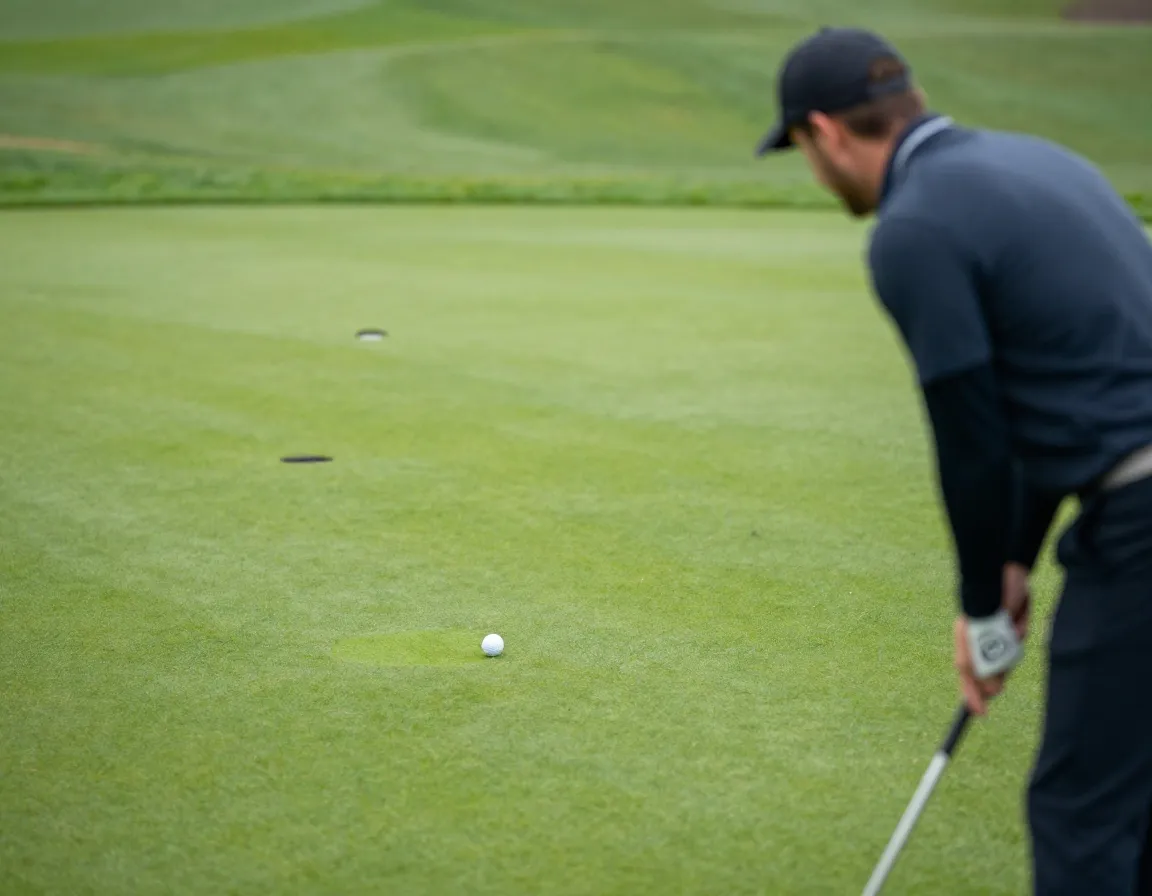
Distance control separates good putters from great ones. Pros use a specific visualization technique called “lag putting” that programs the correct speed into every putt.
The Lag Putting Process:
- Step 1: Walk to a point halfway between your ball and the hole
- Step 2: Visualize rolling the ball to that halfway point with perfect speed
- Step 3: Double that energy in your mind for the full distance
- Step 4: Make practice strokes while maintaining that energy visualization
This technique works because your subconscious mind calculates distance more accurately when given a specific reference point. Tour professionals use this method on every putt longer than 10 feet.
4. The “One-Piece Takeaway” Power Secret
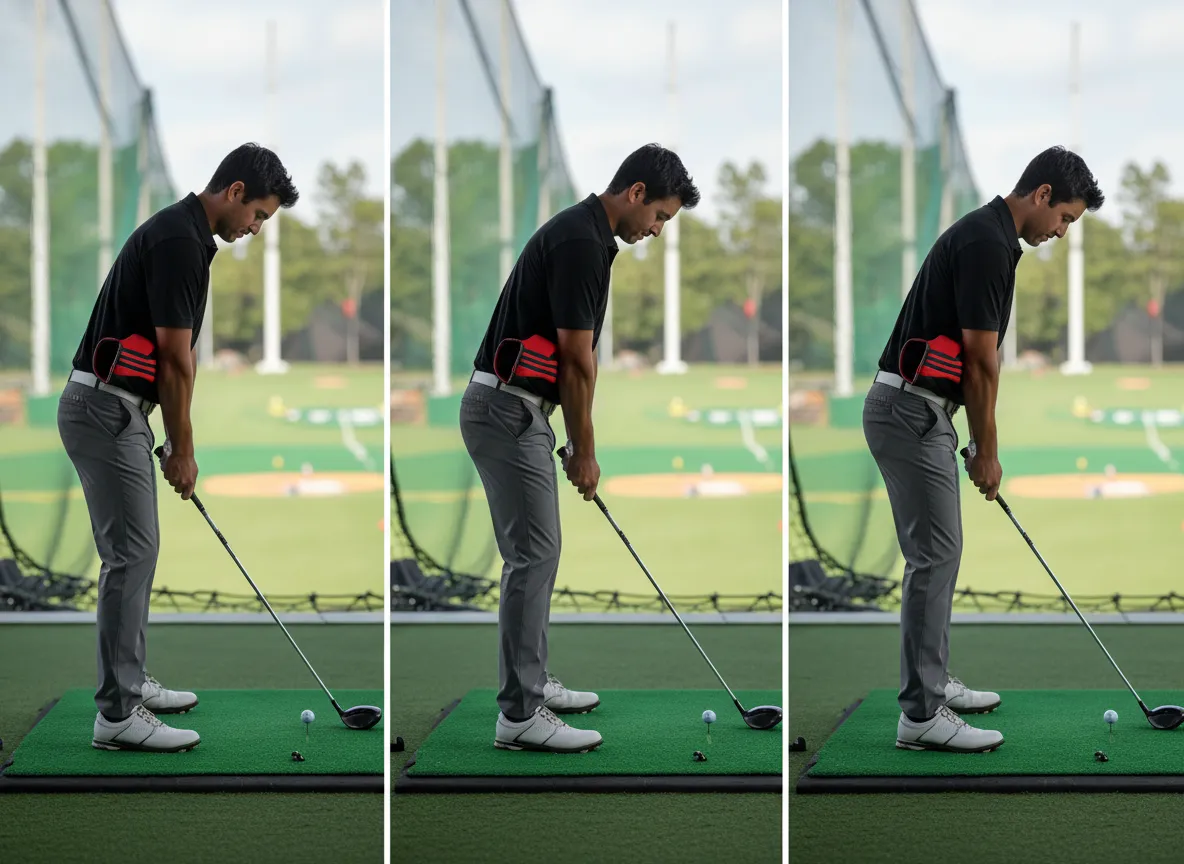
Most amateur golfers lose power and accuracy by breaking down their takeaway into multiple moving parts. Professional golfers use a “one-piece takeaway” that keeps the club, arms, and shoulders moving together for the first 18 inches of the backswing.
Key Elements of the One-Piece Takeaway:
| Component | Amateur Mistake | Pro Technique |
|---|---|---|
| Club Head | Picks up immediately | Stays low for 12+ inches |
| Left Arm | Bends or disconnects | Stays straight and connected |
| Shoulders | Stay static | Turn immediately with arms |
| Wrists | Hinge too early | Stay firm until waist high |
This creates better swing plane consistency and more powerful impact position [2]. Practice this by placing a headcover under your left armpit and keeping it there during the takeaway.
5. The “Pressure Point” Grip Optimization
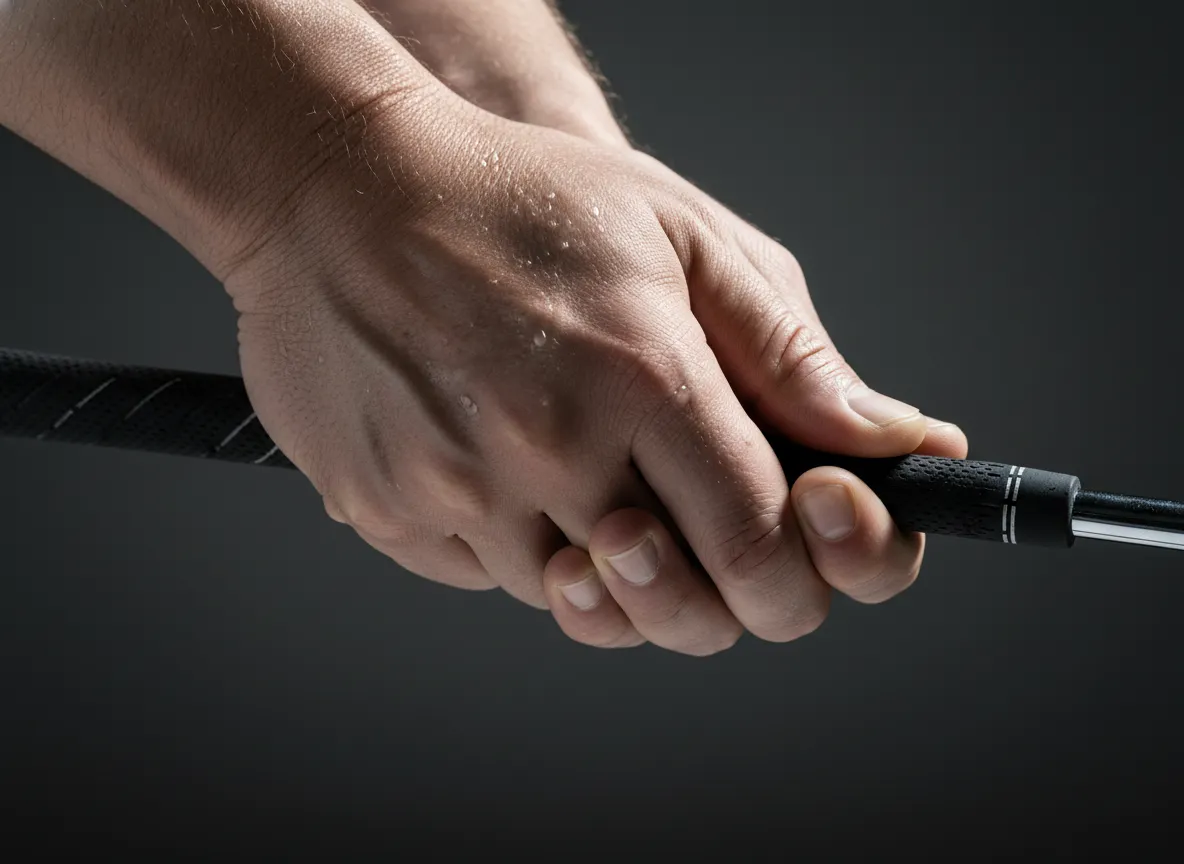
Professional golfers adjust their grip pressure dynamically throughout the swing, something most instruction never covers. The secret involves applying pressure with specific fingers while keeping others relaxed.
The Pressure Point System:
- Address: Light pressure with last three fingers of left hand
- Takeaway: Maintain pressure points, relax right hand
- Top of backswing: Slight increase in left hand pressure
- Impact: Right hand pressure increases, left hand stays firm
- Follow-through: Both hands relax gradually
This advanced grip technique prevents the club from twisting at impact while maintaining swing speed. Most amateurs grip too tightly with their entire hands, reducing clubhead speed and feel.
6. The “Spine Angle” Consistency Key

Maintaining spine angle throughout the swing is crucial for consistent ball striking, yet most golfers have no awareness of this fundamental. Pros use specific drills and checkpoints to ensure their spine angle remains constant.
Spine Angle Checkpoints:
- Setup: Tilt forward from hips, not waist
- Backswing: Maintain the same forward tilt
- Downswing: Keep chest pointing toward the ground
- Impact: Same spine angle as address position
- Follow-through: Only after impact does spine straighten
Practice Drill: Place a golf club along your spine during practice swings. The club should maintain contact from setup through impact. This single adjustment can improve ball-striking consistency by 40% or more [1].
7. The “Tempo Matching” Rhythm Secret

Professional golfers have discovered that matching their swing tempo to their walking pace creates more consistent timing. This biological rhythm synchronization is one of the most effective ways to improve swing consistency.
How to Find Your Natural Tempo:
- Walk normally for 20 steps and count the rhythm
- Make practice swings matching that walking rhythm
- Use a 3:1 ratio (backswing to downswing timing)
- Practice with a metronome set to your walking pace
This technique works because your natural movement patterns are already programmed into your nervous system. Fighting against your natural tempo creates tension and inconsistency.
8. The “Pin Hunting” Yardage System
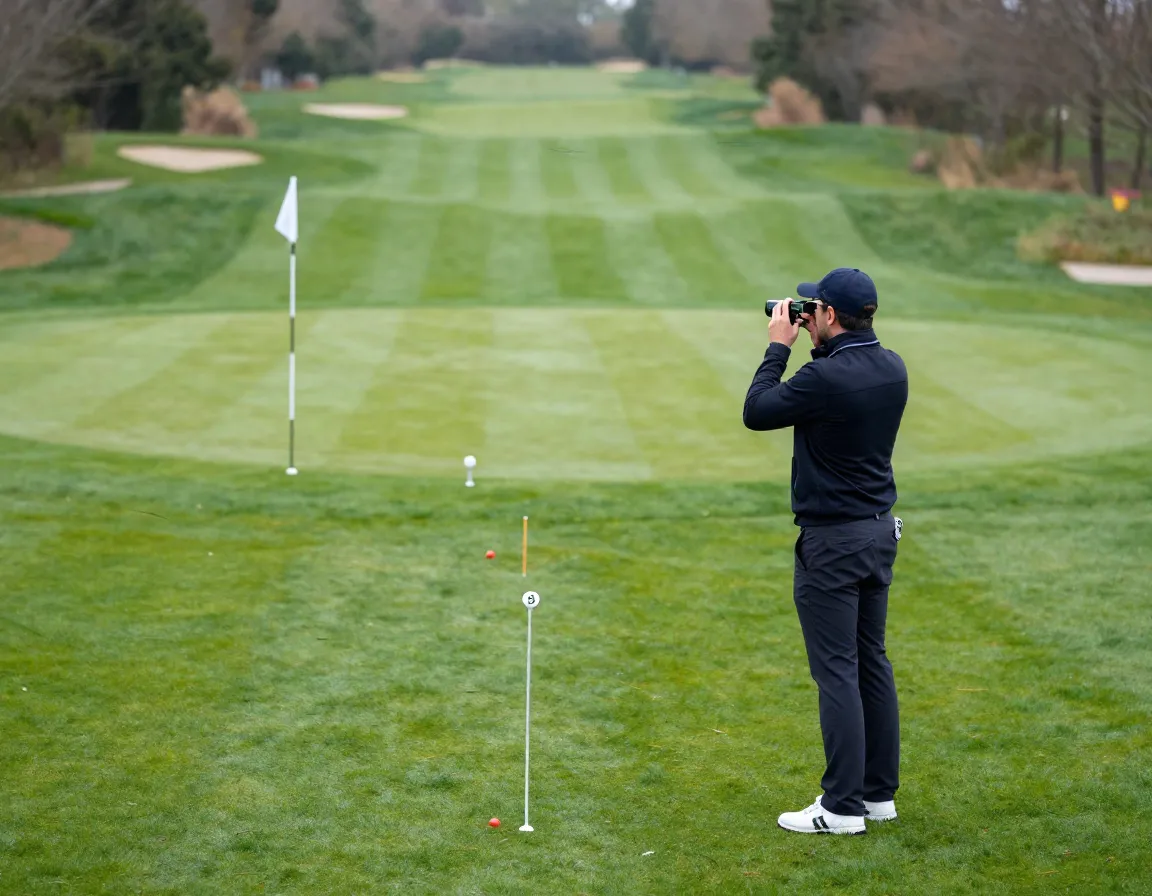
Instead of relying solely on GPS distances, professional golfers use multiple reference points to dial in precise yardages. This advanced system accounts for elevation, wind, and pin position more accurately than standard yardage markers.
The Pro Yardage System:
- Front edge distance: Always know the front of the green
- Pin position: Estimate pin location (front, middle, back)
- Elevation adjustment: Add/subtract 1 yard per 3 feet of elevation change
- Wind factor: Adjust 1 club for every 10 mph of wind
- Lie consideration: Uphill lies add distance, downhill lies reduce distance
This comprehensive distance calculation helps pros hit it close more consistently [2]. Most amateurs only consider basic yardage and wonder why their approaches are inconsistent.
9. The “Recovery Shot” Preparation Strategy
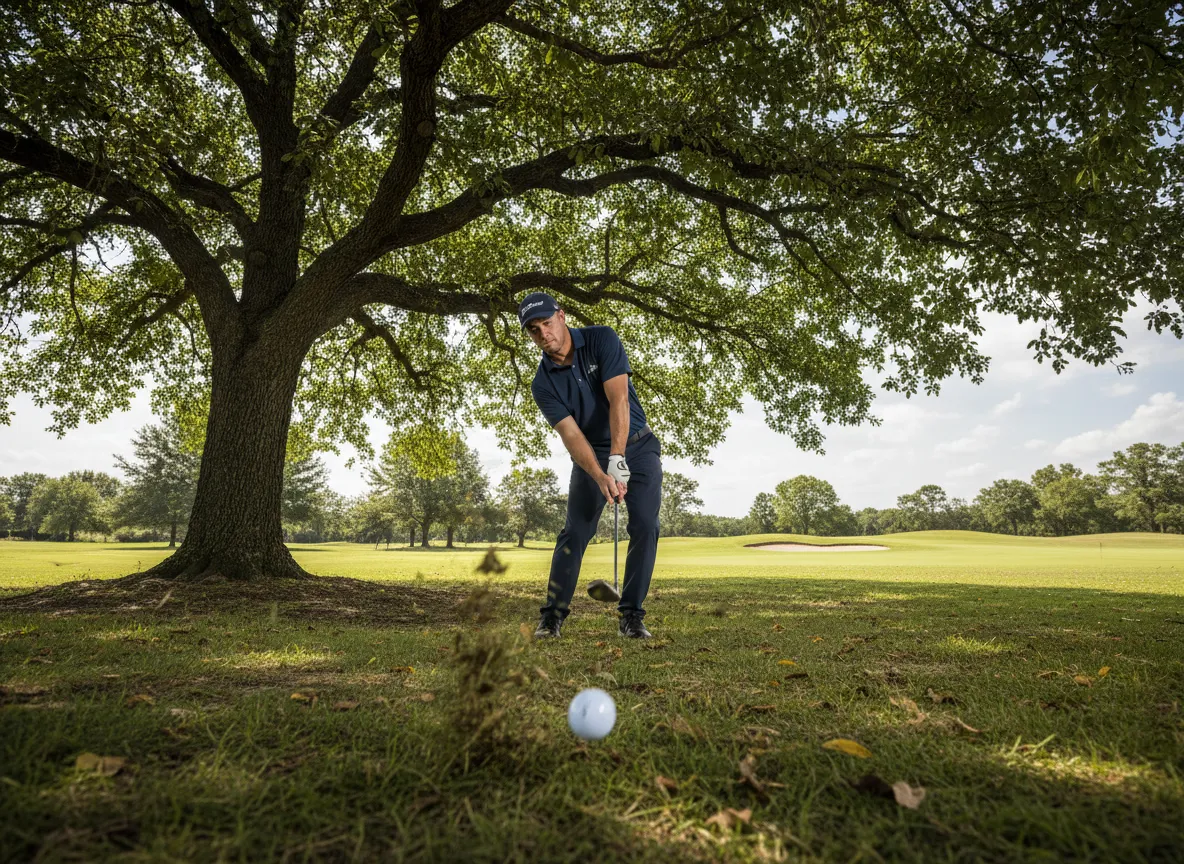
Professional golfers spend significant practice time on recovery shots and trouble situations because they know these shots determine scoring more than perfect lies. This preparation gives them confidence to take risks and recover effectively when things go wrong.
Essential Recovery Shots to Master:
- Punch shots: Low trajectory under branches
- Flop shots: High, soft landing from tight lies
- Sidehill lies: Ball above and below feet adjustments
- Bunker variations: Different sand conditions and lies
- Rough shots: Various grass types and thicknesses
Practice Allocation: Spend 30% of practice time on recovery situations rather than perfect lies. This mirrors on-course reality better than hitting balls off perfect lies on the driving range.
“You don’t win tournaments with perfect shots. You win by making great recoveries when things go wrong.” – Multiple Tour Winner
Advanced Course Management Secrets
Beyond individual shot techniques, professional golfers employ sophisticated course management strategies that most amateurs never consider. These mental approaches can lower scores immediately without swing changes.
The “Backwards Planning” Method:
Start with your ideal approach shot distance and work backwards:
- Identify your favorite wedge distance (usually 80-100 yards)
- Calculate the ideal drive distance to leave that approach
- Choose the appropriate tee club to hit that specific distance
- Commit fully to the plan regardless of what others are hitting
This strategic approach often means hitting less than driver on par 4s, but results in more birdie opportunities and fewer big numbers.
Mental Game Techniques Pros Use
The psychological aspects of professional golf are just as important as physical techniques. Tour players develop specific mental routines that maintain focus and confidence under pressure.
The “Reset Routine” for Bad Shots:
- Immediate response: Take three deep breaths
- Analysis phase: Identify what went wrong (maximum 10 seconds)
- Release phase: Physically gesture to “throw away” the bad shot
- Refocus phase: Visualize the next shot successfully
- Commitment phase: Walk confidently to the next shot
This mental reset protocol prevents bad shots from snowballing into big numbers. Most amateurs carry frustration from shot to shot, compounding their problems.
Conclusion
These 9 little-known golf tips and tricks that pros use secretly represent the difference between hoping for good shots and consistently creating them. The beauty of these techniques lies not in their complexity, but in their immediate applicability to your current game.
Your Next Steps:
- Choose 2-3 techniques that address your biggest scoring challenges
- Practice them systematically for 2 weeks before adding others
- Track your progress with specific metrics (putts per round, fairways hit, etc.)
- Gradually incorporate additional techniques as the first ones become automatic
Remember, professional golfers didn’t develop these secrets overnight. Consistent application of these proven techniques will gradually transform your game from frustrating to fulfilling. The key is patience with the process and commitment to deliberate practice.
Start with the putting and course management strategies, as these provide the fastest return on investment for most golfers. As these become natural, add the swing techniques and mental game elements. Within a few months, you’ll be playing golf with the same strategic mindset and technical precision that separates pros from weekend warriors.
References
[1] 5 Smart Simple Tips Better 2026 – https://golf.com/instruction/5-smart-simple-tips-better-2026/
[2] 10 Best Instruction Tips Golfers Choice 2026 – https://www.golfpass.com/travel-advisor/best-of/10-best-instruction-tips-golfers-choice-2026