9 Essential Tips for Golf in Hawaii: Courses, Weather, and More
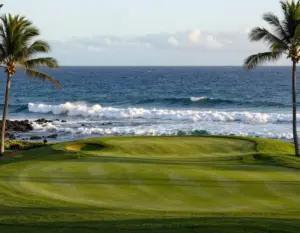
Picture yourself standing on the first tee at sunrise, with volcanic peaks rising behind emerald fairways and the Pacific Ocean stretching endlessly before you. 🌺 This isn’t just any golf course—this is Hawaii, where every round becomes an unforgettable experience that combines world-class golf with some of the most breathtaking scenery on Earth.
Disclosure: This post contains affiliate links. As an Amazon Associate, we earn from qualifying purchases, and at no extra cost to you.

Planning your Hawaiian golf adventure requires more than just booking a tee time. From understanding the unique challenges of island weather to navigating course renovations and water restrictions, these 9 Essential Tips for Golf in Hawaii: Courses, Weather, and More will help you make the most of your tropical golf getaway in 2026.
Key Takeaways
- Book early and check course status – Major renovations at Mauna Kea and Hapuna, plus drought-related changes at Kapalua, are affecting availability
- Plan around weather patterns – Trade winds, seasonal rainfall, and optimal playing times vary significantly across islands
- Pack strategically – Hawaiian golf requires specific gear for sun protection, humidity, and varying course conditions
- Consider water restrictions – Ongoing drought conditions are impacting course maintenance and playing conditions across the islands
- Budget for premium experiences – Hawaii’s top courses command high green fees, but the experience is truly world-class
Understanding Hawaii’s Unique Golf Landscape in 2026
Hawaii’s golf scene is experiencing significant changes in 2026, making it crucial to understand the current landscape before planning your trip. The islands offer some of the world’s most spectacular golf courses, but recent developments have reshaped what’s available to visiting golfers.
Major Course Updates This Year:
- Mauna Kea Golf Course has completed extensive renovations under Robert Trent Jones Jr.’s direction [1]
- Hapuna Golf Course is returning to service with updated greens and fairways [1]
- The North Shore Club on Oahu is entering its development phase with a David McLay Kidd-designed course [3]
The drought conditions affecting Maui have created unprecedented challenges. The PGA Tour’s season-opening event had to be moved from Kapalua’s Plantation Course due to compromised conditions [2]. This highlights how environmental factors can impact even the most prestigious courses.
“The 2026 golf season in Hawaii represents both opportunity and challenge, with newly renovated courses opening alongside water conservation efforts that are reshaping how courses operate.”
Water restrictions implemented by Maui County in September have created logistical challenges for golf course maintenance across the island [2]. Understanding these conditions helps set realistic expectations for your Hawaiian golf experience.
1. Choose Your Courses Wisely Based on Current Conditions
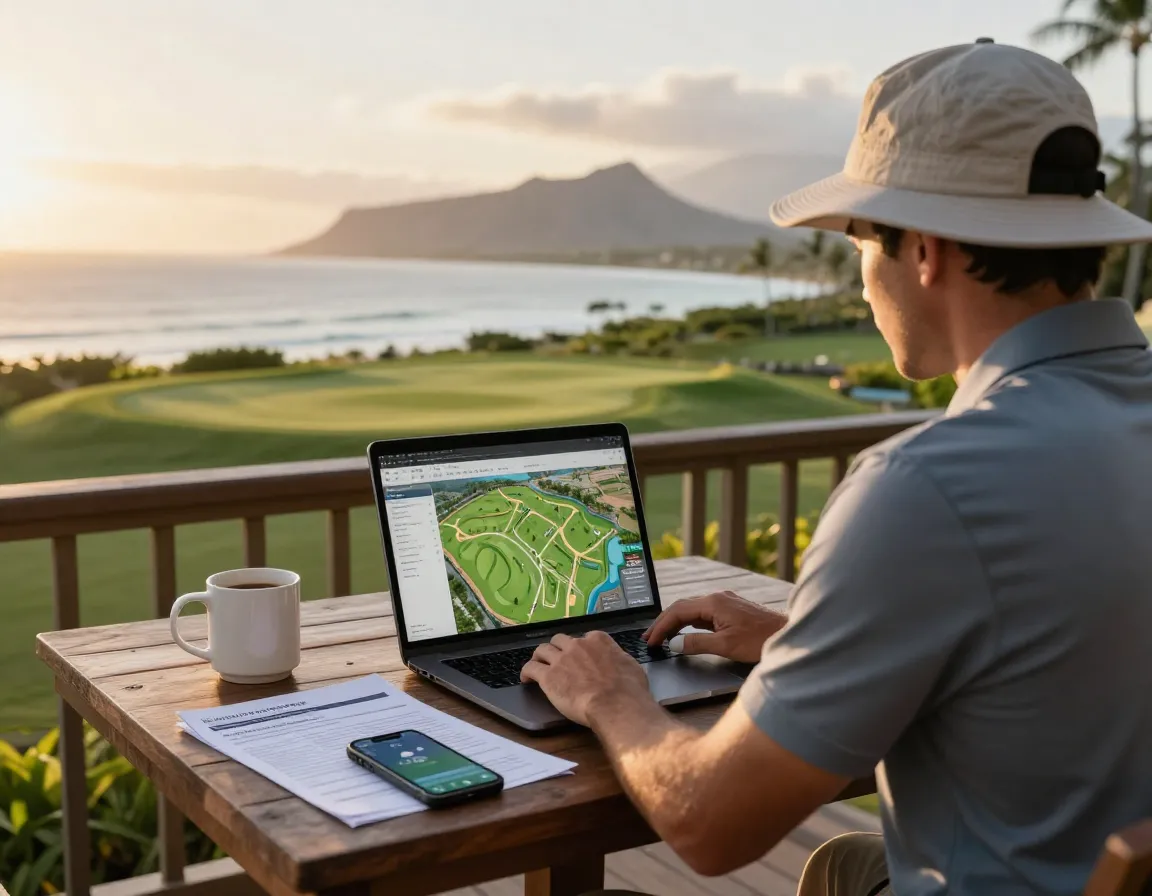
Selecting the right courses for your Hawaiian golf trip requires understanding each facility’s current status and unique characteristics. Not all courses are operating at full capacity in 2026, making research essential.
Big Island Standouts:
- Mauna Kea Golf Course: Recently renovated with enhanced fairways, greens, and bunkers [1]
- Hapuna Golf Course: Arnold Palmer/Ed Seay design returning to service with improvements [1]
Oahu Options:
- Waialae Country Club: Home to the 2026 Sony Open with excellent conditions [4]
- The North Shore Club: New private oceanfront facility beginning development [3]
Maui Considerations:
Due to severe drought conditions, several West Maui courses face operational challenges [2]. The Plantation Course at Kapalua, typically a must-play destination, has been significantly compromised by water conservation requirements.
Booking Strategy:
- Reserve tee times 60-90 days in advance for premium courses
- Check course websites for scheduled maintenance closures
- Consider backup options on different islands
- Verify current playing conditions before arrival
Scheduled Closures to Note:
- Mauna Kea: May 26-27 and September 8-9 [1]
- Hapuna: May 5-6 and September 29-30 [1]
2. Master the Trade Winds and Weather Patterns
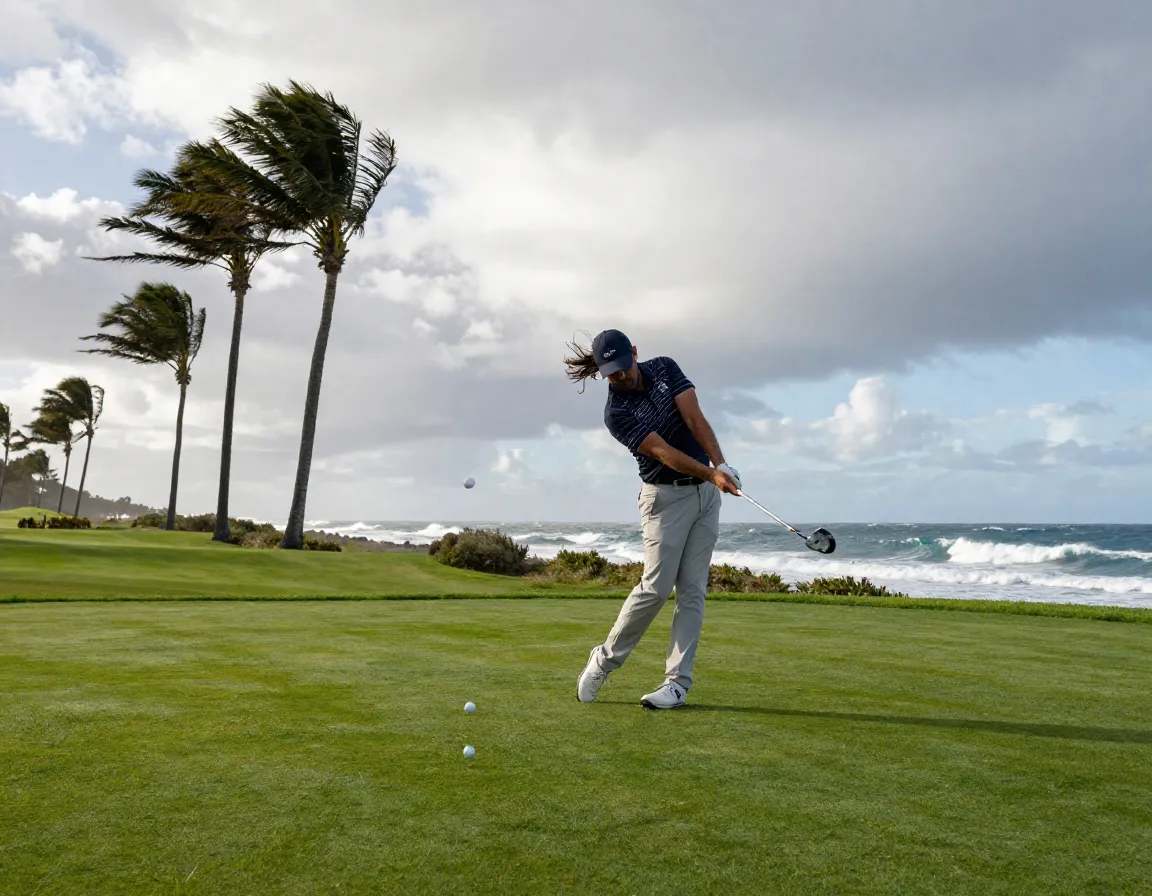
Hawaiian golf presents unique weather challenges that can dramatically affect your game. Understanding these patterns is crucial for both course selection and shot strategy.
Trade Wind Fundamentals:
Trade winds blow from the northeast at 10-25 mph most days, creating consistent but challenging playing conditions. These winds are strongest between 10 AM and 4 PM, making early morning and late afternoon the optimal playing times.
Seasonal Weather Patterns:
| Season | Wind Strength | Rainfall | Best Playing Times |
|---|---|---|---|
| Winter (Dec-Feb) | Moderate | Higher | 7 AM – 10 AM |
| Spring (Mar-May) | Strong | Moderate | 6:30 AM – 9:30 AM |
| Summer (Jun-Aug) | Strongest | Lower | 6 AM – 9 AM, 4 PM – 6 PM |
| Fall (Sep-Nov) | Variable | Variable | 7 AM – 10 AM |
Island-Specific Considerations:
- Windward sides: More rainfall, lusher conditions, stronger trade winds
- Leeward sides: Drier, more consistent playing conditions
- Elevation changes: Mountain courses experience different wind patterns
Strategic Adjustments:
- Club up on shots into the wind
- Use lower ball flights in windy conditions
- Plan for faster greens on drier leeward courses
- Expect softer conditions on windward courses
3. Pack the Right Gear for Island Golf
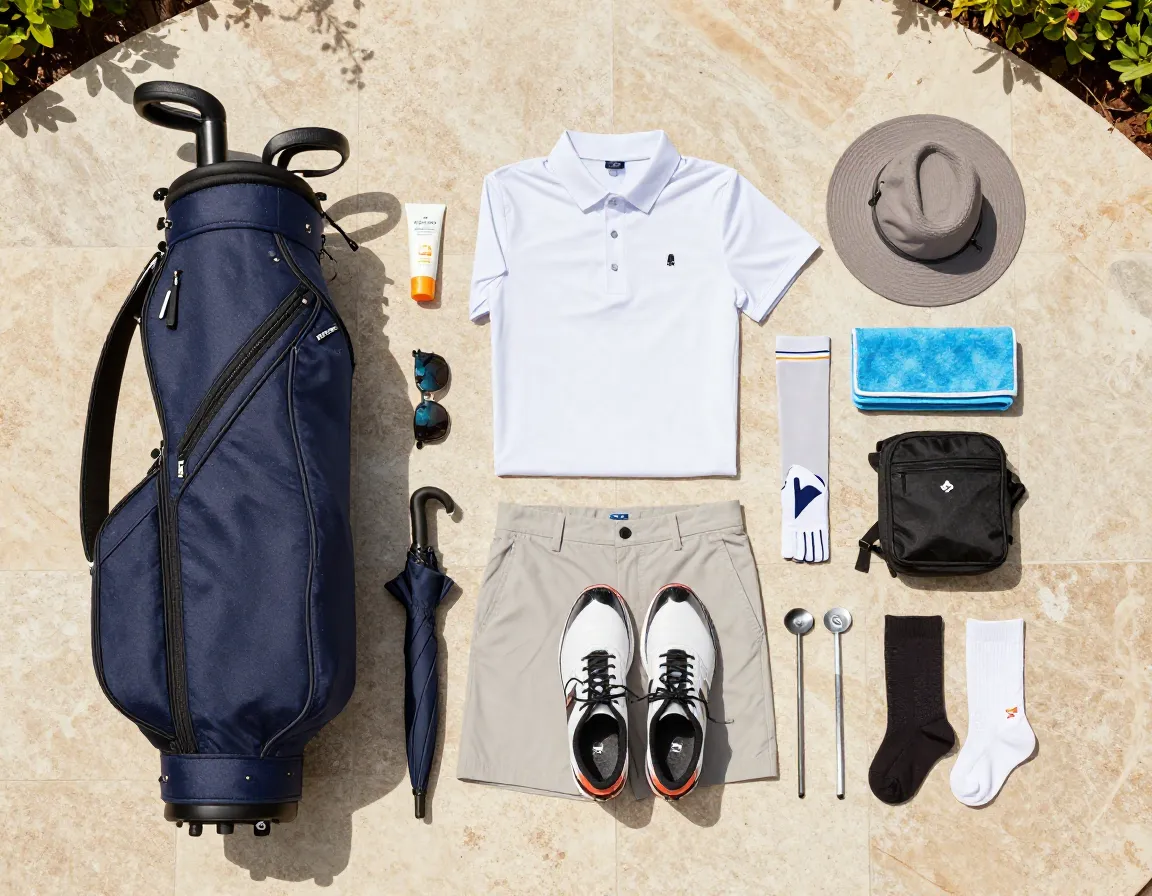
Hawaiian golf requires specific equipment and clothing to handle the unique combination of intense sun, high humidity, and variable weather conditions.
Essential Clothing:
- Moisture-wicking polos: Cotton traps sweat and becomes uncomfortable
- Lightweight pants/shorts: Quick-dry materials work best
- Wide-brimmed hat: Essential for sun protection
- Light rain jacket: Afternoon showers are common
Sun Protection Must-Haves:
- Reef-safe sunscreen (SPF 30+): Required by law in Hawaii
- UV-protective sunglasses: Polarized lenses reduce glare
- Arm sleeves: Lightweight protection for long rounds
- Cooling towels: Help manage heat and humidity
Equipment Considerations:
- Extra gloves: Humidity affects grip
- Ball markers with weight: Trade winds can move lightweight markers
- Umbrella: For sudden rain showers
- Hydration pack: Staying hydrated is crucial
Footwear Strategy:
- Waterproof golf shoes: Morning dew and afternoon showers
- Extra socks: Change mid-round if needed
- Spikeless options: Better for resort courses and post-round activities
4. Time Your Rounds for Optimal Conditions
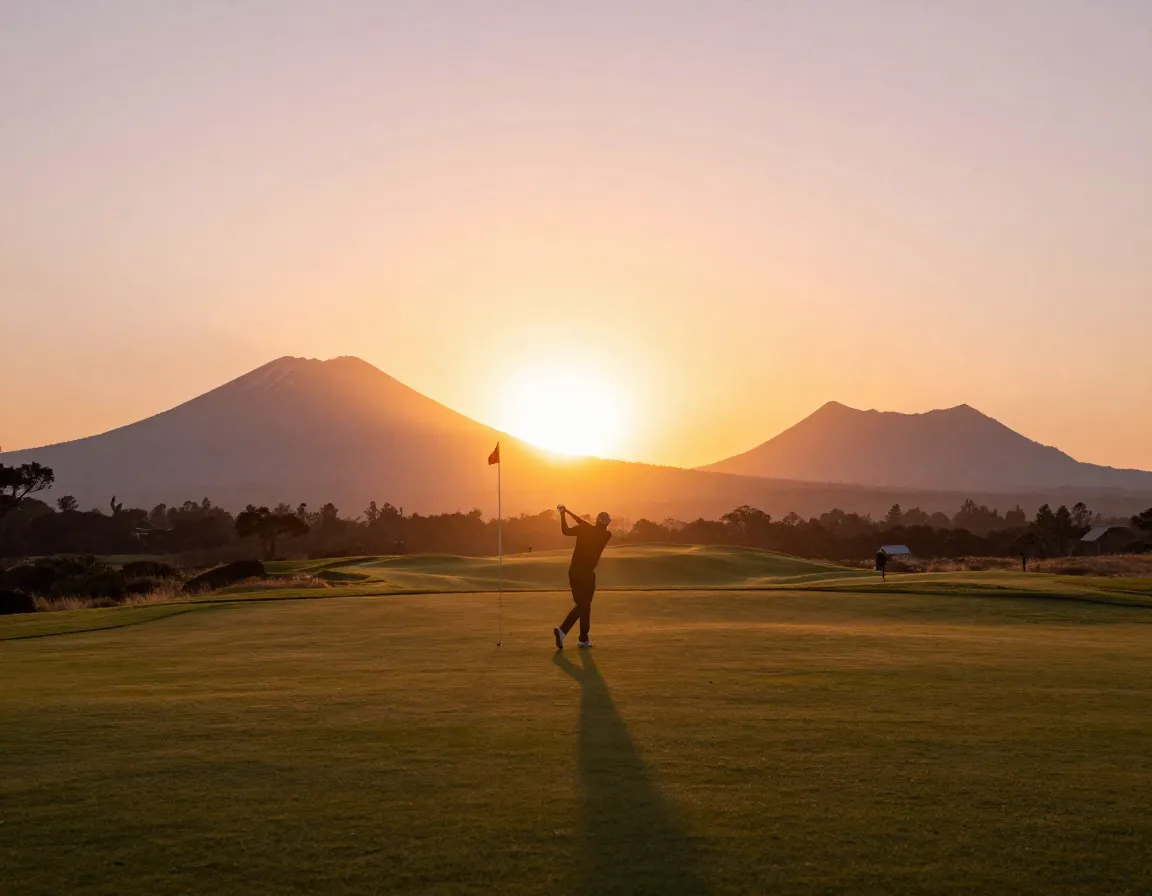
Timing your golf rounds strategically can make the difference between a challenging experience and an unforgettable one. Hawaiian courses play differently throughout the day due to weather patterns and course maintenance schedules.
Optimal Tee Times:
- 6:30-8:00 AM: Calmest winds, cooler temperatures, best scoring conditions
- 4:00-6:00 PM: Beautiful lighting, moderate winds, stunning sunsets
- Avoid 10 AM-3 PM: Strongest trade winds, hottest temperatures
Course Maintenance Factors:
Most Hawaiian courses complete maintenance by 7 AM, ensuring optimal playing surfaces for early rounds. Afternoon rounds may encounter:
- Recently watered greens (softer, slower)
- Increased foot traffic effects
- Higher temperatures affecting ball roll
Seasonal Timing Strategies:
Winter Months (Dec-Feb):
- Shorter days require earlier starts
- Higher rainfall probability in afternoons
- Cooler temperatures make midday golf more comfortable
Summer Months (Jun-Aug):
- Longest days allow for sunset rounds
- Strongest trade winds require strategic timing
- Early morning rounds offer the calmest conditions
5. Navigate Water Restrictions and Course Conditions
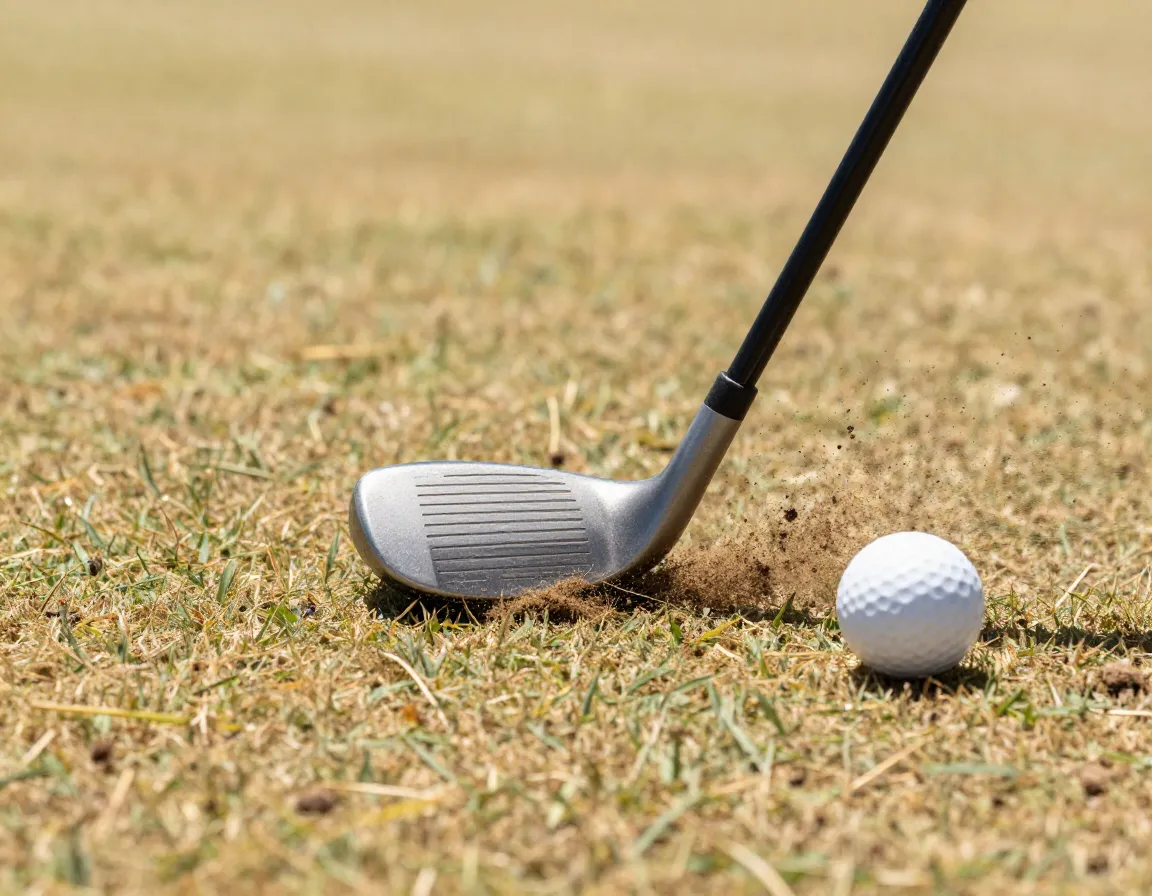
The ongoing drought affecting Hawaiian golf courses in 2026 has created new considerations for golfers. Understanding these impacts helps set appropriate expectations and influences course selection.
Current Water Situation:
Maui County implemented Stage 2 water restrictions in September, creating significant challenges for course maintenance [2]. This has resulted in:
- Firmer playing surfaces on affected courses
- Limited irrigation affecting rough and fairway conditions
- Strategic course management by maintenance crews
Course-Specific Impacts:
- Kapalua Resort: Facing infrastructure disputes affecting water supply [2]
- West Maui courses: Operating under strict conservation measures
- Big Island courses: Less affected due to different water sources
Playing Strategy Adjustments:
- Expect more roll on drives due to firmer fairways
- Plan for faster greens with less water application
- Consider links-style play with more ground game
- Pack extra balls as firm conditions can create unpredictable bounces
Booking Considerations:
- Verify current course conditions before arrival
- Consider courses on islands less affected by drought
- Have backup plans for alternative activities
- Check for temporary pricing adjustments
6. Budget for Premium Hawaiian Golf Experiences
Hawaiian golf represents a significant investment, but understanding the cost structure helps you maximize value while experiencing world-class courses.
Typical Green Fee Ranges (2026):
- Resort courses: $200-$400+ per round
- Municipal courses: $50-$150 per round
- Private clubs: $300-$500+ (with member)
- Twilight rates: 20-40% discount after 2 PM
Additional Costs to Consider:
- Cart fees: Often mandatory ($30-$50)
- Caddie services: $100-$200+ per bag plus tip
- Equipment rental: $50-$80 per set
- Practice facilities: $10-$25 per session
Money-Saving Strategies:
- Book packages: Resort golf packages often provide better value
- Play twilight rounds: Significant savings with beautiful sunset views
- Consider municipal courses: Excellent value with stunning scenery
- Multi-round discounts: Many resorts offer package deals
Value Maximization Tips:
- Arrive early: Enjoy practice facilities and course amenities
- Bring your own equipment: Avoid rental fees
- Pack snacks and water: Course concessions are expensive
- Take photos: Create lasting memories of spectacular holes
7. Understand Island-Specific Golf Cultures and Etiquette
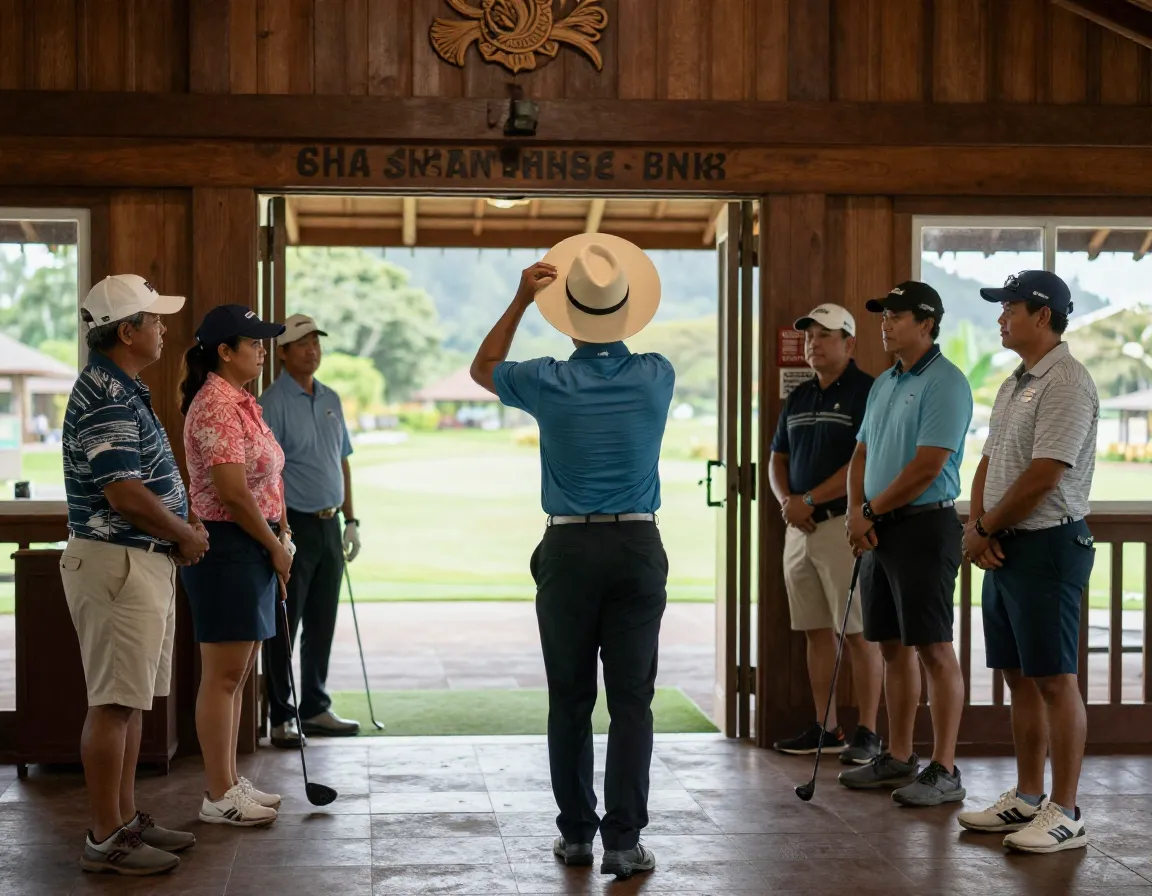
Each Hawaiian island has developed its own golf culture, influenced by local history, geography, and community. Respecting these differences enhances your experience and shows appreciation for local traditions.
Big Island Golf Culture:
The Big Island emphasizes the connection between golf and volcanic landscape. Courses like Mauna Kea celebrate the dramatic interplay between lava rock and manicured fairways [1]. Players often pause to appreciate the geological significance of their surroundings.
Oahu’s Competitive Scene:
Home to the Sony Open, Oahu maintains a more competitive golf atmosphere [4]. Local players take the game seriously, and visitors should be prepared for faster pace of play and higher skill levels at premium courses.
Maui’s Resort Focus:
Despite current water challenges, Maui’s golf culture centers around the resort experience. Courses are designed to complement luxury accommodations and provide memorable experiences for visitors.
Universal Hawaiian Golf Etiquette:
- Respect the land: Hawaiian courses occupy sacred and environmentally sensitive areas
- Maintain pace: Island time doesn’t apply to golf rounds
- Share the aloha spirit: Friendly interactions with staff and other players
- Environmental consciousness: Follow all conservation guidelines
Local Customs:
- Remove hats when entering clubhouses
- Tip service staff generously
- Ask permission before photographing other players
- Learn basic Hawaiian golf terms and course names
8. Plan Transportation and Logistics Carefully
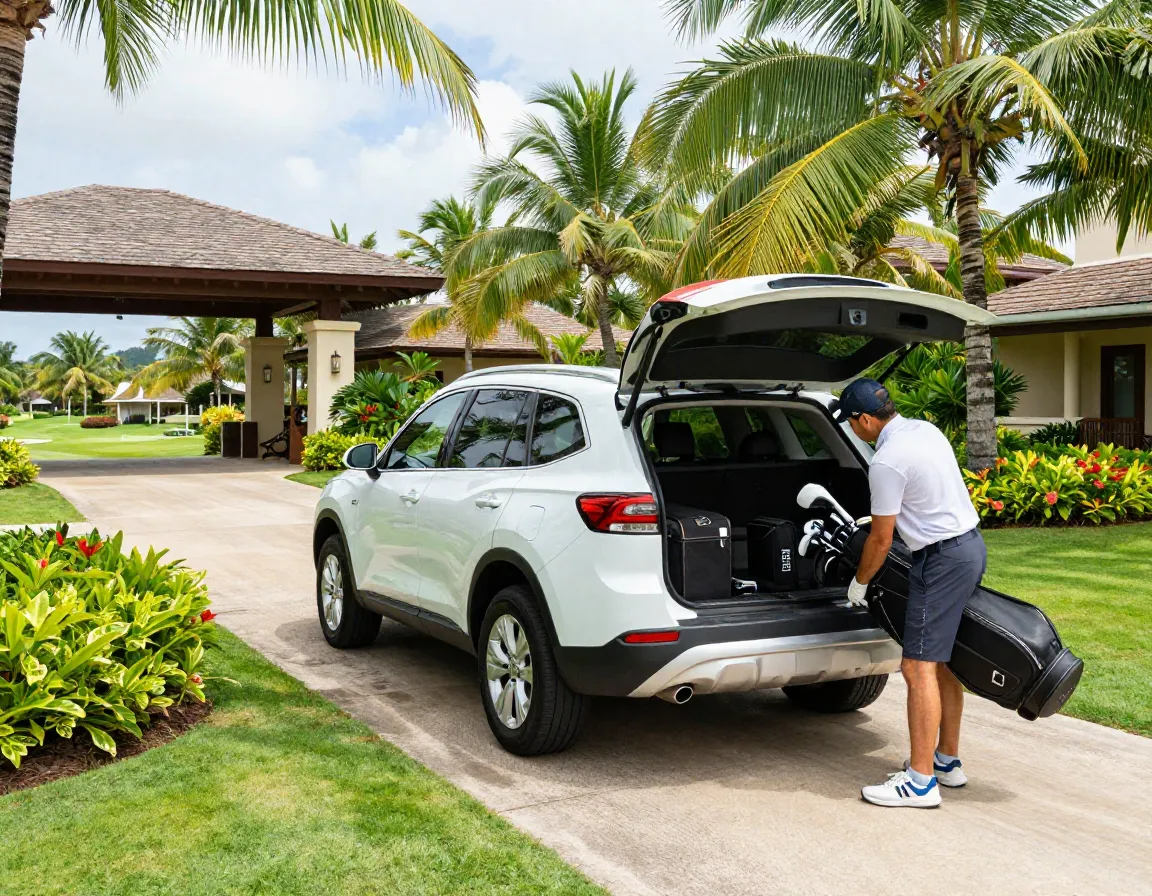
Getting to and between Hawaiian golf courses requires strategic planning, especially when playing multiple courses or islands during your trip.
Inter-Island Golf Travel:
- Island hopping: Book connecting flights early in the day
- Equipment shipping: Consider shipping clubs ahead for multi-island trips
- Rental car reservations: Essential for most courses, book early
- Resort shuttles: Many resorts offer complimentary golf transportation
On-Island Transportation Options:
Rental Cars (Recommended):
- Freedom to explore multiple courses
- Ability to carry golf equipment securely
- Access to remote courses with spectacular settings
- Cost-effective for multiple rounds
Resort Shuttles:
- Convenient for resort guests
- No parking concerns
- Often complimentary
- Limited to resort courses
Ride Services:
- Available on major islands
- Expensive for golf trips with equipment
- Limited availability at remote courses
- Good for single-course visits
Equipment Considerations:
- Travel cases: Invest in quality hard cases for club protection
- Shipping services: FedEx/UPS to resort pro shops
- Rental options: High-quality clubs available at most courses
- Airline policies: Verify baggage fees and restrictions
9. Maximize Your Experience with Local Knowledge and Course Intelligence
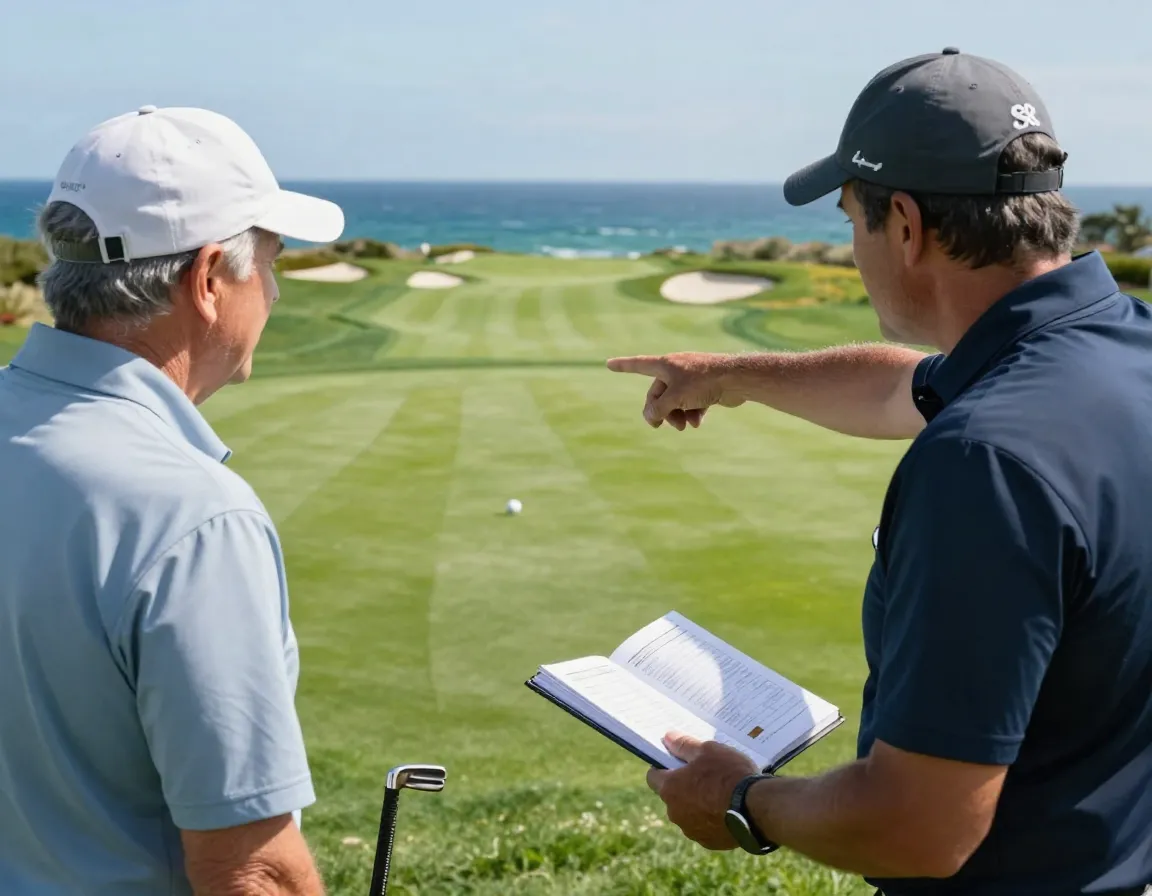
The final tip for mastering Hawaiian golf involves tapping into local knowledge and understanding course-specific strategies that can dramatically improve your experience and scores.
Pro Shop Intelligence:
Course professionals possess invaluable knowledge about:
- Daily wind patterns and how they affect specific holes
- Green conditions and optimal putting strategies
- Hidden hazards not visible from tee boxes
- Course management tips for challenging holes
Local Playing Partners:
- Resort golf programs: Many resorts offer pairing services
- Local golf groups: Welcome visitors for regular games
- Caddie knowledge: Experienced caddies know every nuance
- Pro-am events: Participate in local tournaments when possible
Course-Specific Strategies:
Ocean Holes:
- Wind direction changes throughout the day
- Salt air affects ball flight
- Spectacular views can be distracting
- Photography opportunities at specific holes
Mountain Courses:
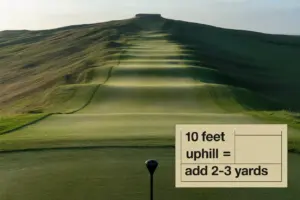
- Elevation changes affect club selection
- Temperature variations throughout the round
- Dramatic weather changes possible
- Unique volcanic soil characteristics
Technology Integration:
- GPS apps: Download course-specific apps before arrival
- Weather tracking: Real-time wind and rain updates
- Scoring apps: Track statistics for future visits
- Photography: Capture memories without slowing play
Conclusion
Hawaii offers some of the world’s most spectacular golf experiences, but success requires careful planning and local knowledge. These 9 Essential Tips for Golf in Hawaii: Courses, Weather, and More provide the foundation for an unforgettable tropical golf adventure.
The key to Hawaiian golf success lies in preparation and flexibility. With major course renovations at Mauna Kea and Hapuna creating new opportunities [1], and drought conditions affecting traditional favorites like Kapalua [2], staying informed about current conditions is crucial.
Your next steps:
- Research current course conditions before booking
- Reserve tee times early for premium courses and optimal times
- Pack appropriate gear for sun, wind, and humidity
- Build flexibility into your itinerary for weather changes
- Embrace the aloha spirit and enjoy the journey
Remember, Hawaiian golf isn’t just about the scorecard—it’s about experiencing some of the most beautiful landscapes on Earth while playing the game you love. Whether you’re watching the sunrise from Mauna Kea’s renovated fairways or enjoying a sunset round at Waialae, these islands offer golf memories that will last a lifetime.
Start planning your 2026 Hawaiian golf adventure today, and prepare for an experience that combines world-class golf with the natural beauty and warm hospitality that make Hawaii truly special. 🏌️♂️🌺
References
[1] Course Overview – https://www.maunakearesort.com/golf/course-overview/
[2] Extreme Drought Leads Pga Tour To Shift Plans For 2026 Season Opening Event R2210 – https://www.turfnet.com/news.html/extreme-drought-leads-pga-tour-to-shift-plans-for-2026-season-opening-event-r2210/
[3] The North Shore Club Defines A New Era Of Private Coastal Living On Oahus North Shore – https://resident.com/press-releases/2026/02/26/the-north-shore-club-defines-a-new-era-of-private-coastal-living-on-oahus-north-shore
[4] Watch – https://www.youtube.com/watch?v=0uKy0CQhiEo