9 Must-Know Facts About Hawaii Golf Carts for a Perfect Round
Picture this: you’re teeing off at a world-class Hawaiian golf course, trade winds gently swaying the palm trees, and the Pacific Ocean stretching endlessly beyond the 18th green. But before you can fully embrace this golfing paradise, there’s one crucial element that can make or break your experience – understanding Hawaii’s unique golf cart regulations and opportunities. Whether you’re planning a golf vacation to the islands or considering a move to Hawaii as an avid golfer, these 9 Must-Know Facts About Hawaii Golf Carts for a Perfect Round will ensure you navigate both the fairways and local laws with confidence.
Disclosure: This post contains affiliate links. As an Amazon Associate, we earn from qualifying purchases, and at no extra cost to you.
Key Takeaways
- Only electric NEVs are street-legal in Hawaii – gasoline-powered golf carts cannot legally travel on public roads
- Valid driver’s license and insurance are mandatory for operating street-legal golf carts, just like regular vehicles
- Private resort usage is unrestricted – golf carts can be freely used on resort properties and gated communities
- 25 mph speed limit applies to street-legal carts, restricted to roads with 35 mph or lower posted limits
- Specific safety equipment is required including headlights, turn signals, mirrors, and seat belts for street use
Understanding Hawaii’s Unique Golf Cart Landscape 🏌️♂️
Hawaii’s approach to golf cart regulation reflects the islands’ commitment to environmental sustainability and road safety. Unlike many mainland states where golf cart laws can be relatively lenient, Hawaii has established comprehensive guidelines that prioritize electric vehicles and strict safety standards.
1. Only Electric NEVs Are Street-Legal in Hawaii
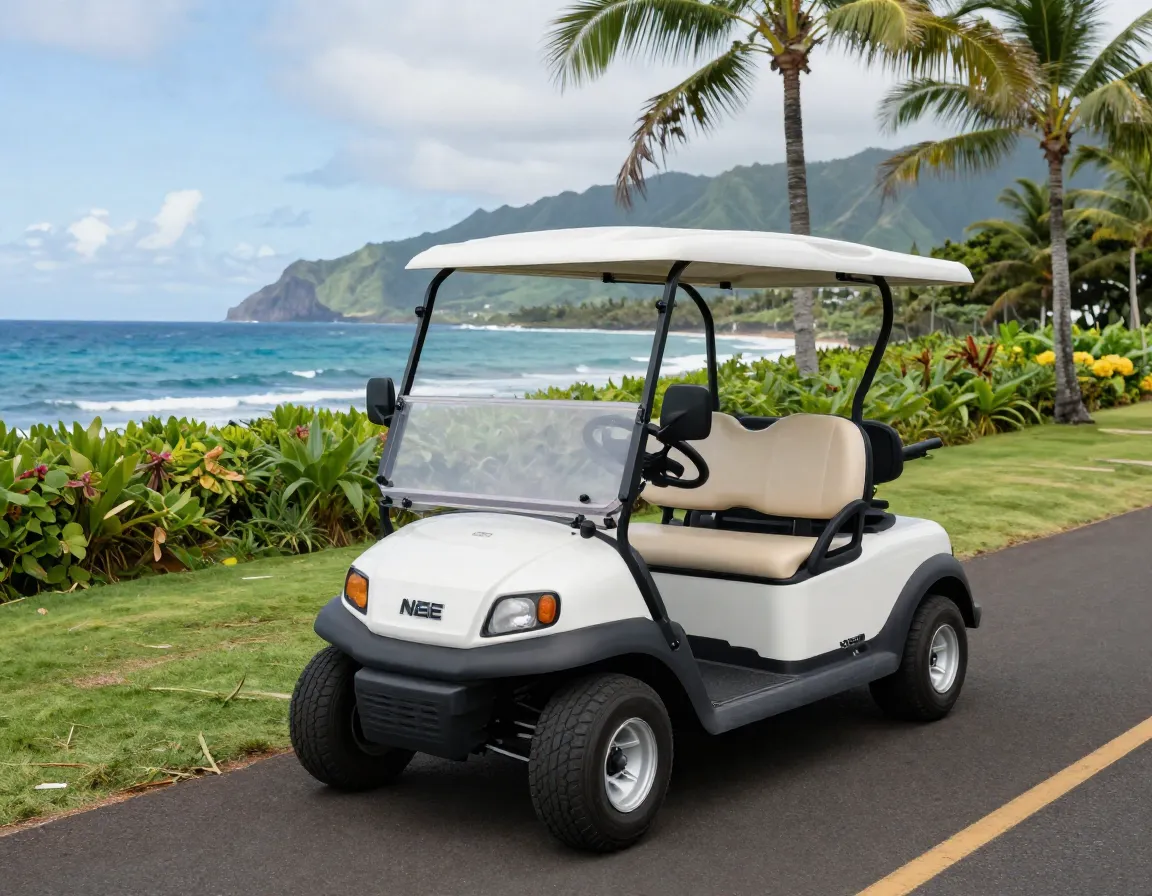
The most fundamental fact about Hawaii golf cart laws is crystal clear: only electric Neighborhood Electric Vehicles (NEVs) that meet federal Low-Speed Vehicle standards can legally operate on public roads [1]. This means your traditional gasoline-powered golf cart, no matter how well-maintained, cannot legally venture beyond private property boundaries.
This regulation aligns perfectly with Hawaii’s broader environmental initiatives and commitment to reducing carbon emissions. Electric NEVs produce zero direct emissions, making them an ideal choice for the islands’ delicate ecosystem.
What qualifies as a street-legal NEV:
- Must be electrically powered
- Meets federal Low-Speed Vehicle standards
- Equipped with all required safety features
- Properly registered and insured
2. Speed Restrictions Keep Everyone Safe
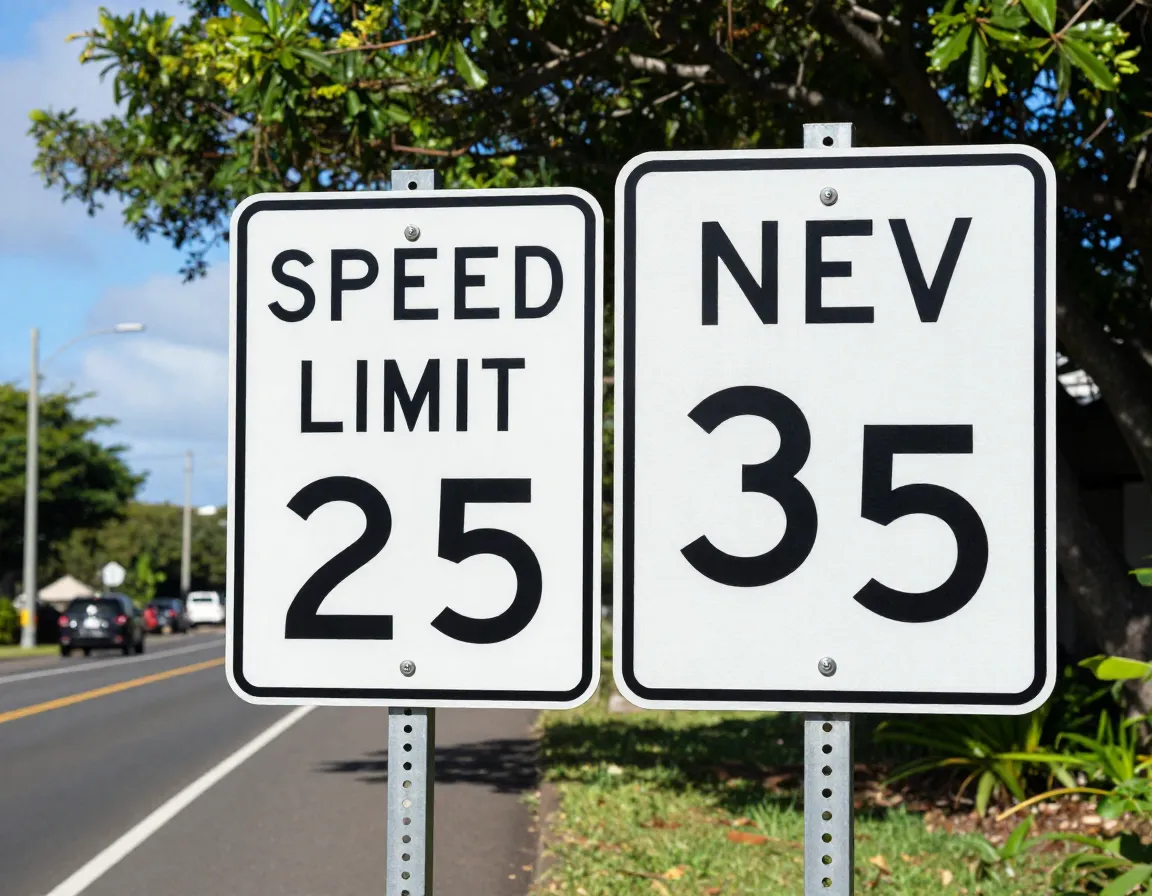
Street-legal NEVs in Hawaii face a strict 25 mph speed limit and can only travel on roads with posted speed limits of 35 mph or below [1]. This regulation ensures that slower-moving golf carts don’t create dangerous situations on faster roadways.
Before planning any street routes, I always recommend checking posted speed limits along your intended path. Many residential areas and resort zones fall within these parameters, but major highways and arterial roads are typically off-limits.
3. Driver’s License Requirements Are Non-Negotiable
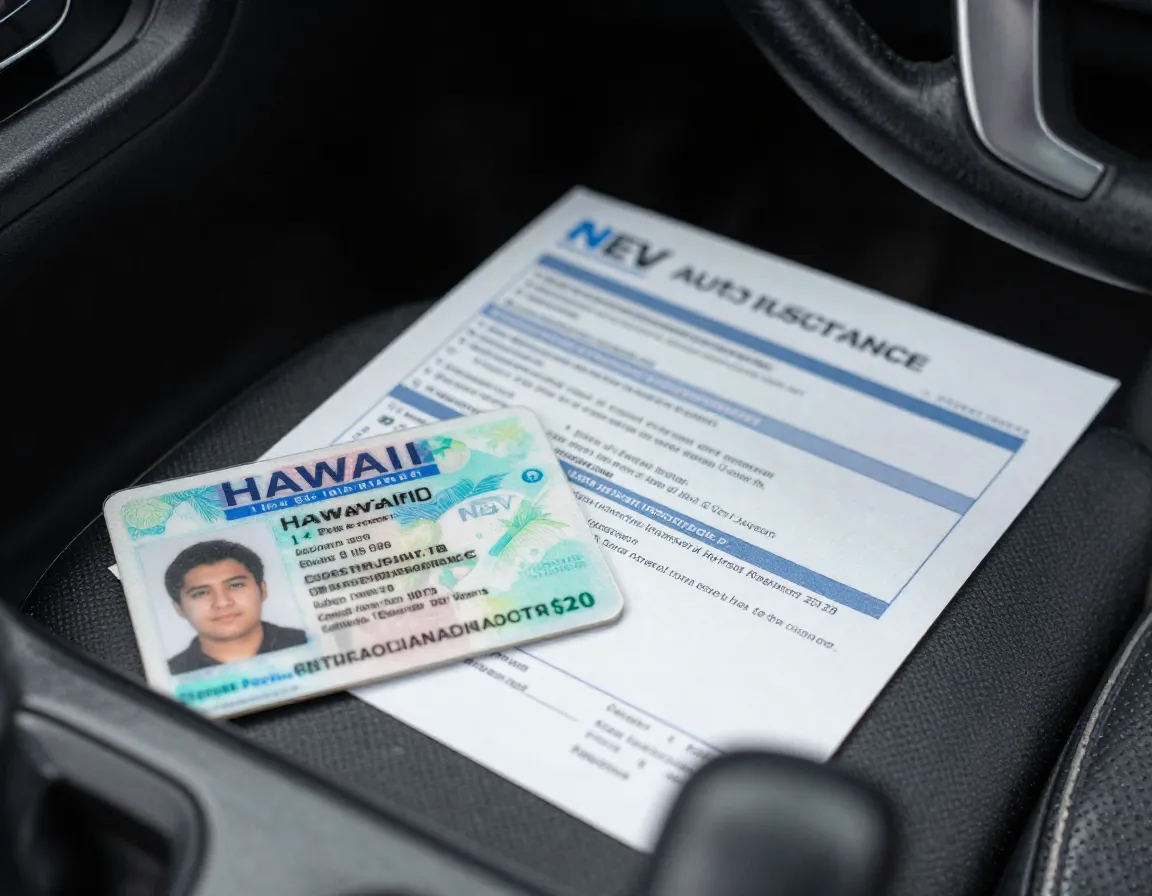
Don’t assume that golf carts require less stringent operator requirements. The driver must be at least 16 years old and hold a valid driver’s license to operate an NEV on public highways [1]. This isn’t just a suggestion – it’s Hawaii state law.
This requirement ensures that only qualified individuals who understand traffic laws and safety procedures operate these vehicles on public roads alongside traditional cars and trucks.
4. Registration and Insurance Mirror Standard Vehicles
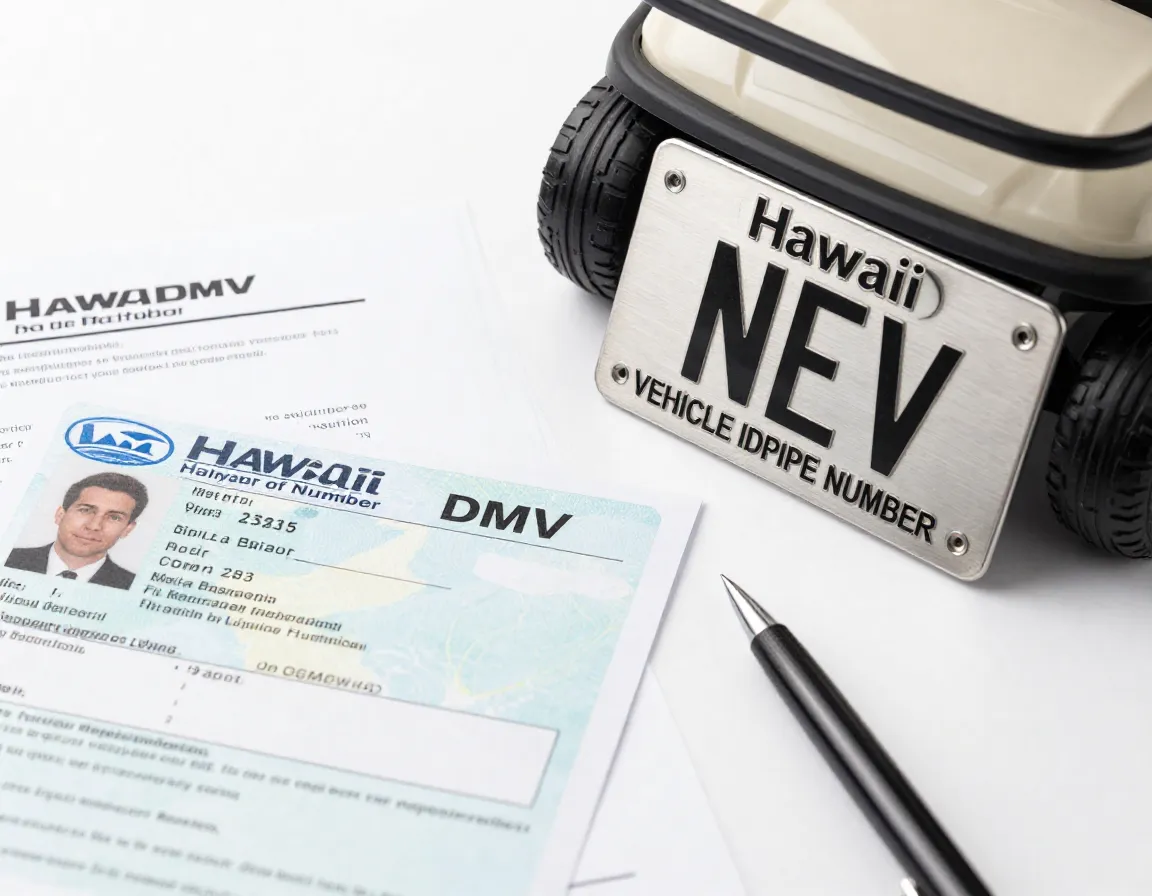
Here’s where many visitors get surprised: NEVs must be registered with the Hawaii DMV with an “NEV” designation and require mandatory auto insurance, just like standard vehicles [1]. You can’t simply drive your golf cart off the resort property without proper documentation.
Required documentation includes:
- Valid NEV registration through Hawaii DMV
- Current auto insurance policy
- Proof of compliance with safety standards
- Valid driver’s license for the operator
5. Safety Equipment Is Mandatory and Comprehensive
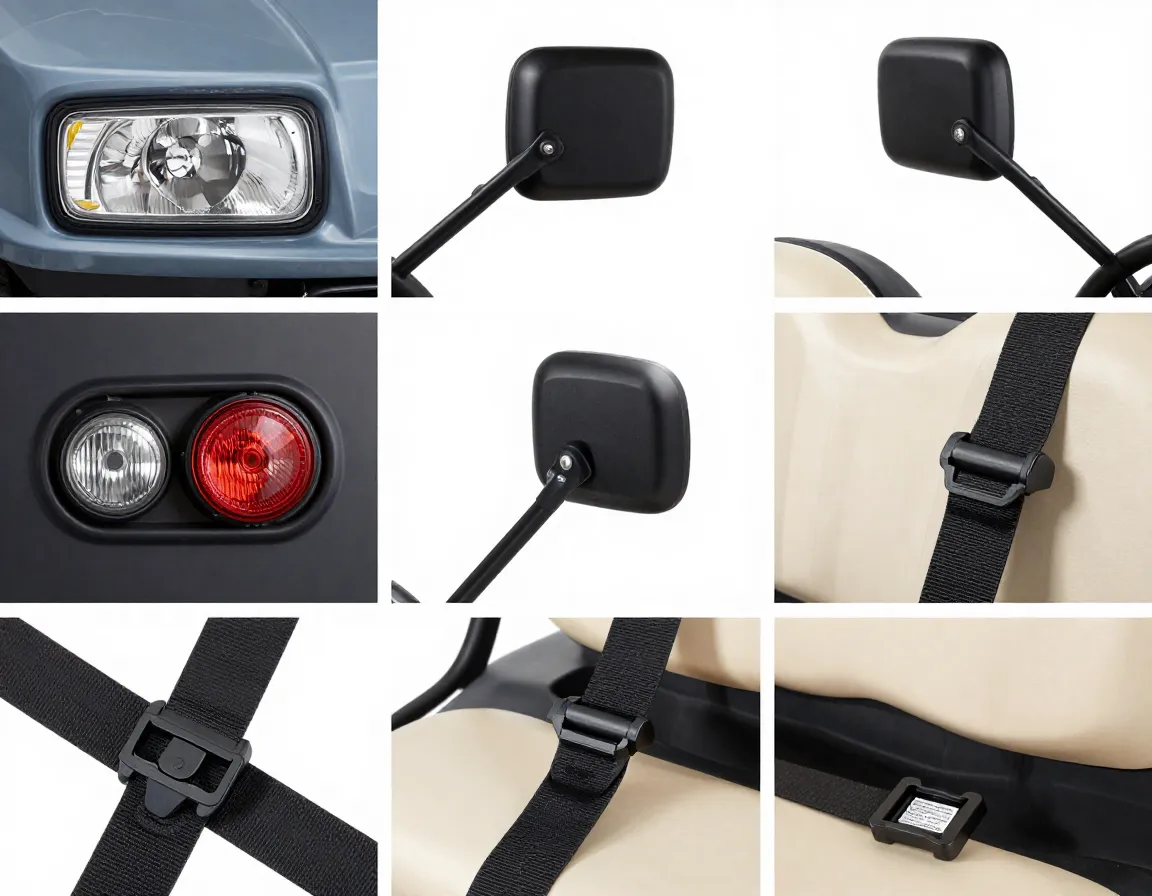
The safety requirements for street-legal golf carts in Hawaii are extensive. NEVs must be equipped with headlights, turn signals, mirrors, seat belts, and a notice of operational restrictions [1]. These aren’t optional accessories – they’re legal requirements that ensure visibility and safety for all road users.
“Hawaii’s comprehensive safety requirements for golf carts demonstrate the state’s commitment to protecting both operators and other road users while maintaining the islands’ unique transportation character.”
Complete safety equipment checklist:
- ✅ Functional headlights and taillights
- ✅ Turn signals (front and rear)
- ✅ Rearview and side mirrors
- ✅ Seat belts for all seating positions
- ✅ Notice of operational restrictions (posted visibly)
- ✅ Horn or warning device
- ✅ Parking brake system
Maximizing Your Golf Cart Experience in Paradise 🌺
Understanding where and how you can use golf carts in Hawaii opens up incredible opportunities for exploring the islands while enjoying your favorite sport.
6. Private Resort Usage Offers Complete Freedom
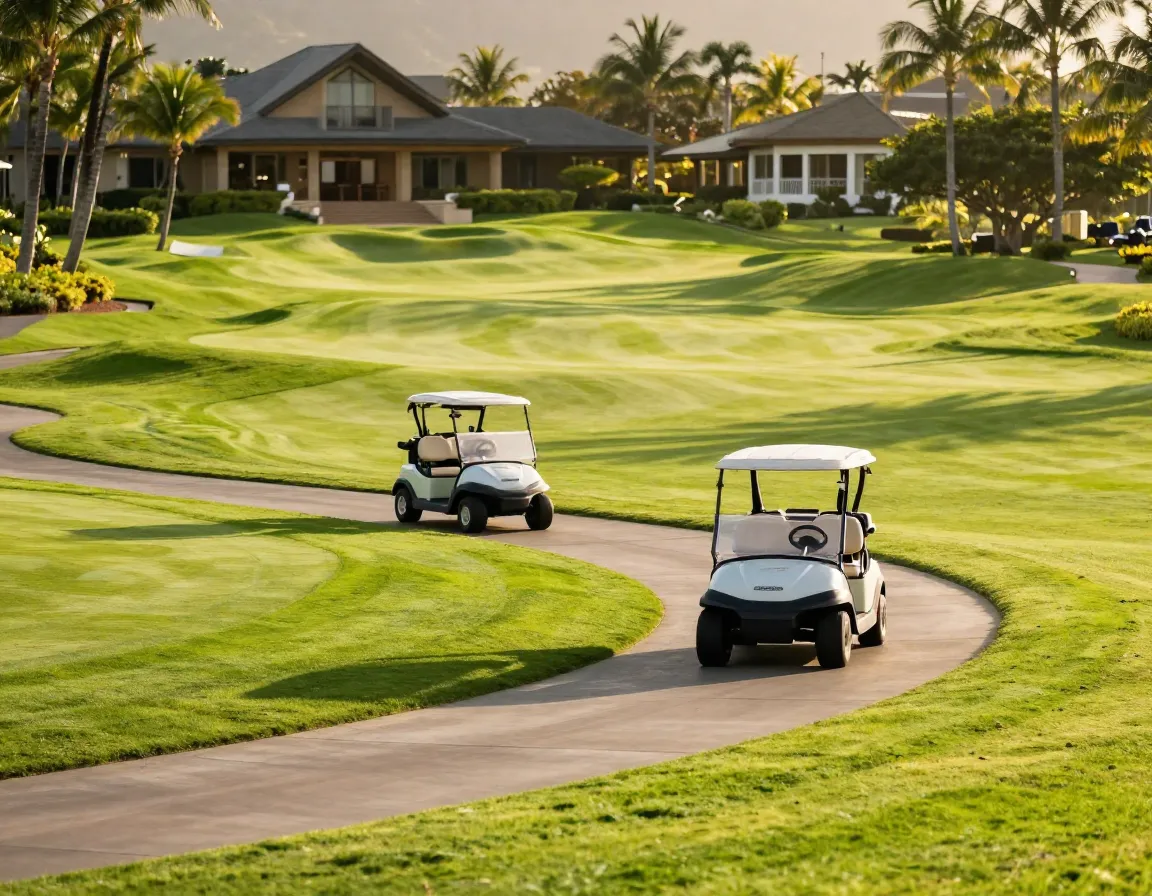
The good news for golf enthusiasts is that golf carts are permitted on private resort property, gated neighborhoods, and designated community pathways that don’t involve public roads [2]. This means once you’re within resort boundaries, you can enjoy the convenience and fun of golf cart transportation without worrying about street-legal requirements.
Most major Hawaiian golf resorts provide their own fleet of well-maintained golf carts, ensuring you have reliable transportation between holes, clubhouses, and resort amenities.
7. Resort Cart Rentals vs. Personal Ownership
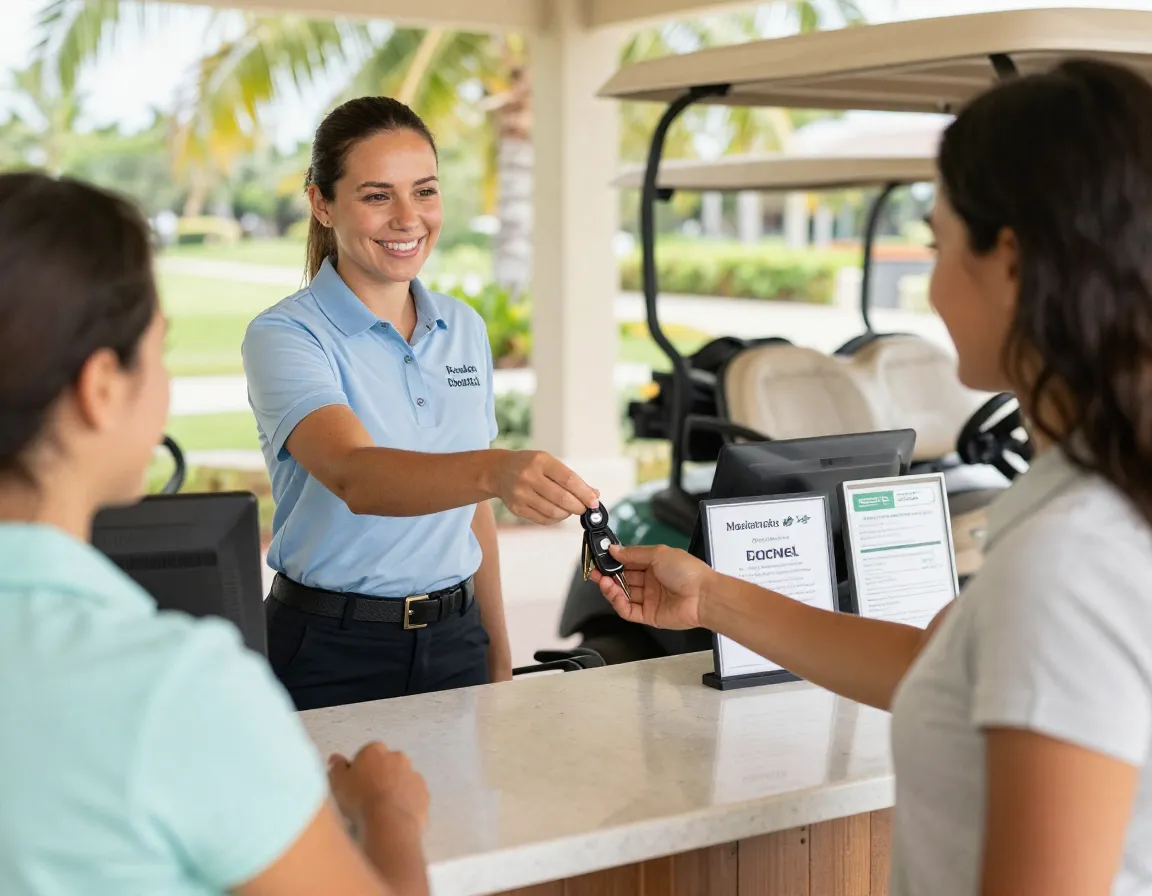
When planning your Hawaiian golf adventure, you’ll need to decide between renting resort carts or bringing/buying your own. Resort rentals offer several advantages:
Resort Cart Rental Benefits:
- No insurance or registration hassles
- Professional maintenance and safety checks
- Familiar with course layout and optimal routes
- Included in many golf packages
- No storage concerns
Personal Ownership Considerations:
- Higher upfront investment
- Ongoing insurance and registration costs
- Storage requirements when not in use
- Maintenance responsibilities
- Greater flexibility for extended stays
8. Best Practices for Golf Cart Etiquette in Hawaii
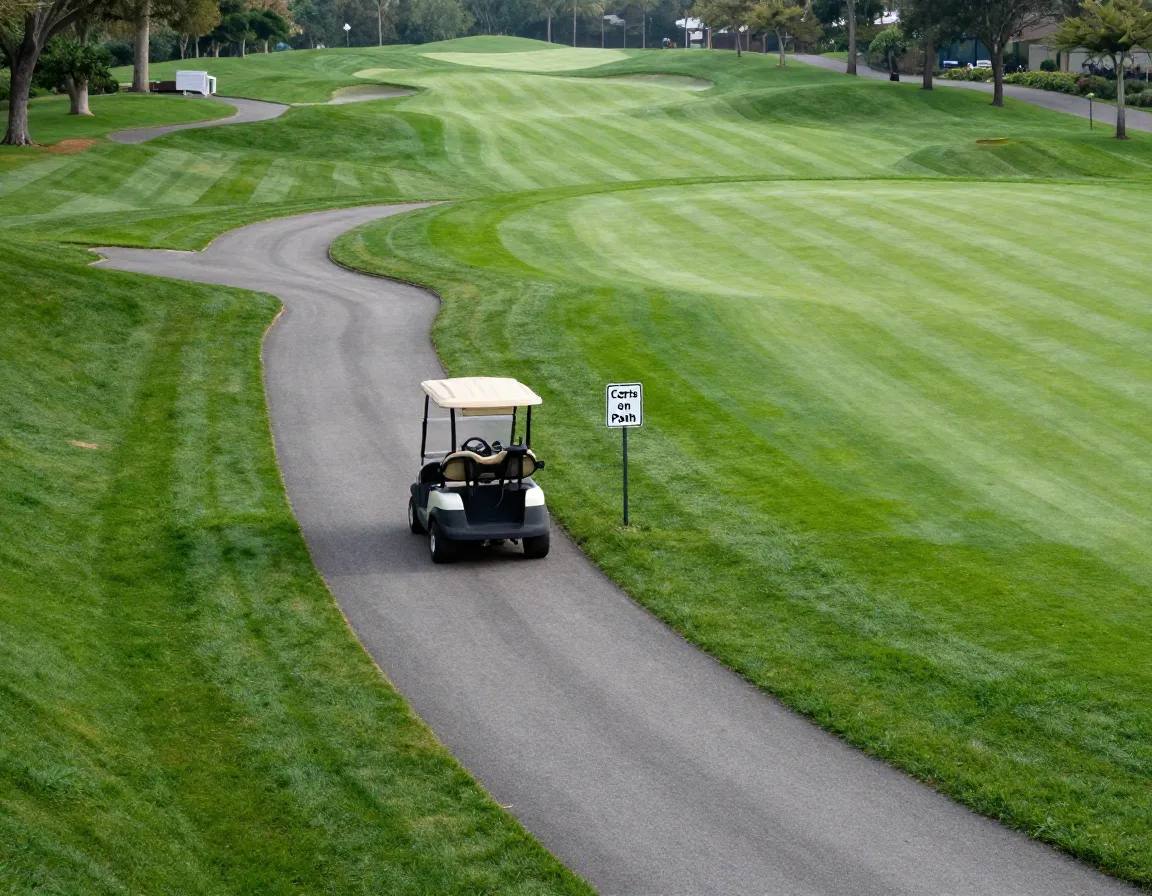
Hawaiian golf courses maintain high standards for course care and player experience. Following proper golf cart etiquette ensures everyone enjoys their round while preserving the pristine conditions these courses are famous for.
Essential golf cart etiquette guidelines:
- Stay on designated cart paths when required
- Follow the 90-degree rule on fairways when permitted
- Avoid wet or soft areas that could damage turf
- Keep carts away from tees and greens (typically 30+ feet)
- Park considerately to avoid blocking other players
- Maintain appropriate pace of play
- Respect wildlife – Hawaii’s courses often feature native birds and marine life
9. Planning Your Perfect Round with These Facts
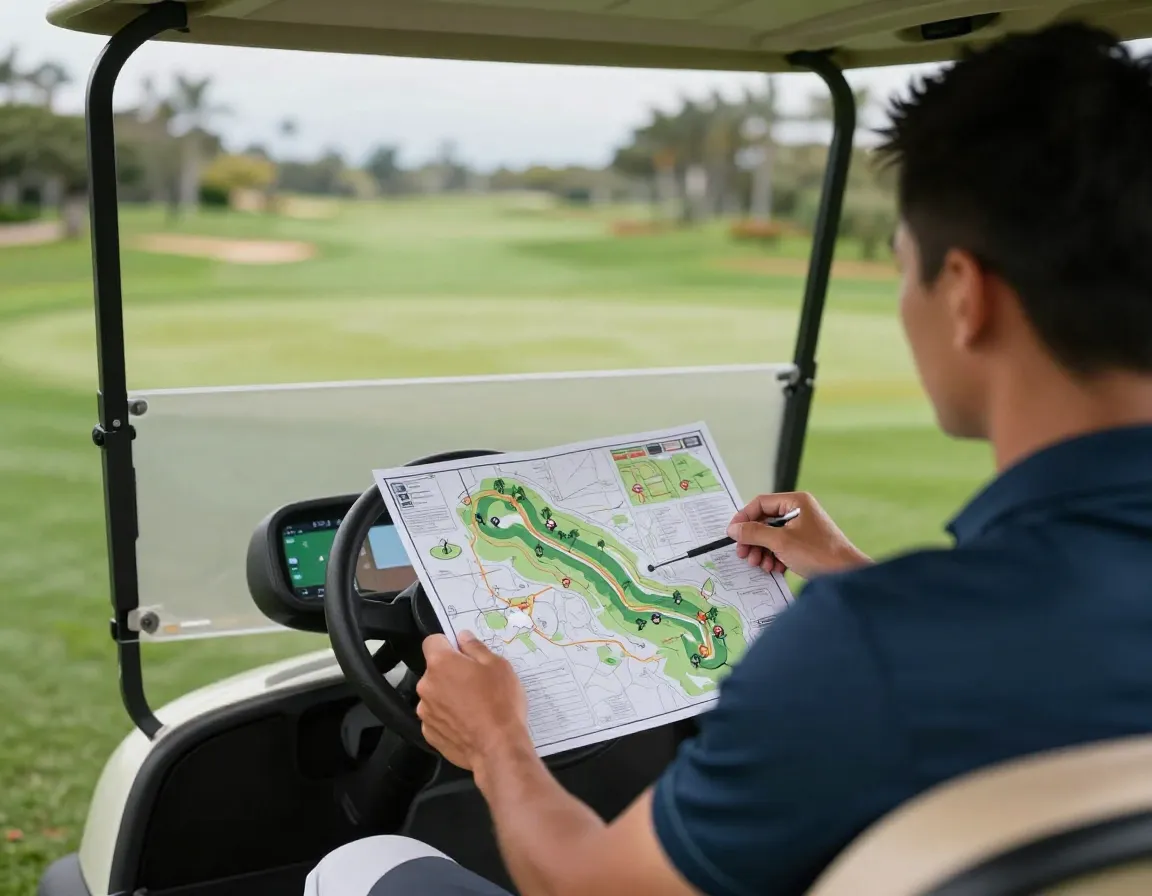
Armed with these 9 Must-Know Facts About Hawaii Golf Carts for a Perfect Round, you can now plan your Hawaiian golf experience with confidence. Whether you’re staying at a luxury resort on Maui, exploring Oahu’s championship courses, or discovering hidden gems on the Big Island, understanding golf cart regulations and opportunities ensures smooth sailing from first tee to 19th hole.
Pre-round planning checklist:
- ✅ Confirm cart availability and type at your chosen course
- ✅ Review course-specific cart rules and restrictions
- ✅ Plan routes if considering street-legal transportation
- ✅ Verify insurance coverage for rental or personal carts
- ✅ Check weather conditions that might affect cart usage
- ✅ Familiarize yourself with course layout and cart path system
Conclusion
These 9 Must-Know Facts About Hawaii Golf Carts for a Perfect Round provide the foundation for an exceptional golfing experience in paradise. From understanding that only electric NEVs can legally navigate public roads to maximizing the freedom offered by private resort properties, this knowledge ensures you’ll spend more time enjoying Hawaii’s world-class golf courses and less time dealing with unexpected complications.
Your next steps should include:
- Research your destination golf courses and their specific cart policies
- Contact resorts directly to confirm cart availability and any special requirements
- Review your travel insurance to ensure coverage for golf cart usage
- Plan your transportation strategy based on whether you’ll stay within resort boundaries or venture onto public roads
Remember, Hawaii’s golf cart regulations exist to protect both you and the islands’ unique environment. By following these guidelines and embracing the aloha spirit, you’re guaranteed to create unforgettable memories on some of the world’s most beautiful golf courses. Whether you’re watching the sunrise over Diamond Head from a Oahu fairway or putting as whales breach in the distance off Maui’s coast, proper golf cart knowledge ensures nothing stands between you and your perfect Hawaiian round.
References
[1] Hawaii – https://golfcartsearch.com/golf-cart-laws/hawaii
[2] Hawaii Golf Cart Laws What You Need To Know Before Driving – https://taraelectricvehicles.com/blog/2025/06/05/hawaii-golf-cart-laws-what-you-need-to-know-before-driving/