9 Key Factors When Selecting the Best Indoor Golf Turf
Picture this: you’re standing in your home office, basement, or garage, imagining the perfect indoor putting green that could transform your golf game year-round. With the indoor golf surface market projected to grow at 5.3% annually through 2033 [2], more golfers than ever are investing in quality indoor practice spaces. However, choosing the right turf can make the difference between a professional-grade training experience and a disappointing investment that doesn’t deliver realistic performance.
Disclosure: This post contains affiliate links. As an Amazon Associate, we earn from qualifying purchases, and at no extra cost to you.
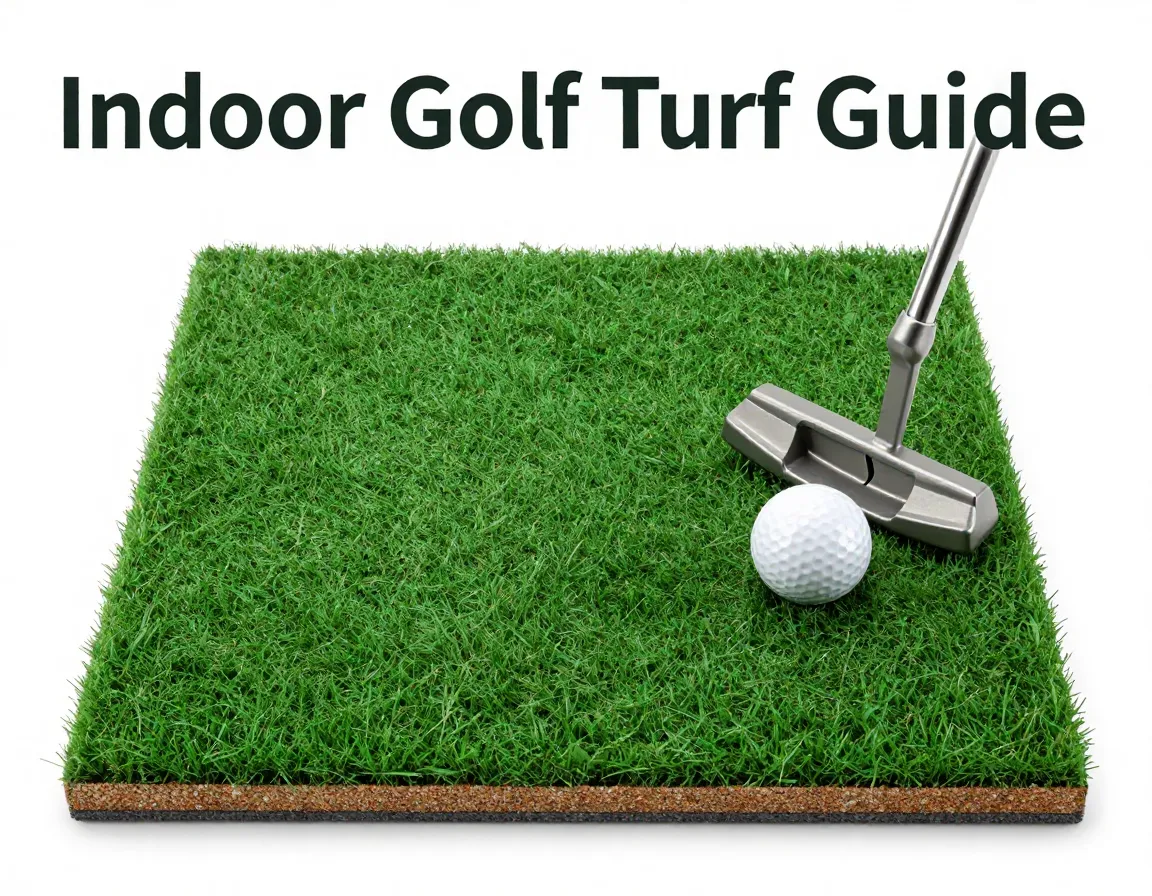
Understanding the 9 Key Factors When Selecting the Best Indoor Golf Turf is crucial for creating an indoor practice space that truly enhances your game. From pile height specifications to fire safety ratings, each factor plays a vital role in ensuring your investment provides years of authentic golf practice.
Key Takeaways
- Pile height should range from 0.375″ to 0.5″ (9.5-12.7mm) for optimal ball roll performance that mimics real golf course conditions
- Nylon fiber construction with 50+ oz/sq yard face weight provides the durability and realistic feel essential for serious practice
- Dual-layer silica sand infill systems (70-80% ultra-fine, 20-30% fine) ensure consistent ball behavior and proper stimp control
- Class 1 fire rating certification is mandatory for safe indoor installation in enclosed spaces
- Physical sample evaluation is essential before purchase to assess actual performance characteristics
Understanding the Foundation: Why These 9 Key Factors When Selecting the Best Indoor Golf Turf Matter
Before diving into the specific factors, it’s important to understand that indoor golf turf isn’t just about aesthetics. The right turf system must replicate the precise conditions you’d experience on a real putting green, providing consistent ball roll, appropriate speed, and realistic feedback for your practice sessions.
Each of the nine factors we’ll explore works together to create a comprehensive indoor golf experience. Compromising on any single element can significantly impact your practice quality and long-term satisfaction with your investment.
The Technical Specifications: Core Factors 1-5
1. Pile Height: The Foundation of Ball Roll Performance
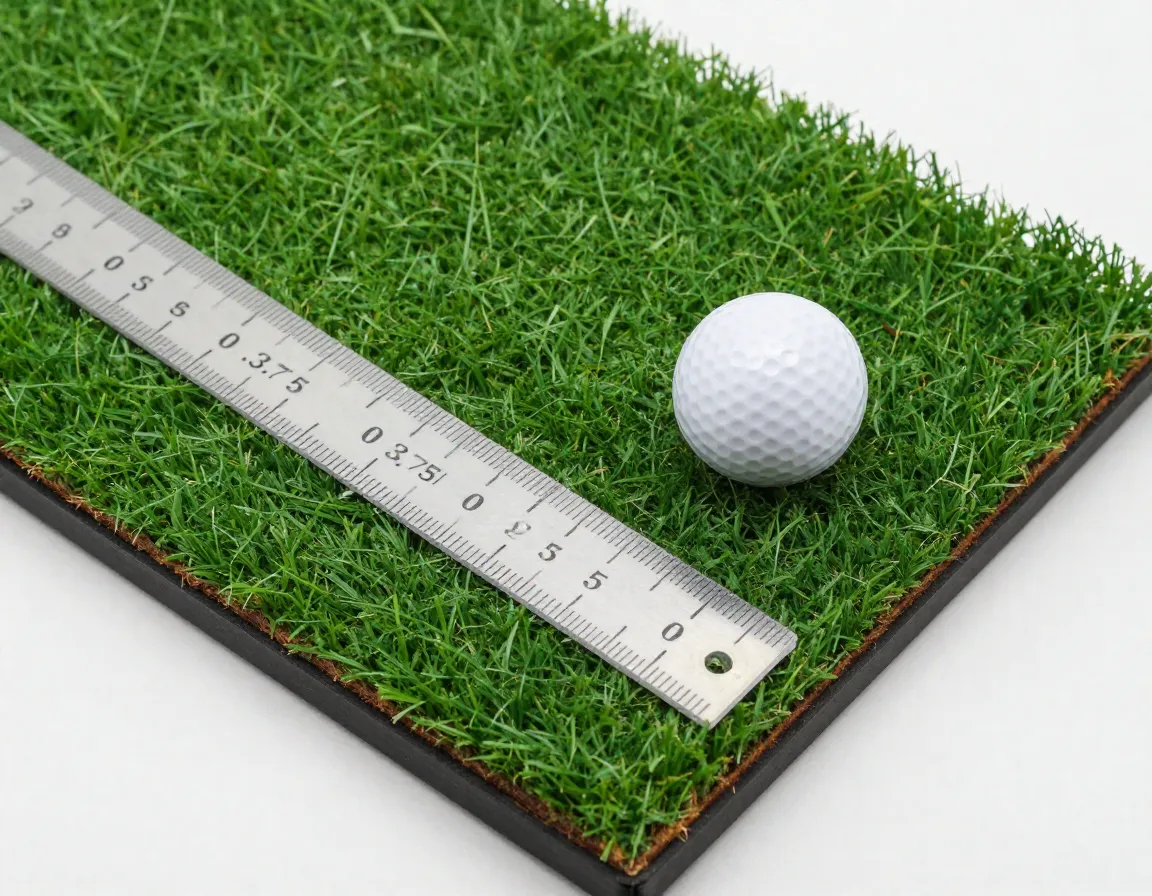
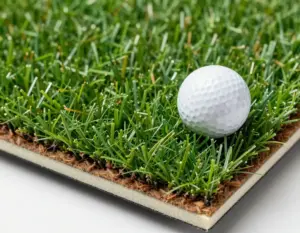
The pile height of your indoor golf turf directly impacts how the ball behaves on the surface. Indoor putting green turf typically ranges from 10-12 mm (0.375″ to 0.5″) [1]. This shorter pile height is crucial because it ensures the ball rolls true and mimics real golf course performance.
Taller grass causes the ball to sink, creating unrealistic conditions that won’t improve your actual putting skills. When evaluating pile height:
- Optimal range: 0.375″ to 0.5″ (9.5-12.7mm)
- Avoid: Turf with pile heights above 0.5″
- Test: Roll balls across samples to feel the difference
2. Fiber Material: Nylon as the Gold Standard
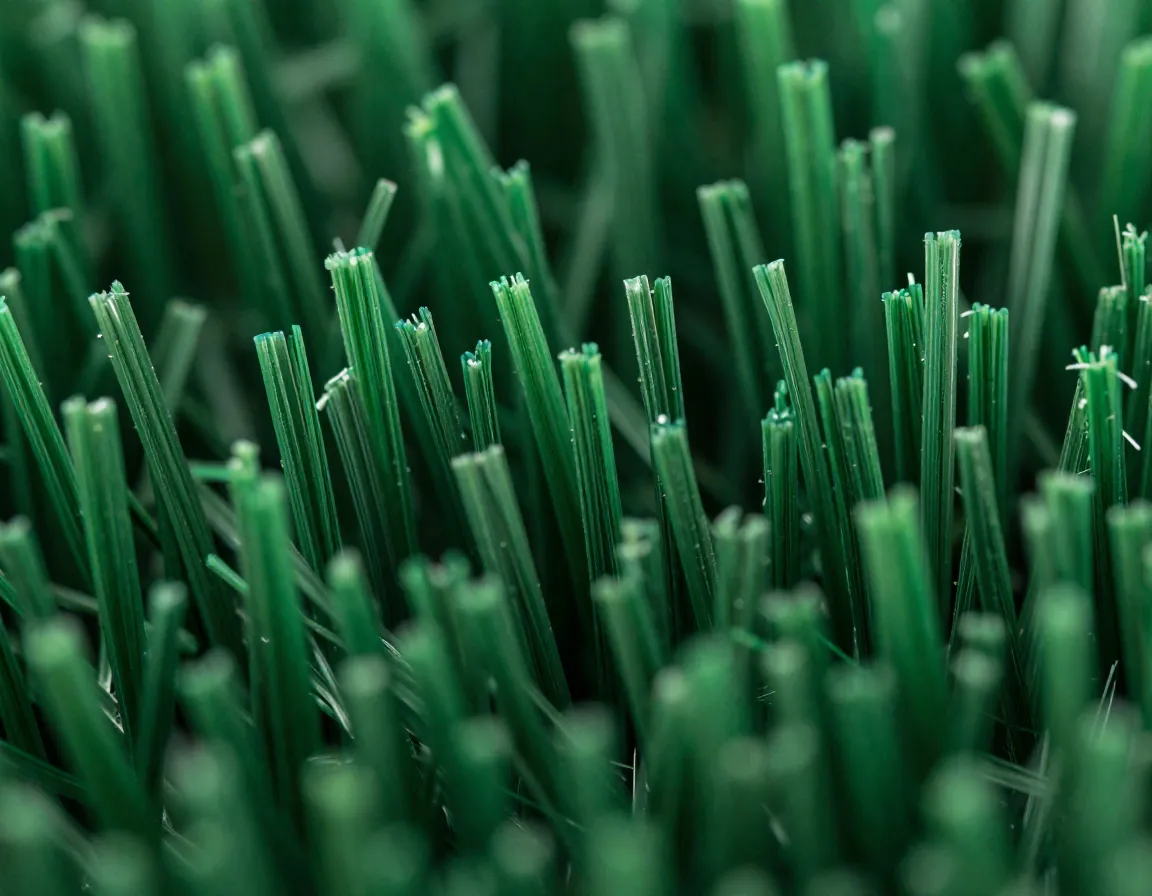
High-quality nylon or polyethylene fibers are the recommended material for indoor golf surfaces due to superior durability and realistic feel [2]. Nylon is described as “the gold standard for golf course surfaces” by landscape design experts [2].
The fiber material affects:
- Durability: How well the turf withstands repeated use
- Feel: The tactile experience under your feet and club
- Performance: Ball interaction and roll consistency
- Safety: Fire resistance and indoor air quality
3. Face Weight: Measuring Fiber Density
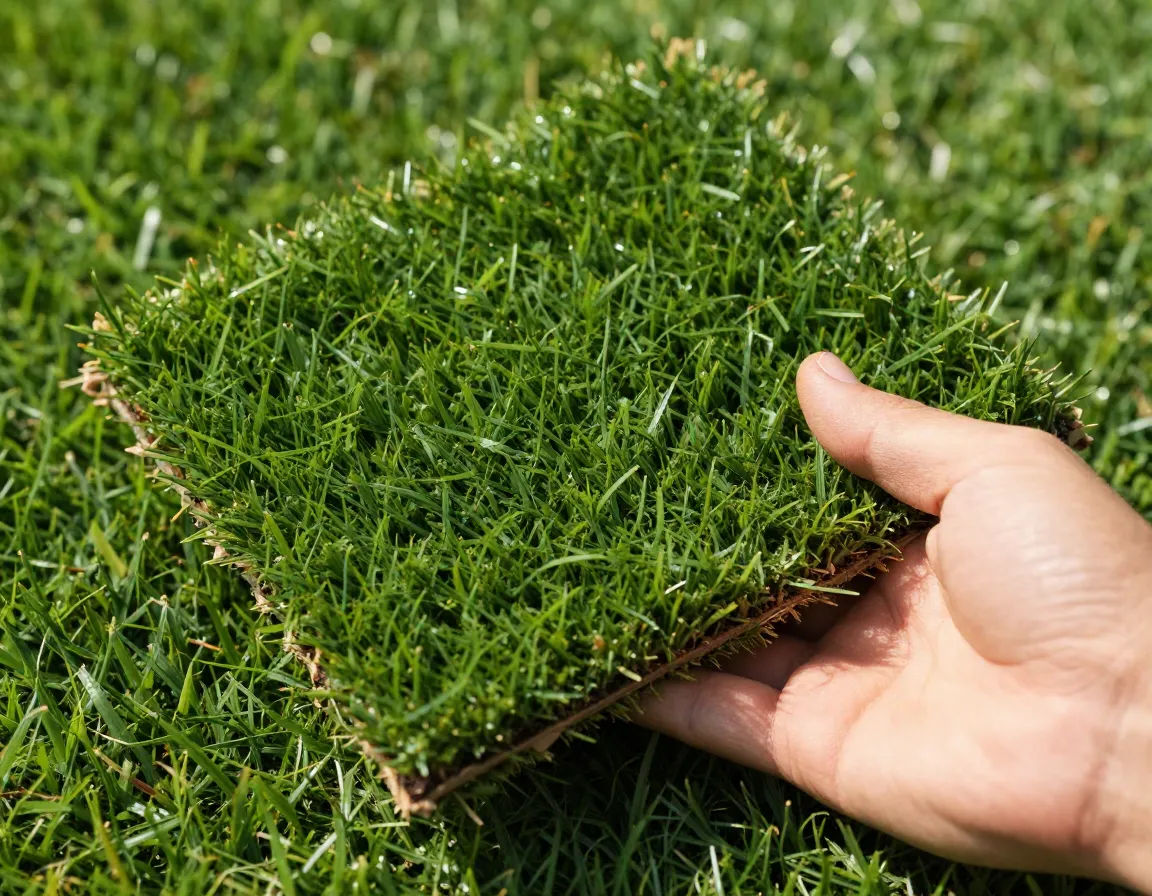
Face weight indicates the density of fibers in your turf, measured in ounces per square yard. Higher face weight indicates greater fiber density and durability, with 50+ oz/sq yard as the target minimum for putting greens [2][4].
Recommended face weight specifications:
- Minimum: 50 oz/sq yard
- Optimal range: 50-71 oz/sq yard
- Premium options: 60+ oz/sq yard
Higher face weight means:
- More durable surface
- Better ball roll consistency
- Longer lifespan
- More realistic feel
4. Fire Safety Rating: Essential for Indoor Use
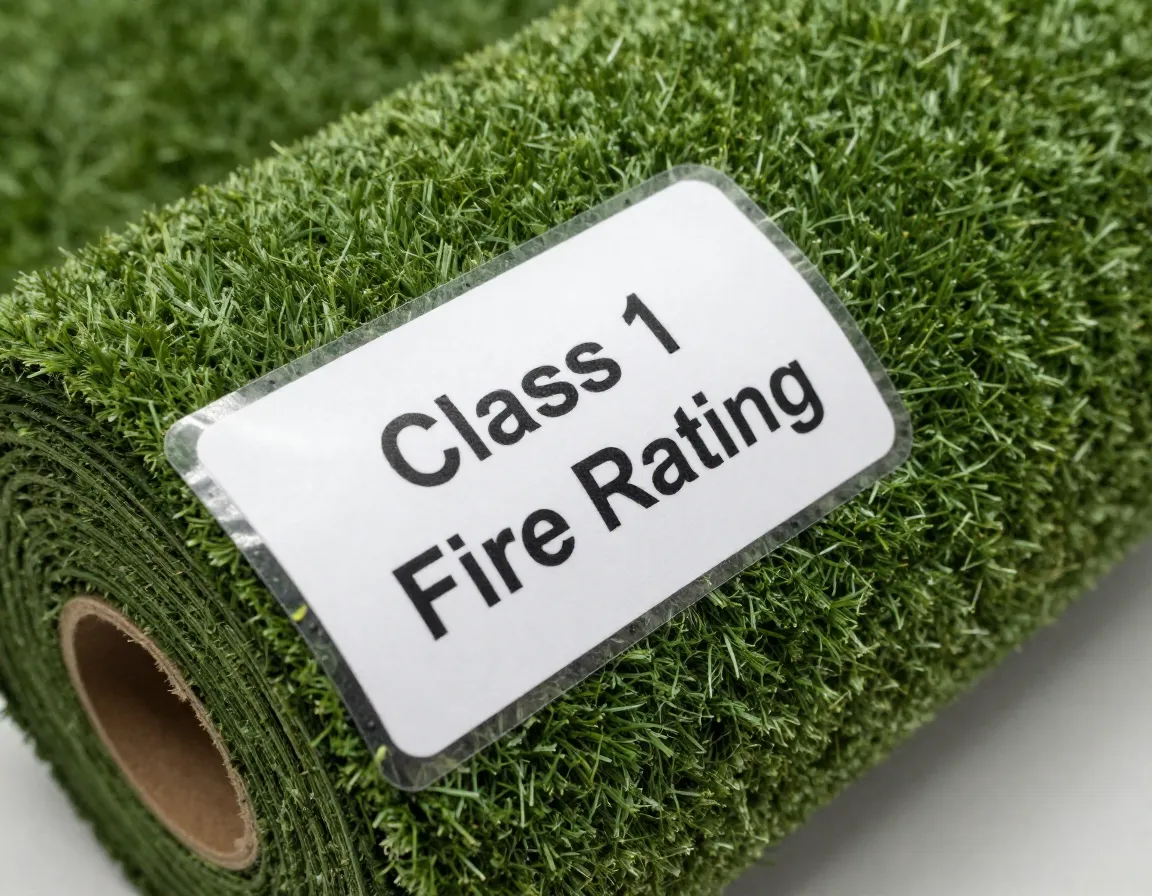
Indoor putting green turf should have Class 1 fire rating certification [3]. This safety feature is particularly important for enclosed indoor spaces where fire safety is paramount.
Nylon turf specifically offers Class 1 fire rating safety benefits, making it the preferred choice for:
- Basement installations
- Home office putting greens
- Commercial indoor golf facilities
- Any enclosed practice space
5. Backing Material: Stability and Installation Foundation
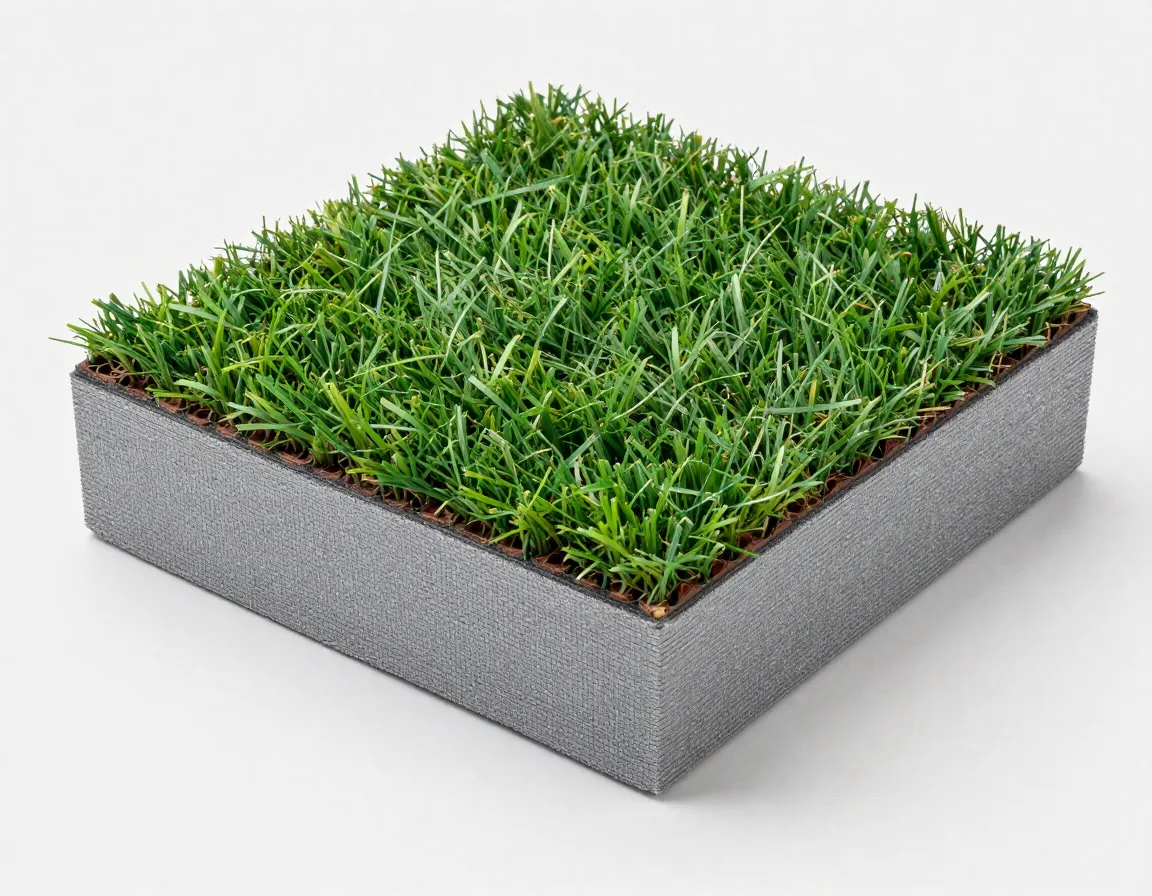
The backing material is essential for providing stability and facilitating proper installation [2]. This often-overlooked component ensures the turf remains securely in place during use and affects overall durability.
Quality backing materials provide:
- Dimensional stability
- Proper drainage (if needed)
- Easy installation
- Long-term performance
- Resistance to curling or bunching
Performance and Customization: Factors 6-9
6. Infill System: The Science of Ball Roll
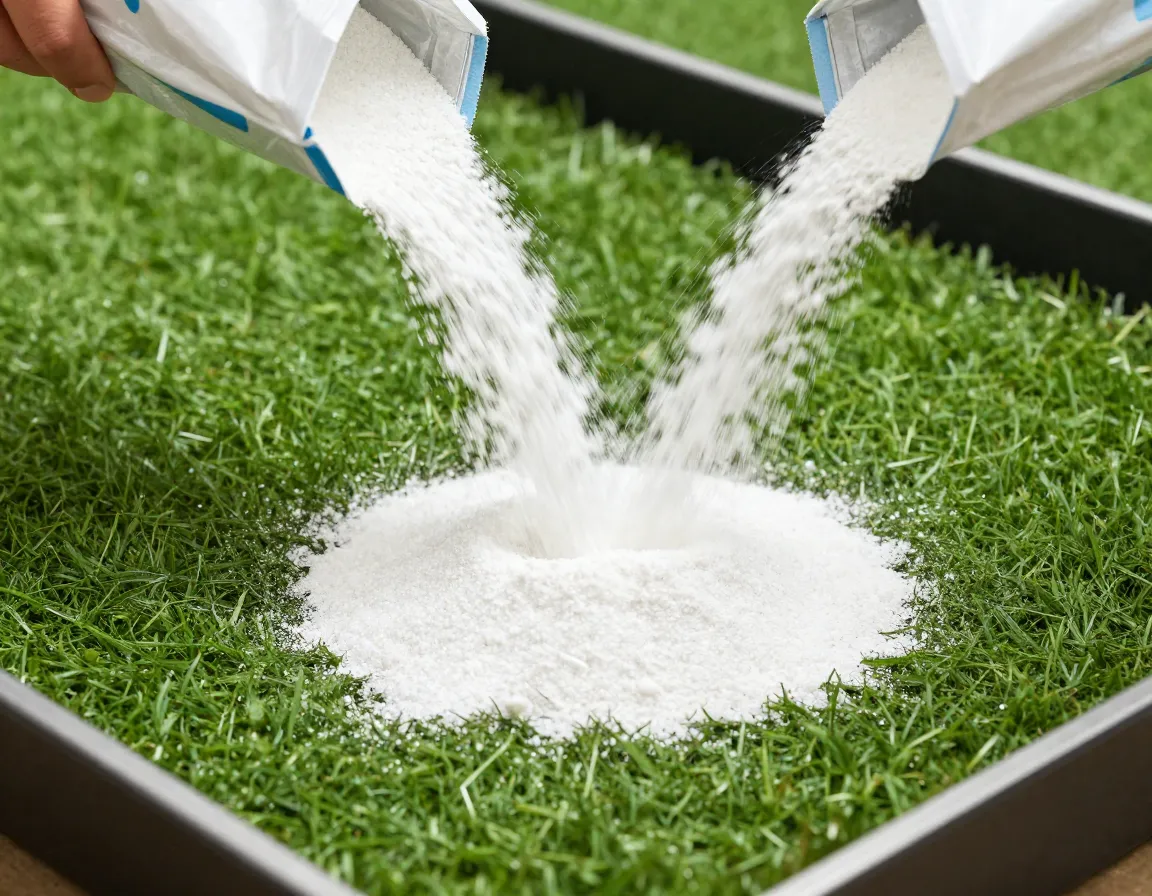
The optimal infill composition is 70-80% ultra-fine silica sand (50-120 mesh) and 20-30% fine silica sand (16-30 mesh) [1]. This dual-layer system provides “true roll” and stimp control for consistent ball performance.
The infill system affects:
- Ball speed: How fast balls roll across the surface
- Consistency: Uniform performance across the entire green
- Durability: Protection for the turf fibers
- Maintenance: Ease of cleaning and upkeep
Infill composition breakdown:
- 70-80% ultra-fine silica sand (50-120 mesh)
- 20-30% fine silica sand (16-30 mesh)
- Optional: Antimicrobial treatments for indoor use
7. Ball Roll Performance: The Ultimate Test
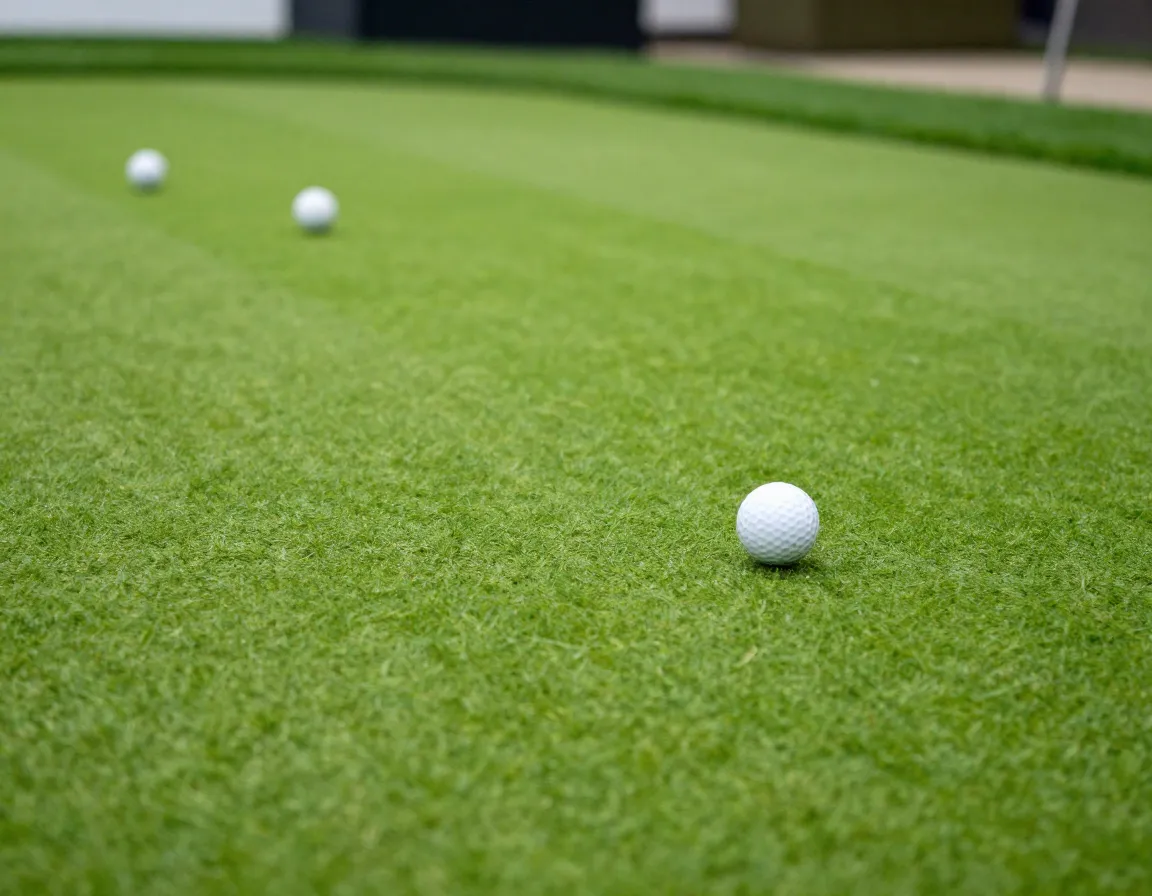
High-quality indoor turf should replicate the feel and performance of natural grass with consistent and true ball roll characteristics [2][4]. This is perhaps the most critical evaluation factor when assessing potential turf options.
Key performance indicators:
- Consistency: Balls should roll the same distance with identical putts
- Speed: Should match your target practice conditions
- Direction: No unexpected breaks or deflections
- Feel: Realistic feedback through the putter
8. Customization Options: Tailoring to Your Space
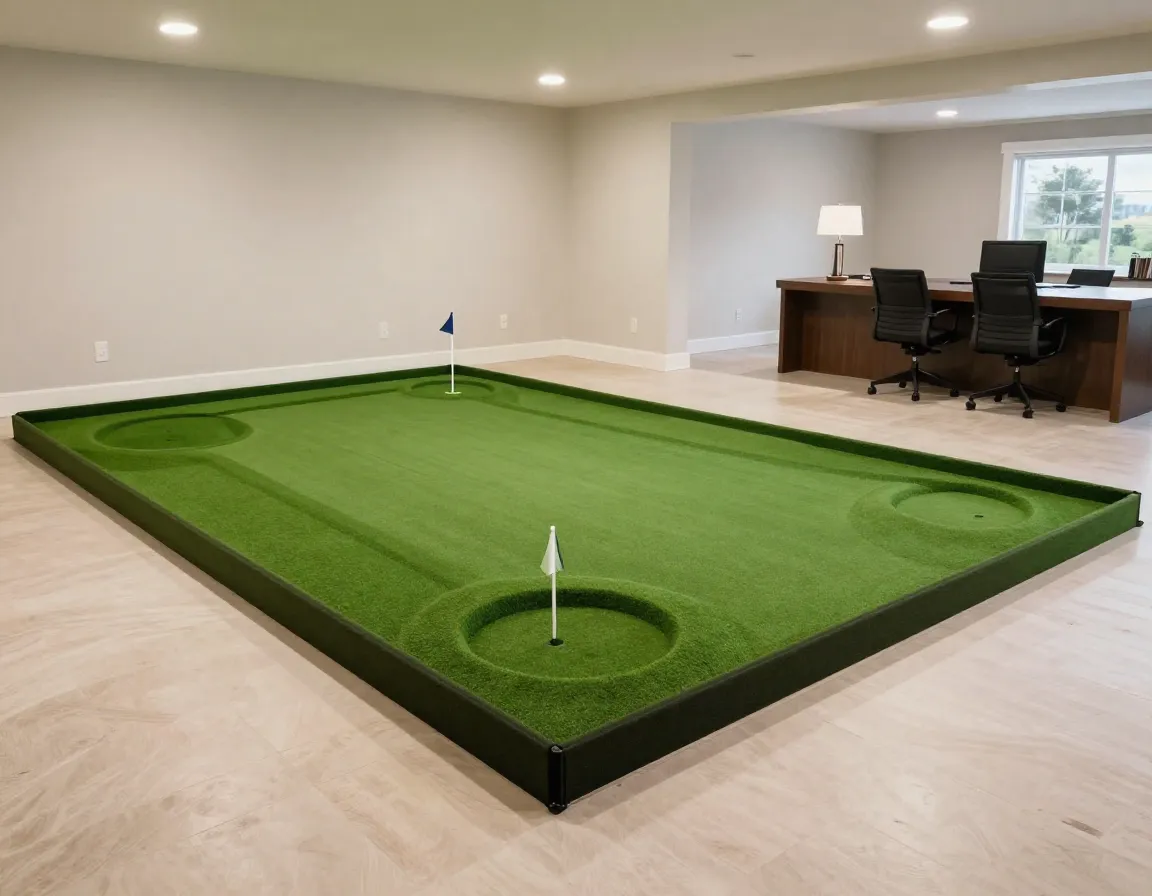
Premium indoor putting green systems offer customizable sizes, designs, adjustable holes, and alignment aids that can seamlessly integrate into any home space [2]. Consider these customization factors:
Size options:
- Standard sizes: 3×9, 4×12, 6×12 feet
- Custom dimensions for unique spaces
- Modular systems for flexibility
Design features:
- Multiple hole locations
- Break and slope options
- Alignment guides
- Ball return systems
Integration elements:
- Border options
- Color variations
- Logo or personalization
- Accessories and storage
9. Supplier Support and Expertise: Beyond the Product
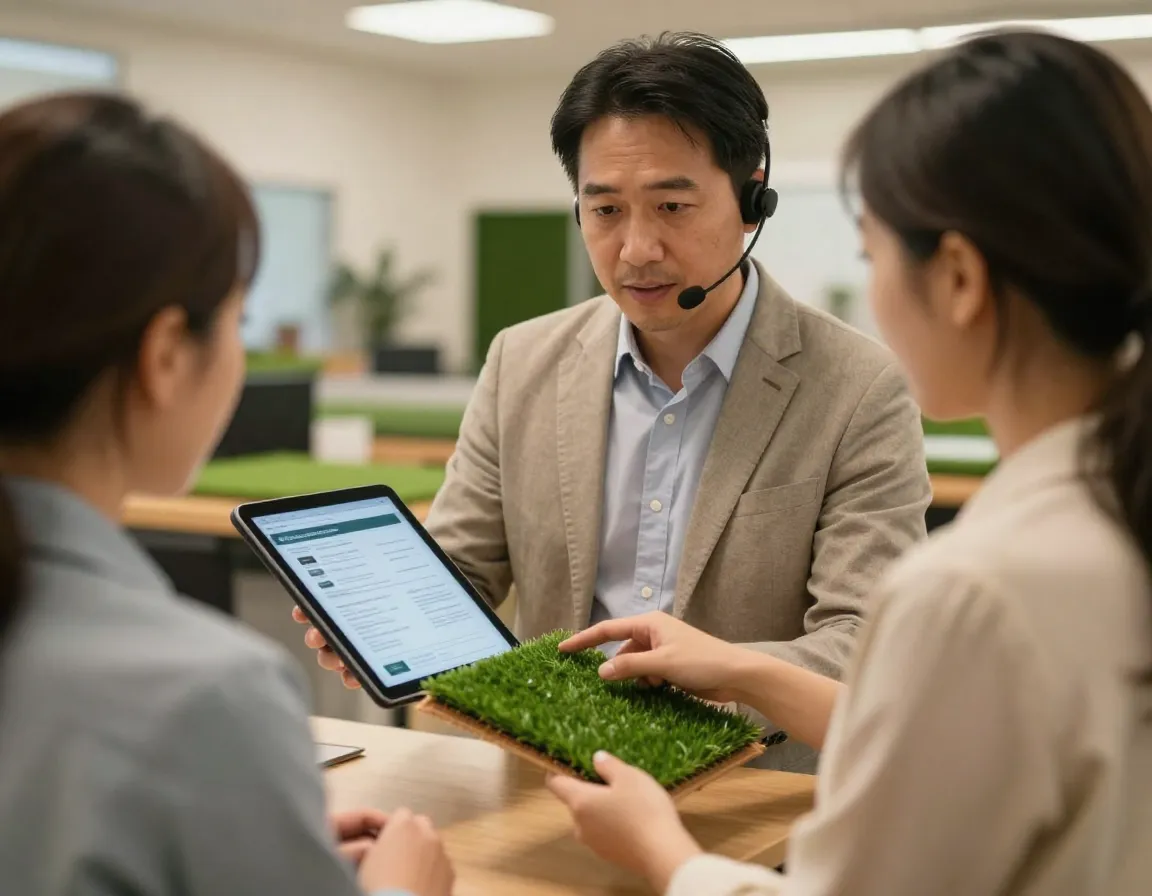
Selection should consider three interconnected factors: turf quality, installer expertise with verified portfolios, and supplier support including warranty coverage and maintenance guidance [4].
Essential supplier considerations:
- Warranty coverage: Length and what’s included
- Installation support: Professional installation or detailed DIY guidance
- Maintenance guidance: Cleaning and care instructions
- Sample availability: Physical samples for testing
- Customer service: Ongoing support and troubleshooting
Making the Right Choice: Evaluation Process
Physical Sample Testing
No image conveys fiber density, underfoot feel, or ball roll quality like hands-on evaluation [4]. Always request physical turf samples before purchasing to assess actual performance characteristics.
When testing samples:
- Roll multiple balls across the surface
- Feel the texture with your hands and feet
- Check pile height with a ruler
- Assess fiber quality by examining individual strands
- Test durability by walking on the sample
Installation Considerations
Whether you’re planning DIY installation or hiring professionals, consider:
- Subfloor preparation requirements
- Tools and materials needed
- Installation timeline
- Professional vs. DIY complexity
- Local building codes and permits
Long-Term Value and Maintenance
Durability Expectations
High-quality indoor putting turf from established manufacturers maintains quality over time, with users reporting impressive lifespan and resilience [2]. Proper selection of the 9 key factors ensures:
- 5-10 year lifespan with regular use
- Minimal maintenance requirements
- Consistent performance over time
- Cost-effective long-term investment
Maintenance Requirements
Quality indoor golf turf requires minimal maintenance:
- Regular vacuuming to remove debris
- Occasional brushing to maintain pile direction
- Infill redistribution as needed
- Spot cleaning for spills or stains
Conclusion
Selecting the best indoor golf turf requires careful consideration of all 9 Key Factors When Selecting the Best Indoor Golf Turf. From the technical specifications like pile height (0.375″ to 0.5″) and nylon fiber construction to performance elements like dual-layer infill systems and ball roll consistency, each factor contributes to creating an authentic practice experience.
The investment in quality indoor golf turf pays dividends in improved practice sessions, year-round accessibility, and long-term durability. With the indoor golf market growing at 5.3% annually, now is an excellent time to invest in a system that will enhance your game for years to come.
Your next steps:
- Request physical samples from reputable suppliers
- Measure your available space and consider customization options
- Evaluate your budget against long-term value
- Test samples thoroughly using the criteria outlined above
- Choose a supplier with strong support and warranty coverage
Remember, the best indoor golf turf is one that meets all nine factors while fitting your specific space, budget, and performance requirements. Take time to evaluate each factor carefully – your golf game will thank you for the investment in quality.
References
[1] How To Choose Golf Turf Putting Green – https://www.mightygrass.com/how-to-choose-golf-turf-putting-green/
[2] 10 Best Indoor Putting Turf Options For Home Golfers – https://hallturf.com/10-best-indoor-putting-turf-options-for-home-golfers/
[3] The Best Putting Green Turf – https://www.flooringinc.com/blog/the-best-putting-green-turf
[4] Putting Green Companies – https://turffactorydirect.com/blog/putting-green-companies/