Build Your Own Fun: 7 Creative Mini Backyard Golf Course Layouts
Picture this: weekend afternoons filled with laughter, friendly competition, and the satisfying sound of a golf ball rolling into the cup—all without leaving the comfort of your own backyard. Build Your Own Fun: 7 Creative Mini Backyard Golf Course Layouts transforms ordinary outdoor spaces into extraordinary entertainment destinations that bring families together and create lasting memories. 🏌️♂️
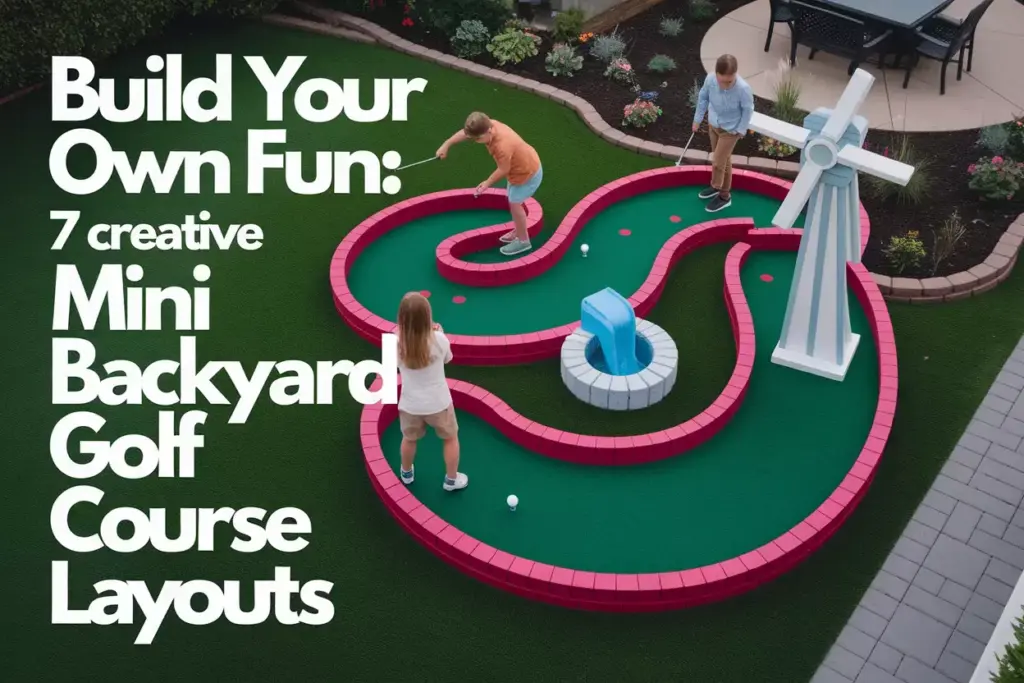
Creating a backyard mini golf course isn’t just about recreation; it’s about crafting an experience that combines creativity, engineering, and pure enjoyment. Whether working with a compact patio or sprawling lawn, these innovative layouts prove that size doesn’t limit imagination when it comes to designing the perfect putting paradise.
Key Takeaways
- Space efficiency: Creative layouts maximize entertainment value regardless of backyard size
- Budget-friendly construction: Most designs use affordable, readily available materials
- Family engagement: Projects encourage collaboration and provide ongoing entertainment
- Customization potential: Each layout adapts to specific space constraints and personal preferences
- Skill development: Courses challenge players of all ages while improving hand-eye coordination
Planning Your Backyard Mini Golf Adventure
Before diving into specific Build Your Own Fun: 7 Creative Mini Backyard Golf Course Layouts, successful projects begin with thoughtful preparation. The foundation of any great mini golf course lies in understanding the available space, budget constraints, and intended users.
Essential Planning Considerations
Space Assessment forms the cornerstone of effective course design. Measure the available area carefully, noting existing features like trees, flower beds, or patio furniture that could become incorporated obstacles or require navigation around. Even small spaces of 10×15 feet can accommodate 3-4 creative holes when designed efficiently.
Budget Planning keeps projects realistic and achievable. Basic materials including artificial turf, PVC pipes, plywood, and paint typically cost between $200-500 for a complete course. Advanced features like water elements or electronic components increase costs but add spectacular entertainment value.
Player Demographics influence design complexity and safety considerations. Courses designed primarily for young children benefit from shorter holes and simpler obstacles, while family-oriented designs incorporate varying difficulty levels to challenge different skill sets.
Material Selection and Sourcing
| Material Type | Primary Use | Cost Range | Durability |
|---|---|---|---|
| Artificial Turf | Playing surface | $2-8 per sq ft | 5-10 years |
| PVC Pipes | Borders, obstacles | $1-3 per foot | 10+ years |
| Plywood | Ramps, platforms | $20-40 per sheet | 3-7 years |
| Outdoor Paint | Decoration, marking | $15-30 per gallon | 2-5 years |
Weather resistance becomes crucial for outdoor installations. Choose materials specifically rated for exterior use, including UV-resistant paints and galvanized hardware that withstand seasonal temperature fluctuations and precipitation.
Creative Layout Designs That Transform Backyards
The magic of Build Your Own Fun: 7 Creative Mini Backyard Golf Course Layouts lies in their ability to transform mundane outdoor spaces into engaging entertainment venues. Each design offers unique challenges while accommodating different space configurations and skill levels.
1. The Classic Windmill Challenge
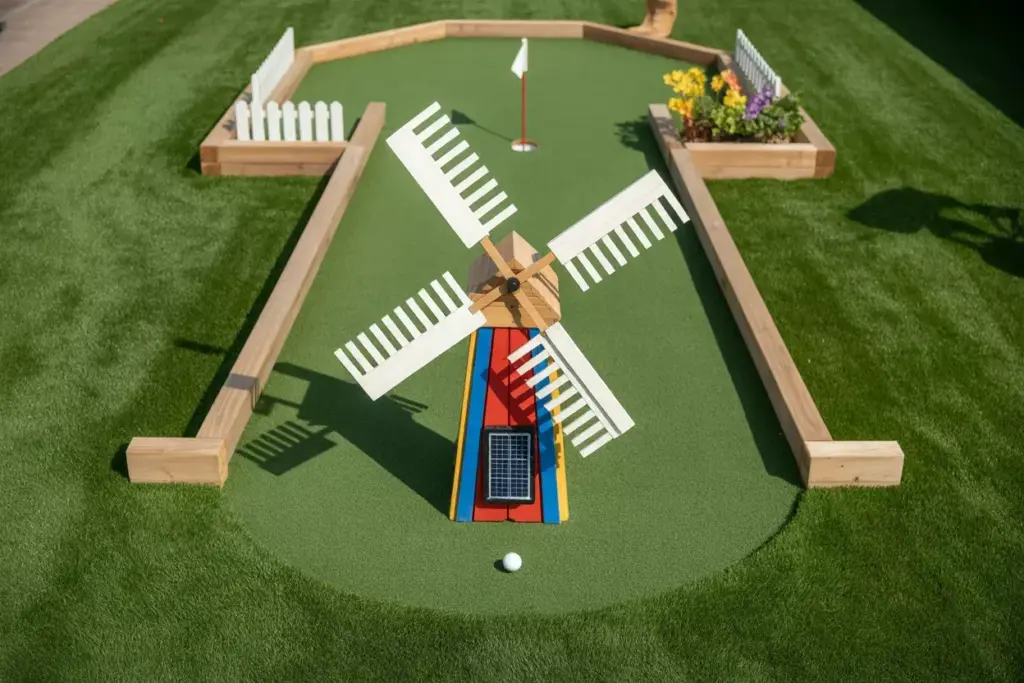
This timeless design features a rotating windmill obstacle that requires precise timing and patience. Construct the base using a 4×8 foot artificial turf section with raised borders created from 2×4 lumber. The windmill itself utilizes a small motor (solar-powered options work excellently) connected to lightweight wooden blades that rotate continuously.
Construction highlights include positioning the tee area 8-10 feet from the windmill, creating multiple approach angles. The cup sits directly behind the obstacle, requiring players to time their putts between the rotating blades. Add visual appeal with bright paint colors and decorative elements like flowers or small fencing.
2. The Spiral Summit Adventure
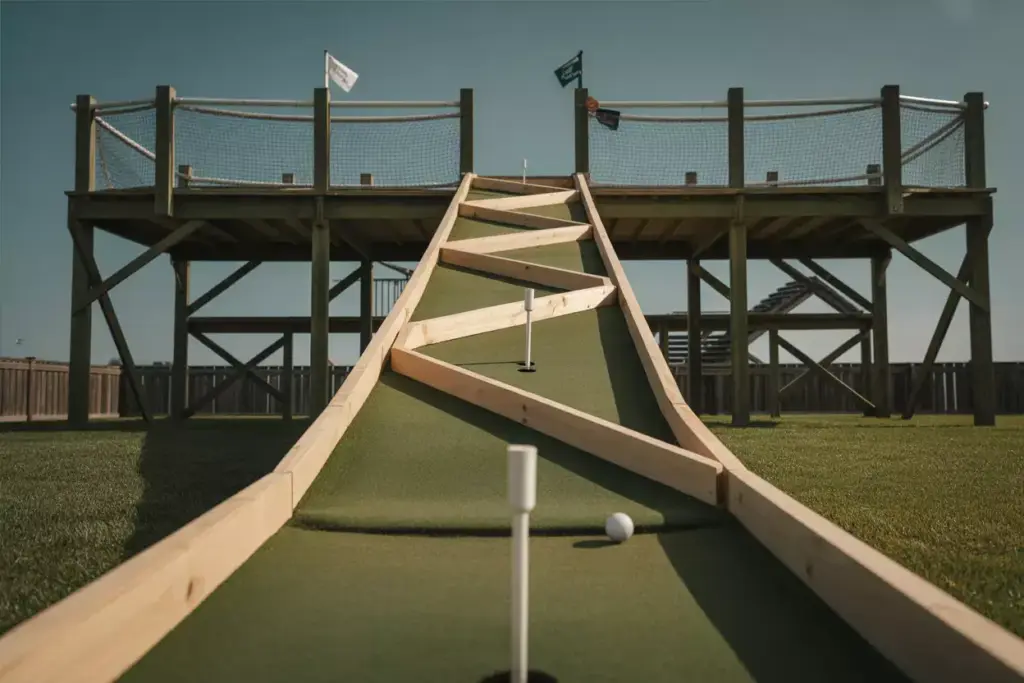
This elevated design creates dramatic visual impact while challenging players’ precision and power control. Build a spiral ramp using plywood sections supported by sturdy 2×4 framework, rising 18-24 inches at the highest point. The putting surface follows a gentle spiral path leading to an elevated green.
Engineering considerations ensure proper slope gradients (maximum 15-degree incline) for playability while maintaining safety. Install safety railings along elevated sections and use non-slip materials on ramp surfaces. The final green features multiple cup positions for varying difficulty levels.
3. The Water Hazard Spectacular
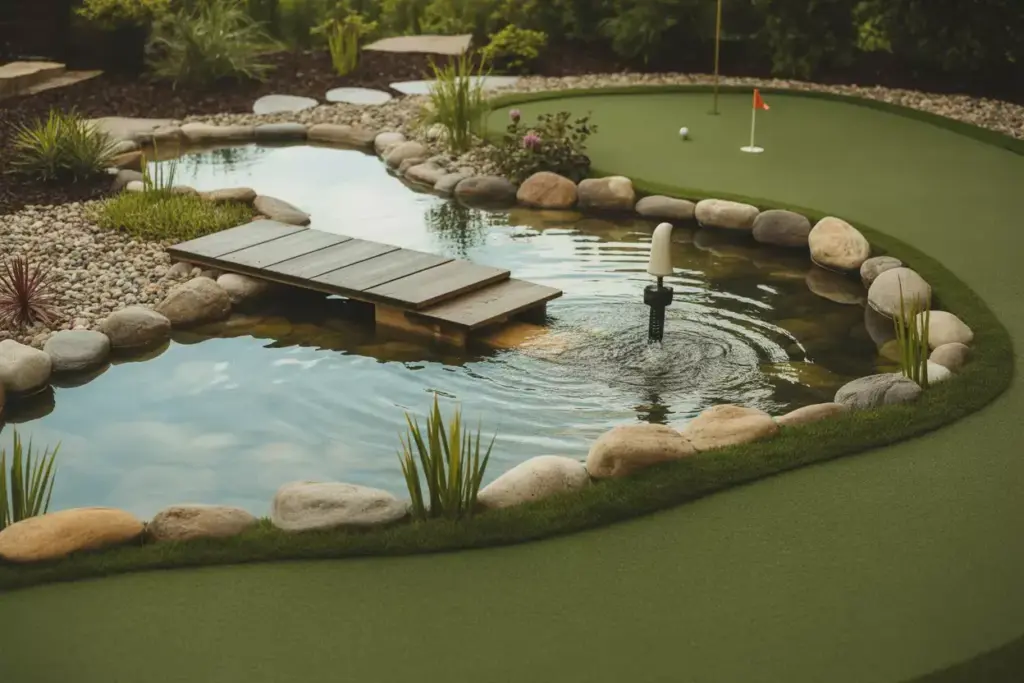
Incorporate water elements using shallow decorative pools or flowing streams created with flexible pond liners. Design bridges or stepping stones that players must navigate around, with water penalties adding realistic golf course challenges.
Water management requires proper drainage and circulation systems to prevent stagnation. Use submersible pumps for flowing water features, and consider seasonal shutdown procedures for freezing climates. Surround water features with attractive landscaping elements like rocks or aquatic plants.
4. The Obstacle Course Extravaganza
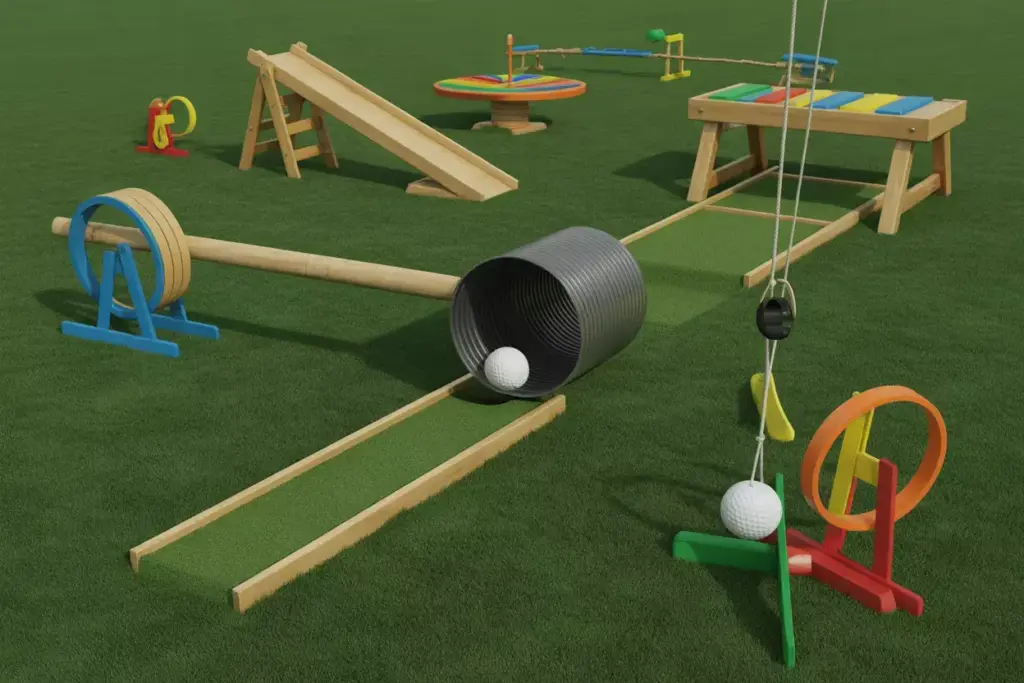
Combine multiple challenges into a single hole featuring tunnels, ramps, and moving obstacles. Create tunnels using large PVC pipes or wooden boxes, incorporate see-saw elements that respond to ball weight, and add spinning wheels or pendulum obstacles.
Complexity management ensures playability while maintaining excitement. Test each obstacle thoroughly to verify consistent operation and appropriate difficulty levels. Provide alternative routes for younger players or those seeking different challenge levels.
5. The Split-Decision Dilemma
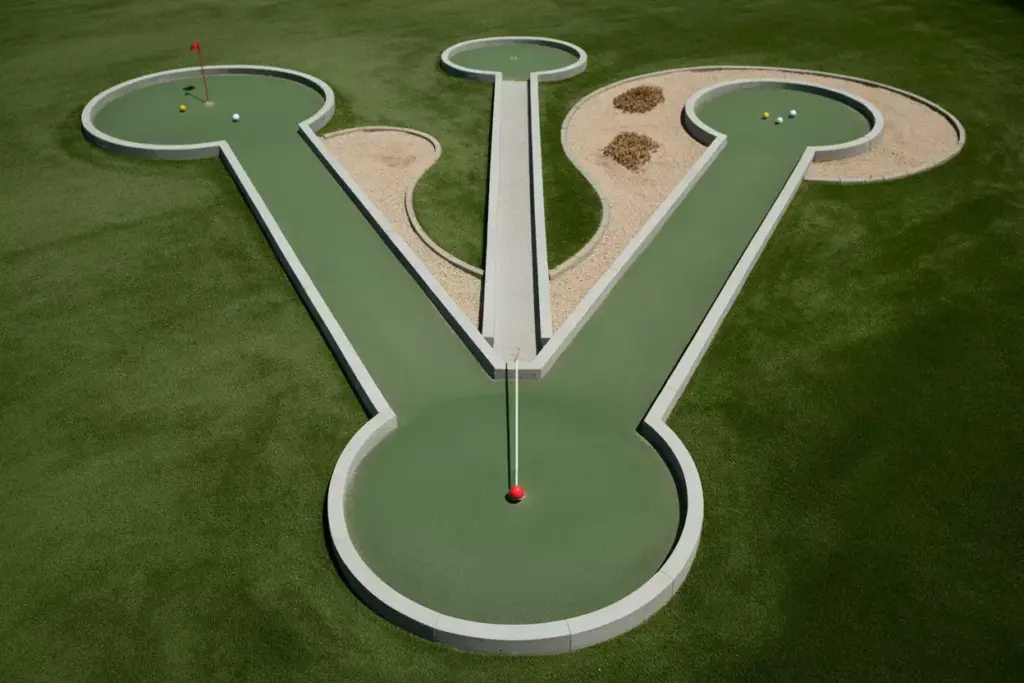
Design holes with multiple possible paths, each offering different risk-reward scenarios. Create branching fairways where players choose between safe, longer routes or risky shortcuts with potential penalties.
Strategic elements include narrow passages that reward accuracy, elevated shortcuts requiring precise power control, and penalty areas that add consequence to poor shot selection. Use different colored turf or markings to clearly define route options.
6. The Loop-the-Loop Thriller
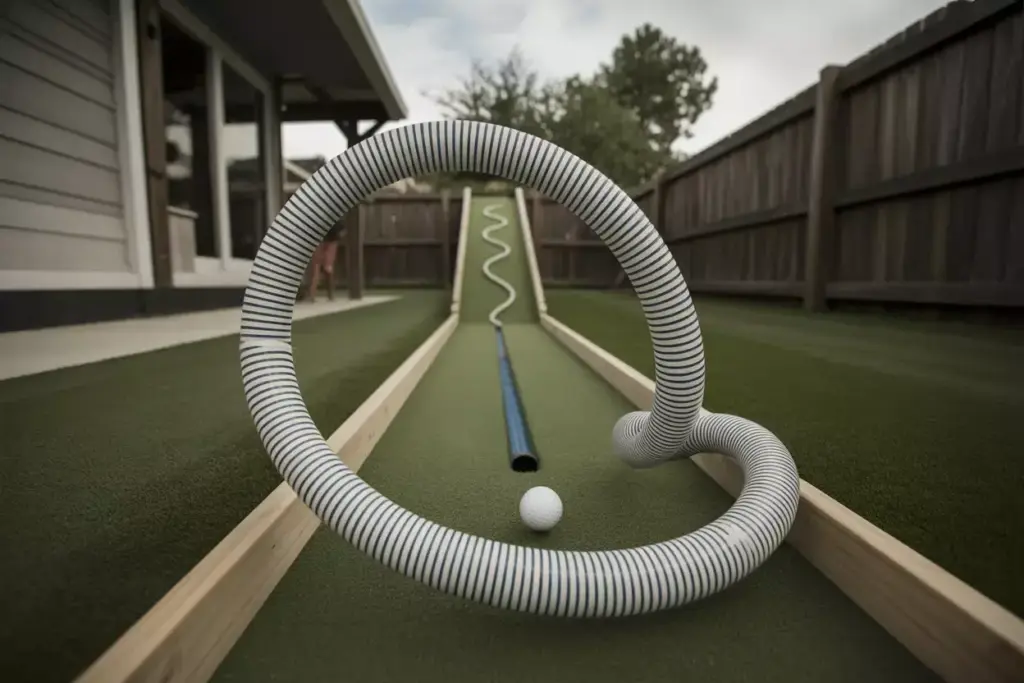
Engineer a complete vertical loop using flexible track materials or carefully shaped PVC piping. This advanced feature requires precise construction to ensure balls maintain sufficient momentum while providing spectacular visual entertainment.
Physics considerations demand careful attention to entry speed requirements and loop diameter calculations. Test extensively with different ball weights and entry angles to optimize performance. Include backup routes for unsuccessful loop attempts.
7. The Championship Finale
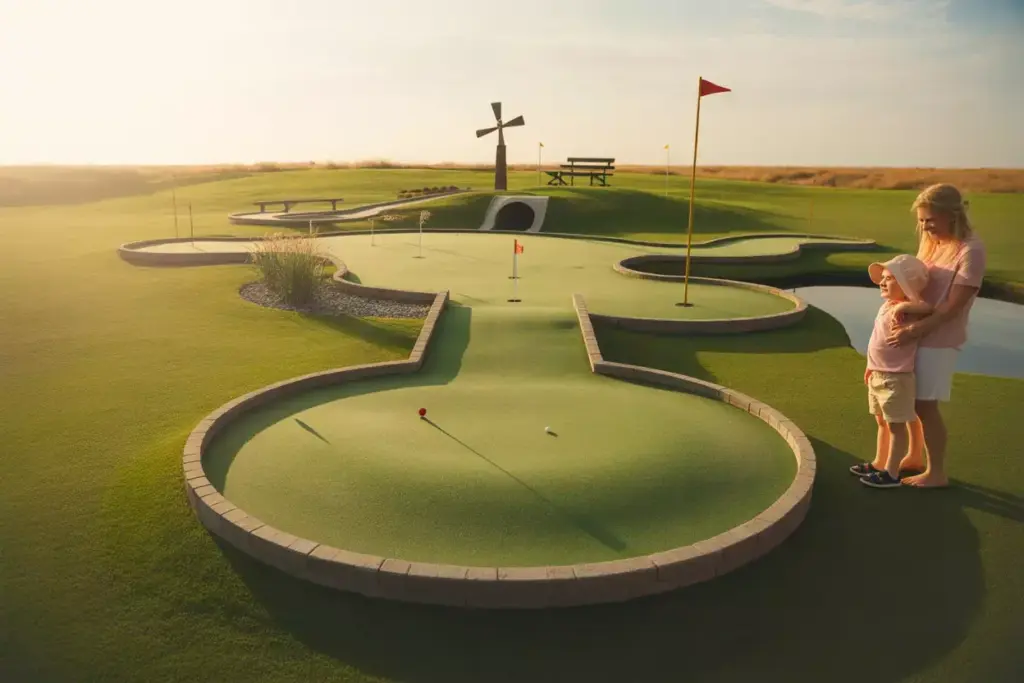
Create a grand finale hole that incorporates elements from previous holes while adding unique challenges. Design multi-level putting surfaces, incorporate multiple obstacles, and provide various scoring opportunities from hole-in-one chances to challenging par scenarios.
Culmination design brings together the best features from earlier holes while introducing new elements. Consider adding spectator areas for family tournaments and championship celebrations.
Construction Techniques and Pro Tips
Successful implementation of Build Your Own Fun: 7 Creative Mini Backyard Golf Course Layouts requires attention to construction details and proven building techniques. Quality construction ensures longevity and consistent playability across all weather conditions.
Foundation and Surface Preparation
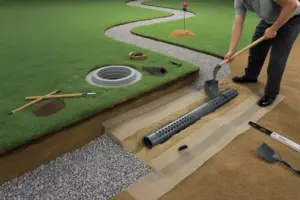
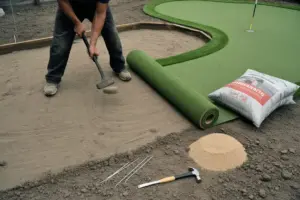
Ground preparation begins with leveling and compacting the base area. Remove existing grass and debris, then add a layer of sand or gravel for drainage and stability. Proper foundation work prevents settling and maintains level playing surfaces over time.
Turf installation requires careful attention to seam placement and edge securing. Use landscape adhesive for permanent installations or removable fasteners for seasonal setups. Stretch turf tightly to eliminate wrinkles that could affect ball roll.
Obstacle Construction Methods
Stability engineering ensures obstacles withstand weather and repeated use. Anchor lightweight elements securely to prevent wind displacement, and use weather-resistant fasteners throughout construction. Regular maintenance schedules keep moving parts operating smoothly.
Safety integration incorporates rounded edges, secure fastenings, and appropriate height limitations for intended users. Test all obstacles thoroughly before opening for play, and establish regular inspection routines to identify potential hazards.
Maintenance and Seasonal Care
Regular upkeep preserves course quality and extends material lifespan. Weekly cleaning removes debris and maintains optimal playing conditions, while monthly inspections identify needed repairs or adjustments.
Seasonal preparation includes winterization procedures for cold climates and summer maintenance for extreme heat conditions. Store removable components indoors during harsh weather, and apply protective treatments to permanent installations.
Conclusion
Build Your Own Fun: 7 Creative Mini Backyard Golf Course Layouts transforms ordinary outdoor spaces into extraordinary entertainment destinations that bring families together year-round. These innovative designs prove that creativity and careful planning create memorable experiences regardless of space limitations or budget constraints.
The journey from concept to completion offers valuable opportunities for family collaboration, skill development, and creative expression. Each hole becomes a unique challenge that grows with players’ abilities while providing endless entertainment possibilities.
Take action today by selecting the layout that best matches available space and skill level. Start with simple designs to build confidence and experience, then gradually incorporate more complex features as expertise develops. Remember that the most successful mini golf courses evolve over time, with new obstacles and challenges added seasonally to maintain excitement and engagement.
The investment in time and materials pays dividends through years of family entertainment, neighborhood gatherings, and personal satisfaction from creating something truly special. Transform that underutilized backyard space into the neighborhood’s premier mini golf destination—the memories created will last a lifetime! 🏆