8 Essential Design Tips for the Perfect Indoor Golf Simulator Room
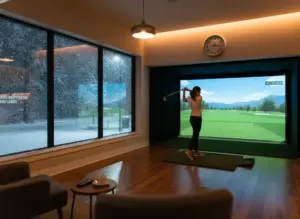
Picture this: it’s a rainy Saturday morning in 2026, and while other golfers are stuck indoors watching the weather, you’re perfecting your swing on the legendary Pebble Beach course—right from the comfort of your own home. The indoor golf simulator market has exploded, transforming from a luxury reserved for country clubs into an accessible home entertainment solution that’s revolutionizing how we practice and enjoy golf.
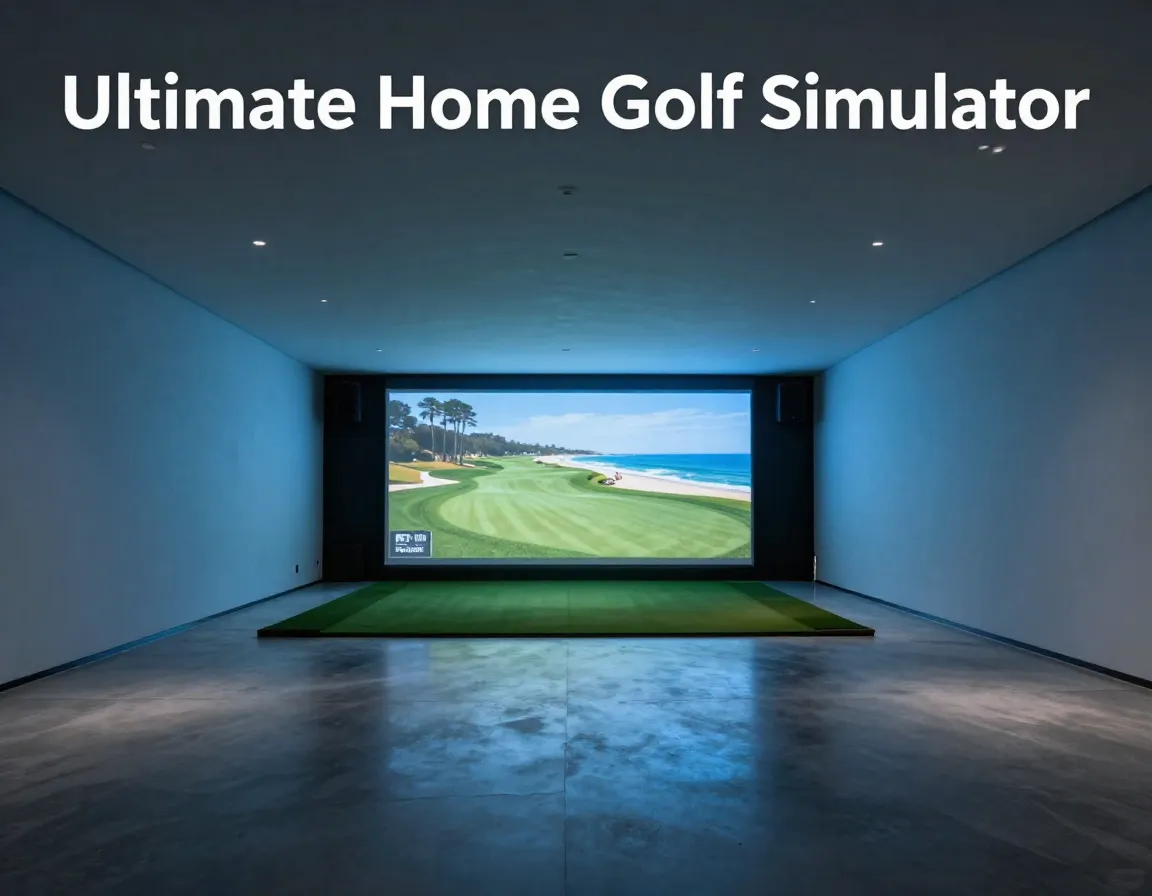
Creating the perfect indoor golf simulator room isn’t just about buying equipment and setting it up in your garage. These 8 Essential Design Tips for the Perfect Indoor Golf Simulator Room will help you build a space that delivers professional-grade performance, stunning visuals, and an immersive experience that rivals the best commercial facilities.
Key Takeaways
- Optimal room dimensions require a 10-foot ceiling, 12-15 feet width, and 16-20 feet depth for proper swing mechanics and ball tracking
- Bespoke design approaches in 2026 focus on custom-built solutions tailored to your specific space and playing requirements
- Advanced technology integration includes 4K projection, floor-to-ceiling impact screens, and hidden cable management for professional aesthetics
- Multi-functional design allows rooms to serve as entertainment spaces beyond golf, maximizing your investment
- Professional installation standards ensure proper insulation, ventilation, and acoustic management for year-round use
1. Master the Critical Room Dimensions
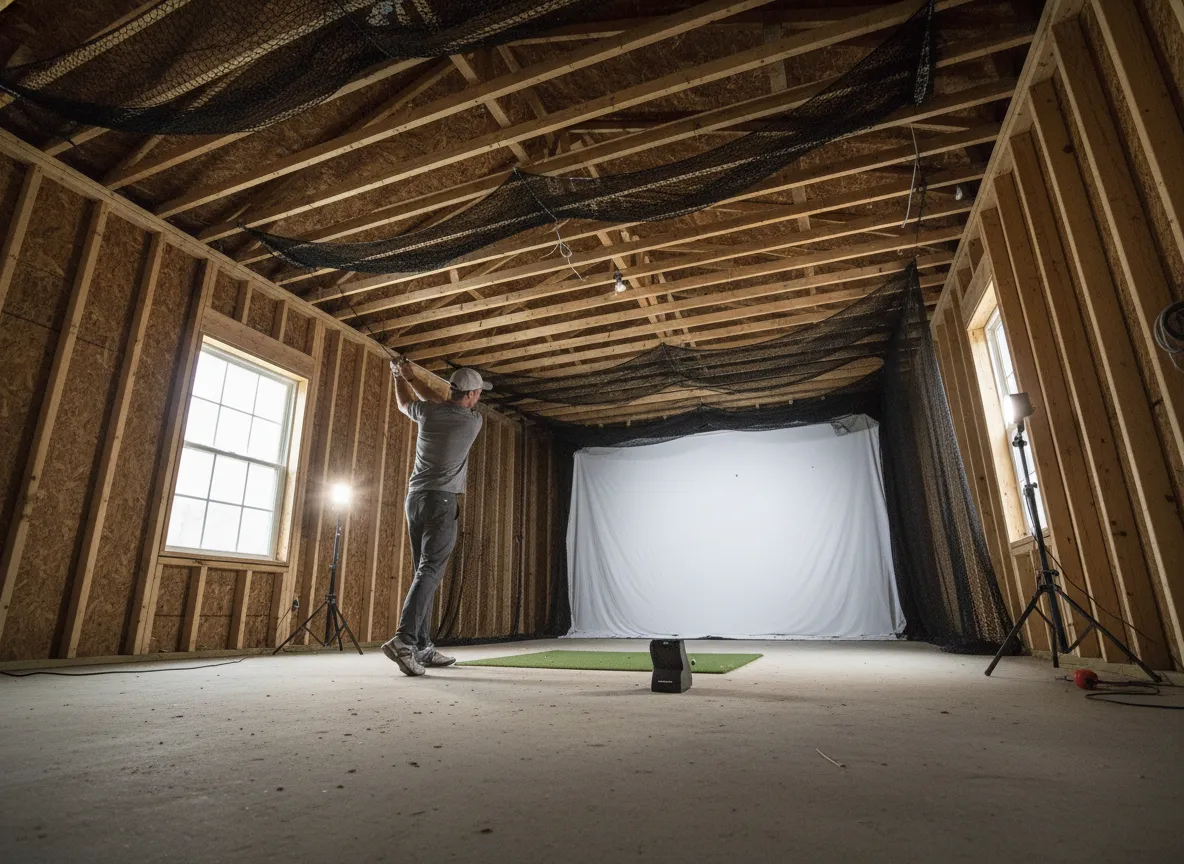
The foundation of any successful golf simulator room lies in getting the dimensions right. Room sizing directly impacts your swing mechanics, ball tracking accuracy, and overall playing experience.
Height Requirements
A 10-foot ceiling is the recommended sweet spot for realistic swings and proper ball flight tracking [2]. This height allows for:
- Full driver swings without restriction
- Proper launch monitor positioning
- Accurate ball flight data collection
- Natural swing mechanics
Lower ceilings can severely restrict your swing, forcing you to modify your natural motion and potentially developing bad habits. Higher ceilings, while not problematic, may reduce the immersive feeling of being on an actual course.
Width and Depth Specifications
The ideal simulator room should measure:
- Width: 12-15 feet for comfortable play from both sides of the hitting area [2]
- Depth: 16-20 feet for accurate launch monitor tracking and safe follow-through distance [2]
These dimensions ensure you have adequate space for:
- Proper stance and address position
- Full swing execution without wall contact
- Launch monitor accuracy zones
- Equipment placement and storage
“The difference between a cramped simulator and a professional-grade setup often comes down to just a few feet in each direction. Don’t compromise on room dimensions if you want authentic golf performance.” – Golf Simulator Design Expert
2. Embrace Fully Bespoke Design Solutions
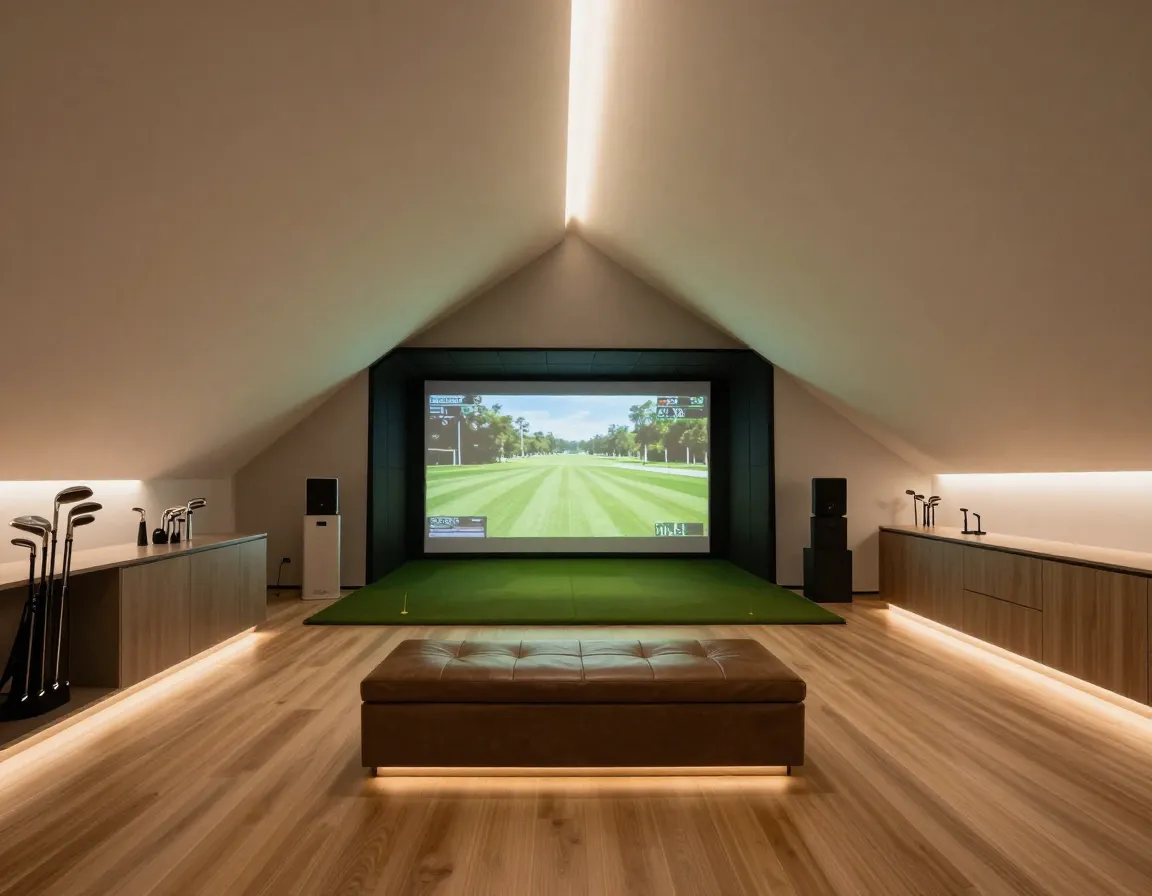
2026 marks a significant shift away from generic, one-size-fits-all simulator setups. Homeowners are now investing in fully bespoke designs tailored to their available space, whether that’s a garage conversion, spare bedroom, or purpose-built garden building [1].
Custom Space Optimization
Modern design approaches focus on:
- Maximizing existing ceiling height through creative equipment placement
- Adapting to irregular room shapes with custom screen configurations
- Integrating with existing home architecture for seamless aesthetics
- Accommodating multiple users with varying height and swing characteristics
Personalized Feature Integration
Bespoke designs allow for:
- Custom storage solutions for golf equipment
- Integrated seating areas for spectators
- Personalized lighting schemes
- Brand-specific course preferences and software integration
The investment in custom design pays dividends in both performance and property value, creating a truly unique space that reflects your specific needs and preferences.
3. Install Floor-to-Ceiling Impact Screens
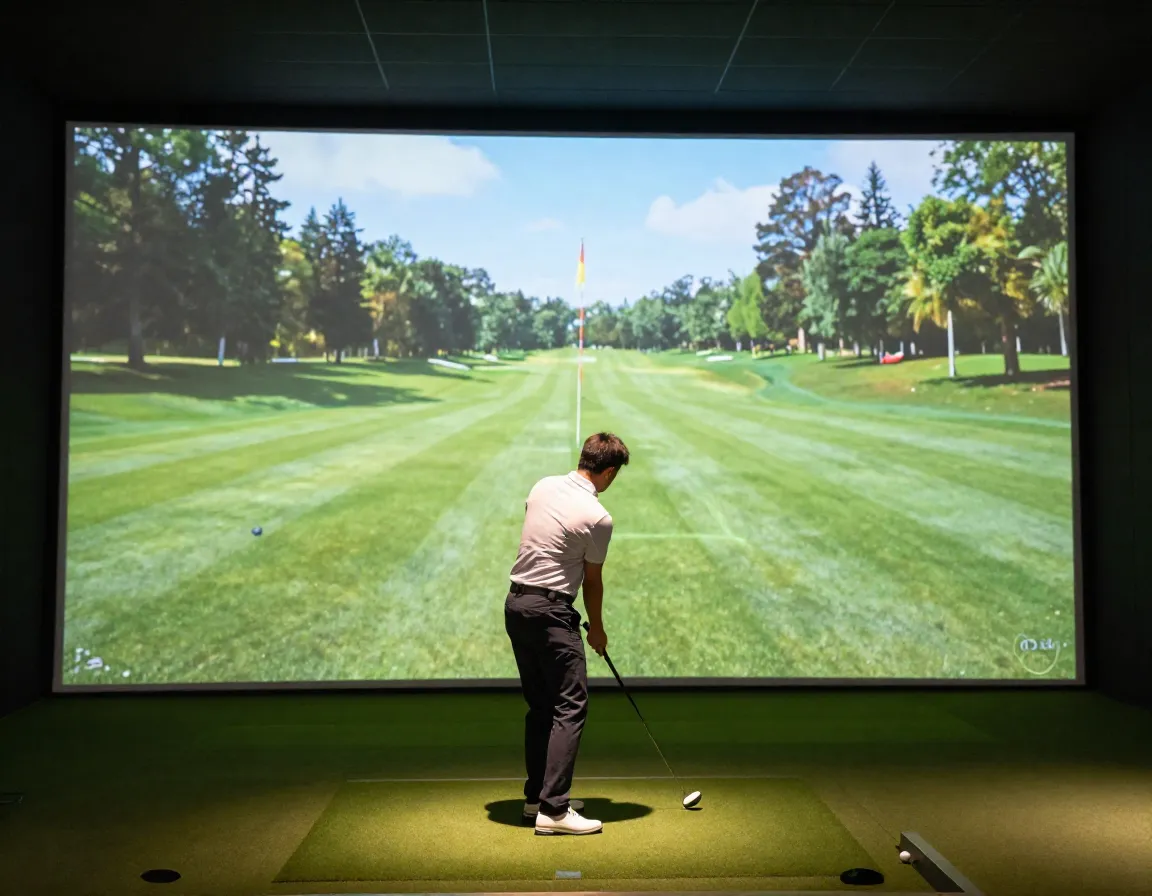
Modern immersive designs utilize full-height impact screens rather than cropped screens, creating a more realistic and engaging experience of targeting fairways and flags [3]. This design choice transforms your simulator from a practice tool into a true golf experience.
Benefits of Full-Height Screens
- Enhanced immersion with complete visual field coverage
- Improved depth perception for better distance judgment
- Professional aesthetics that rival commercial facilities
- Better ball tracking with expanded capture zones
Screen Selection Criteria
When choosing your impact screen, consider:
- Durability ratings for long-term ball impact resistance
- Image quality compatibility with 4K projection systems
- Installation requirements for your specific room configuration
- Maintenance needs and replacement schedules
The screen becomes the centerpiece of your simulator room, so investing in quality materials and professional installation ensures years of reliable performance.
4. Implement 4K Projection Technology
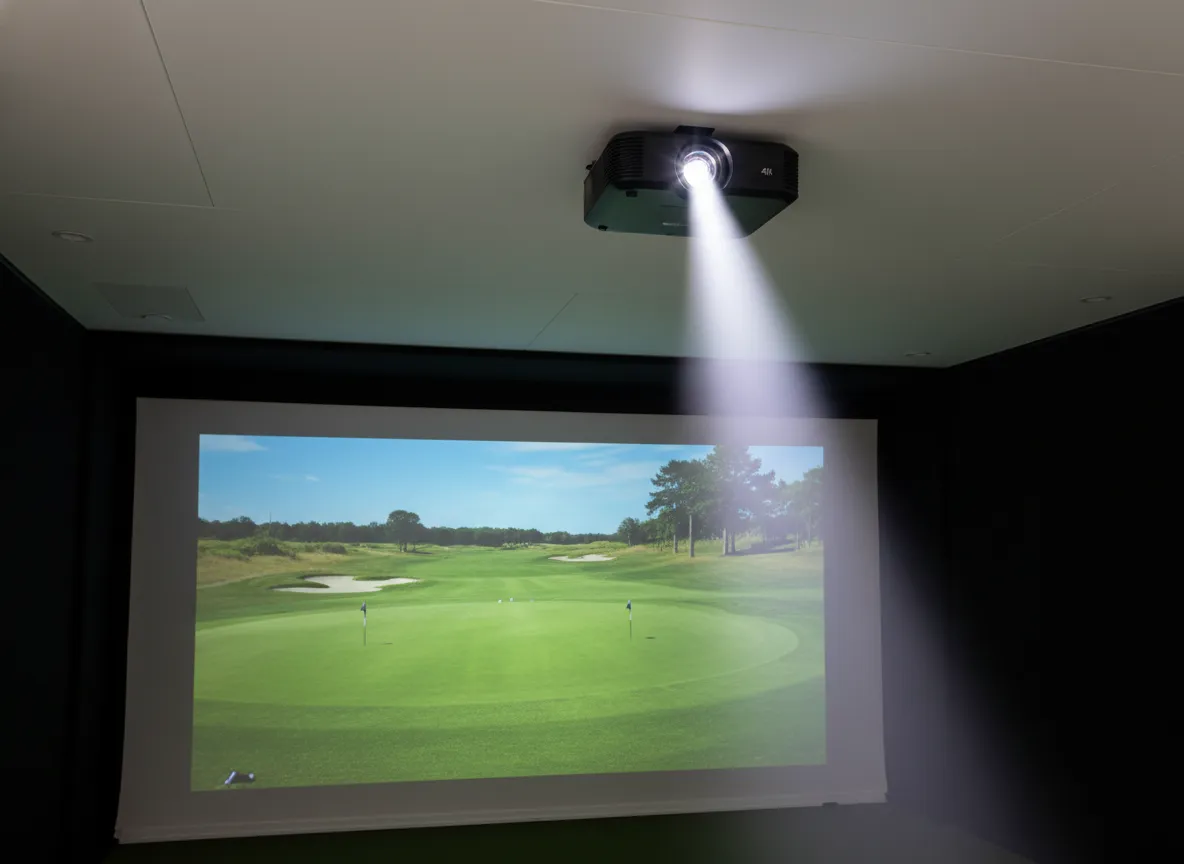
High-quality 4K projectors are now standard in premium builds, delivering sharp images that fill the screen and enhance the feeling of real golf [3]. The visual quality of your simulator directly impacts the immersive experience and your ability to read course conditions accurately.
Projector Specifications
Look for projectors with:
- 4K resolution for crisp, detailed course imagery
- High brightness ratings (3,000+ lumens) for clear visibility
- Short-throw capabilities to minimize shadows
- Gaming mode for reduced input lag
Installation Considerations
Proper projector placement requires:
- Ceiling mounting to eliminate shadows from golfer movement
- Precise alignment with impact screen dimensions
- Cable management integration during construction phase
- Ventilation planning to prevent overheating
The BenQ TK710STi and similar models represent the current gold standard for golf simulator projection, offering the brightness and clarity needed for professional-grade installations [3].
5. Integrate Advanced Launch Monitor Systems
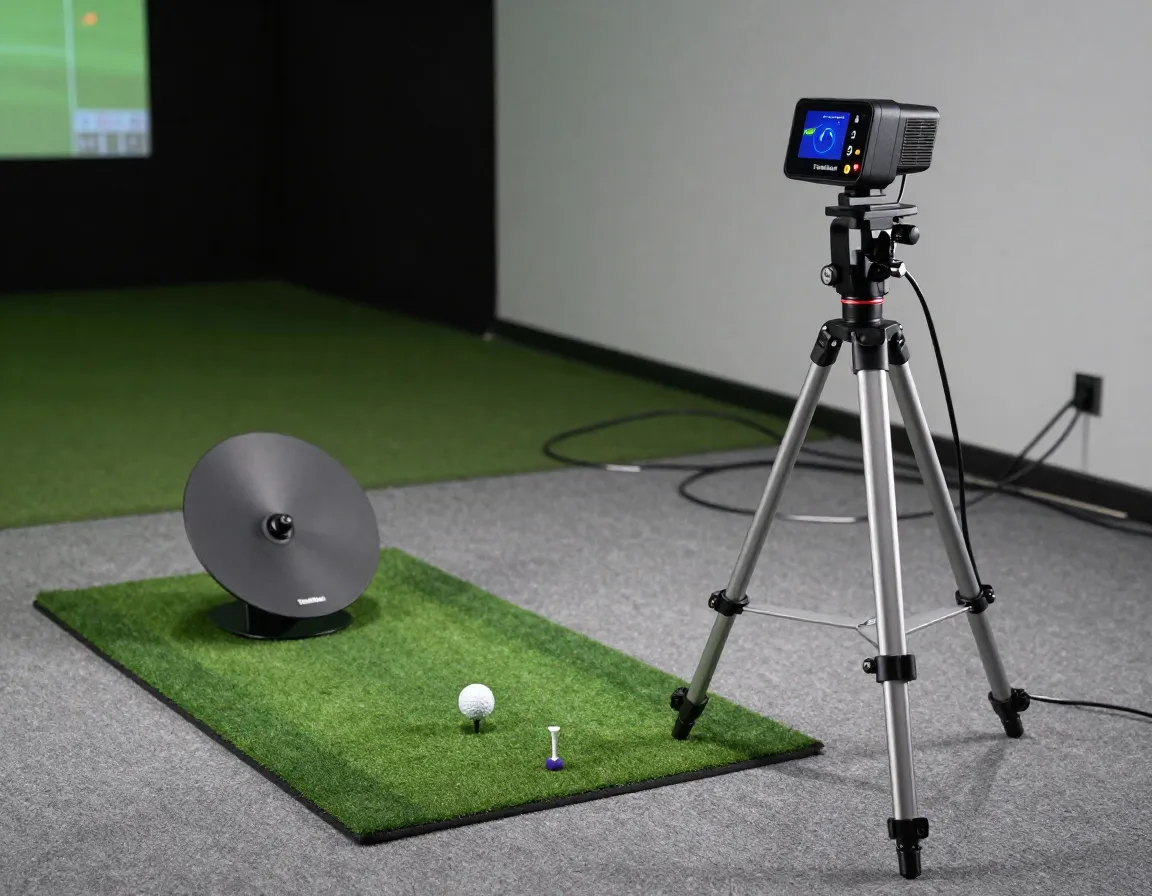
Modern setups incorporate premium launch monitors like TrackMan, GCQuad, FlightScope, or SkyTrak, paired with high-definition impact screens for realistic ball data and immersive course visuals [1]. The launch monitor serves as the brain of your simulator, translating your real swing into virtual performance.
Launch Monitor Selection
Consider these factors when choosing your system:
- Data accuracy for ball speed, spin rate, and launch angle
- Software compatibility with your preferred golf courses
- Setup requirements and calibration procedures
- Ongoing subscription costs for course access and updates
Integration Best Practices
Successful launch monitor integration involves:
- Precise positioning within the hitting area
- Calibration protocols for consistent accuracy
- Software optimization for your specific room dimensions
- Regular maintenance schedules to ensure peak performance
The launch monitor investment represents a significant portion of your total budget, but it’s the component that most directly impacts the quality and realism of your golf experience.
6. Design Integrated Acoustic and Cable Management
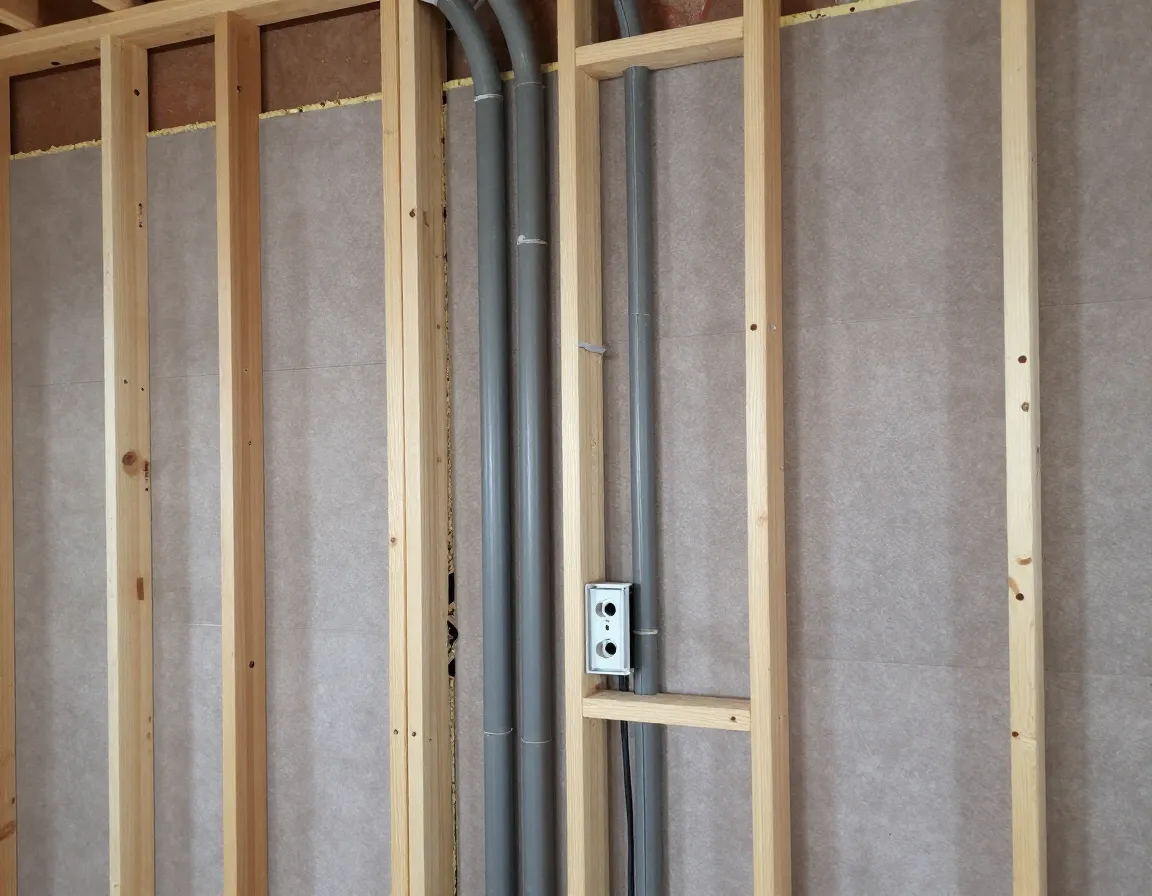
Professional installations embed cables, power sources, and sensor wiring during the build phase rather than after installation, maintaining clean aesthetics and professional appearance [2]. This attention to detail separates amateur setups from truly professional installations.
Hidden Infrastructure Planning
Effective cable management includes:
- In-wall routing for power and data cables
- Dedicated circuits for high-power projection equipment
- Network infrastructure for online play and software updates
- Future-proofing with additional conduit for upgrades
Acoustic Management
Luxury builds now incorporate acoustic panels and integrated audio systems to manage sound quality and create professional-grade environments [2]. Consider:
- Sound absorption materials to reduce echo and noise
- Integrated speakers for course audio and ambient sound
- Noise isolation to minimize impact on adjacent rooms
- Audio zoning for different areas within the simulator room
Proper acoustic treatment enhances the immersive experience while ensuring your simulator room doesn’t disrupt the rest of your home.
7. Create Multi-Functional Entertainment Spaces
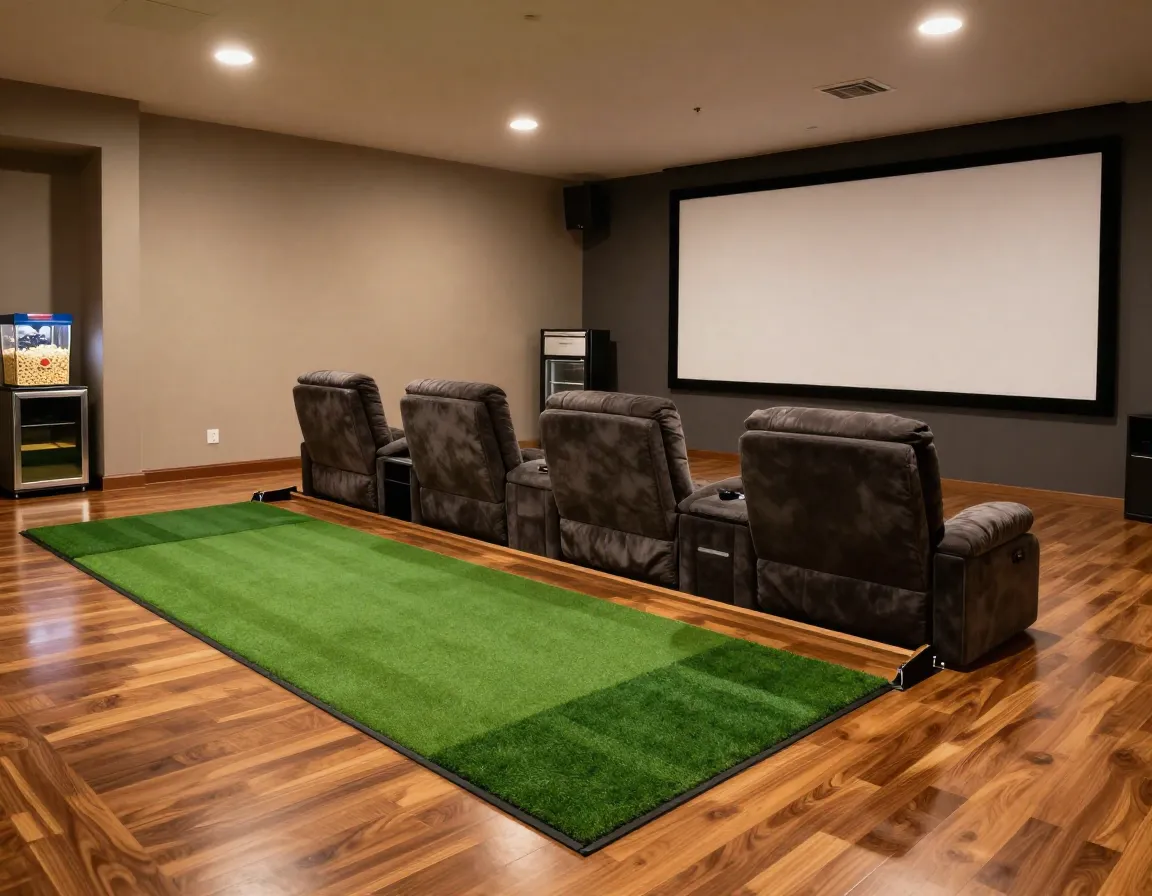
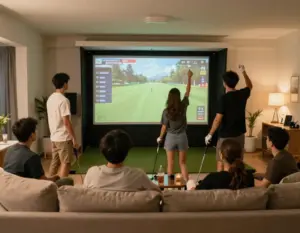
Modern simulator rooms transition seamlessly between golf practice and entertainment, serving as home cinema, gaming centers, and social gathering spaces [2]. This versatility makes them among the most-used rooms in the home, maximizing your investment return.
Flexible Design Elements
Multi-functional spaces incorporate:
- Retractable hitting mats for open floor space
- Adjustable lighting zones for different activities
- Integrated entertainment systems for movies and gaming
- Flexible seating arrangements for various group sizes
Entertainment Integration
Consider adding:
- High-quality audio systems for immersive sound
- Climate control for year-round comfort
- Refreshment stations for extended sessions
- Storage solutions that double as seating
Social Features
Design for group activities with:
- Spectator seating with clear screen views
- Tournament software for competitive play
- Social gaming modes for non-golfers
- Live streaming capabilities for sharing achievements
8. Ensure Professional Climate Control and Ventilation
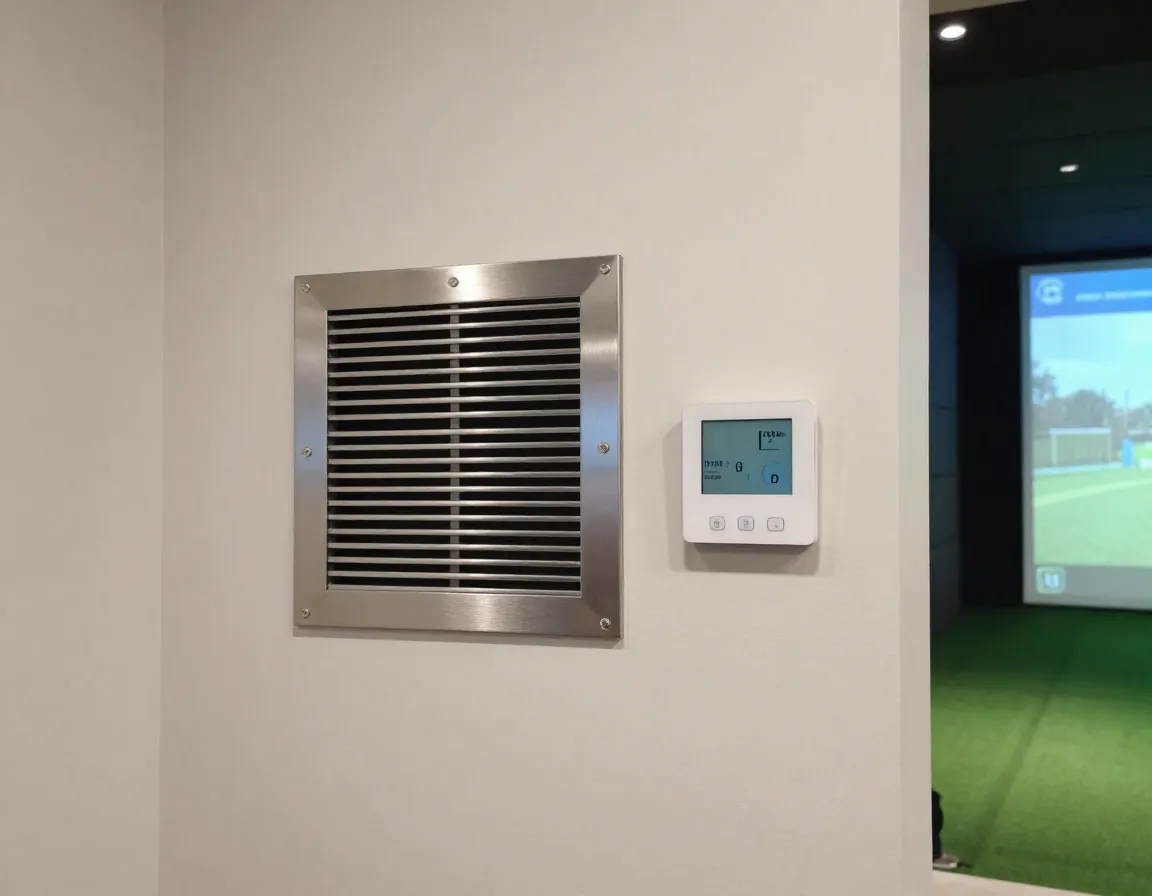
High build standards with structural integrity, proper insulation, and ventilation systems protect equipment and ensure comfortable playing conditions year-round [1]. Climate control is often overlooked but critical for both equipment longevity and user comfort.
Insulation Requirements
Proper insulation provides:
- Temperature stability for consistent equipment performance
- Moisture control to prevent condensation damage
- Energy efficiency for cost-effective operation
- Sound dampening as an additional benefit
Ventilation Systems
Effective ventilation includes:
- Air circulation to prevent equipment overheating
- Humidity control for optimal playing conditions
- Fresh air exchange for extended playing sessions
- Filtration systems to protect sensitive electronics
Climate Monitoring
Consider installing:
- Smart thermostats for automated temperature control
- Humidity sensors with automatic adjustment
- Air quality monitors for optimal conditions
- Remote monitoring capabilities for equipment protection
Professional climate control ensures your simulator room remains comfortable and functional regardless of external weather conditions, protecting your significant equipment investment.
Conclusion
Creating the perfect indoor golf simulator room requires careful attention to these 8 Essential Design Tips for the Perfect Indoor Golf Simulator Room. From mastering critical dimensions and embracing bespoke design solutions to implementing cutting-edge technology and ensuring professional climate control, each element contributes to an immersive, high-performance golf experience.
Your next steps should include:
- Measure your available space against the optimal dimensions outlined above
- Consult with professional installers who specialize in custom golf simulator rooms
- Prioritize your budget across the key components: room preparation, projection technology, launch monitors, and finishing touches
- Plan for future upgrades by installing proper infrastructure during initial construction
The golf simulator market in 2026 offers unprecedented opportunities to create professional-grade facilities in your own home. By following these essential design principles, you’ll build a space that not only improves your golf game but also serves as a premier entertainment destination for family and friends.
Remember, the best simulator room is one that’s tailored to your specific needs, space constraints, and playing preferences. Don’t compromise on the fundamentals—proper dimensions, quality equipment, and professional installation—as these form the foundation of your long-term enjoyment and performance improvement.
References
[1] Golf Sim Rooms Trends For 2026 The Future Of Indoor Golf – https://www.golfsimrooms.co.uk/post/golf-sim-rooms-trends-for-2026-the-future-of-indoor-golf
[2] Inside The Modern Golf Room How Home Simulator Design Became The New Luxury Upgrade – https://golfvx.com/inside-the-modern-golf-room-how-home-simulator-design-became-the-new-luxury-upgrade/
[3] Golf Simulator Room Ideas – https://www.carlofet.com/blog/golf-simulator-room-ideas