Backyard Golf Ideas: The Ultimate Design Guide for a Par-Fect Green
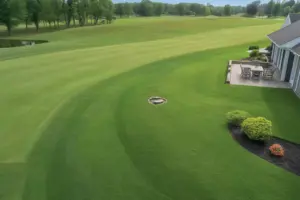
Imagine stepping out your back door and onto your very own professional-quality putting green, complete with challenging slopes, sand bunkers, and perfectly manicured artificial turf. Backyard golf course design has evolved from a luxury reserved for the ultra-wealthy to an accessible home improvement project that can transform any outdoor space into a golfer’s paradise. Whether you’re dreaming of a simple putting green or an elaborate mini golf course, this comprehensive guide will help you create the perfect backyard golf sanctuary.
Disclosure: This post contains affiliate links. As an Amazon Associate, we earn from qualifying purchases, and at no extra cost to you.
Key Takeaways
- Planning and design are crucial for creating a functional backyard golf course that fits your space, budget, and skill level requirements
- Artificial turf installation offers the most practical and low-maintenance solution for consistent playing conditions year-round
- Multi-functional features like chipping areas, sand bunkers, and water hazards can maximize your practice opportunities in limited space
- Professional installation versus DIY approaches each have distinct advantages depending on your budget and technical expertise
- Ongoing maintenance requirements are minimal with quality synthetic materials but essential for long-term performance
Essential Planning Considerations for Your Backyard Golf Paradise
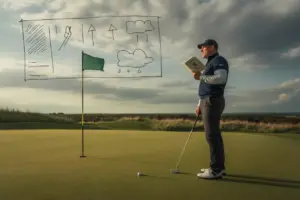
Before breaking ground on your backyard golf project, careful planning ensures you’ll create a space that meets your needs and exceeds your expectations. The foundation of any successful backyard golf course design begins with understanding your available space, budget constraints, and intended use.
Space Assessment and Measurements 🏠
Start by measuring your available yard space and identifying any obstacles like trees, utilities, or property lines. A basic putting green requires a minimum of 200-300 square feet, while a comprehensive practice area might need 500-1,000 square feet or more. Consider the natural slope and drainage patterns of your yard, as these will significantly impact your design options and installation costs.
Budget Planning and Cost Breakdown 💰
Backyard golf projects can range from $3,000 for a basic DIY putting green to $50,000+ for elaborate custom installations. Here’s a typical cost breakdown:
| Component | DIY Cost Range | Professional Installation |
|---|---|---|
| Basic Putting Green (300 sq ft) | $1,500-$3,000 | $4,000-$8,000 |
| Artificial Turf (per sq ft) | $3-$8 | $8-$15 |
| Sand Bunkers | $200-$500 | $800-$2,000 |
| Water Features | $500-$2,000 | $2,000-$8,000 |
| Lighting System | $300-$800 | $1,000-$3,000 |
Zoning and Permit Requirements 📋
Check with your local municipality about permit requirements for backyard modifications. While most putting greens don’t require permits, larger installations with electrical work, water features, or significant grading might need approval. Additionally, verify HOA restrictions and setback requirements from property lines.
1. Artificial Turf Putting Greens: The Foundation of Excellence
High-quality artificial turf forms the cornerstone of any professional backyard golf installation. Modern synthetic grass technology has advanced dramatically, offering realistic ball roll characteristics that closely mimic natural grass greens.
Turf Selection Criteria 🌱
Choose putting green turf with a pile height between 0.5-0.75 inches for optimal ball roll. Look for products specifically designed for golf applications, featuring:
- Dense fiber construction (60,000+ stitches per square meter)
- Consistent ball roll speed (Stimpmeter rating of 8-12)
- UV-resistant materials for color retention
- Drainage backing for all-weather performance
Installation Process and Base Preparation 🔨
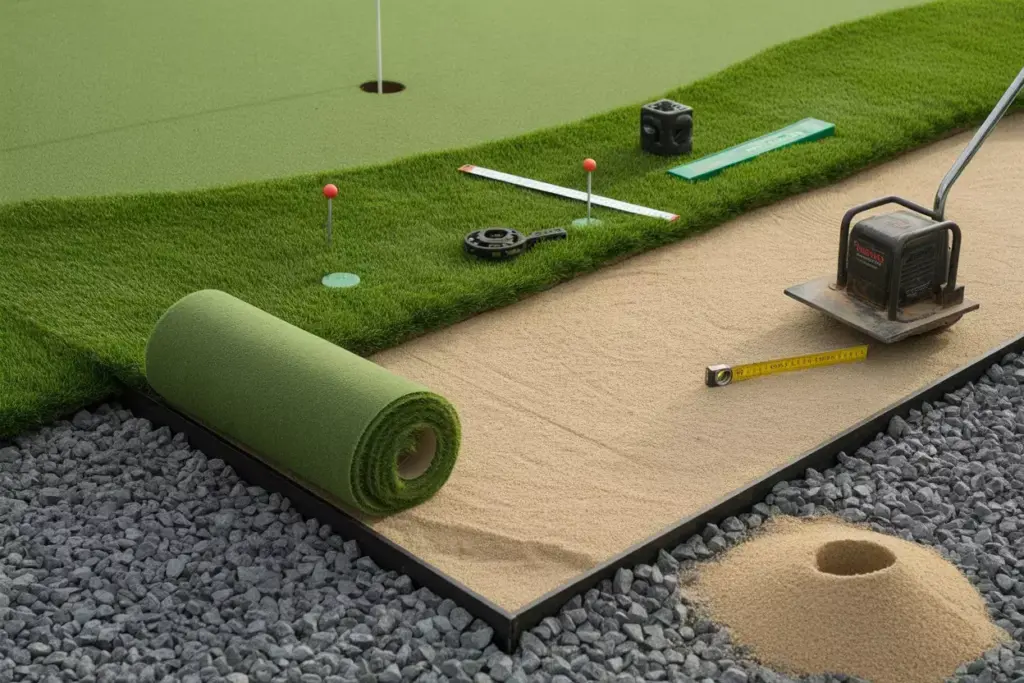
Proper base preparation determines the long-term success of your putting green. The installation process involves:
- Excavation: Remove existing grass and soil to a depth of 3-4 inches
- Base material: Install and compact crushed granite or decomposed granite base
- Drainage layer: Add perforated drainage pipes if needed for wet climates
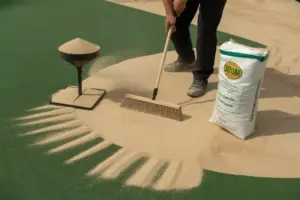
- Sand leveling: Apply and screed a thin sand layer for final grade adjustment
- Turf installation: Roll out, seam, and secure artificial grass with landscape pins
- Infill application: Spread silica sand infill to achieve proper ball roll characteristics
“The key to a professional-quality putting green is in the base preparation. Shortcuts here will result in uneven surfaces and poor drainage that become expensive problems later.” – Professional Landscape Contractor
2. Creative Design Elements That Elevate Your Course
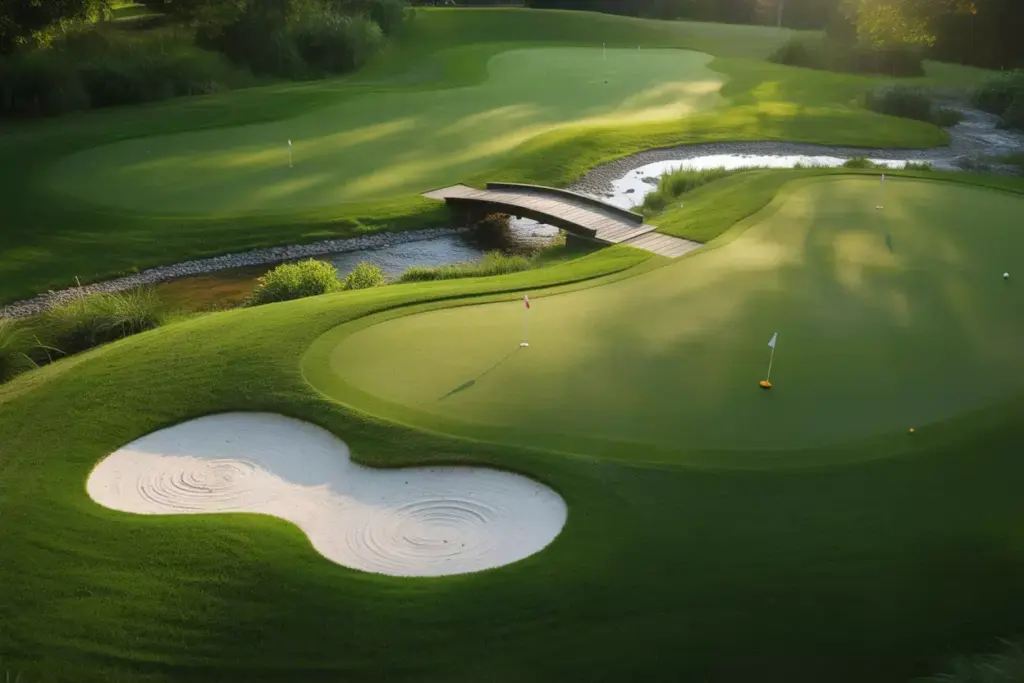
Transform your basic putting green into an engaging practice facility with thoughtfully designed features that challenge your skills and enhance the visual appeal of your backyard.
Undulating Green Surfaces ⛰️
Create interesting putting challenges by incorporating subtle elevation changes and slopes. Use foam padding or sand sculpting beneath the turf to create:
- Breaking putts with 2-4% grade slopes
- Tiered sections for different difficulty levels
- Bowl-shaped areas for challenging uphill/downhill putts
- Ridge lines that create natural ball collection areas
Sand Bunkers and Hazards 🏖️
Add realistic practice opportunities with strategically placed bunkers. Choose between:
- Greenside bunkers for short game practice
- Decorative sand features that frame the green aesthetically
- Waste areas with different sand textures
- Raised bunker lips for challenging escape shots
Water Features and Aesthetics 💧
Incorporate water elements that serve both functional and aesthetic purposes:
- Recirculating streams that create natural boundaries
- Small ponds with fountain features
- Dry creek beds for drainage and visual interest
- Bridge crossings over water hazards
3. Multi-Zone Practice Areas for Comprehensive Training
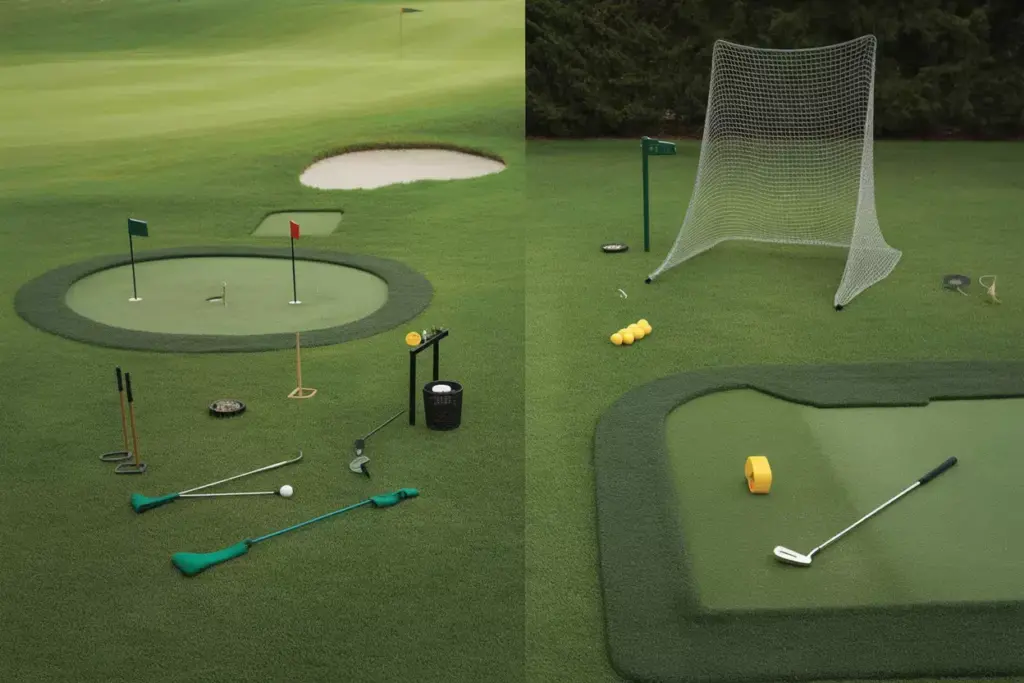
Maximize your backyard golf experience by creating dedicated zones for different aspects of the game. This approach ensures you can practice every shot in your arsenal without leaving your property.
Chipping and Short Game Zones ⛳
Dedicate 100-200 square feet to short game practice with varying lies and target areas. Include:
- Multiple target holes at different distances (10-30 yards)
- Rough areas using longer artificial grass
- Tight lies with shorter turf for challenging chips
- Elevated tees for practicing different trajectory shots
Driving Range Alternatives 🏌️
Even small yards can accommodate driving practice with creative solutions:
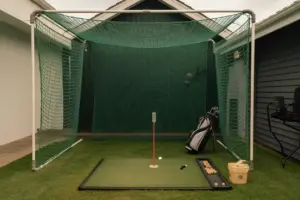
- Golf nets (10×10 feet minimum) for full swing practice
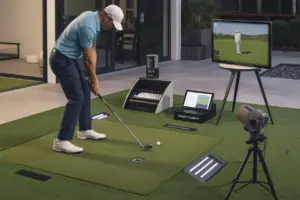
- Impact screens with golf simulator integration
- Foam ball areas for safe neighborhood practice
- Alignment stations with permanent markers and guides
Putting Course Layouts 🎯
Design multiple putting challenges within your green space:
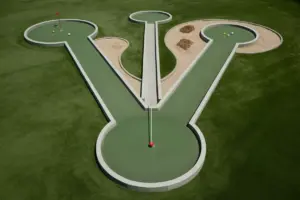
- 18-hole mini course with varying distances
- Speed putting tracks for distance control
- Breaking putt stations with consistent slopes
- Pressure putting games with scoring systems
4. Technology Integration for Modern Golf Training

Embrace smart golf technology to transform your backyard course into a data-driven training facility that provides instant feedback and tracks your improvement over time.
Golf Simulators and Launch Monitors 📱
Indoor/outdoor simulator systems offer year-round practice capabilities:
- Portable launch monitors like SkyTrak or FlightScope Mevo
- Projector systems for visual course play
- Swing analysis software with video capture
- Weather-resistant enclosures for outdoor installation
Automated Ball Return Systems 🔄
Enhance practice efficiency with mechanical ball return features:
- Pneumatic systems that return balls to tee area
- Gravity-fed returns using green slopes
- Collection nets with automatic dispensing
- Remote-controlled ball placement for varied practice
Smart Lighting Solutions 💡
Extend practice hours with intelligent lighting systems:
- LED strip lighting around green perimeters
- Motion-activated systems for energy efficiency
- Color-changing options for different practice modes
- Smartphone app control for custom lighting scenes
5. Maintenance and Seasonal Care Strategies
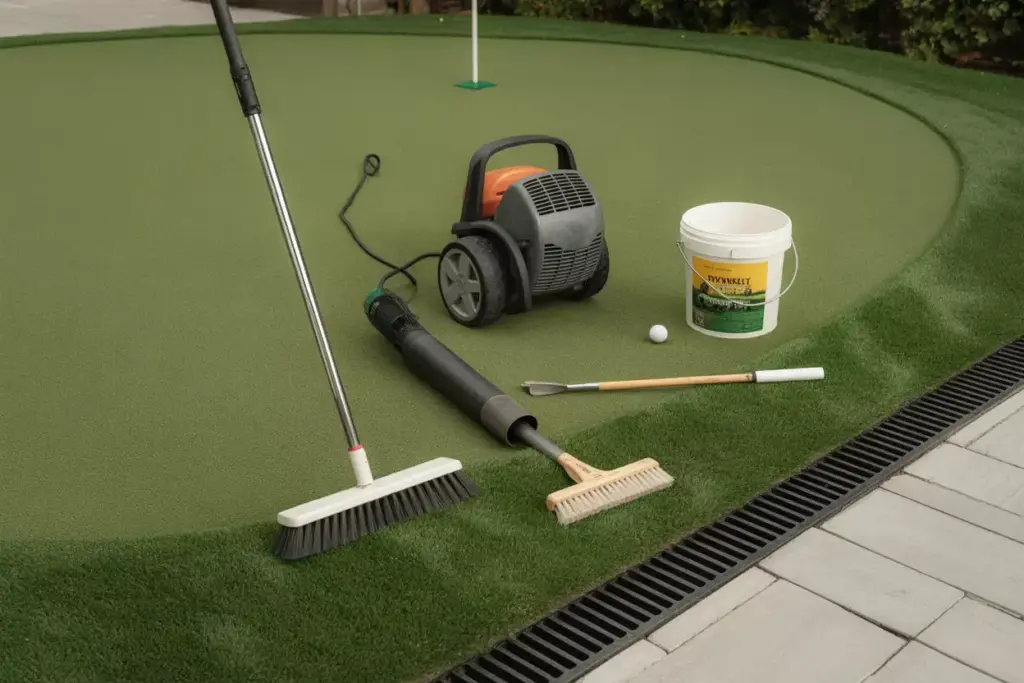
Protect your investment with proper maintenance routines that keep your backyard golf course in tournament condition throughout the year.
Daily and Weekly Maintenance 🧹
Establish consistent care routines:
- Daily brushing to maintain turf fiber direction
- Weekly debris removal including leaves and organic matter
- Monthly deep cleaning with specialized turf cleaners
- Quarterly professional inspection for wear patterns
Seasonal Preparation Tasks 🍂
Adapt your maintenance approach to weather conditions:
Spring Preparation:
- Deep cleaning after winter weather
- Infill sand redistribution and leveling
- Drainage system inspection and clearing
- Equipment maintenance and replacement
Summer Care:
- Increased cleaning frequency during heavy use
- Heat stress monitoring for turf materials
- Irrigation system optimization for cooling
- UV protection treatments if needed
Fall and Winter Protection:
- Leaf removal and organic debris clearing
- Drainage preparation for wet weather
- Equipment storage and winterization
- Protective covering in extreme climates
6. Budget-Friendly DIY Installation Tips
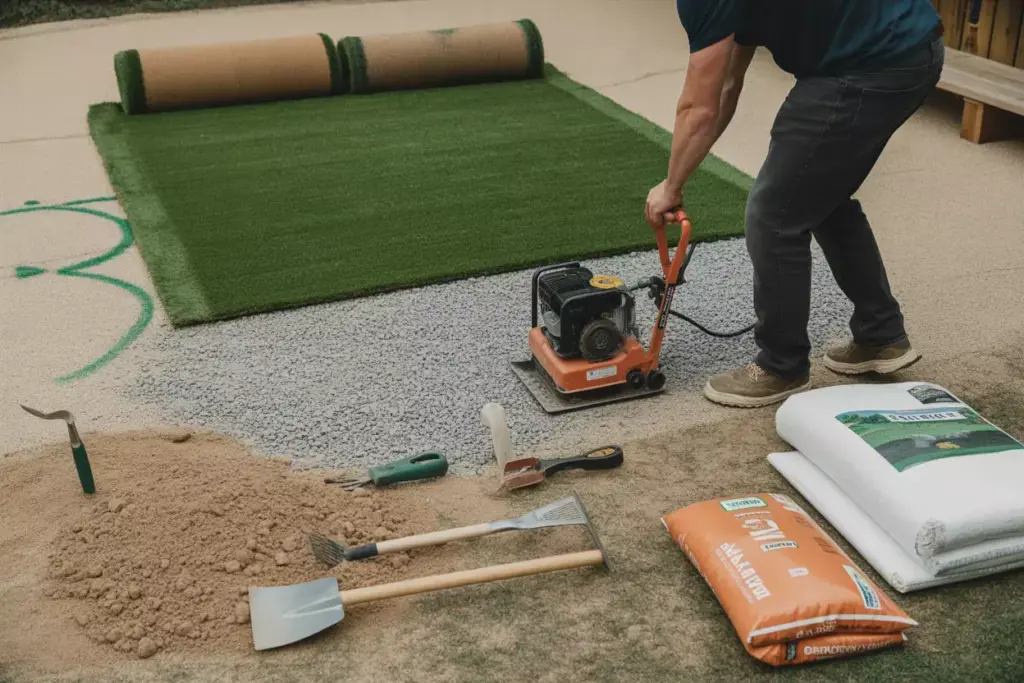
Create an impressive backyard golf course without breaking the bank by taking a strategic DIY approach that focuses on smart material choices and efficient installation techniques.
Cost-Saving Material Selections 💵
Reduce expenses while maintaining quality:
- Remnant turf pieces from commercial installations
- Bulk sand and base materials from landscape suppliers
- Used equipment from golf course renovations
- Seasonal sales on artificial grass and accessories
Tool Requirements and Rentals 🔧
Essential tools for DIY installation:
- Plate compactor (rental recommended)
- Sod cutter for grass removal
- Landscape rake for base preparation
- Turf knife for cutting and seaming
- Power broom for infill distribution
Step-by-Step Installation Guide 📝
Follow this systematic approach for professional results:
- Design layout with spray paint marking
- Remove existing vegetation and debris
- Excavate to proper depth (3-4 inches typical)
- Install and compact base material in 2-inch lifts
- Grade and level using screed boards
- Roll out turf allowing for expansion
- Make seams with turf tape and adhesive
- Secure edges with landscape pins
- Apply infill sand and brush to distribute
- Final grooming and quality inspection
7. Professional Installation vs DIY: Making the Right Choice
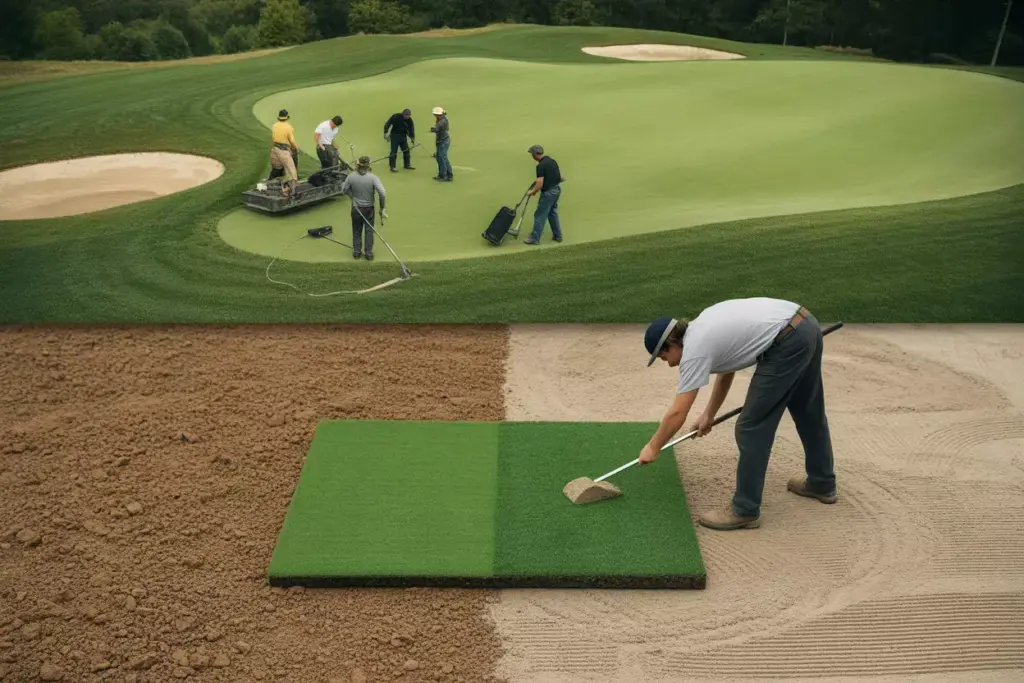
Understanding the trade-offs between professional installation and DIY approaches helps you make an informed decision based on your specific situation, skills, and priorities.
Advantages of Professional Installation 👷
Professional contractors bring expertise and efficiency:
- Guaranteed results with warranty protection
- Specialized equipment for superior base preparation
- Design expertise for optimal layout and drainage
- Time savings with experienced installation teams
- Problem-solving ability for unexpected challenges
When DIY Makes Sense 🔨
Consider self-installation when:
- Budget constraints require cost savings
- Small project scope (under 500 square feet)
- Construction experience with similar projects
- Flexible timeline allowing for learning curve
- Enjoyment of hands-on projects and skill building
Hybrid Approaches 🤝
Combine professional and DIY elements strategically:
- Professional design with DIY installation
- Site preparation by contractors, DIY finishing
- Complex features professionally installed
- Basic green DIY with professional accessories
8. Inspiring Design Ideas from Real Installations
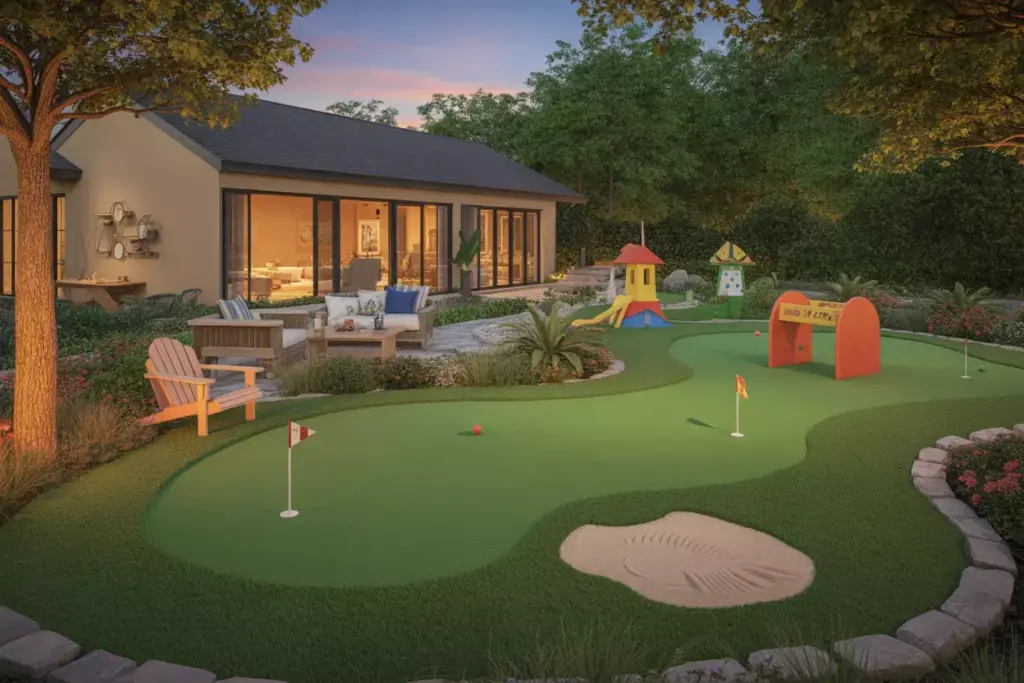
Draw inspiration from successful backyard golf projects that demonstrate creative solutions for common challenges and showcase the potential of well-planned installations.
Small Space Solutions 🏡
Maximize limited yard space with clever design:
- Vertical putting walls for apartment balconies
- Modular green sections that can be reconfigured
- Multi-level designs using retaining walls
- Corner installations that work around existing features
Family-Friendly Designs 👨👩👧👦
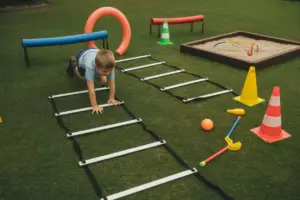
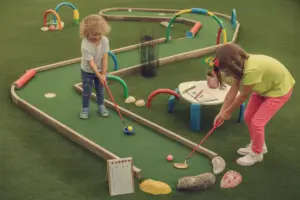
Create courses that engage golfers of all ages:
- Multiple tee positions for different skill levels
- Colorful obstacles and themed decorations
- Safety features like soft edges and barriers
- Game variety beyond traditional putting
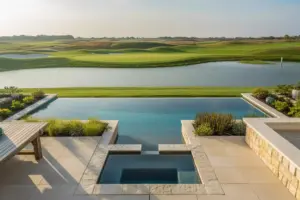
Luxury Feature Integration ✨
Premium elements for ultimate backyard experiences:
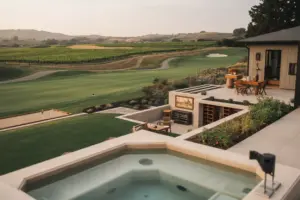
- Outdoor kitchens adjacent to practice areas
- Seating areas with course viewing positions
- Fire features for evening entertainment
- Landscaping integration with existing garden design
Advanced Features for the Ultimate Golf Experience
Take your backyard golf course to the next level with sophisticated features that rival commercial facilities and provide endless entertainment possibilities.
Weather Protection Systems ⛈️
Extend usable seasons with protective installations:
- Retractable canopies for sun and rain protection
- Windscreens to reduce weather impact
- Heating elements for winter use in cold climates
- Drainage enhancement for all-weather playability
Entertainment Integration 🎉
Combine golf practice with social activities:
- Sound systems with weather-resistant speakers
- Outdoor televisions for tournament viewing
- Beverage stations and mini refrigerators
- Scorekeeping systems for competitive games
Expansion Planning 📈
Design with future growth in mind:
- Modular construction allowing easy additions
- Utility rough-ins for future technology
- Flexible layouts that can be reconfigured
- Adjacent space preparation for course extensions
Conclusion
Creating the perfect backyard golf course requires careful planning, quality materials, and attention to detail, but the rewards of having your own personal practice facility are immeasurable. From simple putting greens to elaborate multi-feature installations, Backyard Golf Ideas: The Ultimate Design Guide for a Par-Fect Green provides the roadmap for transforming your outdoor space into a golfer’s paradise.
Your Next Steps:
- Assess your space and establish a realistic budget for your project
- Choose your approach – DIY, professional installation, or hybrid method
- Select quality materials that match your climate and usage requirements
- Plan for the future with expandable designs and utility preparations
- Start with basics and add advanced features over time
Whether you’re a weekend warrior looking to improve your short game or a serious golfer seeking convenient practice opportunities, a well-designed backyard golf course offers years of enjoyment and skill development. The investment in quality planning and installation pays dividends in improved performance, increased property value, and countless hours of backyard entertainment.
Remember that the best backyard golf course is one that matches your specific needs, space constraints, and budget while providing room for growth and enhancement over time. Start planning your dream course today, and soon you’ll be enjoying par-fect practice sessions just steps from your back door.