
8 Disc Golf Basics: A Beginner’s Guide to Throws, Rules & Scoring
Picture this: you’re walking through a beautiful park when you see someone hurling a colorful disc toward a metal basket 300 feet away. That’s disc golf – one of the fastest-growing sports in America that combines the precision of traditional golf with the accessibility of frisbee throwing. If you’ve ever wondered how to get started with this exciting sport, you’re about to discover the 8 Disc Golf Basics: A Beginner’s Guide to Throws, Rules & Scoring that will transform you from curious observer to confident player.
Disclosure: This post contains affiliate links. As an Amazon Associate, we earn from qualifying purchases, and at no extra cost to you.
Whether you’re looking for a new outdoor activity or want to join the millions of disc golf enthusiasts worldwide, mastering these fundamentals will set you up for success on the course. From understanding different disc types to learning proper throwing techniques and scoring systems, this comprehensive guide covers everything you need to know to start playing disc golf with confidence.
Key Takeaways
- Master two basic throws: The backhand and forehand techniques will handle 90% of your disc golf shots
- Understand the three disc types: Drivers, mid-ranges, and putters each serve specific purposes on the course
- Learn simple scoring: Count every throw until your disc lands in the basket, just like traditional golf
- Follow basic etiquette: Respect other players, maintain pace of play, and care for the course environment
- Start with beginner-friendly discs: Choose stable, slower discs that fly straight and are easier to control
1. Understanding Disc Types and Selection
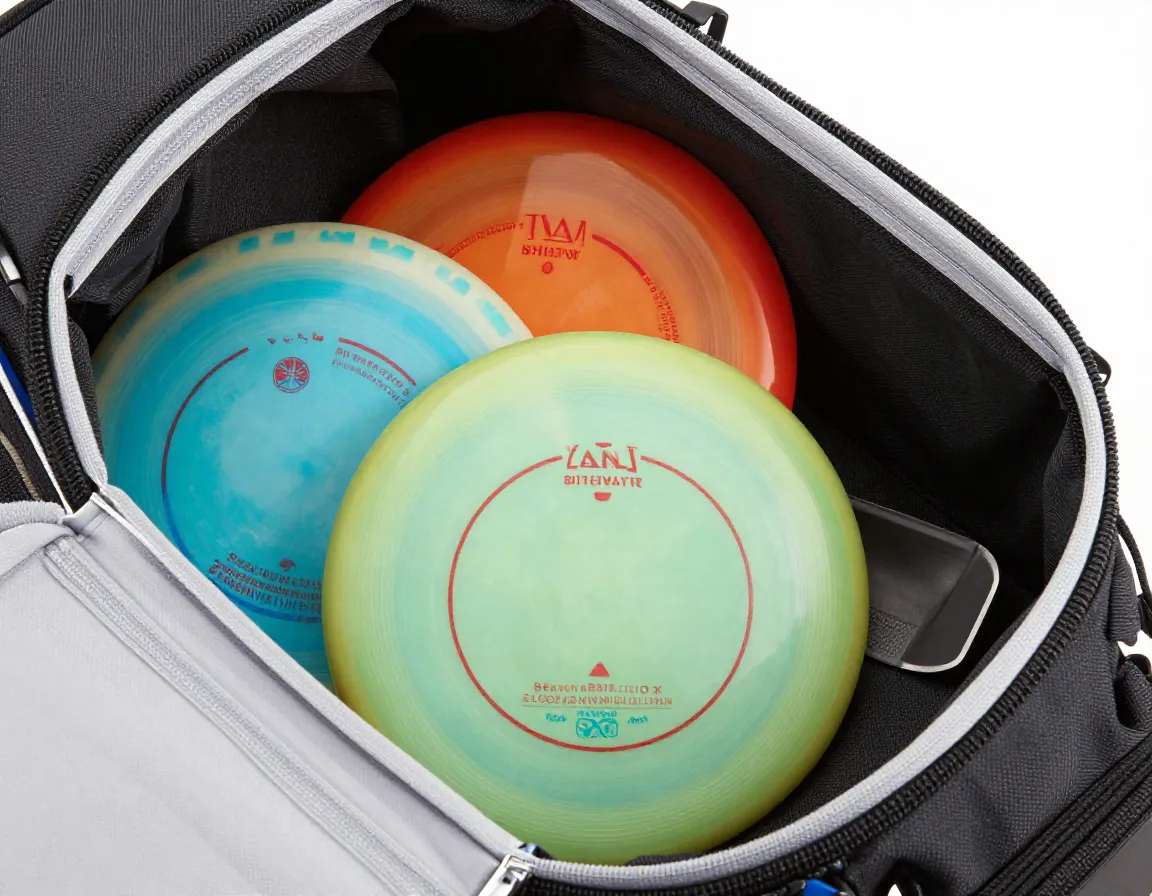
The foundation of successful disc golf starts with understanding the three main categories of discs. Unlike a single golf ball, disc golfers carry multiple discs designed for different situations and distances.
Drivers are built for maximum distance and speed. These discs feature sharp, aerodynamic edges and require significant arm speed to fly properly. As a beginner, I recommend starting with fairway drivers rather than distance drivers, as they’re more forgiving and easier to control.
Mid-range discs serve as the workhorses of your bag. With moderate speed requirements and reliable flight patterns, these discs handle shots between 150-250 feet with excellent accuracy. They’re perfect for learning proper form since they respond predictably to your throwing technique.
Putters are designed for short, accurate shots near the basket. Their blunt edges and stable flight characteristics make them ideal for approaches within 100 feet and, of course, putting into the basket.
For beginners, I suggest starting with a basic three-disc set: one stable fairway driver, one straight-flying mid-range, and one reliable putter. This combination covers all essential shots while keeping your learning curve manageable.
2. Mastering the Backhand Throw Technique
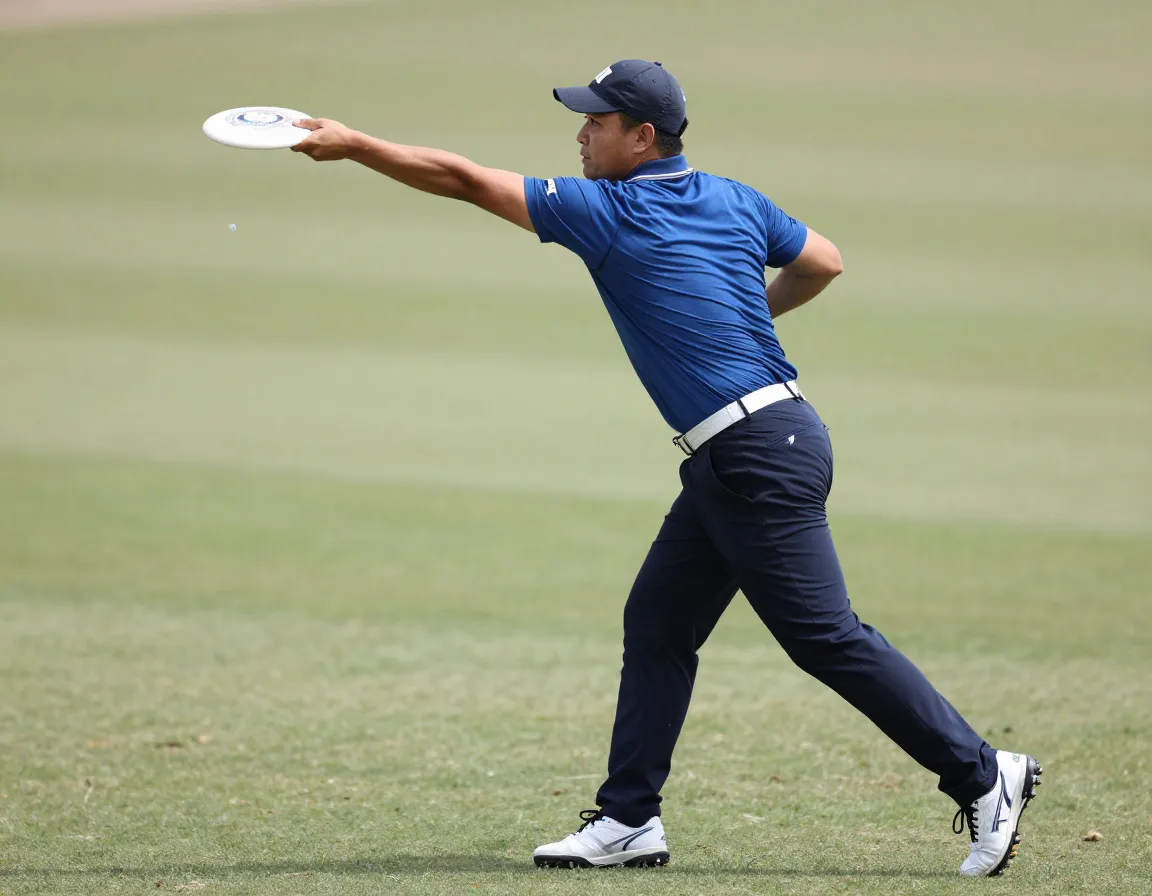
The backhand throw forms the backbone of most disc golfers’ games and should be your first priority when learning the 8 Disc Golf Basics: A Beginner’s Guide to Throws, Rules & Scoring. This technique mirrors a traditional frisbee throw but requires more precision and power.
Grip fundamentals start with the power grip. Place your thumb on top of the disc, wrap your four fingers underneath the rim, and ensure your index finger provides the primary control point. Your grip should be firm but not tense – imagine holding a small bird that you don’t want to escape or harm.
Stance and footwork begin with your feet shoulder-width apart, standing perpendicular to your target. For right-handed throwers, your left foot should point toward the target while your right foot provides the power base. The throwing motion involves a smooth weight transfer from your back foot to your front foot.
The throwing motion consists of three key phases: reach back, pull through, and follow through. During reach back, extend the disc away from your target while turning your shoulders. The pull through brings the disc across your chest in a straight line, and the follow through ensures clean release and maximum accuracy.
Practice this motion slowly at first, focusing on smooth mechanics rather than distance. Most beginners try to throw too hard too quickly, leading to poor form and inconsistent results.
3. Learning the Forehand (Sidearm) Throw
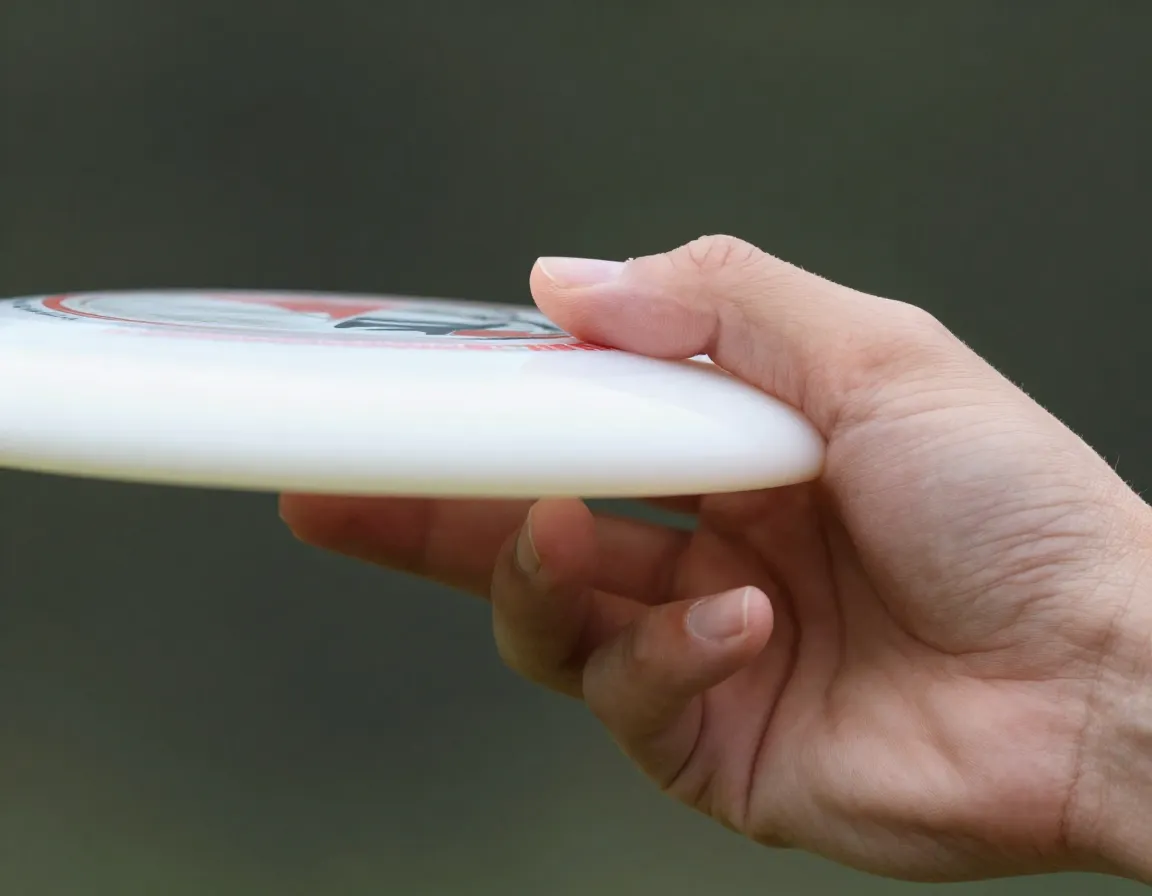
The forehand throw, also called a sidearm, provides an essential alternative to the backhand and opens up new strategic options on the course. This technique proves particularly valuable for navigating obstacles and achieving different flight patterns.
Forehand grip basics differ significantly from backhand technique. Place your index and middle fingers under the disc’s rim with your thumb on top for stability. Your remaining fingers should curl naturally without interfering with the disc’s release. This grip requires more finger strength than the backhand but offers excellent control.
Body positioning for forehand throws involves standing more parallel to your target compared to backhand stance. Your throwing arm should have clear space to extend across your body without interference from your torso or opposite arm.
Release mechanics focus on a smooth, level motion that generates spin through finger snap rather than arm strength. The disc should release from your hand with significant spin, creating the gyroscopic stability needed for accurate flight.
Common forehand mistakes include throwing with too much arm motion (leading to inconsistent releases) and failing to maintain level disc angle during release. Start with short, controlled throws and gradually increase distance as your technique improves.
4. Understanding Flight Patterns and Disc Stability
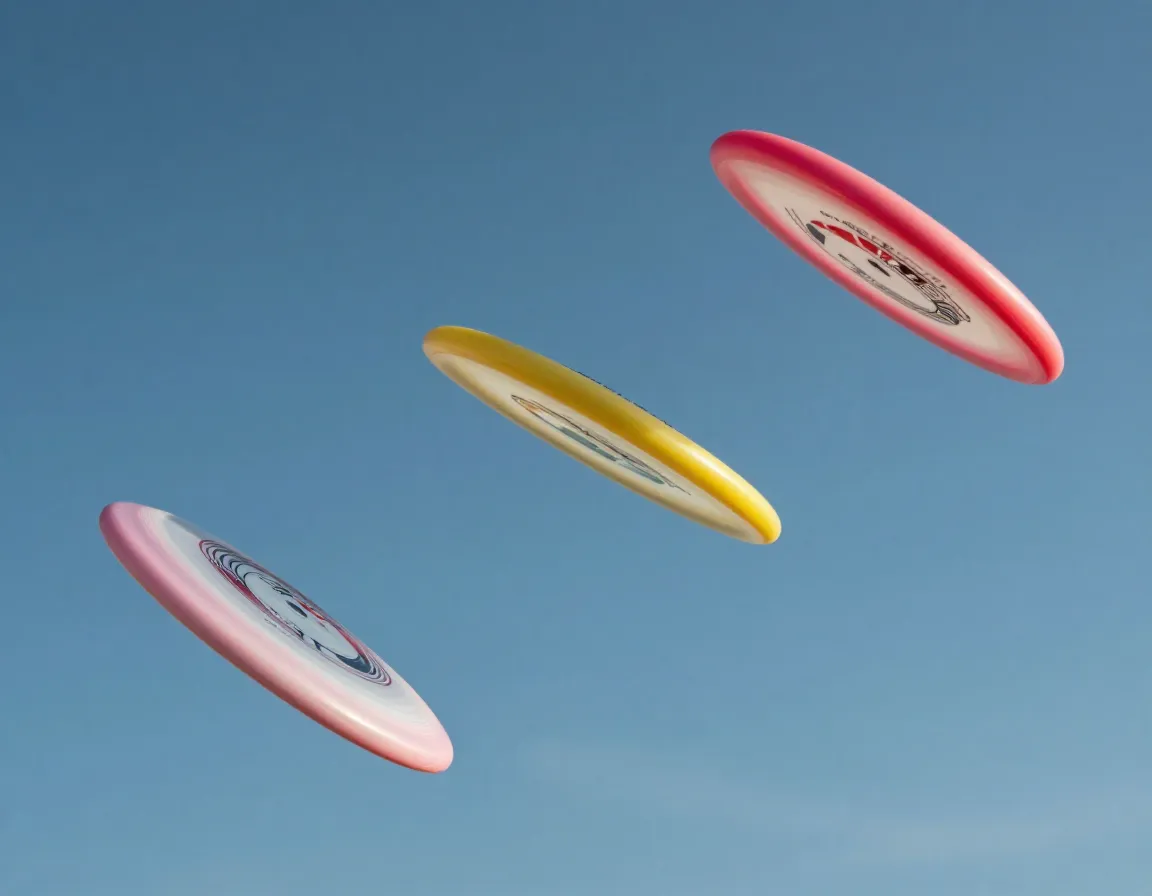
Every disc golf disc exhibits specific flight characteristics that determine how it moves through the air. Understanding these patterns is crucial for shot selection and course management, making it a vital component of the 8 Disc Golf Basics: A Beginner’s Guide to Throws, Rules & Scoring.
Stability ratings indicate how a disc behaves during flight. Understable discs tend to turn right (for right-handed backhand throws) during the initial portion of flight, while overstable discs resist turning and fade left at the end of flight. Stable discs fly relatively straight with minimal turn or fade.
Flight numbers appear on most modern discs and provide standardized information about performance characteristics. These four numbers represent speed, glide, turn, and fade respectively. Speed indicates how fast you must throw the disc, glide measures how long it stays airborne, turn shows initial flight direction, and fade indicates end-of-flight behavior.
Practical applications of stability knowledge help you choose appropriate discs for specific shots. Need to throw around a tree on the right side of the fairway? An understable disc will naturally curve right and then fade back toward the center. Facing a strong headwind? An overstable disc will maintain its intended flight path despite wind resistance.
Beginners should focus on stable to slightly understable discs that provide predictable, straight flights while they develop consistent throwing form.
5. Basic Rules and Course Layout
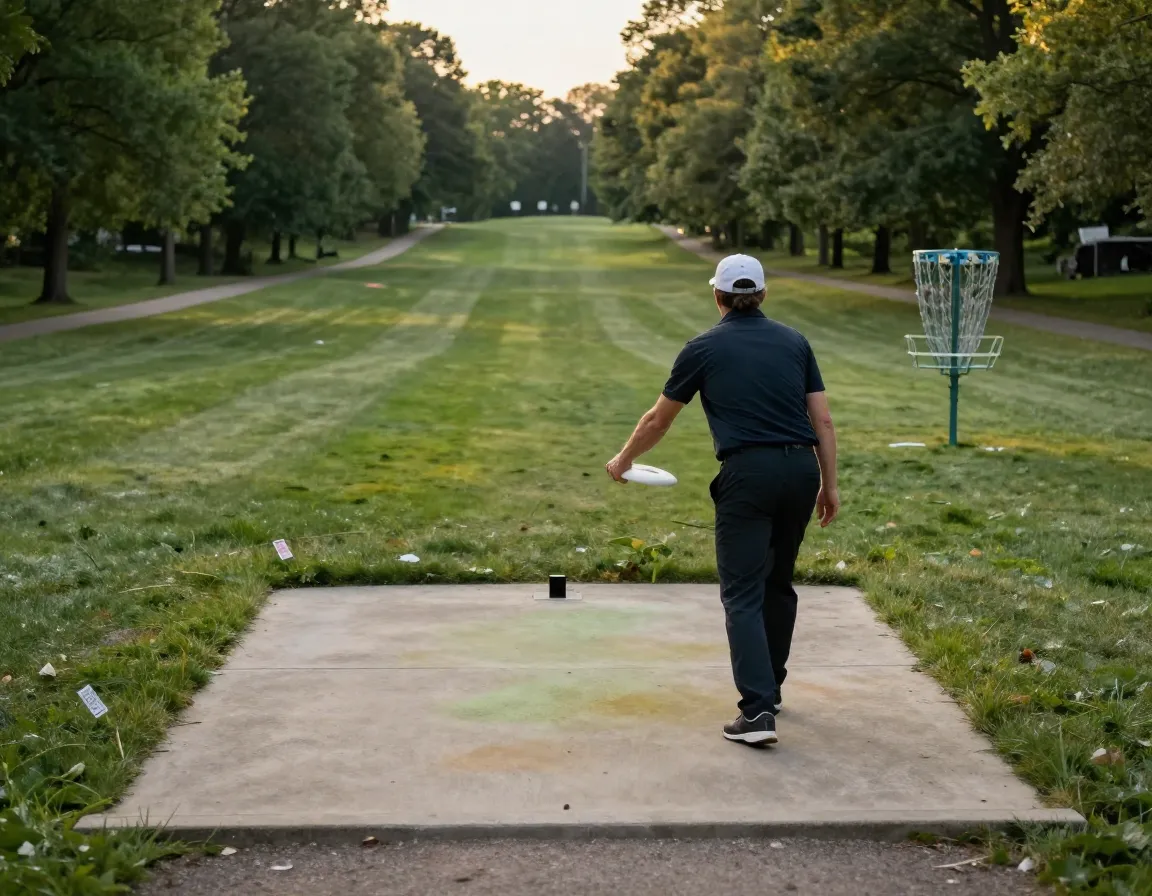
Disc golf follows many principles similar to traditional golf, but with important differences that every beginner should understand [3]. The objective remains the same: complete each hole in the fewest throws possible.
Tee shots begin from designated tee areas, usually marked by concrete pads or natural tee zones. Players must release their disc while maintaining contact with the tee area, and the player with the best score on the previous hole throws first.
Subsequent throws follow the “away player throws first” rule, meaning whoever is farthest from the basket throws next. Players must throw from where their disc comes to rest, and they cannot move the disc except in specific circumstances outlined in official rules [1].
Out-of-bounds areas exist on many courses and carry penalty strokes. When a disc lands out-of-bounds, players typically receive a one-stroke penalty and throw from either the point where the disc crossed the boundary or from a designated drop zone.
Course navigation involves playing from tee to basket in order, following marked paths and respecting course boundaries. Most courses feature 18 holes with varying distances, obstacles, and difficulty levels designed to challenge different skill levels.
Mandatory routes (mandos) require discs to pass on specific sides of designated objects like trees or poles. Missing a mandatory results in penalty strokes and often requires re-throwing from the previous lie.
6. Scoring System and Terminology
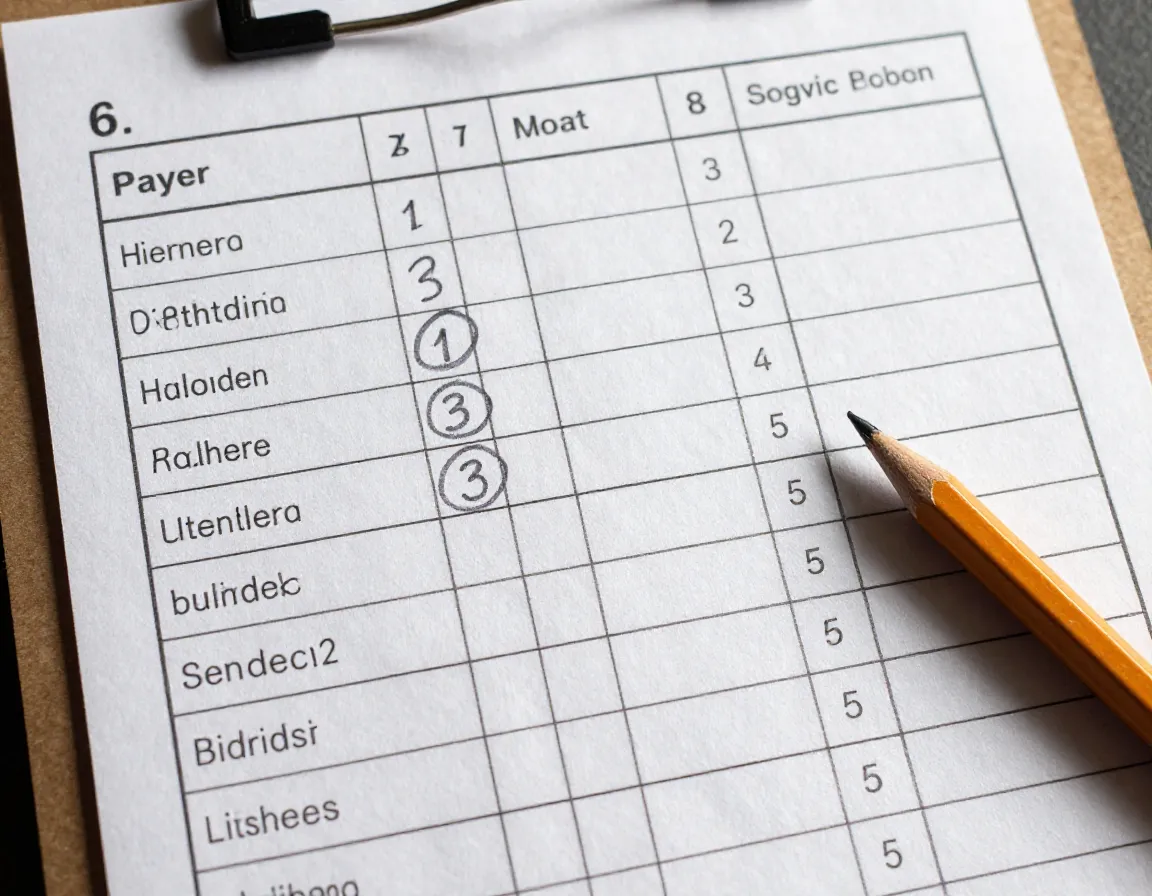
The disc golf scoring system mirrors traditional golf, making it easy for newcomers to understand while incorporating sport-specific terminology that enhances communication on the course.
Basic scoring counts every throw from tee to basket, including penalty strokes. Par represents the expected number of throws for skilled players to complete each hole, typically ranging from 3 to 5 strokes depending on distance and difficulty.
Common scoring terms include:
- Ace: Hole-in-one (tee shot directly into basket)
- Eagle: Two strokes under par
- Birdie: One stroke under par
- Par: Meeting the expected score
- Bogey: One stroke over par
- Double bogey: Two strokes over par
Scorekeeping methods range from simple paper scorecards to smartphone apps that track statistics and provide course information. Many players use apps like UDisc or PDGA Live Scoring for tournaments and casual rounds.
Tournament scoring follows official PDGA guidelines with specific procedures for score verification and dispute resolution [1]. Players typically keep score for others in their group and verify totals at the end of each hole.
Understanding proper scoring terminology helps you communicate effectively with other players and fully appreciate the strategic elements that make disc golf engaging for players of all skill levels.
7. Essential Equipment and Gear for Beginners
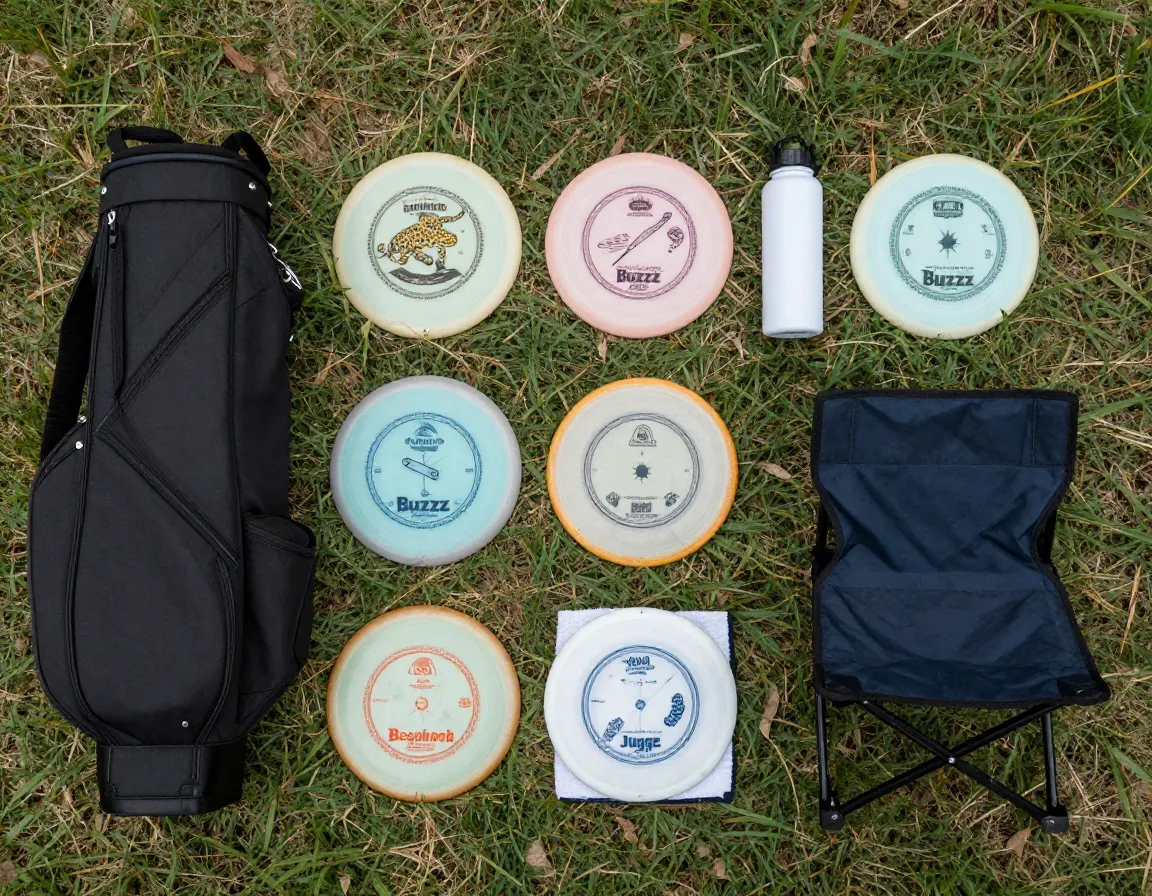
Starting disc golf doesn’t require expensive equipment, but having the right basic gear enhances your experience and accelerates skill development. Smart equipment choices support the fundamentals covered in this 8 Disc Golf Basics: A Beginner’s Guide to Throws, Rules & Scoring.
Disc selection for beginners should prioritize forgiveness over performance. Choose discs with lower speed ratings (6-9) and stable flight characteristics. Popular beginner-friendly options include the Innova Leopard (driver), Discraft Buzzz (mid-range), and Dynamic Discs Judge (putter).
Carrying solutions range from simple drawstring bags to full-featured disc golf bags with multiple compartments. Beginners can start with a basic bag that holds 6-10 discs, adding storage capacity as their disc collection grows.
Additional accessories that improve your game include:
- Mini markers: Small discs used to mark your lie
- Towel: Essential for cleaning discs and maintaining grip
- Water bottle: Staying hydrated during longer rounds
- Portable chair: Useful for waiting between throws on busy courses
Clothing considerations emphasize comfort and mobility over style. Wear shoes with good traction, comfortable pants that allow full range of motion, and layers appropriate for weather conditions. Many courses involve walking through wooded areas, so long pants can protect against scratches and insects.
Budget planning for beginners typically ranges from $50-100 for basic equipment. Start with a starter set from major manufacturers, then add individual discs as you identify specific needs and preferences through course experience.
8. Course Etiquette and Safety Guidelines
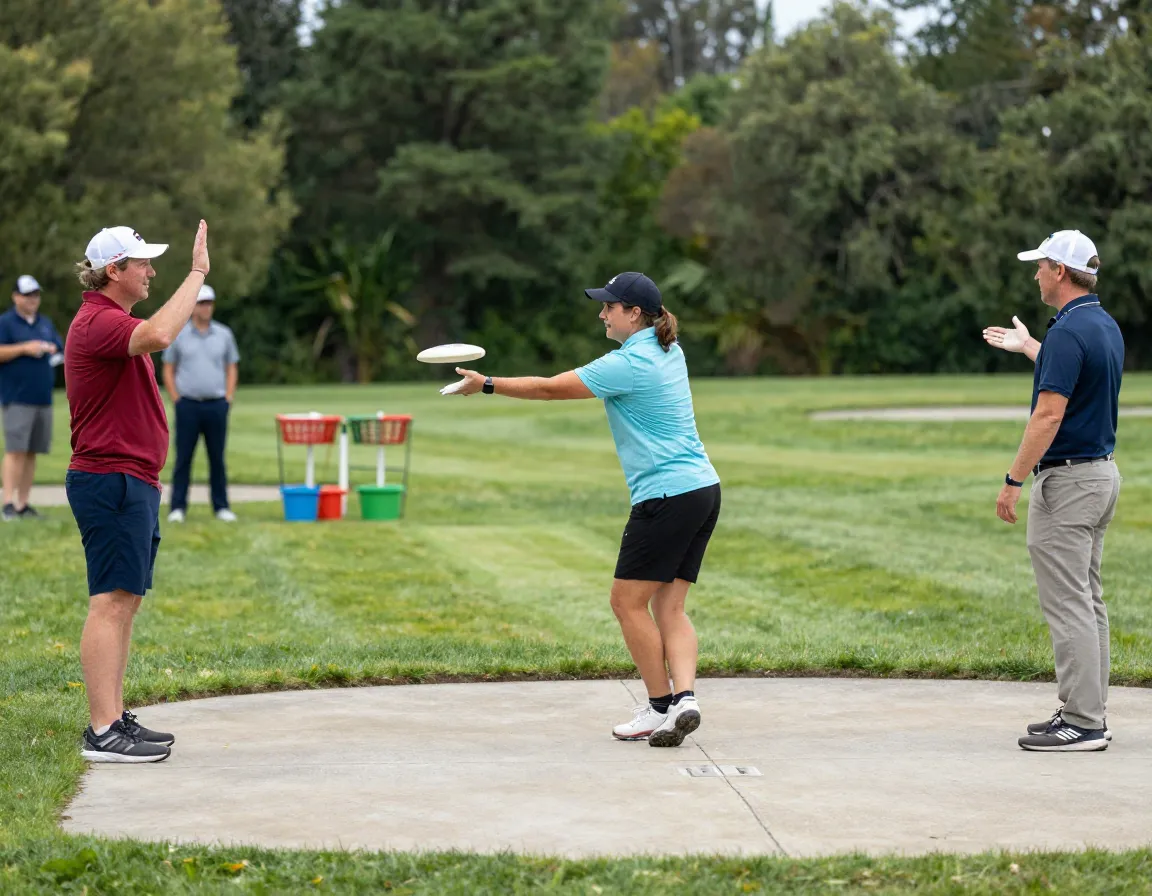
Proper etiquette and safety awareness ensure enjoyable experiences for all players while maintaining the welcoming community spirit that defines disc golf culture. These guidelines represent essential knowledge for anyone learning the 8 Disc Golf Basics: A Beginner’s Guide to Throws, Rules & Scoring.
Safety protocols prioritize awareness and communication. Always ensure the area ahead is clear before throwing, and call “fore” loudly if your disc heads toward other players. Never throw when people are within your disc’s potential flight path, even if they seem far away.
Pace of play expectations include staying aware of groups behind you and allowing faster players to “play through” when appropriate. If you’re consistently holding up other groups, step aside and let them pass at a convenient tee or after completing a hole.
Course care involves respecting the environment and facilities. Replace divots, avoid damaging trees or vegetation, and pack out all trash. Many disc golf courses exist in public parks, and maintaining good relationships with park authorities ensures continued access.
Group dynamics emphasize respect and encouragement. Avoid giving unsolicited advice to other players, keep noise levels reasonable, and maintain positive attitudes even during frustrating rounds. Disc golf attracts players of all skill levels, and experienced players should welcome newcomers enthusiastically.
Tournament considerations involve additional etiquette rules including specific procedures for marking lies, calling rule violations, and maintaining appropriate behavior during competitive play [2]. Even casual players benefit from understanding these standards.
Conclusion
Mastering these 8 Disc Golf Basics: A Beginner’s Guide to Throws, Rules & Scoring provides the foundation for a lifetime of enjoyment in this rapidly growing sport. From understanding disc types and throwing techniques to learning rules and etiquette, you now have the essential knowledge needed to step onto any disc golf course with confidence.
Remember that disc golf rewards patience and practice over raw power. Focus on developing consistent form with your backhand and forehand throws, choose appropriate discs for your skill level, and embrace the learning process. Every experienced player started exactly where you are now, and the disc golf community is known for welcoming newcomers with enthusiasm and support.
Your next steps should include:
- Visit a local disc golf course and walk through a few holes to observe the layout
- Purchase or borrow a basic starter set of discs
- Practice throwing in an open field before attempting a full round
- Connect with local disc golf groups through social media or course bulletin boards
- Consider taking a beginner clinic if available in your area
The beauty of disc golf lies in its accessibility – courses exist in most communities, equipment costs remain reasonable, and players of all ages and abilities can enjoy the sport together. Whether you’re seeking recreational exercise, competitive challenge, or simply a new way to enjoy the outdoors, disc golf offers something special for everyone willing to learn these fundamental skills.
Start your disc golf journey today, and you’ll quickly discover why millions of players worldwide have fallen in love with this unique combination of athleticism, strategy, and outdoor adventure.
References
[1] Official Rules Disc Golf And Competition Manual Disc Golf Events Updated 2026 – https://www.pdga.com/news/official-rules-disc-golf-and-competition-manual-disc-golf-events-updated-2026
[2] Pdga Rule Updates 2026 Regulated Area Markings – https://parkdly.com/blog/pdga-rule-updates-2026-regulated-area-markings
[3] Rules – https://www.pdga.com/rules