
9 Golf Rules for Beginners You Can’t Afford to Break
Starting your golf journey can feel overwhelming, especially when you’re trying to navigate the complex world of golf etiquette and rules. I’ve seen countless beginners unknowingly break fundamental rules that not only affect their scores but also frustrate fellow golfers and slow down play. Understanding these 9 golf rules for beginners you can’t afford to break will help you avoid embarrassing mistakes and build confidence on the course from day one.
Disclosure: This post contains affiliate links. As an Amazon Associate, we earn from qualifying purchases, and at no extra cost to you.
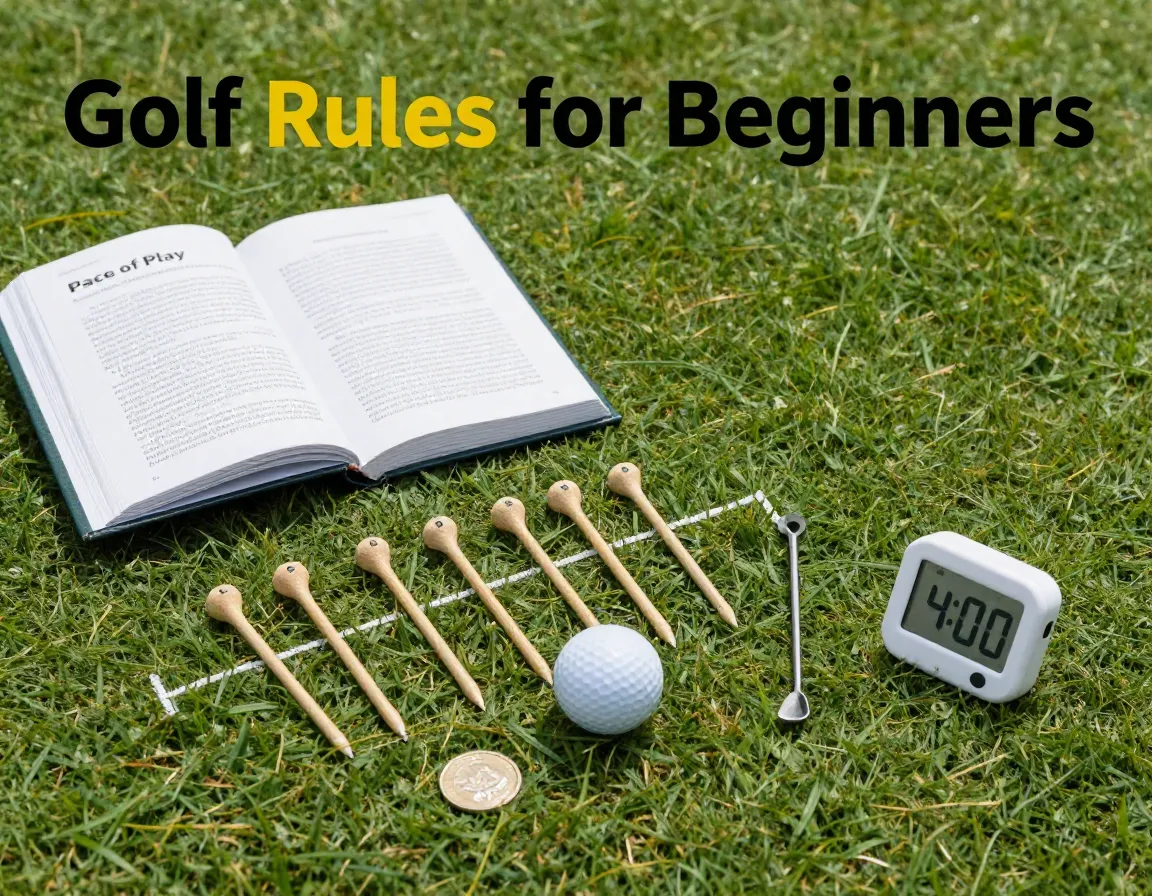
Whether you’re planning your first round or you’ve played a few times but want to ensure you’re following proper protocol, mastering these essential rules will make your golf experience more enjoyable and respectful for everyone involved.
Key Takeaways
- Pace of play is crucial – always be ready to hit and keep up with the group ahead
- Ball marking and etiquette on greens prevents damage and shows respect for other players
- Penalty strokes must be counted honestly to maintain the integrity of your score
- Course care through divot repair and bunker raking preserves conditions for all golfers
- Safety awareness protects you and others from injury during play
Understanding Golf’s Essential Beginner Rules
Golf operates on a foundation of rules and etiquette that have evolved over centuries. These guidelines ensure fair play, safety, and enjoyment for all participants. As a beginner, focusing on the most critical rules will help you integrate smoothly into golf culture while avoiding common pitfalls that can derail your experience.
The rules I’m about to share aren’t just suggestions—they’re fundamental aspects of golf that experienced players expect everyone to follow. Breaking these rules can result in penalty strokes, frustrated playing partners, or even being asked to leave the course.
1. Always Play Ready Golf and Maintain Pace

Ready golf means being prepared to hit your shot when it’s safe and appropriate, regardless of who has honors. This rule is absolutely critical for beginners who often take longer to set up and execute shots.
Here’s how to maintain proper pace:
- Walk quickly between shots
- Pre-select your club while others are hitting
- Take practice swings while waiting, not when it’s your turn
- Limit yourself to one practice swing when it’s your turn
- Keep up with the group ahead, not just stay ahead of the group behind
“The golden rule of golf pace: if you can see the group ahead of you, you’re playing at an acceptable speed. If you can’t see them, you need to pick up the pace.” – PGA Teaching Professional
Time limits: Most courses expect a round to take 4-4.5 hours for a foursome. If you’re consistently taking longer, consider playing from forward tees or picking up your ball after reaching double par.
2. Understand Ball Marking and Green Etiquette

The putting green requires special attention to rules and etiquette. Your actions here directly impact other players’ ability to putt successfully.
Essential green rules:
- Mark your ball when it might interfere with another player’s line
- Use a coin or ball marker placed directly behind the ball
- Never walk through another player’s putting line
- Repair ball marks immediately upon reaching the green
- Replace the flagstick carefully to avoid damaging the hole
Ball marking procedure:
- Place marker directly behind your ball
- Lift the ball straight up
- Clean if necessary
- Replace ball in exact same spot
- Remove marker before putting
⚠️ Common mistake: Many beginners place their marker to the side of the ball instead of behind it, which can affect the ball’s position when replaced.
3. Count Every Stroke Including Penalties
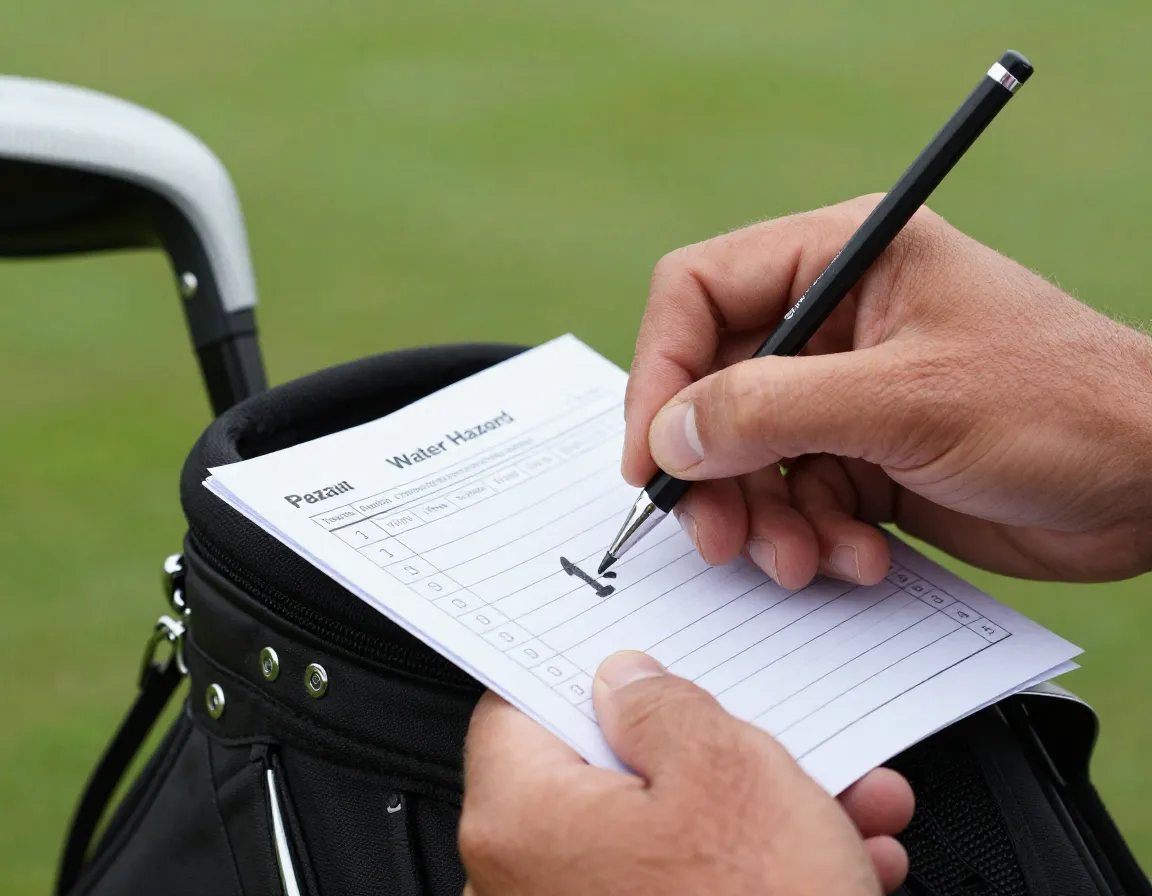
Honest scoring is fundamental to golf’s integrity. This means counting every stroke, including penalty strokes that beginners often forget or don’t understand.
Must-count situations:
| Situation | Penalty | What to Count |
|---|---|---|
| Ball in water hazard | 1 stroke | Original shot + penalty + next shot |
| Lost ball | 1 stroke | All searching swings + penalty + re-tee |
| Out of bounds | 1 stroke | Original shot + penalty + re-hit |
| Unplayable lie | 1 stroke | Original shot + penalty + drop |
Stroke counting tips:
- Count whiffs (missed swings) as strokes
- Count practice swings that hit the ball as strokes
- Add penalty strokes before hitting your next shot
- Use a stroke counter or mark your scorecard immediately
4. Repair Divots and Ball Marks Immediately

Course maintenance is every golfer’s responsibility. Failing to repair damage shows disrespect for the course and other players.
Divot repair process:
- Replace divots in fairways and rough immediately
- Fill divot holes with sand/seed mixture if provided
- Smooth the area with your club or foot
- Pack down replaced divots firmly
Ball mark repair on greens:
- Insert repair tool behind the mark
- Push forward toward center (don’t lift up)
- Work around the mark from multiple angles
- Tap down with putter to smooth surface
🏌️ Pro tip: Repair one additional ball mark beyond your own to help course conditions improve over time.
Critical Rules That Impact Your Game and Others
5. Follow Proper Bunker Etiquette and Rules

Sand bunkers (also called sand traps) have specific rules that beginners frequently violate unknowingly.
Bunker rules you must follow:
- Enter from the low side to minimize damage
- Don’t ground your club before swinging (2-stroke penalty)
- Rake after hitting to smooth the sand
- Exit from the low side when possible
Raking technique:
- Pull rake toward you to smooth footprints
- Work systematically from back to front
- Leave rake outside the bunker with handle pointing away
- Fill in all footprints and club marks
Unplayable bunker lies: If your ball is unplayable in a bunker, you have three options (all with 1-stroke penalty):
- Play from where you last hit
- Drop within two club lengths in the bunker
- Drop behind the bunker on a line from the hole
6. Understand Out of Bounds and Lost Ball Procedures

Nothing frustrates beginners more than losing balls or hitting them out of bounds. Understanding the proper procedures saves time and prevents rule violations.
Out of bounds indicators:
- White stakes or lines
- Fences marking property boundaries
- Cart paths in some cases (check local rules)
- Roads or parking areas
Lost ball procedure:
- Search for 3 minutes maximum (changed from 5 minutes in 2019)
- If not found, return to original spot
- Add one penalty stroke
- Play again from original position
Provisional ball rules:
- Announce you’re hitting a provisional ball
- Hit it before searching for the original
- Abandon provisional if you find the original ball
- Continue with provisional if original is lost or OB
7. Respect Tee Box Rules and Honors

The tee box has specific rules about where you can tee your ball and who hits first.
Tee box boundaries:
- Two club lengths behind the tee markers
- Between the left and right markers
- Level with or behind the markers (never in front)
Honors system:
- First tee: Lowest handicap or flip a coin
- Subsequent tees: Best score on previous hole
- Ready golf: Can override honors for pace of play
- Safety first: Always wait for “all clear”
Tee height guidelines:
| Club Type | Tee Height |
|---|---|
| Driver | Half ball above crown |
| Fairway woods | Quarter ball above crown |
| Irons | Ball just above ground |
| Hybrids | Slightly above ground level |
8. Follow Cart and Walking Etiquette Rules

Whether you’re walking or riding, movement around the course requires attention to rules and courtesy.
Cart rules:
- Stay on paths when required (cart path only)
- 90-degree rule: Drive straight to ball, then back to path
- Keep carts away from greens and tee boxes (30+ feet)
- Park considerately for next group’s access
Walking etiquette:
- Walk between holes efficiently
- Stay out of other players’ sight lines
- Move quickly when crossing fairways
- Be aware of groups behind and ahead
Safety considerations:
- Never drive ahead of players who haven’t hit
- Watch for flying balls from adjacent holes
- Yield right of way to players hitting
- Keep noise down during others’ shots
9. Master Basic Scoring and Handicap Rules

Proper scoring goes beyond just counting strokes—it involves understanding how to handle various situations and maintain an accurate handicap.
Scoring fundamentals:
- Record actual strokes taken, including penalties
- Use net double bogey as maximum score for handicap purposes
- Mark scores immediately after each hole
- Verify totals before signing your scorecard
Handicap posting requirements:
- Post all rounds of 9+ holes
- Play by the rules for scores to count
- Adjust scores for net double bogey maximum
- Post within 24 hours when possible
Common scoring mistakes:
❌ Forgetting penalty strokes
❌ Not counting whiffs or practice swings that hit the ball
❌ Improving lies without taking relief properly
❌ Picking up without recording appropriate score
Essential Tips for Implementing These Golf Rules
Successfully following these 9 golf rules for beginners you can’t afford to break requires practice and mindfulness. Here are my top recommendations for making these rules second nature:
Start with preparation:
- Study the rules before your round
- Carry a rules summary in your golf bag
- Download the USGA Rules app for quick reference
- Ask questions when unsure—most golfers are happy to help
Practice good habits:
- Count strokes aloud until it becomes automatic
- Carry extra balls to avoid lengthy searches
- Bring repair tools and use them consistently
- Watch experienced players and mirror their behavior
Focus on pace:
- Time yourself during practice rounds
- Set a target of 15 minutes per hole maximum
- Be honest about when to pick up your ball
- Communicate with your group about pace concerns
Conclusion
Mastering these 9 golf rules for beginners you can’t afford to break will transform your golf experience from stressful to enjoyable. These fundamental guidelines—from maintaining pace of play to proper scoring—form the foundation of respectful, safe, and fair golf.
Remember that golf is a game of integrity and courtesy. By following these essential rules, you’ll not only avoid penalties and embarrassment but also contribute to the positive atmosphere that makes golf special. Every experienced golfer was once a beginner who had to learn these same rules.
Your next steps:
- Review these rules before your next round
- Practice proper etiquette during your games
- Ask questions when you’re unsure about procedures
- Be patient with yourself as you develop good habits
- Focus on one rule at a time until they all become natural
Golf rewards those who respect its traditions and rules. By committing to follow these guidelines, you’re not just becoming a better golfer—you’re joining a community that values integrity, courtesy, and the pursuit of improvement. Now get out there and enjoy your round! 🏌️♂️