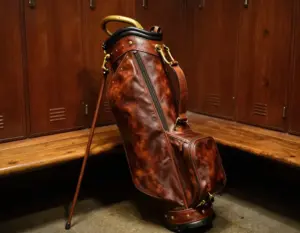
9 Rare Old Golf Photos That Show How the Game Has Changed
Golf has transformed dramatically since its humble beginnings on the windswept links of Scotland. While modern players enjoy pristine courses, high-tech equipment, and athletic apparel, the game’s early pioneers navigated rough terrain with wooden clubs and dressed in formal Victorian attire. These 9 rare old golf photos that show how the game has changed offer a fascinating glimpse into golf’s remarkable evolution from a leisurely pastime for the elite to today’s global sport embraced by millions.
Disclosure: This post contains affiliate links. As an Amazon Associate, we earn from qualifying purchases, and at no extra cost to you.

Key Takeaways
- Equipment Evolution: Golf clubs transformed from handcrafted wooden implements to precision-engineered titanium and carbon fiber technology
- Fashion Revolution: Players evolved from formal Victorian dress codes to modern athletic wear designed for performance and comfort
- Course Development: Golf courses progressed from natural links terrain to meticulously designed and maintained championship layouts
- Accessibility Growth: The sport expanded from exclusive gentleman’s clubs to inclusive facilities welcoming players of all backgrounds
- Playing Techniques: Golf swings and techniques became more athletic and scientifically analyzed compared to the casual approaches of early players
The Evolution of Golf Equipment and Attire
1. Victorian-Era Golf Clubs and Wooden Shafts
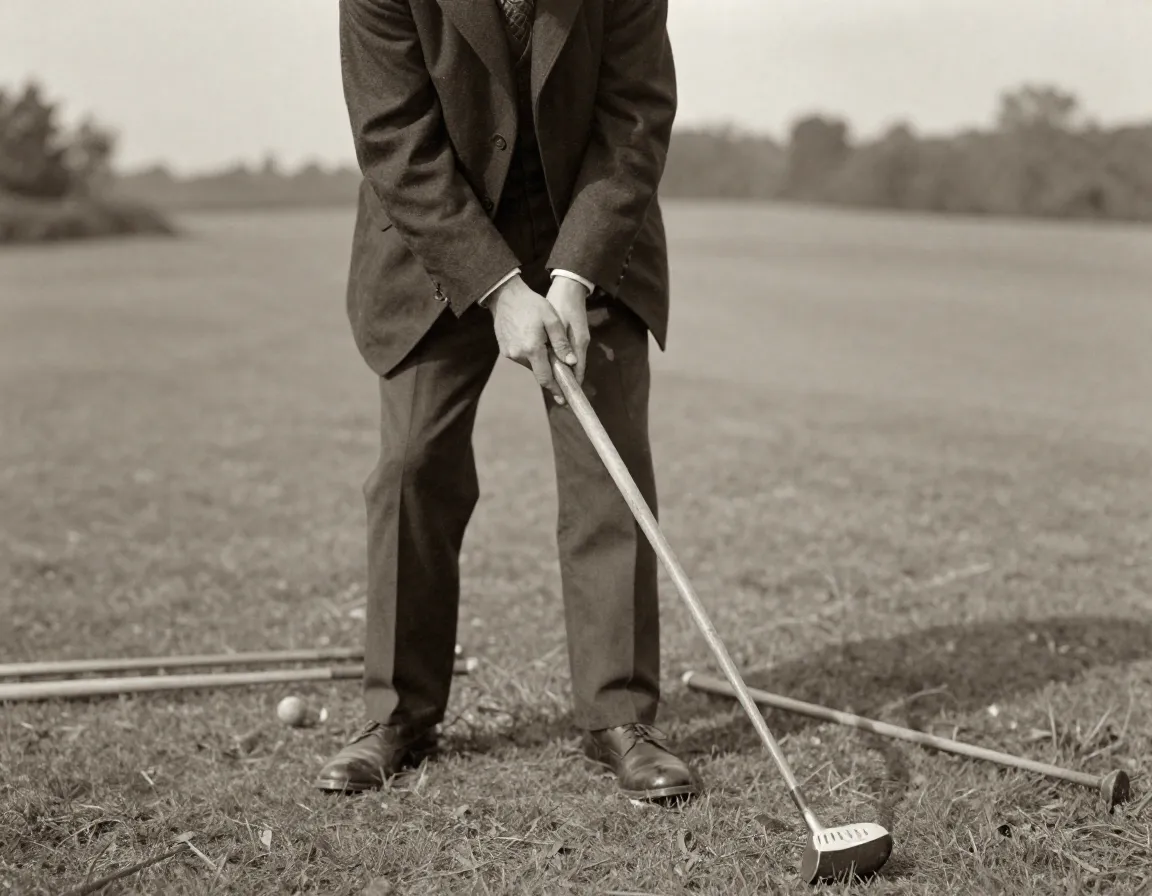
Early golf photographs from the 1880s reveal players wielding handcrafted wooden clubs with hickory shafts and iron heads forged by local blacksmiths. These primitive implements required exceptional skill to control, as they lacked the precision engineering of modern clubs. Players often carried only a few clubs, relying on technique rather than technology.
The contrast with today’s equipment is striking. Modern golfers carry 14 precisely engineered clubs with titanium drivers, cavity-back irons, and specialized wedges designed for specific shot requirements. Advanced materials like graphite shafts and multi-layer golf balls have revolutionized distance and accuracy.
2. Formal Dress Codes on the Golf Course
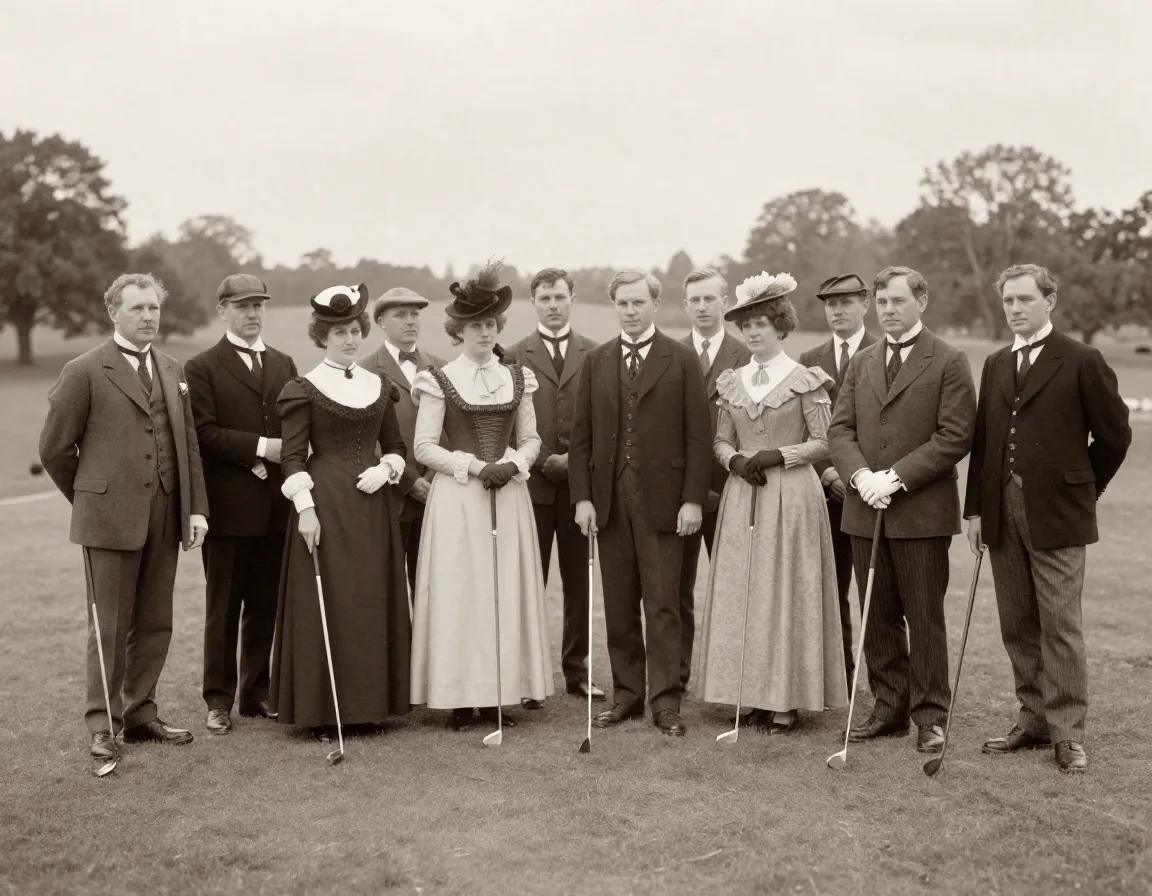
Historical photographs show Victorian golfers dressed in formal attire – men in wool jackets, ties, and knickers, while women navigated courses in long skirts, corsets, and elaborate hats. This formal dress code reflected golf’s origins as a gentleman’s pastime rather than an athletic pursuit.
“Early golfers viewed the game as a social activity first and athletic endeavor second, which explains why they maintained formal dress standards even during play.” – Golf Historian Dr. Sarah Mitchell
Today’s golf attire emphasizes performance and comfort, featuring moisture-wicking fabrics, UV protection, and designs that enhance mobility. The transformation from restrictive formal wear to athletic apparel mirrors golf’s evolution into a true sport.
3. The Featherie Ball Era

Rare photographs from the early 1800s document the use of “featherie” golf balls – leather pouches stuffed with wet goose feathers that expanded as they dried. These handmade balls were expensive, inconsistent, and easily damaged, making golf an exclusive pursuit for the wealthy.
The invention of the gutta-percha ball in the 1840s, followed by modern multi-layer balls with advanced dimple patterns, revolutionized the game’s accessibility and performance standards.
4. Women’s Golf Fashion Evolution
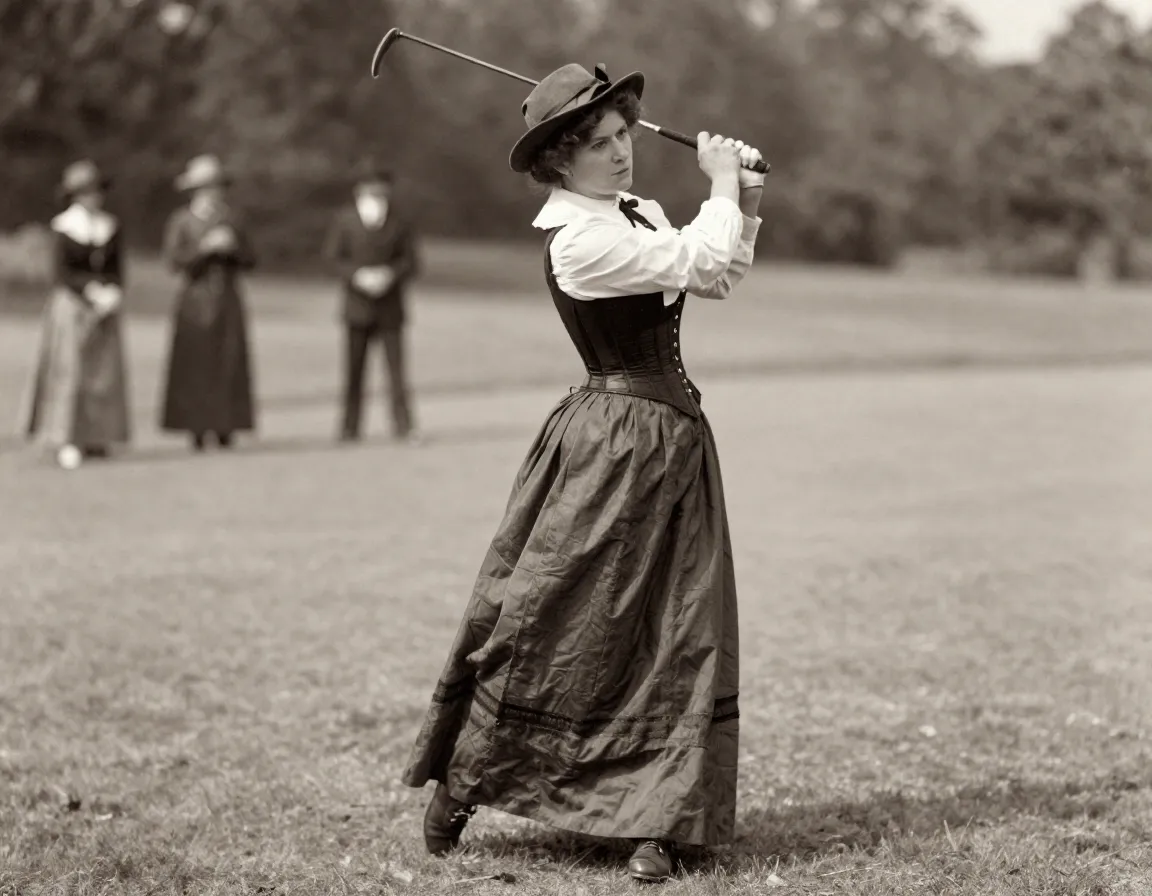
Early photographs of women golfers reveal the challenges faced by female players in restrictive Victorian clothing. Long skirts, tight corsets, and formal blouses severely limited mobility and swing mechanics. Despite these obstacles, pioneering women golfers like Lady Margaret Scott competed at the highest levels.
Modern women’s golf attire features technical fabrics and athletic cuts designed specifically for golf performance, enabling female players to compete on equal terms with unrestricted movement and comfort.
Course Design and Playing Conditions Through the Decades
5. Natural Links Courses vs. Modern Designs

Historical photographs of Scottish links courses show golf’s origins on natural coastal terrain with minimal human intervention. These courses featured rough, uneven fairways, natural bunkers, and unpredictable conditions that tested players’ adaptability and creativity.
Modern championship courses represent architectural masterpieces with precisely contoured fairways, strategically placed hazards, and immaculate conditioning. Advanced irrigation systems, specialized grass varieties, and sophisticated maintenance equipment create consistent playing conditions year-round.
6. The Absence of Golf Carts and Modern Amenities
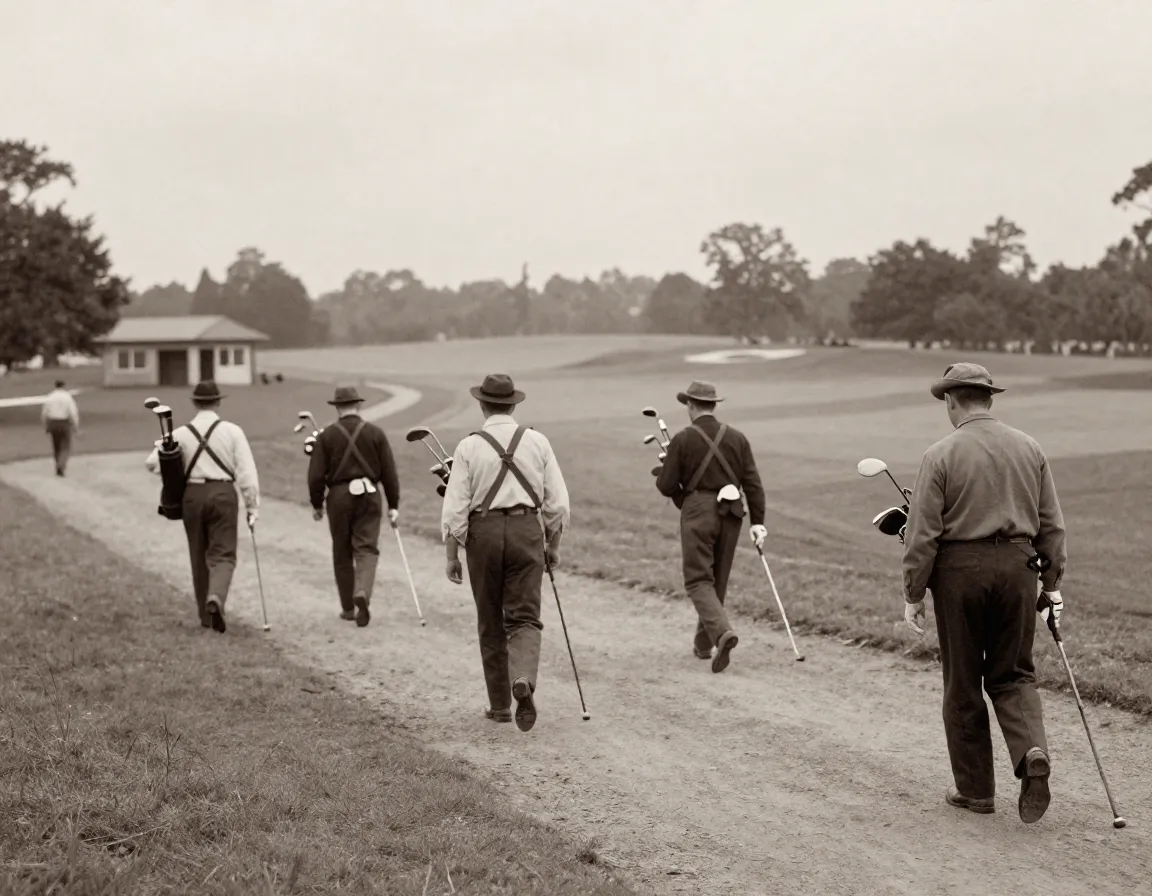
Early golf photographs reveal players walking the entire course while carrying their own clubs or employing caddies. Clubhouses were simple structures offering basic shelter and refreshments, lacking the elaborate facilities common today.
Contemporary golf facilities feature luxury amenities including golf carts, GPS systems, practice ranges with target greens, and full-service clubhouses with dining, pro shops, and fitness facilities.
7. Primitive Putting Greens and Course Maintenance
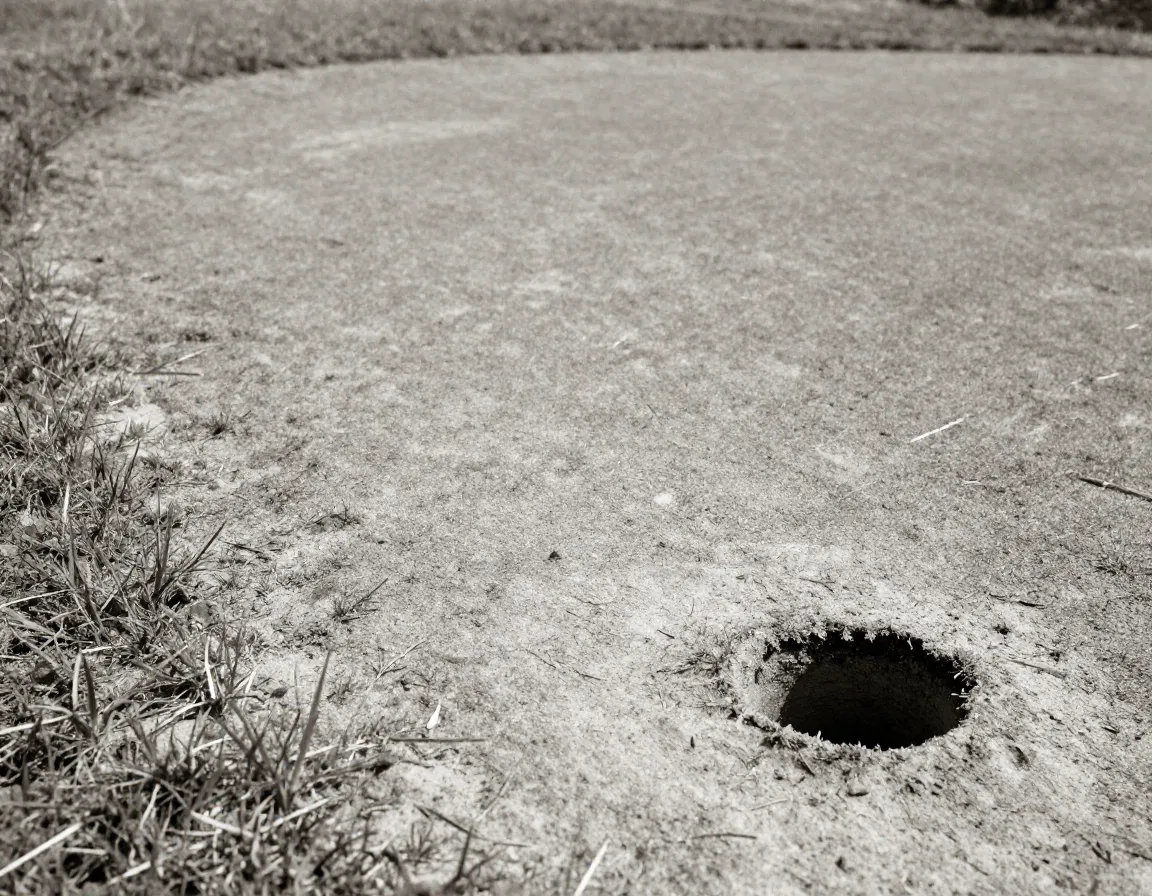
Historical images show rough, uneven putting surfaces maintained by basic tools and minimal understanding of turf management. Greens were often sandy, bumpy, and inconsistent, requiring players to adapt their putting techniques to unpredictable conditions.
Today’s putting greens utilize scientific turf management with specialized grass varieties, precise irrigation, and daily maintenance routines that create smooth, consistent putting surfaces with controlled speeds and optimal playing conditions.
8. Early Tournament Photography and Spectator Culture
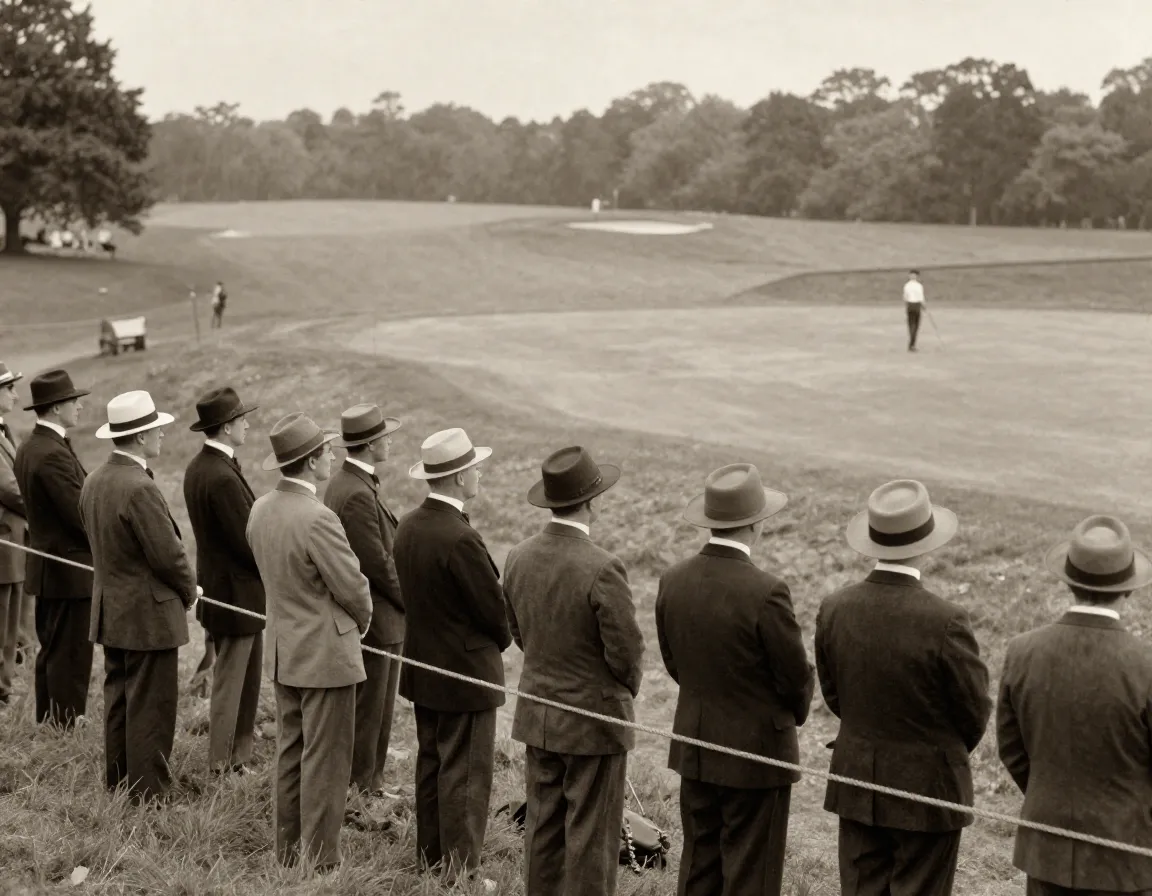
Rare tournament photographs from the early 1900s show small, well-dressed crowds observing golf competitions with minimal infrastructure or organization. Spectators dressed formally and maintained proper etiquette, reflecting golf’s exclusive social status.
Modern tournament photography captures massive crowds, television coverage, and corporate hospitality that transform professional golf into entertainment spectacles with global audiences and multi-million dollar prize pools.
9. The Integration and Democratization of Golf
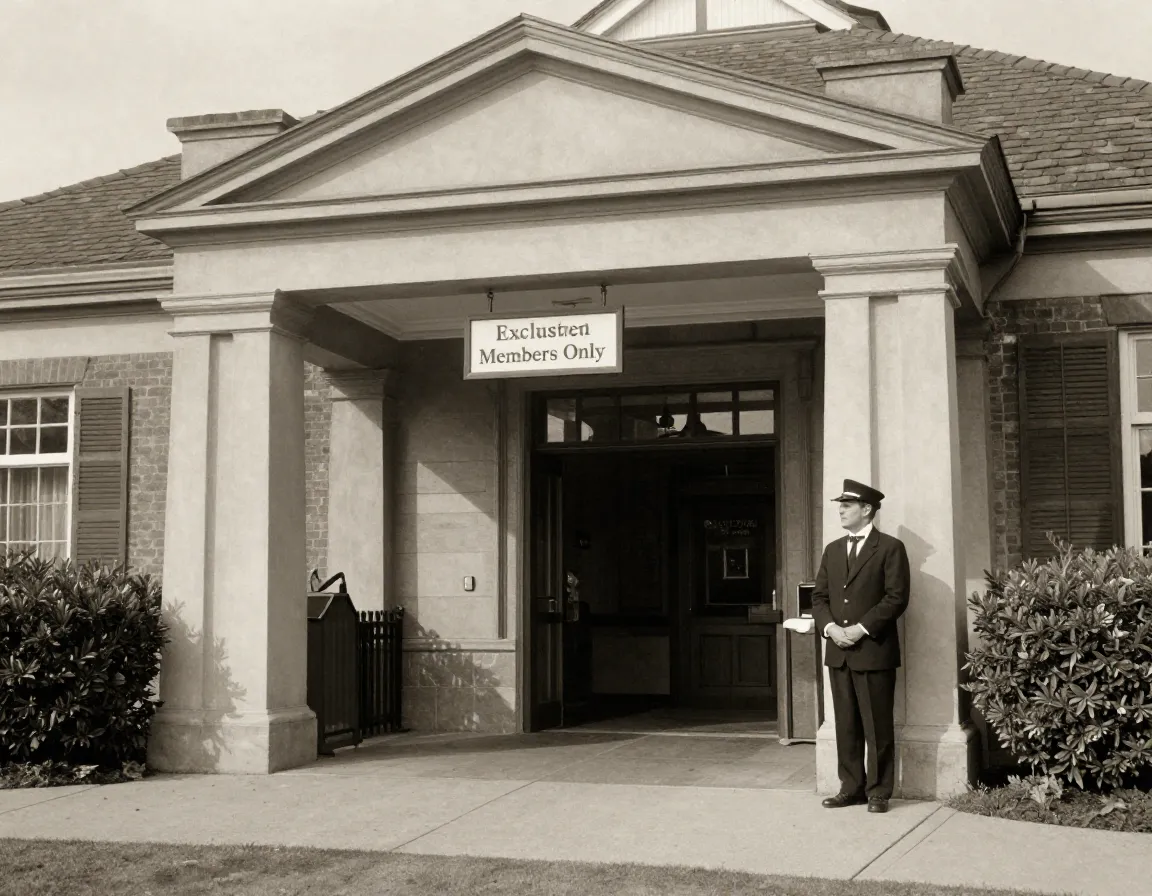
Historical photographs document golf’s exclusive, segregated past when many courses restricted access based on gender, race, and social class. Private clubs maintained strict membership requirements that limited participation to privileged groups.
Contemporary golf embraces diversity and inclusion with public courses, junior programs, and initiatives designed to welcome players from all backgrounds. The sport’s growth reflects broader social changes toward equality and accessibility.
How These Rare Photos Illuminate Golf’s Transformation
These 9 rare old golf photos that show how the game has changed reveal more than equipment upgrades and fashion evolution. They document golf’s transformation from an exclusive social activity to a global sport that combines athletic performance, technological innovation, and inclusive participation.
The photographs highlight several key themes:
- Technological advancement in equipment design and course maintenance
- Social evolution from exclusive clubs to public accessibility
- Athletic development with improved training and technique analysis
- Environmental stewardship through sustainable course management practices
Conclusion
The journey through these 9 rare old golf photos that show how the game has changed reveals golf’s remarkable evolution over more than two centuries. From wooden clubs and formal attire to high-tech equipment and athletic wear, from rough links courses to manicured championship layouts, golf has continuously adapted while preserving its core values of integrity, respect, and challenge.
Ready to explore golf’s rich history further? Visit your local golf museum, research historical golf courses in your area, or examine vintage golf equipment collections. Understanding golf’s past enhances appreciation for the modern game while connecting you to generations of players who shared the same passion for this timeless sport.
Whether you’re a seasoned golfer or newcomer to the game, these historical insights provide valuable perspective on how far golf has progressed and where it might head in the future. The evolution continues as technology, sustainability, and inclusivity shape golf’s next chapter in 2026 and beyond.